Tussen Vlakte/Between Plains is a collaborative exhibition by two Pretoria based artists Martli Jansen van Rensburg and Magdel van Rooyen. This is their third exhibition together and when you see their art, in different mediums, you can see why. DIANE DE BEER met them at the Pierneef’s Kraal De Galerij art gallery just before the opening:
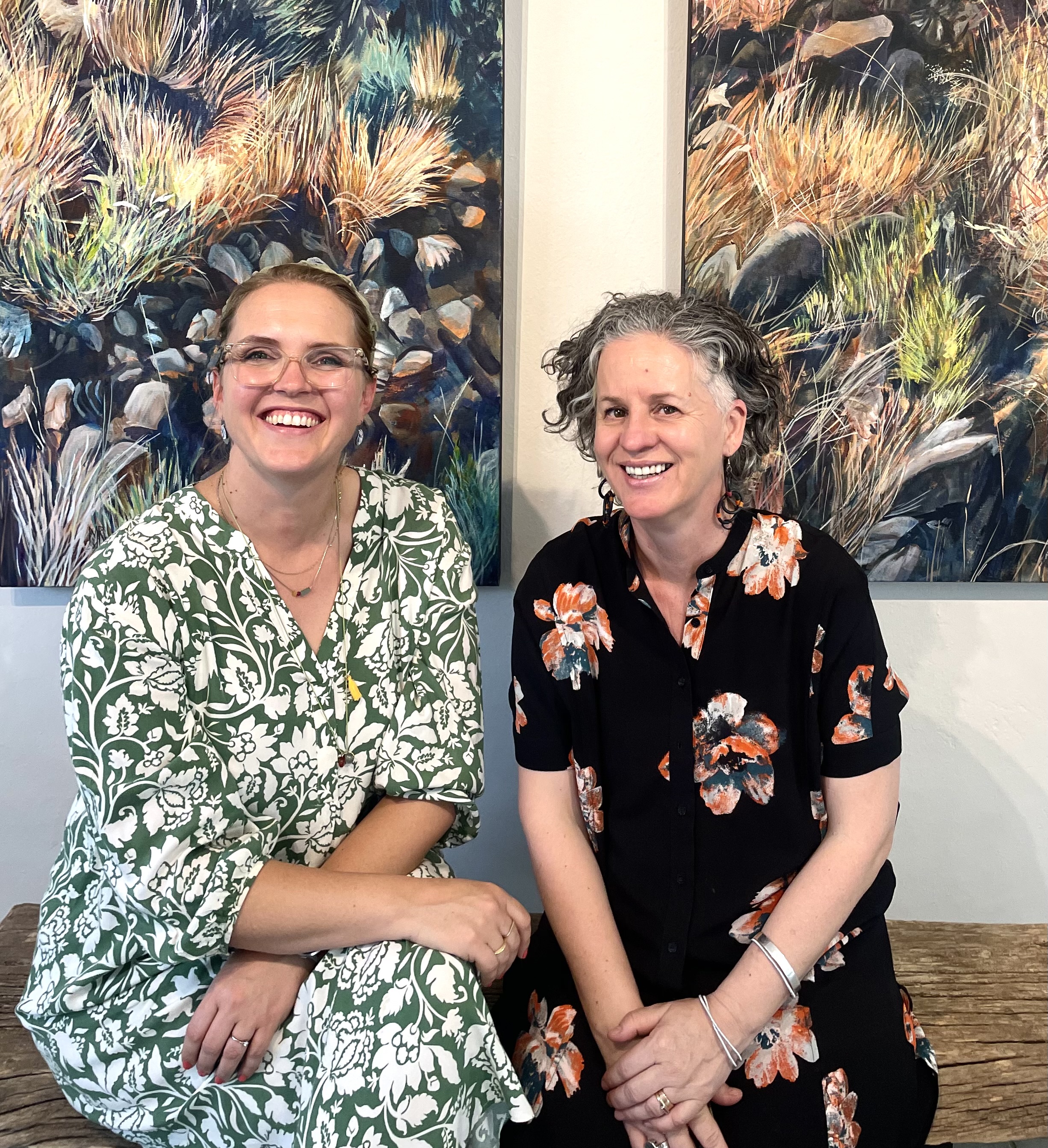
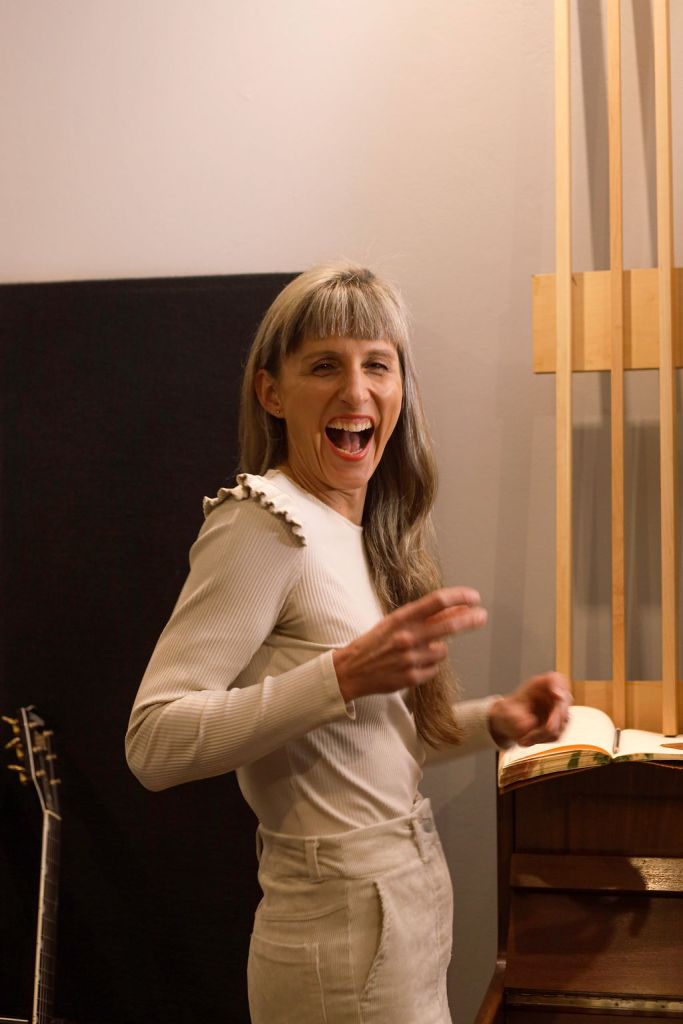
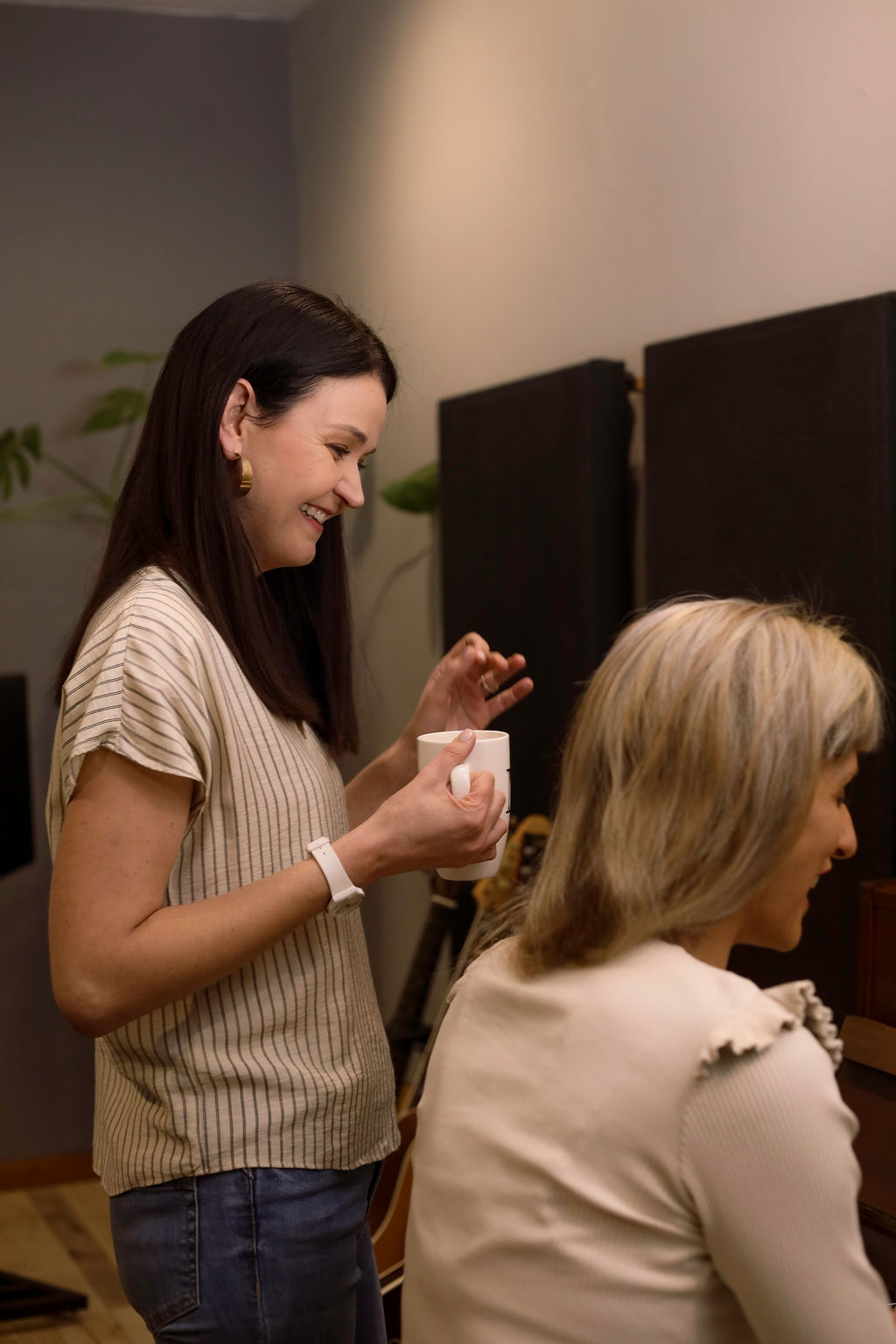
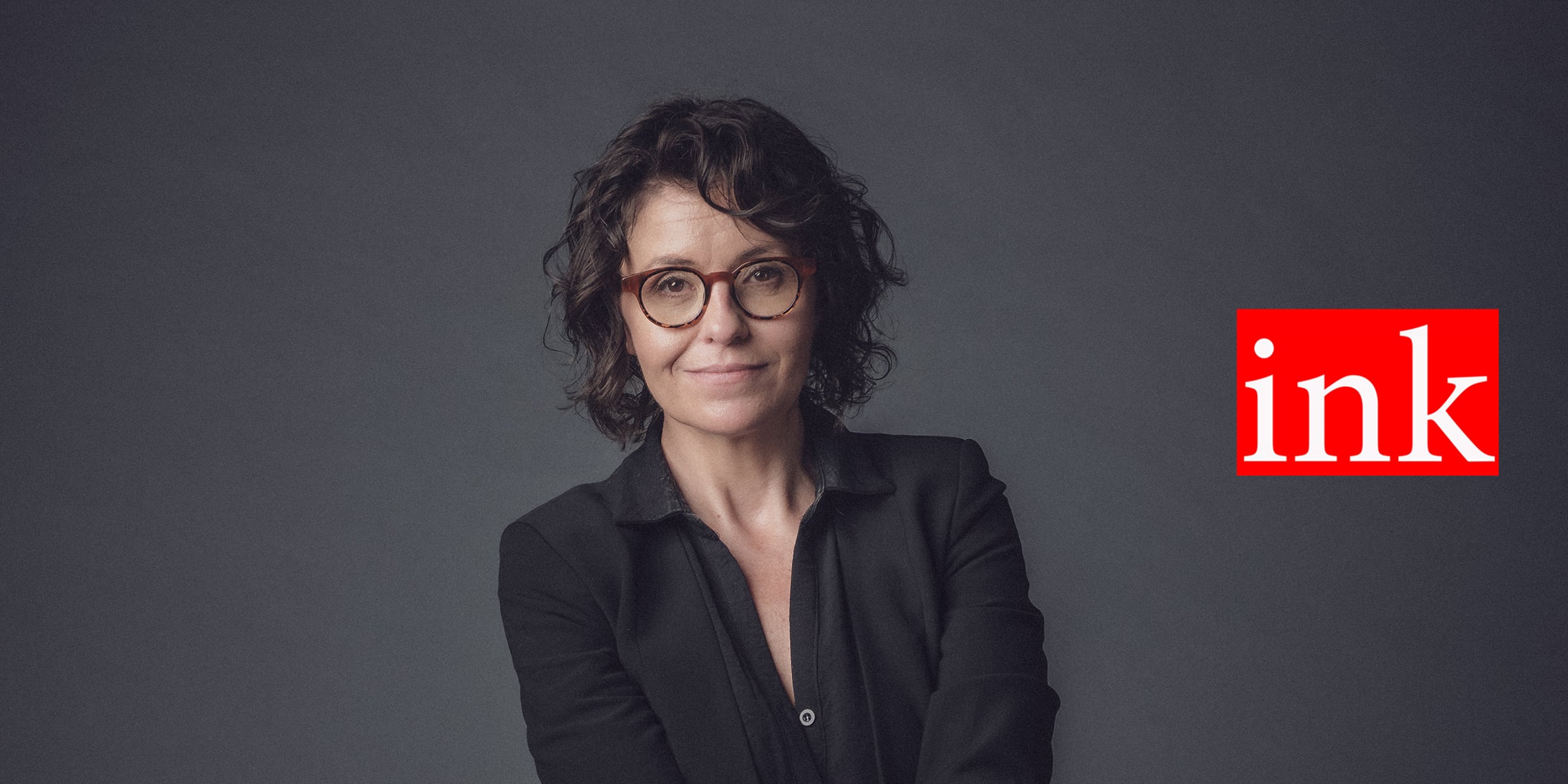
Two friends, both artists but in different mediums, Martli (right)who works in glass and Magdel, (left), a painter, have an uncanny way of creating art that is in conversation whether through colour, shape, intensity or expansive ideas.
They share a lifestyle, their families are friends and understand one another through many conversations, their spirituality and religion. And both of them have an understanding of what they wanted to achieve with this current exhibition.
They explore landscape as both a physical place and a space for reflection. “We have an easy relationship,” explains Martli whose work which I also wrote about at the last exhibition, seems to have taken on new shape and shades of reflections and playful yet serious intent.
“It’s not the making of the art that interests me as much as the in-between conversations,” she says. That’s where she finds her inspiration which she carries through to her art.
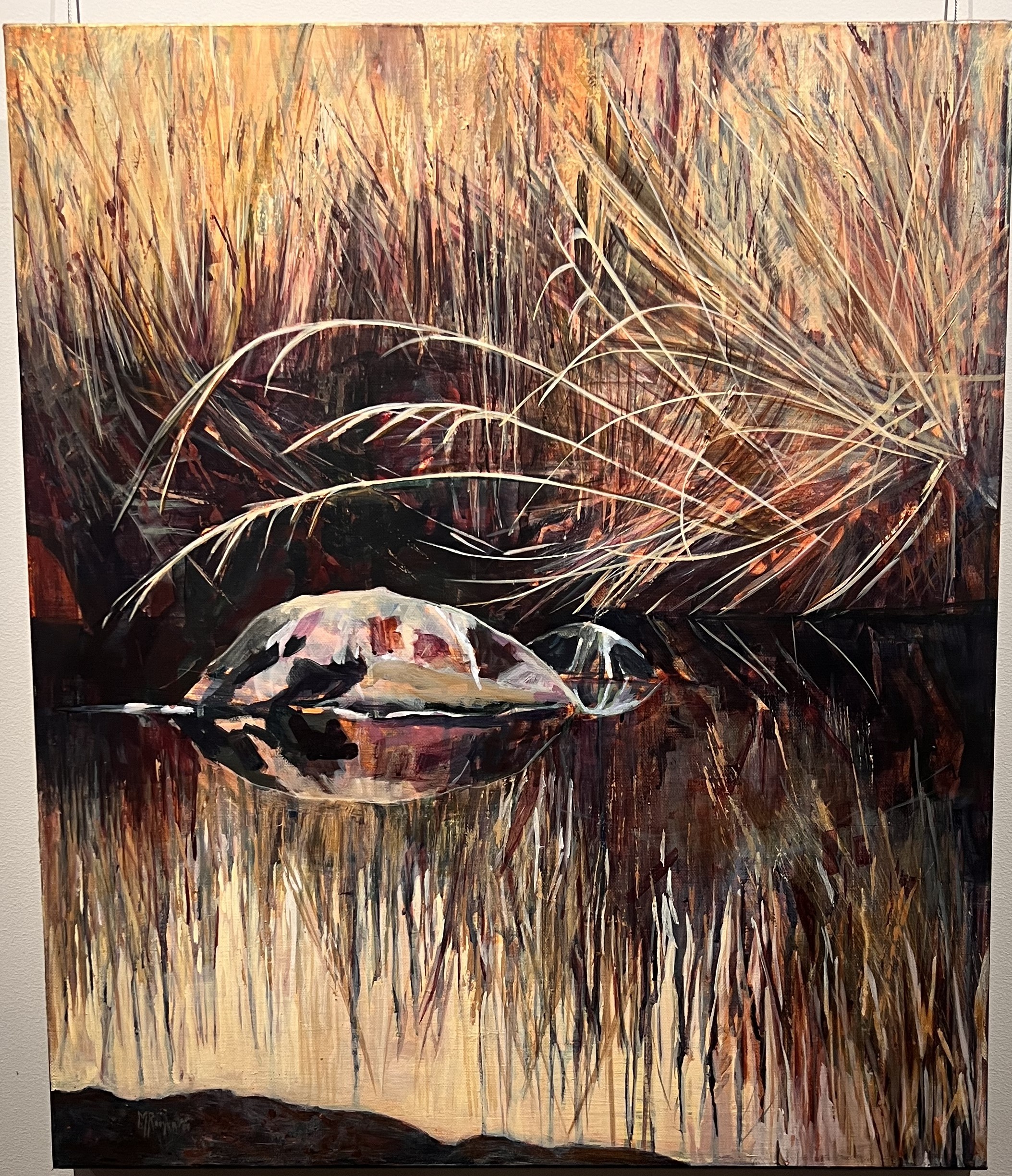
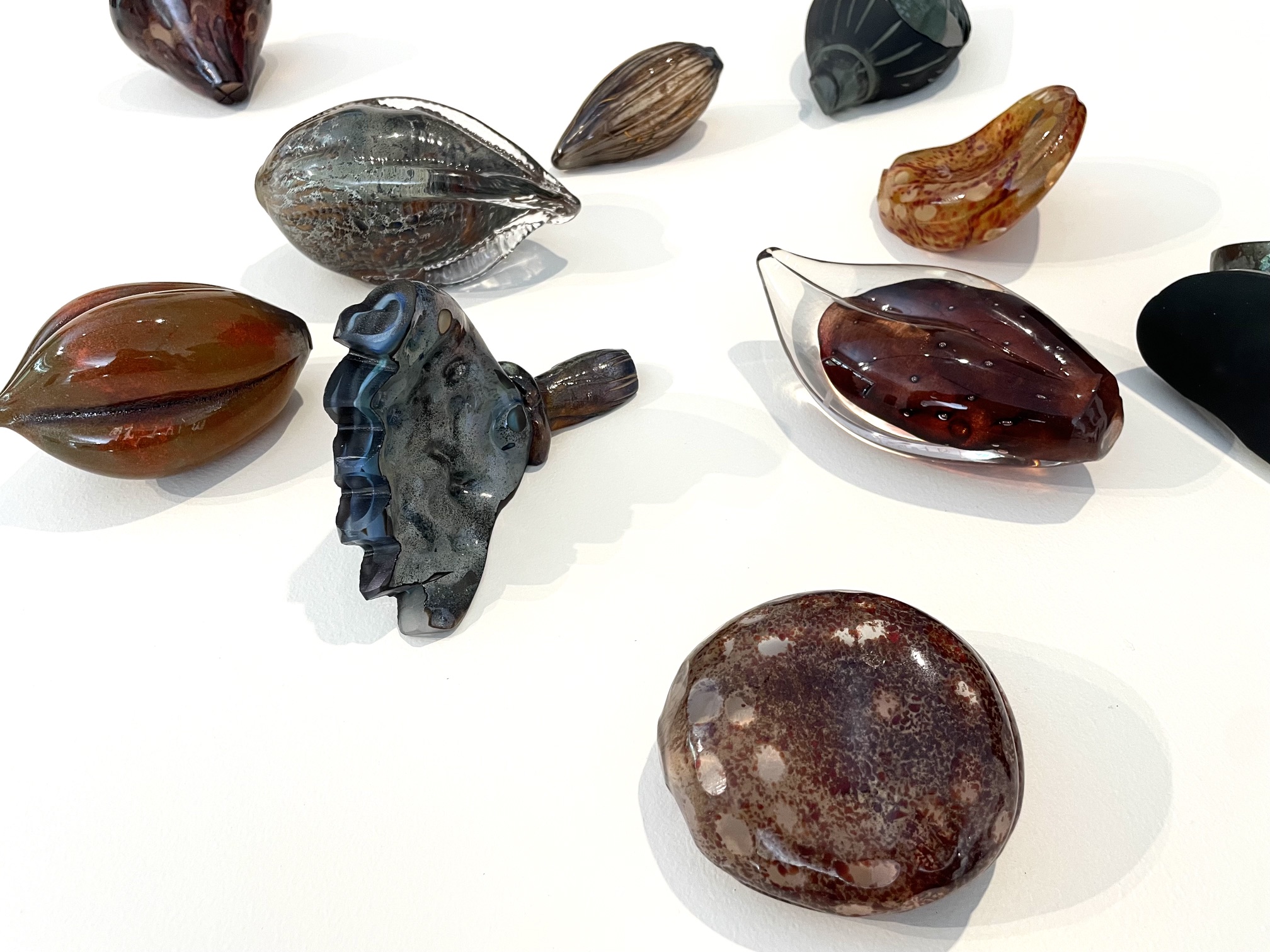
Both artists use layering, fragmentation and shifts in perspective to question how they see and understand the world around them. Pointing to one of the works, Magdel notes that the particular painting, a landscape as seen in its fullest form, initiated the rest of her paintings as she zoomed in one different areas of the work for a following paining.
Working with nature and distilling it to its tiniest form, from tiny seed to exspansive plant for example, gave her the chance to explore the way she could play and manipulate the different shapes and textures which sometimes go unnoticed.
Glass on the other hand, says Martli is quite an unforgiving medium to work with but she loves the challenge. She describes her process and the result as a glimpse of her inner thoughts.
With pervious exhibitions she has noticed that many viewers will dive in and grab the invitation to explore with her. Yet both artists are thrilled that their work can be seen and appreciated in whichever way viewers like experiencing art.
In today’s fast-moving world it’s not easy to get people to take time out from their busy schedules, but having seen the work, and listened to these two creative souls, it’s a joyous experience and one that doesn’t ask much in time or energy. In fact, because of their particular combination, the viewing is rich and nourishing.
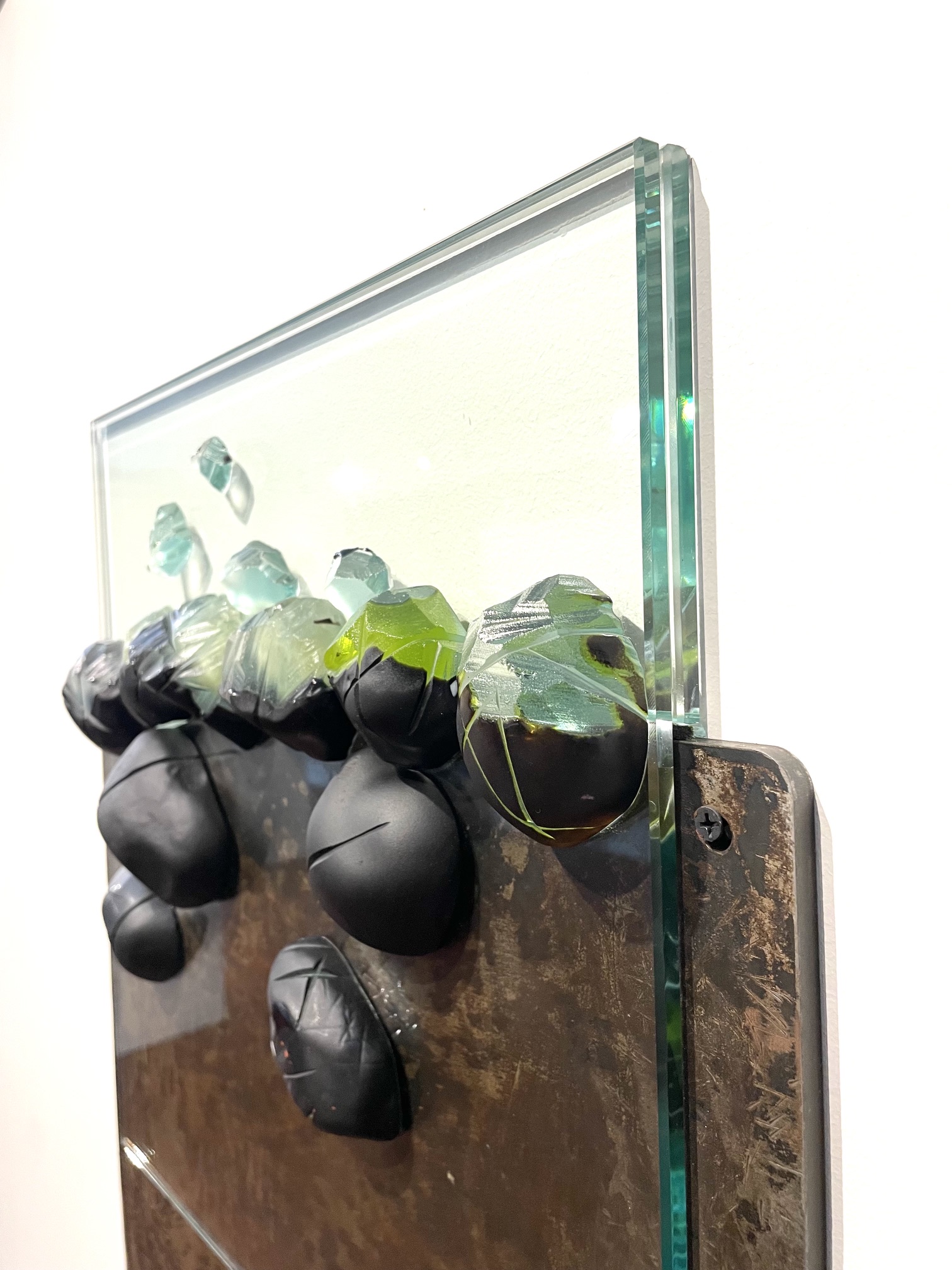
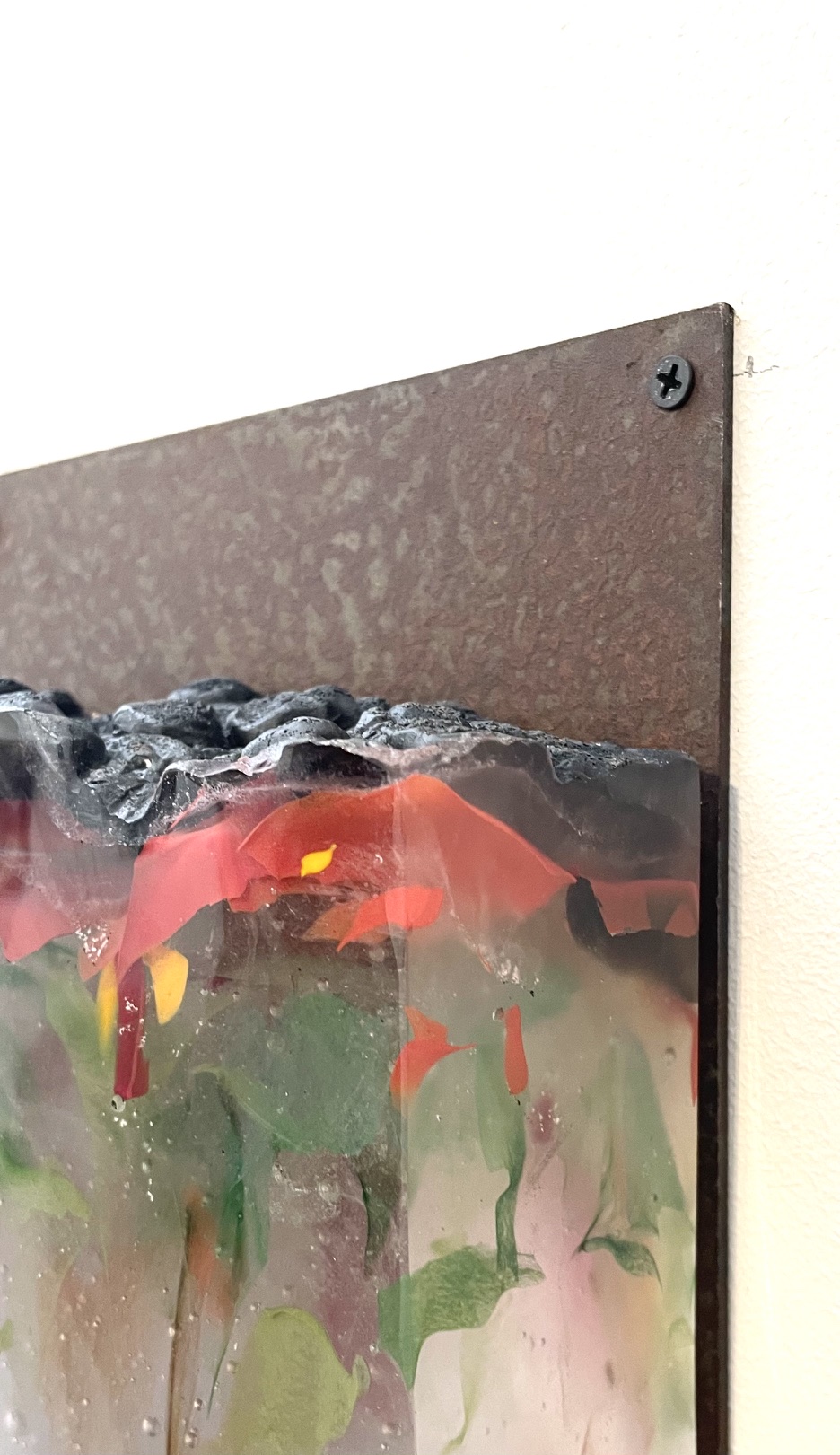
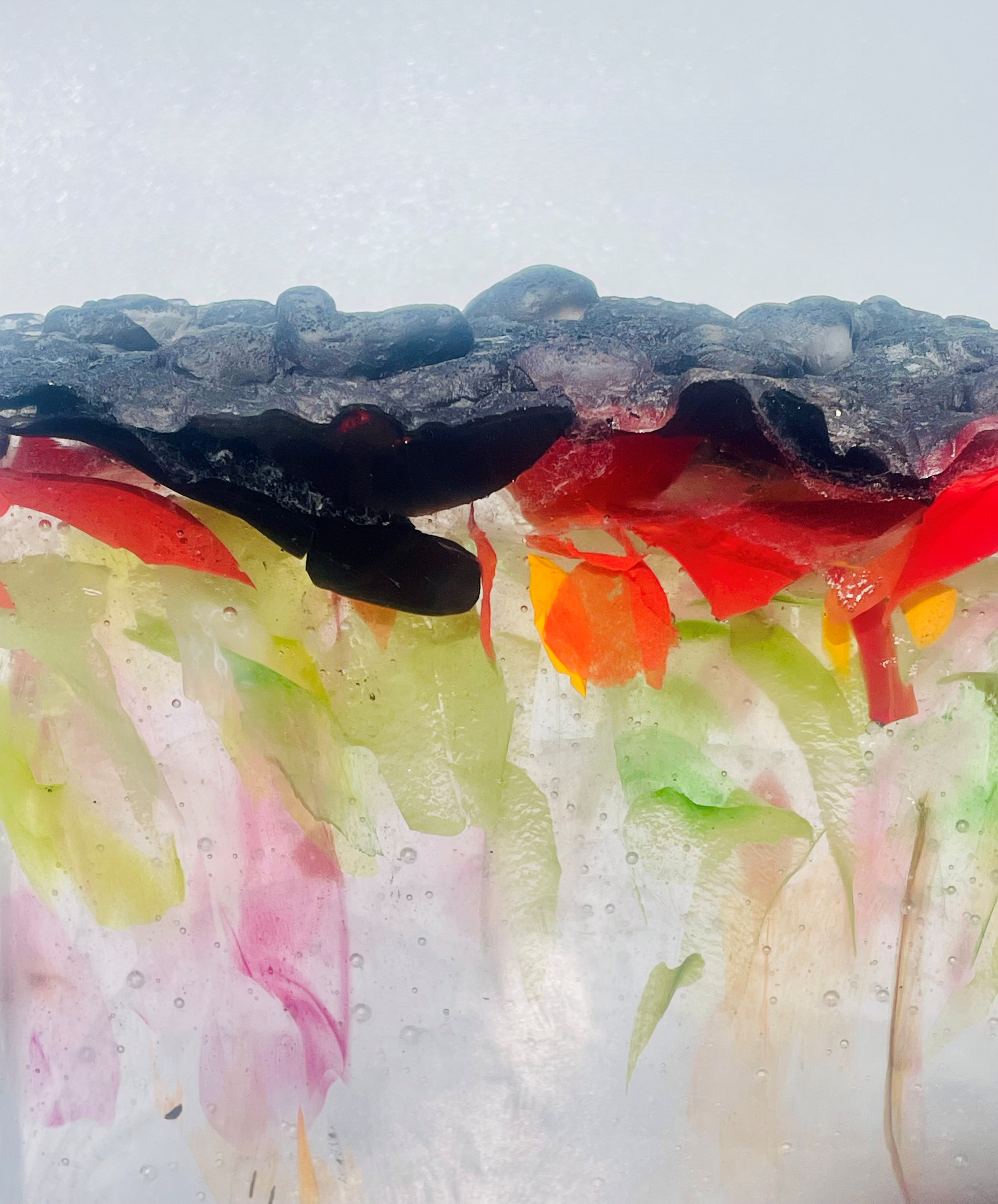
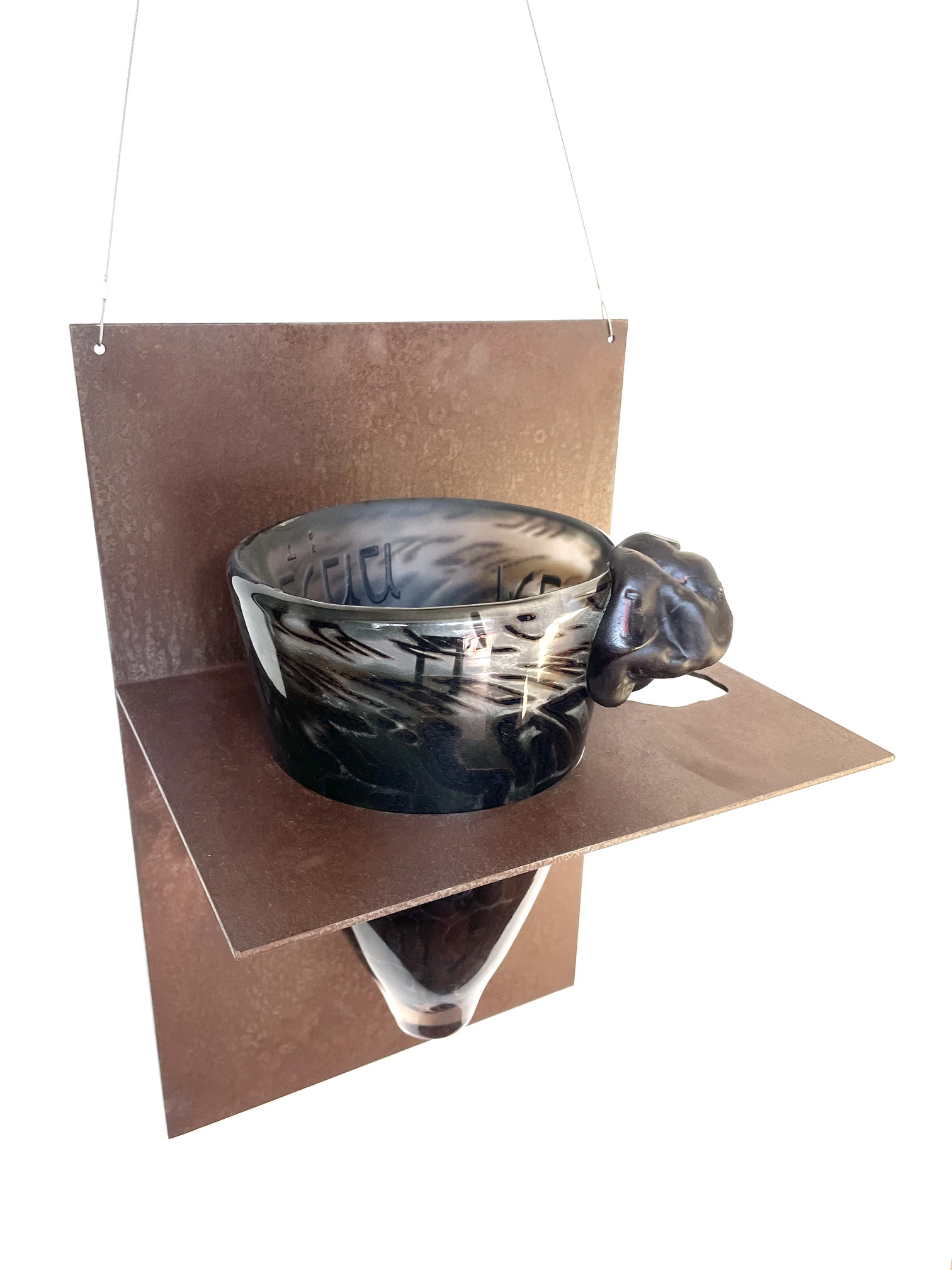
Martli’s glorious glass extravaganza.
Walkabouts have shown them that many people have thoughts and issues that lie dormant that can be shaken and stirred in the best possible fashion while viewing art that is made in such a considered way.
The two women are both art lecturers at Pretoria institutions (Martli at TUT, and Magdel at University of Pretoria), work with students all day, and run households which keep them busy. Their personal art is a time of reflection, practicing their own skills and developing their work.
Rather than presenting the landscape as something fixed or familiar, the work invites viewers to experience it as fluid, constantly changing and open to new interpretations. The idea of plain/vlakte is central to the exhibition that exists not only in as physical landscape but also a symbolic one.
Martli explains: Across many traditions, open plains are places of encounter, decision making and transformation. “They are spaces where endings and beginnings meet, and where new possibilities can emerge.
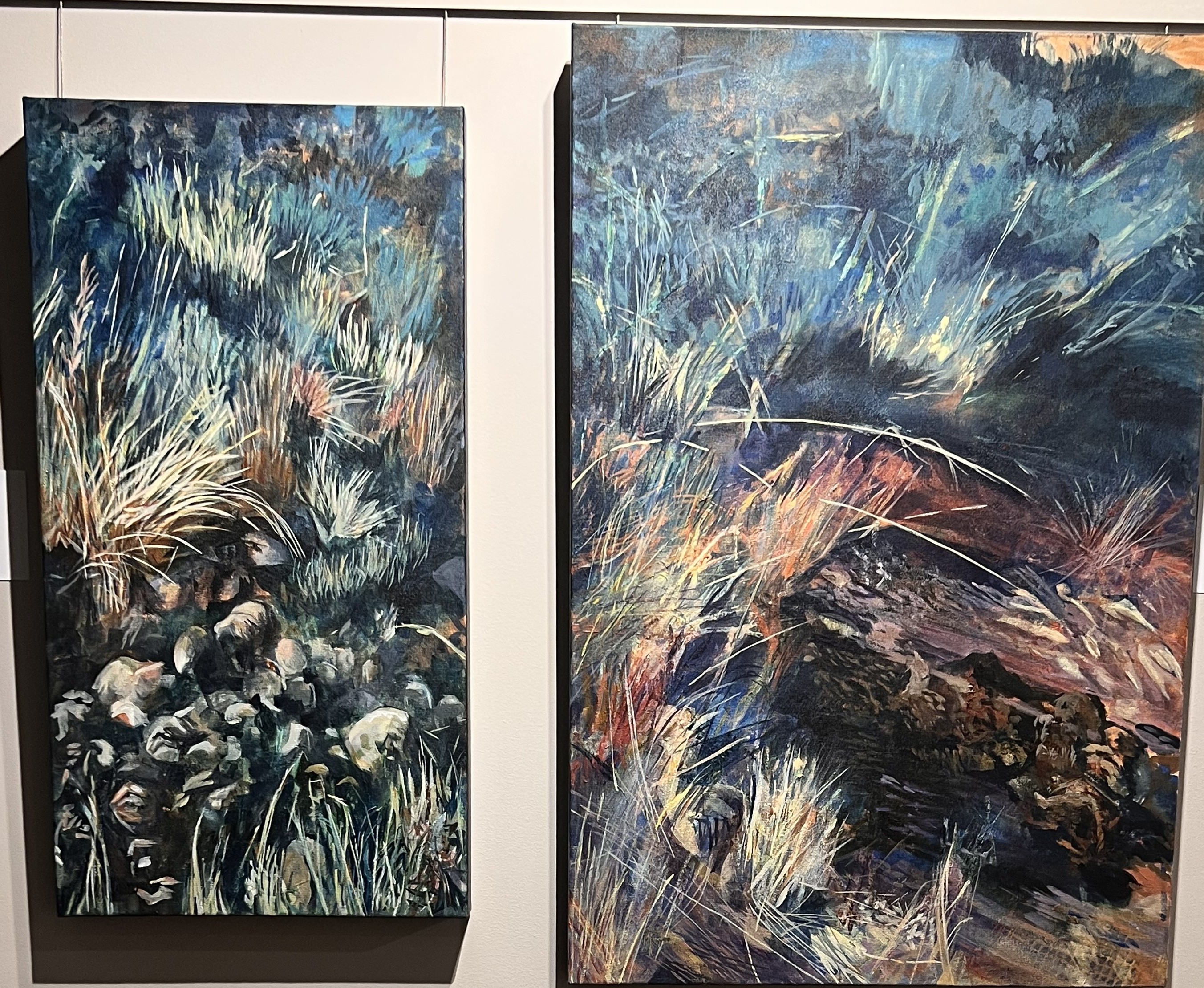
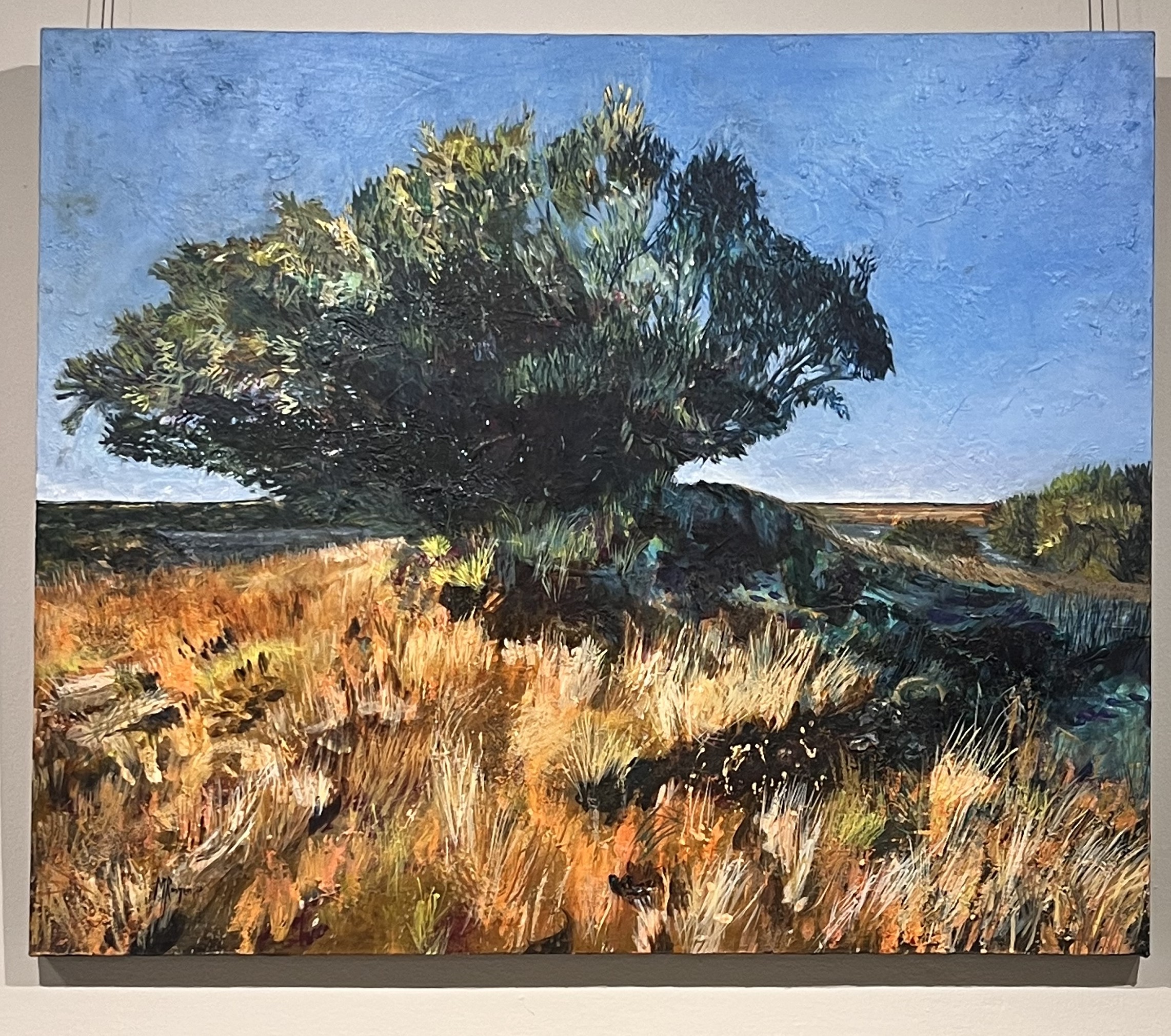
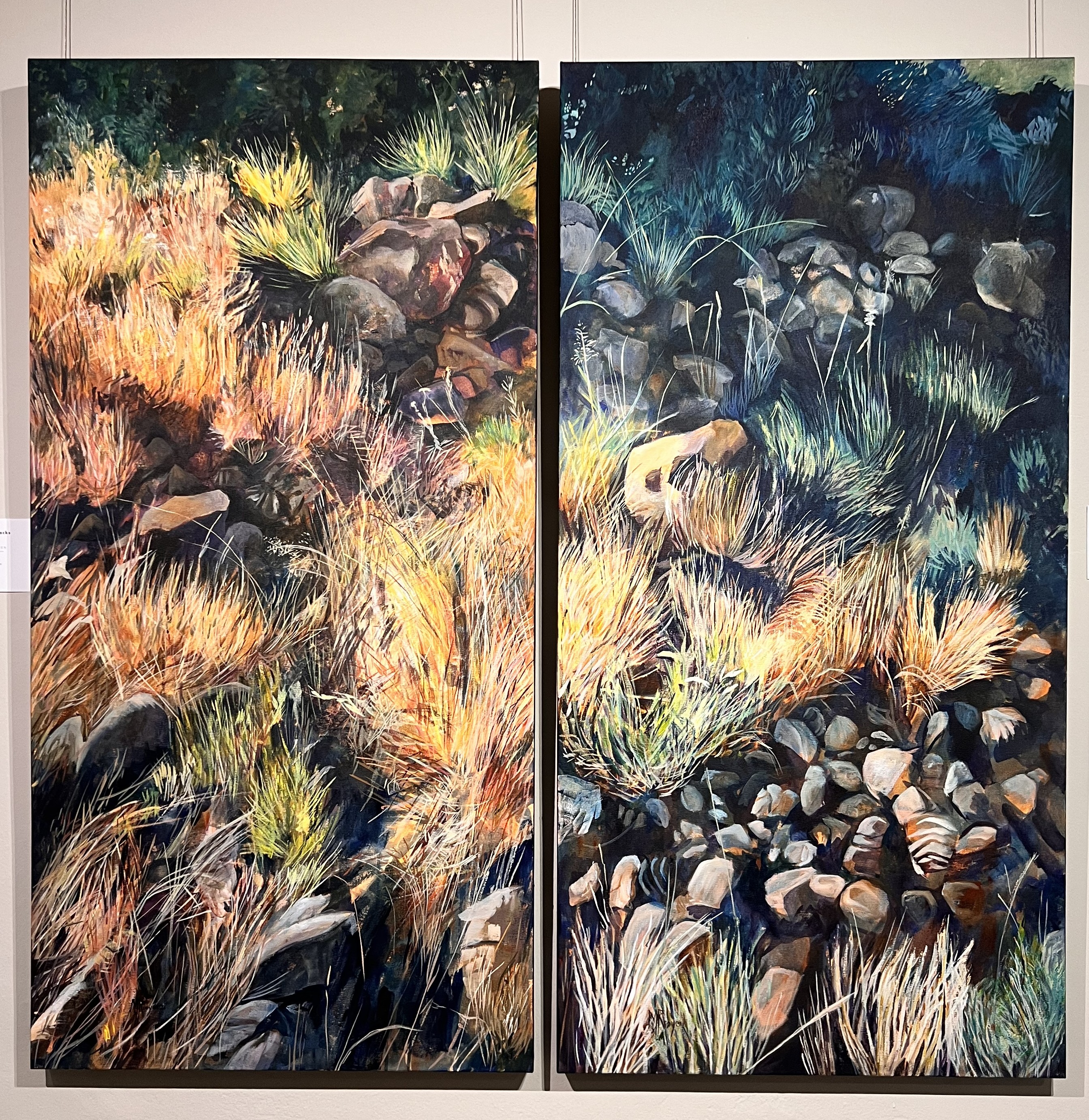
Magdel captures nature in spectacular fashion
“The horizon appears throughout the exhibition particularly in moments when light shifts at the end of the day. And one of the joys is experiencing how they have used their different mediums – glass and paint – to capture these emotions with different tools yet similar feelings.
They are very clear that their work does not seek to provide answers but create opportunities for conversation. They encourage viewers to bring their own experiences, questions and beliefs into the encounter. It is simply the best way to experience any art. Simply look and listen to your heart.