Most of us have dreams that we hope will become reality one day, but sometimes life happens and we don’t get round to it. Willemien du Preez and her husband, whom she refers to as Liefie, decided on what many might suggest was the spur of a moment, to buy what they believed would be their dream farm. DIANE DE BEER speaks to the author about her book Plaas se Prys (Price of a Farm) (Protea Boekhuis):


He left a perfectly good job with all the richly earned rewards still waiting in the future and she waved goodbye to city life and everything familiar to her.
The Du Preez couple had been to visit the area far fom their current home in Gauteng, much closer to Cape Town, had lost their hearts almost at first sight and here they were, taking the first steps into what they hoped would be their dream life.
Willemien’s book is about this period in her life (if you don’t read Afrikaans, hold thumbs for a translation) in which she captures the adventures of two city slickers hoping to transform overnight into their version of Karen Blixen’s “I had a farm in Africa…”.
It all began when Willemien was battling the loss of an almost three-year-long project that had demanded blood, sweat and tears, but just didn’t work out. She longed for something peaceful, something beautiful and a respite – and to add to her dilemma, her husband was also battle-weary and simply dead tired.

With hindsight, this self-made adventure felt fantastical from the start. She describes it as two desperate individuals fleeing from their reality. “The mountains and a different lifestyle were appealing.”
A the time they didn’t regard this madcap move as such. Their children were adults, they had some money in the bank and Gauteng’s crime statistics were unnerving. “My husband always wanted to farm like his grandfather before him, and I wanted to live like my grandfather and grandmother, off the land.”
“We were still young enough to start over,” she explains, “probably a misguided romance with nature.”
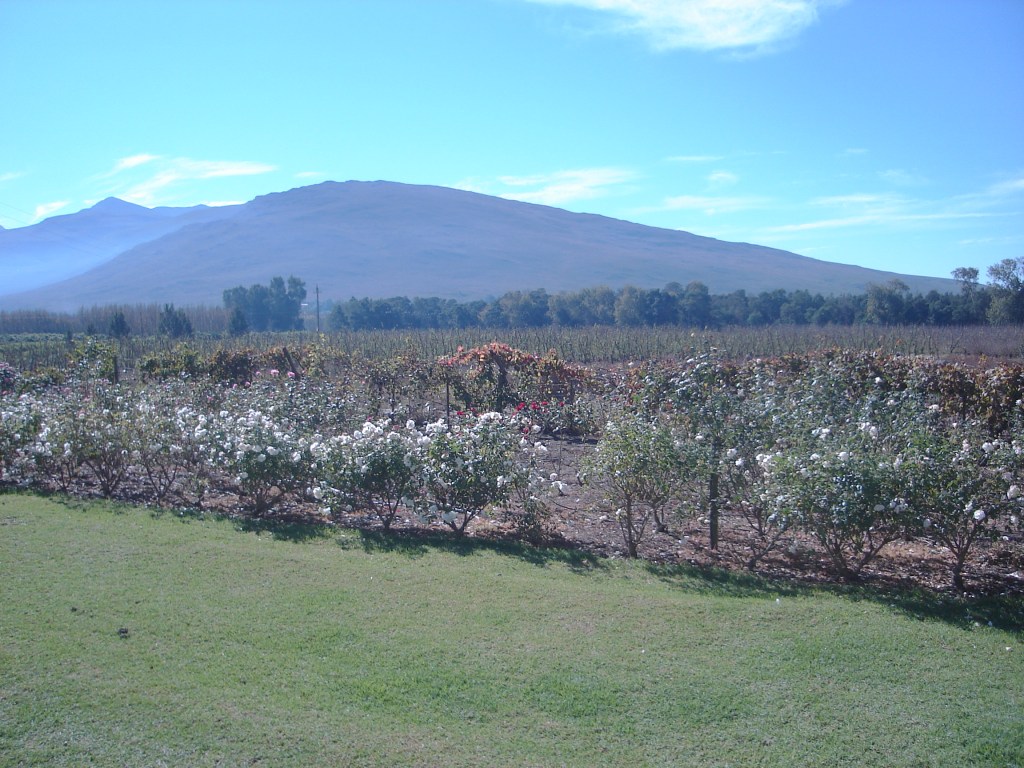
The day they bought the farm was perfect. As Willemien describes it, they were overwhelmed by the spectacle of what they hoped to purchase – and then inhabit. “The fields, the mountains, the sky, the light, everything seemed to conspire.”
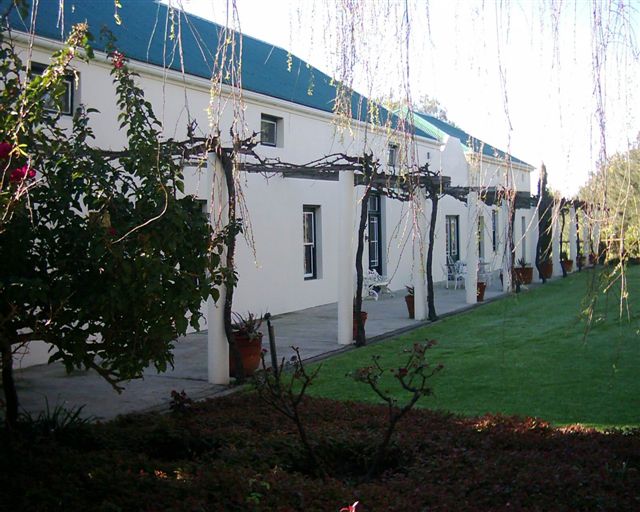

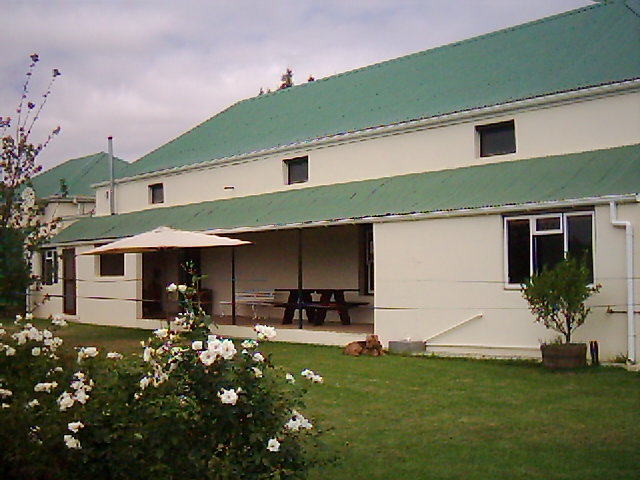
For the Du Preez’s, it felt like a gift. A rose-tinted picture emerged, the income it seemed would be more than they hoped for and it felt as though the farm had been made specifically to fulfil their dreams
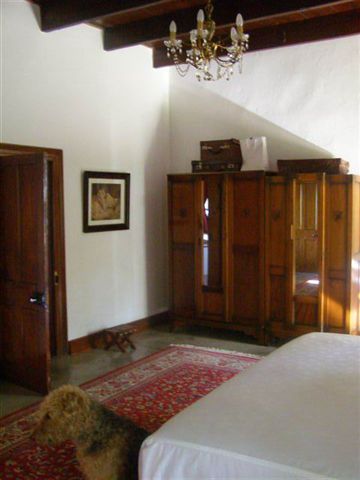
When your eyes rest on the cobbling stream, it fails to see the damage the flood waters could do during a terrifying rain storm. What they saw was a farming project for her husband and a restoration project for her. “I would restore the 100-year old farmhouse with two attics into a holiday home for our children and the grand-children still to come. We were thinking of the future – yet not so much!”
Again, looking back, she knows that even when packing their belongings for the grand move, there was trepidation. “The alarm bells came from inside me after that first visit to the farm. It didn’t feel so right anymore.”
On their way back following their first visit, they argued, but not about their momentous purchase. “That was too late. We had already signed the papers,” she says. But reality set in almost immediately after their arrival on the farm. “I realised it wasn’t mist blowing over the farm, it was dust,” only now realising that it dominated her huge struggle to cling to the dream.

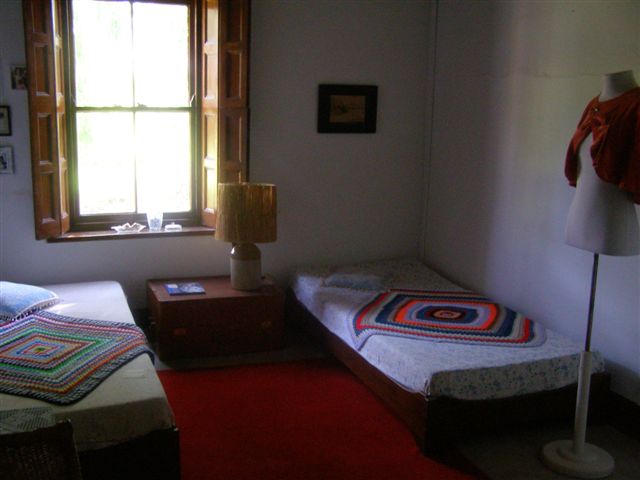
No wisdom was passed on when they bought the farm and probably they would not have listened. Once they had decided to throw in the towel, a neighbour described as a wise boervrou (farmer’s wife), said that if she were buying a farm, she would have visited often, even if the seller grew tired of the intrusion. She would have considered every vantage point before she made an offer. “Now I would tell my younger self, you have to talk to all the farmers in the region. You have to ask about the pitfalls, know the weather patterns and discover everything there is to know which will not be included in the sales pitch,”says Willemien.
She has gained insight, of course, and now she knows that you cannot lightly tackle something this extraordinary. “You can’t just decide one day to go farming. You must know the lay of the land and preferably come from there.”

Fortunately the Du Preezs are not people who simply take life lying down. After quitting the farm, they spent a few years rebuilding their life in Cape Town and environment. André returned to law and Willemien taught Afrikaans to English speakers, picked up her acting career and earned enough money in international ads to take them on an overseas trip.
Following a decade in the Cape, they returned to Gauteng to be closer to their children and grandchildren and she started writing this book after encouragement from another author, Johann Symmington.
There were dark times as the pandemic was both a threat yet provided the time to write. For Willemien, writing about something that still has an impact on their lives was therapeutic. I suspect the rewards from grateful readers will also help to heal some wounds. It’s a story told with searing honesty and a humanity that’s heart-warming.

It’s the kind of thing that many will identify with, told in a manner that is as frank as anyone can be when focussing on their biggest folly. But don’t we all mistakes and tumble down that slippery slope and if you can rise from that heroically, take a bow.
When I met her following a talk at the Vrye Weekblad Book Festival in Cullinan, I knew that this was a book I wanted to read. When a dream shatters, not everyone manages to put the pieces together again.
But Willemien and André have done exactly that. “I know that we have accepted the past and each other.”
And most precious of all, that’s what they have left: each other.

 De Beer Necessities