Under the guidance of their lecturer Dr Hennie Fisher and Prof.Elna Buys of the Department of Consumer and Food Sciences at Tukkies, the students regularly host dining events as part of their studies. On this occasion it was the turn of PhD student Irene Darkwa who was presenting Ghanaian food paired with South African wines. It was quite something, as DIANE DE BEER shares:
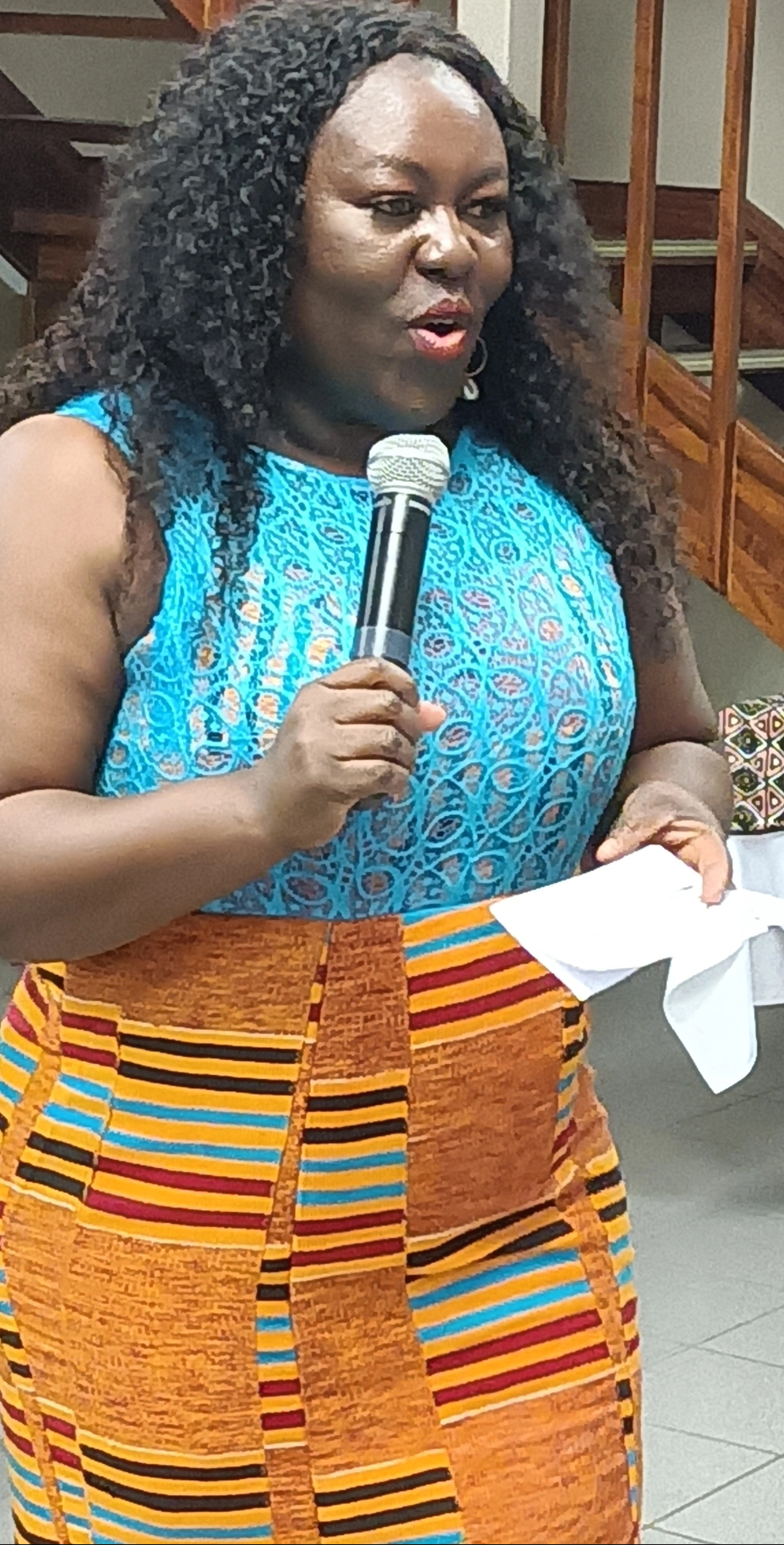
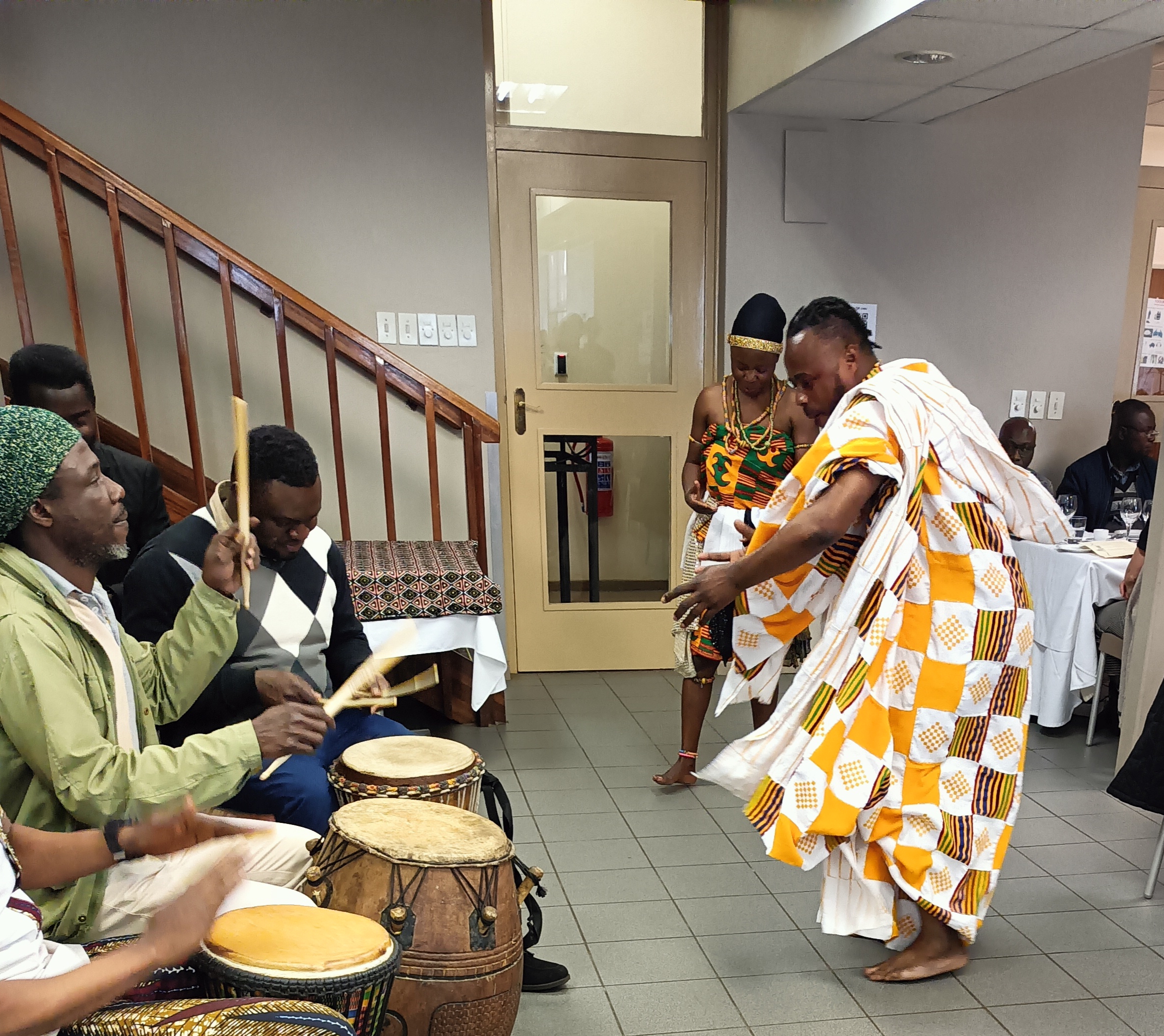
Irene Darkwa, PhD student presented a fantastic Ghanaian food and wine pairing experience (left); and an opening ceremony of Ghanaian dance and music.
Perhaps it makes complete sense that one of the best experiences of sampling food from this continent should be at a local institute of learning. And I’m not exaggerating.
Receiving an invite from PhD student Irene Darkwa with the instruction that we would be required to taste and rate various courses based on their appearance, aroma, flavour, taste and overall dining experience as part of her studies, I was intrigued. And delighted to see that one of my favourite chefs, Lientjie Wessels, was my table companion.
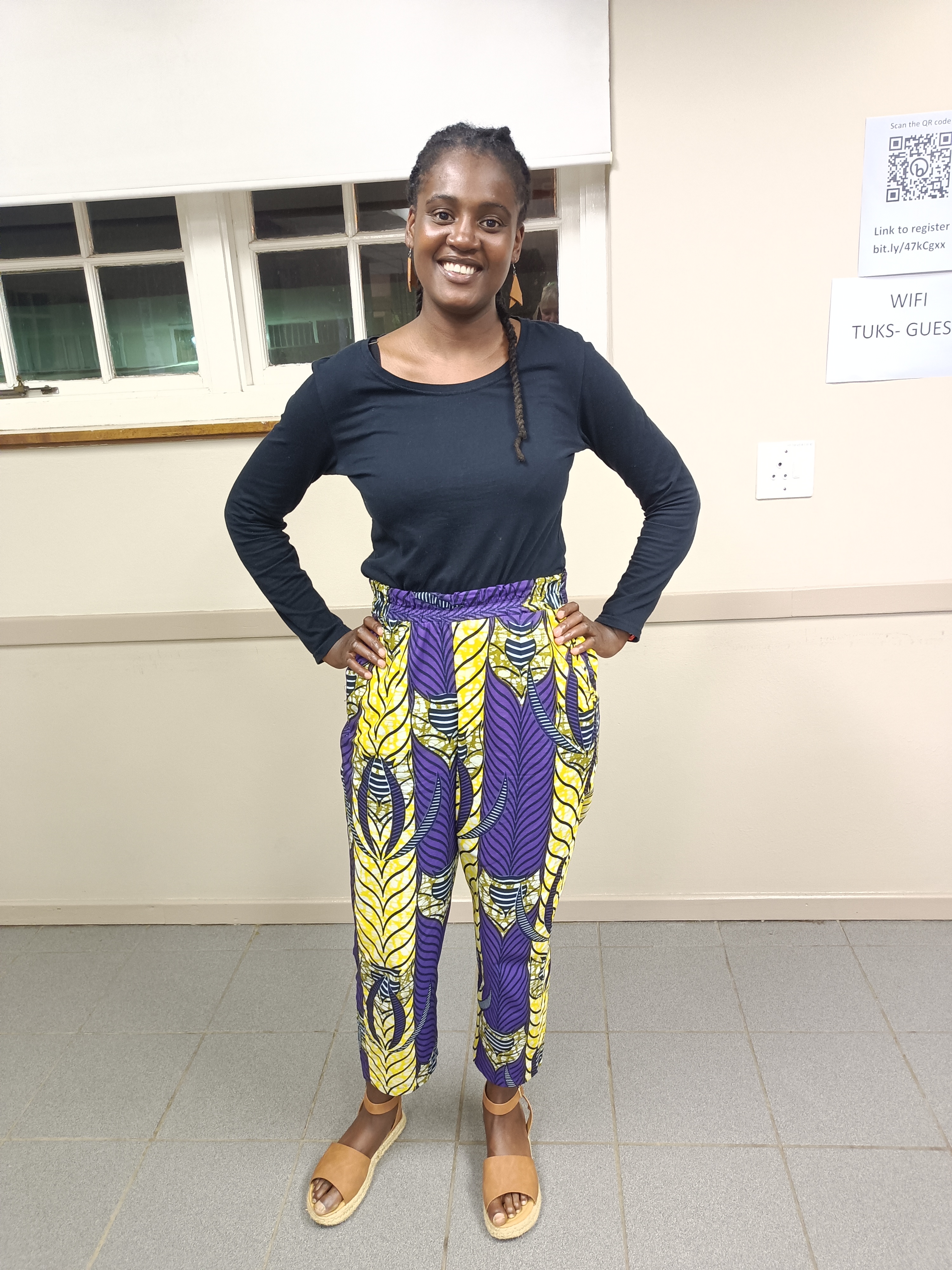

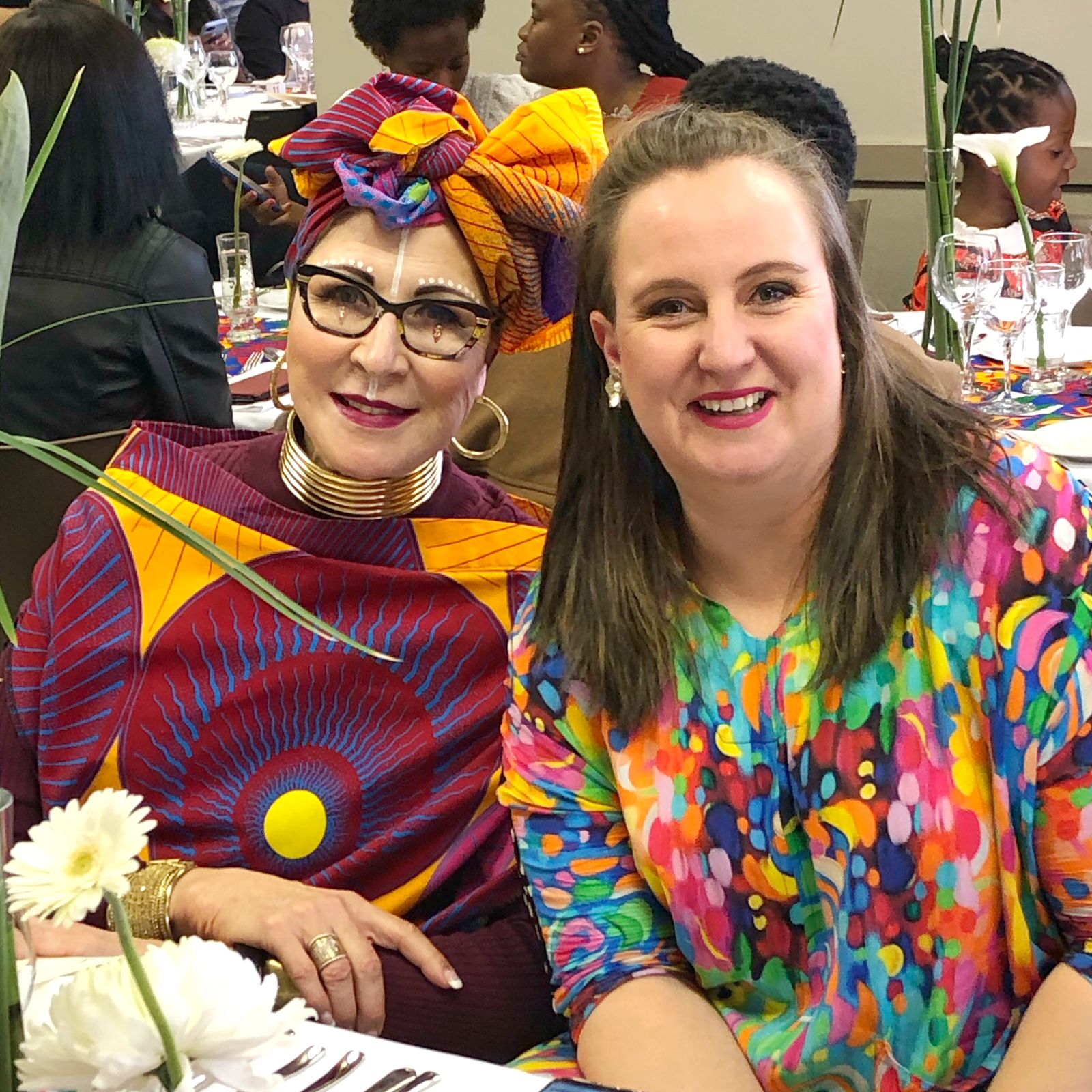
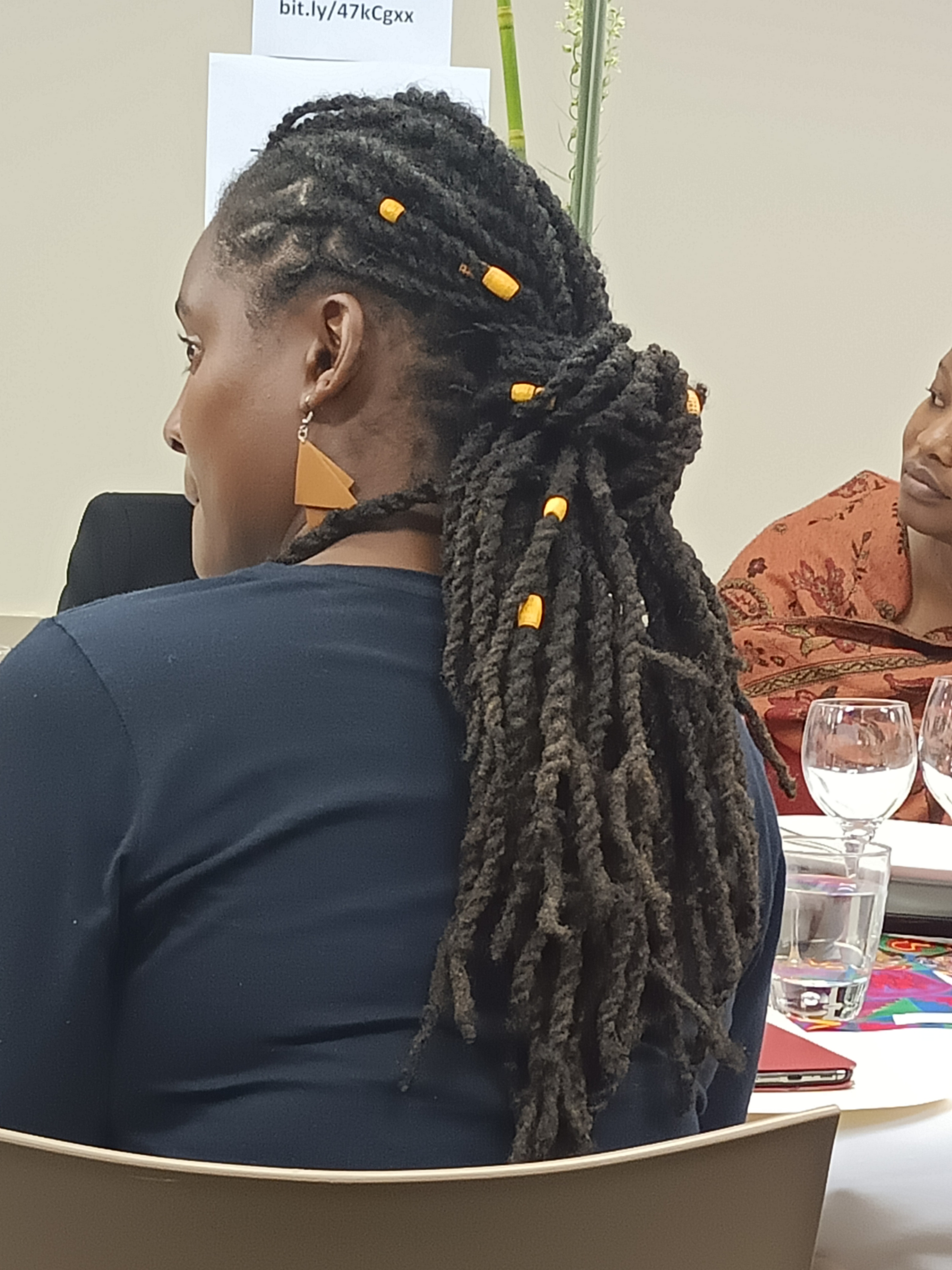
A fabulous display of African style from the lunch guests.
Irene’s specific field of interest is the Tiger nut, scientifically known as Cyperus esculentus and belonging to the family Cyperacea. It is a cosmopolitan perennial crop which belongs to the same genus as the papyrus plant.
She explained that it has a sweet, almond-like taste with many health benefits and nutritive values namely fibre, proteins, and sugars. They are also rich in oleic acid and glucose, as well as phosphorus, potassium, and vitamins C and E, and are found in the eastern hemisphere, Southern Europe, North and West Africa, and the Middle East.She had some samples on the table, which we could taste but of course, all the tastings also included the product.
Irene’s interest in conducting research is linked to the fact that tiger nut crops are hugely underutilised worldwide especially on the African continent. In America and some European countries, it is used as fishing bait and animal feed, yet it contains a number of nutrients and can be used to produce a variety of products such as oil, flour, milk and possibly cheese, which she is investigating.
Her studies are also targeting a worldwide awareness that we have to adopt a plant-based diet to adhere to the Sustainable Development Goals adopted by the UN’s General Assembly in 2015.
She is excited that her research findings have the potential to contribute to the process of cheese making using plant-based products. Tiger nuts thrive in West Africa and are grown and sold mostly by women, and its commercialisation will increase demand for the crop. This will address unemployment, wealth creation (poverty reduction) and food and nutrition security improvement, explains Irene.
Women, she argues, especially in Africa, are the most vulnerable and impoverished. “Focusing on uplifting them, their livelihoods and providing a market for their crops will go a long way in transforming economies and ending poverty.”
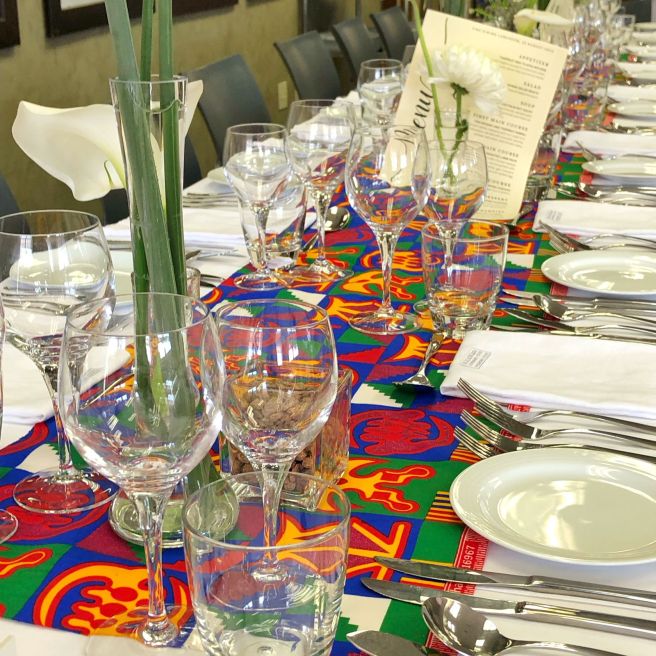
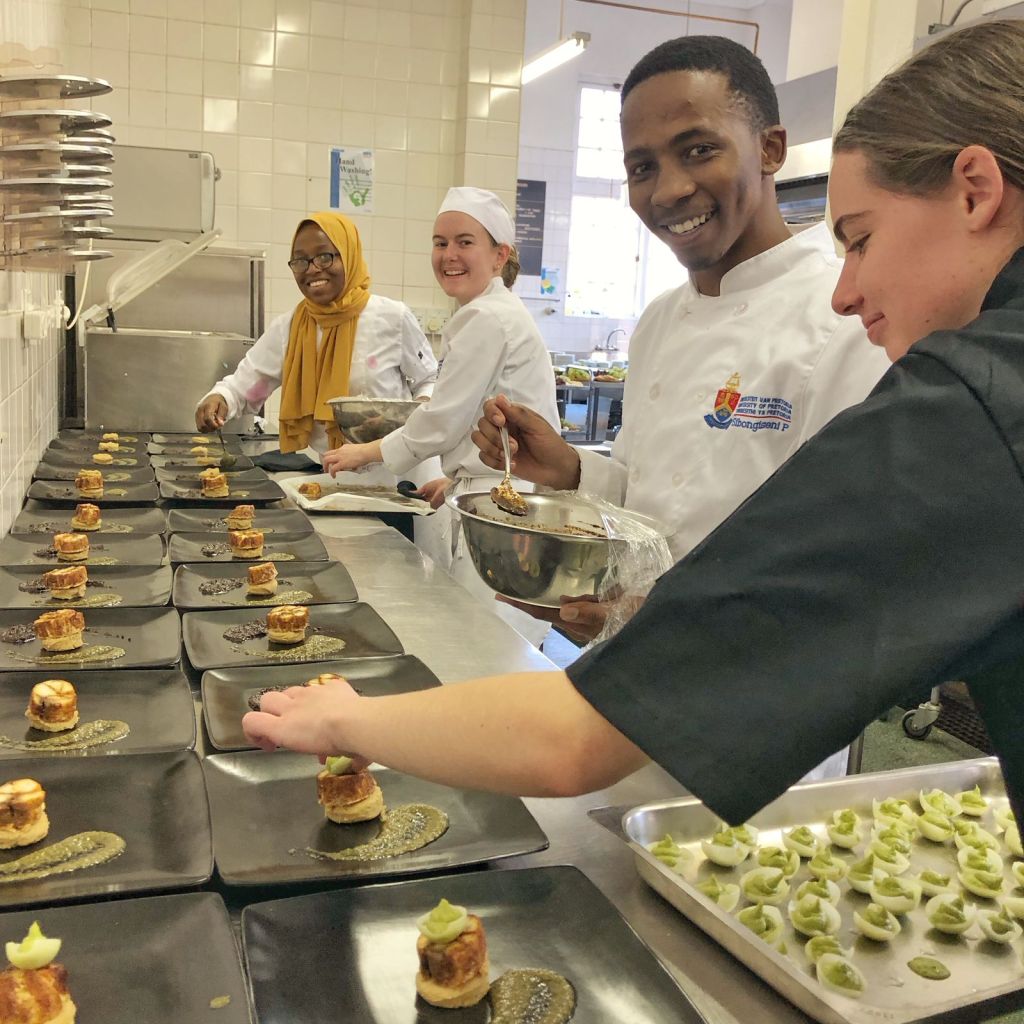
Taking all of this on board, the menu was devised to allow us to experience a fine-dining experience of Ghana on a plate. With Tiger nuts as the hero, the idea was also to transform them from plant to plate. All of which was done magnificently.
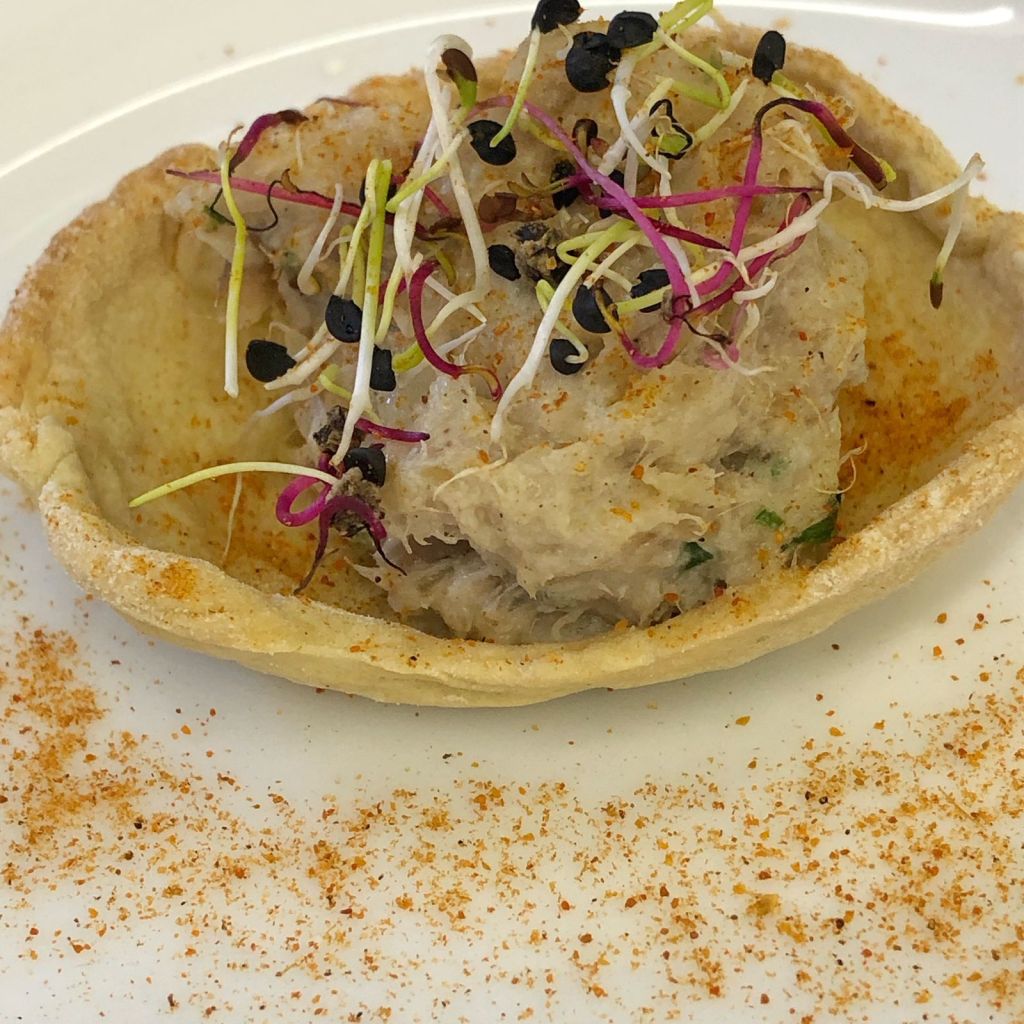
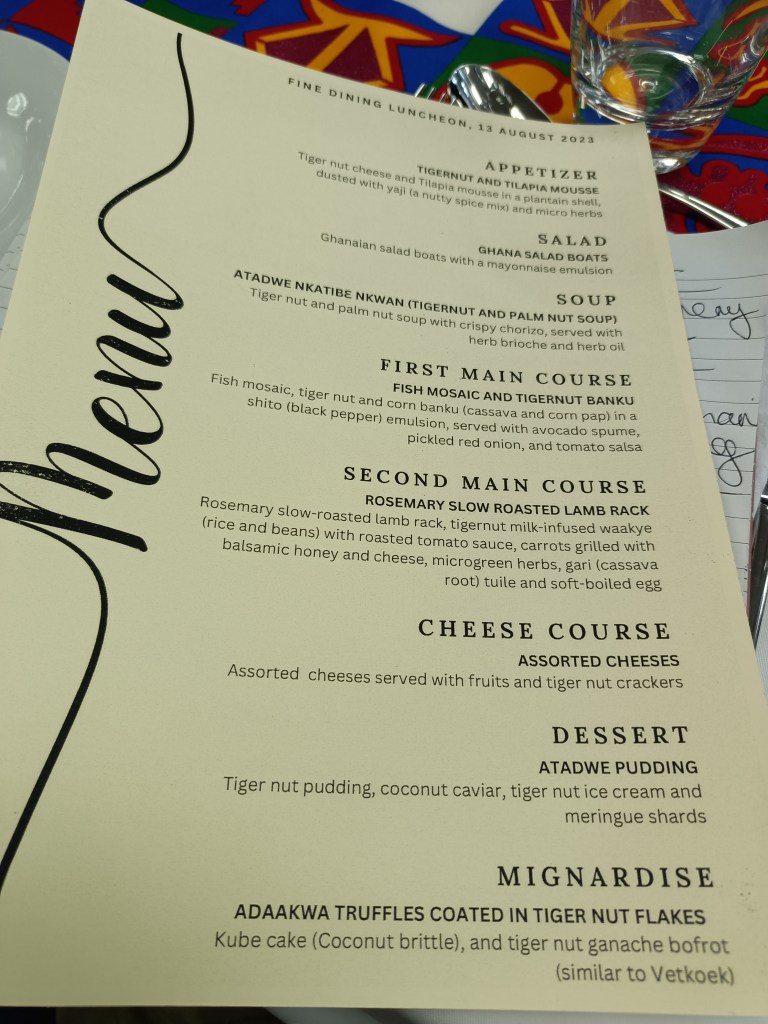
The appetizer: Tigernut and Tilapia mousse in a plantain shell:
Pretty as a picture with unusual combinations and textures brushed with yaji (a nutty spice mix) for some extra kick. I also loved the plantain shell, which was quite chewy and so different to what a normal pastry case would have been. A mousse was the perfect way to incorporate the cheese. It was as if she was giving us notice with this quirky amuse bouche and I knew we were in for something extraordinary.
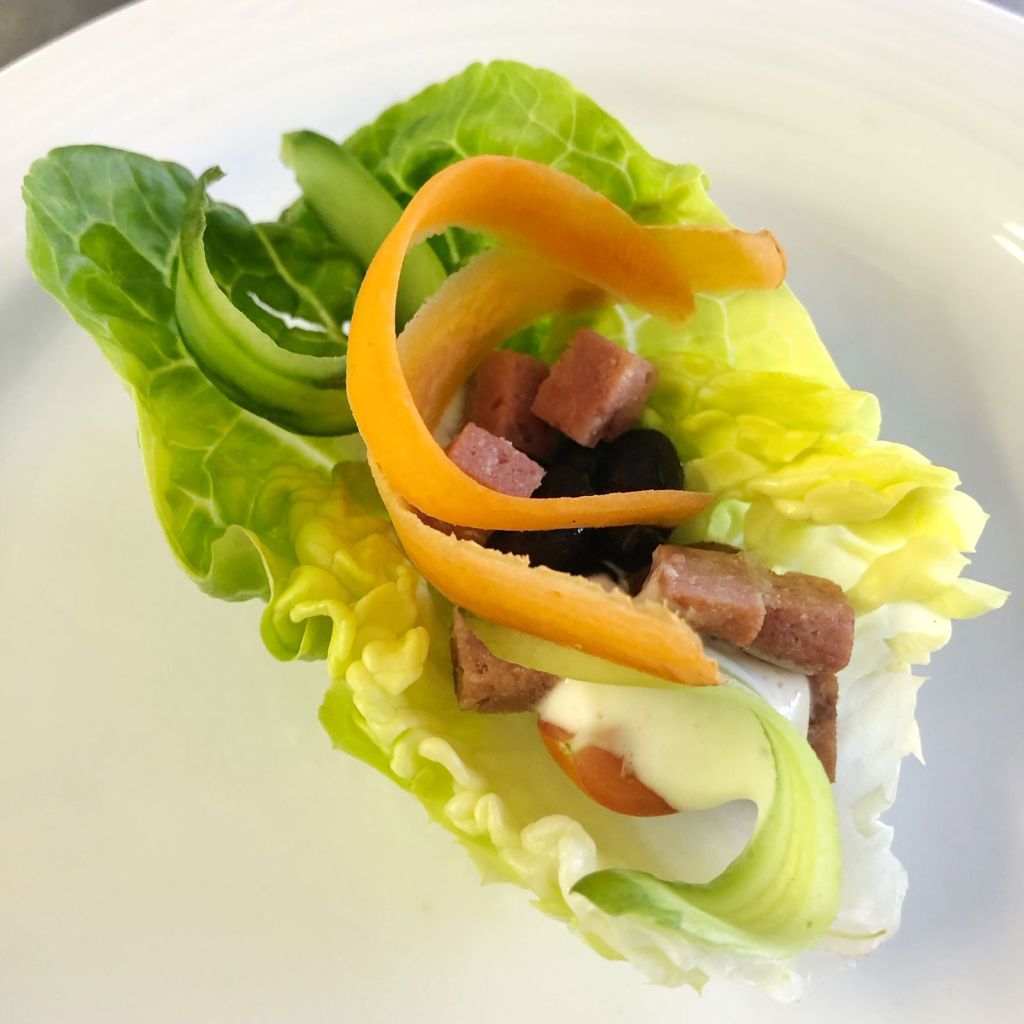
This was followed by a salad, which was the only disappointment of the meal. Apparently very true to a Ghanaian table, this deconstruction was boring and bland. It seemed little more than a salad leaf holding what looked like bully beef squares and veggies. Lientjie suggested that if you’re going to do this in fine dining style, everything must be made from scratch. The meat, for example, should be your own concoction. Because Irene had explained that in Ghana many more ingredients would have been used, with sardines as another option, Lientjie felt she should really have played with that. And the tiger nut could have introduced some texture and taste.
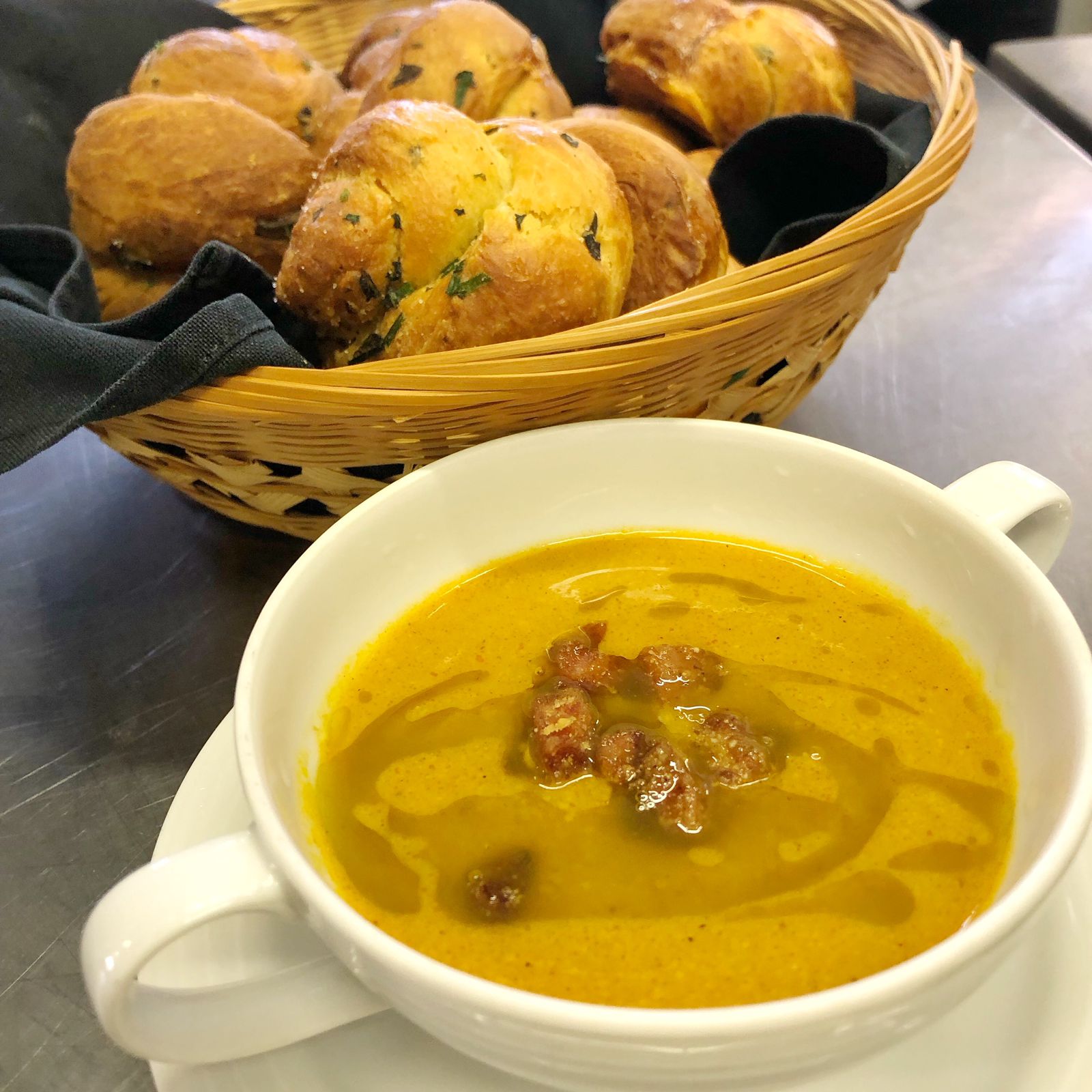

Soup: The tiger nut and palm nut soup with crispy chorizo served with a herb brioche and herb oil was a different and quite delicious story. The flavour was special, complimented by an imaginative brioche.
The first main course consisted of a fish mosaic which was beautifully prepared and presented with tiger nut and corn banku (cassava and corn pap which is fermented) served with shito (black pepper) emulsion and an avo spume. Lientjie sighed and I share her exasperation with spume which to her mind is just a silly modern trend. “Let it go,” she suggested and I agreed but fortunately, the dish was so complex it did no harm. I loved every mouthful.
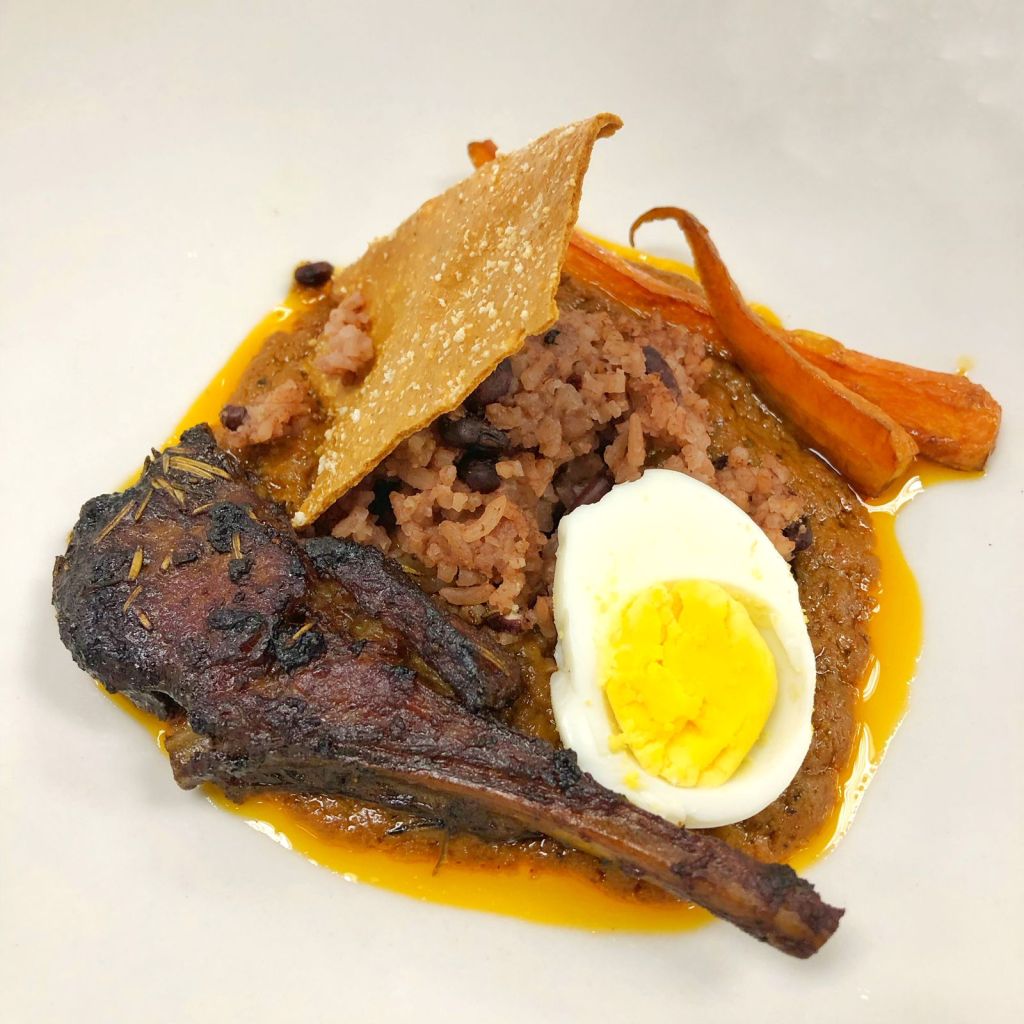
The second main course was a slow roasted rosemary infused rack of lamb with tiger nut milk-infused waakye (rice and beans), roasted tomato sauce, carrots grilled with balsamic honey and cheese, microgreen herbs, gari (cassava root) tuille and boiled egg. Irene explained that Waakye is another popular dish in Ghana also accompanied by boiled eggs, vegetables and gari but she decided to use tiger nut cheese and milk and used the gari, to make a tuille. The meat was beautifully cooked and extremely flavoursome with everything coming together quite magnificently.
And these two main dishes are two of Irene’s favourite Ghanaian dishes which she refined with great finesse.
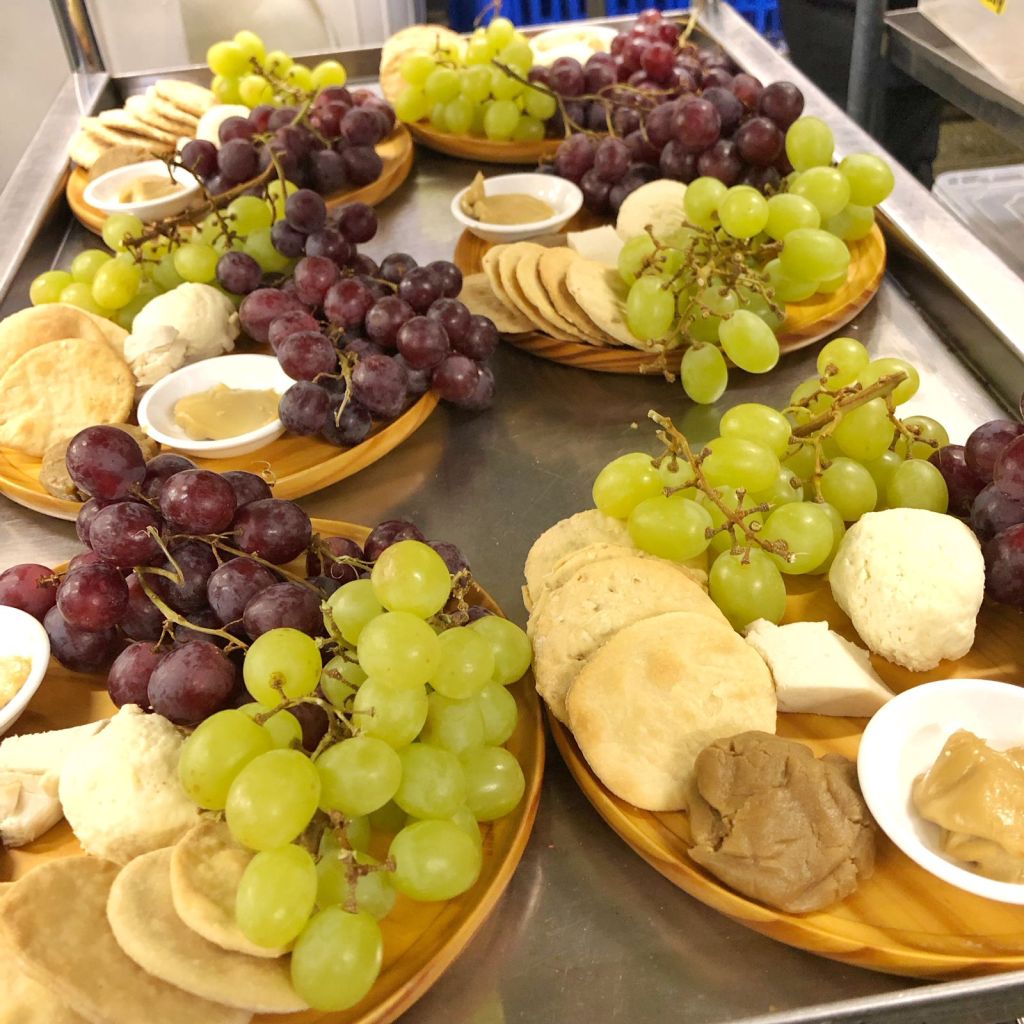
In the Cheese course which Irene made, two of the cheeses were made with tiger nuts and I really loved the texture and taste. She said that it needed further experimenting, but this tasting was good enough for me. Instead, I felt the cowmilk cheeses were still lacking flavour and I would have been happy with only the tiger nut samples (and here she gave a special nod to Prof Buys for her support and help). Her own version of biscuits were much nicer than the bought kind. I can see what Lientjie means when she says that fine dining demands that you make your own. It certainly adds to the whole.
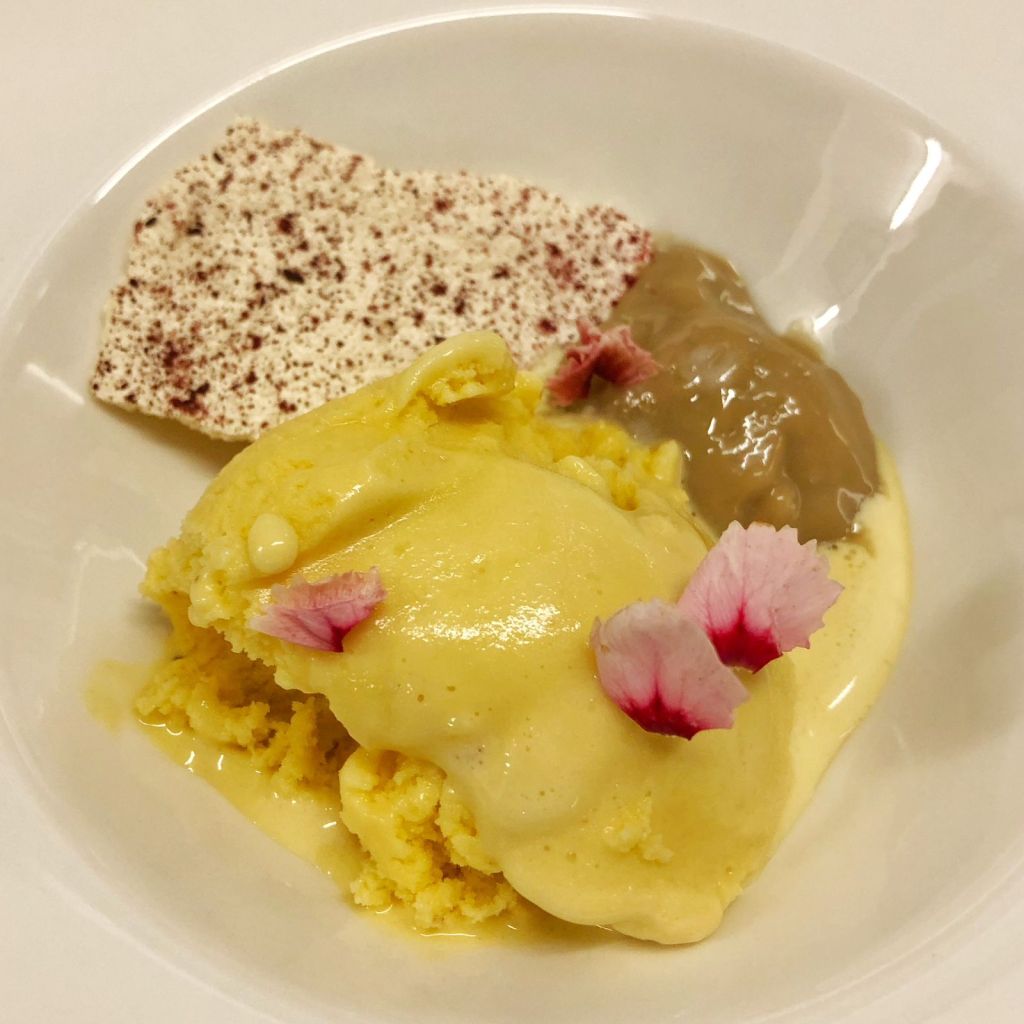
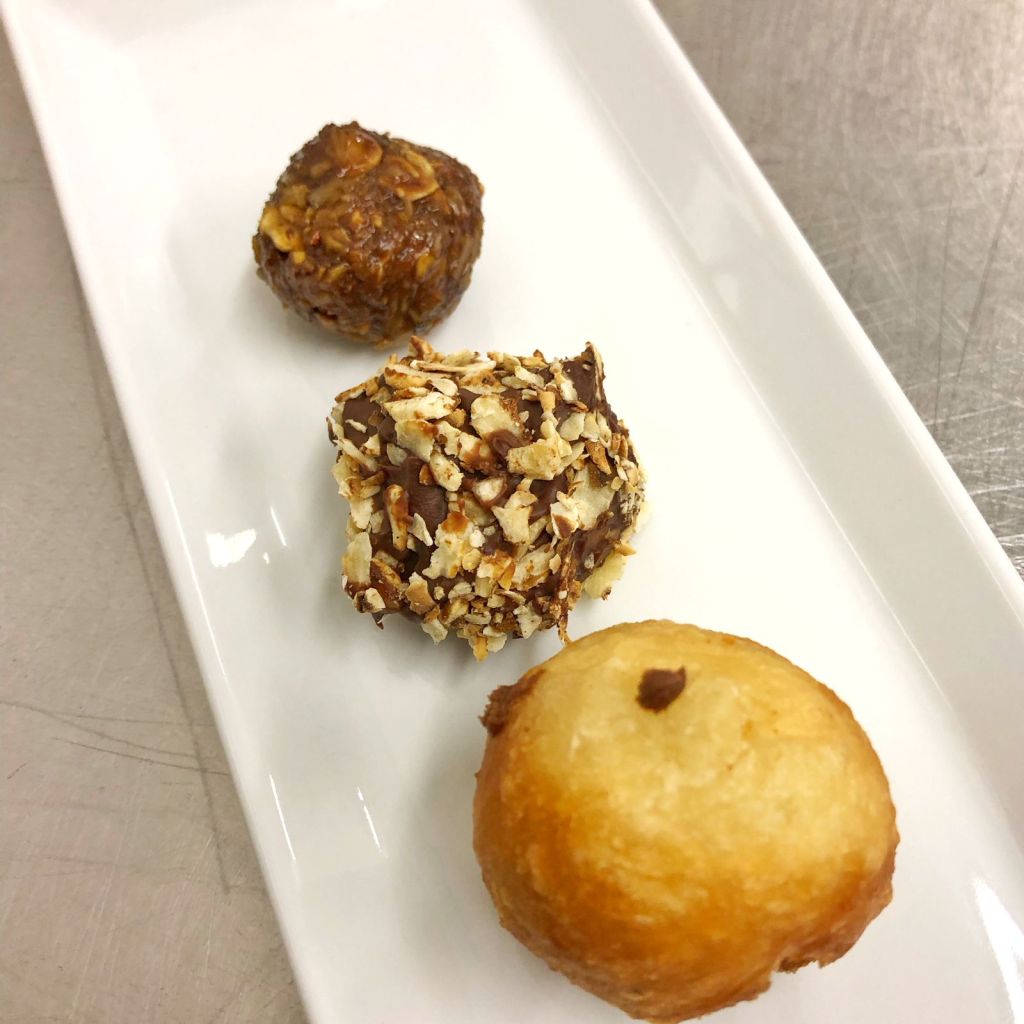
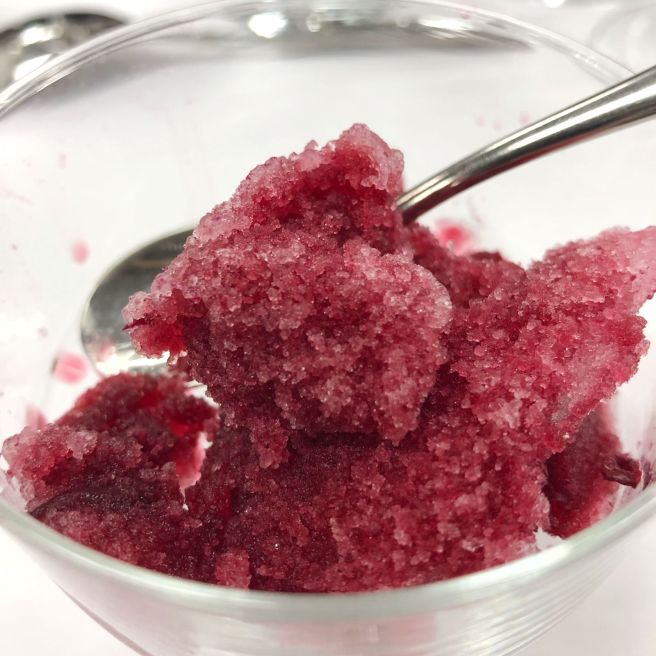
In a sweet conclusion, she served an Atadwe (tiger nut) pudding, coconut caviar, tiger nut ice cream and meringue, which was light and luscious, and followed this with Adaakwa truffles coated in tiger nut flakes, Kube cake (coconut brittle) and tiger nut ganache bofrot (described as similar to vetkoek). Every bite was delicious and the perfect finish to such a brilliant meal.
It’s the kind of food I love eating, especially when the chef experiments and plays with new flavours and finery. What made it even more special was that it was Irene’s take on her birth country’s cuisine, and in the process, she developed a menu that reflected that country magnificently.
This is what I would like to eat if I was a visitor to this continent. Most of our restaurants are still serving mainly European cuisine and hopefully these kinds of experimental adventures will contribute to changing that.
This young woman has proved (and something we all know yet don’t sample enough) that we should celebrate what comes from this continent because if we don’t, who will?
And if you can do it as brilliantly as Irene Darkwa, why wouldn’t you?
On September 30 at 5pm a Food Pairing with Creation will be held at Eat@UP Restaurant (in the old Agricultural building on the campus).If you are interested, click on form.

 De Beer Necessities
While working in Lesotho my best friend was Ghanain and I found him very uncomplicated, friendly, unassuming and interesting. Therefore this look at Ghanain cuisine is ecspecially interesting to me thanks. I get the sense that the chef has stuck with the basic ingredients being used on the ground with her expertise added. Lovely thanks.