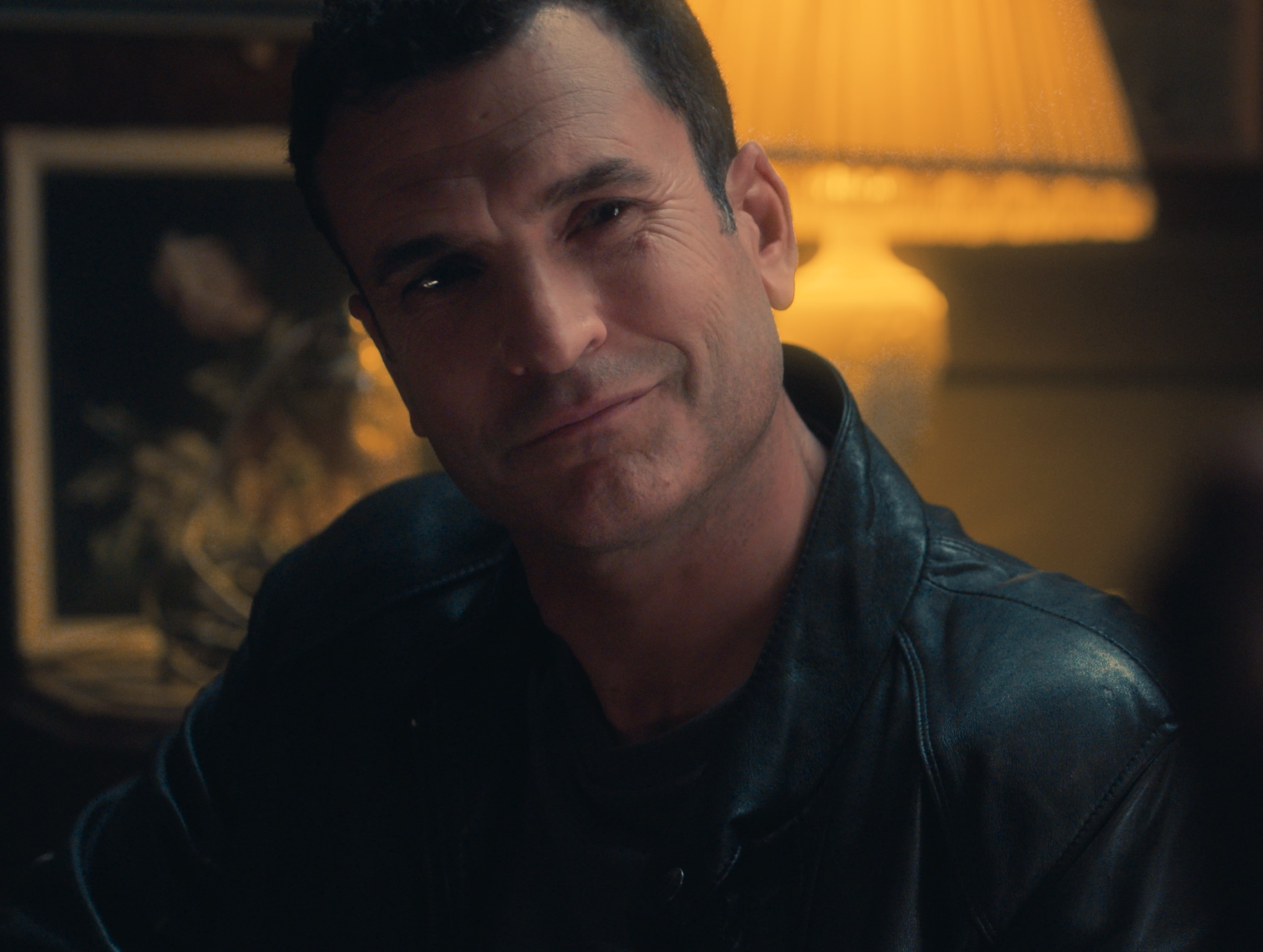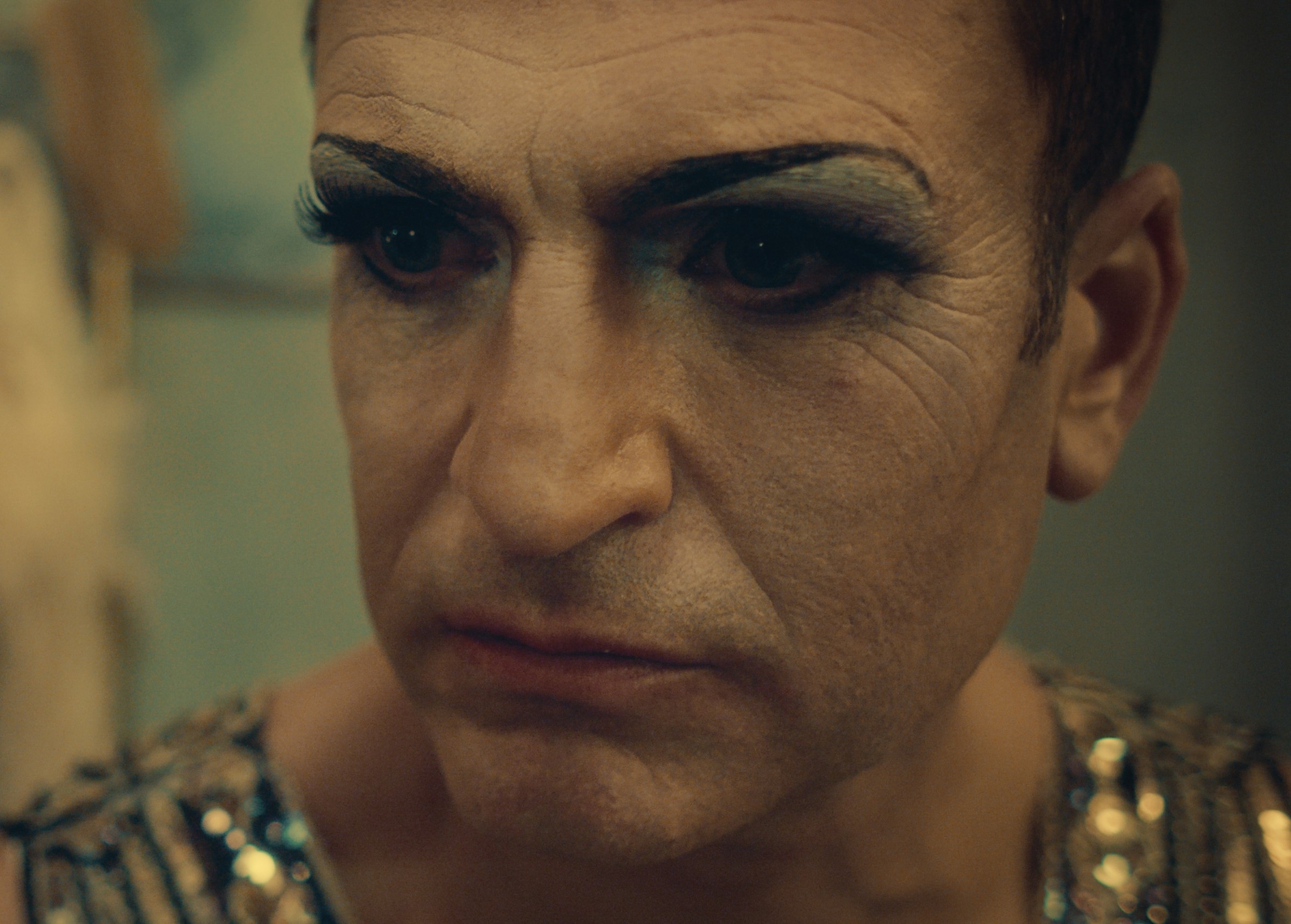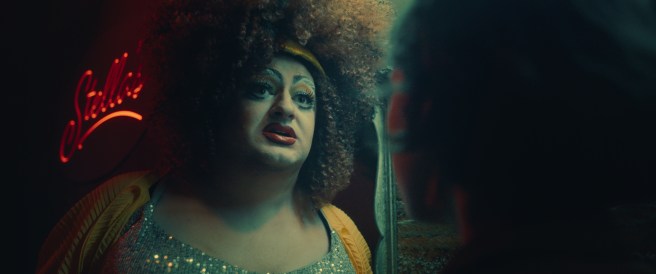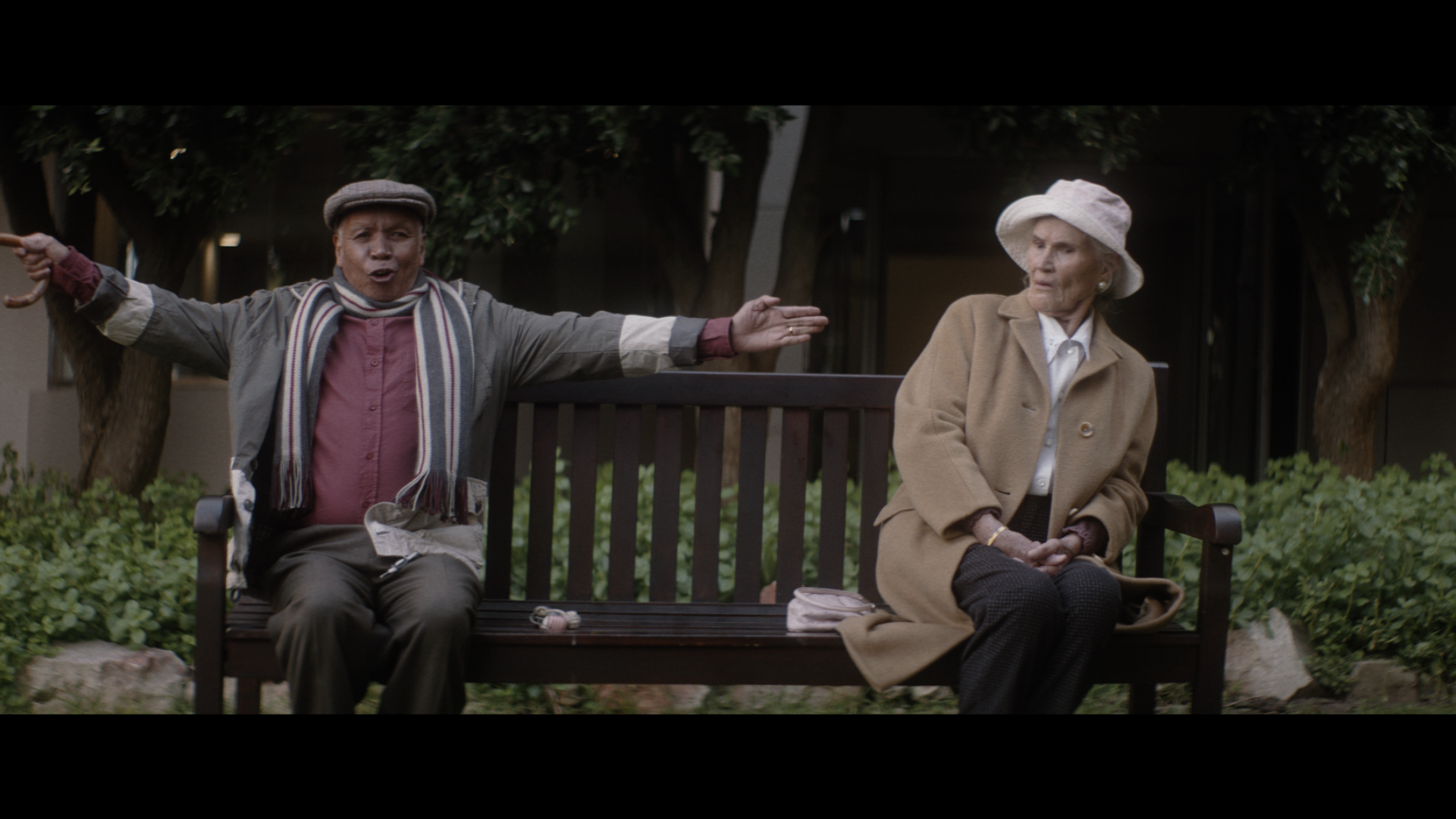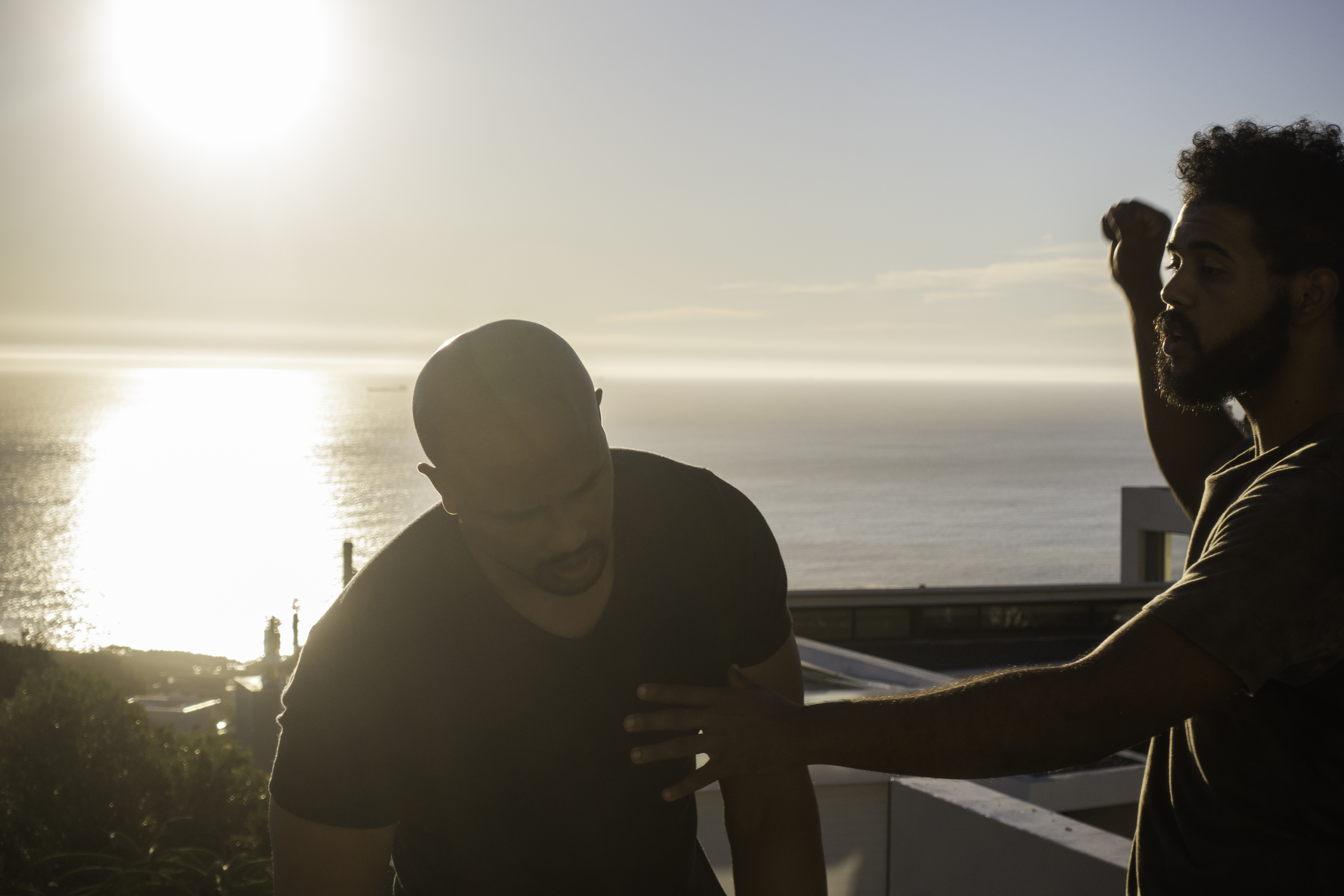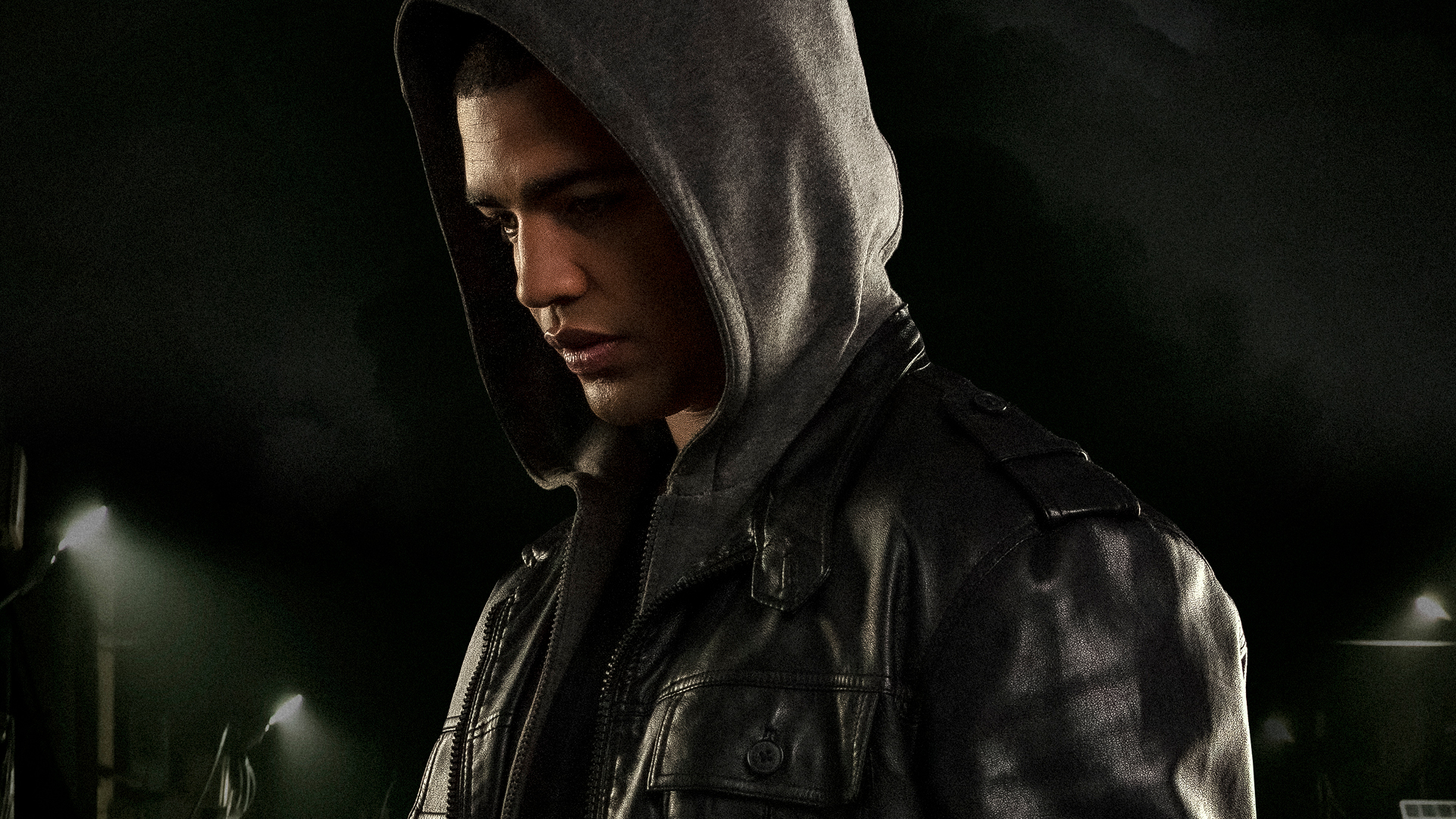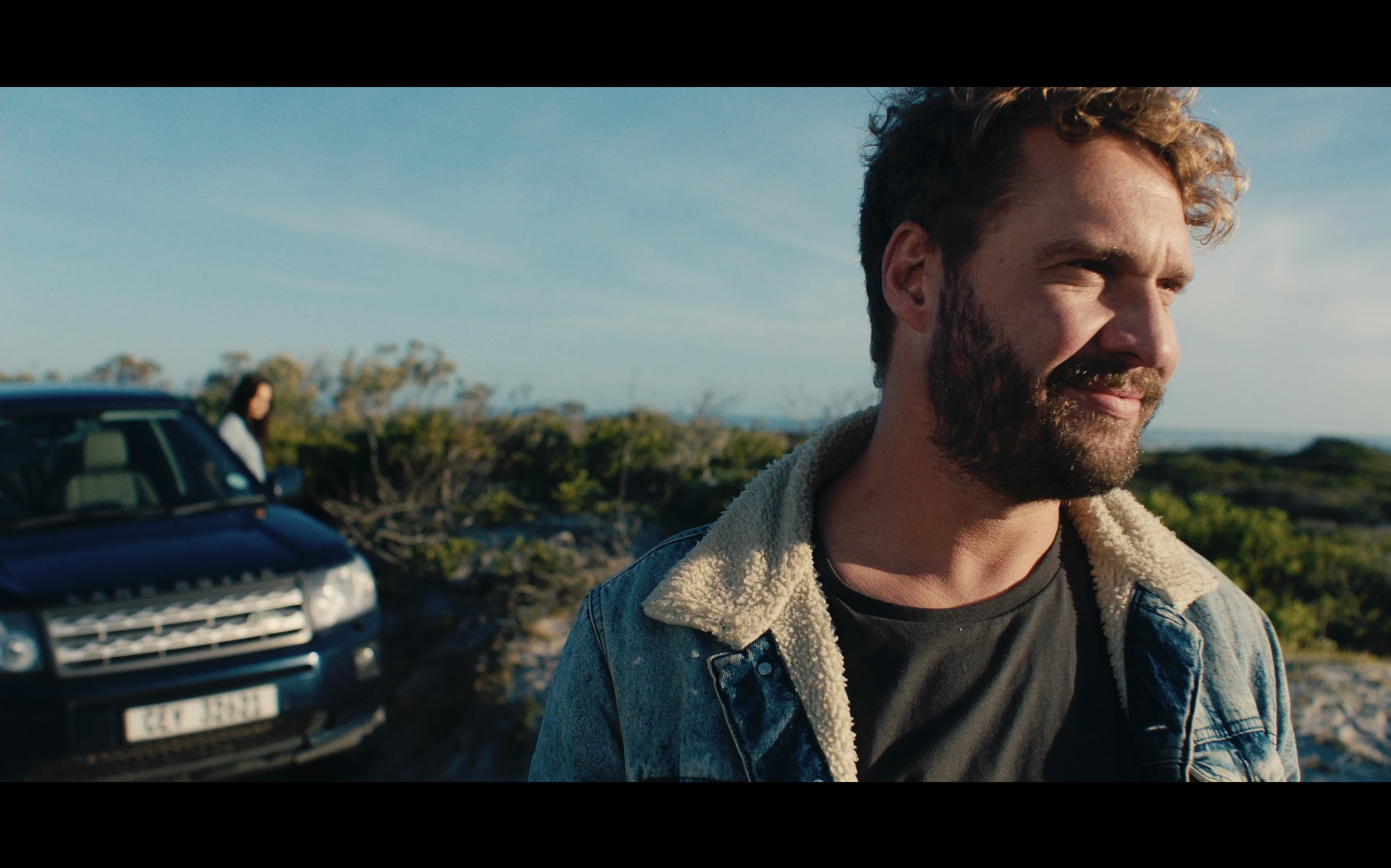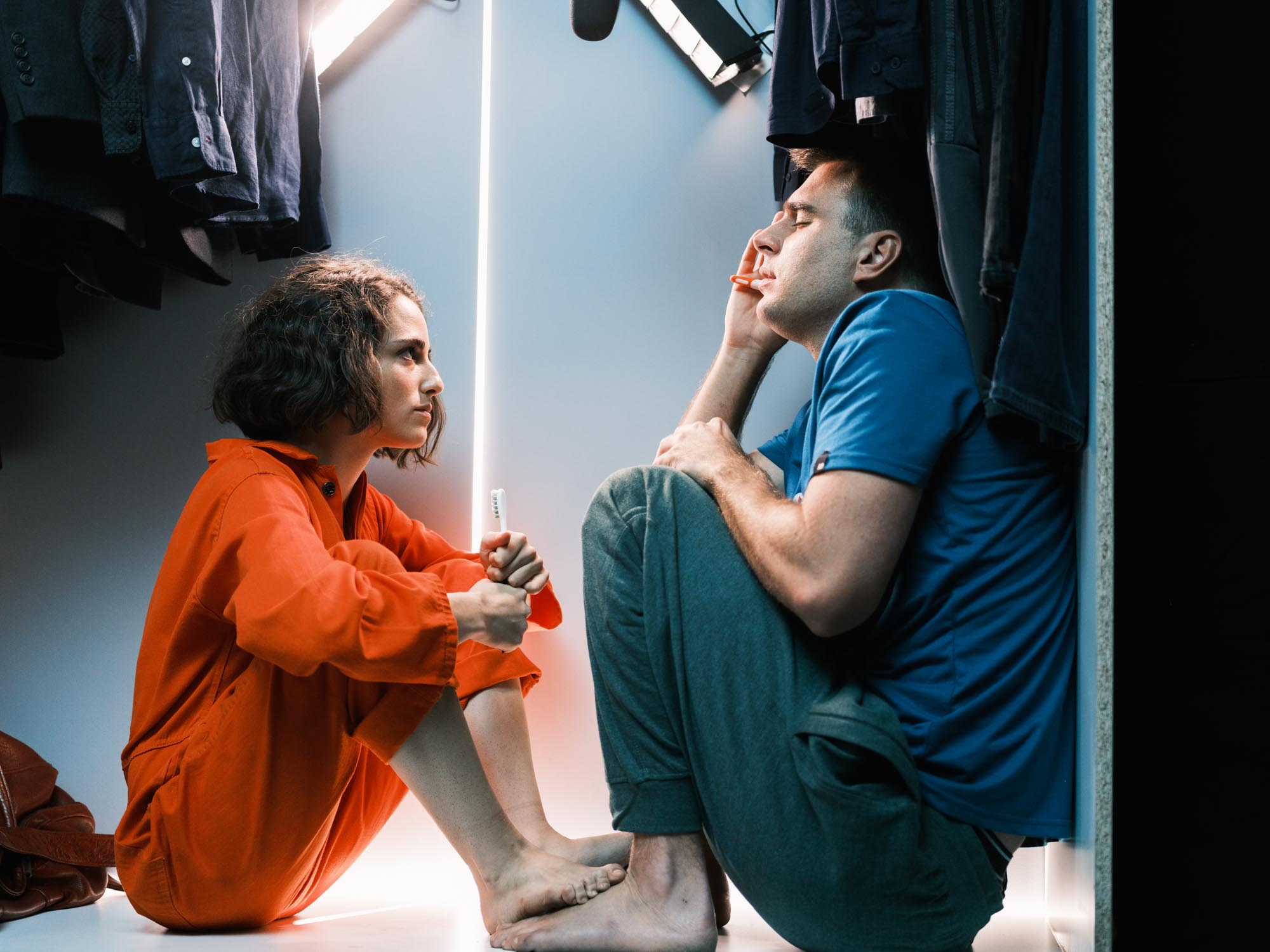
WHEN VOICES AS STRONG AS PEDRO ALMODOVAR AND MAGGIE GYLLENHAAL GET INVOLVED THE LIVES OF MOTHERS SHINE WITH GREAT STRENGTH

The universe of mothers is something everyone has plenty to say on. But take two storytellers with the gravitas and sparkle of Pedro Almodovar and Maggie Gyllenhaal, who seamlessly slides from actor to director, and you have two extraordinary films with casts that make the stories come alive. DIANE DE BEER reviews:

The great thing about a new Pedro Almodóvar movie is that it is like coming home. It’s about the colours and the characters, the way he tells his stories and the choices he makes. From the start I’ve been a fan.

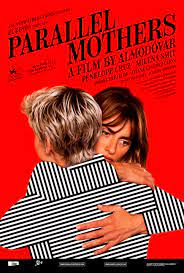
And because I haven’t yet been back to brick-and mortar-cinemas, I have to depend on what is offered to me. DStv’s Box Office could not have made a better decision than adding Almodóvar’s latest film PARALLEL MOTHERS to its line-up. Not in a million years did I expect that! (The run is finished, but try streaming it somewhere else)

Like the name suggests, it is about mothers but that is about the only thing in this film that is predictable. The rest is like a crazy Almodóvar adventure which makes twists and takes turns to make your head spin. In typical Almodóvar fashion, it’s a story of humanity and even if wild, not that improbable that you can’t take your emotions with you on this ride.
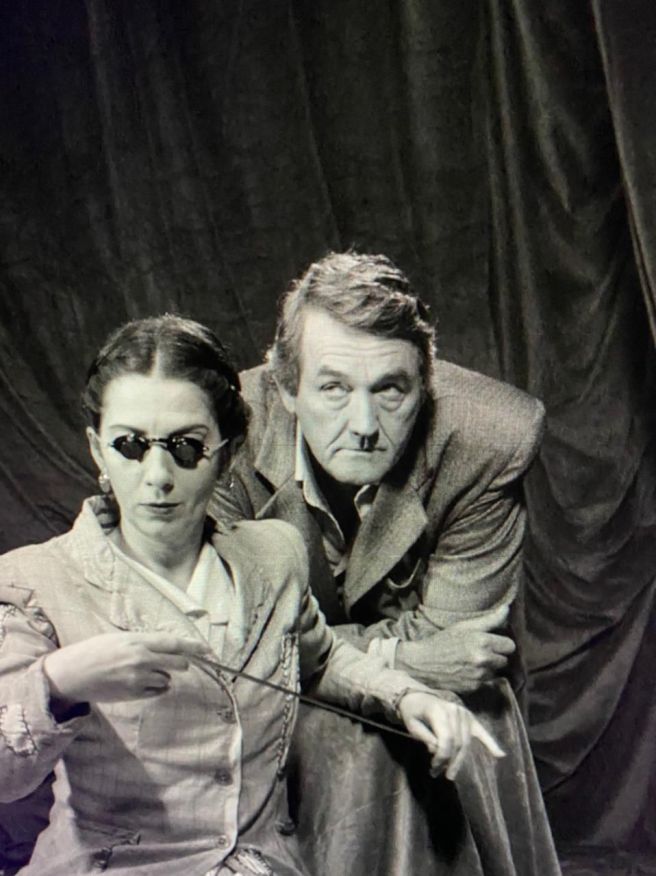
There’s so much that made me happy. I want to live in an Almodóvar world, the way he dresses his people and his rooms, his landscapes and the faces he peoples his films with. All of these appeal to me and take me to a place where I can wallow for a couple of hours.

And then there’s the magnificent Penelope Cruz. She has never done better than in an Almodóvar movie. They get and trust one another and as she grows older, she has also let go and allows him to push her where he wants her to go.

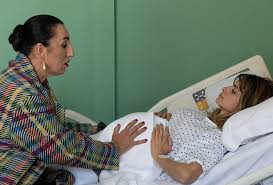
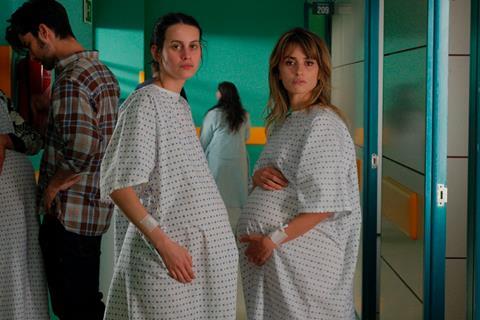
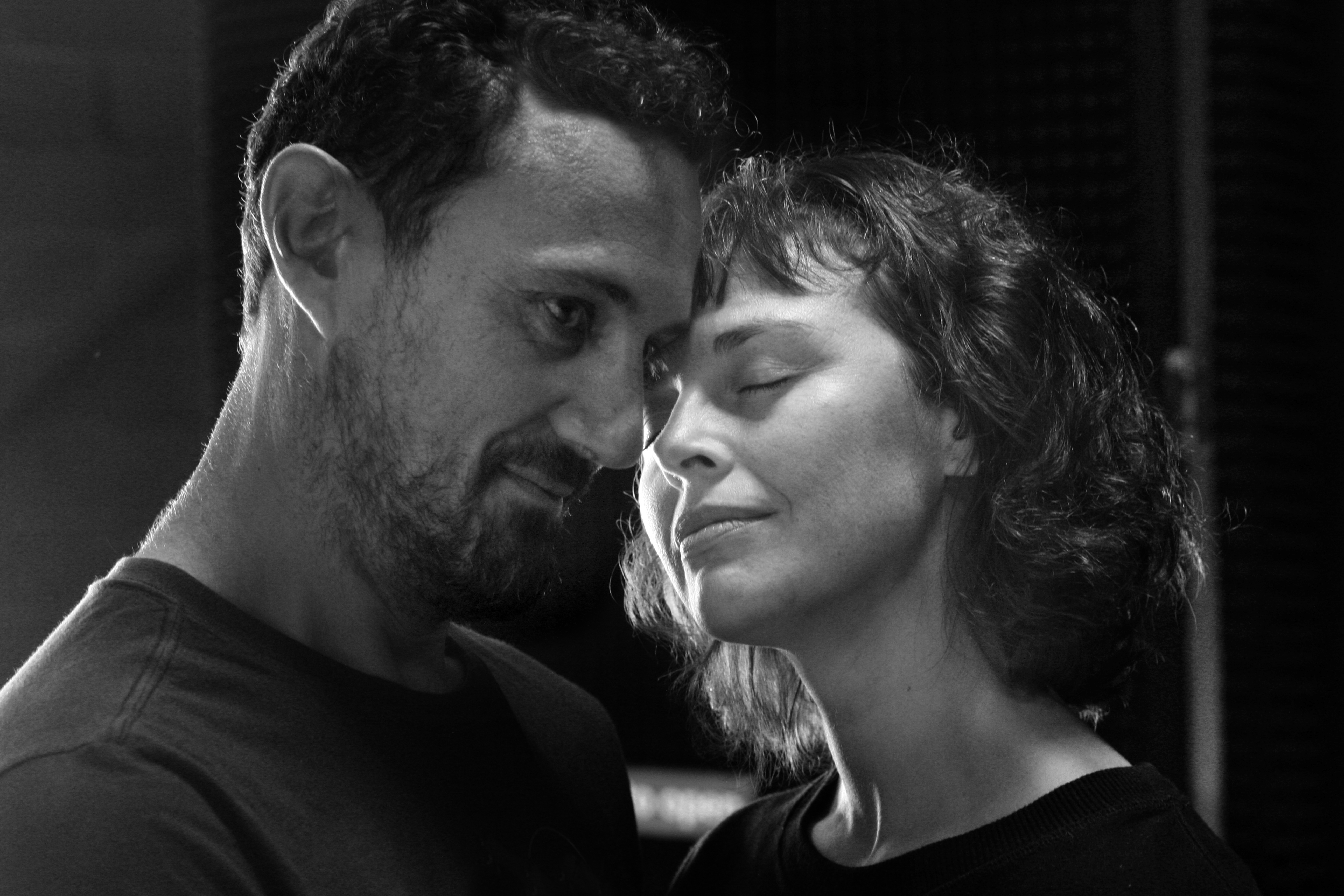
It’s the story of two unlikely mothers-to-be, the one a 40-something and the other just out of her teens (Milena Smit). Together they give birth to their first babies but because of their circumstances, their lives and the outcomes are completely different. And yet they connect through these circumstances that bind them together in a completely fantastic fashion.

Being Almodóvar, there’s also a political thread that runs through the film that plays out both visually and emotionally in a way that rips your heart out. You wouldn’t want it any other way though.
From the leader of the pack, Cruz, to the young Smit, and another Almodóvar regular, Rossy de Palma, they all climb into their characters and before long you’ve forgotten this is only a movie. Don’t miss it, and especially if you don’t know this Spanish filmmaker’s films, have some fun in his world.

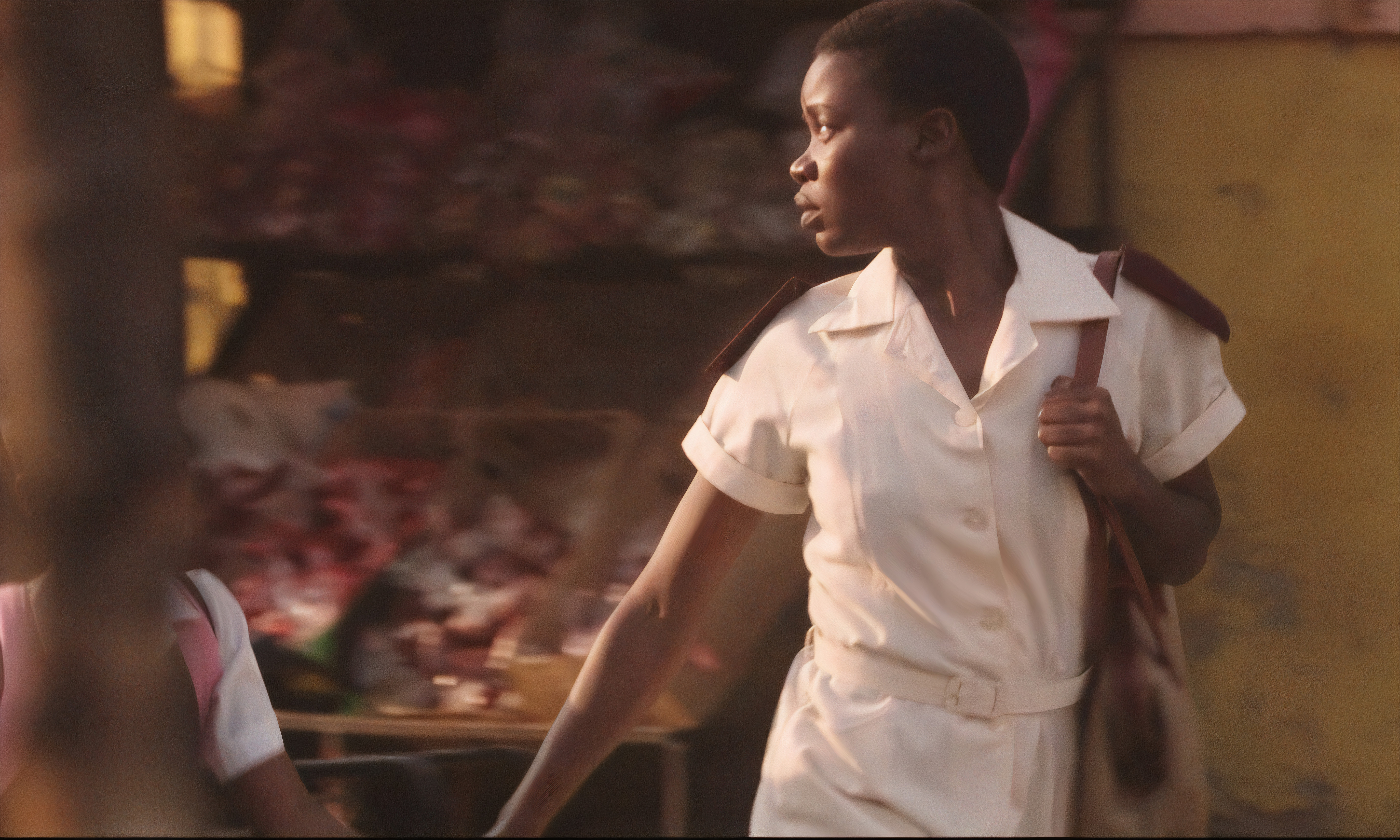
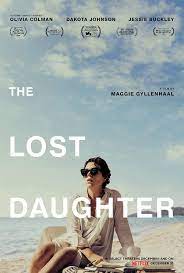
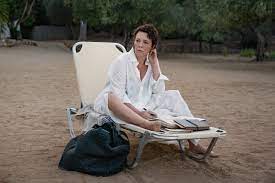
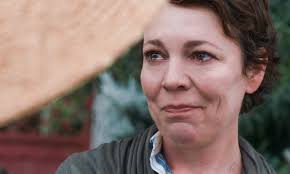
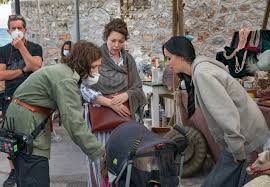
And hopefully you have Netflix to access the acting phenomenon Olivia Colman’s latest exposé of feelings in Maggie Gyllenhaal’s directorial debut, THE LOST DAUGHTER, based on the short novel by Elena Ferrante. It’s also a film on motherhood but in this instance coming from a completely different place – and I’m sure on all counts, many women will identify.

I was almost a newly-wed when I decided not to have children. At the time and as I grew older, the fact that I had taken that decision and wasn’t dictated to by perhaps an inability to have children (don’t know, I never tried!), was often disturbing to others. I was called selfish, asked what I would do when I was old and so forth.

And what this film deals with is also a motherhood topic that isn’t often discussed or publicly explored. The title The Lost Daughter already opens many different possibilities, but what is really at the core here is the inability of some women to easily fall into the mothering role. It isn’t that they don’t love their children or even had an unhappy childhood themselves, it simply doesn’t come naturally to everyone. But in our world today (and that before and after us, I suspect), motherhood is sacrosanct.

In Gyllenhaal and Colman’s extraordinary hands and made with an extremely sensitive yet startling vision, the story unfolds in delicate yet dramatic fashion. It takes a while to find your way, especially if you don’t really know what the film’s about. But from the start it grips you as red herrings unfold and tumble out all over the place.

However, yearning, it seems, is the great motivator here. When you discover something in others (and on full frontal display) that you have lacked, it can do strange things to you head.

More than anything though thanks to the teaming of these two talents, it is the unusual story that turns this into such a tour de force. It’s difficult to believe that there are still such taboo topics so part of our everyday lives.

Everything is also enhanced in the film universe by the diversity on all levels that is growing and unfolding by the day. The more stories that are told from different perspectives, the better and more probing our films will be. And in that way, hopefully touch us more deeply, as both these films do so magnificently.

Parallel Mothers is available on DStv Box Office until 1 April 2022, and The Lost Daughter was on local release.

FIREFLY GLOWS WITH WONDER AS A CLUTCH OF ARTISTS CELEBRATE THE MAGIC OF LIVE THEATRE

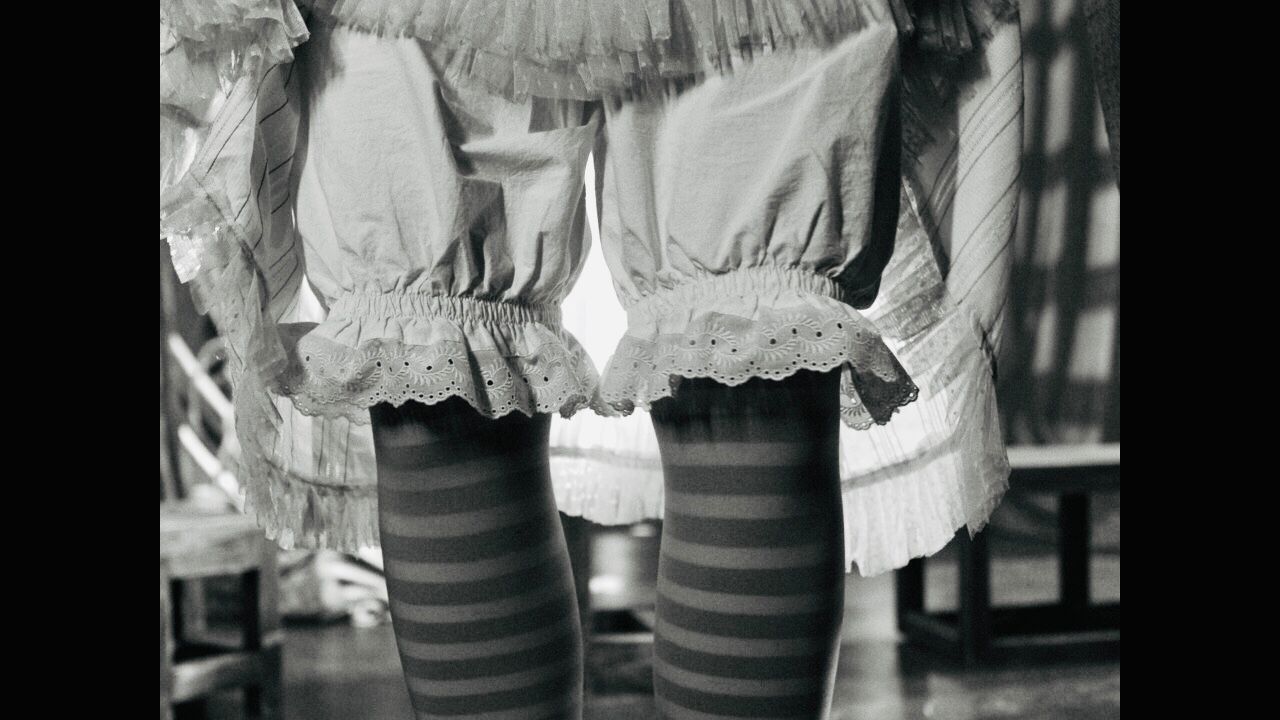
Pictures taken off the screen by directors Toni Morkel and Jaco Bouwer during the film shoot:

If you haven’t yet seen Sylvaine Strike’s wondrous Firefly, Pieter Toerien’s Montecasino Theatre is having another season from May 19 to June 11. It’s a once-in-lifetime theatrical experience with two seasoned artists stepping into the magical world of storytelling in a way that plays with your imagination in the best possible sense. If you want to know more, see below. This is the story written when they first stepped onto stage following covid:

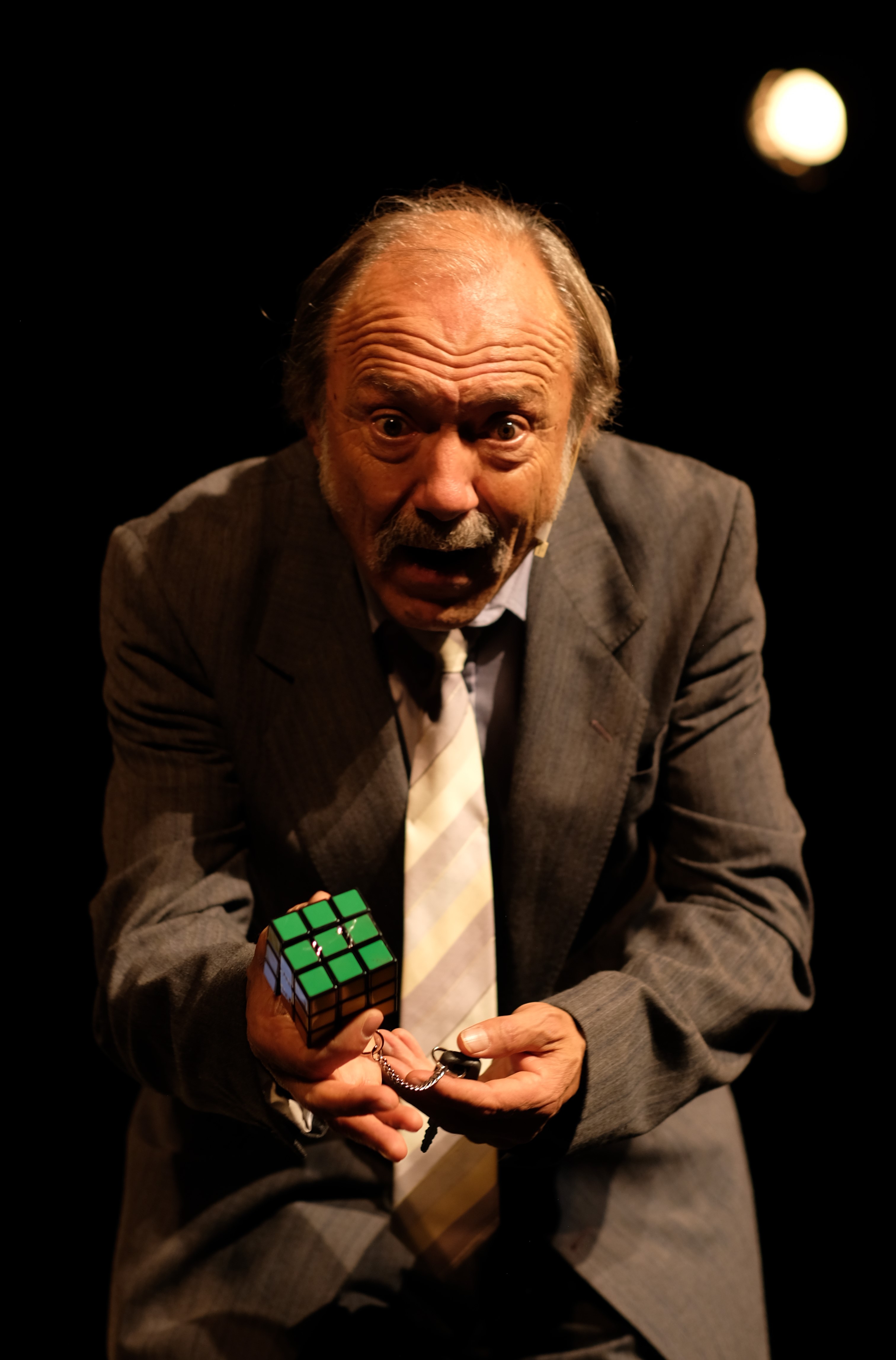
The Countess Pafanesca in the Vodka Tango

When you are excited by the group of artists who have  come together to make theatre, sparks can fly. And that’s exactly what can happen with the first live run of Firefly, a production that was created to celebrate live theatre. DIANE DE BEER speaks to a few of the artists involved:

Theatre fans are blessed with the latest Sylvaine Strike, Andrew Buckland and Toni Morkel collaboration as they bring last year’s Ferine and Ferase (which was filmed by Jaco Bouwer for the Woordfees digital programme) to life on stage – as it was originally planned.

This is the second time this trio have combined their creative talents (the first was in the much lauded Tobacco and the Harmful Effects Thereof) even if the roles have been switched. In the newly named Firefly, Sylvaine and Andrew are acting together with Toni directing for a run at the Baxter Flipside from 24 March to 9 April  (2022) at 7.30pm nightly, with Saturday matinees at 2.30pm.

Sylvaine Strike and Andrew Buckland at play.

The initial name was derived from two chemical components luciferin and luciferase, which exist in a firefly’s bum and make it glow, explained Sylvaine. “So one without the other can’t make light, they have to be together to glow. Lots of fireflies in this show.” And that is why it is now called the more familiar Firefly.

The play was first created on commission by head of the Woordfees Saartjie Botha in September 2020, three-quarters of the way through the first tough lockdown. The idea was to create something that would show audiences why theatre is unique and exciting. Saartjie didn’t want a big set, she didn’t want audiovisuals, no multimedia, only pure theatre. “We want body and craft and what the actor is,” was the instruction.

Because of lockdown, they started writing remotely through October, November and December, and in mid-January last year met in a rehearsal room with their director. With Tony Bentel on piano, they began to develop the story on their feet to find a common language between Sylvaine and Andrew, who both have very specific styles. But when this trio are tasked to make theatre, that’s exactly what they do.

It’s all in the telling of the tale.

They discovered and developed a mutual style for the two actors largely based on clowning duos. Think Laurel and Hardy, for example, that kind of world, very much a nostalgic, romantic story where they play three different characters each, with the narrators the main characters called … Ferine and Ferase. They have a backstory of their own, which they tell as travelling players of Bucket’s End. It’s a time of magic and wonder which allows you to sit back, be transported and dream, a luxury in these times.

“It’s beautiful, it’s very physical, it’s gorgeously costumed with each a standard clowning costume that transforms into a couple of things,” Sylvaine embroiders.

Every detail tells a story.

From the start it was meant to play on stage and they had a short trial run with a 45-minute version. But this all had to take on a different hue when live changed to digital and they spread their special brand of fairy dust.

The full play was filmed with Sylvaine enchanted with Jaco’s extraordinary transformation from stage into film, shot in studio, all in black and white, inspired by old movies. And those of us lucky enough to have seen it, agree.

It was delightful to witness how they adopted and adapted for the new medium with all the elements colliding and fusing.

 And now they’re back on stage and it will be marvellous to be experience yet another transformation. Personally, I can’t wait!

Crafting a clutch of characters with craft and creativity.

Sylvaine and Andrew make perfect sense together and then to have the extraordinary Toni Morkel directing is genius.

As she has often been directed by Sylvaine and performed with Andrew, she was terrified yet thrilled when asked but she trusted her instincts because all three of them know one another well and understand each other’s particular theatre language.

“I’m very excited to do it live,” says Toni, who has just started with rehearsals again. These are two actors who know how to act with their whole being and she finds herself smiling as she watches them go through their moves. “I’m living my dream,” says this consummate theatre maker.

The great difference between the screen and stage version is most specifically the sets. The two actors with their costumes and imagination have to construct their world on stage. And while it is sometimes frustrating to remember what they could do on film, the stage version is what they envisioned from the start.

“We wanted to create a play that would travel easily and anywhere – whether we had lights, curtains, even a stage,” she says. And knowing what they have achieved in the past together and individually, this is not an impossible ask. It has always been part of their theatre ethos, and while it might have been initiated by a scarcity of funds, it also focused their imaginations magnificently.

Andrew Buckland and Sylvaine Strike in Firefly.

“I know their world, their physical ability and strength and how they work,” she says about the process. “What we are relying on is good old-fashioned storytelling.”

She does have two more aces up her sleeve with Wolf Britz again making magic with his wondrous lighting and he has a few more tricks in the bag. And there’s Tony Bentel’s wizardry on piano. “I can’t help but gush when speaking of his astonishing ability. He has a world of music in his body,” is how she explains this gifted musician who accompanies the two actors live.

“For any section of the play, he comes up with five or six different musical suggestions and because he is adept with improv, he can embellish what the actors are trying to express at any moment. I am constantly in awe of what he has arranged musically.

“I am blessed,” she says.

And so are we. With these dynamic artists, expect fireworks in Firefly!

THE KLEIN KAROO NATIONAL ARTS FESTIVAL IS CELEBRATING ITS RETURN WITH DIVERSITY

With Covid-19 still a part of our lives, the uncertainty of live events is constantly hovering. Will it or won’t it? That’s the question on everyone’s mind as each event or festival comes into play. And while dates have to be juggled and last-minute plans put into play, this year’s Klein Karoo Nasionale Kunstefees has come up with an exceptional programme in any circumstances – but especially now. DIANE DE BEER spotlights some highlights of this year’s KKNK which starts at the end of the month:

I can still remember hearing the news about the first Covid-19 lockdown at the 2020 Woordfees and while all of us were devastated and slightly bewildered, none of us realised quite the impact it would have on our lives – and the arts.

This was to be our last arts festival in a couple of years and the effect of that on the lives of artists who need live audiences has been disastrous.

Nataniël’s Prima Donna opens the festival.

There have been brilliant innovations in the intervening years and the word hybrid will fortunately become part of the festival landscape to broaden their audiences as well as capturing theatre on film for those who cannot attend a festival but would love to see productions.

And yet, nothing will compare with the real thing, which is why the announcement that 2022’s Klein Karoo Nasionale Kunstefees (KKNK) will be happening from 29 March to 3 April was received with such joy.

Not only are they back, but the programme is something to cherish, especially in these haphazard times where everything has to happen almost on the trot. But as they suggest in their big reveal, “even in its slightly smaller format, the festival acts as a fuse for the explosion of productions and experiences to be presented by heavyweights in the South African arts industry!”

“This year’s festival is truly overflowing with exceptional programming in celebration of the KKNK’s return to Oudtshoorn, while retaining the quality that makes festivalgoers get in their cars and drive to Oudtshoorn annually,” says Hugo Theart, Artistic Director of the KKNK.

He isn’t just boasting  –  two of my personal favourites, Nataniël and director Marthinus Basson, are leading the way with their productions.

Nataniël’s Prima Donna, a debut show, will be opening the festival on Monday evening (March 28) and part of the excitement of the production is that he will sing a bunch of his favourite covers, all of which he has arranged himself. Add to that a collection of his fantastical tales, and those attending will be starting their festival with a bang.

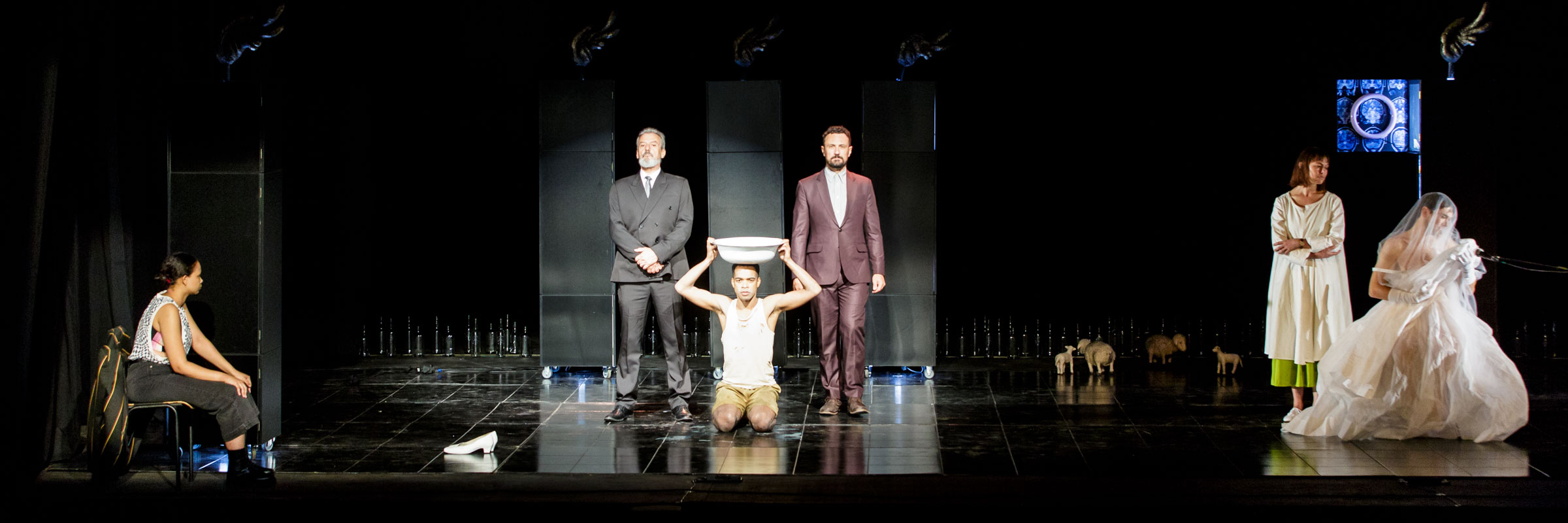
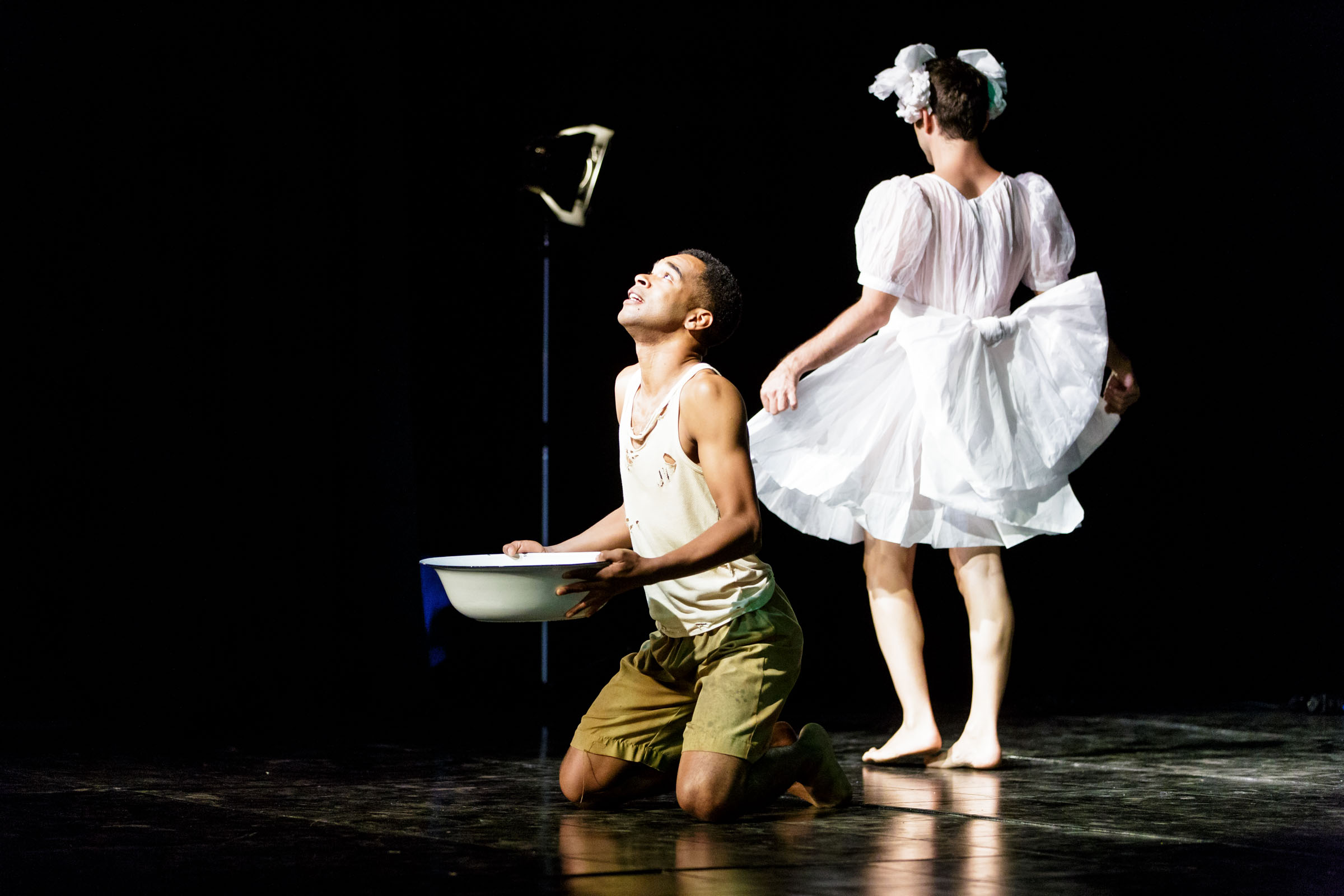
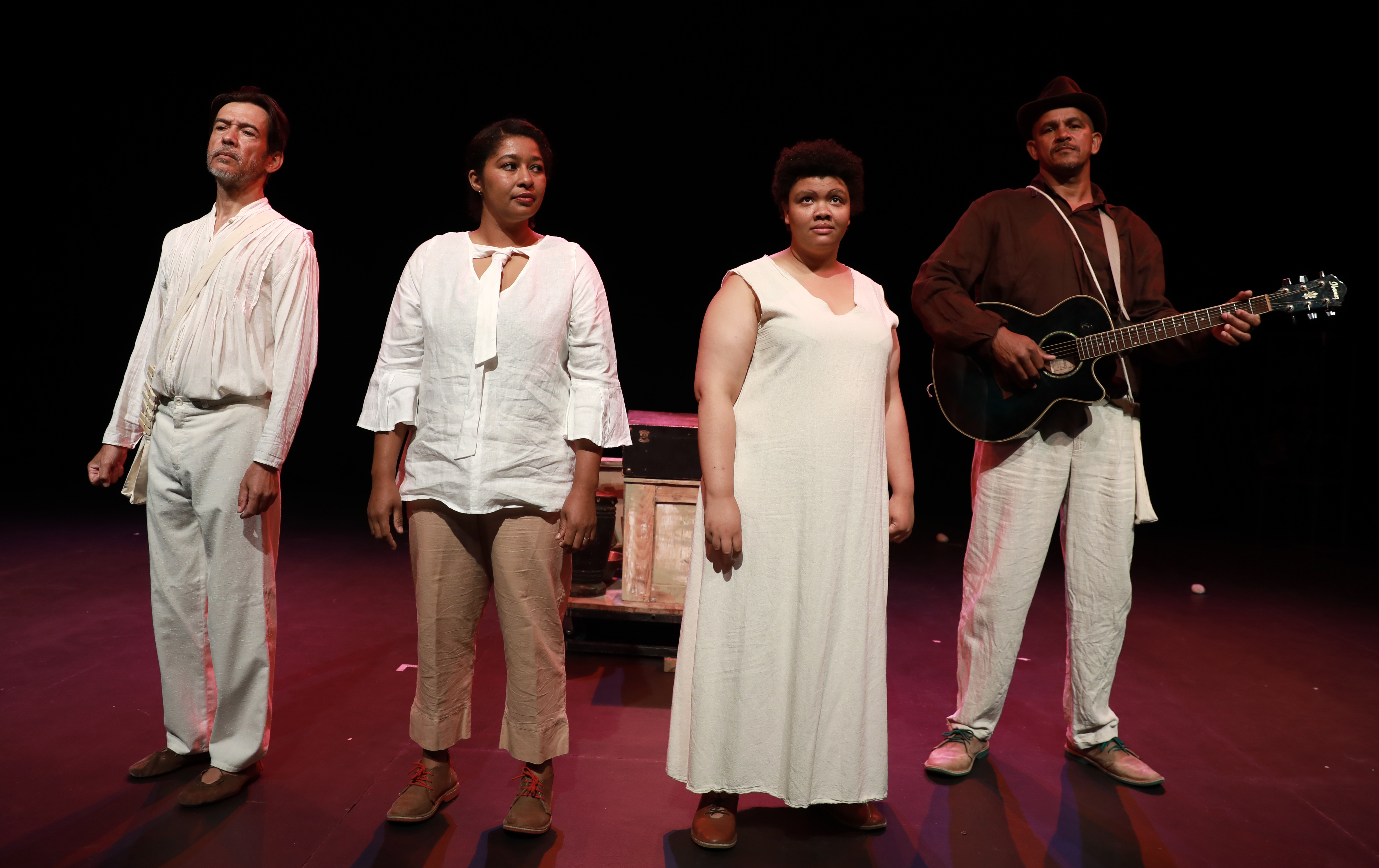
Basson will be presenting two plays, Ek, Anna van Wyk, in memory of, and to honour Pieter Fourie (the first CEO of the KKNK), who recently passed away, starring Tinarie van Wyk Loots and Dawid Minnaar, Albert Pretorius, Carlo Daniels, Wilhelm van der Walt, Geon Nel, Gideon Lombard and René Cloete, and internationally acclaimed playwright Lars Norén’s Terminaal 3 with Anna-Mart van der Merwe, André Roothman, Edwin van der Walt, Carla Smith and Stian Bam. Both will delight festival connoisseurs.

Three iconic female artists further enhance the star line-up with the internationally acclaimed Mary Sibande this year’s Festival Artist and the double celebration of Antoinette Kellermann and Antjie Krog’s 70th birthdays in 2022 with Kellermann creating magic in the words of Krog in die oerkluts kwyt.

The picture tells its own story of Neil Coppen’s storytelling in Op Hierdie Dag

Other new scripts at the festival include Die halwe huis, a one-man show written by Oudtshoorn resident Ricardo Arendse, with another Klein Karoo local, Marlo Minnaar, in the lead, with Lee-Ann van Rooi as director; the promising Agulhasvlakte by young playwright Herschelle Benjamin with Kanya Viljoen as director and Wilhelm van der Walt, René Cloete and Kay Smith on stage; while another Oudtshoorn production Op hierie dag forms part of the KKNK Karoo Kaarte project, which will be the heart of the festival this year, showcasing Oudtshoorn residents’ various talents. Theatre couple Lida Botha and Johan Botha, who have relocated to this region, will be directed by the exciting playwright/director Neil Coppen and visual arts curator and facilitator Vaughn Sadie.

Mbulelo Grootboom and Wessel Pretorius in Kiss of the Spider Woman. Picture Fiona McPherson

Nêrens Noord-Kaap, following its success on television, returns with Geon Nel, Albert Pretorius, and De Klerk Oelofse; while the Sylvaine Strike production Kiss of the Spiderwoman featuring Wessel Pretorius and Mbulelo Grootboom; Spertyd honouring deceased Elsa Joubert, with the phenomenal Sandra Prinsloo in the lead and the return of Oscar en die pienk tannie, directed by Lara Bye, complete a very strong line-up.

Looking for something unusual, dance enthusiasts can book for Karatara with dance group Figure of 8 – the 2020 KKNK Young Voice Prize recipient, who joins forces with Dean Balie and director Gideon Lombard.

If you’re in the mood for something light, comedies include Transpirant with Bennie Fourie and Schalk Bezuidenhout – who can also be seen in Schalk sing sleg; motormouth Marc Lottering in his stand-up comedy show Uncle Marc; Adriaan Alfred in Adriaan Alfred Live; Lizz Meiring in her solo show Kameras, konserte en kleedkamers; Marion Holm returns with Holmruggery; while Koos Kombuis, Dana Snyman and Erns Grundling, as well as Pietman Geldenhuys and Lyntjie Jaars from the Oppiestoep TV series, entertain audiences with their storytelling ingenuity.

Making music, David Kramer Vanaand, a solo show for Kramer, and Amanda Strydom with Nostalgie are the two evergreen performers who have performed at every KKNK.

Kombuis, Dana Snyman and Erns Grundling, as well as Pietman Geldenhuys and Lyntjie Jaars from the Oppiestoep TV series, entertain audiences with their storytelling originality.

Coenie de Villiers and André Schwartz

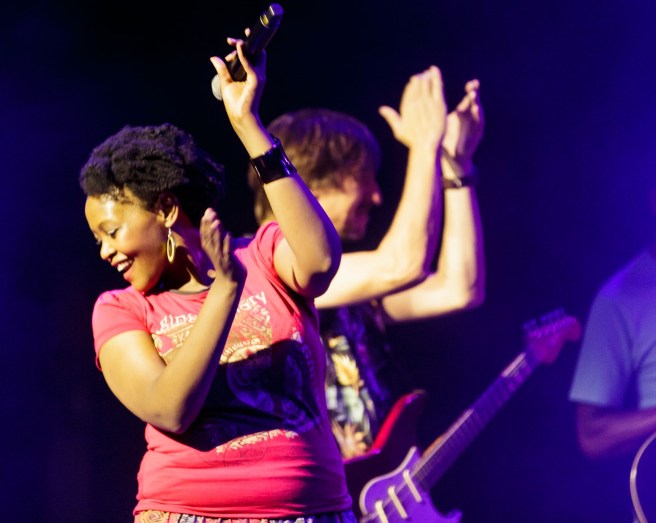
Coenie de Villilers and André Schwartz, both on piano, team up for a celebration of their work. Karen Zoid followers will be thrilled that she performs in an acoustic and more intimate show, and Emo Adams and Take Note bring the flavour of Cape Town entertainment to the Klein Karoo.

Six of the country’s well-known guitarists will be together on one stage in Kitaarkonings, with the  gentle muso Louis Mhlanga playing in Afrika Blues.

Another highlight is The Music of Sir Andrew Lloyd Webber with Lynelle Kenned, André Schwartz and the Stellenbosch Symphony Orchestra presented on the Celebratio pomegranate farm outside Oudtshoorn, where Spoegwolf 10 Jaar also takes place. Other contemporary shows include Elvis Blue, Luna Paige, Rocco de Villiers, and Anna Davel.

For classical music enthusiasts a special recital of Beethoven and Beyond with the well-known American pianist Gustavo Romero is included on the programme.

Those familiar with the “out of the box” theatre concept will know that this is something to watch. This time it is called Lucky Pakkie Theatre, which means you will be going for a lucky packet stage version of the popular musical chairs game… Be ready for loads of fun. Three Lucky Pakkie packages will cater for all ages, from younger viewers (Melkbaarde) to older viewers (Sagtebaarde), and adult viewers (Hardebaarde). Each mystery round of entertainment will last 15 minutes.

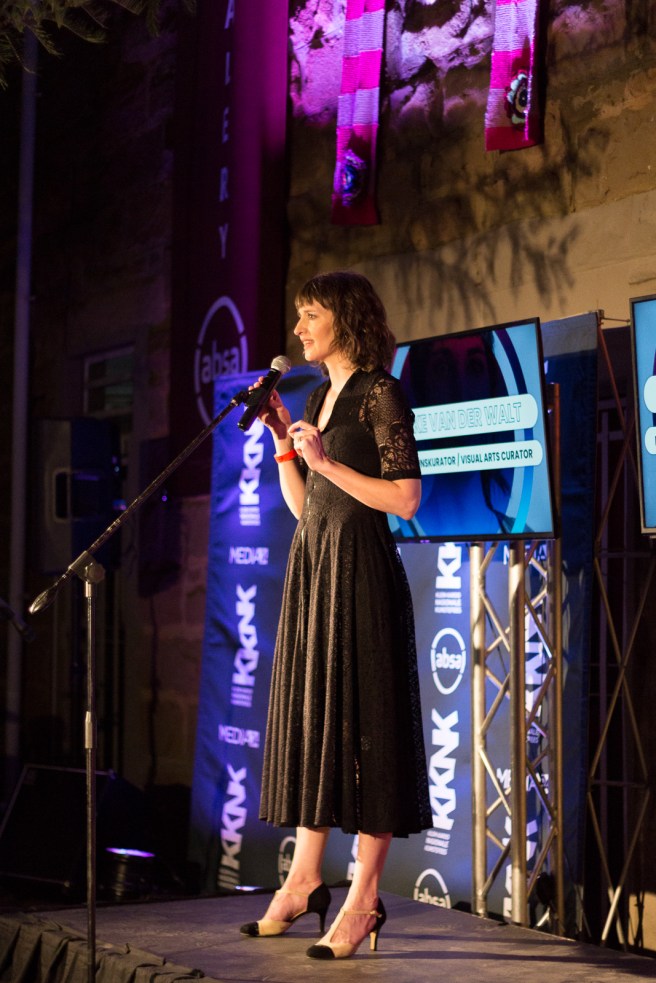
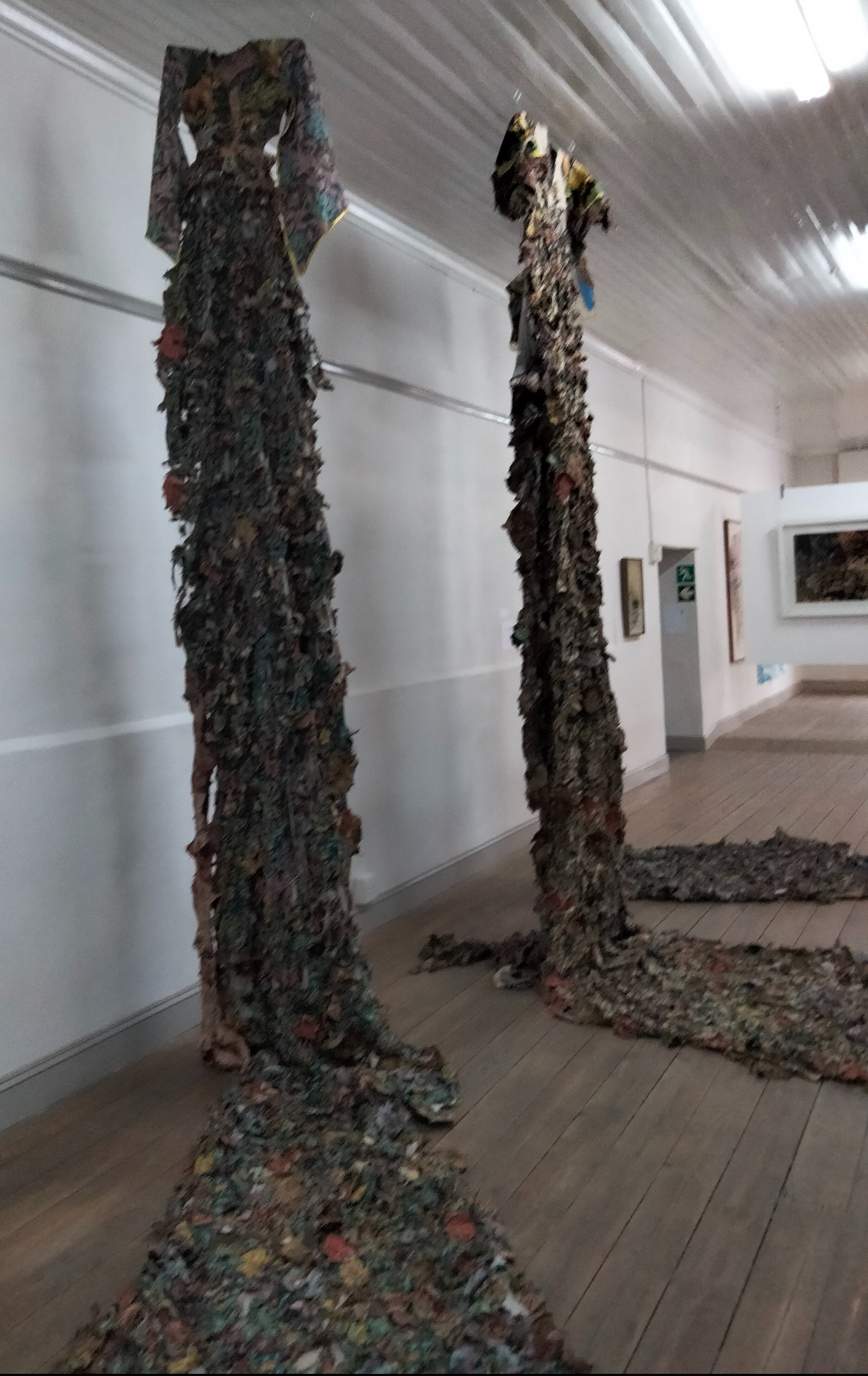
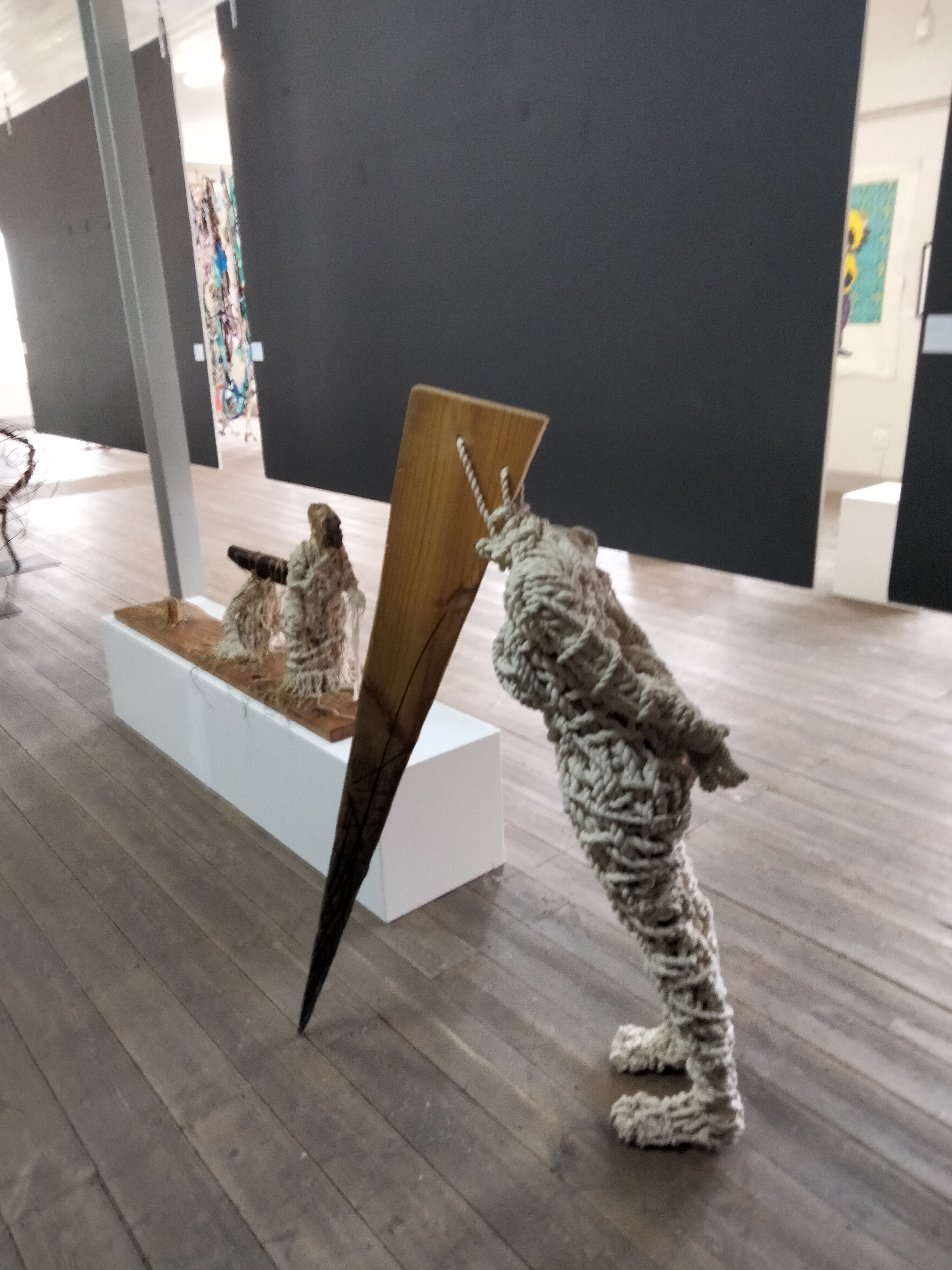
Last but not least is the Visual Arts programme, curated by the innovative Dineke van der Walt, which for example includes the colourful Mapula creations, all of which can be viewed in the familiar  Prince Vincent building.

Joylyn Phillips (second from right) in Bientang also rewarded with Kunste Onbeperk Young Voice award.

The festival has honoured individuals in the industry since its inception, and this year’s four exceptional people include playwright Jolyn Phillips receiving the Kunste Onbeperk Prize for a Young Voice (she can be seen in the debut production Bientang); Nic Barrow, one of the founders of the KKNK and the individual who planted the seed for a festival in Oudtshoorn, is honoured for his contribution to the KKNK; and the ever-popular and exceptional Frank Opperman (to be seen in Ek Wens, ek wens) who is awarded the Kunste Onbeperk Prize for Interpretation.

Frank Opperman in Ek wens, ek wens, also honoured for interpretation with Kunste Onbeperk prize.

Ticket sales are open and accommodation can be booked through LekkeSlaap at www.lekkeslaap.co.za/akkommodasie-naby/kknk, or kknk.co.za/verblyf-lekkeslaap/.

Interested festivalgoers can get more information by subscribing to the KKNK newsletter, following the KKNK on social media, or visiting www.kknk.co.za. Feel free to contact the festival office on 044 203 8600 or send a WhatsApp message to 065 285 2337.

The KKNK will follow a vaccination mandate, but terms and conditions for exclusions apply. More information is available at www.kknk.co.za.

SYLVAINE STRIKE REIMAGINES KISS OF THE SPIDERWOMAN, A STORY SHE HOLDS DEAR

PICTURES: Fiona McPherson

Togetherness.

Returning to the theatre after such barren and isolated times with Kiss of the Spider Woman  ̶  to spark conversation is a great gift, Sylvaine Strike tells DIANE DE BEER. It has been a troubled ride for the proposed run of this play which was cancelled on the eve of their opening in June 2021 when the 3rd wave of Covid hit. But now they’re ready to go with a run at Cape Town’s Baxter Theatre until March 26:

“It felt so terribly hard to abandon the work when we were closed down,”  says director Sylvaine Strike.

In full-blown artist mode she expands: “It felt deadly. Where does one put all the adrenalin, all the emotive impulses so necessary to tell this story in all its noble truth? My heart broke for my actors who were about to fly. Hibernation of the artistic soul has been one of the most challenging realities we have had to face as live performers,” she explains.

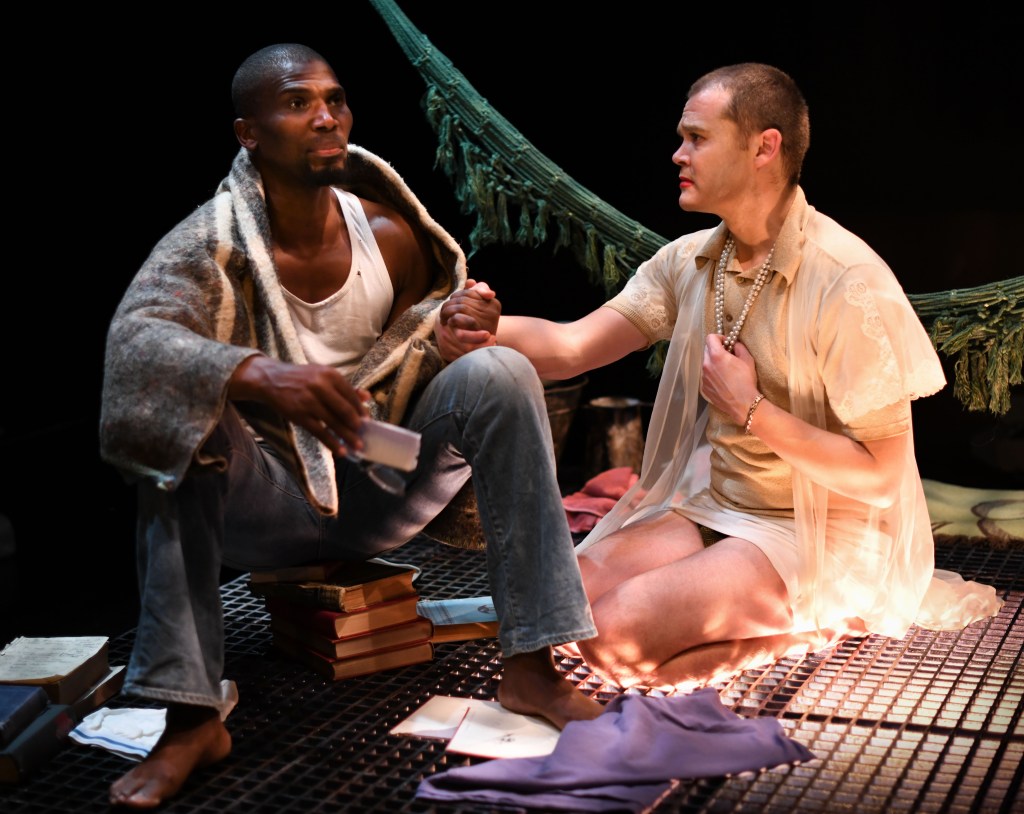
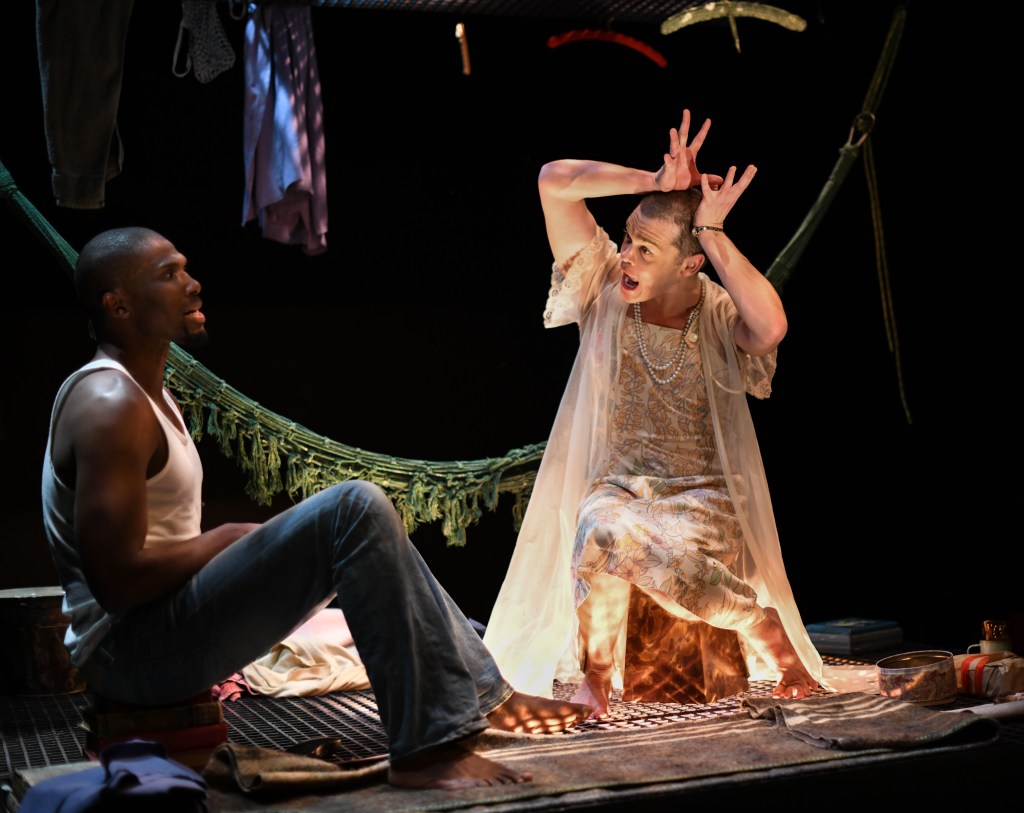
But now, just short of a year, they’re back again to hopefully complete a run. Kiss of the Spider Woman is a story she has always wanted to tell. “It is first and foremost, an inmate and delicate study of human behaviour. It is a testimony to our ability to escape our reality through the imagination, a triumph in the battle to defeat prejudice; it is a poem about learning to love all that one hates about oneself, all that one fears in the other; it is about accepting difference through tenderness.”

Embracing what is too often labelled as other has become crucial, urgent, she argues and she simply loved the humanity of the work.

Ironically she had been booked to direct Kiss at the Baxter in mid-2019, long before Covid became a reality. “I am often asked if I chose this piece because of the pandemic since it speaks of confinement, seeking escape though retelling of stories from the silver screen (think of what Netflix meant to us all during this confinement!) but ultimately it is also a play about isolation from society.

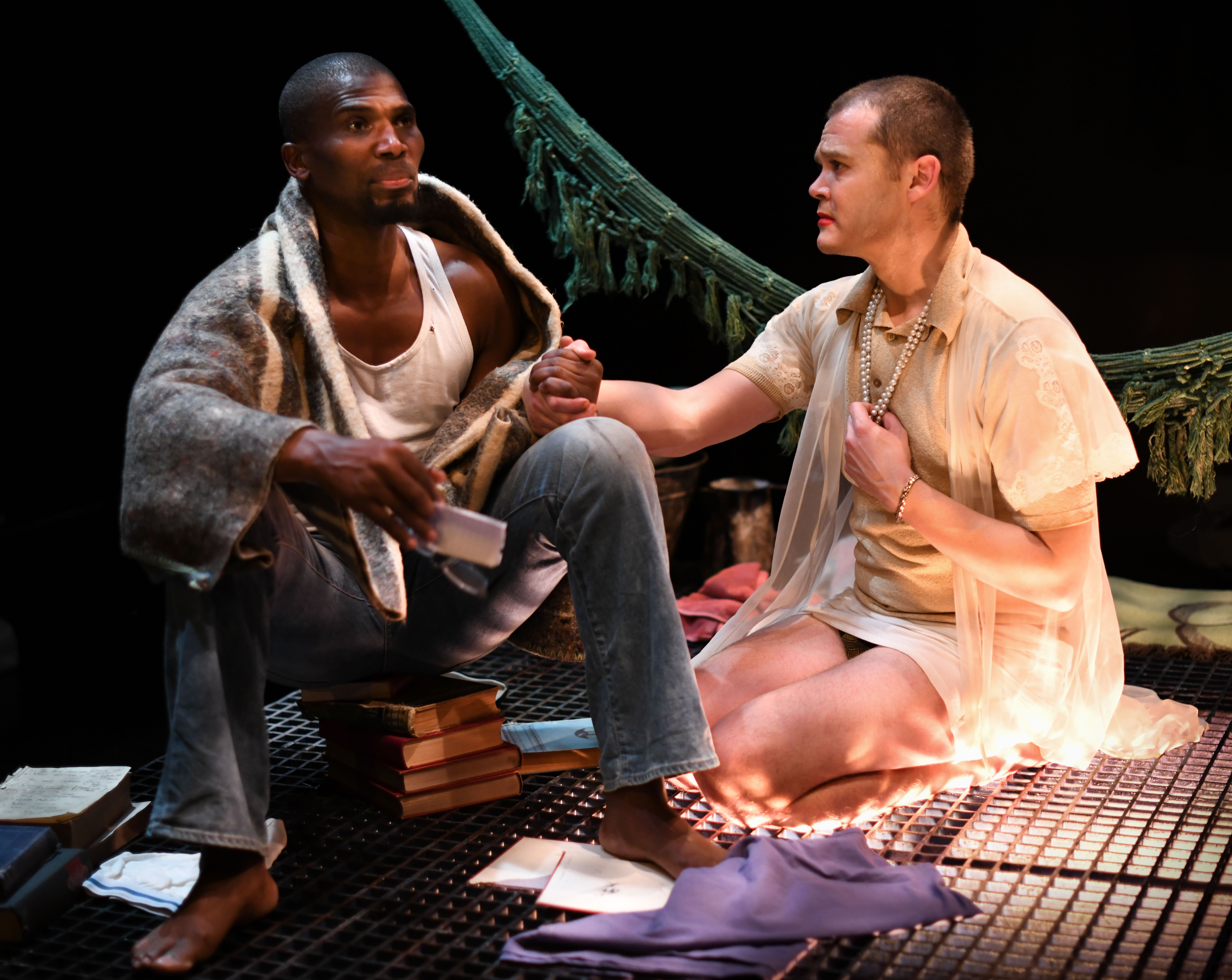
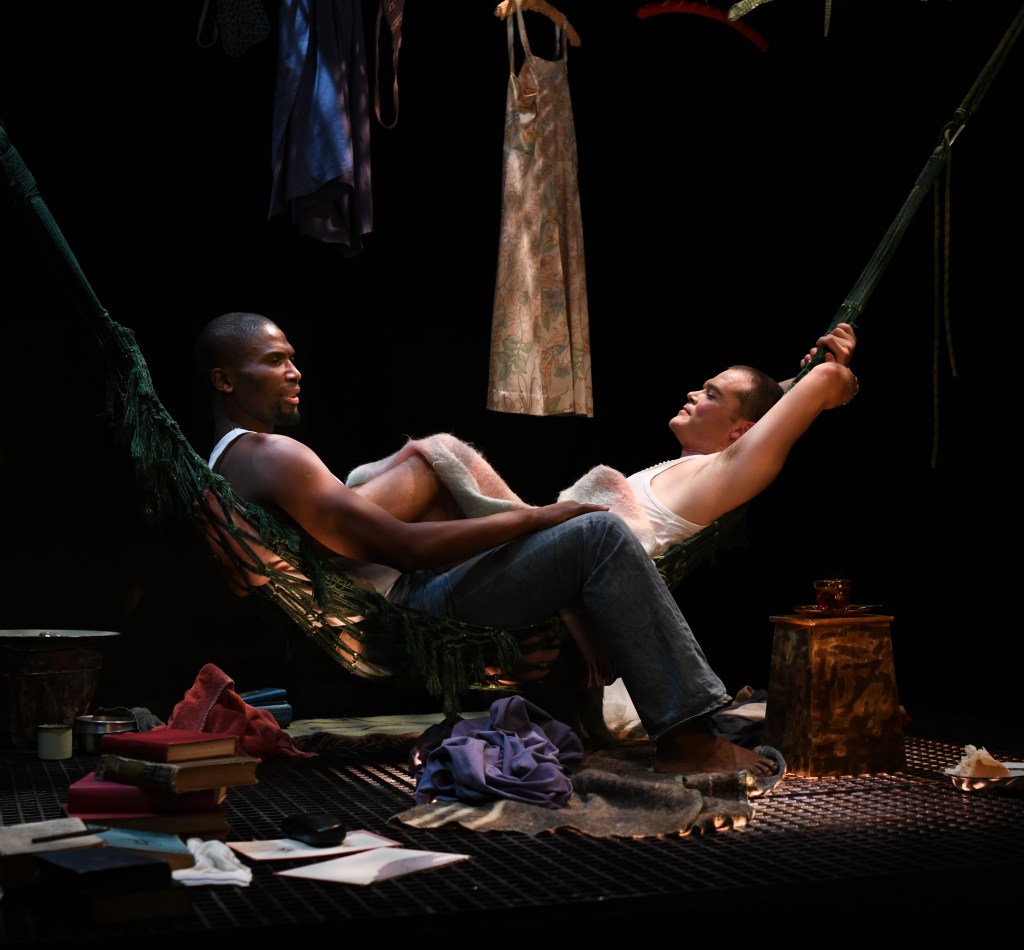
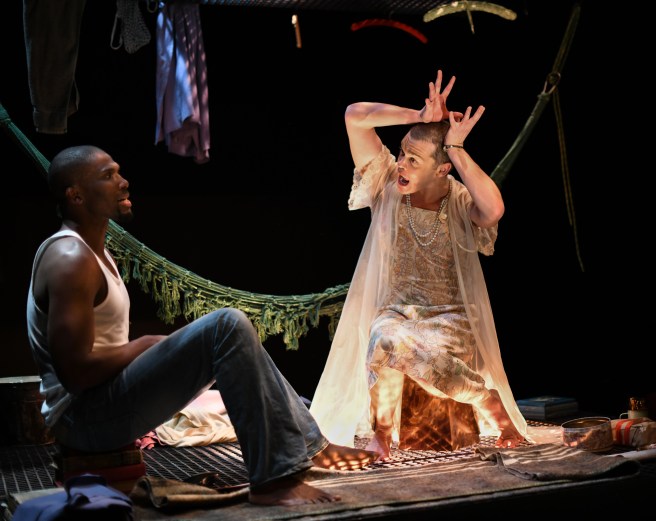
Mbulelo Grootboom and Wessel Pretorius in Kiss of the Spider Woman

“It is in fact Covid that helped me understand this piece on a cellular level, our human need for contact, for connection, for escapism, for understanding.”

Discussing her casting, she notes that our immediate assumption as South Africans, when we see a black Xhosa male (Mbulelo Grootboom) and white Afrikaans male (Wessel Pretorius) sharing a prison cell, is likely that this story will be about racial tension.

So to her mind, it seemed crucial to shatter this preconception and challenge viewers to engage with the piece on a very different level.

“As humans we are so quick to other in so many ways. Wessel and Mbulelo are both remarkably in touch with who they are as men, embracing both the positive and negative aspects of their masculine and feminine halves, and highlighting the necessity for Valentin and Molina’s story to be shared with all audiences, guarding in turn against prejudice, sexual preference or political ideology.

“Ultimately, this story is about survival, betrayal, regret and our need for connection. Whatever preconception audiences may have will gently be turned on its head,” she predicts.

“The playwright Manuel Puig had staggering courage for his time. I hope that we too have shown courage in this rendition, exactly 50 years after it was penned, it is very much a classic of gay literature  ̶  but we hope to contribute to it being seen as a great classic  ̶  eternally relevant to human nature.”

Fantasy at Play.

Design has always played a huge role in her productions and collaborating with Wolf Britz was a real treat.

“We both agreed that we needed to set it somewhere neutral,  that it could be a prison cell anywhere as the location of Buenos Aires Argentina is never referred to by the characters. This enabled us to build on the theme of imprisonment as a metaphor of the mind, while also being a very literal prison.

“We researched Argentinian prisons, and Wolf was inspired to thread colours, textures and the feel of the them into the fabric of the piece. I really wanted to get a sense of the cell being one of many, positioned above a cell and below another, with only wrought iron grids separating them. I wanted the characters to be lit from below and above too, through these grids,” she explains.

As with all her work, she wanted the actors to be rehearsing on the set – a very small restricted square, with an oppressively low ceiling above it- from as early as possible in the process. She knew that by the time they had mastered their space it would feel huge. And that is what happened.

She details thus: “Molina sets up home, plays housewife, remembers movies; Valentin reads, studies Marx, pines for his girlfriend while their lives intersect and become entangled on levels they never dreamed were possible.”

Lighting design also took on huge significance. “Light plays a huge part in confined spaces like prisons,” she notes. “Time is indicated through natural and synthetic light. Mannie Manim has evoked both perfectly with his wizardry,” she says.

The serious side of play.

In conclusion she stresses that gender politics are a necessary conversation in our times, more so than ever in societies that are seeking to be inclusive and illuminated.

“Returning to the theatre after such barren and isolated times with Kiss to spark conversation is a great gift, I believe. We cannot wait to share the sacred ritual of the collective experience with our audiences once again. This is our place of worship. It is here that it all makes sense.”

And as if this Kiss season isn’t enough, she will also be at The Baxter together with Andrew Buckland in the stage version of Ferine and Ferase titled Firefly from March 24 until April .

The play runs nightly from Mondays to Saturdays starting at 7.30pm; with matinées on Saturdays at 2.30pm.  Bookings at Webticket.

Those attending this year’s Klein Karoo Nasionale Kunstefees (KKNK) from 29 March to 3 April, will also have the opportunity to catch the play there.

JM COETZEE’S LIFE AND TIMES OF MICHAEL K IS A STORY THAT RESONATES

PICTURES: Fiona McPherson

Craig Leo and Carlo Daniels in Life and Times of Michael K

DIANE DE BEER

JM COETZEE’S LIFE AND TIMES OF MICHAEL K

ADAPTED AND DIRECTED by Lara Foot

CAST: Sandra Prinsloo, Andrew Buckland, Faniswa Yisa, Craig Leo, Roshina Ratnam, Carlo Daniels, Marty Kintu, Billy Langa and Nolufefe Ntshuntshe with the Handspring Puppet Company

CO-PRODUCTION: Düsseldorfer Schauspielhaus (Germany) and Baxter Theatre

SET DESIGN: Patrick Curtis

LIGHTING DESIGN: Joshua Cutts

ORIGINAL MUSIC COMPOSITION: Kyle Shephard

DIRECTORS OF PHOTOGRAPHY AND FILM: Fiona McPherson and Barrett de Kock

VIDEOGRAPHY AND EDITING: Yoav Dagan

PROJECTION DESIGN: Kirsti Cumming

COSTUMES: Phyllis Midlane

 SOUND DESIGN: Simon Kohler

VENUE: Baxter Theatre

DATES AND TIMES:  7pm nightly until 19 March with Saturday matinees at 2pm on 5, 12 and 19 March

Craig Leo, Nolufefe Ntshuntshe, Carlo Daniels, Faniswa Yisa, Billy Langa in Life and Times of Michael K

It is quite astonishing with the Russian invasion of Ukraine as the backdrop on most minds, how the horror in JM Coetzee’s Life and Times of Michael K is amplified.

Written in 1983 in Coetzee’s sparse yet startling style, the story shines a powerful light on the life of a simple man, afflicted by a disfigurement, standing out without being someone, and being in the world not to engage, but rather flee from others.

That’s where he finds his freedom – in the wild, desolate landscape of a country that doesn’t want him and yet pursues him for crimes not committed or even imagined.

Both Michael K and his mother have lived honourable lives in service of others, he as a gardener and she as a domestic worker who lives under the stairs in an apartment block, like her son, unseen and unheard.

When she falls ill, with war raging around them, she turns to her son to take her “home”, there where she was born and raised, where she believes she once found happiness. And so their harrowing journey begins.

Sandra Prinsloo, Faniswa Yisa, Craig Leo, Roshina Ratnam in Life and Times Of Micheal K

Because of where we find ourselves right now, and looking back through the history of these past 30 years, both nationally and internationally, Michael K’s story hasn’t changed. That’s why it is such a brilliant choice to herald what we are hoping beyond hope, might be better times.

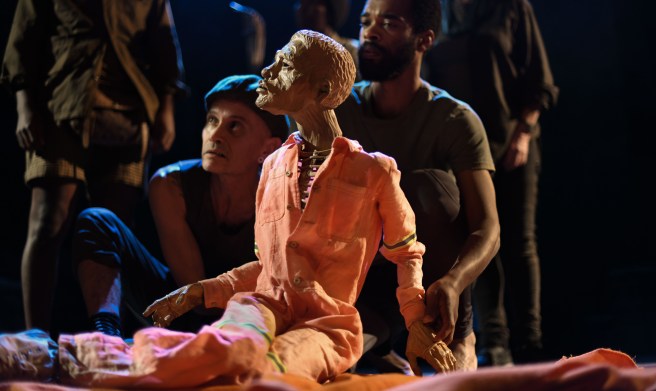
There was a buzzy anticipation on opening night as people moved into the Baxter Theatre for the Lara Foot-adapted and -directed Life and Times of Michael K, a production cleverly staged with the Handspring Puppet Company in a multi-dimensional fashion including performance, film and music – all on a grand scale.

And with a magnificent set which constantly changes with moving as well as still images and lighting that astounds, we’re off into the story and running with the narrative from the start. It’s quite overwhelming as Michael K’s story is told from many different angles and voices with different landscapes as he goes on his long and winding journey. Visually it is spectacular and achieves a moving world that is both elaborate and evocative.

Telling the story, there’s an ensemble playing different characters; the physical Michael K, exquisitely crafted by the Handspring masters happily accompanied by his equally statured mother; the voices and puppeteers; as well as the film, which simply because of scale could be jarring at times rather than just slipping in and out of the narrative – yet all of these combined make it quite difficult to get to the beating heart of the story.

Nolufefe Ntshuntshe, Craig Leo, Carlo Daniels, Roshina Ratnam and Andrew Buckland in Life and Times of Michael K

As the name suggests, this is Michael K’s story. While the character himself can be seen as an insignificant man, that is the point and what Coetzee hopes to uncover in his desolate and desperately haunting tale of a man who is struggling to find and cling to his freedom. Gardening is what moves his world, something that adds rather than detracts from our physical place on this earth.

But even that is not good enough. Somehow it is twisted into an act of terrorism as he is accused of feeding a guerrilla army. He is simply never allowed to be.

Coetzee’s descriptive and detailed telling of Michael K’s battle to survive on this arid land, the way he works with the earth to both feed the soil and his soul, nourishing his freedom, his sole means of survival, doesn’t quite have the impact on stage as it does on the page. The exquisite existential rendering which won Coetzee such applause is somehow missed.

His is a harsh world in which there is mistrust all round. Who is Michael K? Even though he is described as someone who cannot organise a dart game, he is still seen as a threat by those who feel they are in command and have to lead the way.

No one can be left to their own devices. And it is this stranglehold, a man’s desperate struggle to hold on to his freedom, that disappears under the weight of the production, one where the true horror of being Michael K struggles to break through.

Foot has thrown all her energy and skill into this one and there are many memorable moments to witness and remember. It is a worthy production that captures the zeitgeist – a time of pandemics and panicked, power-driven presidents.

What you don’t get is the bewilderment of a man who has found himself in a world that prohibits him from finding his own way and making a life unaffected by those around him. The only way he knows how to breathe and survive.

Thát is the life and times of Michael K.

WRITING IS AUTHOR ERIKA MURRAY-THERON’S SOLACE WHEN MAKING SENSE OF HER LIFE

When Erika Murray-Theron started writing about her life following the Parkinson’s diagnosis of her husband Tom, she couldn’t predict that capturing her thoughts on paper would be her way of coping. Yet writing became her solace and eventually a book titled  Kom Ons Loop Weg (Protea Boekhuis), which she hopes might shed some light for others struggling with debilitating disease. She talks to DIANE DE BEER:

It says everything about author Erika Murray-Theron when she tells you with a twinkle in her eye: “In one year I turned 80, got married, had a knee replacement and launched this book.”

Published by  Protea Boekhuis, the front cover also explains that this is her and her first husband’s journey with Parkinson’s disease.

It all started in 2001 when Erika’s husband Tom was diagnosed. Initially once they were fully immersed in the illness and coping with its progression, Erika started a file on her computer but it was simply meant for her eyes. As someone who had always kept a diary on her life (until her family with five children took over), she knew she needed somewhere she could gather her thoughts and make sense of all the changes they were confronted with on a daily basis.

From the beginning, the onslaught on what had been their life was quite overwhelming, but as one does in these circumstances, you deal and cope. When Tom’s mind was still unaffected, they could make decisions together but eventually, Erika really had to take charge and, as so often with his particular diagnosis, she had to  handle everything with great care when dealing with Tom.

Part of Parkinson’s symptoms can be fears of abandonment, and reality for the couple soon became a very individual experience.

The book deals mostly with the last three years of Tom’s life, which because of the degeneration, were also the most difficult. For Erika it wasn’t just the decisions about where and when to move, how to physically manage their lives, but also to bear such constant and intimate knowledge of Tom’s decline.

Theirs had been a fulfilling marriage and what she was witnessing was the dismantling and slow disintegration of both the physical and intellectual beings of her life partner. And with that comes the loss, which is a slow and debilitating process for both, the one suffering and the carer.

This wasn’t a time to think, she had to do. But she is a writer and from as young as five, she would tell herself stories and end sentences with “she said!”, as though writing a story. “I don’t know where that came from,” explains Erika, and even though she started writing books at a relatively late stage, storytelling has always been a part of her being.

Writing is how she makes sense of things and, during Tom’s illness, it helped her make sense of her feelings and her understanding of what was happening.

She hates being viewed as a victim or as someone who wallows in misery, and given what she had to deal with, not languishing in those emotional places is tough. But with Tom the priority, she managed with the help of her children and friends to cope.

That’s where and why the book became important. Once she caught her breath following her husband’s death in 2014, she knew she had to revisit these last years of their life together – that as well as nurture the memories of happier and easier times.

Erika Murray-Theron.

She had been caught unawares by the deep loss she felt with Tom’s passing away, especially following the struggles of the last years. That also meant that she hadn’t yet mourned the loss even though it had been such a part of her life even before his death. “I knew I had to deal with all of that,” she explains. Now she had time to step back, return to her notes to gather her thoughts of what their life had been.

When she started thinking about writing a book, she was driven by the feeling that her experience could benefit others.

But this also meant more exposure, the one aspect of being an author that doesn’t appeal to Erika. “I am a very accessible person but I don’t like being out there,” is how she explains it.

But telling this story she believed she had to be truthful and honest about their lives, especially the last years that were so tough. It also meant that she had to discuss  this opening up so publicly with her children.

They are a tightknit family, some more private than others, and this was her and Tom’s story and where she was going to concentrate. And even though the book is extraordinary and something Erika doesn’t regret, the publicity surrounding it has been difficult for her. “Many people only see my plight rather than the extraordinary journey,” she says.

What she has done with telling her story, one that no one really wishes on anyone, is to show the resilience of human beings. How we stand up and get going when life is unexpectedly tough. For her it was about finding the meaning and making sense of it as she was gathering her notes and her thoughts to finish the book.

She contacted the editor of her last book at Protea Publishers, Kristèl de Weerd, and gave her the notes which she had already sorted into some kind of order. Writing and the process is something Erika enjoys and especially the final reworking and editing. “I can sit for hours adjusting one paragraph,” she confesses.

That is why the book is such a revelation. When keeping notes, Erika is someone who has depth and detail in the palm of her hand. The title KOM ONS LOOP WEG (loosely translated as Let’s run away) comes from a moment in time when Tom said to her quite unexpectedly and lucidly: “I miss you … I hunger for you… Let’s run away…”

Gideon and Erika

And still her story isn’t completed and if there are any tears to be shed, perhaps this happy note will do it.

Following Tom’s death, a close friend of theirs, Gideon, also lost his wife. He turned to Erika for some help with things he had to sort through – and, she says, she immediately knew that this friendship was going to develop into something different and deeper. Today she is taking a timeout from writing and the newly-weds are making the best of their time together.

For those of us looking on, it feels as if they were blessed with a special gift.

THE TENTH SILWERSKERM FILM FESTIVAL IS ALL ABOUT CELEBRATING THE LOVE FOR LOCAL MOVIES

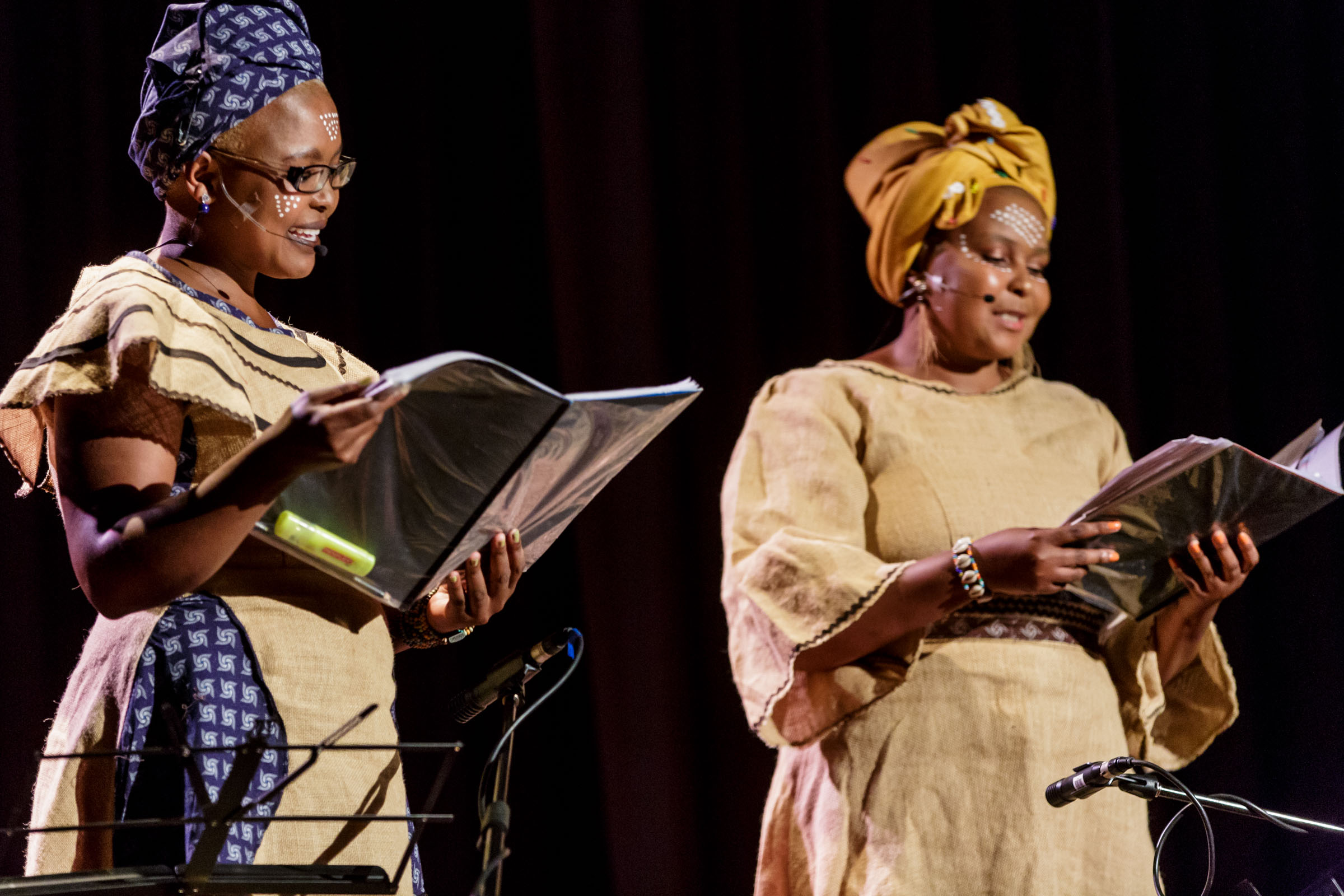
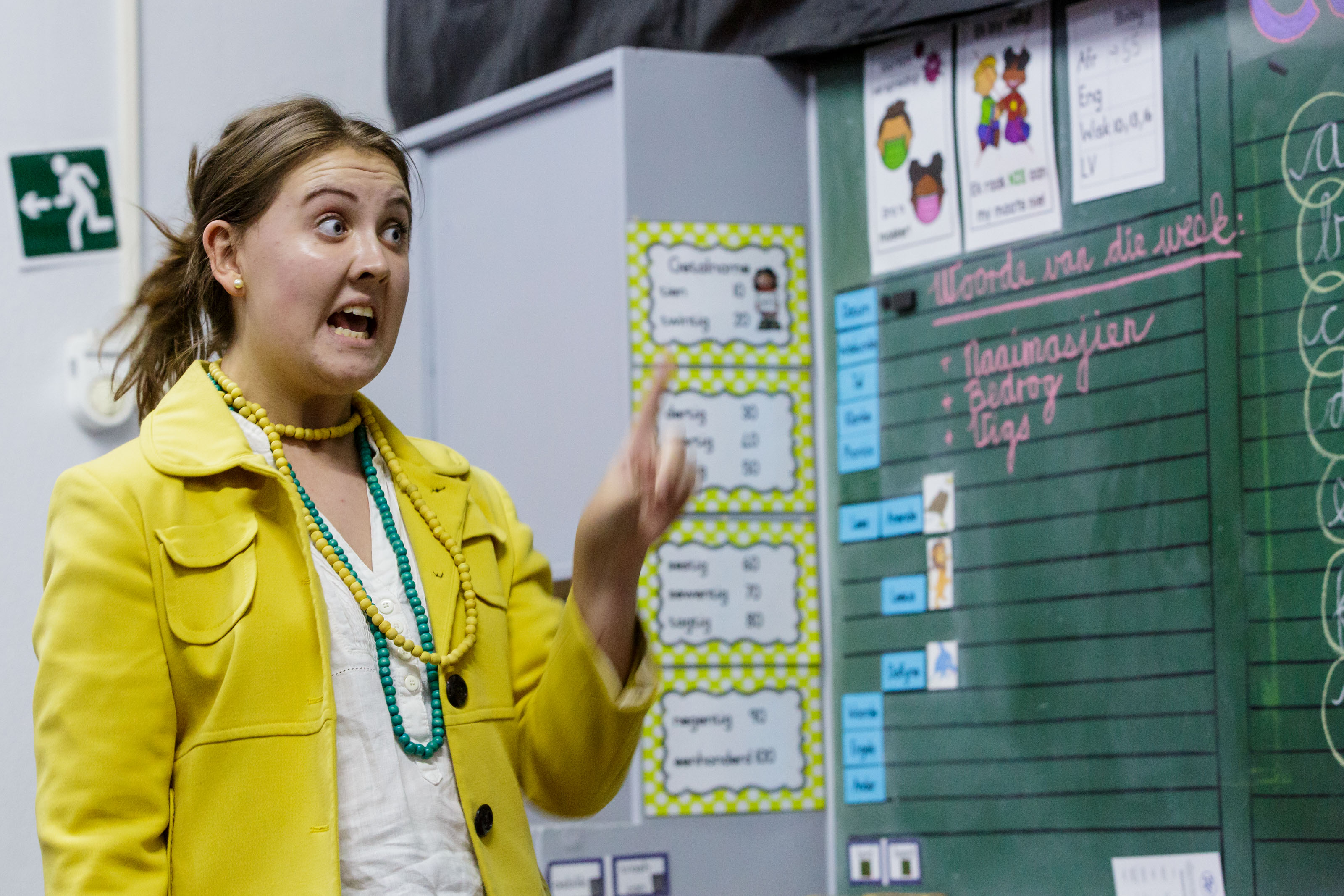
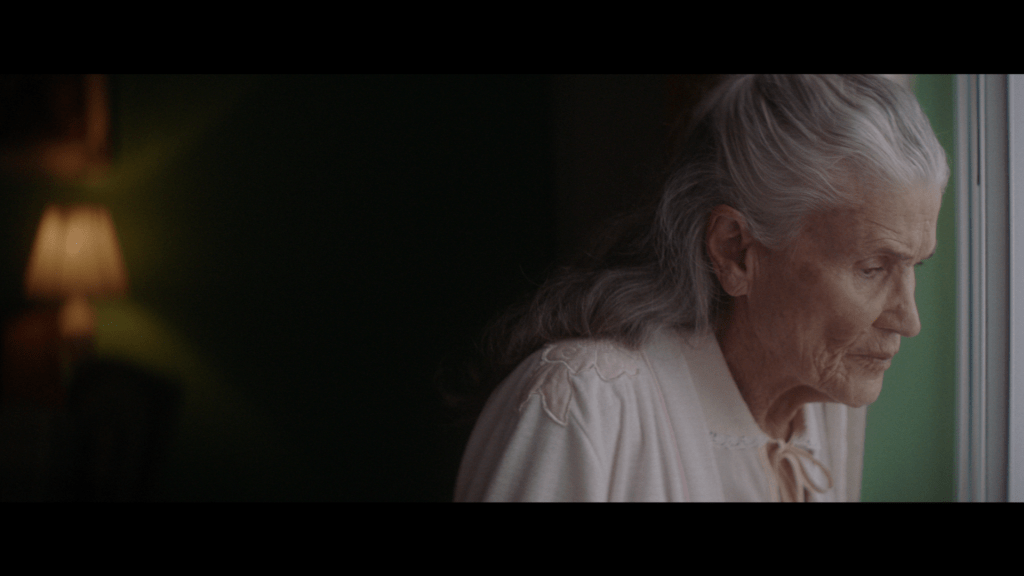
Celebrating the 10th Anniversary of the Silwerskerm Film Festival, kykNET has released the names of a slate of local films lined up for a brand-new hybrid format between 23 and 26 March 2022.

Pictures of features apart from previous winner Poppie Nongena are all part of this year’s competition.

Stiekyt deals with an actor who performs at a drag club and is discovered by his wife.
https://youtu.be/GsCs1vo5_Ns

Since all the events on the main programme will take place simultaneously at the Bay Hotel in Camps Bay and the Silwerskerm Film Festival website, movie lovers from across the country can now sign up to enjoy the festival from the comfort of their homes. (See details below and check for details on the movies on the Silwerskerm website: https://silwerskermfees.co.za/)

Included are nine local feature films in competition for the festival’s prestigious awards and 17 short films produced with the financial support of kykNET and the festival.

Besides these exciting films, guests and those attending virtually will also have access to Q&A sessions with the filmmakers, industry discussions and some existing local films that have received limited releases in the past two years.

DIANE DE BEER chats to Ricky Human (centre), programme director who together with its founder Karen Meiring (right) and director M-Net channels Jan du Plessis (left), has been with the Silwerskerm Film Festival from the start:

In 2010 the kykNET Silwerskerm Film Festival started as a dream to establish a local film festival and a vision to create a platform for their own storytellers to showcase their work to each other, to develop young filmmakers and to discover new voices in the local film industry.

“We often look back fondly at how the festival started with only one feature film, ‘n Saak van Geloof and an exciting short film competition,” notes Ricky Human, programming director.  

https://youtu.be/hOICLDW-I80

“We believed that we could establish a festival incubator program for passionate young filmmakers to develop their own stories with the guidance and the financial support needed to start their careers in the local film industry.”

“Ten years later, some of the most passionate and brightest young filmmakers have emerged through the ranks of the short film competition and more than 160 short films and a variety of feature-length films with the funding and support from kykNET and M-Net Movies were launched. Young talent from 10 years ago are now established producers, directors and scriptwriters,” she says proudly.

In this time, the festival has also become a successful networking event and continuous exposure to key role players in the industry, from new to established, as well as veteran filmmakers has led to a revival in the local film industry with a focus to increase the level of production.

It further had the effect that authentic South African films set in the Cape flats, different cultures and new story idea planted at this festival is leading a wave of transformation in the Afrikaans film industry with new audience growth and more job opportunities.

The occult is centre stage in Gaia which tells the story of two off-the-grid men who come to a forester’s aid.

https://youtu.be/Q9HYegwSw1s

 As the festival developed in the latter years, and with the 10th anniversary in mind, a big focus became a renewed festival to not only harness all the elements that made it successful, but to expand the programme to be more inclusive of a variety of film genres. This would include public participation and growing the networking and film market element to sustain growth for the next 10 years.

 “We launched an on-line app last year, new competition categories for script writing and digitally produced content. We also welcomed international guest speakers who are experts in their field to share their industry knowledge,” she expanded. They also have big dreams of international collaborations.

 https://youtu.be/r-4WmEoxD8Q

In most international markets its mostly the big blockbusters and large scale independent films that are able to secure a standard theatrical release in cinemas. Distributors and cinema owners worldwide negotiate a film’s release based on potential box office results versus the cost to releasing the film in cinemas.

It has always been a risqué platform with no real guarantees on box office returns, and with many new entertainment options for audiences worldwide, it is a harsh reality that most filmmakers need to take on board when releasing their films in cinemas.

 And then Covid also moved into the mix with the future still uncertain. The motion picture industry, which relied on cinema attendances came to a halt.

Yet the Silwerskerm Film Festival has boosted the local film and television industry and there are many success stories. The short film and Silwerkerm alumni list is growing on an annual basis

Scenes from the extraordinary Poppie Nongena

Probably the most successful has been former stage director Christiaan Olwagen who directed Poppie Nongena, winner for Best Film, Best Script, Best Director and Best Ensemble Cast at the last live event at the 2019 festival.

In 2013, he made his debut with the short film Toevlug which won Best Director, Best Screenplay and Best Short Film and landed him a 3-picture deal with M-Net Movies.

His first feature film in 2016, Johnny Is Nie Dood Nie scooped seven awards at Silwerskerm Film Festival including Best Director and Best Film. In 2018, Kanarie won five awards including Best Film and Best Director and went on to be a local and international LGBTQ sensation.

Racheltjie de Beer which won Best Production Design and Best Actor awards in 2019 was written, directed and co-produced by Matthys Boshoff, who made his debut with the short film Vlees van my Vlees which won Best Director and Best Short Film in 2016.

Beurtkrag tells the story of the darkness to be found and explored in relationships.

https://youtu.be/7cp9WqmNgi4

In 2015, Stian Smith won Best Script for the short film, Beurtkrag which was adapted for stage by Jozua Malherbe and features in the main competition this year as a full-length feature film.

Similarly another short film entry for the 2014 competition, Vuil Wasgoed led to Bouwer Bosch forming his own production company and producing the feature-length film version, whilst the writer Bennie Fourie contributed to popular television series Sterlopers and Hotel. Fourie and his fellow writer Stian Smith also won SAFTAs for their work in the local industry.

Another fabulous success story is that of Gambit Films, the production house which entered the short film, Nommer 37 with director, writer, producer Nosipho Dumisa winning the 2014 Best Director and Best Script awards.

They received further funding from M-Net Movies and Dumisa followed with the full-length feature version to critical acclaim locally and internationally.

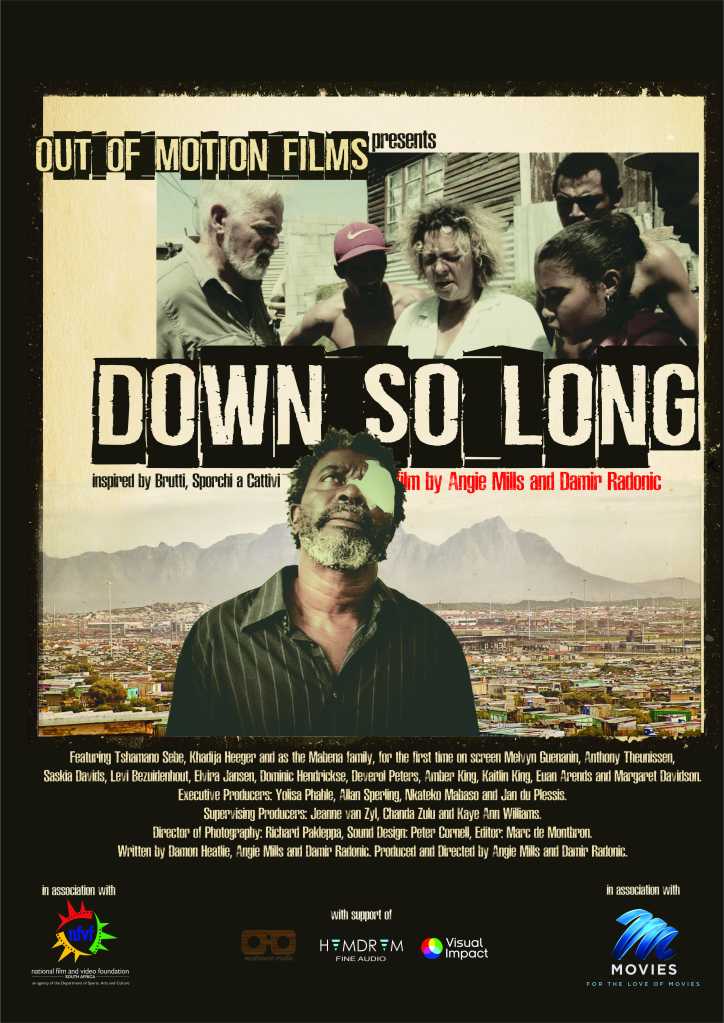
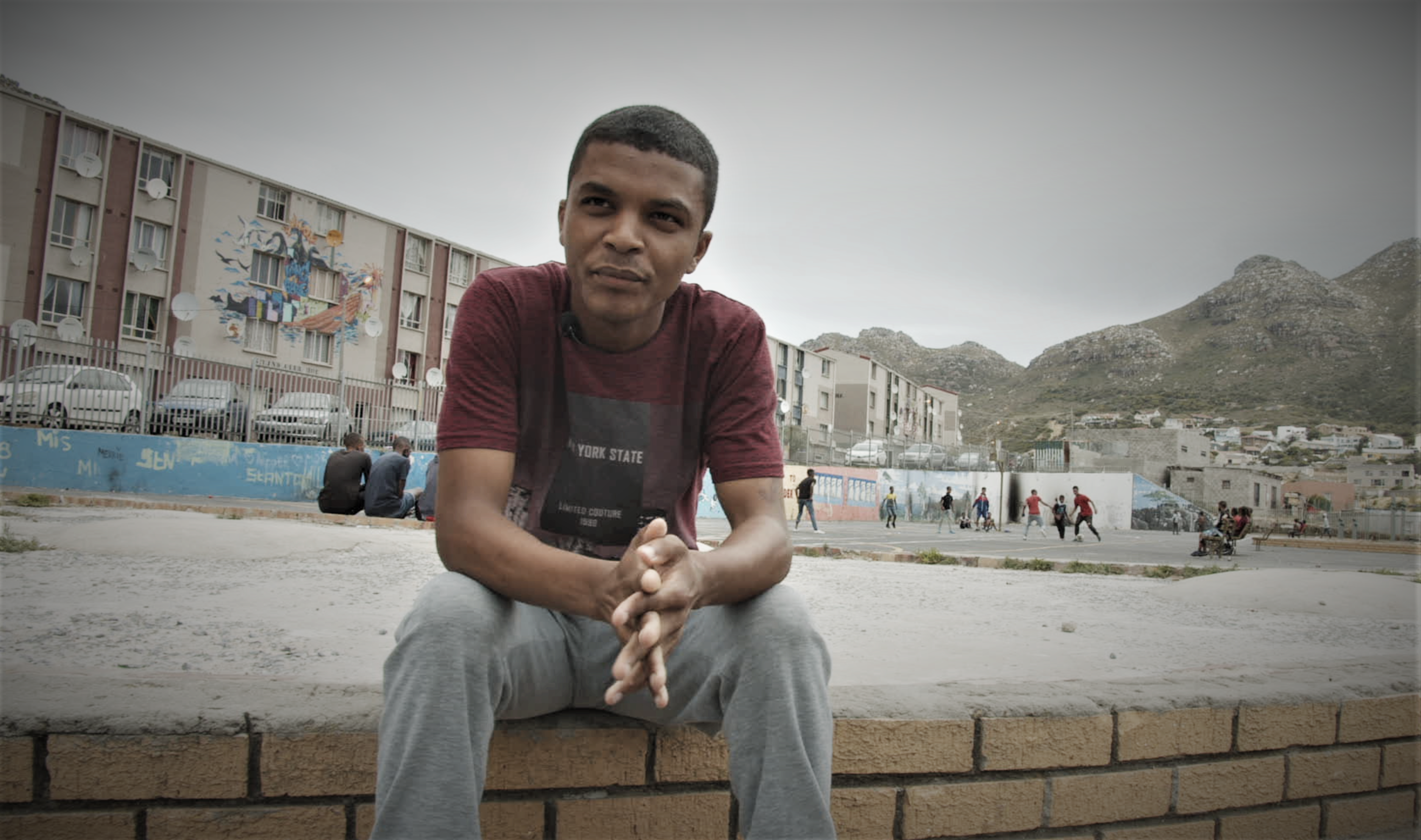
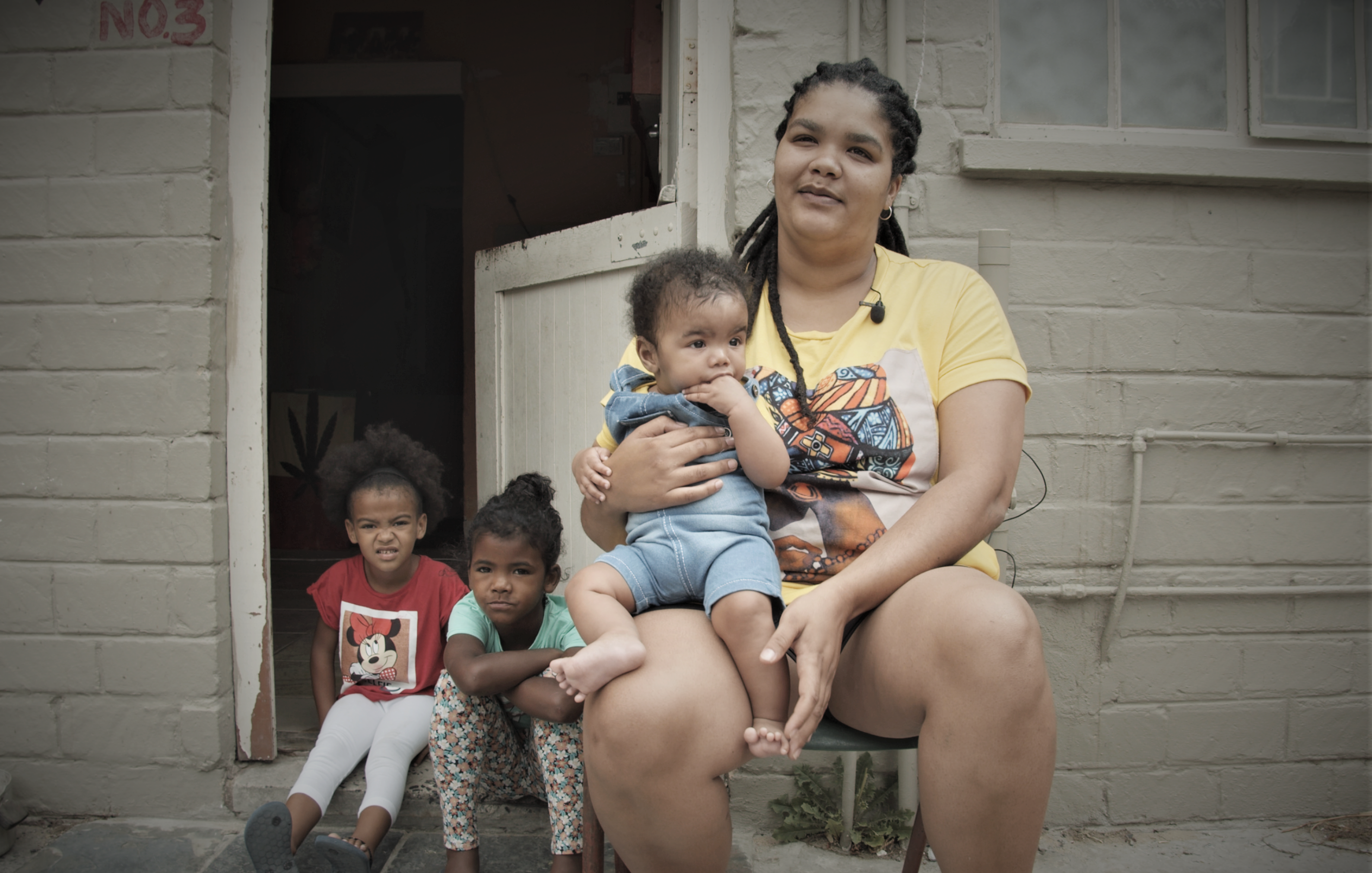
When money comes into play families can be split apart as is shown in Down So Long.

Through networks created, inexperienced producers also meet their veteran counterparts, and in this instance, with the support and guidance of Homebrew Films, the Gambit creative team also became involved in other television projects for kykNET an kykNET& kie.

This lead to the development of the popular Suidooster soap, for which they formed Atlantic studio. This studio has subsequently created numerous jobs and opportunities for the Western Cape film community.

And the accolades run on and on.

For the future, they are hoping to embrace a fully inclusive festival with more and more expansive opportunities for film and documentary makers. Viva la movies! We all stand to gain and benefit as our local stories are told by people who lived them.

The registration fee for the virtual festival and four days of premium local movie entertainment – is R190 and will be donated to the Tribuo Fund, which was created to assist entertainers suffering a loss of income due to the Covid-19 pandemic. To register for the virtual festival, go to the Silwerskerm Film Festival website – silwerskermfees.co.za

HENNIE FISHER IS A CHEF WHO PAINTS EXQUISITE PICTURES WHILE CREATING SPECIAL CUISINE

Meringue magic.

In times of Covid things have been tough for everyone, but some had no options, they had to make plans. DIANE DE BEER speaks to (her friend) Dr Hennie Fisher, chef and lecturer at University of Pretoria about food and the innovative ways he got working to get the students cooking when the world was in lockdown. But also exploring the way he celebrates his own creativity in this world:

PICTURES: AB Heyns and Hennie Fisher

Hennie Fisher paints pictures with fruit.

Thinking about food, chef Hennie Fisher can’t remember a time that he wasn’t fascinated by it. He didn’t come from a family particularly interested in food, with the result, that food nostalgia has little meaning for him.

And yet, once he moved into the food realm himself, he never stopped experimenting – to the delight of those of us who are part of some of these kitchen creations. He believes culture rather than history is what drives him.

That’s what gives us the measure of things. If, for example, you are doing a korma recipe and it wasn’t part of your upbringing, you don’t have anything to measure it against. But in that instance, because there was no way he was strictly sticking to the food he was familiar with, he developed his senses.

Cake sculpting in progress.

That’s what the modern consumer does, he says. And, more than anything, he loves cooking off the cuff. Something I witnessed again, when we spent a week at the coast where he could let his hair down and cook for appreciative people who love to eat – no pressure. It was a time to relax, with sea air and food to make everyone happy.

The previous year we had gone mad foraging, but this year the pickings were scarce and we did less of that with Fisher relying on the produce we had all brought to the table.

For me, more than anything, it is exciting to witness how the mind of a chef works, what he comes up with and how food enchants when it is well made and the simplicity celebrated.

Floral fantasy.

One of his favourite things to do is baking, especially magnificent cakes which are decorated in a way that’s difficult to absorb. When I think of cake decorating in the past and what happens in that field today when you have a real master at work, it’s astonishing. There’s nothing more beautiful than watching an artist at work and being able to witness what he comes up with.

Like anything in the creative world, when you give artists free rein, is when they have most fun. Working within guidelines is fine, but preferably give them the freedom to play.

Genius at work.

On a trip that we did together to Turkey, six of us stayed together in an apartment block where we cooked on and off when we didn’t go out for a meal.

Watching Hennie put all of this together was quite something. In the middle of a cooking stint, he would dash outside to a pavement quite close by, where he had spotted some herbs growing wild. That would just be the final touch to another taste sensation – and it might have been something as simple as a roasted chicken which he then turned into something extraordinary.

Hennie’s food feasts.

In the meantime, his real work is as a lecturer at the Department of Consumer and Food Sciences at the University of Pretoria. This is where the real challenge began a few years back with the start of Covid. Their’s is a practical degree and while there isn’t really any replacement for a hands-on food demo with the students doing their own cooking, Hennie had long been thinking about creating a digital library which would be on hand for students to access when necessary.

Now was the time and, when he thought about it, digital demos were the only alternative, but one which would also have long-term advantages. The idea that face-to-face teaching was suddenly impossible was daunting, because there simply was no other option. Working with students you can see where they stumble and you also get to know one another on a deeper level. But this was the challenge.

It meant hard work, as did the new Zoom lectures all of which required a different work process and a deep dive to establish the best way forward in this interrupted and episodic lifestyle we all entered and are still engaged in.

It’s all about setting a base and establishing videos that would be the best version of what was possible. This was as much a learning process for the lecturer as it would be for the students and, having sat in at some of those sessions, the work that goes into the cooking sessions, in preparation and then the actual filming, is quite something.

What appealed to him was the learning process, which is continuous. Even though he had lost the possibility to learn from the students, which was always there when they were cooking together, new skills were suddenly surfacing in this novel way of teaching he suddenly had to establish. Yet, everything, unfortunately comes at a price.

Students at work and play.

He already knew that much of his teaching in the past came about when he watched the students cooking. “It’s about seeing them do it,” he explains. Think of yourself doing something in a kitchen and suddenly being stumped by a particular method  ̶  should it first cool down or should you immediately go ahead with the process, for example. Cooking is like that and by example and repetition, is how you learn.

“Cooking is complex,” says Hennie, and that is something all of us can concede. He does encourage those interested in the food industry to go ahead, however. “There are so many different opportunities,” he says , and both the conditions and the pay have improved over time and trickled down.

A selection of paw paw recipes developed by Chef Fisher for an ongoing project.

With the advent of social media, it is also much easier for people to reinvent themselves, and he feels, the work is much more satisfying than it might have been in the past. If  you think of all the  imaginative developments in the food world, the mind boggles.

With someone like Hennie, who seems to have food and the way to present it as part of his DNA, I can only smile at the future and the many meals created in that brilliant mind that will make my heart sing.

BROTHERS IN ARMS AT JOBURG’S MARKET THEATRE

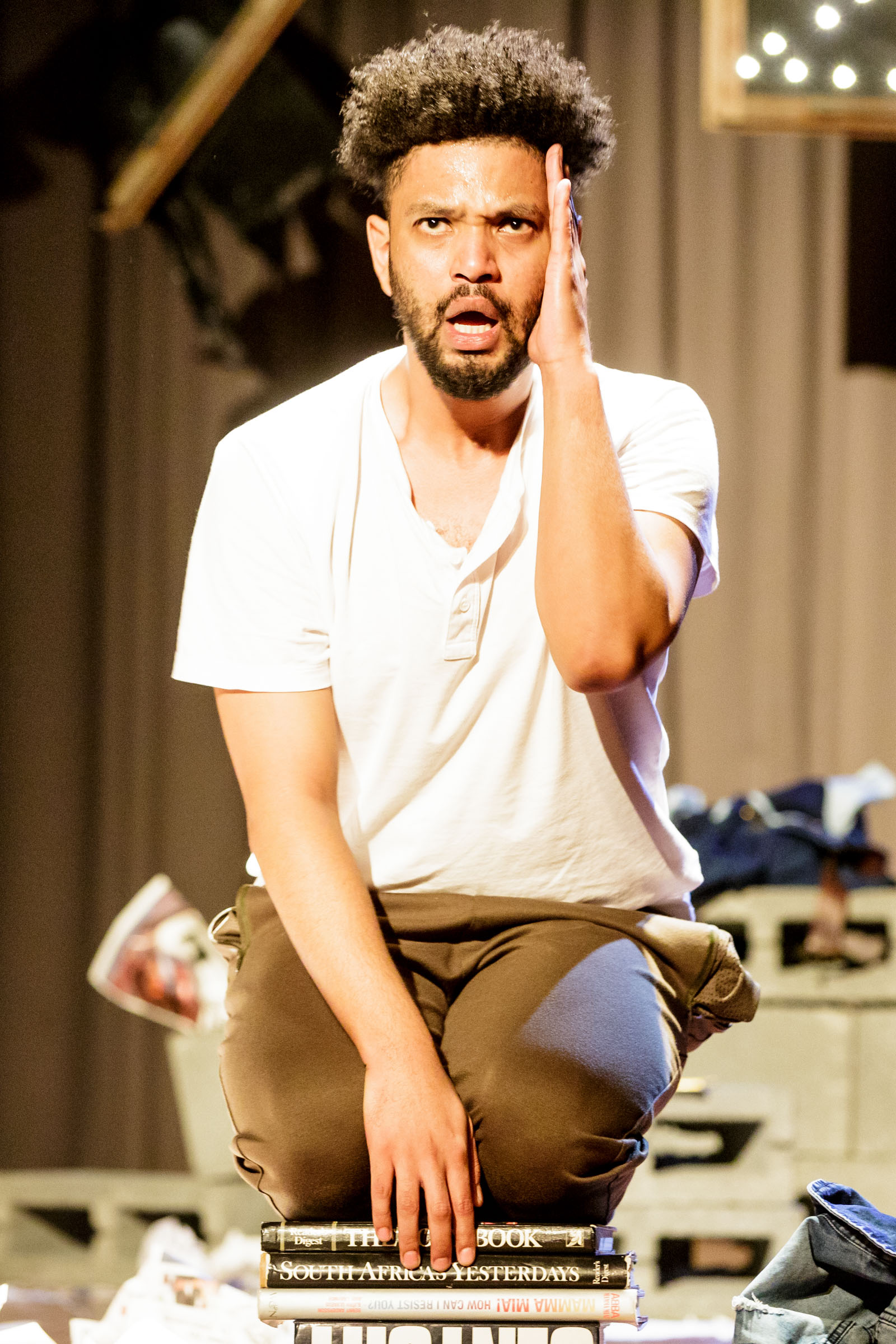
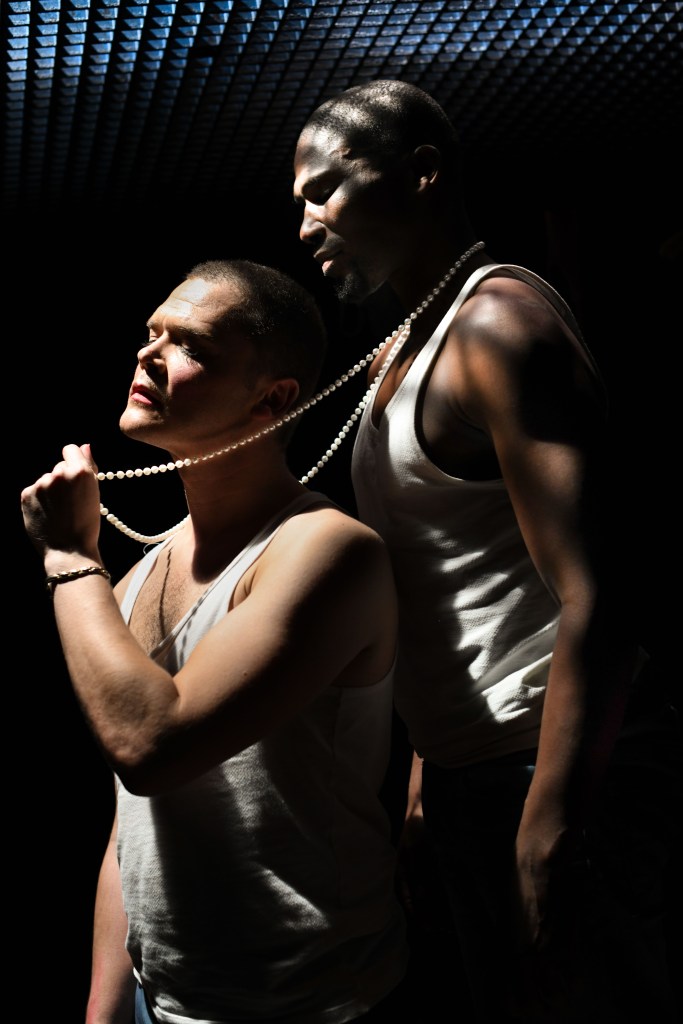
Katlego Chale and Nhlakanipho Manqele in Brothers Size.

Photographer: Lungelo Mbulwana

DIANE DE BEER

DIANE DE BEER

THE BROTHERS SIZE by Tarell Alvin McCraney

Director: James Ngcobo

Cast: Katlego Chale, Nhlakanipho Manqele and Marlo Minnaar

Lighting Designer: Simon King

Set and Props Designer: Nadya Cohen

Costume Designer: Nthabiseng Makone

Sound Designer: Mandla Mkaba

Choreographer: Lulu Mlangeni

VENUE: Mannie Mannim at the Market Theatre

For the past few years artistic director of the Market James Ngcobo has been exploring especially themes of brotherhood when selecting their Black History Month production – and 2022 is no different.

This time he has opted for a revival of The Brothers Size by award winning playwright Tarell Alvin McCraney for a limited season until February 28 . It was first presented here with an American cast and Ngcobo was keen to try his own hand with local actors because of the universal theme and the excellence of the play.

And last time, he explains, it was a week run only with not too many theatregoers able to attend.

He is also excited because he is working with three actors he has never worked with before. “It’s been a hands-on and collaborative effort,” he notes and he was thrilled by their response to the play.

, Nhlakanipho Manqele

It’s the story of two brothers, one of whom has been incarcerated and just returned to normal life. Ogun Size played by Nhlakanipho Manqele is named after the spirit of iron and labour. Oshoosi Size, played by Katlego Chale, is the younger brother named after the spirit of the forest and a wanderer.

Elegba, played by Cape Town actor Marlo Minnaar, who arrives as a friend of the brothers who comes to stir the pot and provoke additional discord between the them, is named after the spirit of chaos and the god of the crossroad.

Pointing to the names, Ngcobo liked the fact that the playwright used Yoruba names, which in typical African fashion, give some of the character of each of the men.

Together the two brothers and a friend start the conversation about prison and the rest develops from there.

For those who don’t recognise the playwright’s name, he was also involved with the film Moonlight’s script, which received so much Oscar buzz and awards a few years ago.

If you saw the film, you would have recognised the sensitivity with which the story was told. It was also refreshing at the time that this was a Black voice telling their own stories. It has fortunately become more commonplace now with the Black Lives Matter movement which adds a much more personal dimension to these stories.

It is set in Louisiana which, according to Ngcobo, is also the prison capital of the world  ̶  not a title that many world cities want to claim. Especially in the past decade, much has become more public about the imprisonment of especially Black men with the numbers suggesting that not many of them escape this horrific punishment. This plays a huge role in this particular story.

 As they start their conversation it is clear that the younger brother feels a certain entitlement because he has just left prison and is perhaps in need of some pampering from his perfect older bro.

There’s also a friend who is obviously not the influence needed in the vulnerable convict’s life at that exact time.

With all our knowledge about the African American male and his precarious position in American life, one cannot but experience the play through that prism. It’s like navigating a slippery ledge throughout.

As the older and wiser brother, Manqele is the one who holds all the cards. His character is the one who opens his heart and allows the story to shine through in full colour. The strength of both his words and his action leads the way, with Minnaar’s cool cat someone who could lead those with less backbone astray. And his slippery Elegba is in it only for himself. What happens to those around him is only a concern when it affects him and his wellbeing.

Magical moves.

The younger Size is perhaps the most difficult role to play. He needs to generate some sympathy from the audience to get them engaged. But because Chale starts on such a climatic note, he has nowhere to go as the play builds towards a climax. From start to finish his bravado never lets up to allow for some compassion.

Yet his sensitive moves in a few passages throughout show a side of the actor which could have been harnessed more effectively throughout.

This is a play that relies heavily on performance, and a wrong step upsets the rhythm. We don’t want to see any of the work as we step into the story.

The music and the visuals could also have more impact if they land at exactly the right time with precision.

Nonetheless, it is a courageous play to stage, with more than enough to grapple with  ̶ including the performances.

McCraney is regarded as one of the most talented and significant writers in the US. He is the Chair, and Professor in the Practice of Playwriting at the Yale School of Drama; and is the Yale Repertory Theatre Playwright-in-Residence. He is also a member of Teo Castellanos/D-Projects Theater Company in Miami, a member of Chicago’s highly regarded Steppenwolf Theatre Ensemble, and 2016’s  Moonlight is based on his own work In Moonlight Black Boys Look Blue. With his co-writer, director Barry Jenkins, they received the Oscar for Best Adapted Screenplay.

Age Recommendation:16 (L)            

Season: until Sunday 28 February 2022

Venue: Mannie Manim at the Market

Performance times:     Tuesday – Saturday @7pm and Sunday @3.15 pm.