THE RISE AND FALL OF PHYSICIST OPPENHEIMER FROM HERO TO HINTS OF BEING A SPY AND TRAITOR

DIANE DE BEER

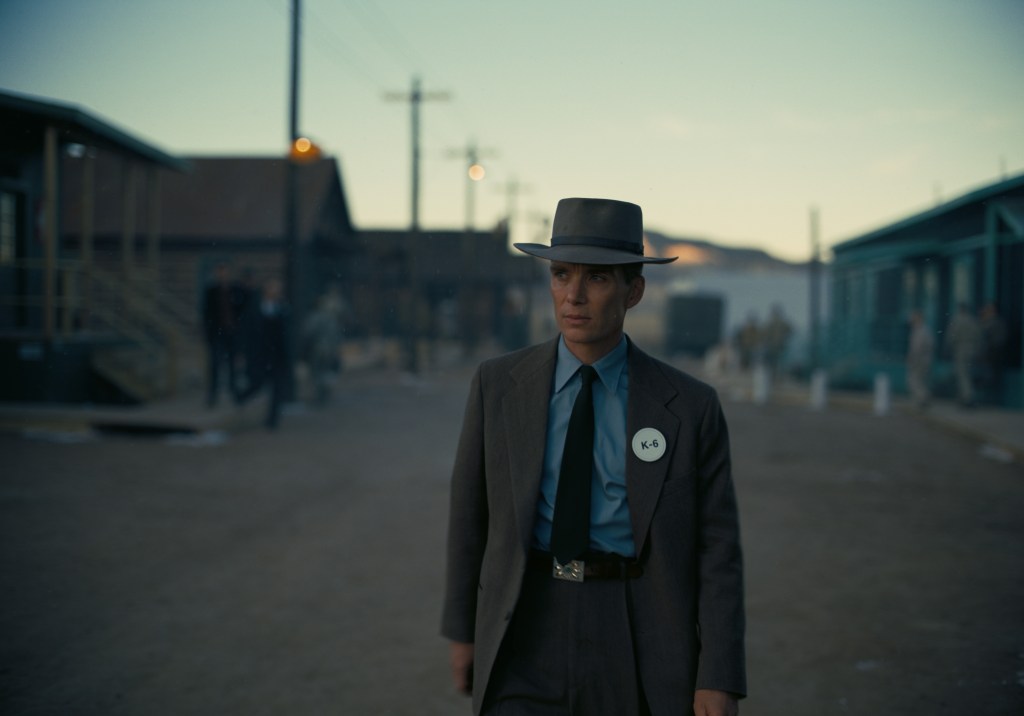
The stars of Oppenheimer, director Christopher Nolan and Cillian Murphy in the title role

OPPENHEIMER

DIRECTOR: Christopher Nolan

CAST: Cillian Murphy, Emily Blunt, Matt Damon, Robert Downey JR, Florence Pugh, Josh Hartnett, Casey Affleck, with Rami Malek and Kenneth Branagh

VENUES: Check the IMAX cinemas in your vicinity

It’s been quite a happening at cinemas around the country (and I think the rest of the world.) It’s even been given a name – Barbenheimer. That refers to the two new movies recently opening on circuit, Oppenheimer and Barbie.

And yes, they couldn’t be more different but for some reason they have both gripped the imagination of cinema goers. Having just seen Oppenheimer, I can see why. Barbie is a more obvious box office hit because apart from a particular phenomenon, the producers have embraced a huge audience with the choice of Greta Gerwig who is regarded as one of the smartest young directors around.

Cillian Murphy is brilliant as Robert Oppenheimer.

Oppenheimer is the one that interested me first and perhaps as much because of the hype but also the director Christopher Nolan. And this was to me the biggest surprise.

In short, the film focusses on physicist Robert Oppenheimer, the man leading, cajoling, inspiring the scientists taking part in the top-secret Manhattan Project where years were spent developing and designing the first atomic bomb. What makes this so fascinating is that the film deals with the man who lead the team rather than spotlighting the bomb and how that was developed.

But also, Nolan’s approach caught me by surprise. There are challenges which includes the length of the movie which is three hours. That’s quite an investment – but take it.

Cillian Murphy and Frances Pugh in the roles of Robert Oppenheimer and his passion Jean Tatlock

More even than the facts surrounding the film, it is the film itself and how it was made that truly knocked me sideways. Sometimes the frames move so fast that one conversation moves to a few destinations in one sentence. And it happens seamlessly.

Nolan must have done a ton of work before filming even started. Every frame is a small artwork and the whole rushes by without time being an issue. It’s magnificent.

It’s also a huge bonus if you could see it in an IMAX because of the way it plays with the enormity of the first atom bomb , the explosion and the sound that all of that will produce. But everything with the emphasis on the enormity of the event and how it will reverberate through time. Robert Oppenheimer was always aware that once the first atom bomb was exploded you couldn’t turn back. That would be the start of the biggest arms race …

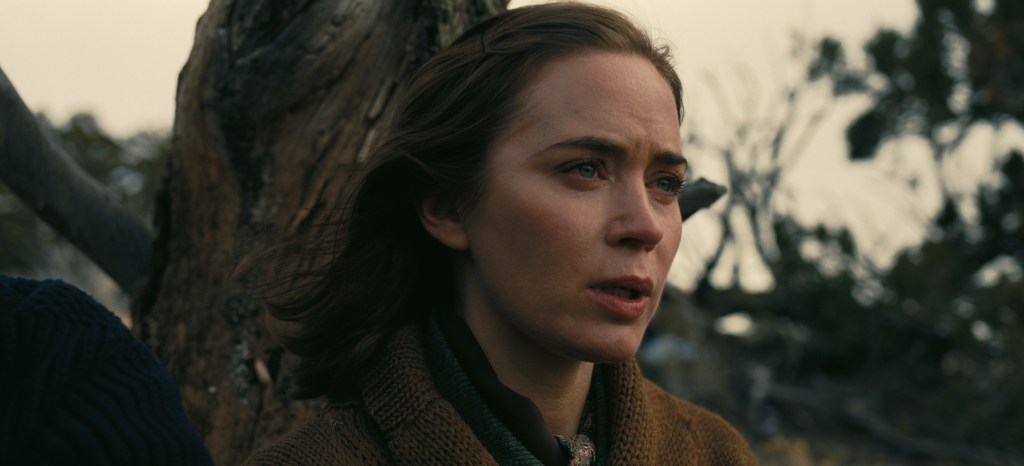
Emily Blunt as Oppenheimer’s wife

And think of current atomic threats in the hands of leaders many take seriously.

But also what draws the crowd I think is a spectacular cast starting with Cillian Murphy as Oppenheimer. Not only does he look like the real man, he embodies him in every nuance of his movements and thoughts. It has Oscar written all over it as he holds you in the palm of his hand throughout. Oppenheimer was a maverick, an outsider but also someone who initially liked the celebrity that came with his success of exploding the first bomb – until he didn’t. And that’s where the performance holds sway, a man with many sides and shades. Murphy captures all of that.

Cillian Murphy as Oppenheimer watching the first explosion

The supporting cast is no less impressive. Robert Downey Jr plays the protagonist Lewis Strauss, Matt Damon the general, Leslie Groves (and I was again reminded of his strong acting ability) and there’s Rami Malek, Jack Quaid and Josh Hartnett, as well as Emily Blunt as Oppenheimer’s wife and Florence Pugh as his passion Jean Tatlock. Tom Conti does a glorious turn as Einstein, an inspired choice, but then all of them are. And the film needed that.

I could go on and on but rather see it. It was a wonderful unexpected magnificent experience because of a director who told the story with such a good hold on all the larger themes and did it in a way that was so deliciously creative.

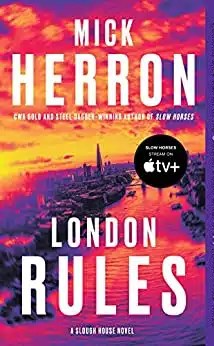
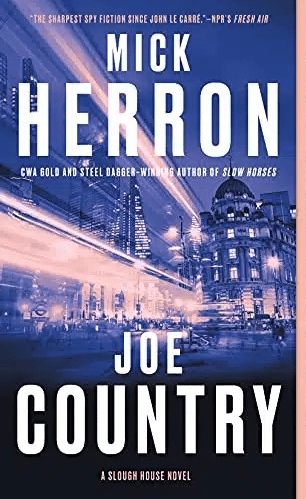
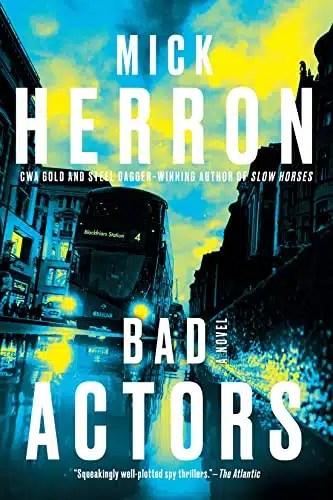
AUTHOR MICK HERRON’S SLOW HORSES OF SLOUGH HOUSE ARE AS DELICIOUS ON SCREEN AS ON PAPER

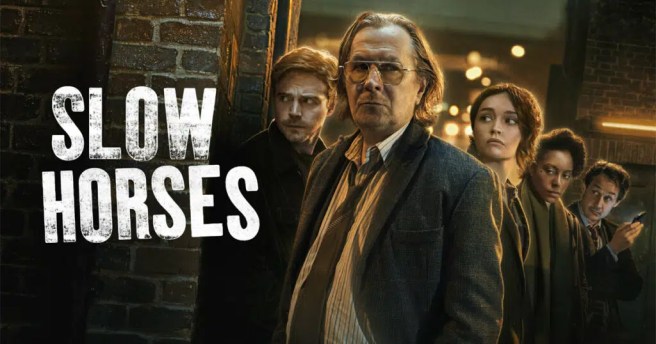
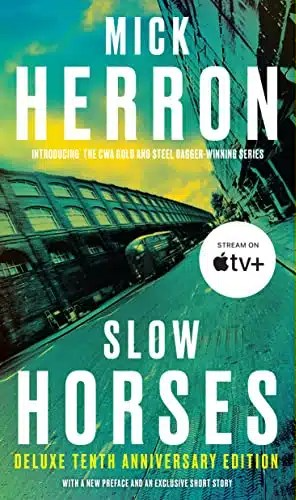
If you haven’t heard of the author Mick Herron and the imaginary men and women who are all part of Slow Horses, it’s time to find those books and to stream the first two seasons of Slow Horses which can be seen on Apple TV now. DIANE DE BEER reveals more:

If you have Apple TV, this is one to see.

Those of you who loved the intrigue of John le Carré’s spy novels, lost your heart to his characters with George Smiley leading the pack and still remember Alec Guinness’s portrayal of the seemingly distracted, downtrodden spymaster, will be pleased to know there’s another spy series available to both read and catch on a streaming service.

With a gaping hole left behind by the Le Carré absence,  just in time, in steps author Mick Herron. I was told by a friend about the new arrival a few years back, and my husband and I jumped in immediately to tackle the series.

That was a while before the television series was even on the cards.

We were immediately hooked, but for me it was slow going because I had to catch up first with some other freshly published works waiting for review. I was even sent one of the books in the Slow Horses series along the way and quite recently I decided it was time to spoil myself and tackle the last four in the series. And I did so with glee.

Herron is a fantastic writer. His language often has your toes curling, and his characters and their ticks, especially the motley crew who make up the Slow Horses and quickly rule the roost.

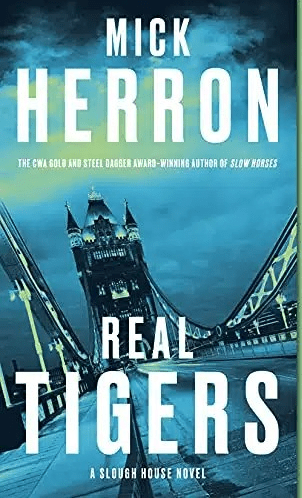
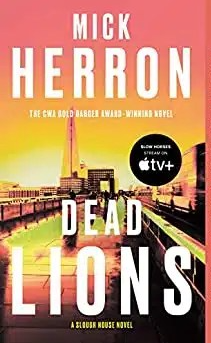
Herron’s first thriller, aptly titled Slow Horses, was immediately shortlisted for the CWA Ian Flemming Steel Dagger as well as named one of the 20 best spy novels of all time by the London Daily Telegraph. The second, Dead Lions, won the CWA Goldsboro Gold Dagger, and so the list reads on and on with the awards and praise growing with each new novel in the series.

Once you’ve met the reluctant leader of the pack, Jackson Lamb, you won’t stop smiling at all his antics. He must be one of the most reviled bosses ever created and yet, while he is constantly deriding and humiliating his underlings, he is also first on the scene at any sign of trouble and the one to think up some terrible revenge when even a hair on the head of one of his spooks is pulled out of place.

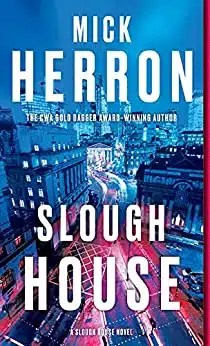
Slough House, the name of the unappealing offices (if you could reasonably call it that), is where spies from MI5 are sent when they’ve messed up. No one cares what happens to them, borne out by the fact that their boss seems no more than a slouch who has been put on this earth to torture those who are unfortunate enough to serve under him.

While all this might be painting completely the wrong picture, it is difficult not to shout from the rooftops about this exhilarating spy writer who seems to have silently (and sometimes unobserved) risen to the top of the all-time best spy series list. It would be tough to find a reader who disagrees.

What more can one ask for than a spy novel written in a way that’s character-driven yet has a story unfolding which not only keeps you up at night, but also boasts a plot that will keep you engaged as you puzzle your way through the world of espionage?

In the end, if I had to pinpoint the most appealing aspect of a Jackson Lamb novel, it would be the language. To prove my point, a small extract which offers some kind of description of Slough House: “Heat rises, as is commonly known, but not always without effort. In Slough House, its ascent is marked by a series of bangs and gurgles, an audible diary of a forced and painful passage through cranky piping, and if you could magic the plumbing out of the structure and view it as a free-standing exoskeleton, it would be all leaks and dribbles: an arthritic dinosaur, its joints angled awkwardly where fractures have messily healed; its limbs a mismatched muddle; its extremities producing explosions of heat in unlikely places; its irregular palpitations a result of pockets of air straining for escape.”

And then about the ethos: “Slough House was a branch of the Service, certainly, but ‘arm’ was pitching it strong. As was ‘finger’, come to that; fingers could be on the button or on the pulse. Fingernails, now those you clipped, discarded, and never wanted to see again. So Slough House was a fingernail of the Service: a fair step from Regent’s Park geographically, and on another planet in most other ways. Slough House was where you ended up when all the bright avenues were closed to you. It was where they sent you when they wanted you to go away, but didn’t want to sack you in case you got litigious about it.”

And then finaly, just something about the feared leader Jackson Lamb: “Breakfast was two pints of water and four Nurofen. Shaving was out of the question, but he released himself from yesterday’s tie with the kitchen scissors and found a fresh suit, which meant one that had been in his actual wardrobe, if not on a hanger”… and it goes on.

I am now waiting patiently for book no ten in the series. In the meantime I could revisit the television series, two seasons of which have been released on Apple TV and are still available to watch with the promise of a third coming later this year.

When you have lost your heart to a series of books, it’s with trepidation that you watch the live version, the characters and stories you have invested in. But with this one, it’s all systems go. While Gary Oldman didn’t pop into my mind as Jackson Lamb, once the actor had inhabited the man, there was no one else who could have stepped into those slippery Lamb shoes with such relish and robust. And ditto to Kristin Scott Thomas in the role of Lamb’s nemesis as she plays his arrogant and disdainful boss at MI5. There are few actresses who can play elegant haughtiness with such ease. And the rest of the cast complete the picture magnificently.

Mick Herron must be thrilled with this adaptation which so sharply captures the essence of both the people and the place of this much loved series. And hopefully we will be able to catch up on the full series – and a few yet to be written, in the years to come.

If any of the above appeals to you, don’t hesitate. It’s a glorious addiction and one I plan to hold onto for as long as possible!

  • Published by John Murray, it is distributed by Jonathan Ball locally.

LAST CHANCE TO CATCH THE GLOWING FIREFLY WITH SYLVAINE STRIKE, ANDREW BUCKLAND AND TONY BENTEL AT PIETER TOERIEN THEATRE

Sylvaine Strike, director/actor/playwright and any other creative word one can dream up, teamed with three other brilliant creatives, Toni Morkel (director), Andrew Buckland (fellow actor) and Tony Bentel, musical genius to create the dreamily magical Firefly currently in its last week at the Pieter Toerien Theatre at Montecasino. Having seen it for the third time at the weekend, this is a copy of my original review to encourage anyone who hasn’t yet seen it, to go. It will warm your heart and the glow will last for the longest time.

DIANE DE BEER reviews: 

Scenes from Firefly with Sylvaine Strike and Andrew Buckland:

Pictures by Nardus Engelbrecht

I was blessed to see Firefly at Cape Town’s Baxter Theatre with the emergence of live theatre following the pandemic.

The bewitching Firefly, which as one of the first Covid-19 impacted productions saw light of day as a Woordfees digital production, made a magically mesmerising transition. I had lost my heart earlier to the filmed production and was excitedly inquisitive at how that particular story – with many filmic tricks up its sleeve – would translate and transform on stage.

But this particular creative quartet (Strike, Andrew Buckland, Toni Morkel as director and Tony Bentel on piano) are the perfect combo. This is their theatrical landscape. Give them a stage and they will be telling stories in such an imaginative way, it becomes a visual feast.

Because they have all worked together, they understand each other’s strengths, and Morkel could stretch that piece of string intuitively with fantastically imaginative and explosive pyrotechnics.

Buckland and Strike are a brilliant blend of artistry with an instinct for detail that holds your attention gently yet persistently. Storytelling is their forte, aided by the fact that they have an endless supply of tools to draw on to embellish a wink or the final lift of a foot to express and underline the tiniest emotion.

It is theatre at its best when it has you smiling from start to finish because of the artistry, the wizardry of the production, the perfection of the coupling, and just the sheer audacity of the storytelling.

No matter how or why, just immerse yourself and see what happens when Saartjie Botha commands two artists to give her a production in the purest style of theatre.

If you have seen the digital version that’s  a bonus, because to witness how one story can be told in such magnificent splendour in two completely different approaches is truly special and quite rare. The one had all the bells and whistles and worked like a charm. But here, with Strike and Buckland live on stage with just themselves to grab hold of their audience and cast that spell, the essence of theatre comes into play – and again I willingly lost my heart.

Add to the two artists on stage, the magnificence of Wolf Britz’s set and props as well as starstruck-inducing lighting and the keyboard genius of Bentel’s soundtrack that holds every emotion so thrillingly in a familiar yet completely Bentel-constructed composition.

If you want to see how the best make theatre with their instincts, intuition and imagination, don’t miss the sparkling Firefly. Yet don’t think for one second that the miracle unfolding on stage didn’t come with buckets of blood, sweat, tears and ENDLESS talent. Part of the theatrical trickery of this foursome is to present something that is this skilled as seemingly effortless.

It’s brilliant and personally I hope to see this travel around the country casting its spell throughout. We are desperately in need of this kind of adult fairy tale in these tumultuous times.

And with every fresh viewing, they’ve added fresh insight and sparkle if that’s even possible.

Book at Webtickets for any of the shows from tonight until Friday at 8pm, Saturday at 3 and 8pm; and Sunday at 2pm for their final bow.

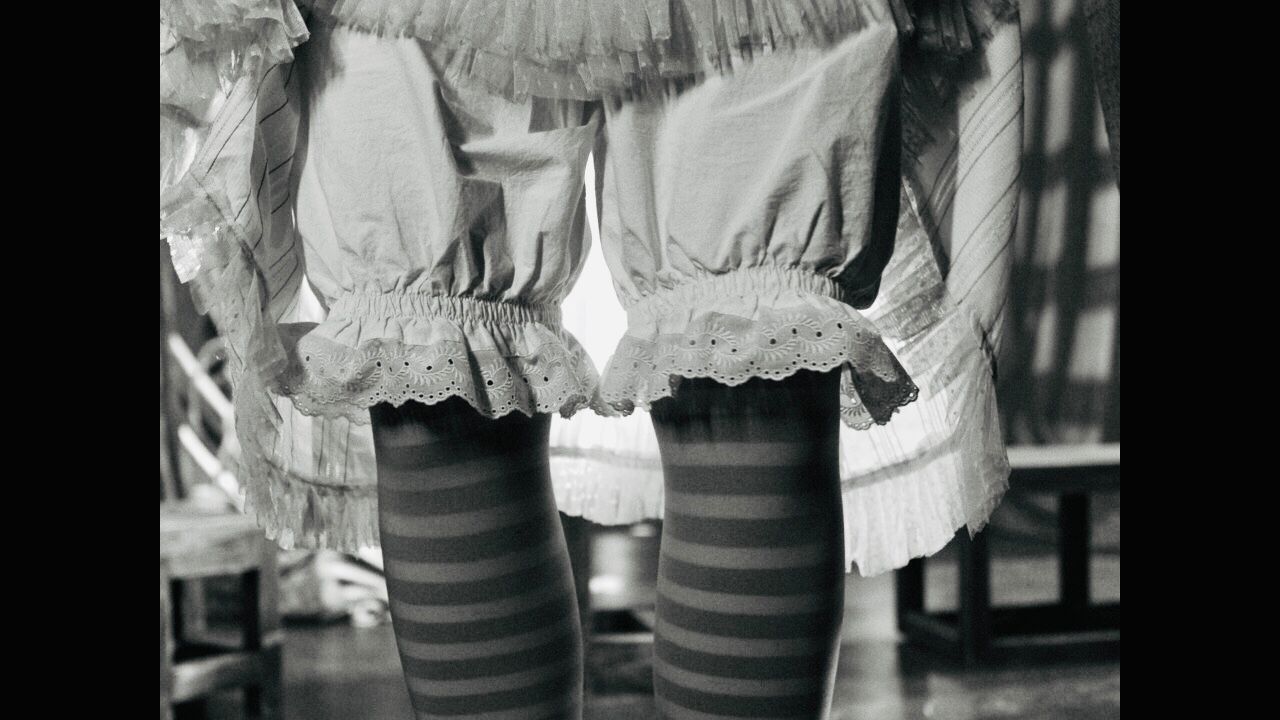
FIREFLY GLOWS WITH WONDER AS A CLUTCH OF ARTISTS CELEBRATE THE MAGIC OF THEATRE

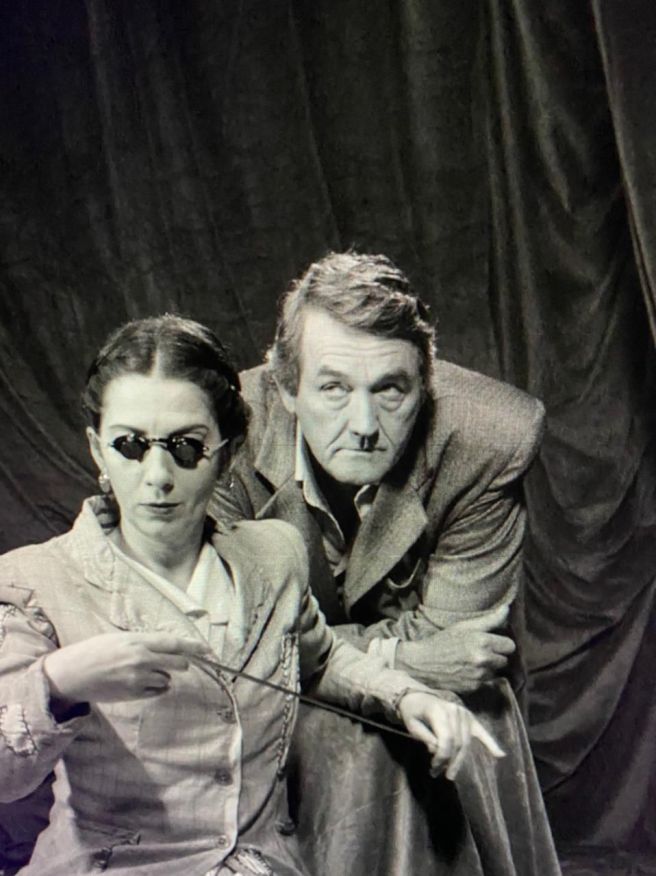
Pictures taken off the screen by directors Toni Morkel and Jaco Bouwer during the film shoot:

If you haven’t yet seen Sylvaine Strike’s wondrous Firefly, Pieter Toerien’s Montecasino Theatre is presenting another season from May 19 to June 11. It’s a once-in-lifetime theatrical experience with two seasoned artists stepping into the magical world of storytelling in a way that plays with your imagination in the best possible sense. If you want to know more, see below. This is the story written when they first stepped onto stage following covid:

The Countess Pafanesca in the Vodka Tango

When you are excited by the group of artists who have  come together to make theatre, sparks can fly. And that’s exactly what can happen with the first live run of Firefly, a production that was created to celebrate live theatre. DIANE DE BEER speaks to a few of the artists involved:

Theatre fans are blessed with the latest Sylvaine Strike, Andrew Buckland and Toni Morkel collaboration as they bring Ferine and Ferase (which was filmed by Jaco Bouwer for the Woordfees digital programme) to life on stage – as it was originally planned.

This is the second time this trio have combined their creative talents (the first was in the much lauded Tobacco and the Harmful Effects Thereof) even if the roles have been switched. Firefly was written by Sylvaine Strike and Andrew Buckland and devised for the stage by the full company (Andrew, Sylvaine Toni Morkel, Tony Bentel) and directed by Toni Morkel with Tony Bentel on piano..

Sylvaine Strike and Andrew Buckland at play.

The initial name was derived from two chemical components luciferin and luciferase, which exist in a firefly’s bum and make it glow, explained Sylvaine. “So one without the other can’t make light, they have to be together to glow. Lots of fireflies in this show.” And that is why it is now called the more familiar Firefly.

The play was first created on commission by head of the Woordfees Saartjie Botha in September 2020, three-quarters of the way through the first tough lockdown. The idea was to create something that would show audiences why theatre is unique and exciting. Saartjie didn’t want a big set, she didn’t want audiovisuals, no multimedia, only pure theatre. “We want body and craft and what the actor is,” was the instruction.
Because of lockdown, they started writing remotely through October, November and December and in mid-January last year (2021) met in a rehearsal room with their director. With Tony Bentel on piano, they began to develop the story on their feet to find a common language between Sylvaine and Andrew, who both have very specific styles. But when this trio are tasked to make theatre, that’s exactly what they do.

It’s all in the telling of the tale.

They discovered and developed a mutual style for the two actors largely based on clowning duos. Think Laurel and Hardy, for example, that kind of world, very much a nostalgic, romantic story where they play three different characters each, with the narrators the main characters called … Ferine and Ferase. They have a backstory of their own, which they tell as travelling players of Bucket’s End. It’s a time of magic and wonder which allows you to sit back, be transported and dream, a luxury in these times.

“It’s beautiful, it’s very physical, it’s gorgeously costumed with each a standard clowning costume that transforms into a couple of things,” Sylvaine embroiders.

Every detail tells a story.

From the start it was meant to play on stage and they had a short trial run with a 45-minute version. But this all had to take on a different hue when live changed to digital and they spread their special brand of fairy dust.

The full play was filmed with Sylvaine enchanted with Jaco’s extraordinary transformation from stage into film, shot in studio, all in black and white, inspired by old movies. And those of us lucky enough to have seen it, agree.

It was delightful to witness how they adopted and adapted for the new medium with all the elements colliding and fusing.

 And now they’re back on stage and it will be marvellous to be experience yet another transformation. Personally, I can’t wait!

Crafting a clutch of characters with craft and creativity.

Sylvaine and Andrew make perfect sense together and then to have the extraordinary Toni Morkel directing is genius.

As she has often been directed by Sylvaine and performed with Andrew, she was terrified yet thrilled when asked but she trusted her instincts because all three of them know one another well and understand each other’s particular theatre language.

“I’m very excited to do it live,” says Toni, who has just started with rehearsals again. These are two actors who know how to act with their whole being and she finds herself smiling as she watches them go through their moves. “I’m living my dream,” says this consummate theatre maker.

The great difference between the screen and stage version is most specifically the sets. The two actors with their costumes and imagination have to construct their world on stage. And while it is sometimes frustrating to remember what they could do on film, the stage version is what they envisioned from the start.

“We wanted to create a play that would travel easily and anywhere – whether we had lights, curtains, even a stage,” she says. And knowing what they have achieved in the past together and individually, this is not an impossible ask. It has always been part of their theatre ethos, and while it might have been initiated by a scarcity of funds, it also focused their imaginations magnificently.

Andrew Buckland and Sylvaine Strike in Firefly.

“I know their world, their physical ability and strength and how they work,” she says about the process. “What we are relying on is good old-fashioned storytelling.”

She does have two more aces up her sleeve with Wolf Britz again making magic with his wondrous lighting and he has a few more tricks in the bag. And there’s Tony Bentel’s wizardry on piano. “I can’t help but gush when speaking of his astonishing ability. He has a world of music in his body,” is how she explains this gifted musician who accompanies the two actors live.

“For any section of the play, he comes up with five or six different musical suggestions and because he is adept with improv, he can embellish what the actors are trying to express at any moment. I am constantly in awe of what he has arranged musically.

“I am blessed,” she says.

And so are we. With these dynamic artists, expect fireworks in Firefly!

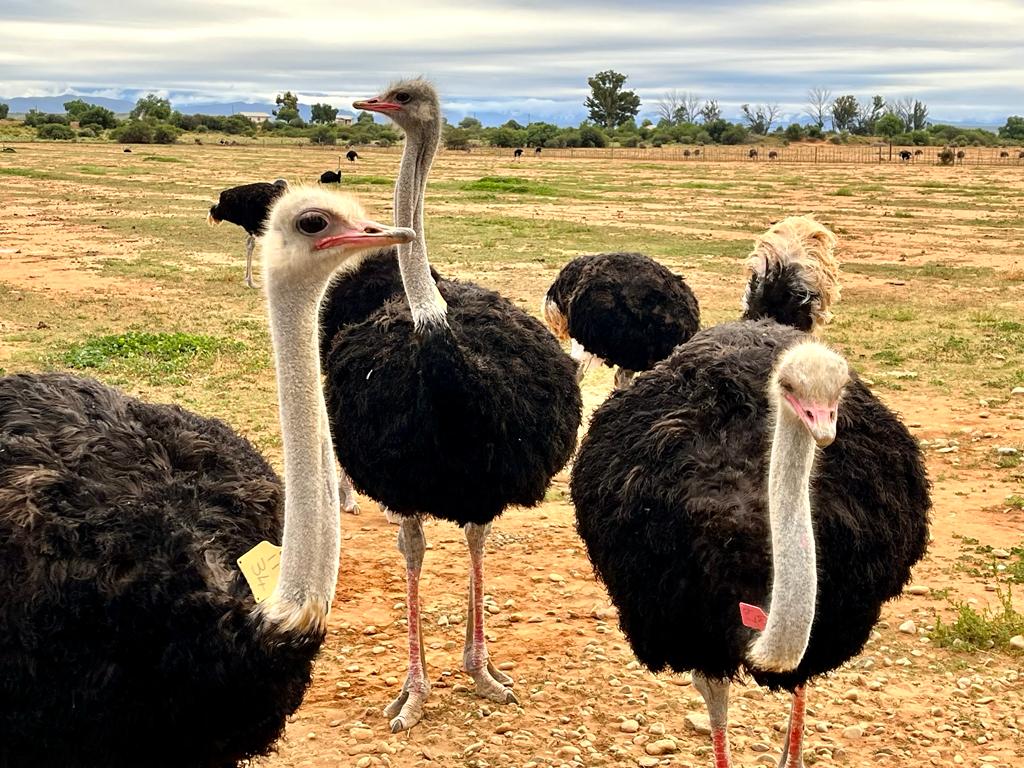
THERE’S ENOUGH FOR THE BIG BIRDS IN THE KAROO AND KKNK FESTIVAL DOES THE SAME FOR PEOPLE

Festivals, each one of them, are their own creatures. They’re put together in a way that hopes to attract audiences and once they’re there, will feed and nourish them in many different ways. That’s exactly what this year’s Klein  Karoo National Festival achieved and here are just a handful of reasons why. DIANE DE BEER gives her impressions of some of the best:

Pictures: Hans van der Veen

Picture (above) capturing the Karoo by Fahiem Stellenboom.

First the music productions:

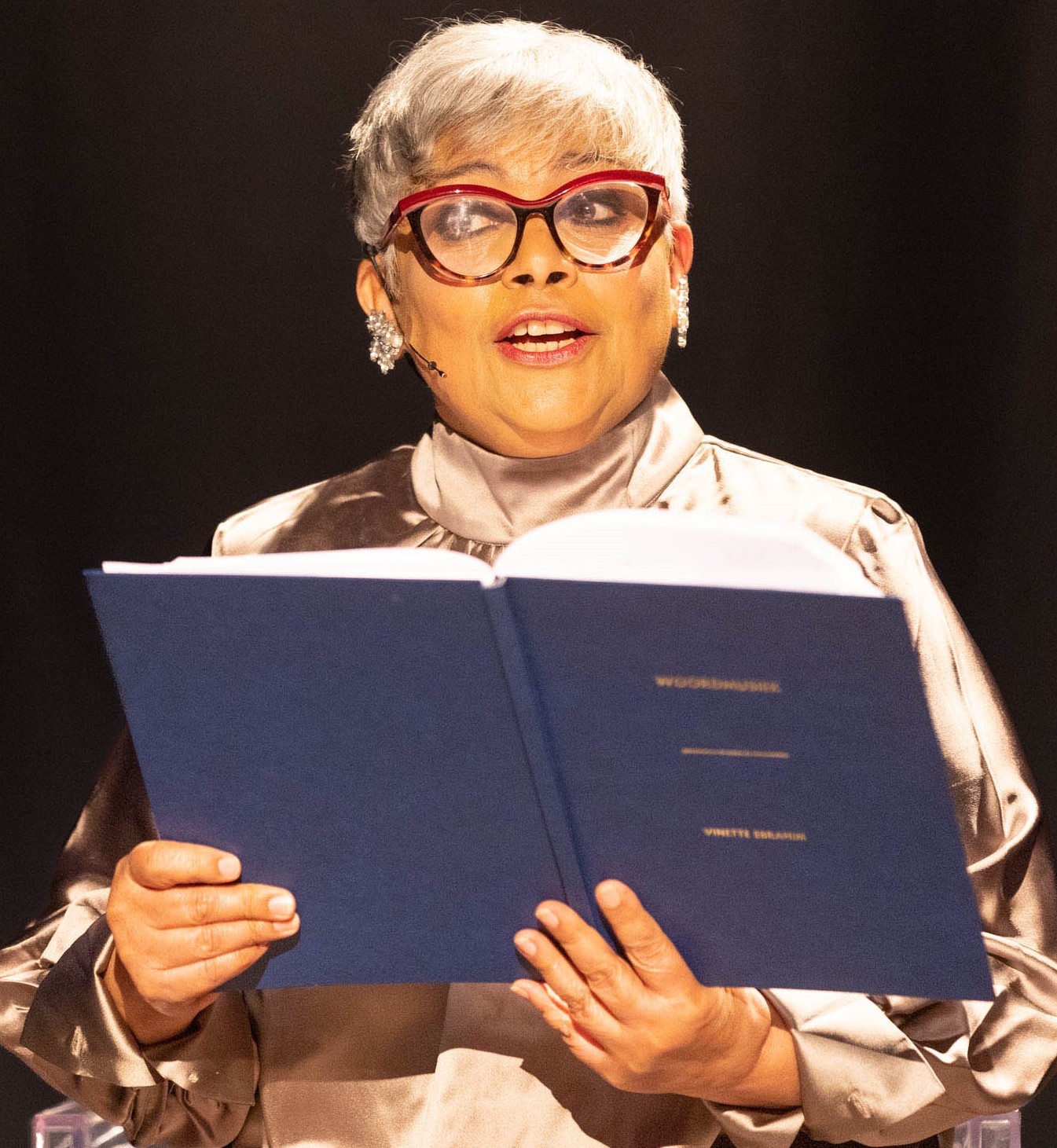
Stylish simplicity of Woordmusiek staging.

Woordmusiek: One of the toughest  things is to keep a stage/performance career going. Coenie de Villiers knows this.

Stylish simplicity of Woordmusiek staging. (Van der Veen)

Especially on the music side. Even if someone like De Villiers is hugely popular, his music part of the Afrikaans lexicon, and his performance style slick and always smartly rehearsed.

It’s quite something to keep reinventing yourself, however. How long will an audience keep listening to the same songs done in exactly the same style and presentation?

Coenie de Villiers (Van der Veen)

De Villiers has always had the key to renewal: collaboration. And while that can also work against you because it can be seen as too gimmicky, he has the musical and performance nous to make it work – and in this instance, brilliantly.

With this one, he decided to focus on his lyrics. He cleverly invited three of our top actors, all with distinct voices – Jana Cilliers, Vinette Ebrahim and Antoinette Kellermann – to read his lyrics as if poems, which they are when done in this way. And in between, he performed his music, some with, and others without song.

Voices that opened vistas.

The staging was stylish without any frills, and guitar genius Mauritz Lotz provided another musical element – and voila, it was a sublime performance with not a note or sound out of place.

Anders/Eenders: a musical ensemble that sparkled. Each individual performer had his/her own style and together, they blend and cook musically.

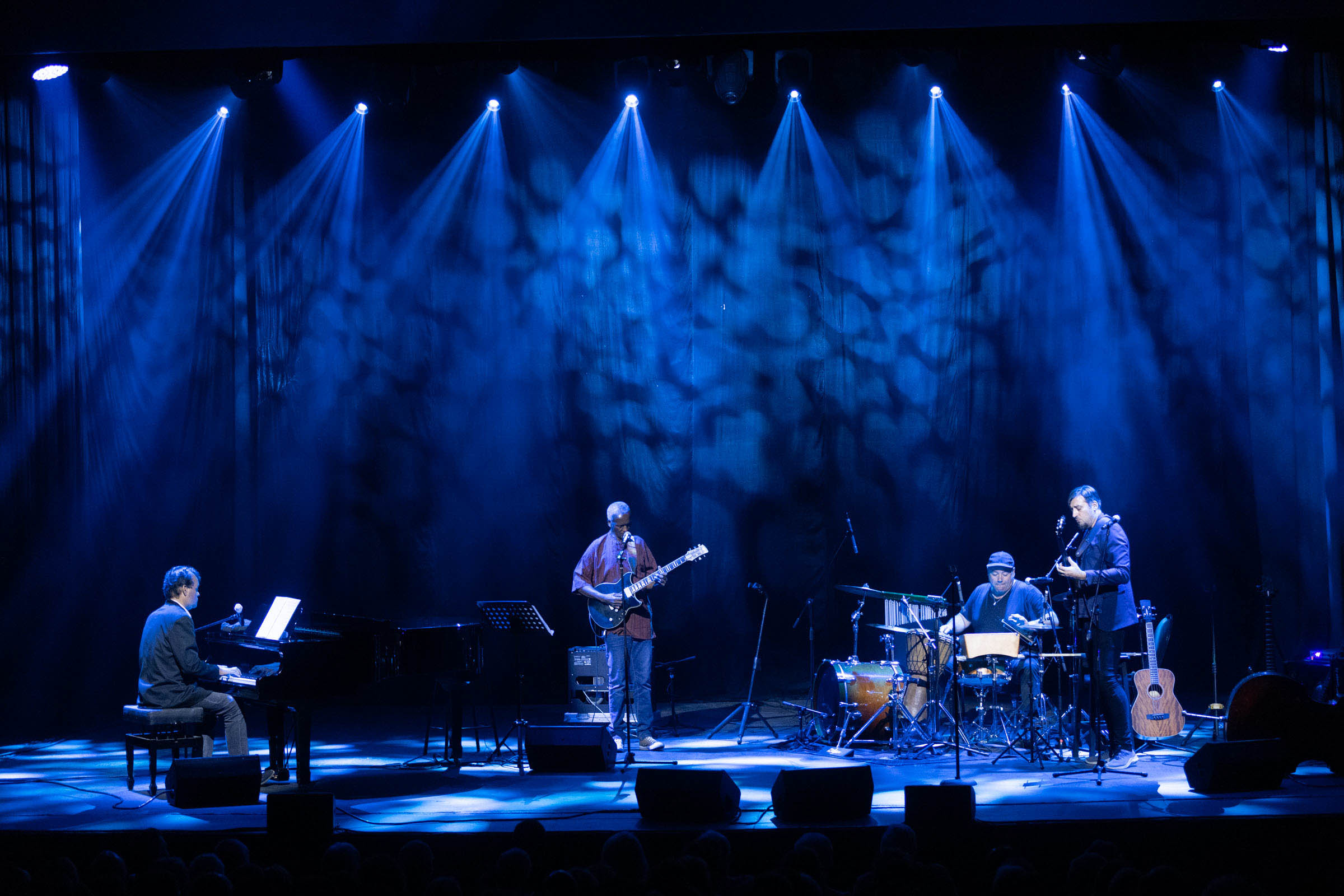
There’s the superb songbird Sima Mashazi with the extraordinary voice and stage presence; African guitar genius Louis Mhlanga who is as gentle as his music is glorious; the exuberant Riaan van Rensburg on percussion; keyboard king Ramon Alexander; and brilliant producer/bass Schalk Joubert who always looks as if he is enjoying making music while finding the best sounds.

The fact that they all compose and perform their own music adds to the special sound they create as a group. It is the best of who we are, with music that covers the spectrum and tells stories that criss-crosses the country and holds us all together.

You walk out of there overwhelmed and bouncing with African rhythms. It’s a blast and so much part of the South African fabric.

Kanna for Best Presentation – music, sponsored by Castle Lager: Ver innie wêreld Kittie ; Kanna for Best Ensemble, sponsored by Kunste Onbeperk; Ver innie wêreld Kittie

Ver Innie Wêreld Kittie: It might be an intimate setting, but it’s a huge story with heart  – and one of David Kramer’s best. I loved the intimacy of the staging with only four dazzling actors/singers (Dean Balie, Rushney Ferguson, Jenny Stead and André Terblanche) and two musicians, Nick Turner and Yvan Potts.

In 1952, Doris Day and Frankie Lane had a hit with Sugarbush, which was apparently written by Josef Marais (the stage name of Joseph Pessach). Marais and his wife Rosa de Miranda became hugely successful in the US as a folk duo who sang Afrikaans songs translated by Marais into English.

Back home and much later, Kramer hears about Marais’s talent because these two musos both grew up in Worcester. But no one remembers Marais, except Renaye Kramer’s aunt Lily Lange who was courted in her youth by Pessach, who wasn’t considered a good enough catch by the family.

From left: , Jenny Stead , dean Balie, Rushney Ferguson, André Terblanche with David and KKNK CEO Hugo Theart.

Weaving all these stories together, Kramer adds meat to the story by telling a tale of appropriation, something which has long been a problem on especially the African continent. The performers, the staging, the story, the words, used very sparsely but specifically, and the way Kramer tells the story, all contribute to a magical musical affair.

As usual, Kramer has excelled in the casting, with this quartet bursting with talent. And keeping it small, hopefully this one will travel far and wide. It’s a universal story told with heartiness and honesty by performers who are world class.

And then theatre:

Kanna for Best Interpretation, sponsored by Wicus Pretorius: Dawid Minnaar – Mirakel

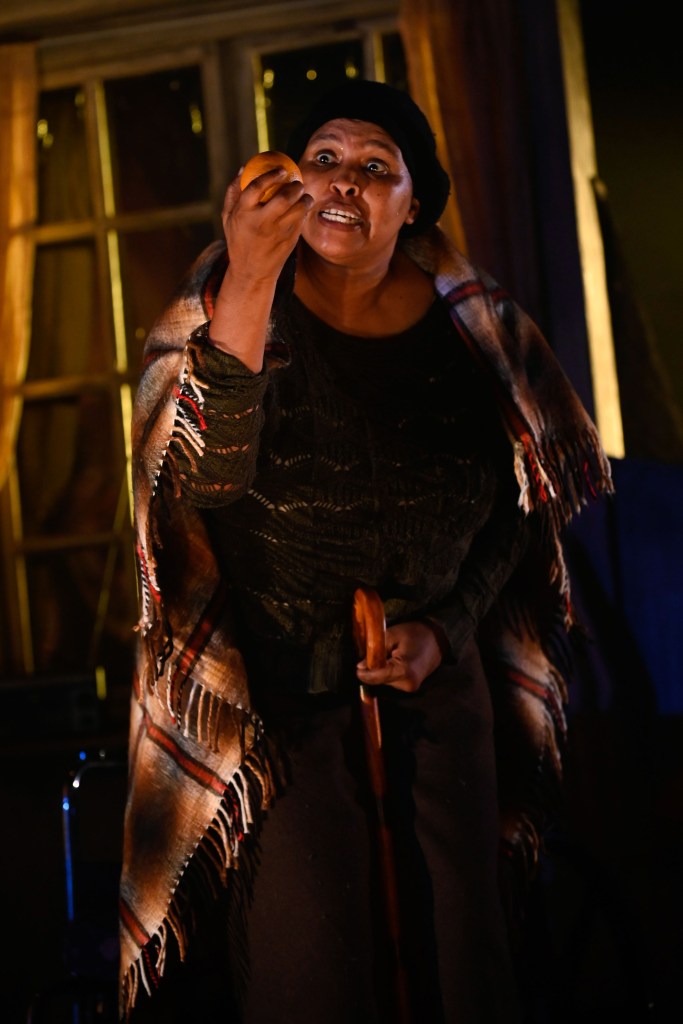
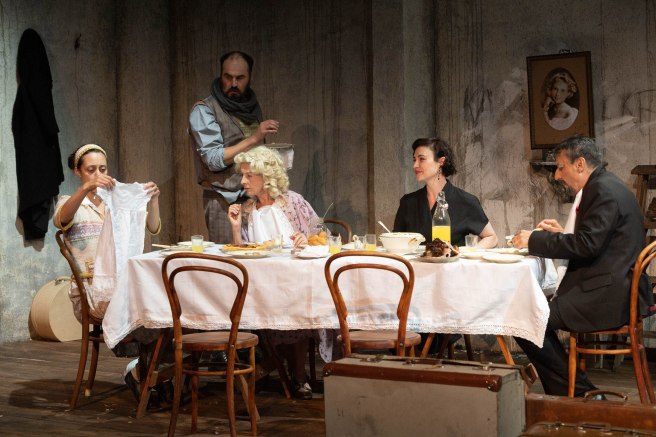
Dawid Minnaar in a delicious performance with a brave Bettie Kemp who sailed through the play brilliantly as a last-minute replacement.

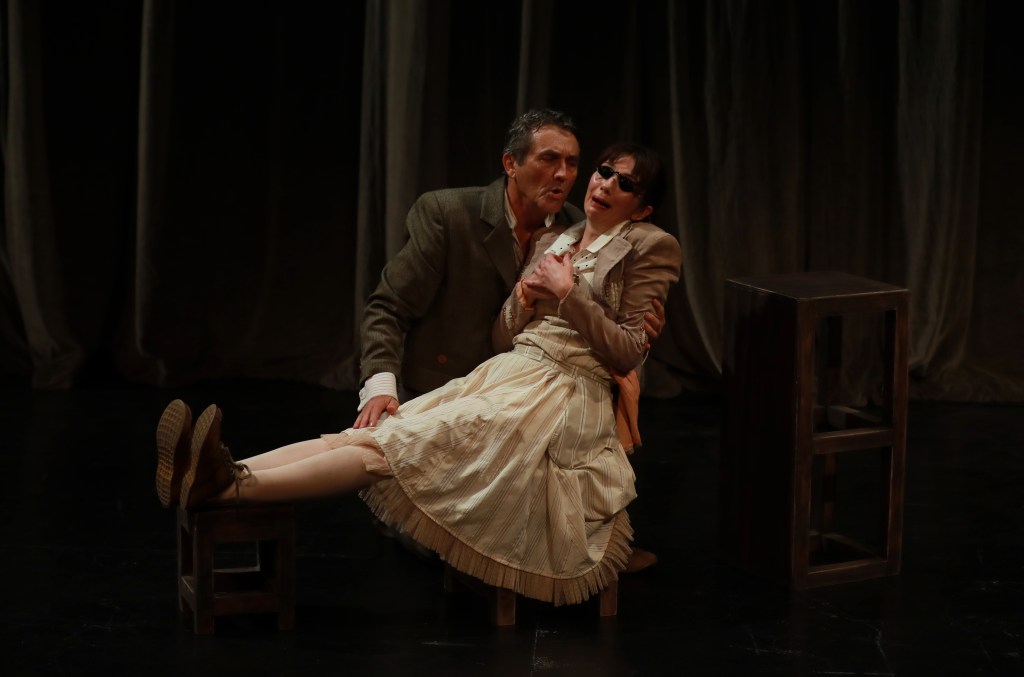
I have to start with Reza de Wet’s Mirakel ,directed by by her close friend Marthinus Basson. This has always been a stage match made in heaven.

But I hadn’t realised that this was a play I had never seen – and what a delight with a darkness captured in the script. De Wet can be quite melancholy with stories that tear you apart as she scratches around in the psyche of her people.

The cast of Mirakel with a fully cooked dinner including roast lamb … every performance!

But here she looks at a theatrical touring group with a much more gentle eye as she captures all the stereotypes in what can be a very melodramatic world. All the world’s a stage and nowhere is this more true than here.

And Basson’s first masterstroke was the casting. Dawid Minnaar’s performance sets the tone and gives free rein to the rest of the cast as they all swing into over-the-top storytelling that will have you in stitches.

But what lingers is the toughness that is here hidden by play, the struggle to practise something that brings pleasure. The way we regard and value our artists and allow them the space to breathe and to grow. All of which in the long run will bring huge rewards.

I hope this can travel all over and play as many runs as can possibly be imagined. If ever you want to flee the problems of the present, this is where you want to go. It’s fun, it sketches a world we are all familiar with but perhaps not often part of and it allows the actors to go at it full tilt – and no one does it quite as deliciously and with so much relish (one can almost see him smacking his lips as he enters the stage) as Minnaar.

This is one I will cherish for a long time as the depth of what De Wet wanted us to contemplate lingers.

Kanna for Best Design and Technical Contribution, sponsored by Herotel: Craig Leo and Neil Coppen for the concept and design of Droomkraan Kronieke; For a second year running and deservedly so Herrie Prize for innovation or ground-breaking work, sponsored by Kunste Onbeperk: Karoo Kaarte

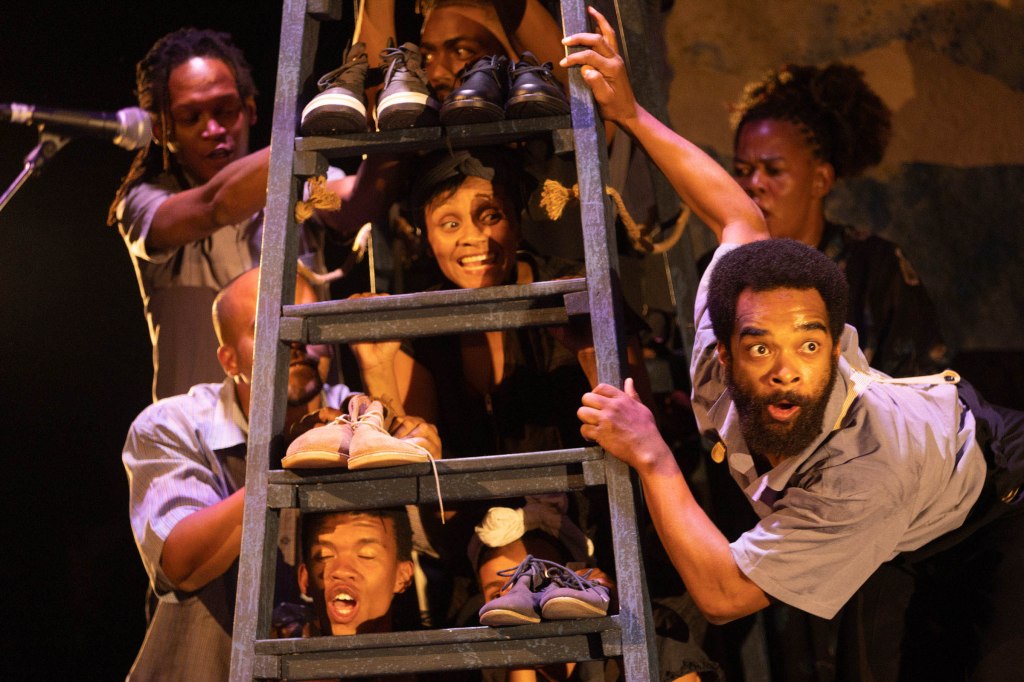
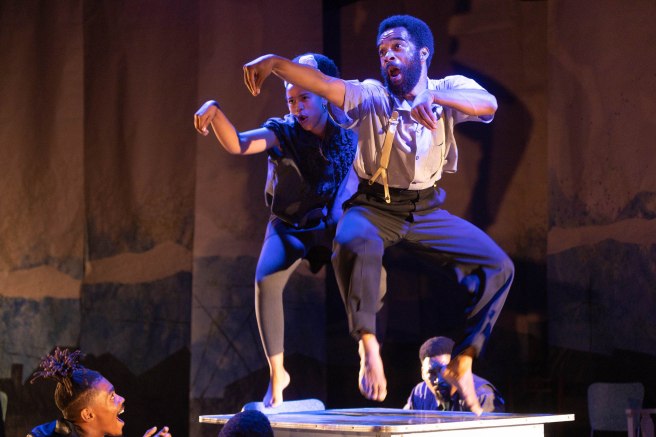
The enchanting cast of Droomkraan Kronieke stole hearts and more.

And as with Mirakel, similar things can be said of Karoo Kaarte’s Droomkraan Kronieke.

If anyone were wondering about the viability and sustainability of this dream project driven by Neil Coppen and Vaughn Sadie, they simply had to witness the leap this team has made in just a year following last year’s Op Hierdie Dag, which also received much praise, seven nominations and a win for artist Marinda Ntantiso.

This time they were aided by internationally renowned puppet master Craig Leo as well as actor Carlo Daniels, and the full team of actors worked much more in a cohesive unit, than the previous time.

It was a fun, emotionally fulfilling and rewarding experience as the actors displayed their performance skills, exuberance and energy and their growth in professional approach and execution.

This is a production that will play anywhere without any explanation needed of where they come from and who they are. That’s simply embellishment and heightens the admiration one feels for what they have achieved and the lives that are changed. Both for those performing and watching.

I wrote a huge piece on Karoo Kaarte last year (check for it in my blog if you want background), but it should also stand as a blueprint of how to make a festival (or any event) inclusive in an attempt to upend the status quo.

What Droomkraan Kronieke achieves more than anything else is to show and point to the potential right in front of our eyes and what happens when two artists (with the help of gracious donors and many other hands) can achieve with a community that has previously been held back and not given the opportunities.

Kanna for Best Director, sponsored by the ATKV Nicola Hanekom – Mirre en aalwyn; Kanna for Best Presentation – theatre, sponsored by the Het Jan Marais Nationale FondsMirre en aalwyn; Kanna for Best Literary Contribution, sponsored by NATi; Nicola Hanekom – Mirre en aalwyn (original script).

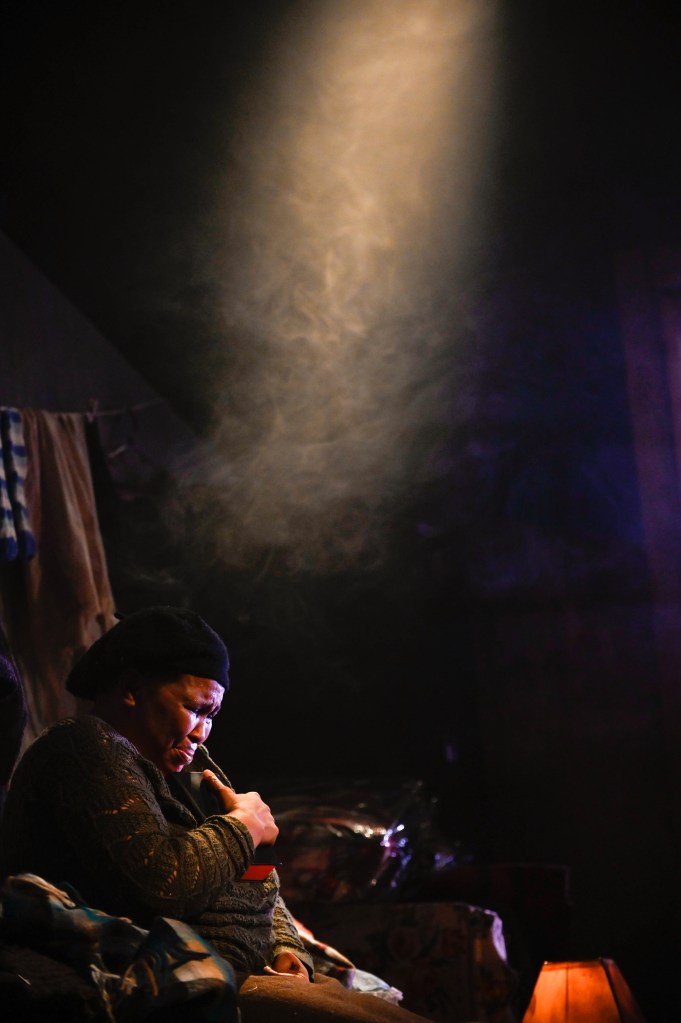
Leading the way, a heartbreaking performance by Amalia Uys.

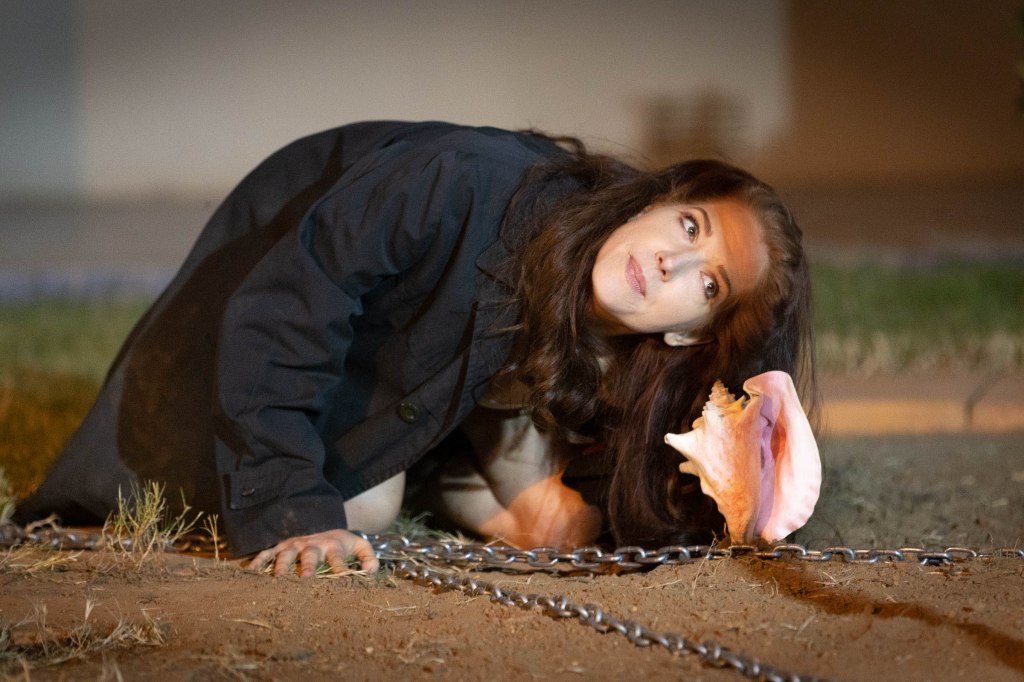
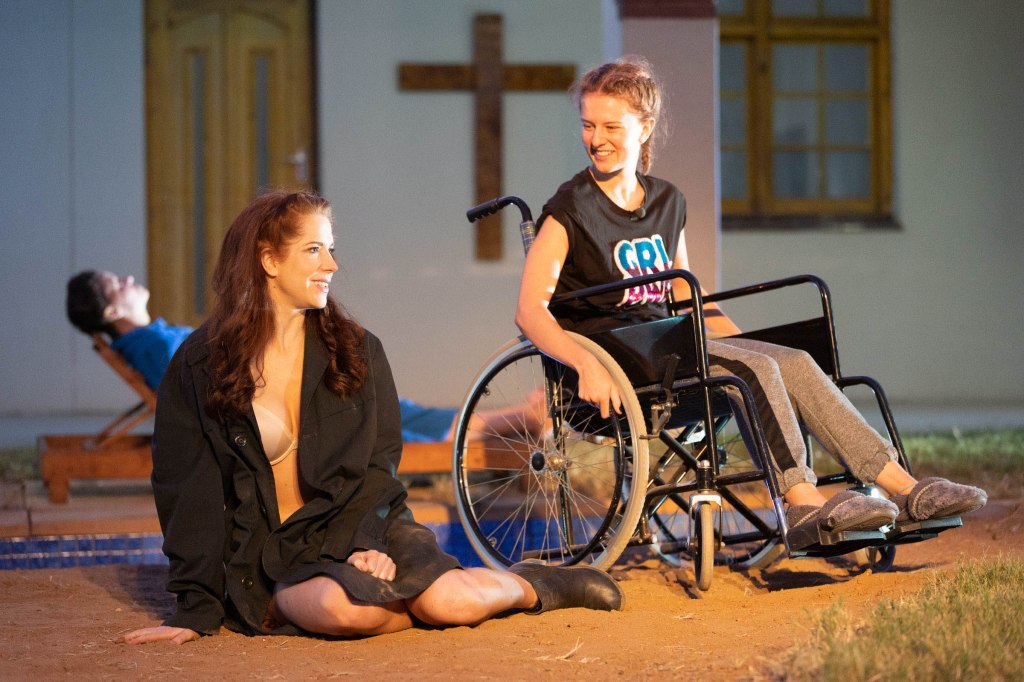
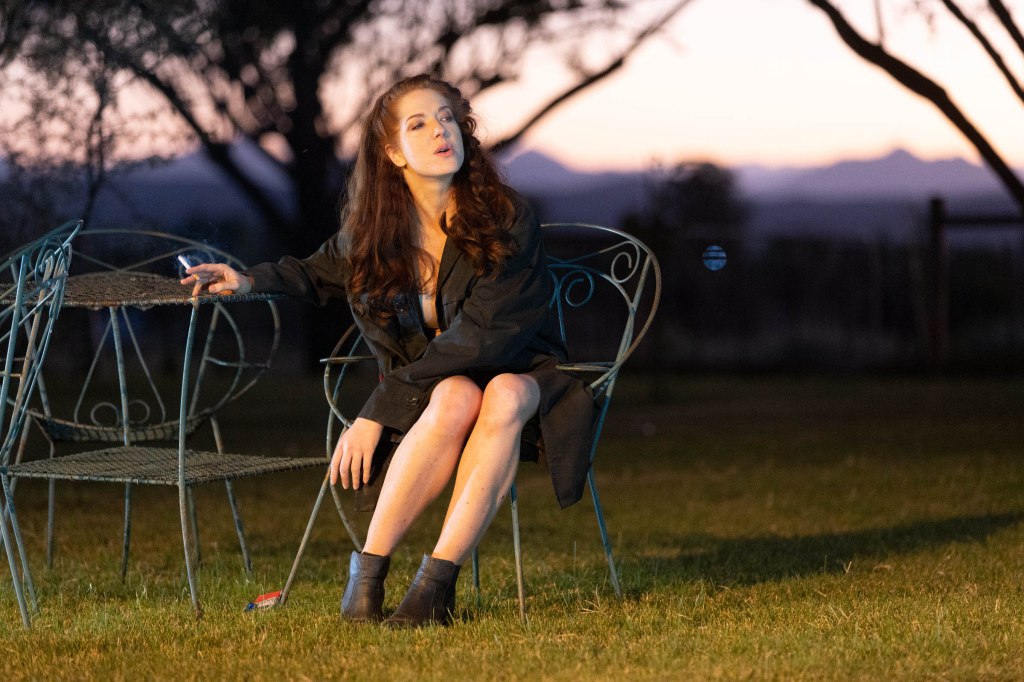
Finally, Nicola Hanekom is back with yet another of her shattering site-specific pieces Mirre en Aalwyn, and as always she’s tuned into the zeitgeist, with abuse the one issue that has for many years grabbed the headlines. More  than ever, it is critical in communities worldwide and in South Africa in particular.

There’s hardly a woman who reaches adulthood who cannot speak of an incident and often worse that can be ticked off as abuse. (If anyone heard Trump’s recent monstrous ramblings, that says it all). And instead of things improving and more people taking up the cause, it’s as if people turn their heads away and ignore those talking too loudly.

Elzabé Zietsman is doing the festival circuit with her devastating solo Femme is Fatale and now Hanekom has also stepped into the arena with a piece that doesn’t flinch as they go full on to investigate this scourge in especially women’s lives.

And in this instance where it besets families and the women have no protection, no one to turn to, no positive role models, it’s almost as if they turn on themselves. It’s the only thing of value they have to display and that’s where they go. And to add to the dilemma, they have found a voice in social media where everything is amplified, not always in especially the vicitms’s interest.

Oudtshoorn with its spectacular weather and environment offers the perfect canvas and Hanekom has refined this gloves-off type of approach when dealing with tough topics.

Her cast, always handpicked with great care, tell a story that audiences have to hear, and Hanekom introduces enough darkness and light to hold the attention and make the most explosive impact.

If you don’t leave this one shattered, think again.

And watch out, it might be difficult to play somewhere else because it is site-specific, but when there’s a will, there’s a way. And for this one, that’s how it should be.

Until next year, meanwhile there’s the Karoo Klassique from 4 to 7 August later this year. Also check the next story on the fabulous art.