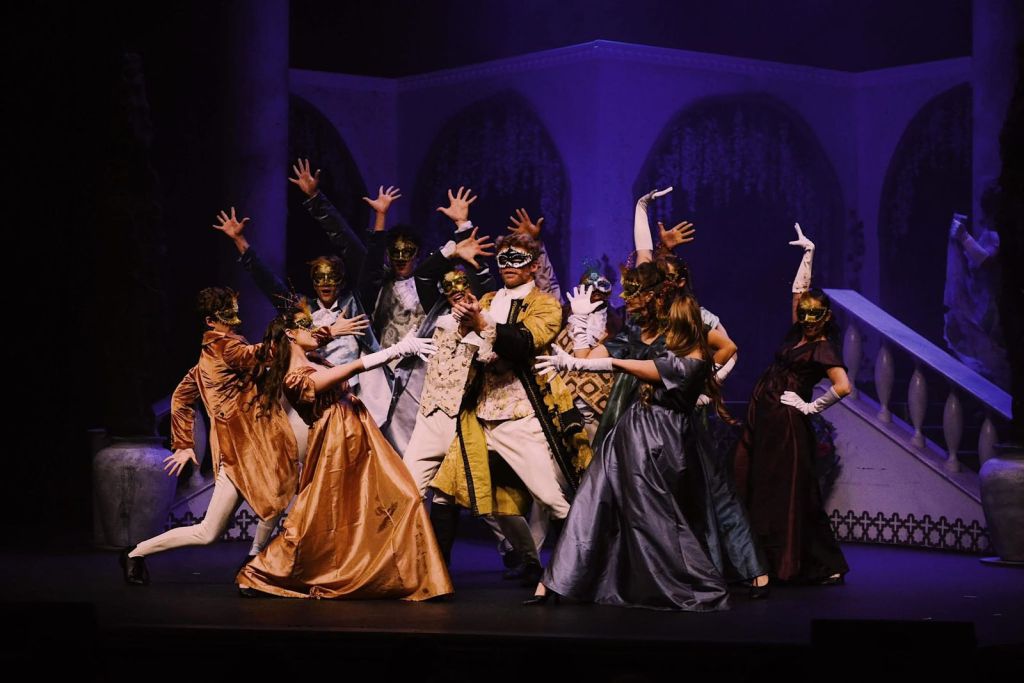
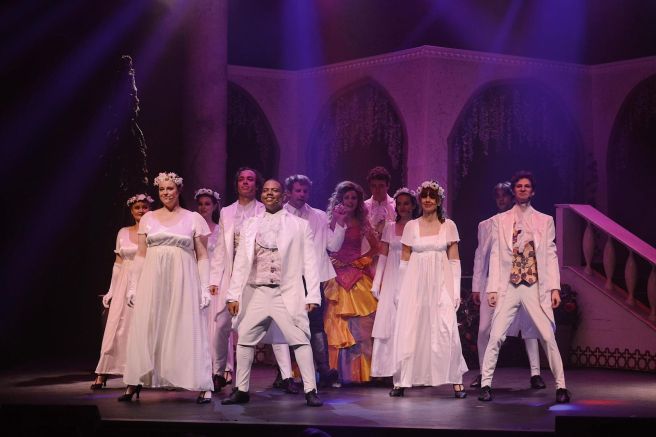
KKNK’S BI-ANNUAL TEXT MARKET A THEATRE EXPERIENCE THAT SPARKLES WITH INNOVATION

DIANE DE BEER

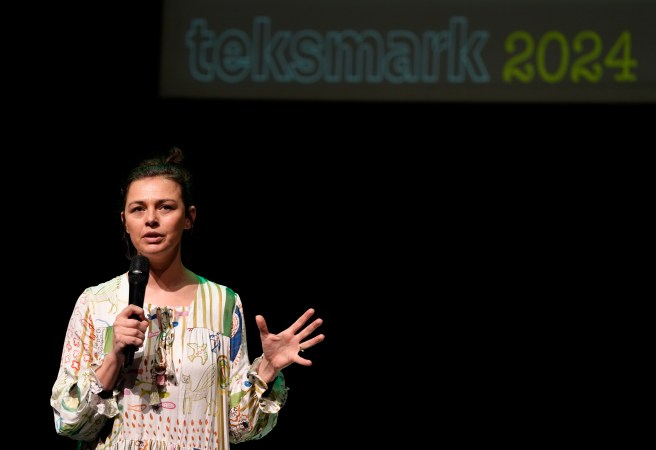
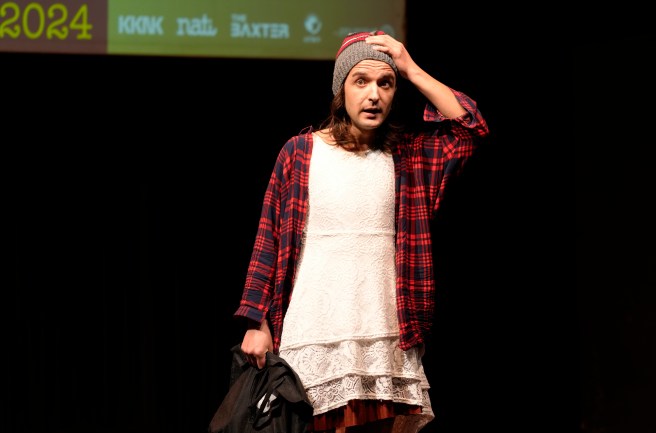
Tinarie van Wyk Loots talking about her script Hamlet/Speenvark.
Picture: Nardus Engelbrecht

DIANE DE BEER

This is the 9th time I’ve written about the Klein Karoo Kunstefees/NATi/Baxter Teksmark (text market), the reason being it is such a smart creative endeavour.The brainchild of Hugo Theart, the CEO and artistic director, Hugo Theart of the Klein Karoo Nasionale Kunstefees (KKNK), it is one of my favourite events of the year It’s existence was born out of need because original local scripts had become a problem. What they were hoping to do was to create new theatre texts which would provide local content for the festivals as well as encouragement for both budding and seasoned writers. And that is exactly what happened.

This past festival was the 9th, 156 text ideas in many of our official languages have been presented and in total, 43 of these texts have been developed into full scale productions, some of which can also boast well-deserved prizes.

What I find so intriguing is the zeitgeist that shifts year by year. Very specific strong themes usually emerge and it is fascinating to observe the topics tackled and which struggles or celebrations the creatives have focused on in a particular year.

One of the extraordinary gifts that this particular platform supplies is the chance for artists to experiment, to test ideas, to play and simply to reach for the stars which is something that quite a few playwrights attempted with brilliant results.

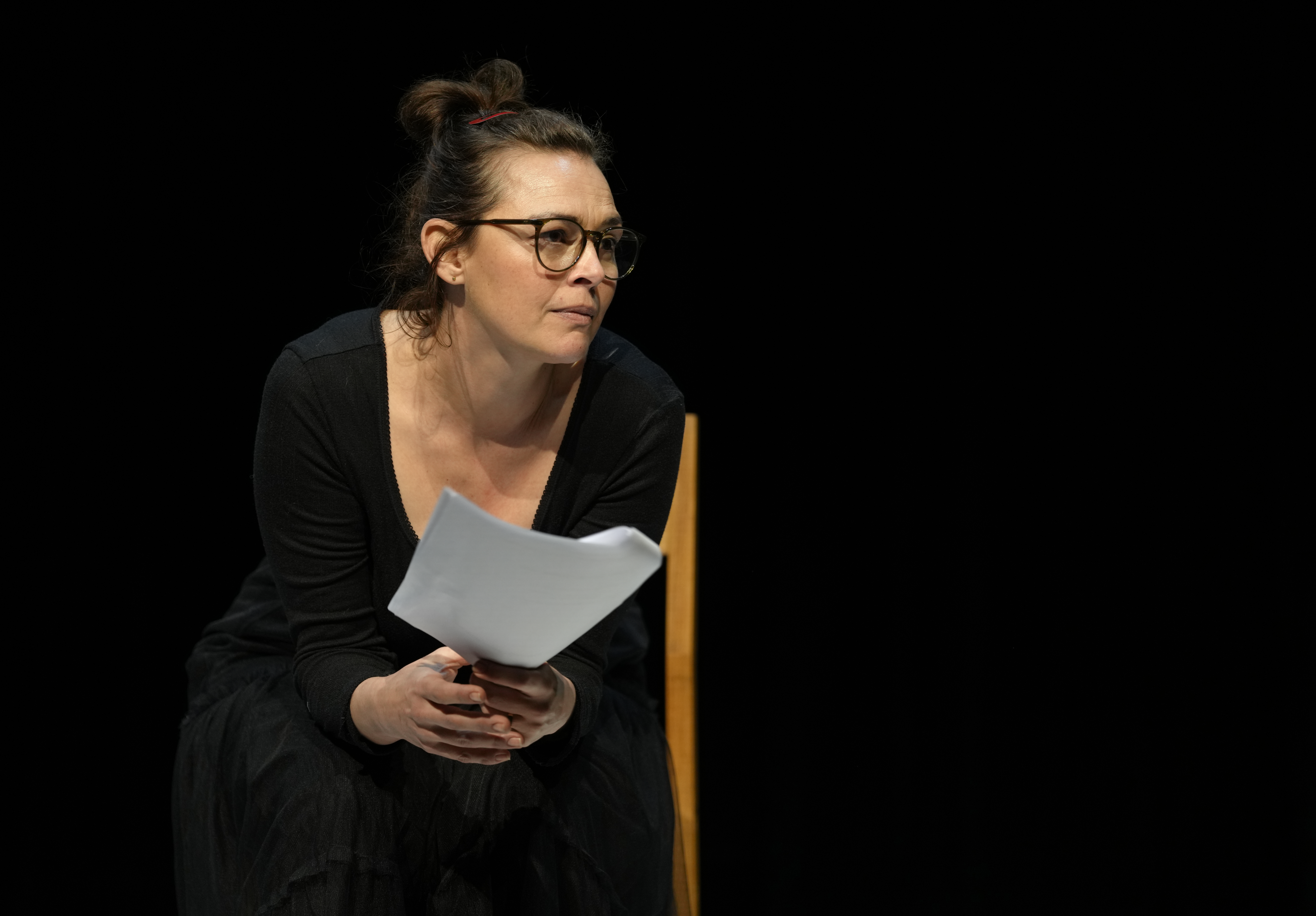
Acknowledged as one of our best actors, Tinarie van Wyk Loots presented a play titled Hamlet/Speenvark. Even the title suggests that this is going to be something unusual. Blessed with her acting skills, she could present her own play/monologue, which I found challenging yet immensely exciting.

She describes it as an attempt at a solo production, or struggling poem, modelled on, and with apology to Shakespeare’s Hamlet (and she cites Jonker, De Villiers, Malherbe, Totius, Opperman and Yeats). That’s quite a list.

She writes that it is “a tentative but violent investigation into the emotional landscape of being South African – the search for identity and a relationship with guilt and victim mentality.”

She further explains that her choice was driven by her “ancestors rooted in Africa and Europe, the disillusion of humanity, and emotional suicide depicted through the extrapolation of various characters in the original script, who all speak from the same mouth.”

The reading was magnificent and I could feel that this was going to develop into something quite extraordinary. Van Wyk Loots is someone who has given her heart and soul to the stage. Few actors can still afford to do that. But she has the skill and talent to keep adding to her repertoire and her engagement with theatre.

Not only can she write, she can then take the text, already her own, and do with it whatever she wishes. Personally I can’t wait. This is the kind of production that keeps theatre alive.

Dianne du Toit Albertze in conversation about Meire en Pinkie.
Picture: Nardus Engelbrecht

Never one to shy away from tackling holy cows, Dianne du Toit Albertze’s writing grabs you by the throat. On first reading of the text, I needed to know who had written with such abandon and such a brave heart. When I discovered who it was, I knew it couldn’t be anyone else and I was surprised I didn’t pick up the harsh yet haunting style of this writer.

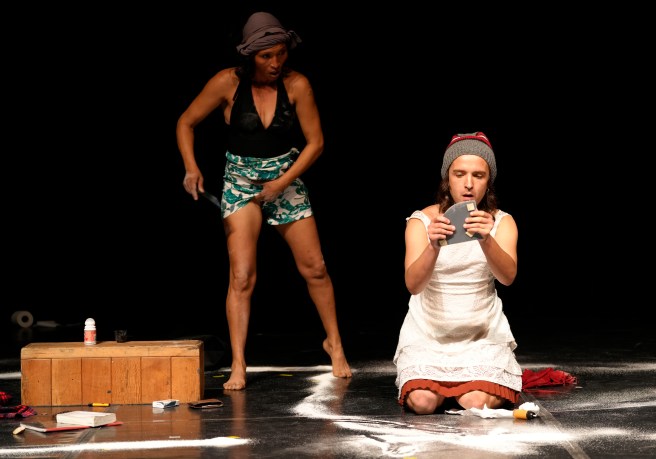
Meire en Pinkie depict orphanage runaways and ladies of the night and day. Okiep jintoes with nagging drug addictions who scramble for survival daily, searching for a cure, writes Du Toit Albertze, but fail to know how to get it. But they continue running towards ways to escape the vicious cycle of poverty and abuse.

But she points out, life has a way of outsmarting you. The sins of their mothers catch up with them when they are accused of selling the means to vicious addiction, Meire’s child. It’s something they endured themselves as children. And now they feel abandoned

Picture: Nardus Engelbrecht
A scene from Meire en Pinkie.

It’s gritty, hard-hitting and without compromise. Some would argue for something with less hard edges but this is exactly what theatre can achieve: to tell real-life stories in a language that becomes a character, confronts you and makes you listen without turning away. This is when theatre becomes therapy for those writing and performing as well as those watching.

These are just two of the standout texts, part of this year’s text market at the Baxter but there were many more that had potential for further development and some already  stage-ready.

Playwright Gavin Werner (Meeting Murphy, centre) with two actors playing the parts on either side.
Foto: Nardus Engelbrecht

The theme of bullying captured by Gavin Werner in Meeting Murphy will touch everyone who would have experienced it in some form. Another one that popped up in quite a few texts was memory and the way individuals remember the same event in different ways. How we view the world is often coloured by past experiences and this can lead to discomfort in some instances.

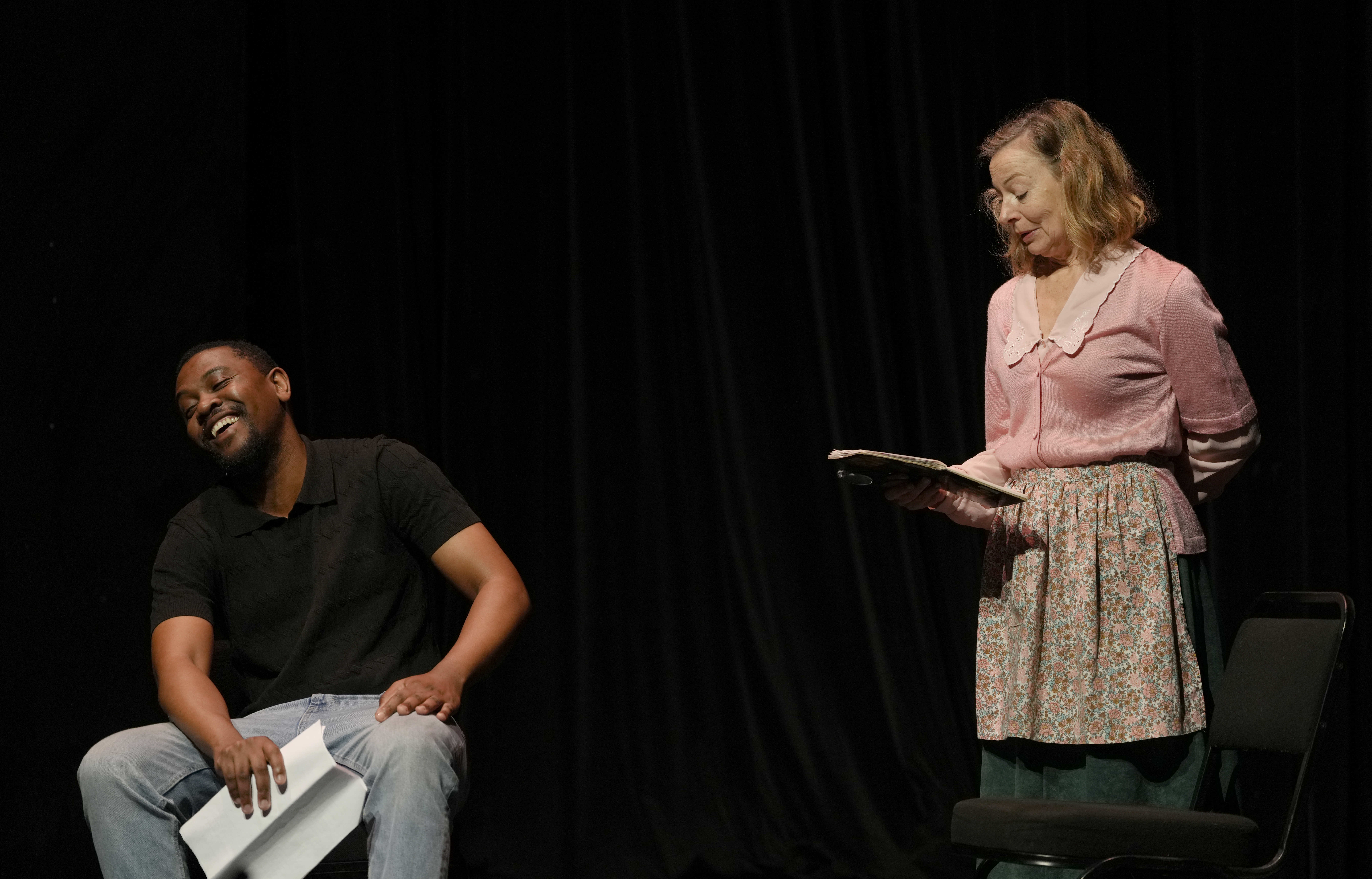
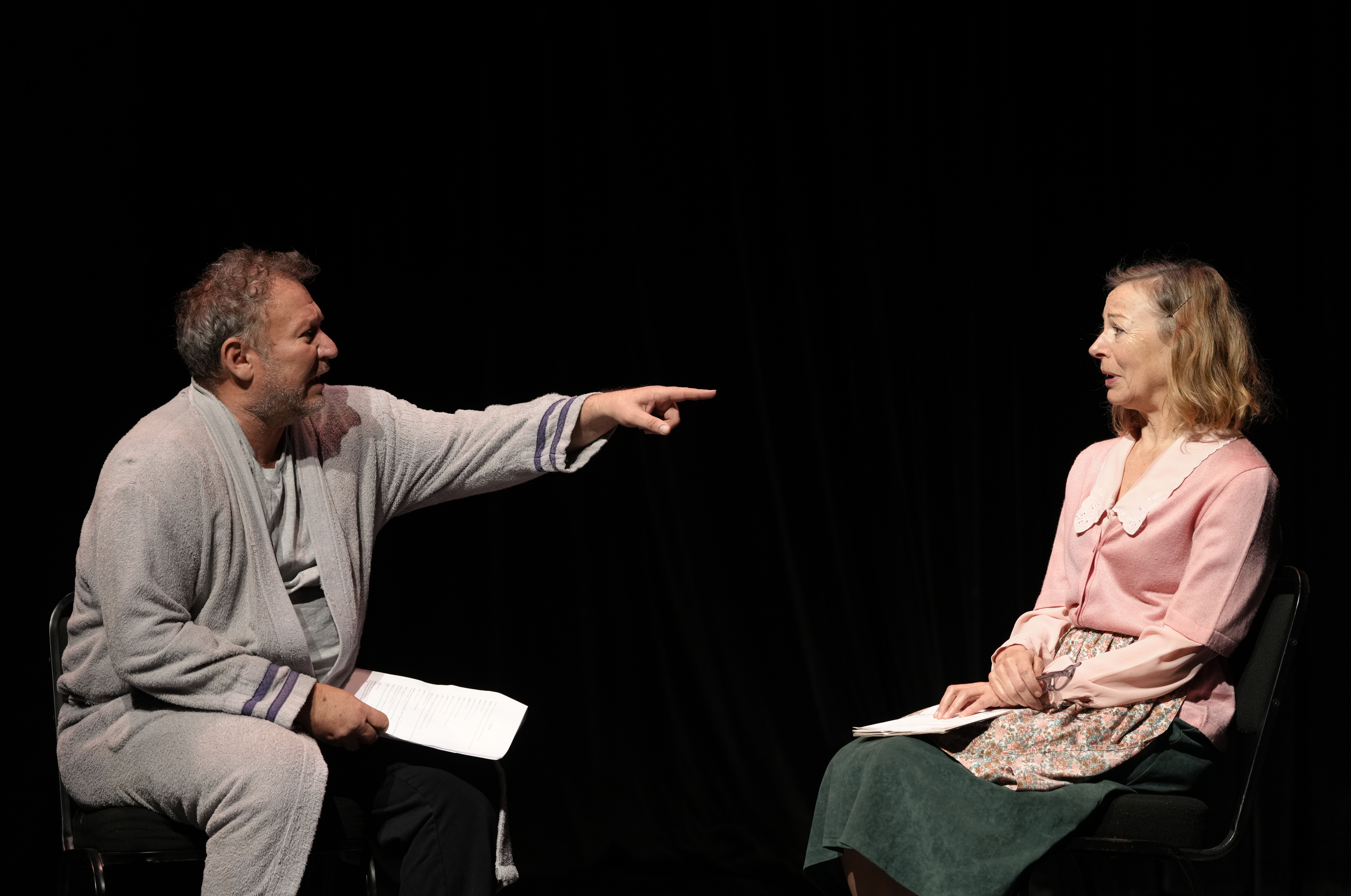
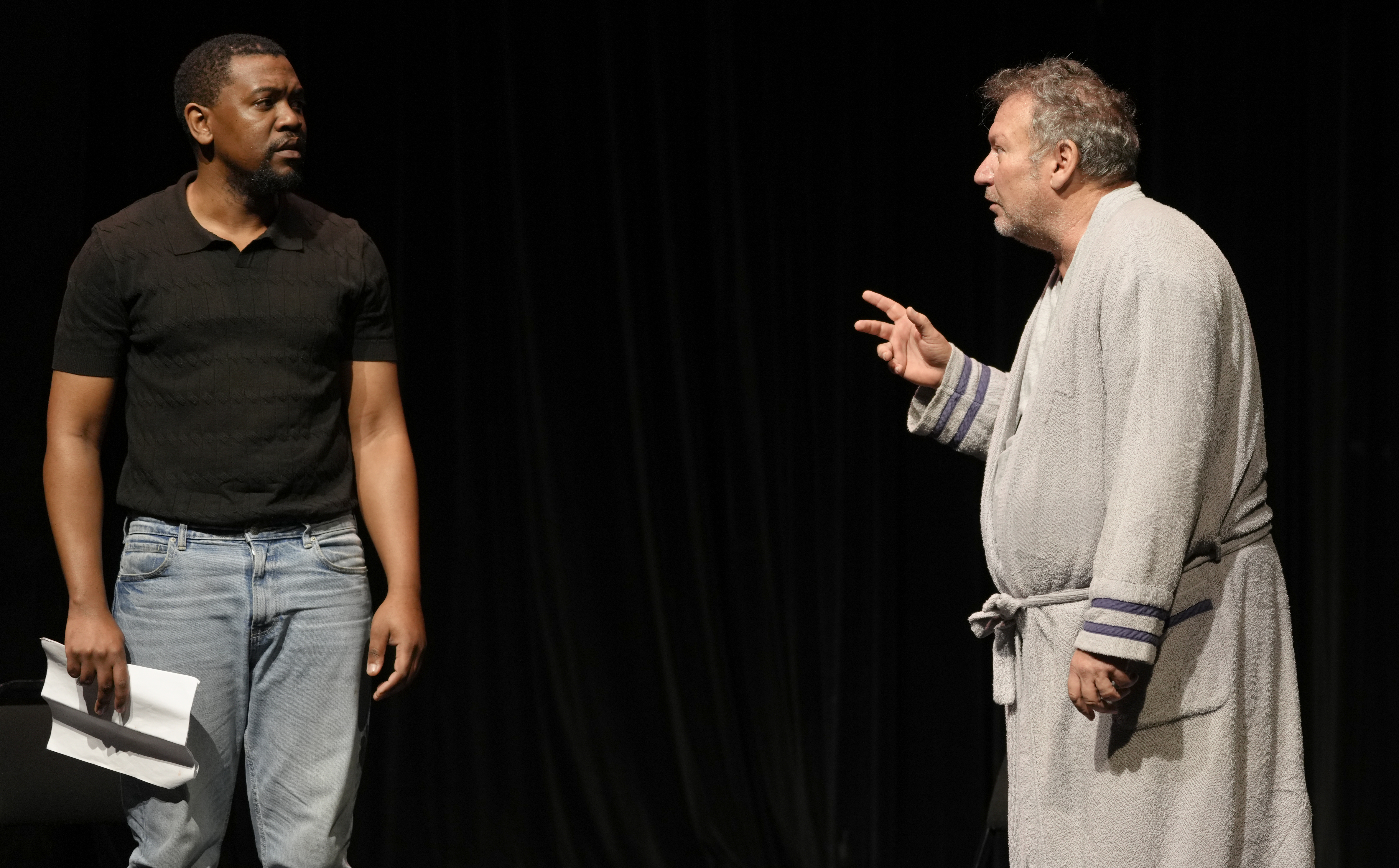
The Salt Lesson by the insightful Sibuyiselo Dywill also tackles memory but here it has to do with different generations, cultures and languages and most importantly for the playwright, from the same bloodline. In any context this is a huge ask but with the South African apartheid past, when the elderly family member (white) suffers from dementia and regards the youngster (black) as an intruder rather than a son, things can get really messy.

Playwright Sibuyiselo (with the mic) surrounded by the three actors in his play The Salt Lesson.
Picture: Nardus Engelbrecht

It’s such a clever idea which explores different issues in genius and thoughtful fashion forcing audiences to look at their own world views from a different vantage point.

Scenes from The Salt Lesson. Pictures: Nardus Engelbrecht

With plays written in home languages including Afrikaans, English and Xhosa, the premise is embracing and expansive with the graft expanding year by year. Once we can figure out how to present theatre in different languages so that everyone can understand – easily – Teksmark will truly break down barriers and shift theatre in this country into a unique stratosphere.

And if you want to check out what is happening at the second Gauteng Teksmark to be held at UJ, where different playwrights and others involved in the theatre industry discuss their ideas as play readings, enquire with J.C. Aucamp at 0763335945 or jc@kunste.org.za.

The KKNK 2024 Gauteng Teksmark will be held on 24 and 25 October at Keorapetse William Kgositsile Theatre, Kingsway Campus, University of Johannesburg.

THREE ARTISTS WORKING IN DIFFERENT MEDIUMS COME TOGETHER FOR AN EXHIBITION AS THEIR ART TELLS STORIES OF TRANSFORMATION AND CHANGE

Verskuif/Shift  is an exhibition presented by three women artists dealing with the theme of the seen and the unseen, a journey of transformation, and the process/es in between. DIANE DE BEER spoke to the artistic trio about their diverse art and how they came together to show their art:

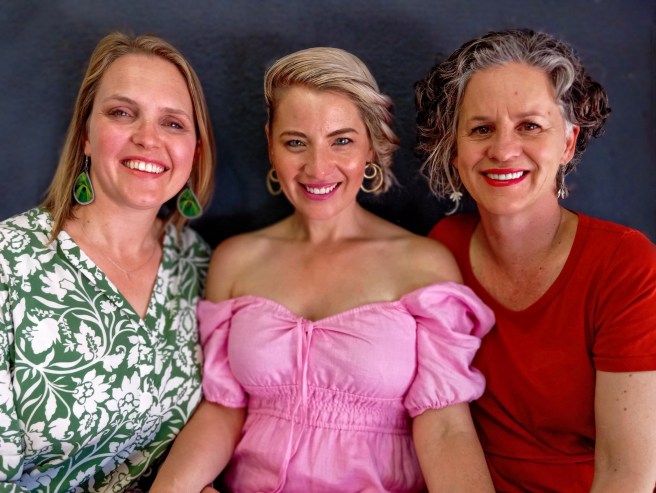
Three artists in cahoots: Magdel van Rooyen (left), Thania Louw (centre) Martli Jansen van Rensburg (right)

Thania Louw, Magdel van Rooyen and Martli Jansen van Rensburg all work in different media and it while their art has many commonalities, that’s not what brought them together.

It was the children! They all go to the same school and that’s how the three moms met. Go figure.

However, when you sit around the table with these three artists, what they have in common is the way they approach their art. In their own individual way, they’re telling stories. That’s what all artists do.

While their techniques differ, the common theme is transformation and change. It may be change in the physical body or the internal landscape, or an individual, unique way, each one explores the ideas of intangible internal shifts and how they experience these changes.

These might of course result in relational shifts which might not be immediately noticed or visible, but eventually a sense of movement will result in the awareness of change.

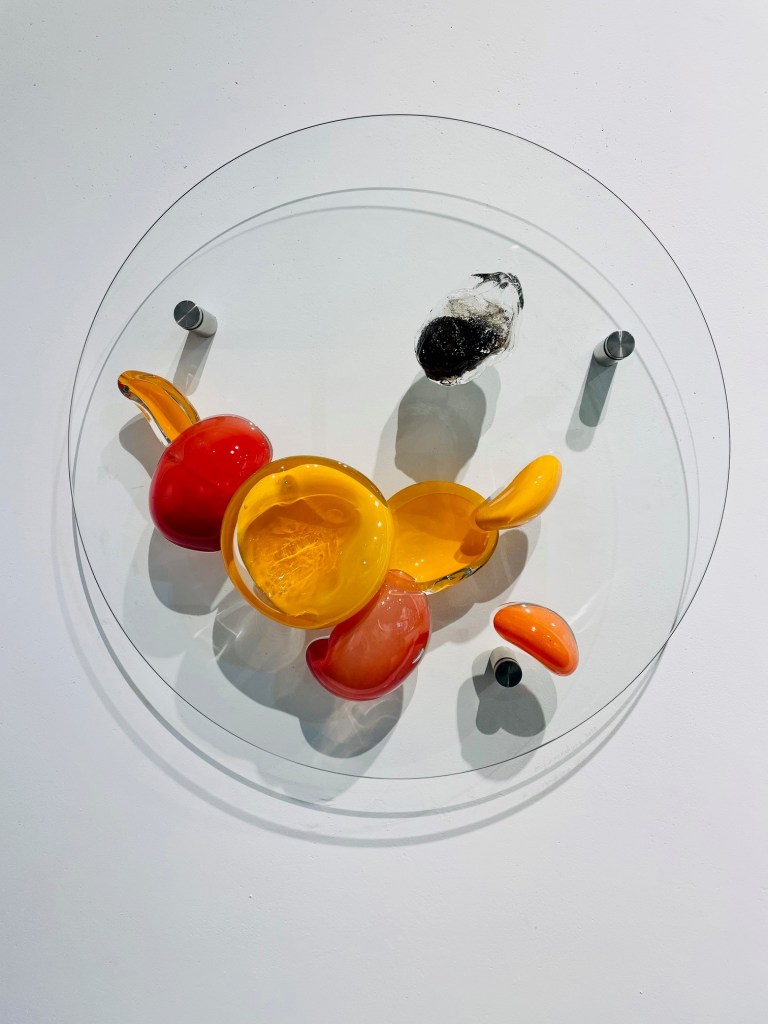
Martli is a glass artist but when you look at her work, you  might not immediately be aware that the whole piece is made of glass. For her it’s about scratching around in herself which eventually is given substance in her work. “I’m usually trying to figure out something in myself,” she says. Her work manifests her spiritual journey. “It really is all about my beliefs.”

It might appear as if nothing is happening in her world and as if her ideas are stagnant at some stages, but she sees it as a time of growth while the seeds are dormant until they’re ready to burst forth. Works have titles like Memorial of Remembrance and Rocks of Forgiveness which point the way to her thought processes.

“Our work has to signal possibility, to shift minds,” she says.

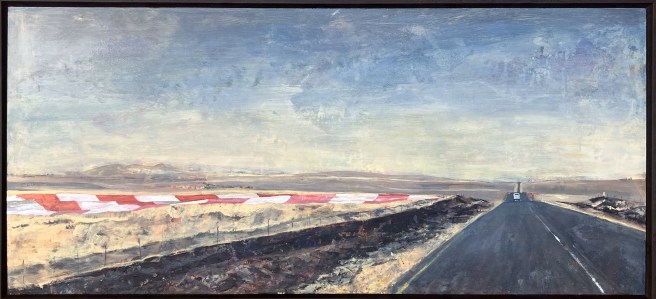
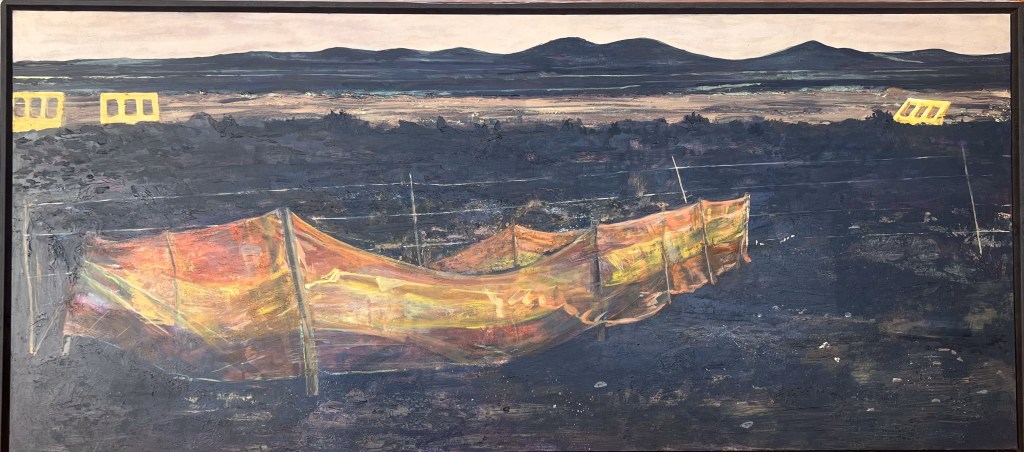
Magdel, the painter in the group, is obsessed with construction. Her genre is landscapes and she continually seem to round back to the liminal. She describes her work as moving in-between building up and breaking down.

“Once I have an idea, I chase it down,” she says. While she is a strong believer in hope, she also knows that hope is messy. “Everything is always something of a construction site,” she says. And when you see her work, it all starts making sense.

It almost seems as if she views the world as anything that goes up, must also come down. And in essence that’s true and what she captures in her work.  It could almost describe the process of construction followed by collapse.

Bound(less) III by Magdel van Rooyen,

She plays with words when forming her ideas and discusses the dexterity of concepts like un(bound) which in a sense she believes sets you free and leaves you bound(less) – also the title of her two pictured works. It could also mean that you’re going, or even that you’re intending to go.

Tension is what allows her to play on canvas. We live in tension, it’s inevitable and drives the work. “In fact, we probably thrive on that tension,” says Magdel.

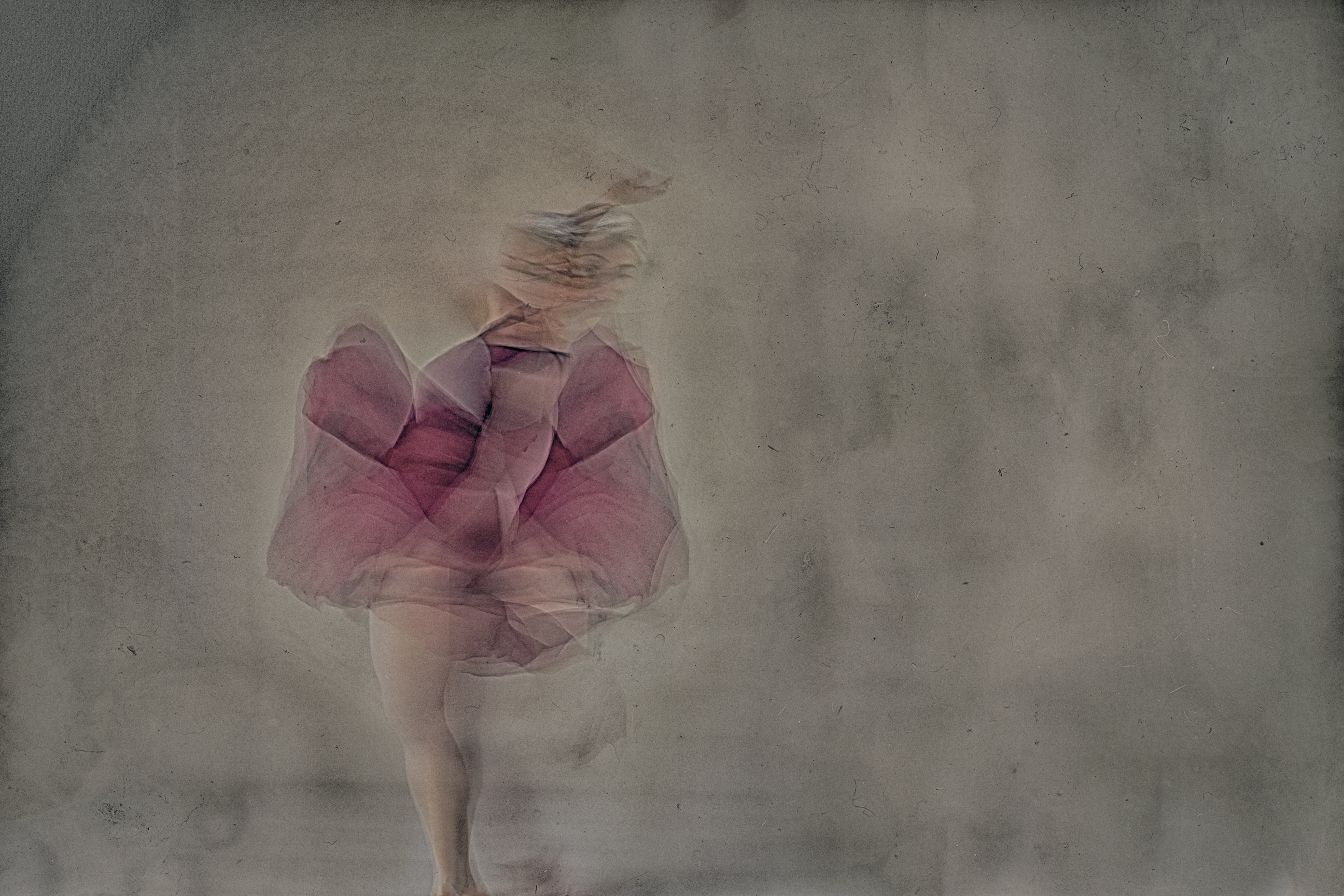
Thania, the photographer in the group is busy investigating emotions, thoughts, behaviour and interaction with her camera as she explores the connections between the conscious and unconscious exhibited in the body. While these are all invisible, she’s interested in how they are experienced from within and communicated to others. Is there a connection?

Questions are part of her investigation, but her story will probably be read differently by those who look at her works of art from a different perspective.

Clockwise: In Bloom; The Vertruvian Woman; and Fragmented by Thania Louw.

It’s how others see you, whether you are influenced by their perspective and whether your body also adopts some of the emotions cast your way?

What does the perfect woman look like? How does she see herself? How does she cope with the storms erupting on the inside?

“What does the world expect from me,” she asks? “Do we fight it or can we find inner peace.”

She  has also discovered that beauty can be found in imperfection. “All these things happen in cyclical fashion,” she says as she keeps her camera pointed in a way that might capture the story she hopes to tell.

For these three women, life is a progression and that’s why, even when they tackle dark subjects, they hope their work is always filled with light. No one wants a study of pain in their face all the time, they concur.

The quest is to explore those emotions and then to show your stories to the world in the way the pictures you make demand. This is how they hope their work will prompt viewers to look and discover their own stories.

Verkuif/Shift will be opened by Prof Jenni Lauwrens on August 27 at 6pm at the University of Pretoria @ Link Gallery. Email @ https://louw.co.uk/verskuifshift.html

RSVP for opening by this Sunday. The exhibition is open until Friday, September 6. Entrance Lynnwood Rd, UP main gate. The gallery is open for viewing Tuesday – Friday from 9 – 3 pm. Safe parking available on premises in front of the building.

ARTIST BIOS:
THANIA LOUW She (born in 1984) is a versatile artist and photographer. With a BA Hons in Textile Design from the University of the Arts London, Central Saint Martins, where she graduated with distinction, Louw quickly gained acclaim for her work, earning nominations as one of Britain’s top 100 students and participating in prestigious exhibitions such as the 2010 New Designers exhibition in London and Heimtextil in Germany. In 2010 Louw was selected as a student researcher at Central Saint Martins. This led to an exhibition at the Victoria and Albert Museum, London.  Returning to her native South Africa in 2013, Louw shifted her focus to museology and photography. In 2020, Louw furthered her commitment to the field by completing a BSocSciHons in Heritage, Museum, and Preservation Studies at UP, graduating with distinction. She has been commissioned by prominent private collectors, universities, and museums worldwide to photograph their art collections.  Her work has been featured in numerous publications, scholarly articles, and academic papers. She is currently a board member of the International Council of Museums South Africa (ICOM). MAGDEL VAN ROOYEN Magdel van Rooyen (ne Fourie born in 1983) is a process-oriented artist situated in Pretoria. She completed her BA (Fine Arts) degree at UP in 2006 and then her MA (Fine Arts) in 2012. Since 2007 van Rooyen has been teaching part-time at UP in the Fine Arts division, lecturing in different subjects including, painting, drawing, printmaking, and sculpture. In 2010 she was selected for the Art-St-Urban residency based in Switzerland and in 2013 she formed part of the Art-St-Urban exhibition at the Selected Art fair Basel. She was also selected for the R5 Residency with Nagel University in 2013, the residency culminated in a travelling group exhibition Between the Shadow and the Light. The exhibition travelled to various universities in North America from 2014-2018. Van Rooyen has taken part in various group shows in and around Pretoria including at the Pretoria Art Museum and Arts Association of Pretoria. Her work is part of UP’s Collection. MARTLI JANSEN VAN RENSBURG Jansen van Rensburg (born 1977, Pretoria) is an artist, lecturer, and master glassblower. In 2000 she finished her B. Tech Degree at Tshwane University of Technology, where she majored in glass sculpture. From 2000 -2004 she worked and trained at glass studios in the UK, and Germany and did a glass art residency in Scotland. In 2007 she received a scholarship to study glass design in Sweden. While lecturing part-time at TUT, she runs Smelt Glass Studio, with Mike Hyam. Her work has been exhibited internationally at Scotland North Lands Creative, the Museum of African Design, and many more. Her work is part of the permanent collection in Absa Bank, Wits Origin Centre, SAB breweries, and Absa Capital.

ANDREW BUCKLAND RETURNS IN THE CLASSIC UGLY NOO NOO TO JOBURG’S MARKET THEATRE

DIANE DE BEER REVIEWS:

THE UGLY NOO NOO

DIRECTOR: Janet Buckland

PERFORMER/WRITER: Andrew Buckland

VENUE: Mannie Manim Theatre at the Market

DATES: Until September 1

Pictures: Ruphin Coudyzer

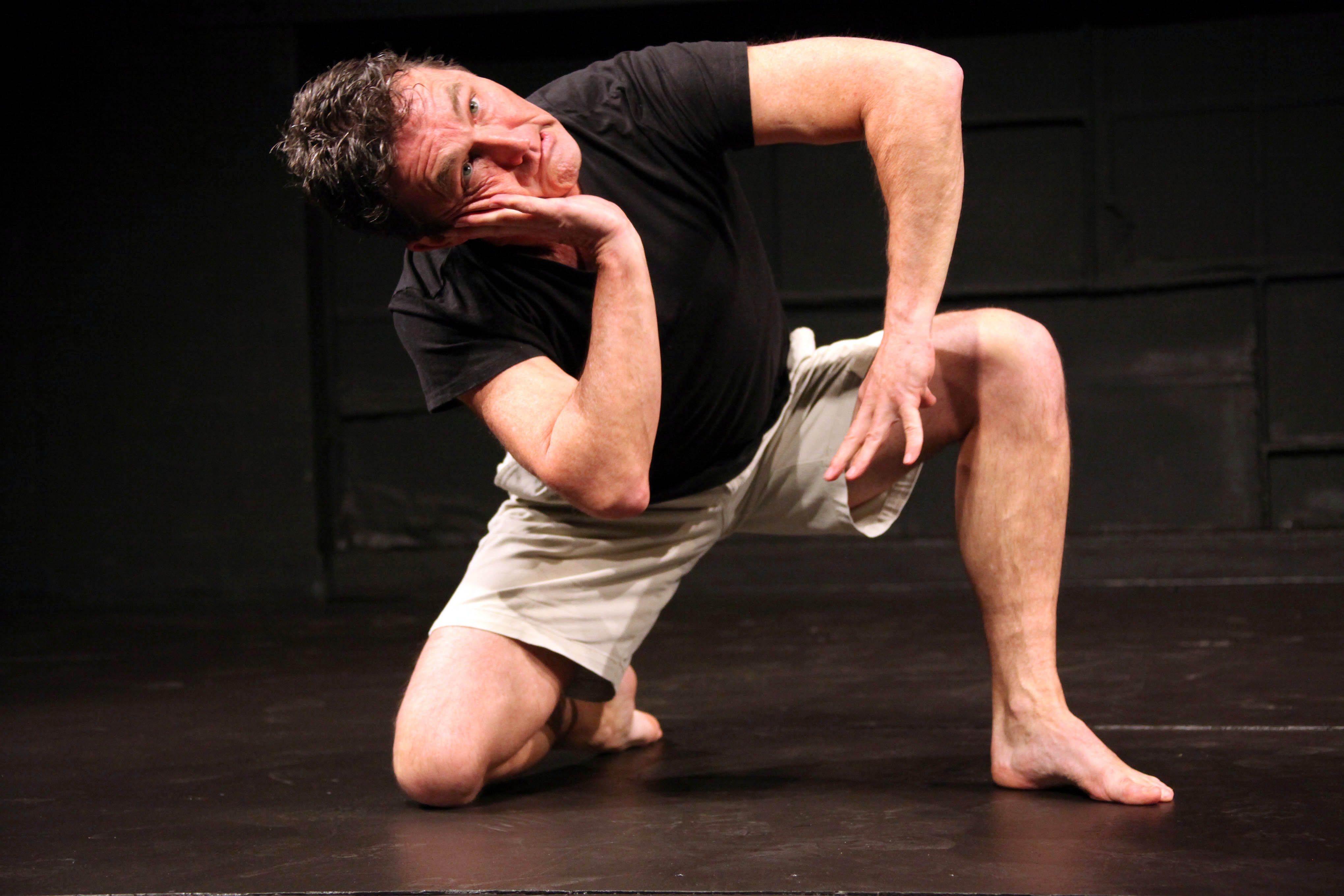
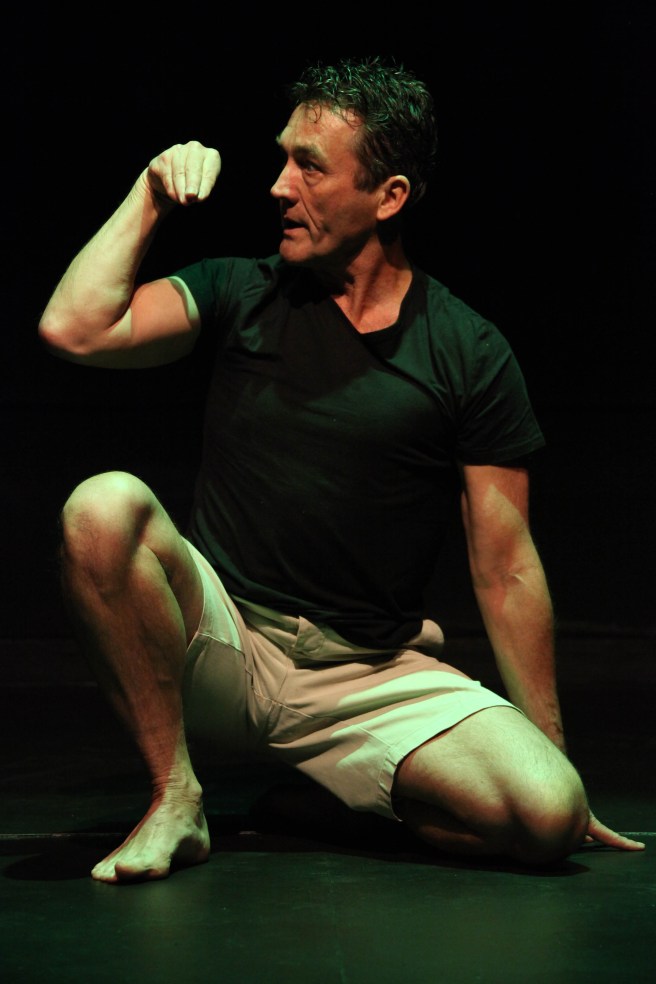
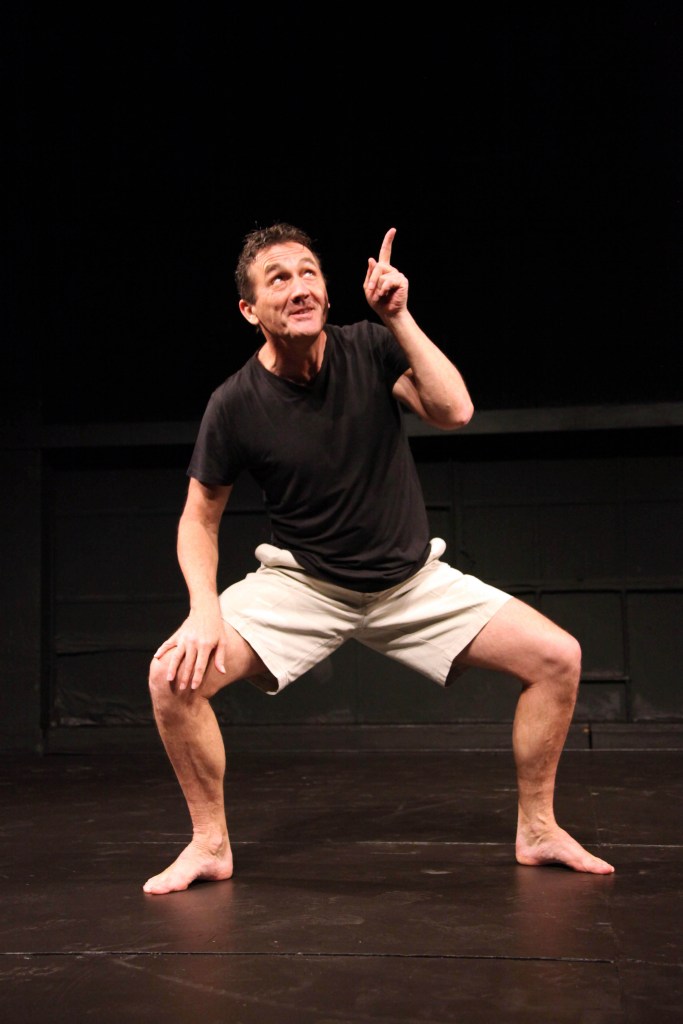
What a delight to revisit Andrew Buckland’s The Ugly Noo Noo, which was written and performed for the first time in 1988.

That feels like a lifetime ago and it’s not often that we get the chance to revisit these classics of local theatre that travelled the world and won accolades all round.

They cleverly kicked off with The Making Of, presented as part of performance lectures and demonstrations at SO|The Academy for the Less Good Idea in Johannesburg with Buckland giving audiences (those who had seen it before and those going for the first time) insight into the development of his signature style. For him, the play was a response to the political and social context of apartheid South Africa in the late 1980s. For the audience, the talk was a chance to get closer to the thinking and strategies of this astonishing South African theatre maker.

Athena Mazarakis, Momenteur for SO | The Academy for the Less Good Idea, explains that The Ugly Noo Noo is a seminal work in the canon of South African theatre.  

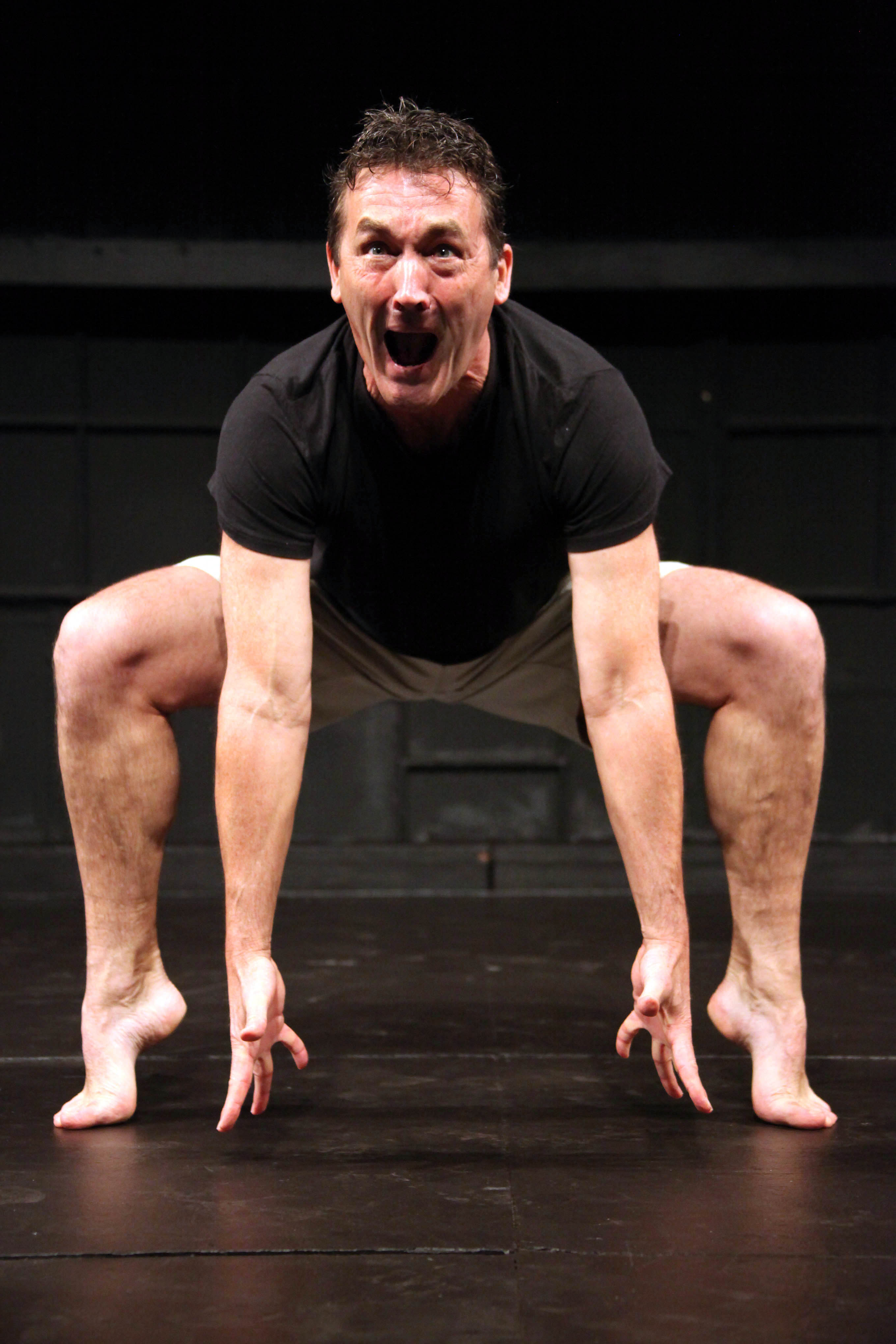
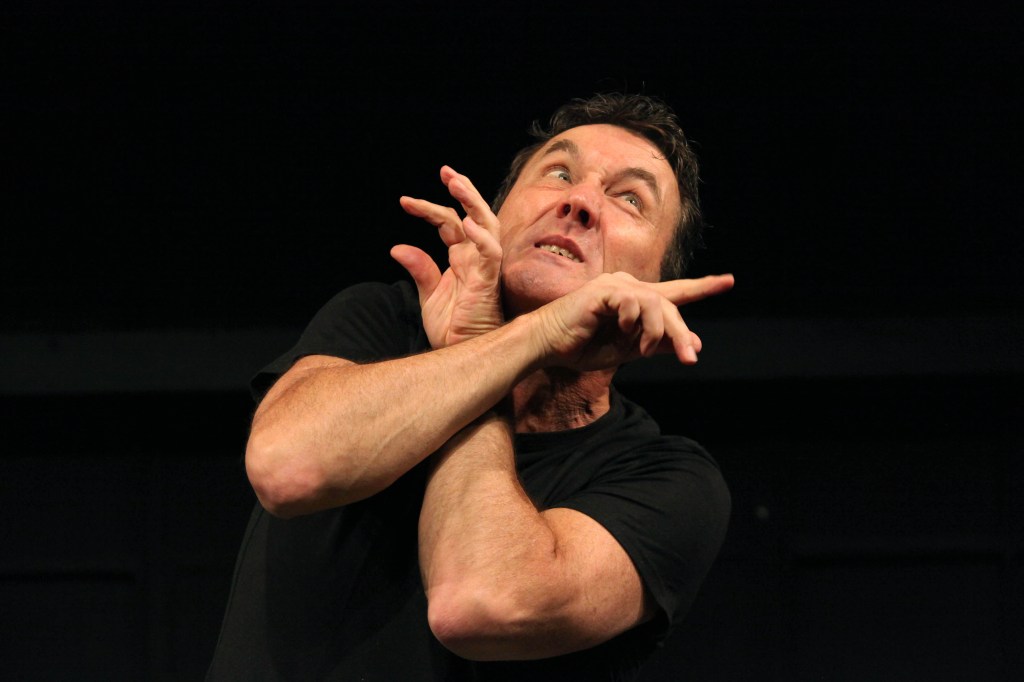
“The work is not only a biting piece of allegorical protest theatre but it also established Buckland’s unique style of the highly physical one-hander that blended elements of mime with razor-sharp text.

“It is a style that has since influenced and inspired multiple generations of performers and theatre makers, defining a particular South African brand of physical theatre marked by the combination of physical virtuosity with a strong textual strand and the solo performer who single-handedly takes on an entire cast of characters.”

She reminded audiences that, “not only is this re-staging a reminder of the part that theatre and artists played in the struggle but is also a continued reminder to artists today of the power that their work holds to critique and question the many injustices that surround us.”

For Buckland, his work is all about the imagination of the audience, where the action of the piece is given life. “It’s a delicate line to get the audience curious, like charades on steroids, as you draw them into the play.”

Play, in fact, says Buckland, was where it all began. He was the youngest of seven siblings and started playing on his own for hours, being the hero in his own world.

For this particular piece, 36 years ago, it began after witnessing his wife’s response to what had become known as the Parktown prawn. “I always loved language put together with movement or stillness,”  he says.

Thus began the encounter between a human and an insect. He felt trapped in the world of apartheid at the time. How does a white man deal with what is happening around him on stage? He knew he had to participate in a meaningful way. The Ugly Noo Noo gave him the perfect allegorical way out, offering him a novel way of telling stories while at the same time pointing to the world around him and the horror confronting South Africans.

What he was familiar with was his own angst and fear. Being the artist he is, The Ugly Noo Noo was where it all began. And while we were in the grips of apartheid when it first emerged, this time the world is struggling with a sudden explosion of fascism all over the place, and the timing of the current season could not have been more apt.

Looking back, that has been Buckland’s weapon (deliberately or simply instinctively). His work has managed to capture a particular zeitgeist which in some fashion seems to hold countries  to ransom.

What he discovered with this work was that it was possible to use laughter as a vehicle to invite people to acknowledge and confront their fear.

Watching the performance all these decades later and again hearing the text it is obvious why it was such a success while still retaining all the power of performance and  storytelling as when it was first performed.

When talking about the making of, Buckland referred to his age, but what struck me was that all his many years of training, of honing his craft, have added to the detail and impact of his movement, which might have been diminished with age. Older and wiser, he knows where and how to compensate and embellish.

The text has lost none of its initial cunning and while his antics on stage has the audience in laughter much of the time, the real essence of the text is a still a stomach punch.

It is one of those that has all the elements celebrating the art of performance and storytelling when there’s a true genius at work. Buckland has always been one who worked with delicacy and delight when presenting his art. And his choice and timing of when and what to perform is spot on.

Hopefully he will return to that classic treasure trove of his and bring back all those memorable gems.   

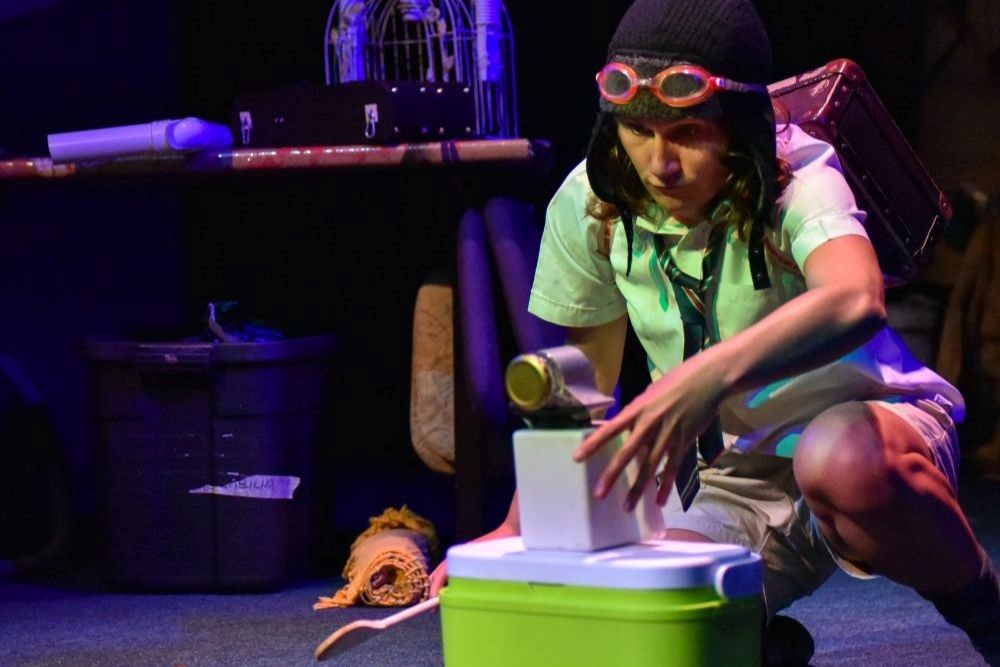
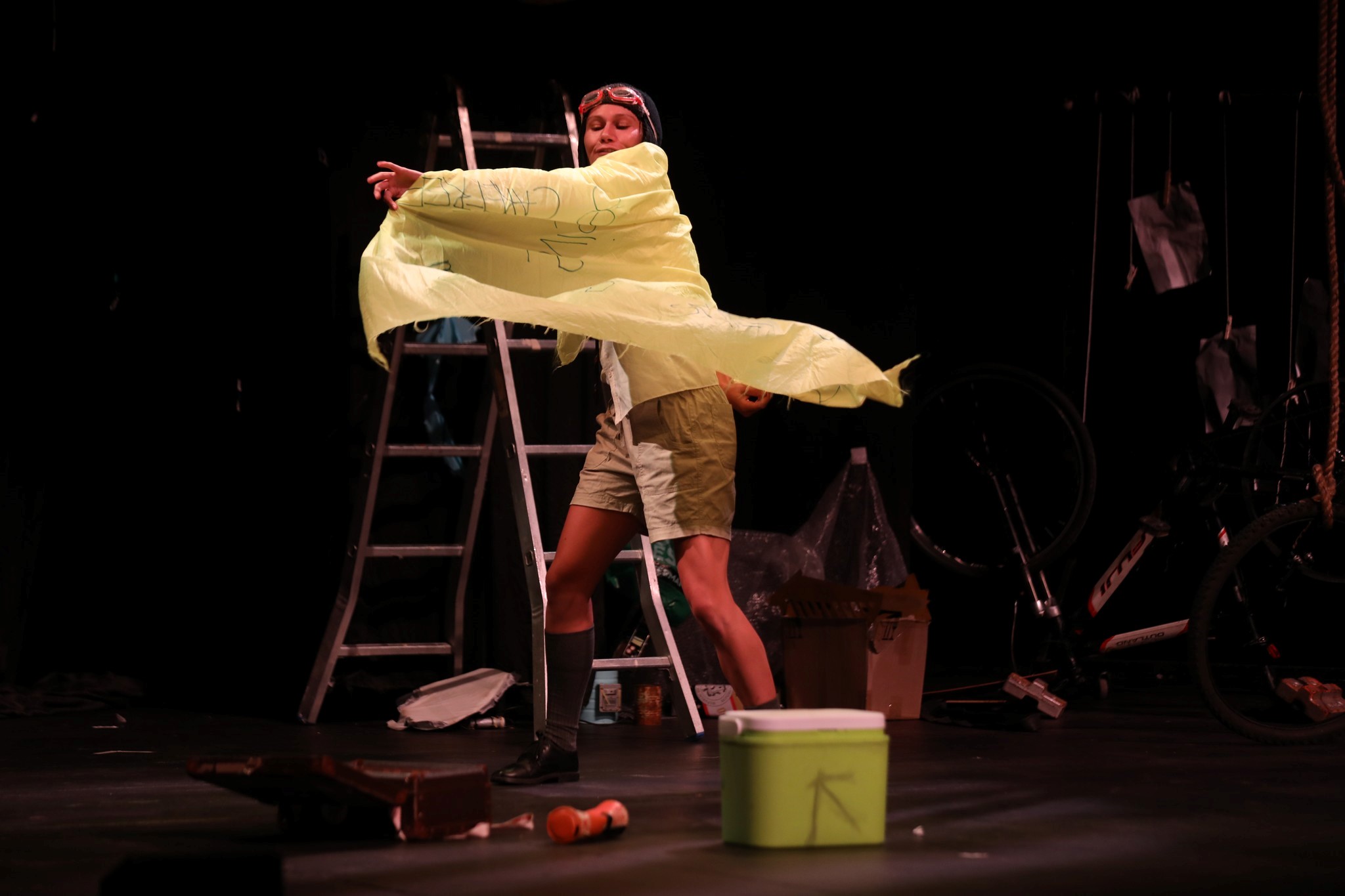
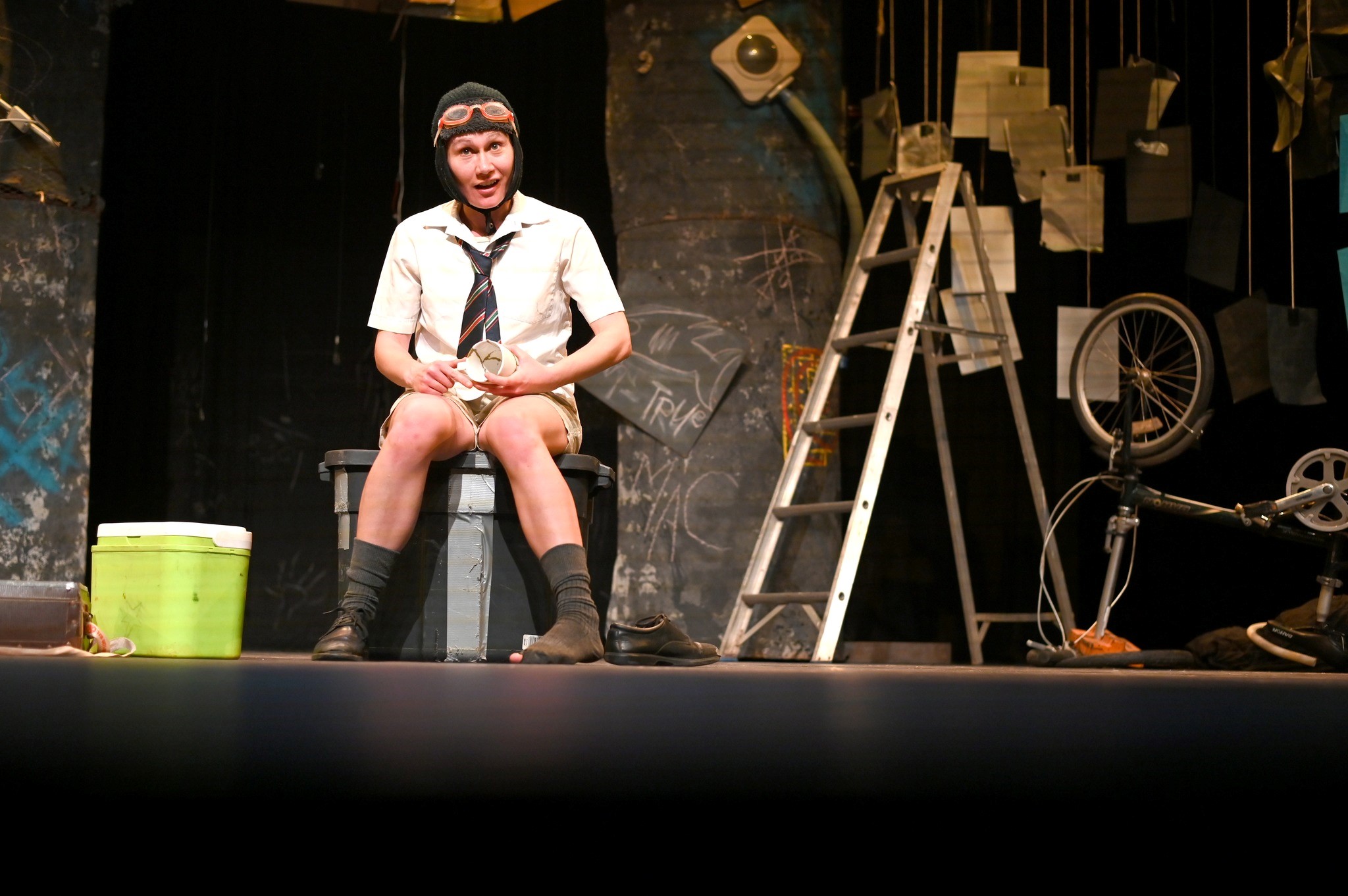
A FIERCELY FUNNY SOLO ACT AT THEATRE ON THE SQUARE WITH A SKILLED SCRIPT AND DEXTROUS PREFORMANCE BY AARON MCILROY

DIANE DE BEER

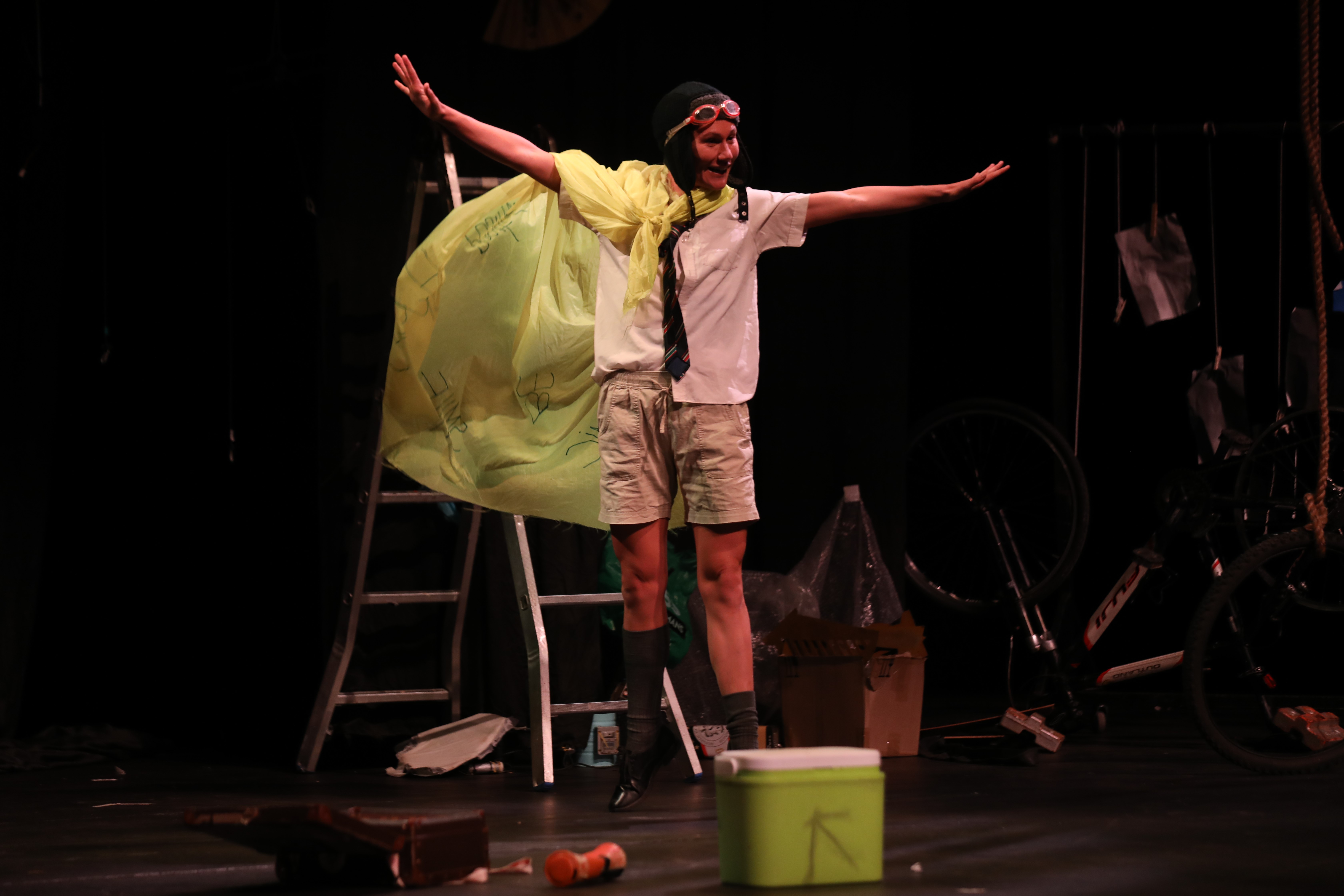
A VEGAN KILLED MY MARRIAGE

Actor: Aaron Mcilroy

Writer/director: Craig Freimond

Show times: Weekdays at 7:30pm and Saturdays at 5pm or 8pm

Dates: Until 14 July


A solo show is a difficult gig for any performer. It’s the actor and the script with no backup if things go wrong. They have to think on their feet.

But when it works, it’s usually a blast. They’re sometimes funny and often sad. But whatever the material, the performance is usually the determining factor.

That’s why I try to give solo artists at least one chance. If they’re good, you’re theirs for life and usually the progression is also special to witness.

When I saw  that Craig Freimond was the director and the scriptwriter, I knew this would be a winner. His reputation is established and I was pretty sure the trip would not be wasted.

It’s always interesting to discover new actors and Aaron Mcilroy’s performance was hugely entertaining.

The title is pretty self-explanatory and in this time of extremes, vegan is a good topic through which to exploit that particular behaviour trait. Anyone who gives up anything with success can be very painful and annoying. Perhaps “sanctimonious” captures the essence more specifically.

And that’s exactly what happens here as  this particular vegan convert decides he has to inspire the world. He has discovered the life and it is his responsibility to pass it on. Get the drift…

Especially braais – that sport of kings in the South African context – are not the place to start preaching a vegan lifestyle. But, of course, new disciples, have hardly learnt the finer nuances of taking things slowly. Trying to persuade someone to let go of their way of life because that’s what you have done is hardly a proven recipe.

And that’s exactly what happens. But without showing the play’s hand completely, rather discover it for yourself.

Mcilroy knows how to work a room, he has an abundance of tricks in his bag to layer his performance, and the script is coloured smartly with the sharpest South African shades, is extremely funny and very recognisable to anyone who has ever been in any relationship.

We all start out with good intentions and then the personalities and needs of the different parties come into play. How different individuals play their moves often determines the outcome.

Freimond and Mcilroy make a good team. It’s a sassy little play, a smart performance and, at 60 minutes long, perfect for a chilly Gauteng evening. Take some friends and have a relaxing time out.

THE STRENGTH OF A WOMAN’S DREAM DRIVES AND SUSTAINS THE KAROSS CREATIVE ENTERPRISE

Irma van Rooyen’s life is driven by her creative instincts. What started as an idea has changed and enhanced many lives. DIANE DE BEER speaks to a woman who didn’t only have a dream, but turned it into reality called Kaross:

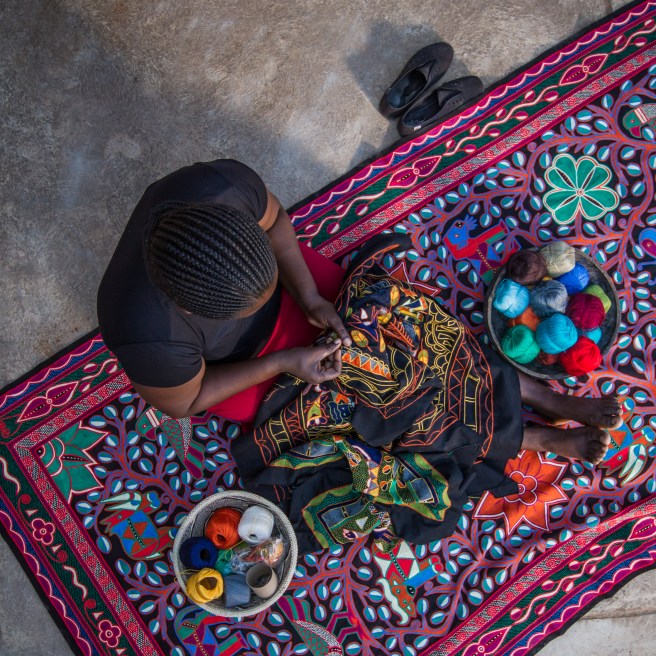
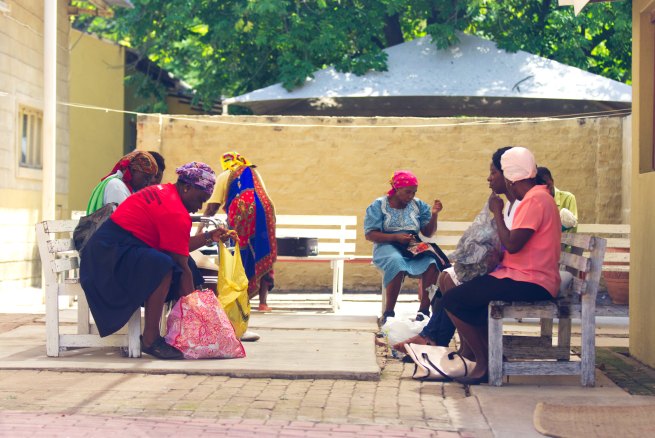
Kaross Cloth being created by Thembi Lebepe.

When Irma van Rooyen and her husband started farming in the Letsitele region (nearest town Tzaneen), their life took an unexpected turn.

It wasn’t part of their dream from the start, but once they decided this was their future, it was all systems go.

Growing up in a creative household, art was always part of Irma’s destiny. That was what she studied, with sculpture and mosaic all part of the programme. At home, her mother gave embroidery classes, all their clothes were made and fabulous food was what the family enjoyed.

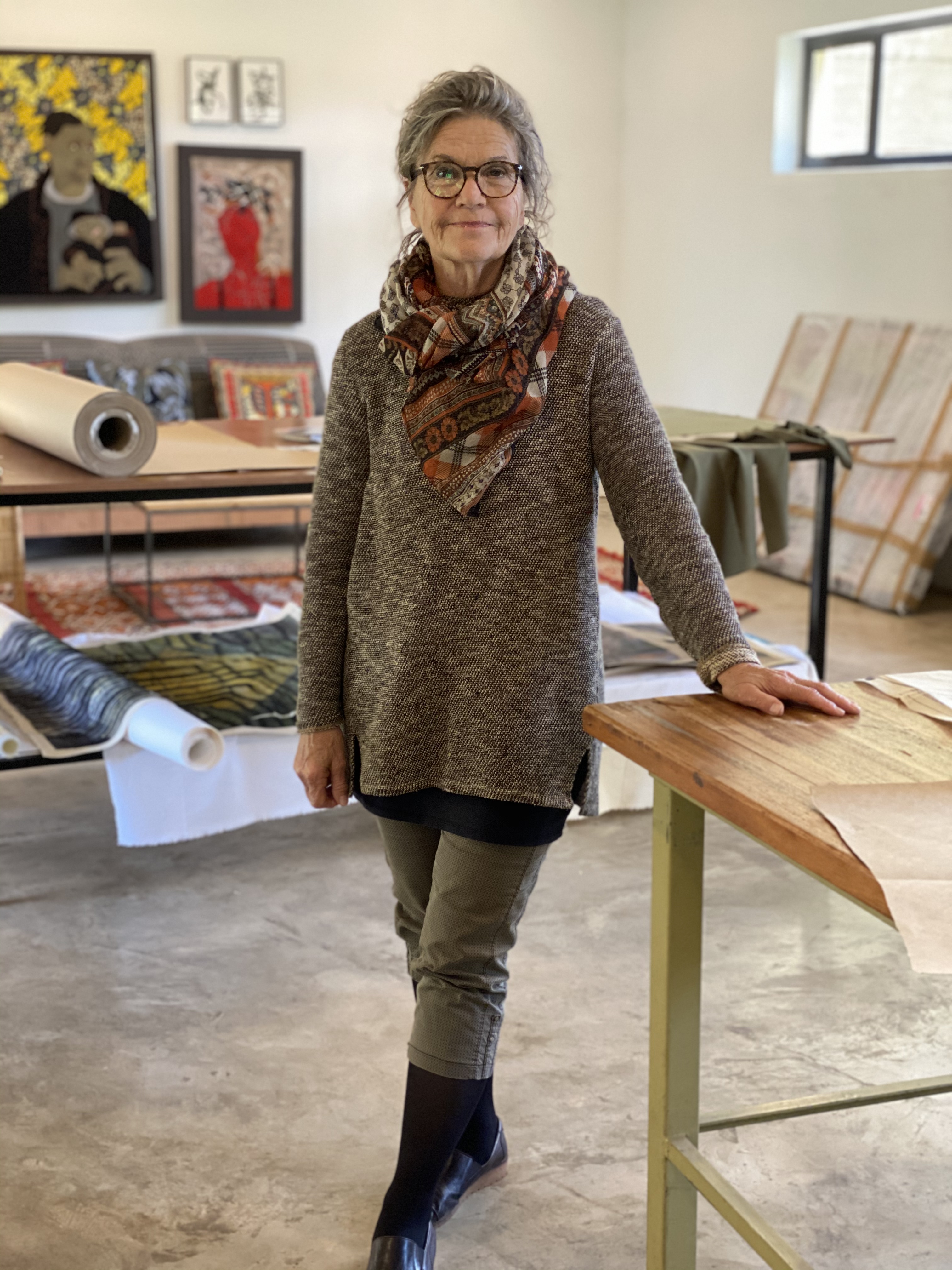
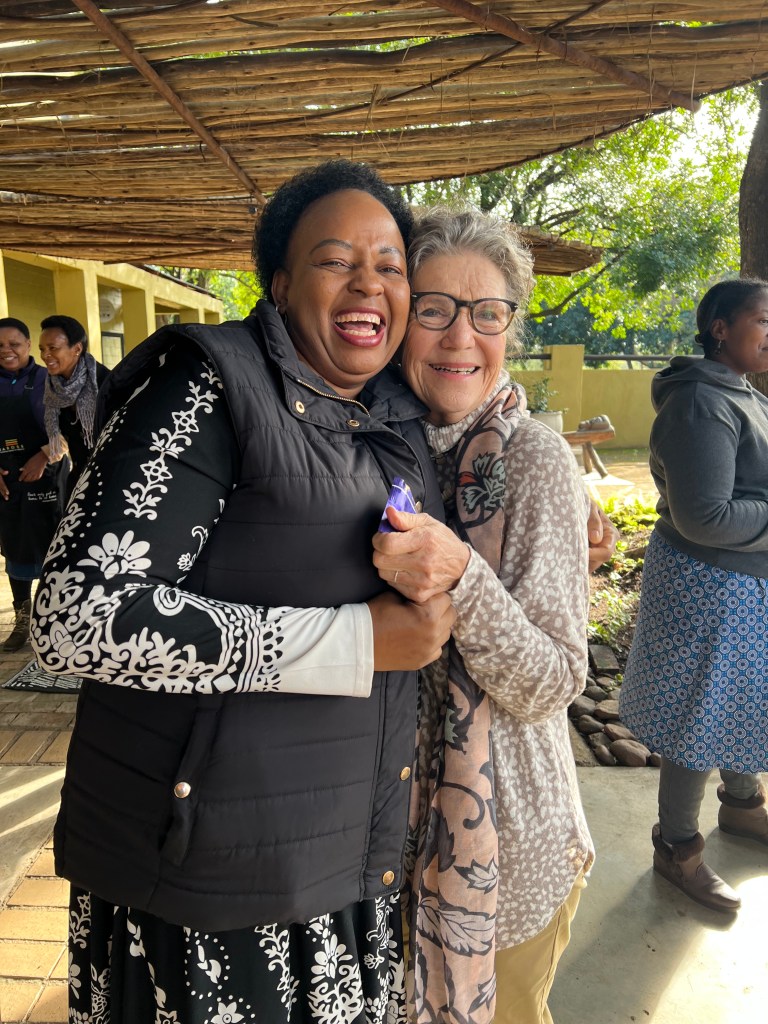
Irma van Rooyen, Kaross dreammaker.

Once the Van Rooyen’s had bought their farm, their focus shifted. Irma had three young children to raise, but when you meet her and get to know her, you witness her creative mind always at work.

It didn’t take long for her to realise that there were many women dependent on the farm, but once they had done the work required from them, there were many idle hours that could provide them with a better as well as in this instance, an income enhanced by creative and skilled work. It’s always been Irma’s lifeforce and she hoped to multiply that gift.

They had already transformed an old farmhouse on the property into Irma’s studio where she would paint and create. She understands what creativity does for the soul. Not only would those participating receive better salaries, they would also gain in dignity and pride for what they were creating.

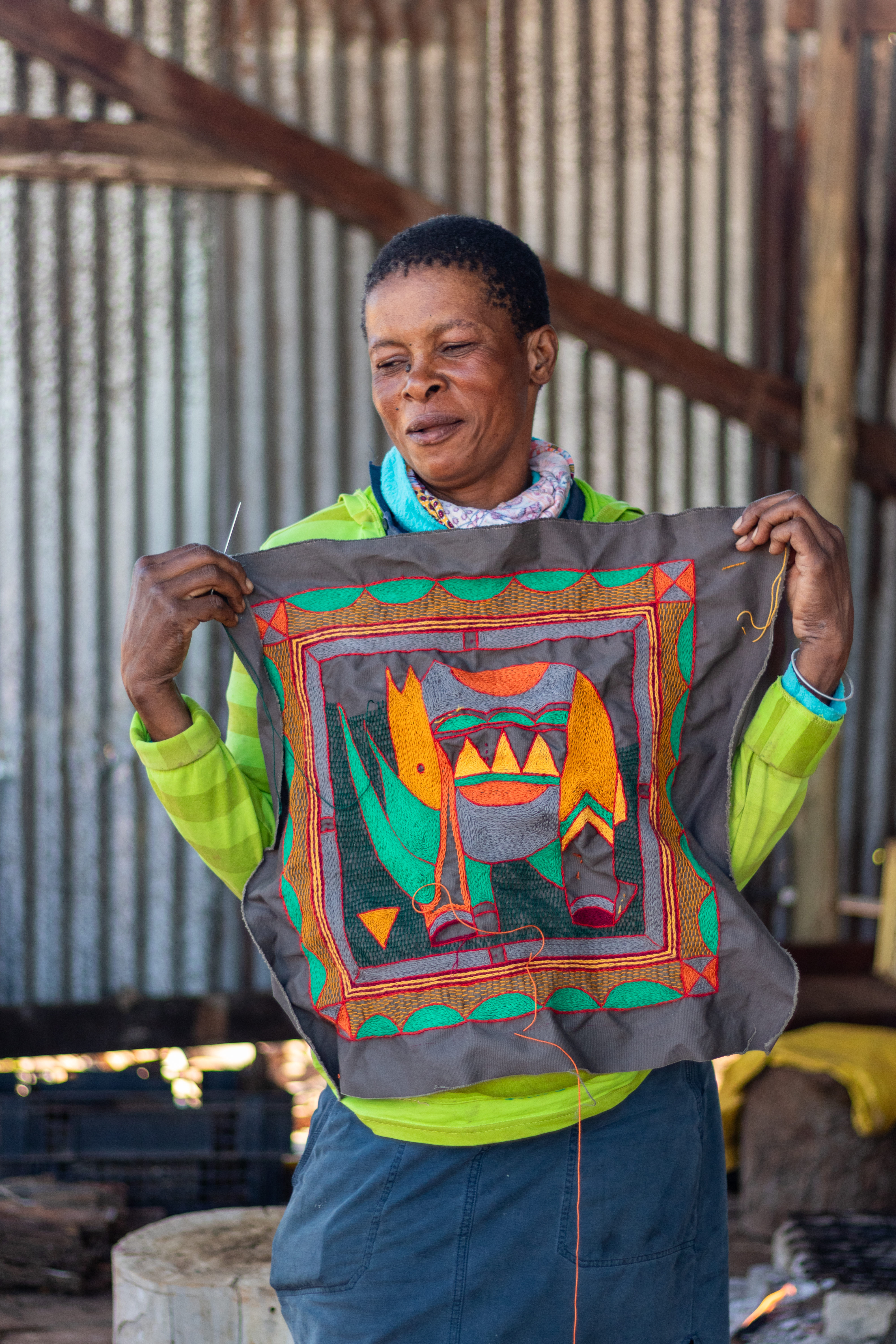
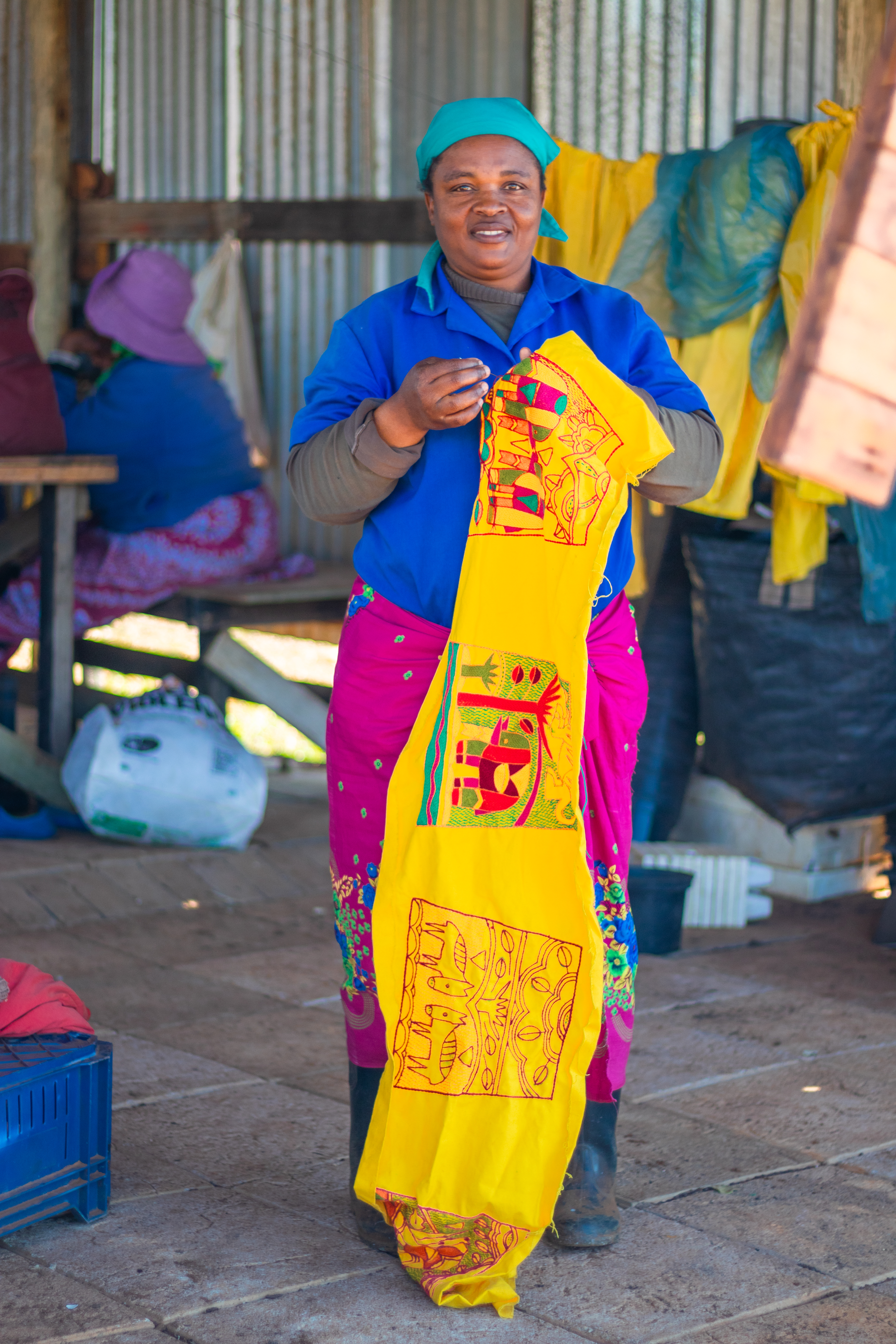
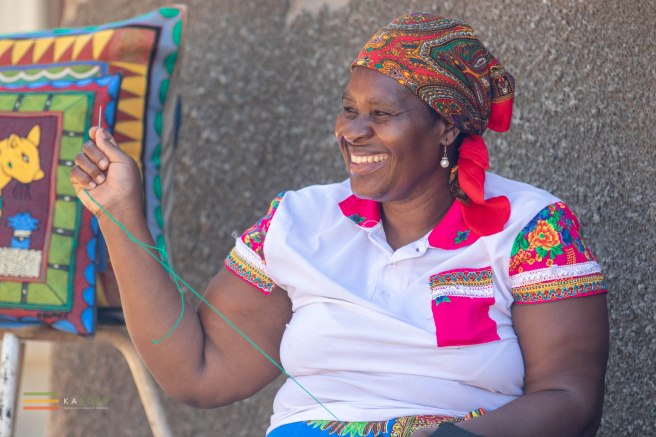
Kaross embroiderers at work: Shella Mathebula, (left) and Thandy Mongwe

Thus Kaross was born to fight not only the idle hours but also to benefit the community. When you read their mission statement on the Kaross website, the Van Rooyen couple’s strong sense of community was part of the farm’s ethos from the start in 1984, both as a family and as a citrus growing enterprise. They believed in working together with their colleagues, employees and community to create a sustainable environment in which everyone can benefit and grow.

workshops; The joy of Hilda Rikhotso’s artistic endeavour

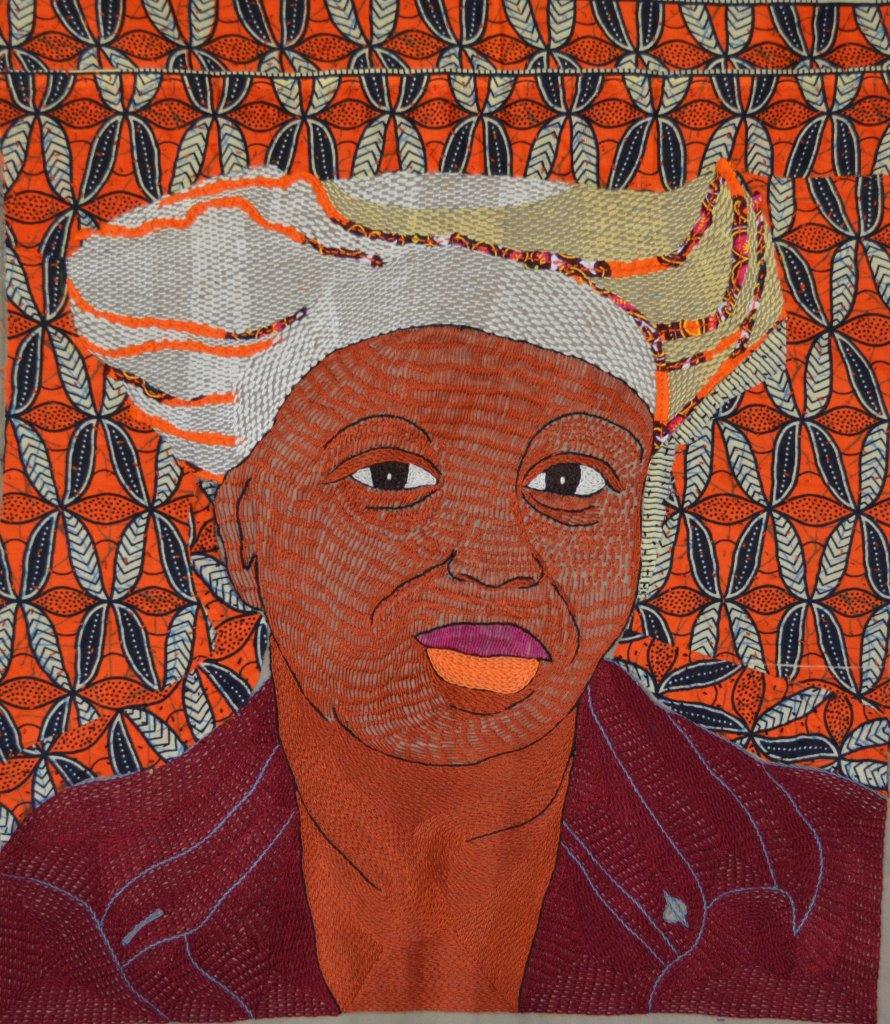
That is clearly visible when you visit the farm and the Kaross workshops. Irma is the artist and once she understood that she could do something for especially the women, embroidery immediately featured. Initially five women were keen to get started. Embroidery is a traditional skill of the Vatsonga and Northern Sotho people and through Kaross, Irma revived the skill by making it commercially viable.

The embroiderers were encouraged to tell their own stories and the hope was that a market for their goods would develop organically. Irma jumped in with drawings at the beginning and she’s still involved on that level. What started out with five women on a blanket embroidering has turned into a thriving business and today Irma’s daughter Janine Pretorius also involved.. And when you see the goods available on the market, they have developed their own style and a quality that speaks for itself.

Kaross embroiderers at work.

For Irma it was always about improving lives and offering the tools to people who wanted a better life. These days, there’s hardly anywhere in the region that you won’t find someone sewing – men while waiting on a tractor or children sitting in their yard at home.

She is the perfect embodiment of someone who knows that to make a difference, you have to be the difference. What started out as a business that created bread and butter products has become a creative hub with Irma’s daughter Janine in charge of the workshop on the farm which also includes a restaurant and a gallery where their magnificent work is on sale.

Kaross is a name to be reckoned with and they are sold across the country. It makes your heart sing.

They are commissioned to do large projects and Irma is always on the lookout for new ideas. Her role is now focussed on the creative side and she is very involved for example with the colours they use, the designs selected and future possibilities. The marketing side is as valuable with everything that entails.

The success of Kaross has meant the establishment of the non-profit Kaross Foundation in 2017 with the main objective to identify, fund and implement projects that will result in a sustainable improvement in the quality of both Kaross and Group 91 Uitvoer’s employees (those working on the farm and who are part of the citrus business).

They invest their time in especially the education sector and partner with six local high- and primary schools in the region so that they are constantly improving the quality of education offered to the young learners.

It has become a South African success story that now employs 1 000 embroiders in the Letsitele/Giyani area. But that also implies huge organisation to get the work distributed, to run what has become a huge business on which many people depend and thrive. And many of the family are involved. It shows. Their  best advertising and marketing is the product, the creativity and the quality.

When you meet Irma, you quickly realise that this is a woman with vision. She is also someone who goes about her work softly but her spirit is infectious. And probably now that she is mostly at work on the creative side, she is flourishing.

It is easy to stand back and view what they have done and are doing but what Irma has achieved is astonishing. Not only did she want to help the people around her, she wanted to establish a sustainable business that would make huge impact on the lives of her community – it does and it shows.

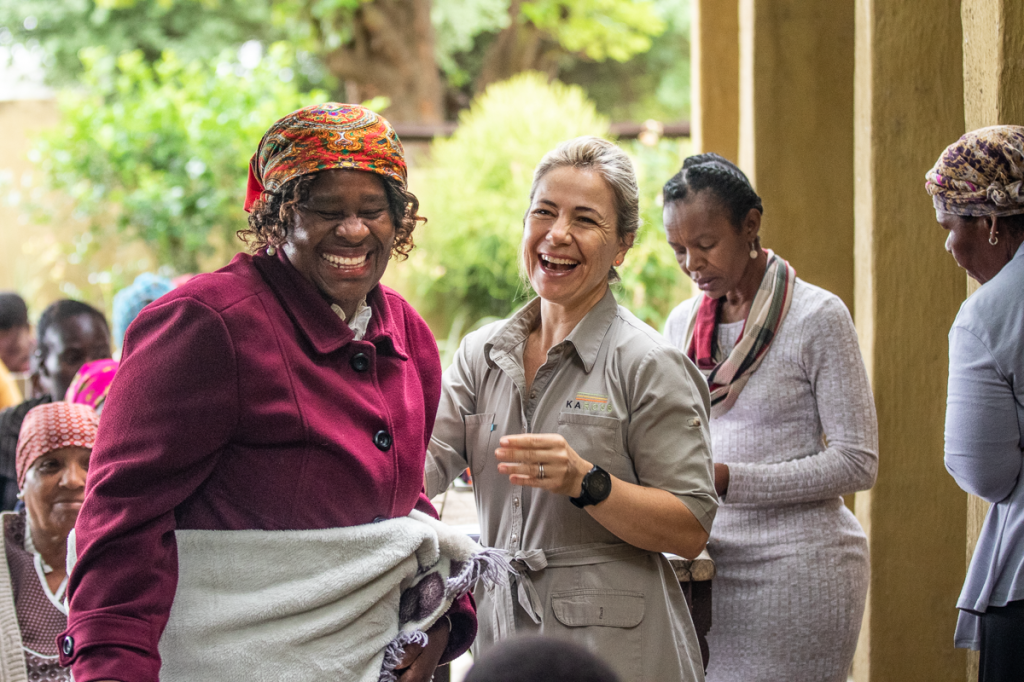
She speaks with warmth about the embroiderers who arrive at her studio to show what they have created with finished projects. “They’re so proud,” she says. That is when she realises the difference Kaross has meant in the lives of others.

She is also excited by all the work that has been done, the Mandela and Aids hangings, the artists that have been trained to provide the scenes that are embroidered, the work that was done to tempt tourists with for example scenes of the Big Five. But what probably thrills her independent spirit most is that the ownership of Kaross has always been that of those participating on whatever level.

Kids can go to good schools that have been made available, incomes have been established and grown, and more than anything, creativity is something that benefits everyone.

Many of us have dreams of doing something for others. It’s when like Irma van Rooyen you go ahead, put in the hours, travel the miles and simply go the whole way to make it work and be sustainable – then you make a difference.

Go and have a look at the Kaross website and lose your heart:

https://kaross.co.za/

THE WAY A CHILD’S HEART FINDS HAPPINESS

REVIEW BY DIANE DE BEER

THE KING OF BROKEN THINGS

DIRECTOR AND WRITER: Michael Taylor-Broderick

ACTOR: Cara Roberts

VENUE: Mannie Manim Theatre at the Market Theatre

DATES: Until Sunday

AGE: From 10 years old

DURATION: Approximately an hour

This is the final call for this delightful play which has been doing the rounds for some time but, is as far as I know, this is its first visit to Gauteng.

Solo plays are festival standards and a wonderful way to discover new directors and actors. In this instance, Roberts, who according to the internet, is based in Durban, has been seen on local stages but also has a number of solo productions as part m of her repertoire.

That tells you about a performer who knows how to generate her own work, something they need when trying to survive in an industry hard hit in any troubled times. Survival is part of their normal game.

And for the character Roberts is portraying in this particular venture, a 10-year old boy, it is all about survival.

We don’t know too much about him except that he is living in a world of “broken things”, which dominate his life and the space in which we find him. If the world he was given is too difficult to navigate, it seems, his remarkably skilled solution is to create a space that can accommodate his wounded soul.

But that is how many young children react to a tough situation which they might not understand and in which the adults in their lives are sometimes the culprits who have created what seems to be a dark space.

And we all know that while communication is the best way to keep anyone’s world on track, it’s something that everyone seems to have a problem understanding. Just check around you and the problems you bump into – communication is such a handy tool if we would just go there.

Yet when your life seems to be dominated by pain, losing people you love and trying to find the reason for these tough times, you will find a way. You might not understand what is happening, but in this instance, the young child talks and creates his way to a better place.

It’s one of those plays that presents you with a moment in time, one that most of us encounter in some way, but he has found a way. If others can’t fix you, there are ways to make your dreams come true.

Roberts is an astonishing actor. Playing someone much younger is a tough ask, but with a smart script and a performer that throws herself at the role with just the right balance, it works.

It’s a charming hour and a play which I think especially teenagers should see. They would pick up a few life lessons and discover the way theatre can generate both wisdom and wit as The King of Broken Things leads them into a world of wonder where imagination is the ingredient that really matters. Shows tonight (7pm), tomorrow (3 and &pm) and Sunday (3pm). Bookings at https://www.webtickets.co.za/v2/Event.aspx?itemid=1537172754

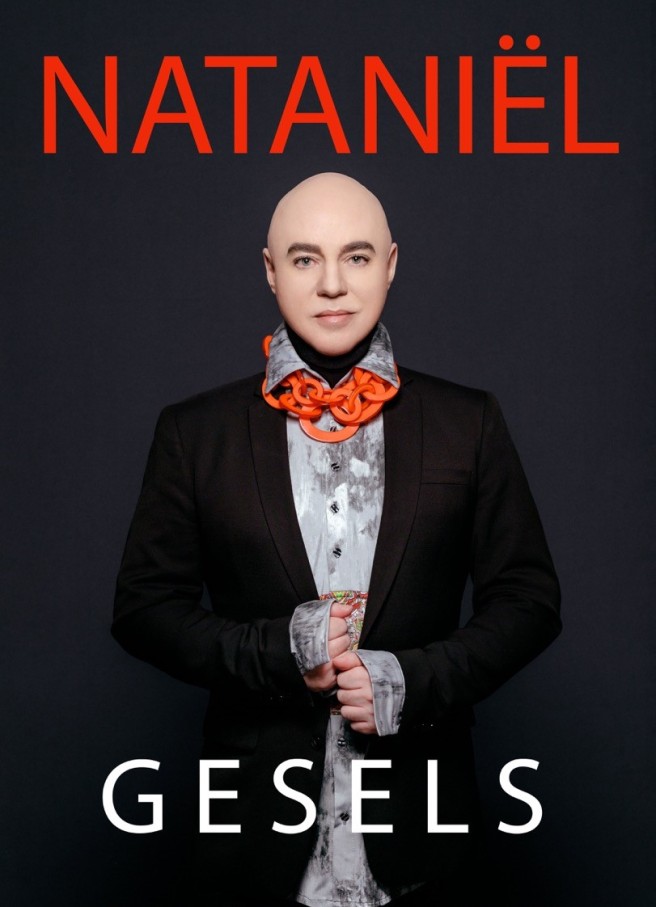
NATANIЁL IS A WIZARD WHEN WORKING WITH WORDS

I never gave much thought to Nataniël’s live talk shows but, because they had become so popular, it was time to investigate. DIANE DE BEER gives her feedback:

So I went to last year’s Fairtree Atterbury Theatre show in Pretoria, and was so impressed that I forgot to take notes. There was little chance of reporting or writing without having  a single note and when he announced the 2024 (he changes topic every year) I was ready to go – which happened a few weeks ago.

It’s always packed, no room for a single late-comer, and while last year’s topic was Pain, this year he focused on our chaotic world and the urge to achieve excellence. “What are we busy doing?” he asked. “What is going on?”

All of this chatter happens at breakneck speed and what I had forgotten was that the auditorium is pitch dark, like in a theatre show. Taking notes would be quite a challenge, but I was determined.

What I hoped to capture would perhaps not be the most accurate version of his magical monologue, but I was hopeful that I would capture the essence and encourage fans to attend future talks.

First off, it’s all in Afrikaans. But that’s always part of his charm. He often complains about a show or a talk which is too serious and not really funny. What escapes him is the way he speaks, his vocabulary and the way he constructs a sentence are unusual and often hysterically funny.

With the focus on the times we live in, he began his talk with one of his irresistible stories which set the tone for the rest of his talk. He can’t but be funny even when he is having a serious conversation. It’s his special formula and what makes you listen while forgetting that you’re actually part of a masterful sermon.

He has always had the gift of the gab. That’s how he makes a living. People hang on  his every word. Why not impart some wisdom while making them laugh? And that’s exactly what he does. Not many can make you smile while telling you how to behave. But he does, and gets paid to do exactly that.

And again, it’s because he knows how to tell a story: whether these are true or fabricated, the life lessons come from the heart – and experience. Being Nataniël, he has an unusual life and people share their secrets. He will juggle and jiggle them around so that even those involved will probably not recognise themselves, and then he will douse it with wit as well as wisdom – and the audience will lap it up.

In the current talk he investigates the need to succeed and sparkle (“prestasie” in Afrikaans, but he was unsure of the English translation as achievement doesn’t quite hit the mark!)

And while fame and celebrity seem to be the hallmark of success in today’s world, he believes there’s more to it than that. Legacy is something that is often talked about yet the individual in question doesn’t experience that, it only comes once they’re dead. “A career is also an achievement,” he suggests.  And at least then, you can share in the satisfaction of having achieved something.

While at school –  something he hated with his whole being – he was often charged by a teacher or someone in authority to participate in a competition of some kind. His response was always, but why? To what end? Who benefits? And what does any of this achieve?

Others again will equate success with money, but having raced through a spectacular career himself, he has had the chance to reflect. For him it has always been the process of getting from beginning to end – whatever the journey might entail. Once you have travelled from one point to another, you can look back, and perhaps make sense of it.

“Success changes your perspective,” he reasons. And for him, 114 productions on (all self-written, music composed, directed and performed), the pain and anxiety have remained. It has never been easy and he still questions the damage accumulated through the years. “It has to impact my health, surely,” he says. “I seem to be in constant pain.”

In his world, he only recognises five iconic individuals: Van Gogh and Leonardo da Vinci, neither of whom lived fabulous lives; Shakespeare, who had to act in his own plays to make a living; Einstein whose famous equation explains the energy released in an atomic bomb; and his grandmother who is the individual most often featured in his stories and the one he credits with influencing his life the most.

“I have tried everything but could never recreate the magic she created in her home and on others.”  That’s what he refers to as a natural achievement – not something one tries to do, it simply happens.

Go and listen when you can. Nataniël is one of those people who lives an interesting life because of who he is. It’s not so much the celebrity status, rather the way he views the world that comes through in his talks.

He is naturally wise, more witty than anyone I know or have encountered, and he knows how to tell stories. More than anything, that has probably most endeared him to audiences.

His spectacular shows are something to witness and experience, I never miss those. These latest talk sessions are something completely different yet no less entertaining. As with his shows, you leave the theatre feeling you have gained something – and for everyone it will be different.

And you will die laughing…

He can’t help himself. Even when serious, his inner clown escapes.

29 June 2024

GESELS 2024

11am + 3pm

Fairtree Atterbury Theatre, Pretoria
No children under 15
Book at: seatme.co.za

AUTHOR ONKE MAZIBUKO, A MAN FOR ALL SEASONS

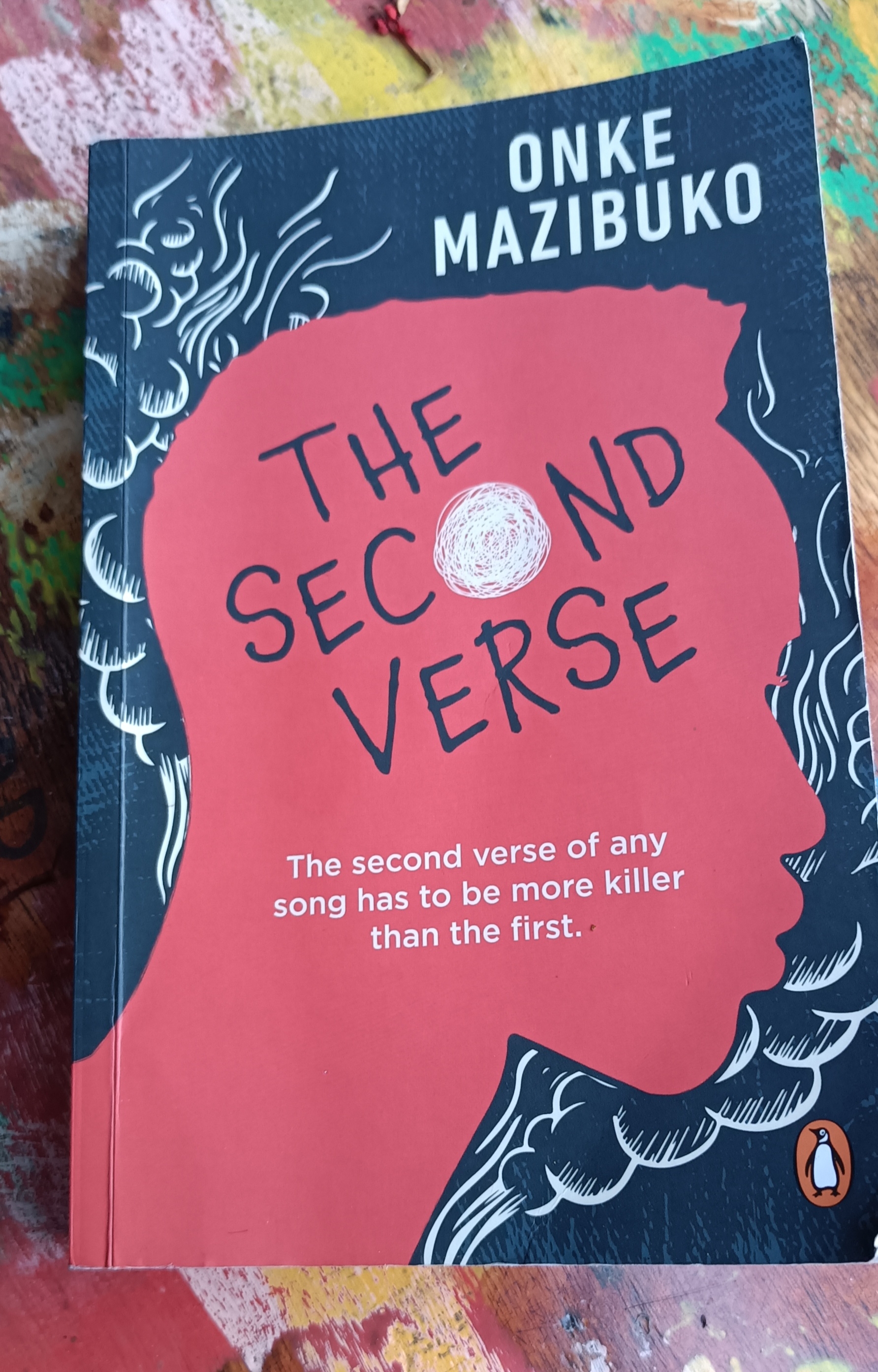
The second verse of any song has to be more killer than the first. Always. The rhythm has to slap. The lyrics must be on point. The feeling intense. And the impact mad-definitive. It’s just the way it is. In the same way, if you do well in life once in a life, then you always have to be better from that point onwards. No doubt.

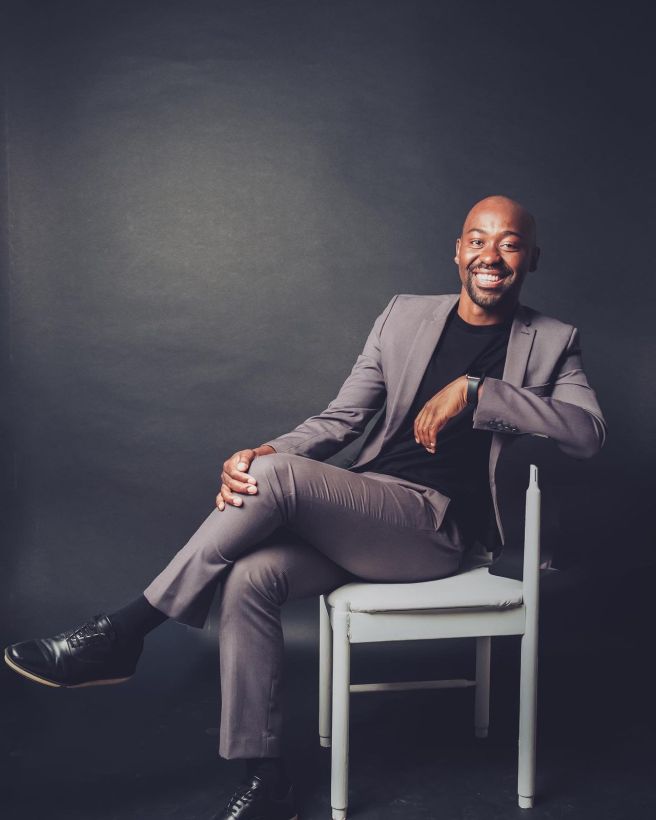
Author Onke Mazibuko is the director of transformation, diversity and inclusion at Johannesburg’s Kingsmead College, he has two master degrees, one in psychology, the other in public health and is busy with a PhD in creative writing. As if all that isn’t daunting enough, he tells DIANE DE BEER about The Second Verse, (Penguin Random) as well as two more books on the horizon – as well as a few other passions in his life:

“Whenever people ask me what I do for a living or who am I, I always feel I’m going to shortchange myself because there’s no one box or title or definition that would do it all justice.

“For example, if I say to people I work in a school as a director of transformation diversity and inclusion, that doesn’t explain that I’m also a writer. And when I say that also, it doesn’t do justice to the fact that I’m also a psychologist, and when I do that, it doesn’t do justice to the fact that I’m also a cyclist.

“I also love cycling, and when I say that, it doesn’t do justice to the fact that I love hiking. And when I do that, it doesn’t do justice to the fact that I’m curious about Buddhism. I’m practising meditation, but I’m not necessarily a Buddhist.

“And then there’s the rapping, the music aspect of it.”

And then he concludes that it’s easiest to say: “I’m a person, I’m a spirit, I am someone who is highly creative and I love learning. There’s nothing I love more than self-expression and learning.”

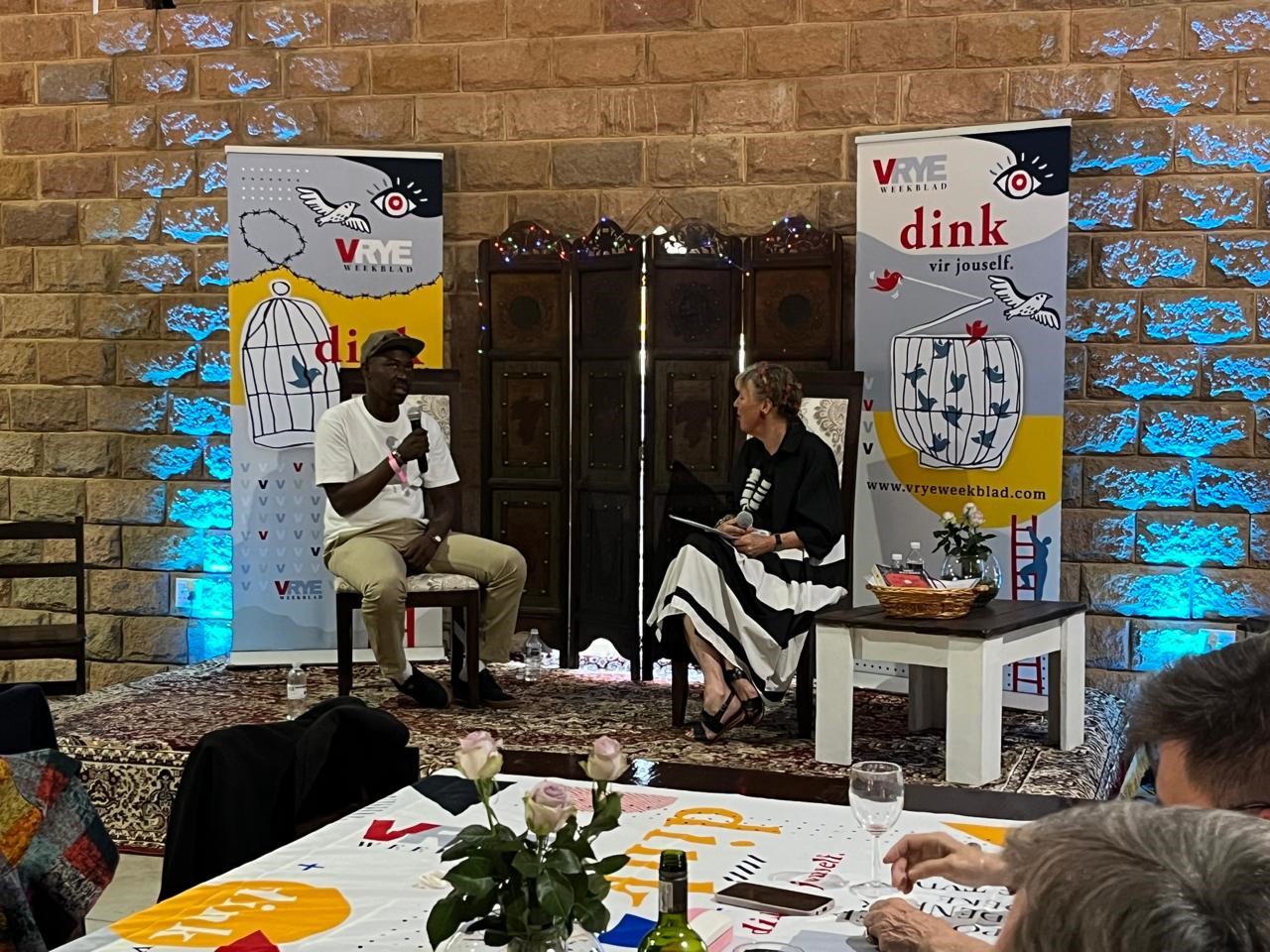
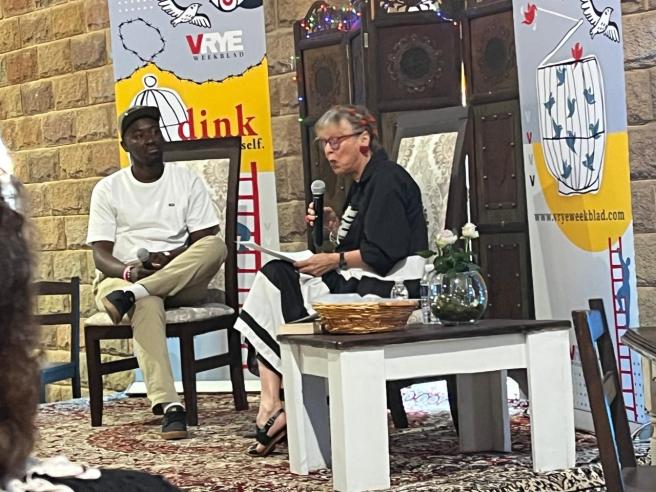
Speaking is the delightful Onke Mazibuko, whom I was privileged to interview in front of a live audience at the recent Vrye Weekblad Book Festival at Cullinan. We hadn’t met before the event apart from a short introductory phone call, but his heartfelt coming-of-age, first novel, The Second Verse (Penguin Random House), told me something about Onke’s youth.

I felt quite strongly that he had experienced the same emotions as his main character Bokang at some stage and that he was a writer I would love to read more of in the future. When asked questions about himself, he easily pours his heart out and shows who he is – as much as is comfortable – but with great sincerity.

“ I also sometimes wonder how I got to where I am because I feel there are things that happened in my life that have taken me off the path. But when I look back, I realise, I’ve never really been off the path as such,” he explains. With so many accomplishments to his name, one wonders what drives him.

“Going back to when I was six years old, all I wanted to be was a cartoonist. I used to enjoy drawing and painting and I remember my parents used to laugh at me (my father was a doctor and my mother was a nurse), thinking that this was cute maybe, and as I got older, I wanted to be a doctor like my father, but when my parents separated when I was 12, I let go of that idea. When I entered high school, it was a difficult time because our financial circumstances had changed because of the separation.

“I went from private schools to government schools and even though there are very good government schools, it was a very big change in my life. We moved from KwaZulu-Natal where I had been in boarding school for eight years and suddenly we were in East London in the Eastern Cape and I was a day scholar.”

That is where the writing started – an emotional response, perhaps a coping mechanism in a life that might have felt as though it was disintegrating.

“I started writing a lot of poetry. Now years later, I’ve become aware that whenever I go through emotionally difficult times, I tend to turn to writing.”

This developed into an interest in learning to rap and taking part in hip-hop events when he attended the University of Cape Town. For the first time he saw his peers getting on stage and doing poetry and he challenged himself to learn to rap and get over his fear of talking in front of people. “I was very shy,” he explains. Getting on stage, enjoying the hip-hop scene, that’s where he forged an identity for himself.

He eventually dropped out of university because he had chosen a specific field for the wrong reasons. And while the hip-hop was going well, at the time, it wasn’t yet commercially viable. “I was not compromising and I felt that I wasn’t going to change my music just to fit into the industry standards.”

And he still takes that stance when making decisions. Something he questions in his writing is when others try to define him. The Second Verse has been branded as young adult, while he feels that, if he had anybody in mind, it was an older reader. “I wanted readers to reflect on their past, look back,” he says.

Leaving university, his life took what some might think of as a sharp left. He went to work for a bank. But this also allowed him to explore his creative side in many ways. He decided to return to his university studies but also kept up the writing. His office and the university were in close proximity and graffiti became another pastime to indulge his creative dreams.

“I would leave home at 7am in the morning dressed in working gear, walk 25 minutes to work. Opening accounts for people, talking to them about  home loans etc, doing all these professional things, and at approximately 4pm, would walk about 5 minutes and get to school and attend lectures until about 8 at night.”

Then he would walk home at nighttime, and his creativity would emerge again. He would have his spray cans handy and start tagging and doing throw-ups. Then to bed at about 10 so that he could wake up at 2 in the morning, go and graffiti train carriages and return home to get ready for work, where he would show up with fingers covered in paint.

People didn’t know what he was doing, but he was at work on time. In-between clients, when he got bored, he would write poetry and rap, which passed the time.

He always read a lot, and he remembers reading somewhere that if you are a reader, you are a writer under cover. “If I had to find an origin of when I started writing, I would take it as far back as when I started reading.” When he was at boarding school at the age of 5, “they would read us bedtime stories, and by the time I was in std 1, you had to have your own book.”

Books were always a part of his life. His father’s books were all around the house, in fact, he and his brother’s room was pretty much his father’s library. “We felt we were sleeping in his library rather than that his books were in our room.”

He didn’t do particularly well in writing at high school and this was him trying, so he left school thinking that he couldn’t write, didn’t think it was something special. His sister (who sadly died a few years ago) always played a special mentoring role. She was a lecturer where he was studying and would give him feedback about what his lecturers were saying.

He was in the psychology department and she was in the sociology department, and she would tell him how proud she was of him because the lecturers were always saying how well he wrote.

But it wasn’t until he got to his honours degrees, when they started telling him he could write well. During his psychology studies, he was having emotional struggles and had read that journalling could help him. He has  been doing that since 2008 and hardly ever skips his daily journalling. For him it is not about the content but about the practice of making time to be with himself.

The first time he really attempted to write a story, he was 35 years old and was doing a PhD in psychology. He was having problems and again writing became his safe place. In the process, he realised how much he was enjoying the writing.

He also started volunteering at youth-centred NGO’s, while writing another novel which deals with young people. He’s continued seeing clients, not a lot, but he loves the therapy. He also does palm reading, astrology and tarot. When spending time in libraries at 19 after dropping out, he discovered books on astrology, and just read and read.

This side of his career developed organically and he knows now that when he felt his life was falling apart, he was actually gathering knowledge and strength for the future. “Things come around; what I learnt to do at a young age has become part of my life.”

When he isn’t writing, he falls apart. He does a lot of writing exercises, which keeps him healthy and focussed on a routine. Research methods, life experience, everything comes into play.

Mentoring plays a large role in his life. Once he starts talking about the youngsters he mentors, the stories just pour out. Often their stories remind him of his own journey. He is also someone who received scholarships and travel grants –  once you’ve received these kind of gifts, you want to do the same for other people.

It was one of his mentees, a young man who had never read a novel and was sent one of the early drafts of The Second Verse, whose response and determination to keep reading, proved to Onke that while he didn’t view his book as great literature, he has the ability to capture emotions. It’s not about the words (in other words), it’s about the storytelling capability.

He was humbled when he received the South African Literary Award for Youth Literature, which confirmed to him that this is the kind of story he should write.

The book was influenced by Catcher in the Rye which at first he hated, but when he read again after dropping out at varsity, he experienced it very differently. Once he realised he was writing a coming-of-age story, he tapped into the most difficult four years of his life –  high school. He was discriminated against by both white and Black kids and always made to feel different, creating a yearning to fit in.

His two latest books are a story of two brothers whose sister died and, one he is writing for his PhD in creative writing that follows his years at Transnet and deals with a whistleblower who discovers corruption in a state-owned company. It can’t come too soon.
RINGMASTER SYLVAINE STRIKE GATHERS THE BEST AROUND HER FOR A FLOURISHING SPRING AWAKENING

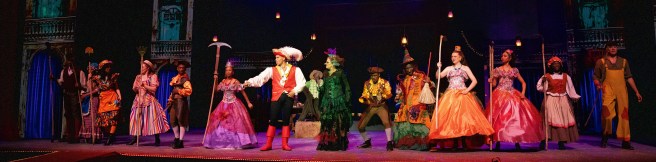
The ensemble wih the love-struck couple (Scarlett Pay and Dylan Janse van Rensburg) in the front.

REVIEW BY DIANE DE BEER

Pictures: Claude Barnardo

SPRING AWAKENING

Based on the play by Frank Wedekind

Books and lyrics: Steven Sater

Music by: Duncan Sheik

Featuring: Dylan Janse van Rensburg, Scarlett Pay and Jonathan Conrad with Gemma Bisseker, Killian Blerk, Jude Bunyan, Tatum Grace Coleman, Jayden Dickson, Noa Duckitt, Skye Themeda Goss, Ché-Jean Jupp, Gabriella Knight, Jasmine Minter, Tumelo Mogashoa, Hannah Norcott, Nandipa Nyivana, Benjamin Stannard, Tjaart van der Walt, Gerhard van Rooyen (graduates and under-graduates) and playing the two adults, also former students of LAMTA (The Luitingh Alexander Musical Theatre Academy), Francis Chouler and Natalie Robbie

PRODUCERS: Anton Luitingh and Duane Alexander

LIGHTING, SCENIC AND COSTUME DESIGN: Niall Griffin

SOUND DESIGN: David Classen

ASSOCIATE DIRECTOR AND ASSISTANT MUSICAL DIRECTOR: Anton Luitingh

CHOREOGRAPHIC SUPERVISOR: Duane Alexander

VOCAL DESIGNER: Annemari Milazzo

MUSICAL DIRECTOR: Amy Campbell

CHOREOGRAPHY: Anna Olivier and Naoline Quinzin

STAGE MANAGER: Sarah Wolhuter

DIRECTOR: Sylvaine Strike

VENUE: Pieter Toerien Theatre, Montecasino

DATES: May 5

Spring Awakening a production for current times.

Perhaps Spring Awakening is the reason Sylvaine Strike is only now directing her first musical. It was destined to happen with this particular show – and she does it magnificently.

If anyone was up to this specific task, she was. Even more than I knew, because I was unaware of her teaching responsibilities at LAMTA, Luitingh and Alexander’s Musical Theatre Academy in Cape Town that invited Strike to direct.

In her programme notes, she explains that  her  students understood her approach “tackling the very controversial themes – from a physical rather than a psychological perspective – possible, and ensuring that the sexuality, heartache, and rebellion we activated during the rehearsal process always came first and foremost from the body. This was apt seeing that the impulses of adolescence also spring from this turmoiled yet effervescent well. Whether we explored the private agony of self-consciousness; the damage of self-doubt; the wreckage of hormones on both mind and soul; the pain of parents’ inability to accept a child as they are; or the blossoms of sexuality growing their gentle tendrils of yearning and fantasy throughout adolescence …”

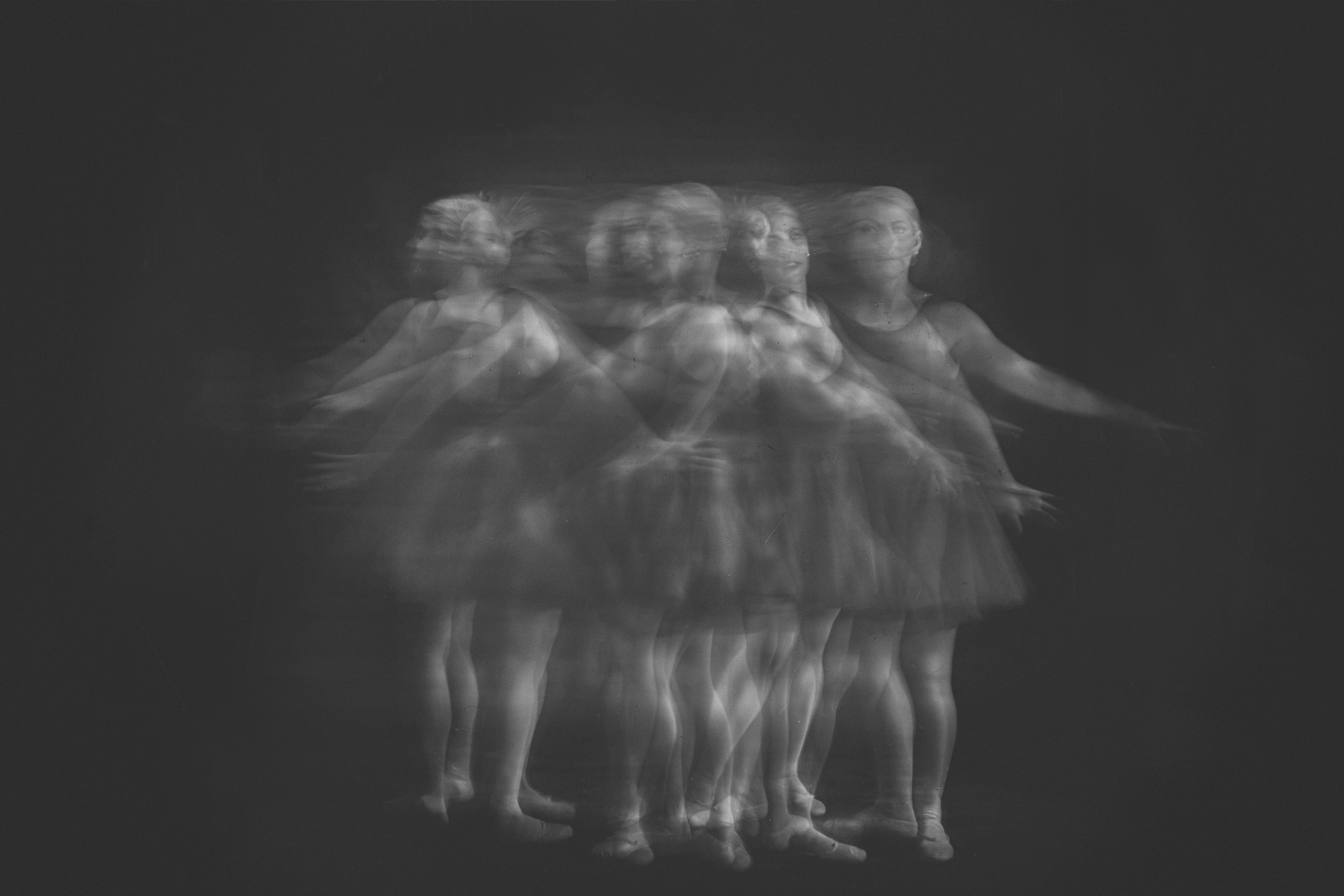
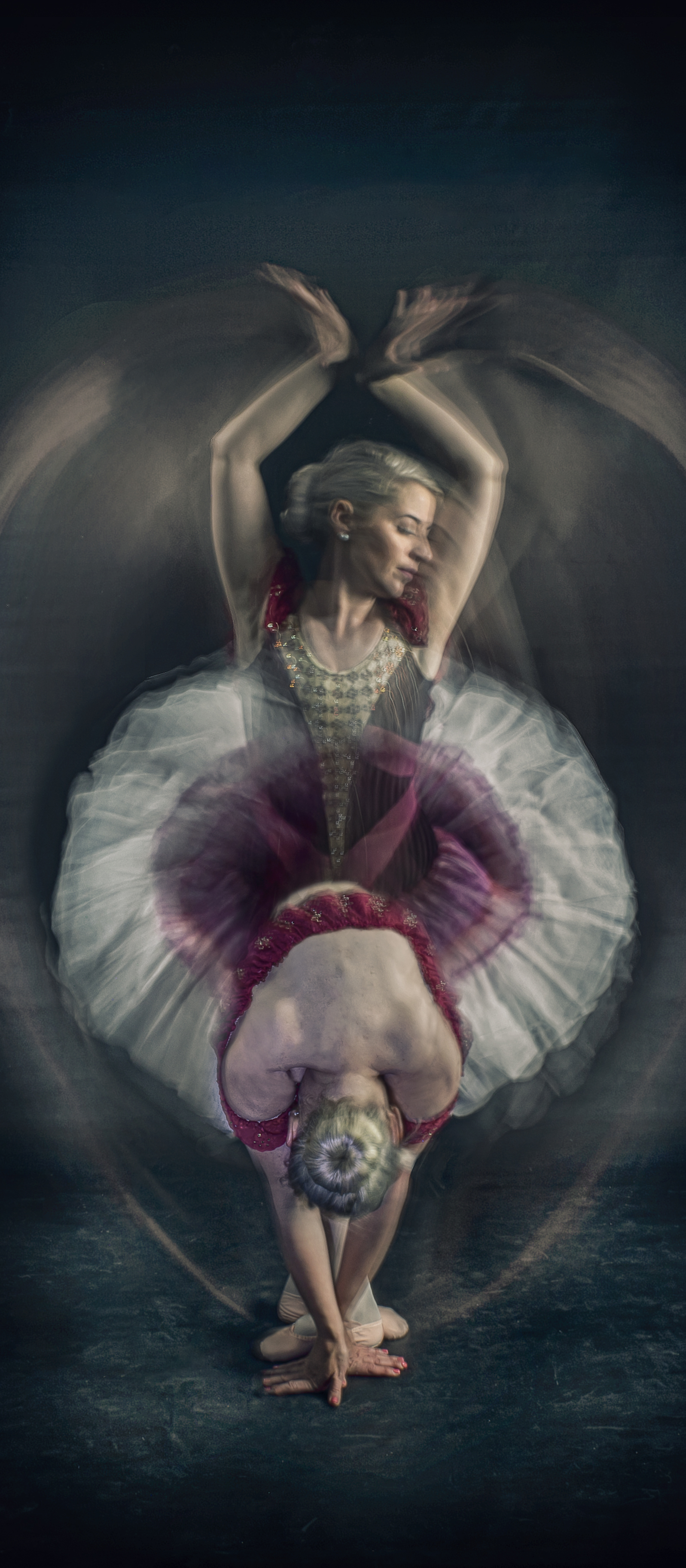
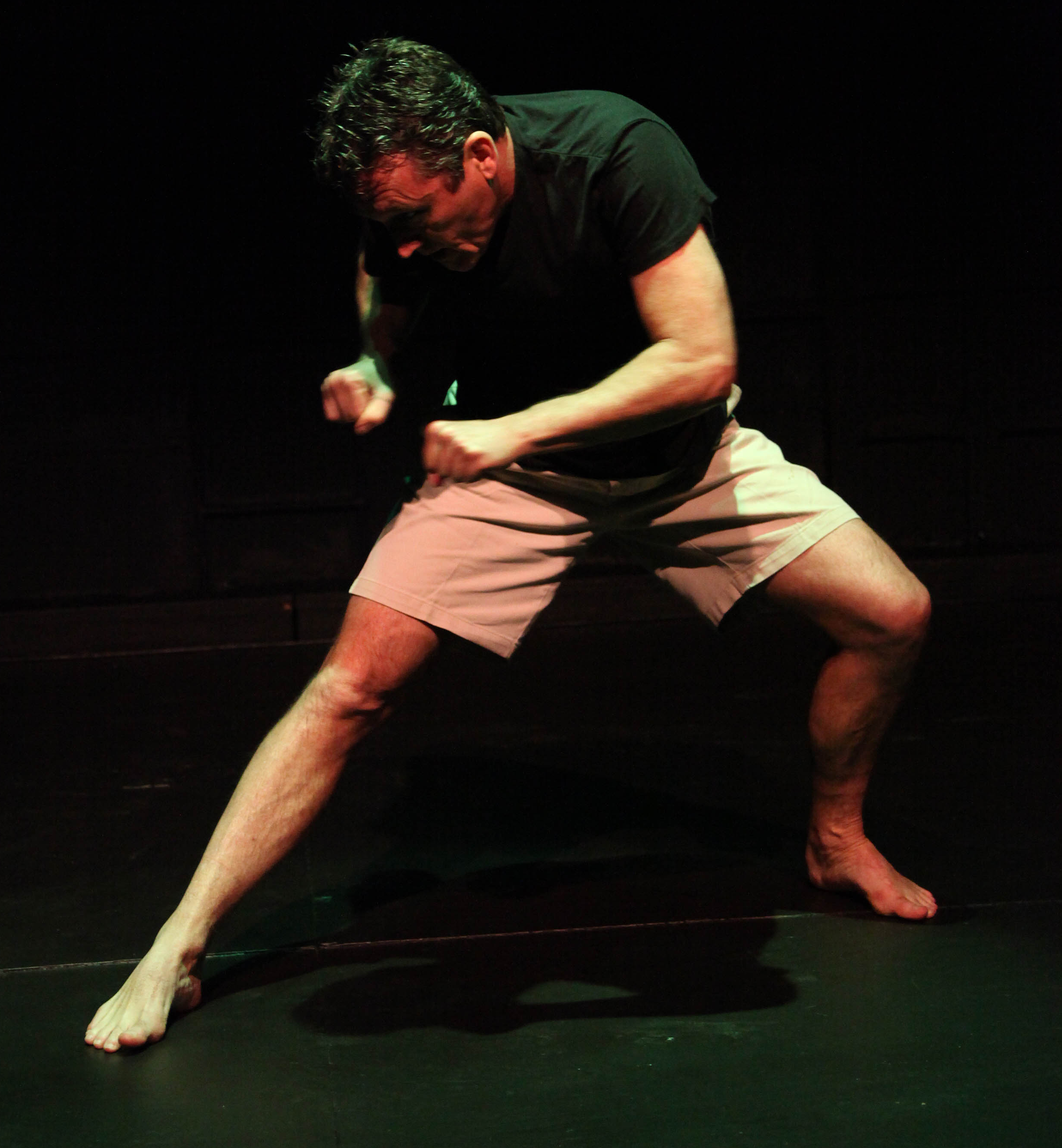
Much of the magic is in the movement.

Her mantra was to seek a physical way to manifest these feelings and to create the characters from that specific place.

And even though I didn’t know any of this before watching this production, it was the movement and the choreography that grabbed and gripped me throughout. It was so clever and crafty to use this in both solo and ensemble numbers and even with the very specific movements of the two adults to exactly capture their strictly restrained and fastidiously maintained lives.

I kept wondering who the choreographers were, as they who would have been completely aligned with Strike’s vision because of her very detailed rehearsal process. Not surprisingly, but also with kudos to the producers and director, they picked two of their talented graduates Olivier and Quinzin, who did an amazing job both incorporating and executing their work to perfection. It adds currency and electricity to the performances that translate masterfully.
But that was just the start of the cohesion of the whole. Again the programme notes capture it best when explaining the electrifying adaptation of Wedekind’s Spring Awakening into a contemporary rock musical, which Strike rightly salutes as the key to the current success of the piece. She is convinced (and I agree) that the sheer brilliance of Steven Sater’s lyrics and Duncan Sheik’s music makes the return of this classic possible and heightens the relevance of the themes as long as there are adolescents in this world.

To pull it off though, it needed the razor-sharp vision of Strike, her pinpoint accuracy in the detail and, more than anything, the artists she surrounds herself with, assigning them to their specific fields of expertise. Even though she and designer Griffin had never worked together, she trusted her instincts and tasked him with all three design elements: lighting, costume and set, all of which establish the feel and the atmosphere of where and how the story unfolds.

 It’s brilliant. From the set that transforms with only a few movable parts to the costumes that speak volumes in their simplicity but also carry an underlying theme, as he experimented with the authenticity of the fabric, to the lighting that enhanced what he had already established with the set and the costumes.

All of this would have been superfluous without the right cast. It starts with their youthfulness. Undergraduates and graduates of LAMTA, most were already familiar with the director’s ethos, and it shows. Performances are spectacular and some of the solo moments quite breathtaking.

Spectacular singing with individual tones from Johnathan Conrad and Dylan Janse van Rensburg.

There’s too much to take in and remember in one sitting, but the performer I couldn’t turn away from was the unusual Johnathan Conrad. It needed someone like Strike to cast correctly, but it was as if the theatre gods had handed her a mini Mick Jagger in looks and talent. As the overwrought and picked-upon Moritz Stiefel, his every move, the singing and the presence never faltered  –  a wonderful foil in a complex production.
The love-struck Scarlett Pay (as Wendla Bergman) and Dylan Janse van Rensburg (Melchior Gabor) are radiant as the couple who cannot resist one another, and their singing captures their hearts’ desires magnificently. Another standout was the luminous Noa Duckitt as Ilse Neuman.
Two standout performances from Noa Duckitt as Ilse and Johnathan Conrad as Moritz Stiefel.

The music holds the show and the singing had to soar for the show to come alive. Again, musical director Amy Campbell teaches at LAMTA and wisely she was in charge and harnessed all her skills to get this working perfectly. More than anything it is the individuality of the different singers surrounded by the more gentle ensemble singing (more often than not) that rocks this one.

Finally it is Strike who pulled it all together. You can have all the talent in the world, but if the story isn’t told with one voice, it has diminishing impact.

Strike doesn’t miss a beat. She has gathered artists young and old around her to tell this striking story that affects us all at some stage in life in the best way she knows how. It has purpose, it holds you in awe from beginning to end, and you are engaged in and enraged with these youngsters as they fight for their right to live their way.

I was spellbound.

SPRING AWAKENING BLOWS INTO GAUTENG’S PIETER TOERIEN THEATRE, MONTECASINO LIKE A BREATH OF FRESH AIR

PICTURES BY CLAUDE BARNARDO.

Niall Griffin dying the costumes wearing protective gear.

When Niall Griffin was invited to take on most of the design elements (set, costumes and lighting) for the Sylvaine Strike-directed Spring Awakening, he was nervous going into the process because living up to the expectations of a legend can be daunting. He tells DIANE DE BEER about the experience, which he describes as the highlight of his career:

Spring Awakening, presented by Cape Town’s Luitingh Alexander Musical Theatre Academy (LAMTA) as their first book musical, also marks the first time that Sylvaine Strike has directed a musical. 

Based on the controversial play that was written in the late 1800s by Frank Wedekind, Spring Awakening delves into the lives of a group of adolescent students discovering their changing bodies, their sexual identities, urges and desires, all while navigating the oppressive and draconian societal norms of the day. 

Under Strike’s visionary direction, this reimagined production (with a very young cast) brings the gripping and emotional story to life as it explores complex themes such as self-discovery, repression and the power of rebellion. 

Niall Griffin, a designer with a mission.

And while there was initial anxiety, once the work began, Griffin knew instantly that he was on safe ground. “The care, respect, trust and sense of magical play that Sylvaine instilled in our journey together are unmatched in my career. I think we both felt an immediate understanding of each other and were both amazed at how perfectly our style and ethos merged,” he says.

“We care immensely for our process, our casts, our team and our audiences, sometimes to our detriment, but finding someone with that same level of care has been one of the greatest gifts of my career.”

Being familiar with the level of detail Strike approaches when making a play, all of the above sounds like a match made in heaven.

The vibrant young cast in Spring Awakening

Accepting the challenge was a no-brainer for a designer who is also described as an industry legend. “There are musicals and then there are musicals. Some are light and frivolous and the perfect escapism and then some hit you harder in a place that truly moves you. Spring Awakening is the latter for me. The little rockstar hit that came out of left field to take Broadway by storm,” is how he describes it.

“It deals with things that we’ve all been through or are going through, both good and bad. All too often, in this day and age, we are driven into false beliefs and horrific mental health issues because we carry such shame from our experiences. The show, as heartbreaking as the story is, leaves one with love, compassion and a sense of togetherness. The human condition is not singular. We are not alone. We all need a little more love in our lives… and who doesn’t love a bit of Victorian-era deliciousness?”

Describing the process, he explains that what began as an exercise in replicating period fabric developed into an exploration on how possible it was to create an entire show from natural fibre. “Our planet has rapidly become saturated with ‘the synthetic’ and I believed this show needed authenticity in every aspect if it was to have the impact it deserved.

“The entirety of the show’s design is manufactured from purely natural fibre. Costumes began as neutral cotton that were dyed with natural dyes. The set is sustainably sourced wood and hessian made from vegetable fibre. It has been an incredibly educational and rewarding process.”

It is that process that piqued my interest, especially when basically the whole look depends on the outcome. Griffin understood that taking on the full production design across set, costume and lighting was a huge undertaking and not for the faint hearted.

“My driving force is to find a seamless synergy between all departments. What I term ‘one organism’. While taking on full production design is huge, it does make knitting a visual together far easier. Even though this show was Sylvaine’s and my ‘maiden voyage’, it was clearly destined, as our sensibilities and aesthetics couldn’t be better matched.”

And there’s the key, something they obviously both understood. “Theatre design to me, at its core, is about designing emotional response. I needed to immerse myself in the emotional journey of the piece, the high and low tides, in order to find its design core,” he notes.

For him texture is far more than paint and dye. “I spent a long time with the score and libretto and, to quote the Gen Z’ers, ‘felt the feels’. This is how I approach the majority of my design work, from a place of emotional honesty. It’s about finding the heart of the piece.”

Describing his process in more detail, he began with the sets, followed by costumes and finally lighting:

“When it comes to scenic design, my favourite moments in theatre are when a space manages to completely morph its texture, feeling and setting without all the ‘big toys’ and flash. A threatening storm can become something else, in mere moments, with a shaft of light breaking through the clouds. I wanted the space to morph seamlessly so that the emotional flow wasn’t interrupted by a clunky scene change. Finding the balance between something that can feel both oppressive and beautiful was a challenge. Using exposed wood was a no-brainer for me. Wood is a material that carries its growth with it forever. Its rings and knots and imperfections are part of it. This felt poetic to me.”

When it came to costuming, he wanted to create a uniform that felt prescribed by an oppressive regime, “a regime trying to erase the individual and force uniformity. I felt this would underpin the narrative journey of our characters rebelling against the blind norm by illustrating how prescribed uniformity cannot erase the burning fire of the individual.

“Every costume, from head to toe, has been lovingly made from scratch. They are all individually hand dyed and aged, and this is where I started to sneak the individual into the uniforms by aging and breaking down each individual’s garments with their own personality. Some of this detail may not be evident to the audience, but it was important to me that the cast could experience their costumes in this way. I truly believe that what the cast feels in their costumes translates into their performances.”

Lighting delivers the final flourish. “Sometimes, at the speed a musical moves, the audience needs to understand an emotional shift quickly, and this is where lighting was vital to me. I wanted the world to feel murky and rich, like an oil painting come to life.”

If the successful runs in Cape Town are an indicator, this has all been achieved, as the visuals will attest.

And Griffin has his final say: “Making theatre, especially non-replica productions, in South Africa in the current climate is hard work. Creating an entire musical from scratch was a feat second to none. I have a team of remarkable artisans that I work closely with and whom I would be nothing without. They all share my level of delivery standards and they all jump into the deep end with my crazy ideas. A tribe second to none. I couldn’t be prouder of the product, and watching audiences experience it in Cape Town has filled me with so much joy.”
* Performances run until 5 May 2024 at Pieter Toerien’s Theatre at Montecasino with shows from Wednesdays to Saturdays at 7:30pm and matinees on Saturdays and Sundays at 2:30pm. Tickets cost from R200 through Webtickets. Please note that Spring Awakening contains mature themes, partial nudity, sexual situations as well as explicit language. No persons under 13.