WORDS, WORDS, WORDS, WE JUST LOVE WORDS SAYS THE VRYE WEEKBLAD WITH THEIR BOOK FESTIVALS

Book festivals are becoming more and more popular but if you think they’re easy to curate and organise, think again. You have to think about the where, when and who, what kind of topics you want to present, find a balance between light and weighty, none of which will give you a sure-fire result. Deborah Steinmair from Vrye Weekblad cooked with the right ingredients. DIANE DE BEER was there:

Pictures supplied by Vrye Weekblad

Cullinan was the chosen spot for Vrye Weekblad’s first Gauteng Boekefees following the success of the Cape equivalent in Stilbaai last year. They’re also following with a third one in the Free State’s Clarens in July and there is talk of another one in the Cape. (If you’re interested, follow their social media…)

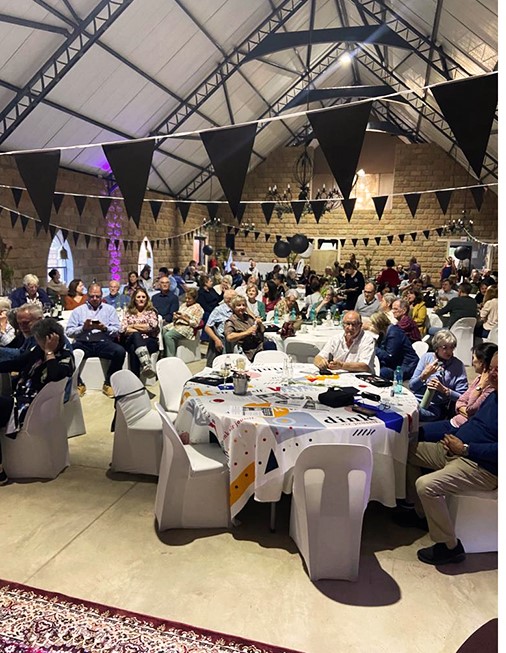
But this time, book genius Deborah Steinmair was the one who had to get all her ducks in a row. First she found the perfect venue, a church with a large hall, all on one property with parking across the road and in walking distance from where most people would be staying during the weekend.

Architecturally, if that’s your thing, it also had the perfect look. It is a Herbert Baker design after all and that’s what these kinds of towns dotted all across the country offer. Think Dullstroom, Clarens, Tulbach, and more…

And as the visitors started arriving on the Friday afternoon for the editors’ launch Daar’s ‘n Mier in my Broek (There are ants in my pants) with Max du Preez, Anneliese Burgess and Piet Croucamp, it was obvious that the weekend would draw a crowd.

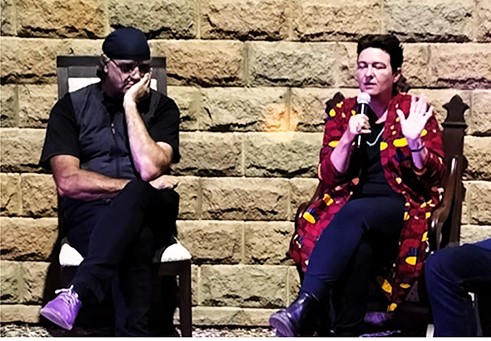
Anneliese Burgess (right) and Piet Croucamp talk SA politics.

Politics in this country is part of our daily bread – especially now – and if you have a few breakaway voices setting the tone, you’re getting it right. But then that’s been a Vrye Weekblad trademark. You had to be there to catch their drift but what really hit the mark for me was the collective decision that we need new ideas not new ideologies.

And then a few pointers. Watch out for distractions. From what did the media turn their gaze when they were so obsessed with the Thabo Bester saga? But there’s good news on that front as well. Who would have known that Parliament could do such a deep dive when investigating Bester’s miraculous escape?

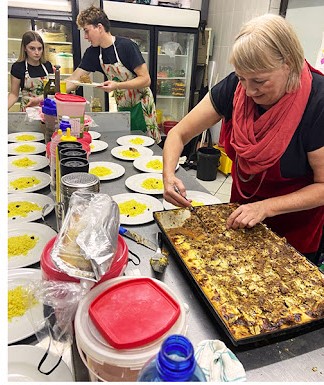
Lientjie Wessels (left) with chicken croquettes and venison and miso bobotie.

This was followed by another Deborah brainwave: asking one of our most inventive chefs, Lientjie Wessels, to host an old-fashioned grand dinner in what was once a diamond town.

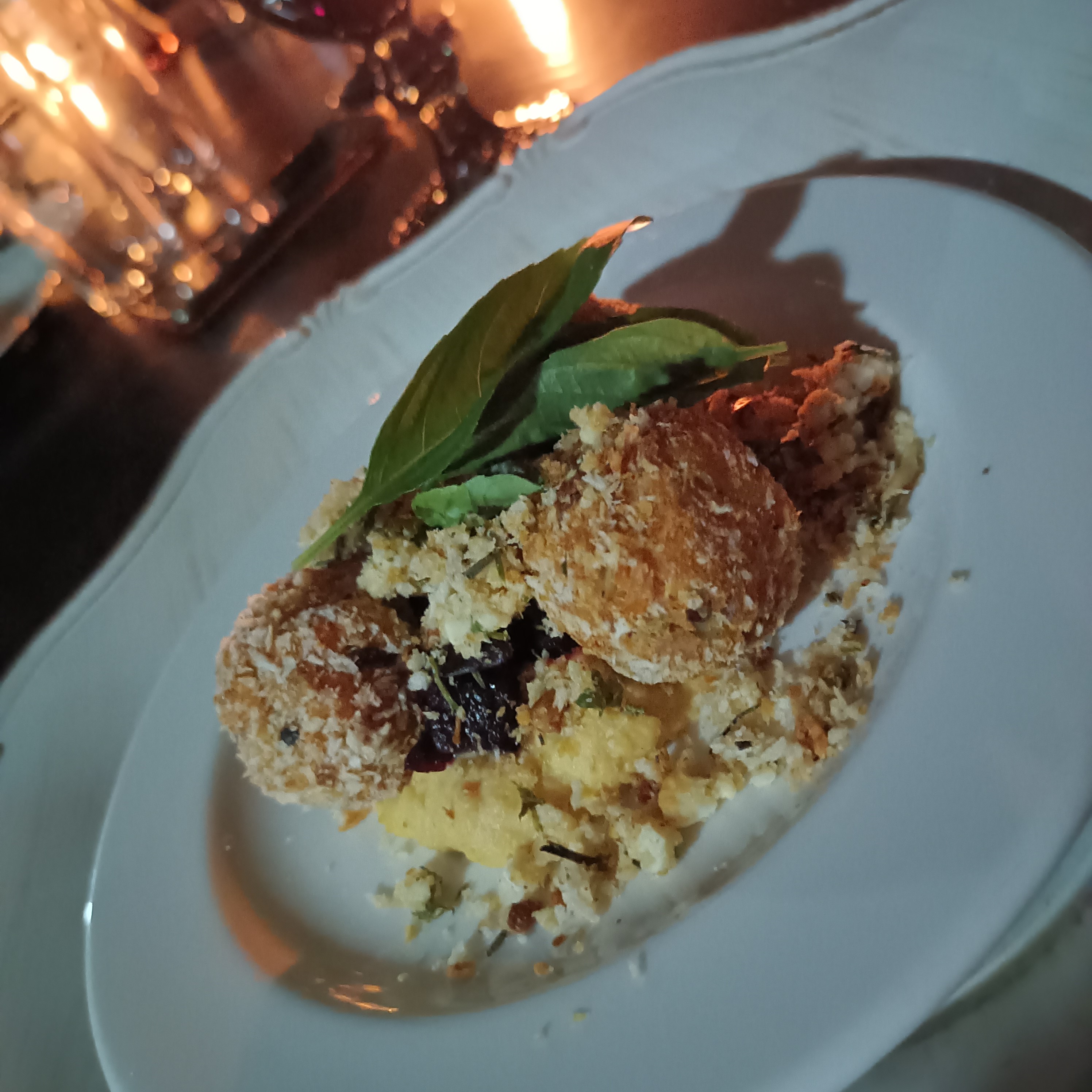
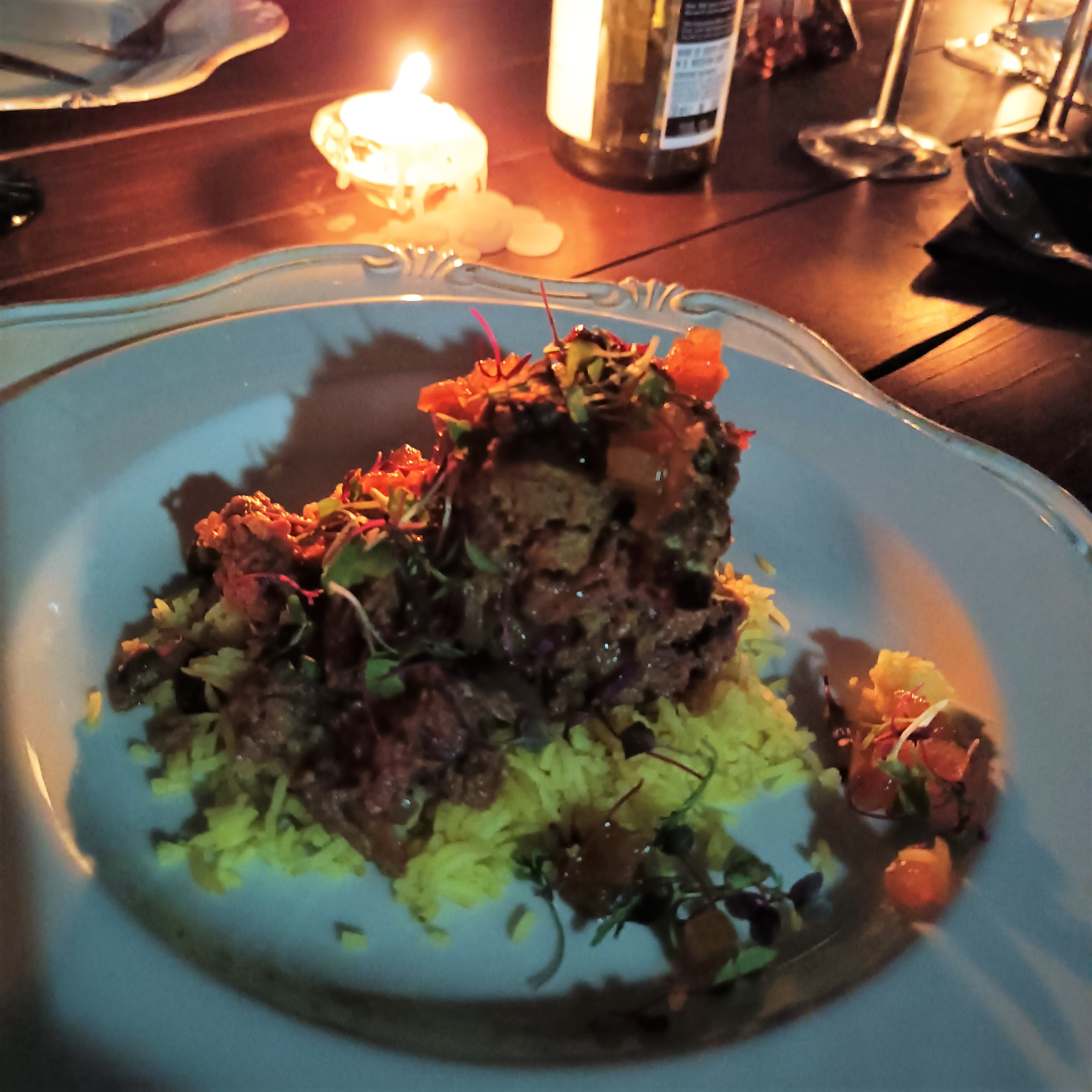
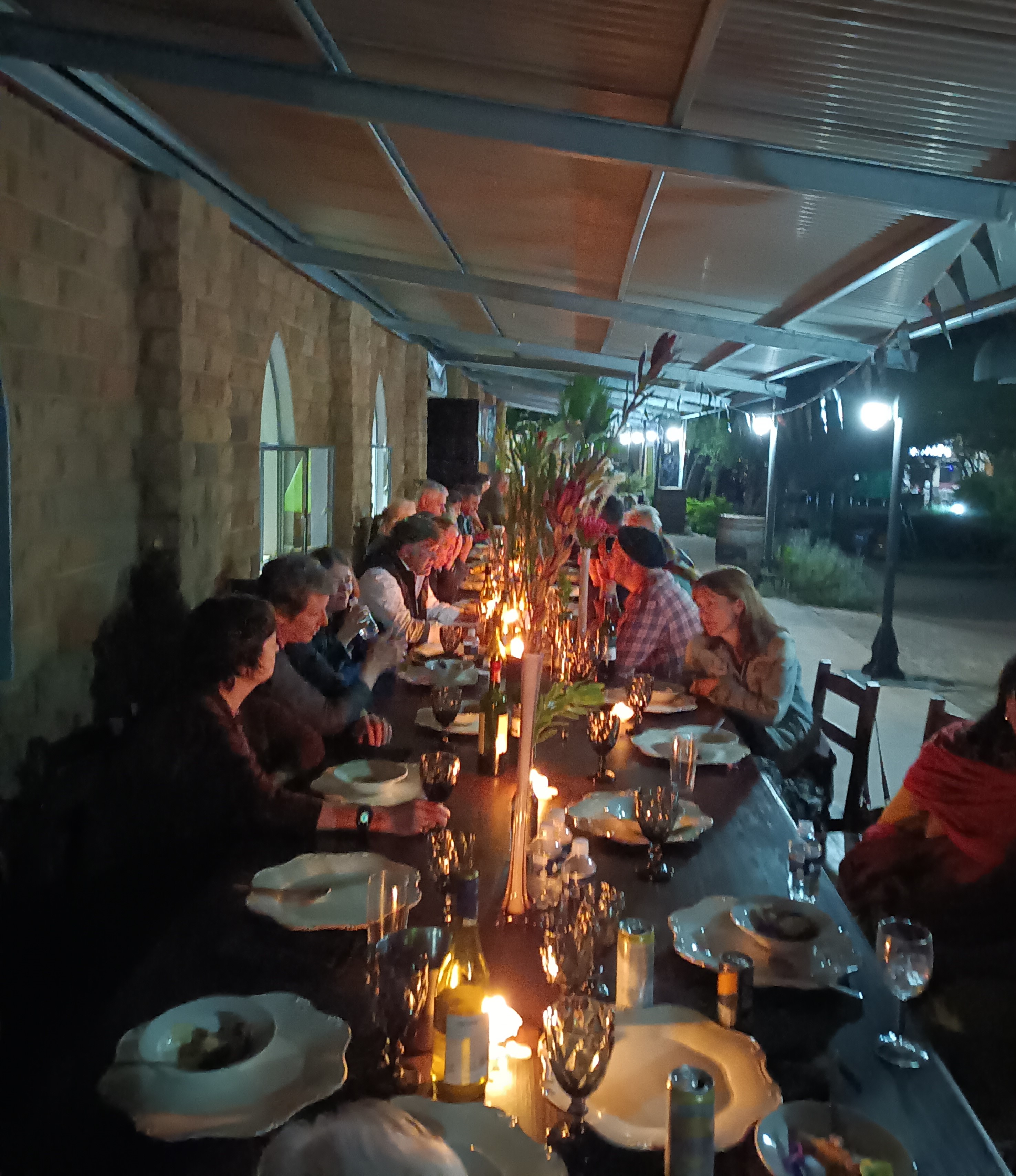
The menu and pictures do the talking: from tomato soup with togarashi, to squash hummus, chicken croquettes, roasted beetroot with feta and herb crumbs followed by a venison and miso bobotie with the traditional yellow rice and pear chutney, and concluding with a Persian love cake with lemon caramel.

And if you are wondering, like I did, about togarashi, it is described as a common Japanese spice mixture containing seven ingredients. It’s one of the things I love about Lientjie’s food, I always learn something. Also, you know that every meal by this creative genius will be something extraordinary, and I’m not exaggerating.

We stayed in the Cullinan Hotel and here I also have to give a plug, I was pleasantly surprised. Nothing fancy, but smartly yet simply renovated furnishings in the rooms turned this into a pleasant stay as well

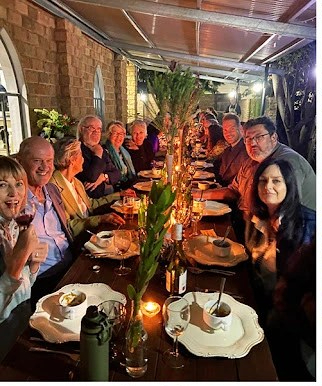
Dinner by candlelight at the Boekefees.

The next morning kicked off with Renée Rautenbach Conradie’s discussion with author Willemien du Preez on her book described as autofiction, ‘n Plaas se Prys. And what that means is that the story is based on her life but interwoven with fictional elements. The talk was titled Futility farm and the Afrikaner’s farm gene. The drift of the story is a couple following their dream, buying a farm and then finding themselves literally and figuratively overwhelmed by the elements – with dust and flies dominating.

It’s a universal story of broken dreams … and yet she lives to tell the tale and probably another, and another.

A highlight was a collective group of feisty women authors who captured the imagination and the spirit of the book fest.

Borrel, gorrel, smoeg en wroeg (loosely translated à la Shakespeare: boil, bubble, toil and trouble) Women who write can bewitch: including Gerda Taljaard (Vier Vroue), Bettina Wyngaard (Lokval), Renée Rautenbach Conradie (Met die Vierkleur in Parys), Michèle Meyer (Moer), Celeste Theron (her first will be released in the next few months), Emma Bekker (Vel), and Marida Fitzpatrick (Mara).

Deborah took the reins: one needs her kind of wicked humour to get the sharp-tongued talk going and with these more recent than others, but all spending stolen or free time on words.

Asked about feminism, the responses varied from an aversion to labels to Wyngaard’s struggle with the basics. If people aren’t accepted as equal yet, how can we ignore the fight?

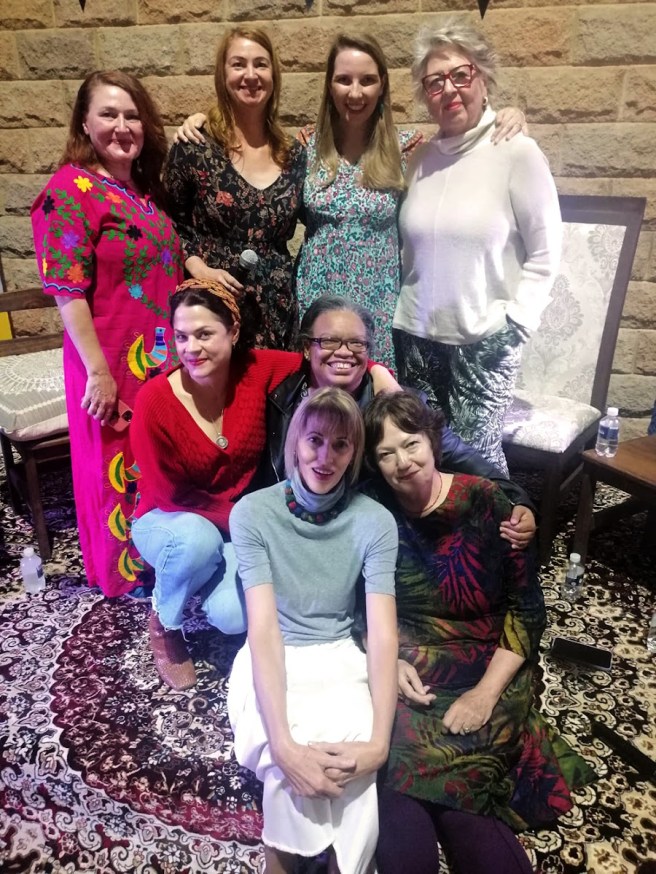
Feisty females: Back: Emma Bekker, Gerda Taljaard, Marida Fitzpatrick and Renée Rautenbach Conradie; Centre: Celeste Theron and Bettina Wyngaard; Front: Michèle Meyer and organiser Deborah Steinmair.

Some members of the panel are inspired to write by history, others want to investigate certain questions, yet another talks about fever dreams or even nightmares when awake. There are also those thoughts that burst through from the unconscious just before you nod off and another feels for her, writing is the only way to express herself.

And just to throw the cat amongst the pigeons, Deborah wanted to know whether women write better sex scenes than men.

For Gerda it was simple: The male gaze can be quite technical. Replace that with a woman’s perspective and it’s softer, more subtle.

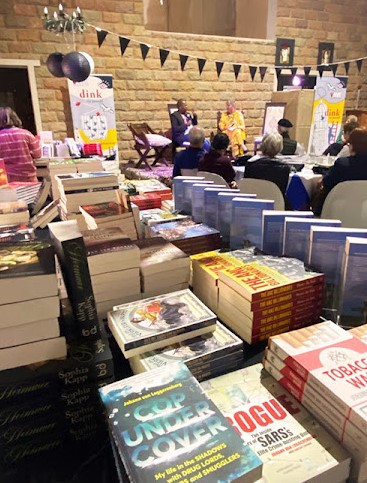
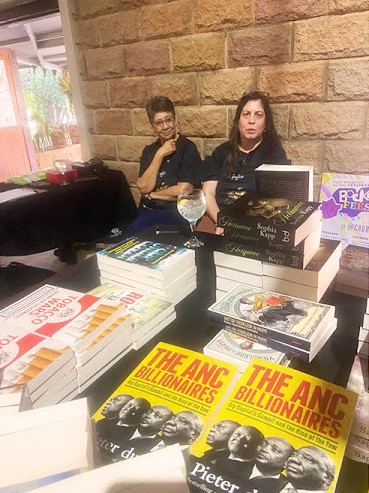
And then I have to agree with Anneliese Burgess about the deeply serious closing  conversation of the day between editor Max du Preez and writers Johann van Loggerenberg (former head of the investigative unit at SARS) and Pieter du Toit discussing ANC Billionaires and Rogues.

It’s the kind of meaty discussion, “an in-depth analysis about the state of the nation”, is how Burgess describes is, you want to conclude with, even though I sadly had to leave after the cheerful chatter of the female authors.

Sunday suitably swung into a gathering of poets (Johan Myburg, Jolyn Phillips, Kirby van der Merwe, Eunice Basson, Martjie Bosman, Emma Bekker, Johann Lodewyk Marais, Pieter Odendaal and Jaco van der Merwe) who did their reading in the Baker church before a final meal with Frik de Jager whose selected dishes each told its own story.

And just like that, it was all finish and klaar. With the next one just around the corner.

I can’t wait.

THE STARS ALIGNED FOR THIS ONE TO CRUISE ITS WAY INTO THE HEARTS OF ACTORS AND AUDIENCES

Daniel Geddes Pictures: Odette Putzier

After much acclaim, following it’s London debut with Jack Holden, and then a Joburg run starring local actor Daniel Geddes, Cruise, heads for Cape Town for a short season (April 12 to 30) at the Homecoming Centre (formerly The Fugard Theatre). DIANE DE BEER chatted to the British playwright/actor about the play and the handing over of this his first stage-produced play, which he had both written and starred in back home:

It was as if all the stars aligned for actor/playwright Jack Holden with the creative processes surrounding his first play Cruise, which is having its second local run in Cape Town this month.

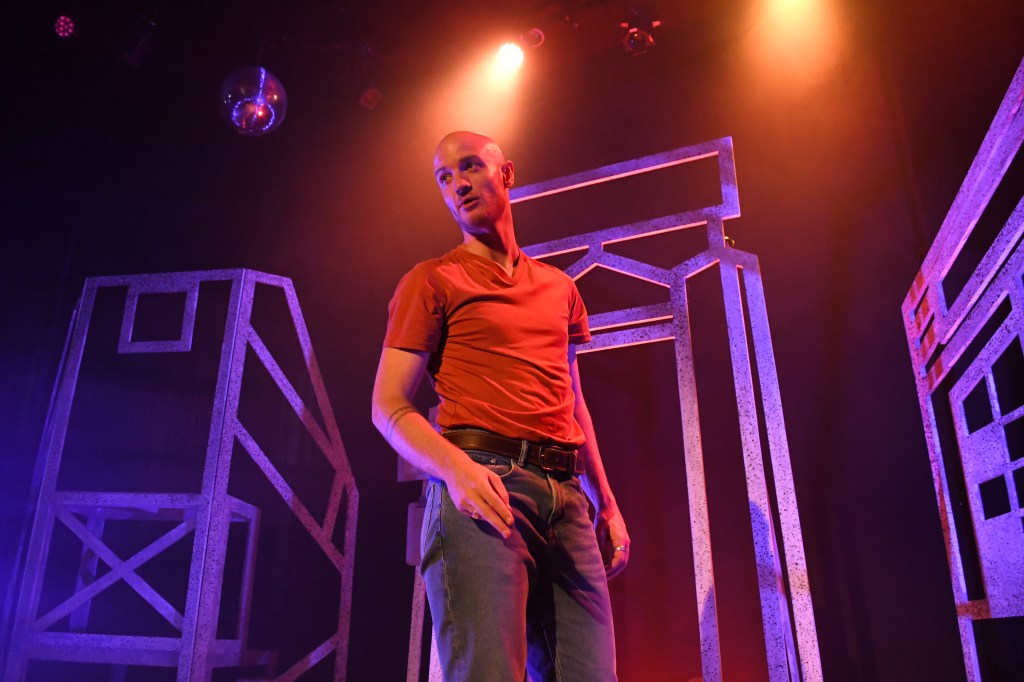
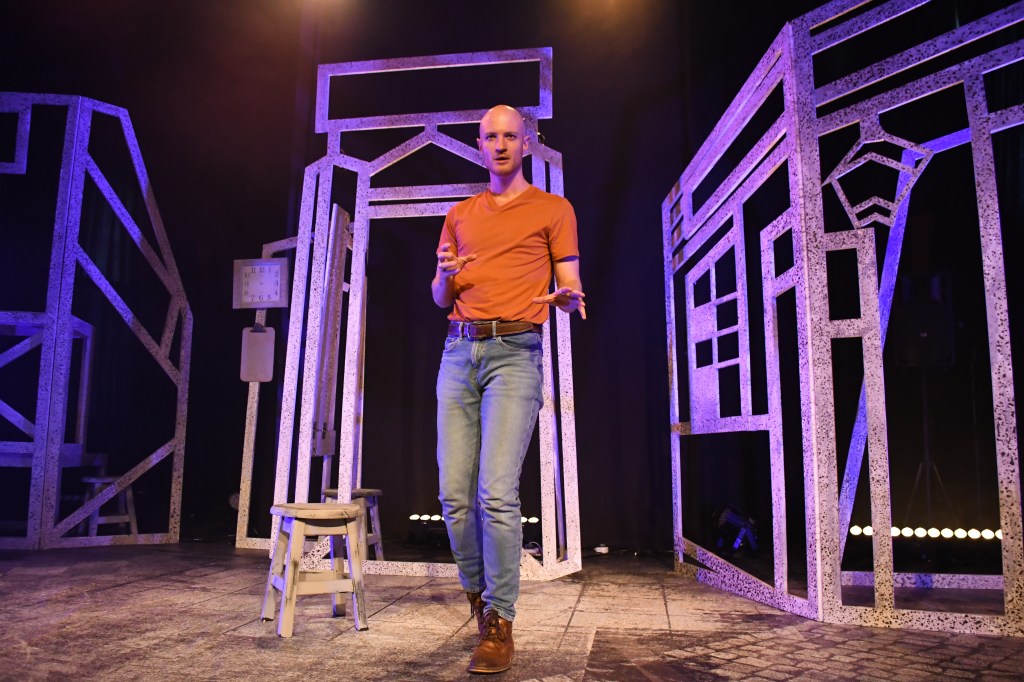
Jack Holden in Cruise

“I had the idea of the show for a while, for many years actually. It was based on a phone call I heard while I was volunteering for Switchboard, an LGB+ helpline here in the UK. I took that call in 2013. 

“The story struck me as so moving and powerful and life-affirming that I knew I needed to tell it someday, somehow, and it was only in the pandemic when I was locked down at home with nothing else to do, I finally got on and did it. So in that sense it saved me because it really gave me a focus during the first lockdown here,” he explained.

But the writing only started in 2020. He thinks that it might have had something to do with the context of sitting with another epidemic, Covid, that made him reflect upon the sort of fear and terror that the gay community must have gone through in the UK especially, with the 1980’s HIV and AIDS. (It was more widespread in South Africa, affecting more communities).

A lot of the research about Soho where the play is set was quite easy to do online. But, he explains, “the stuff that gave the show the texture that I think makes it sing, are the interviews I did with some older gay friends that I’m lucky to have. I asked them about their time in Soho in the 1980s. Neither of them claimed to be seen kids, but they had memories which were incredibly useful, and gave so much texture to the piece. “

Initially he thought it might be a short film, but then he thought, no, be ambitious. “I also predicted that when theatres reopen after the pandemic, they are probably not going to put on massive shows, so if I can make it a solo show, that would be great. I’d performed a few monologues of other people’s writing previously in my career, so I knew I could do it and I wanted to do a show with John Patrick Elliott doing the music again.”

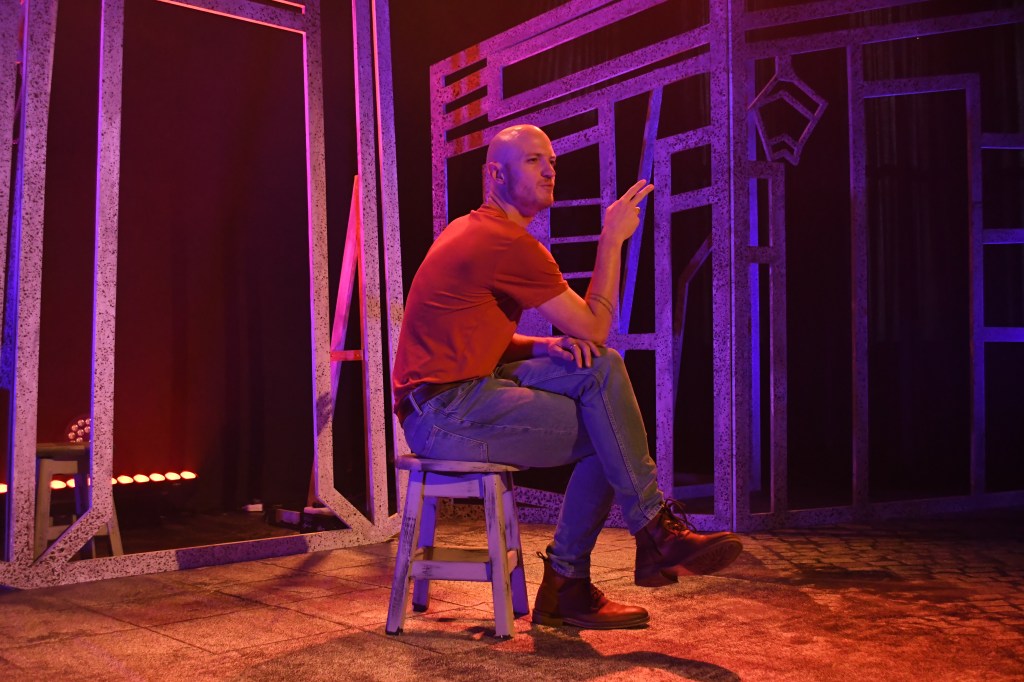
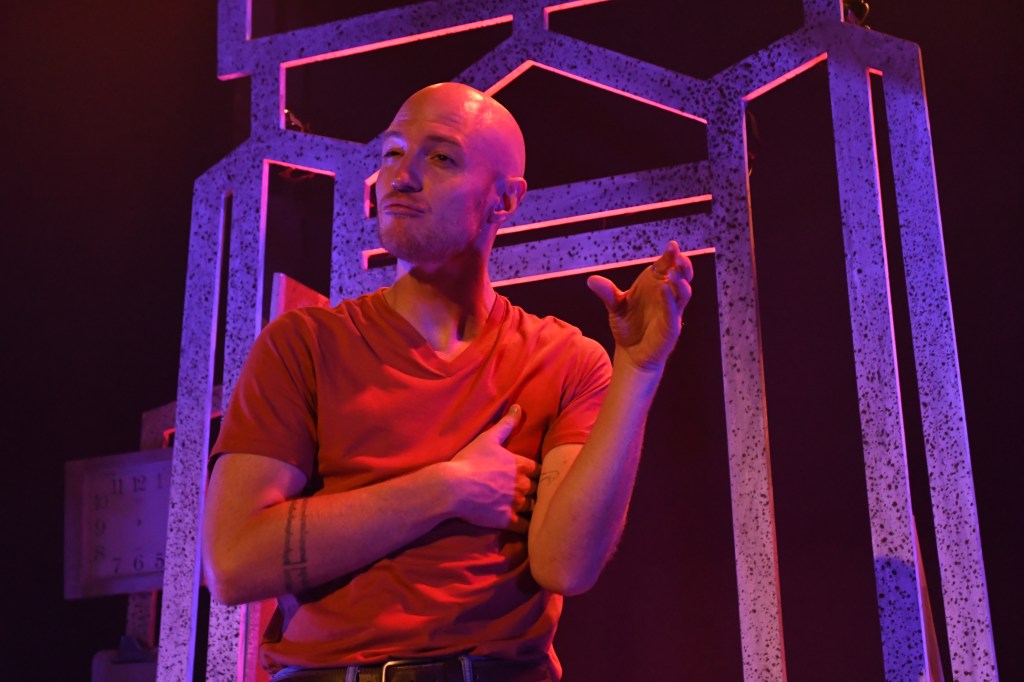
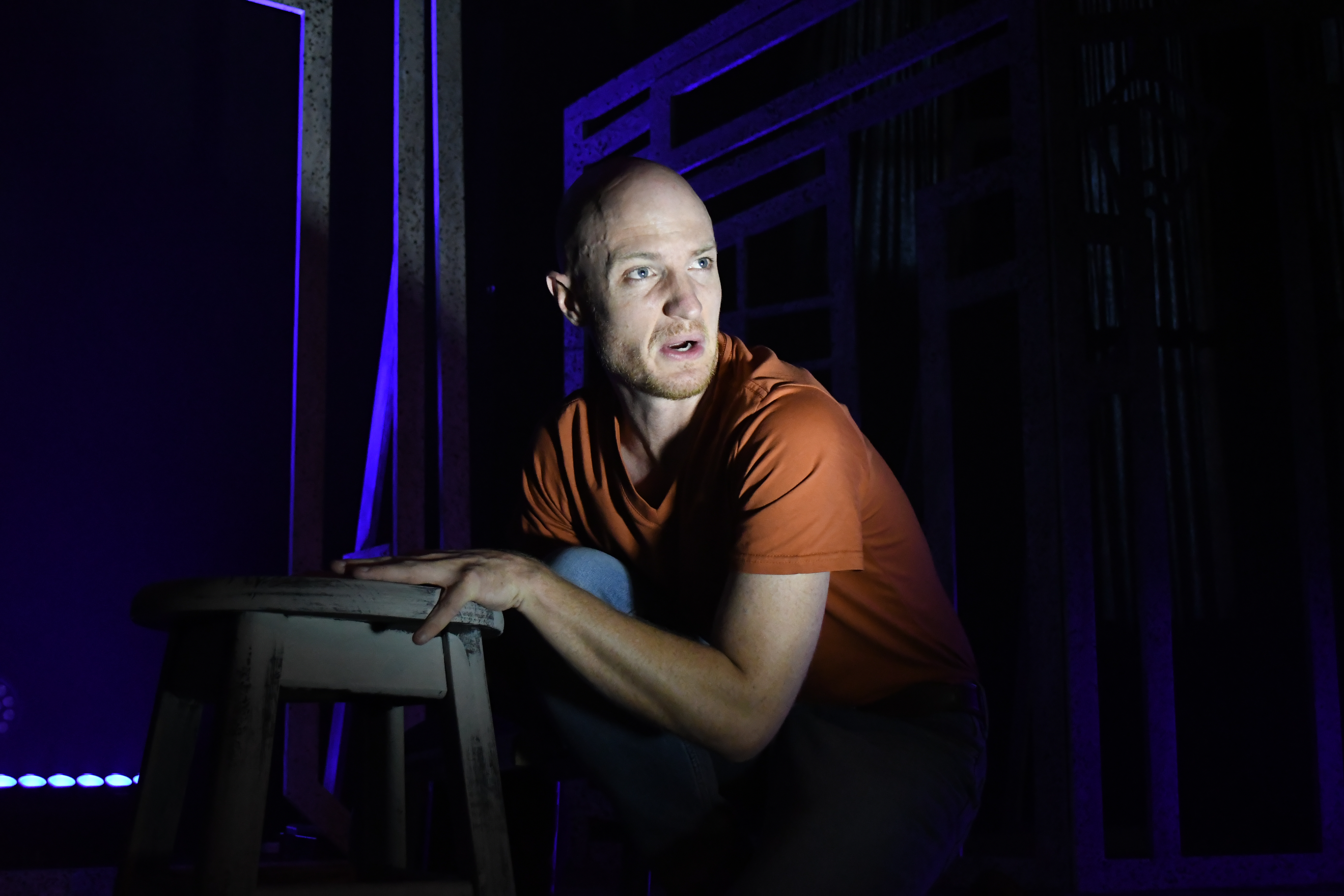
Daniel Geddes in Cruise.

They had worked together before and again with great foresight, Jack’s thinking was about producing a show that would land with a huge bang.

“I have a very strange relationship with the pandemic. At the start of the pandemic, I thought my career was over and at the end of it, my career was better than it had ever been, so it was a weird time.”

Theirs was the first play to open in the West End and the first new play as well. “I think people were so hungry for the live experience and Cruise is loud and brash and all of those things. I think because it’s such an ultra-high-octane live experience, people were so receptive to it, so emotional behind their medical masks, that it landed well,” which was also the intent.

From the start, the writing of it, once he got in a room with John, was actually very quick, because it was always going to be only one actor (Jack) with the DJ (John), which meant he would be playing all the parts, which also provided certain limitations. They knew it would be roughly 90 minutes straight through and he wanted it to be an odyssey that bounces around all the bars and clubs and pubs of Soho. “It’s quite a classic hero’s journey that he had to go on,” he says.

Primarily he was trying to  create something that would entertain people and he doesn’t think entertainment has to be light all the time. In fact, he argues that entertainment is better if there’s a bit of darkness, a bit of sadness mixed in there, a bit of humanity that lifts the lightness and makes it even more delicious.

“I was hoping to entertain people and as I was taking on the subject of HIV and AIDS in the 1980’s, I obviously wanted the piece to feel authentic. And that was the scariest thing which only surfaced when I got to performances. I suddenly thought this could be high risk, I could have judged this wrong.”

But he had gone about the whole process in a very thoughtful way. His research was thorough and he talked to the right people with good people surrounding him who told him if something wasn’t ringing true. “And indeed, in rehearsals we had several changes and bits to cut.”

 He also wanted to dive into the music of the era which hugely adds to the entertainment element of the piece. “I love ’80s music. It can be really, really good and it can also be really, really bad and I wanted to play with that. There’s been a real moment of ‘80s nostalgia, so I thought it would do really well.

“I wanted the music to be in the DNA of the play and that‘s why I worked so closely with John. I brought a few pages of text to our first workshop and he brought samples of ‘80s music. And we started mixing it together. That means the show has musicality in its veins. I love traditional shows and when it works it absolutely blows me away, but there’s no shame in putting on a show and entertaining people.

“We have so many tools at our disposal in theatre; sound, light, music, smoke, movement. And especially with a solo show, you don’t have to use all of those, but I really wanted to. I never dared to hope that the show would get as big as it did.”

Because he is dealing with something in the past, yet in a strange way linked to our present circumstances, the content has huge impact. It’s obviously been written with performance and watchability in mind. Jack has a great way with words with the text written as a kind of rhythmic monologue interspersed with music, which also passes on the message. It holds your attention throughout.

And then there’s Daniel  and the local production. Jack was surprised that South Africa was the first outside of the UK to stage Cruise, “but I was also cheered by it and love it. Obviously South Africa’s history with HIV and AIDS is well known, so on that front it struck me as completely logical.

“I loved watching the South African production. It was surreal watching someone else performing Jack (me) performing the show. It was quite a mind-bending experience and really informative to see how the show can be interpreted in different ways.

“And yes, humbling. It’s not just me who can do this, other actors can do this, so I’m really thrilled that it’s getting another life. I’m so pleased about the Cape Town run, because they really deserve another go at it,” he concludes.

THEATREMAKER/WRITER DIANNE DU TOIT ALBERTZE COURAGEOUSLY SPEAKS HER MIND

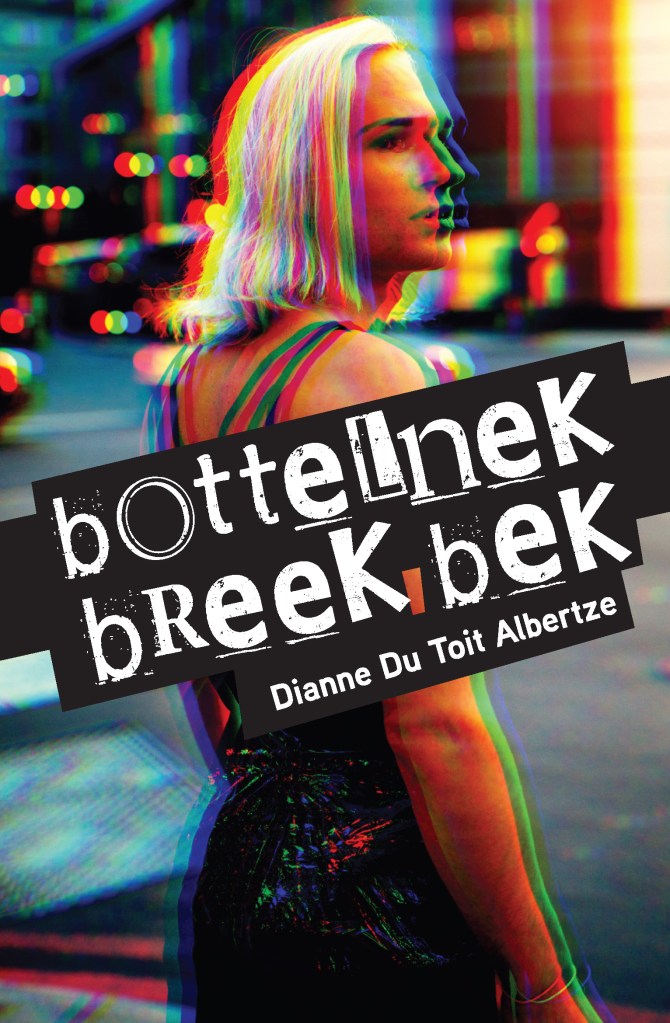
From the title of the book bottelnel breek bek, the warning signs are there — this is not going to be an easy read.

But because I have been following Dianne du Toit Albertze’s career for a long time, I knew this would be worth the battle.

In a digital interview, she tells me that the story found her rather than her discovering what she wanted to write about. “I needed to write about people who were braver than me because it was Covid and I needed something to save me,” she says.

That’s where she found Dora and Whashiela, who came with their own heaven-sent gifts. And their strong appearance was probably driven by the fact that “as a trans person, I don’t find many heroines in the books I read. I also don’t see them at festivals or on television. Especially not in my mother tongue,” she notes.

In her own way, she wanted to show Afrikaanse moffies that they shouldn’t let go of their dreams  —  “Moenie jou tong oppie highway verkoop nie” is how she says it bluntly and beautifully. “Nancy is waiting, we need to make and take our own space.”

Feeling and querying whether this is a very personal tale, she acknowledges that first novels are probably always close to the bone. “I wanted to push my high heels through the literary door with a story that feels close to me. I wanted to go as close to the edge as I could and much method writing followed,” she says. “I learnt about everything I wrote about and didn’t want to be a faker.

Dianne Du Toit Albertze
Picture: Peter van Noord.

“Perhaps I listen to too much Tupac or hide too easily behind my pen … because the book also helped me recover from a poisonous addiction. Every day without drugs is a BIG day. And hopefully this full-frontal writing of mine will mean something to someone out there.”

We all know about method acting and what that has done to those taking it too far, and if you read the book without the hairs on your arms standing on edge you’re possibly not paying attention.

This is an artist who takes her art seriously and even if it meant she climbed a steep mountain with the language, it is what adds authenticity and soul to the characters and story.

“I wouldn’t have been true to my characters if they spoke the language of dubbed Turkish soapies,” explains Dianne about her choices. And acknowledges that she wanted to honour the colourful language of the trans community in Observatory and Matjieskloof. “A variant like Gayle (created by the  queer coloured community in Cape Town) even has its own accents in specific regions.”

 And then she’s not even referring to Sabela (a language flounced together from numerous local languages in local prisons for gangs to communicate) or those creative Cape expressions we’re all familiar with. This is completely different yet with distinct similarities – an anomaly in itself.

Dianne du Toit Albertze striking a pose.

“I’ve always been fascinated by linguistics – to create different codes and to learn different expressions and idioms.”

On a language level, she embroiders, the tongues of the different characters metaphorically reflect their life paths – also pushed out and teetering on the periphery. “Those of us who have for so long been hiding in the shadows should move into the light and speak loudly.” Another incentive for telling her story the way she does – letting it all hang out … bravely.

Amen, say I, having read the book and also revelling in this particular interview/conversation, which was a written rather than a spoken one. “Steve Biko says I write what I like and perhaps I agree with him,” notes Dianne. “I write about shit that matters to me and what I believe will interest a broader audience.”

She also hopes that a trans child might read the book and realise that they too matter, perhaps influenced by her own struggles and lack of support.

For the writer personally, she has many dreams and desires: a musical, Medea in Namakwaland, staged in-between the koppies; and to write a few movie scripts. These are on the cards.

For her, writing plays is like breathing in and out. She’s been doing that from a very young age right through her drama studies. “Poetry and prose come from there, but to write for stage is my big love,” she says.

As for her activist stance, she took her queue from the Sestigers (a moniker for a group of dissident Afrikaans writers, including Breyten Breytenbach, André Brink, Ingrid Jonker, Elsa Joubert, Jan Rabie and Etienne le Roux) who believed that words carry weight and that we need the arts and artists to be our conscience.  
This would mean, to her mind, stories that free us from what is becoming a hopeless land with steadily growing layers and levels of suffering.

In the meantime she is working with actor/director Lee-Ann van Rooy on a season of her text Kaap, which was performed at the 2020 NATi Jong Sterre Suidoosterfees . And with her Namakwaland trans sisters, she is busy creating an NGO House of Influence with which they hope to establish safe houses as well as perform community theatre.

She’s a busy woman but for those of us lucky enough to witness her creativity, moving on the edges as she does, she draws a curtain on a hidden yet important world.

This is what makes our universe an interesting one. People are allowed if not encouraged to be themselves and for those who are open to the diversity and differences, it establishes a never-ending stage of wonder, wisdom and, of course, a wackiness without which life would be so much poorer and less colourful.

And as Dianne is so determined to bring to our attention, real people are living here.