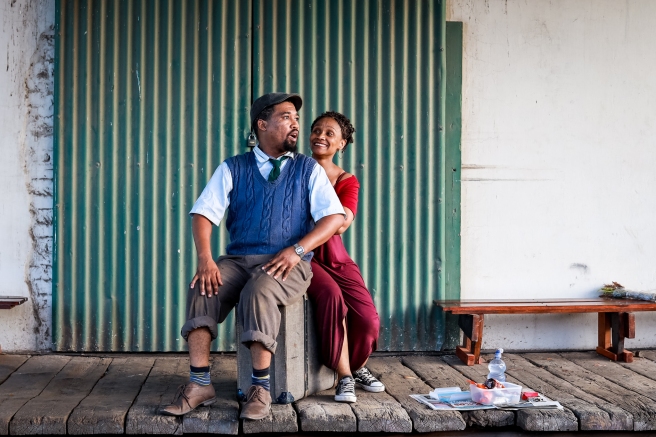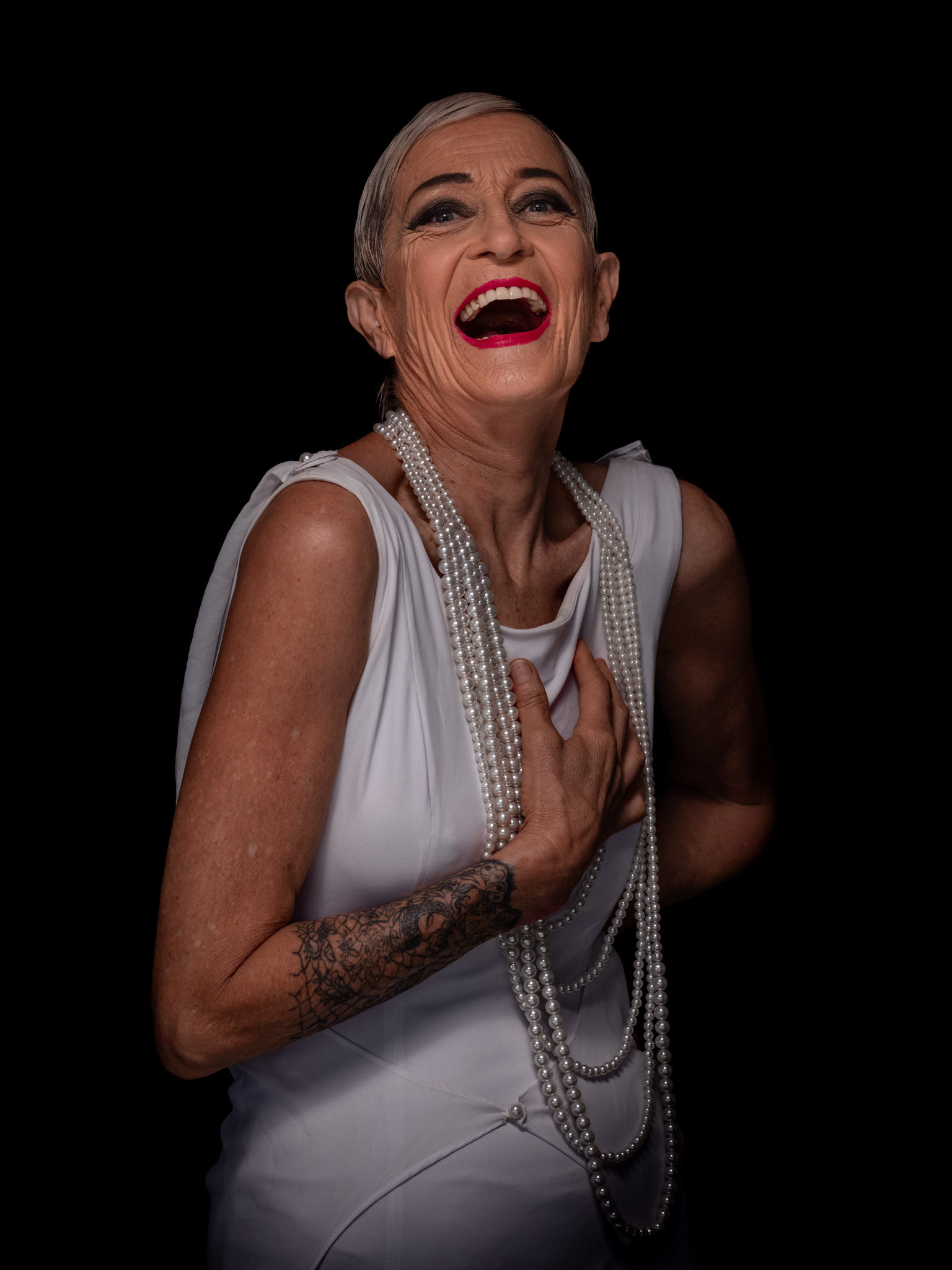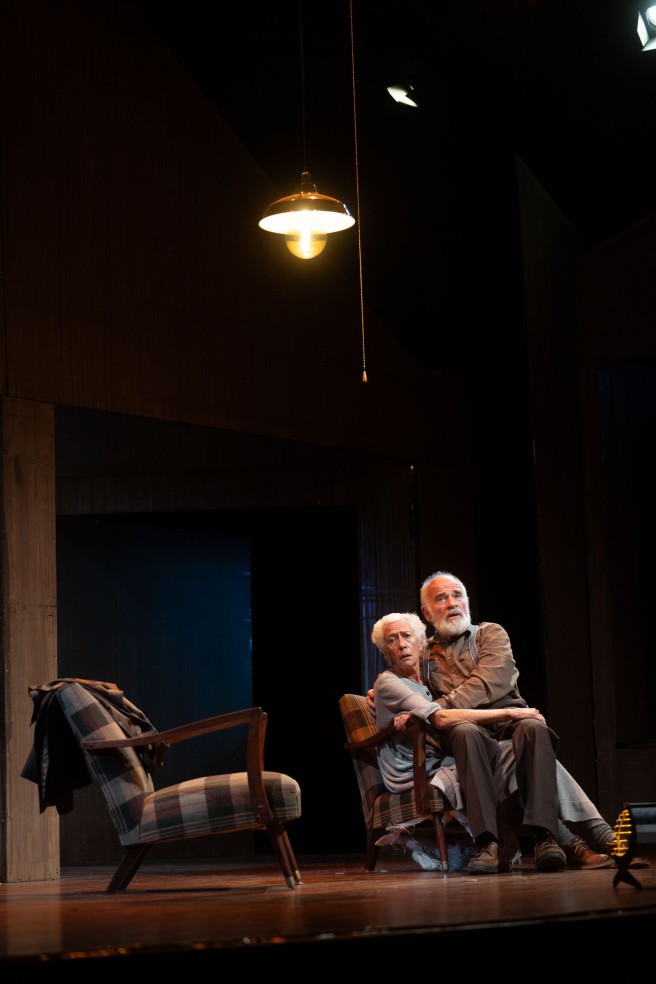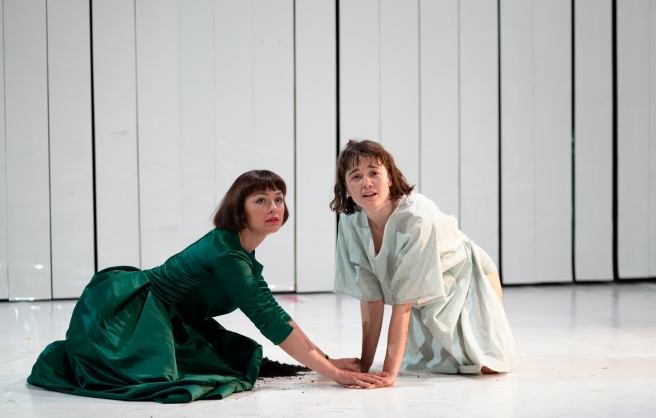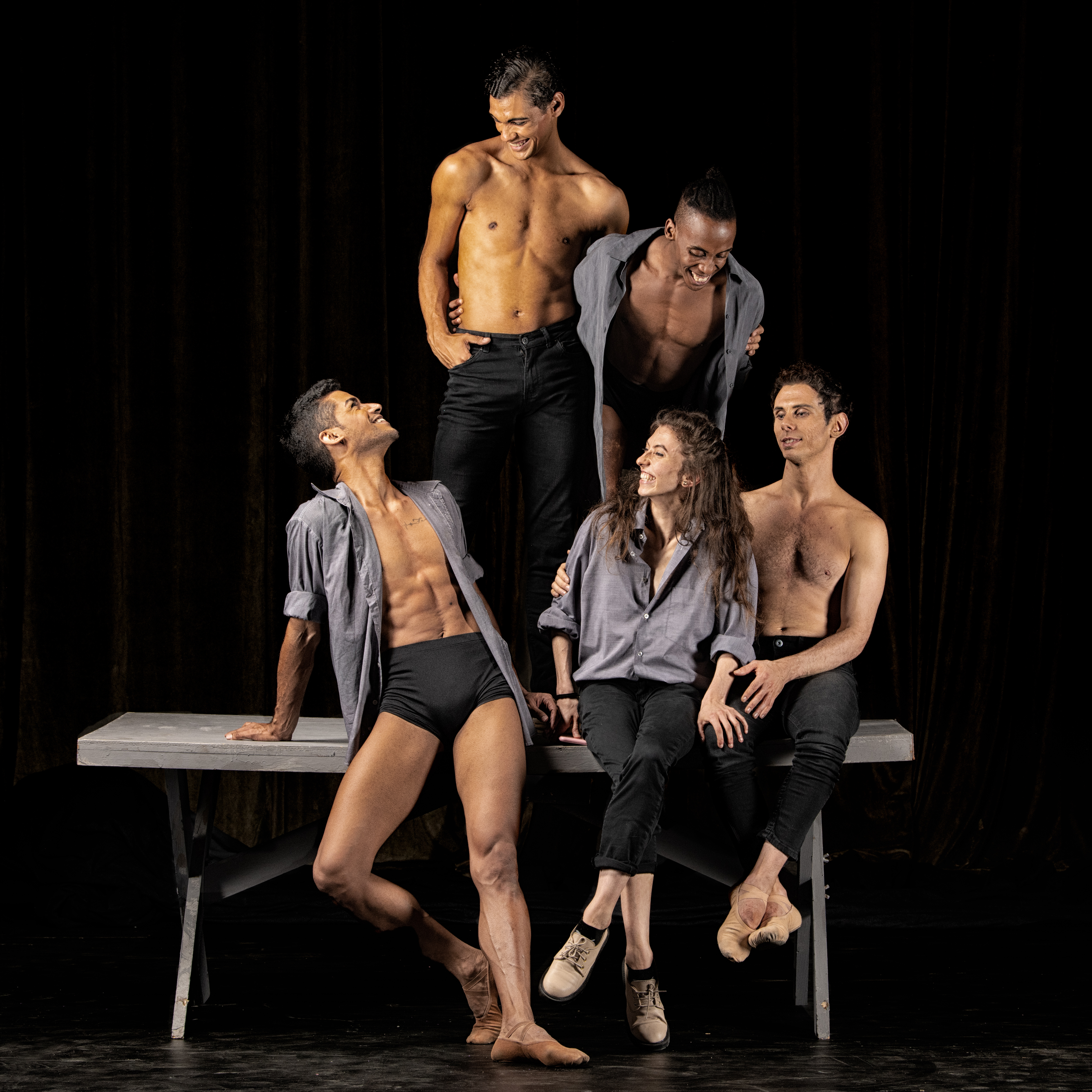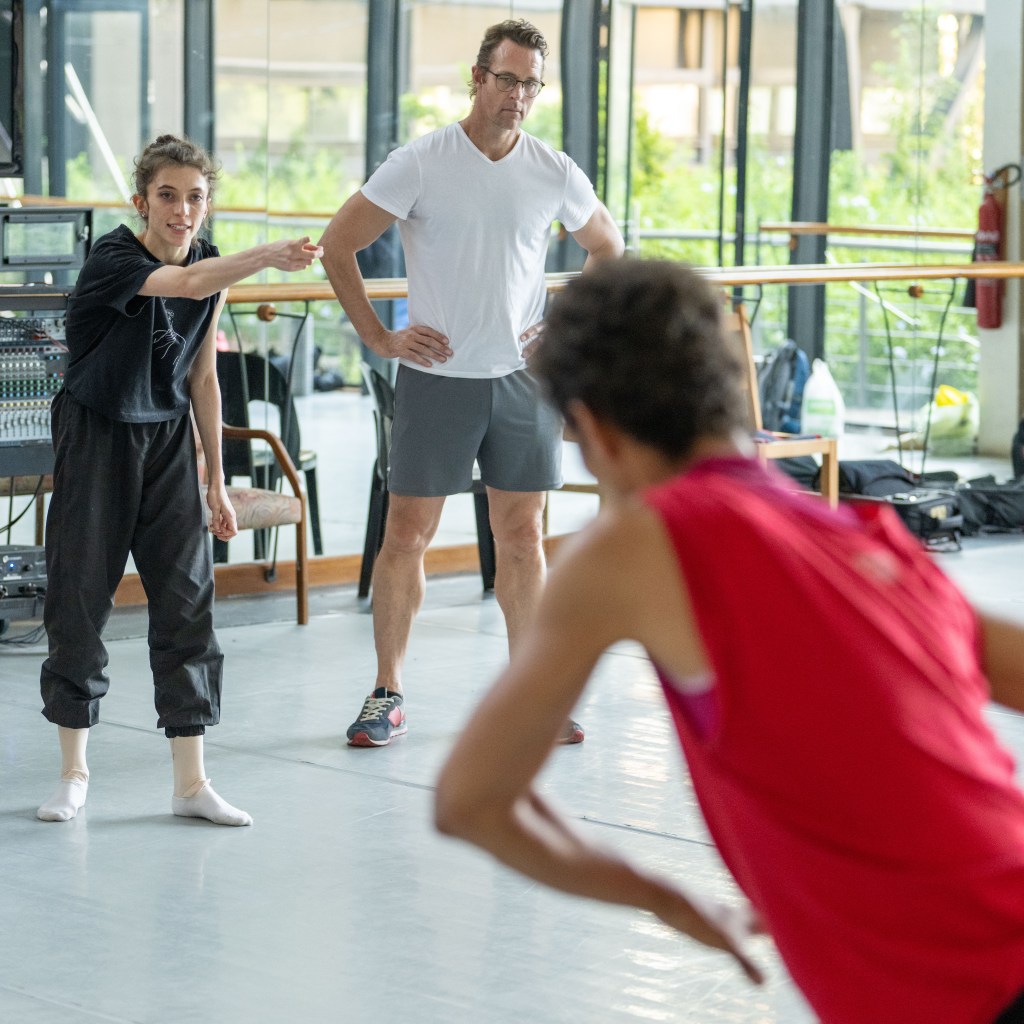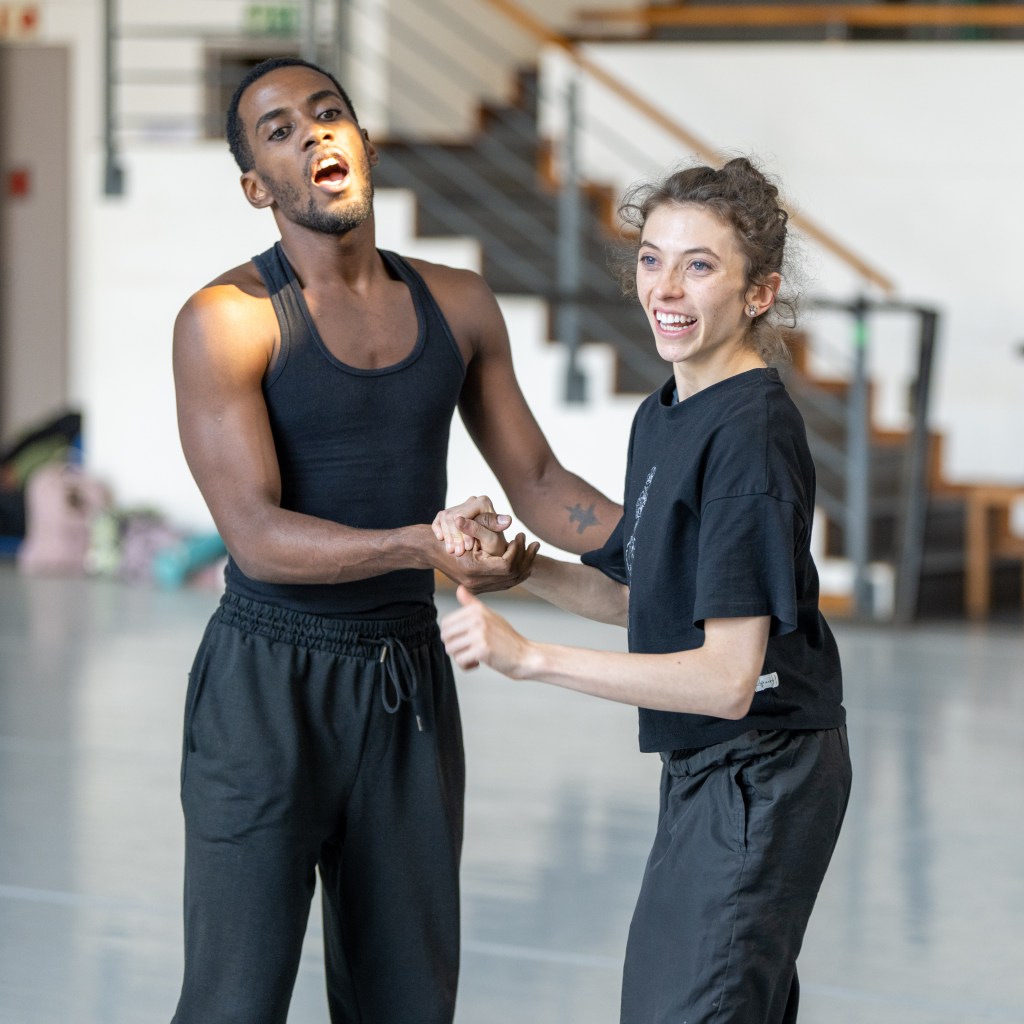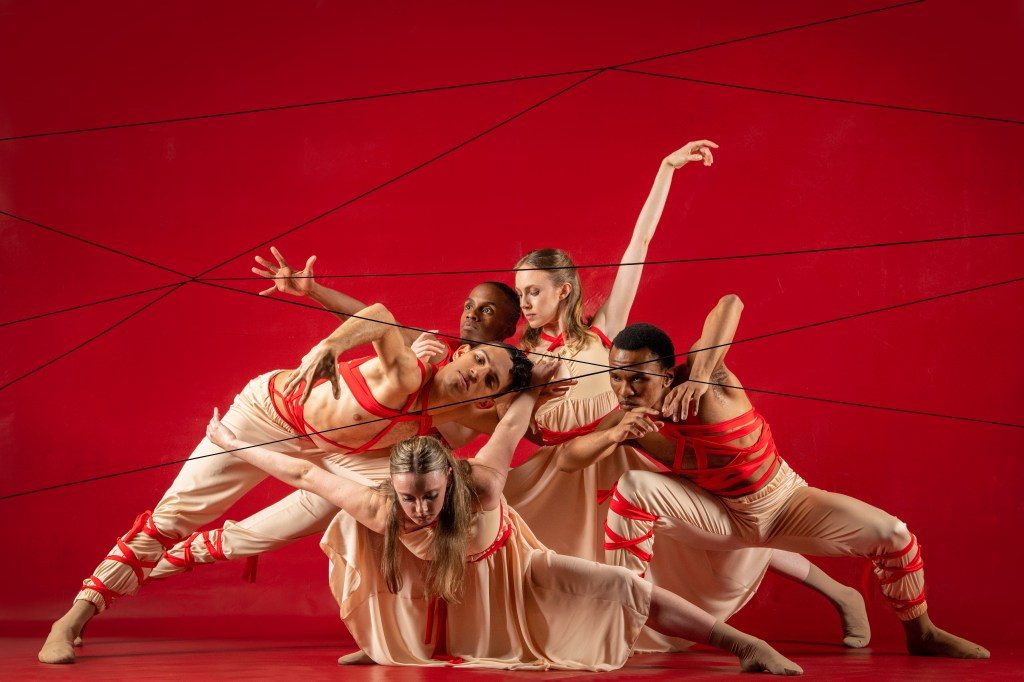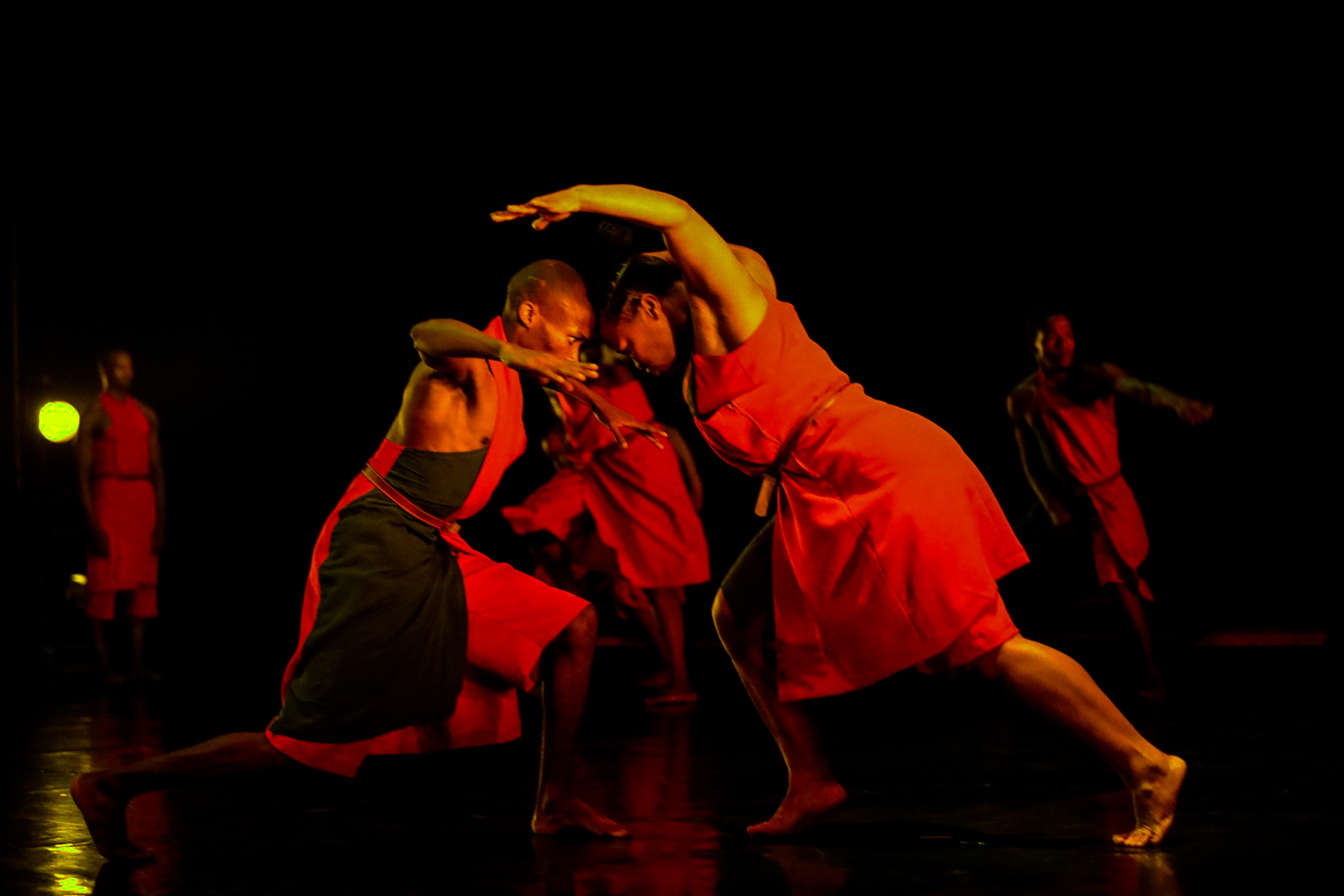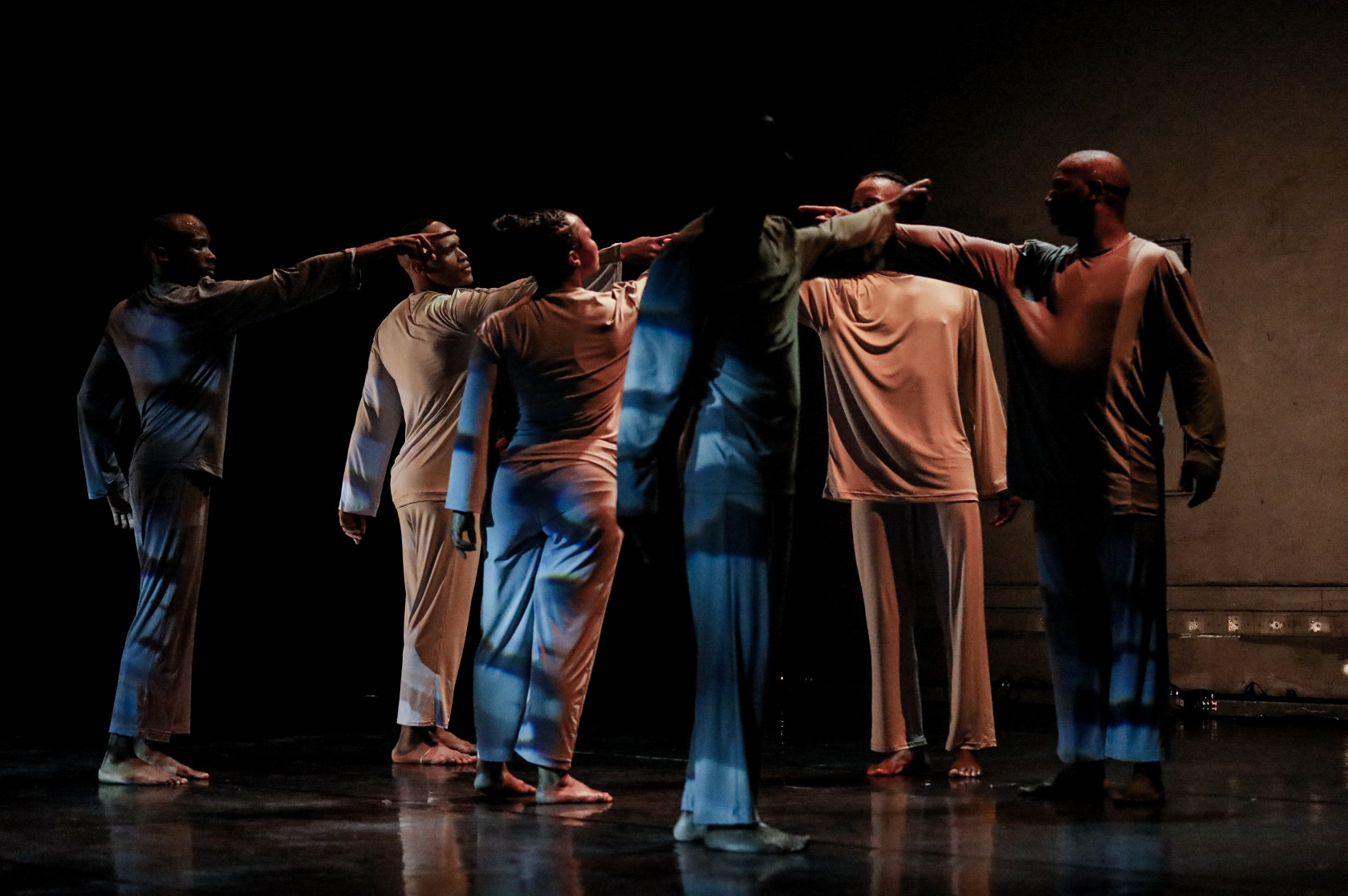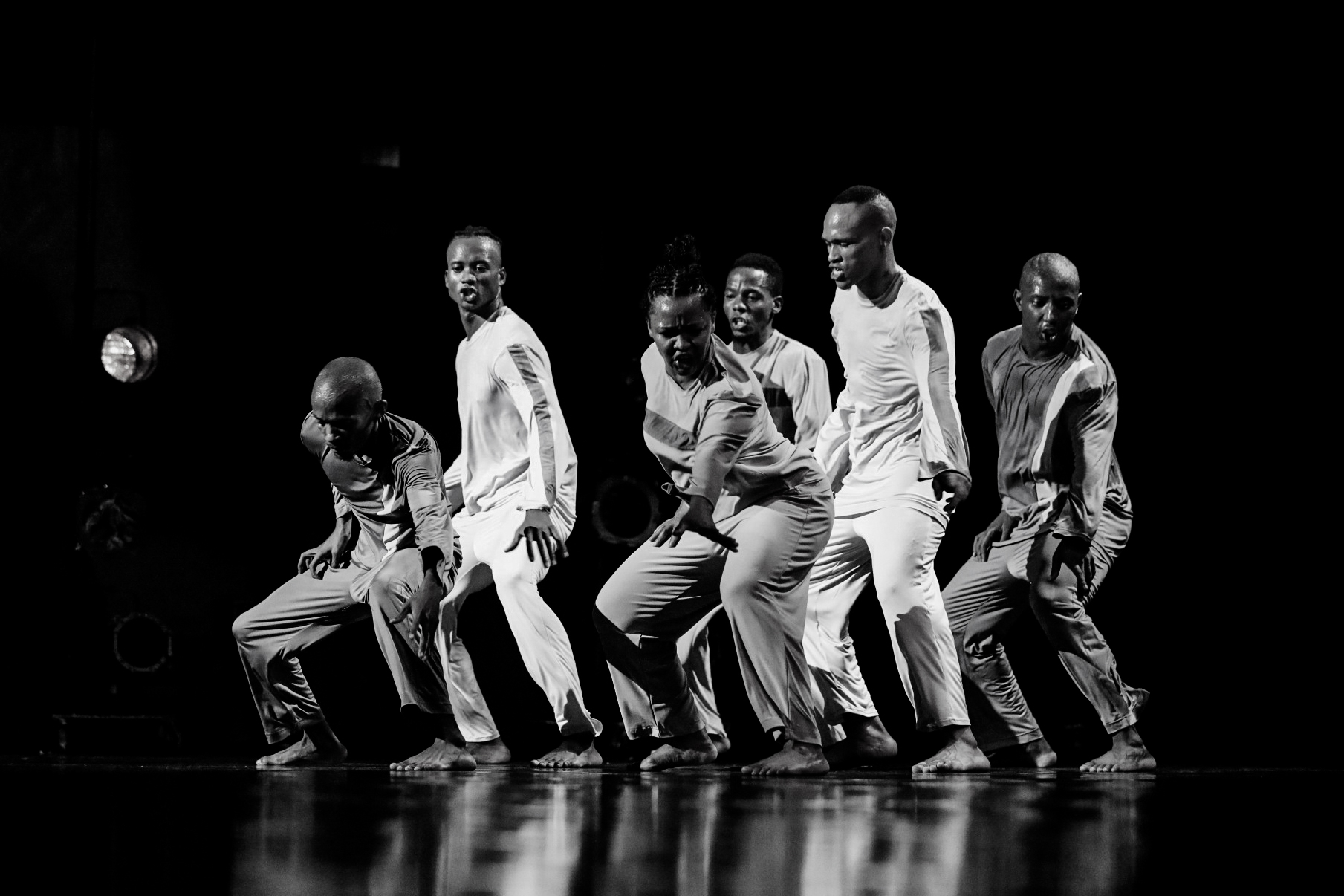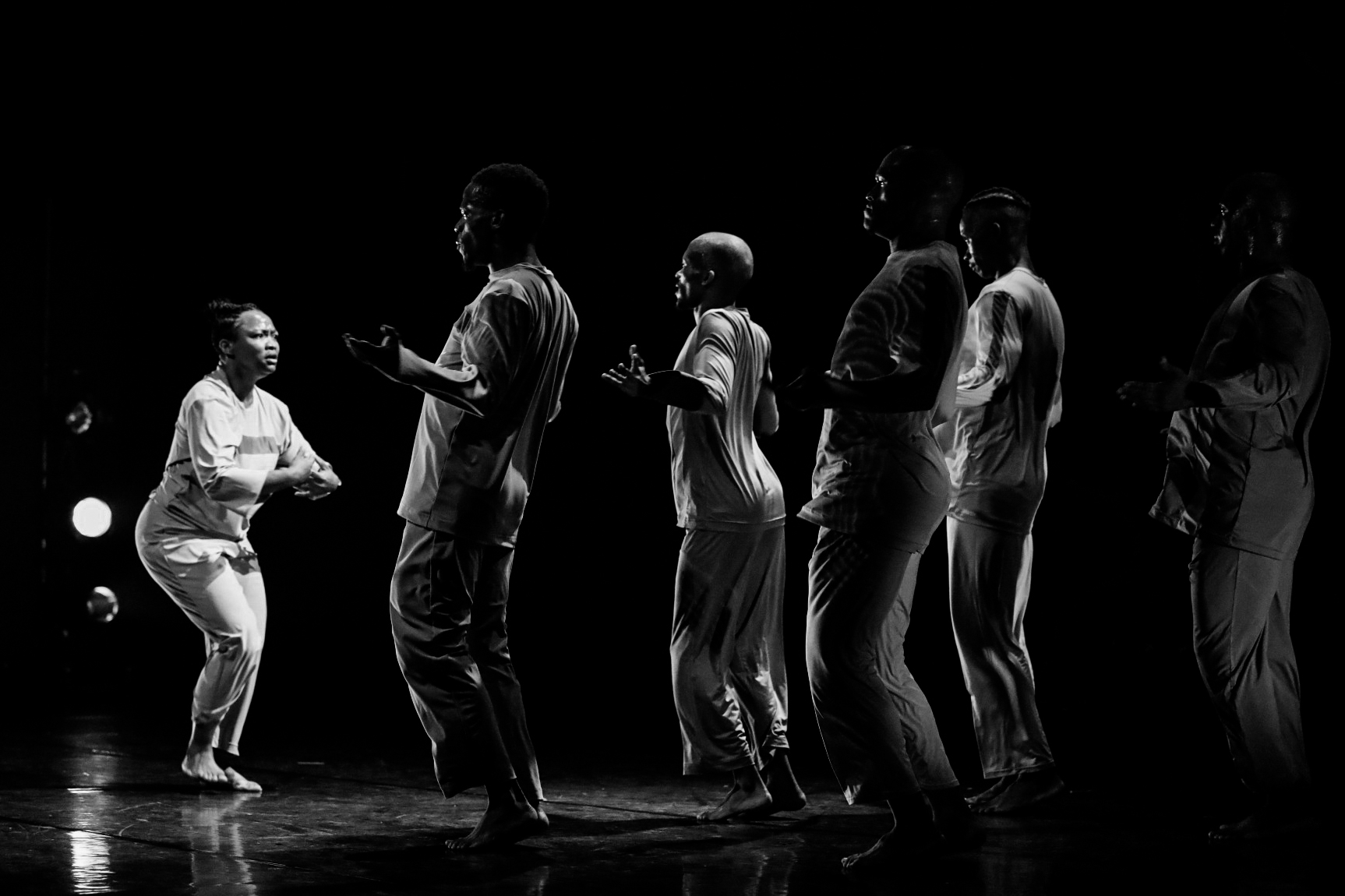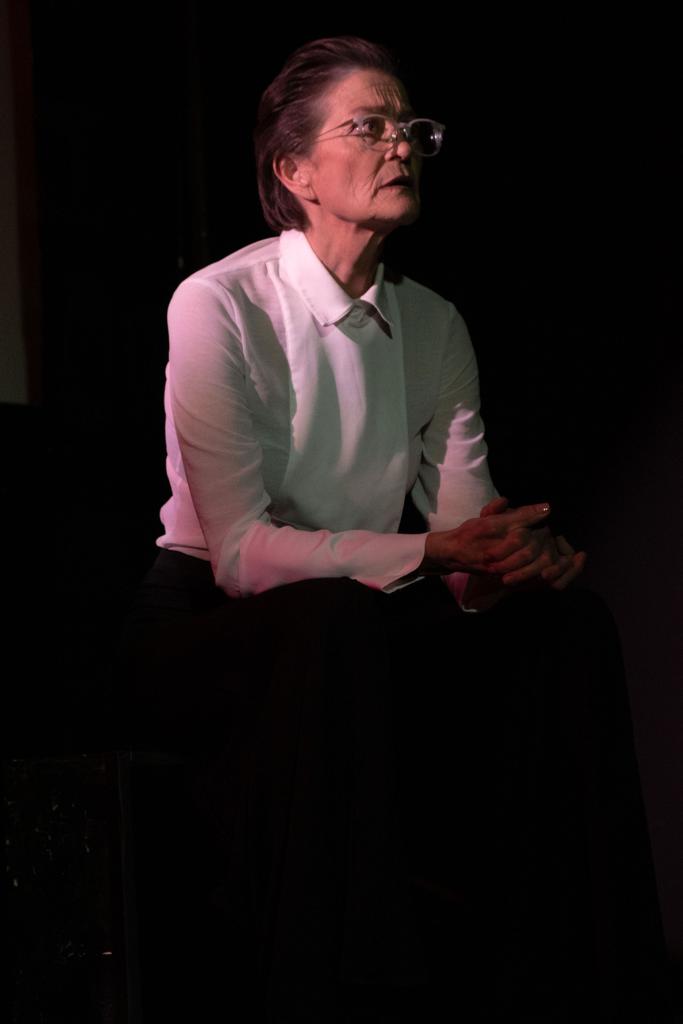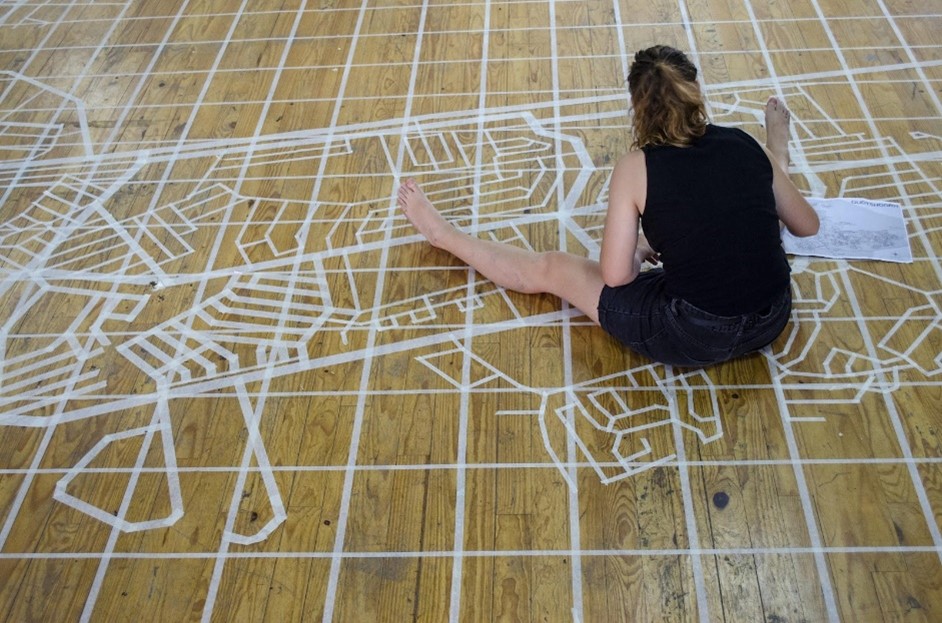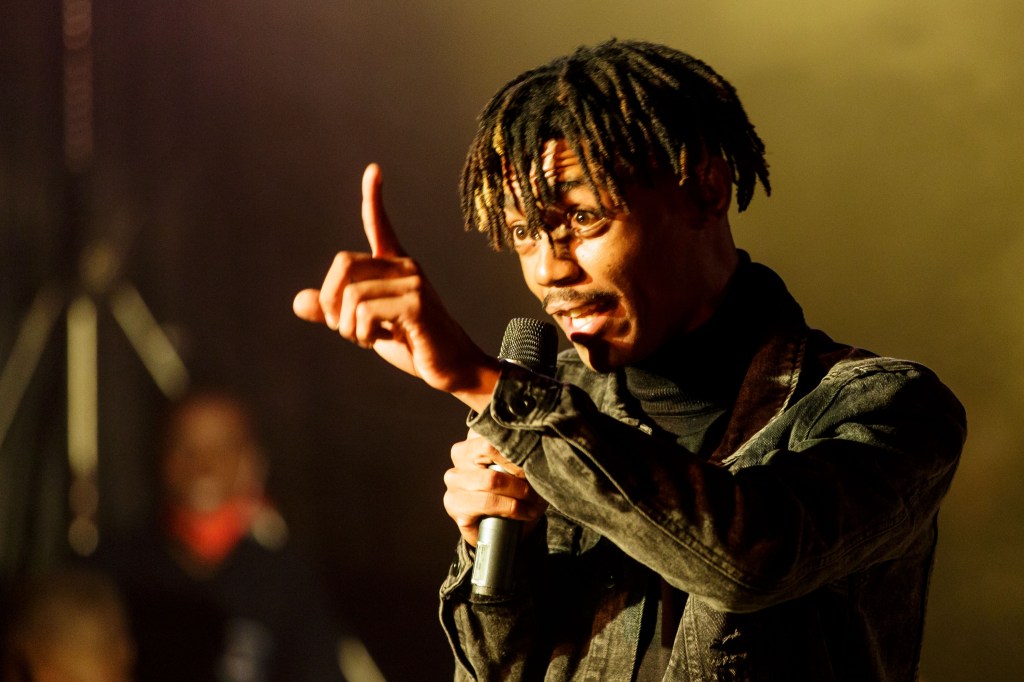
THE DELIGHTS OF BODY MOVES 2023 WILL DAZZLE

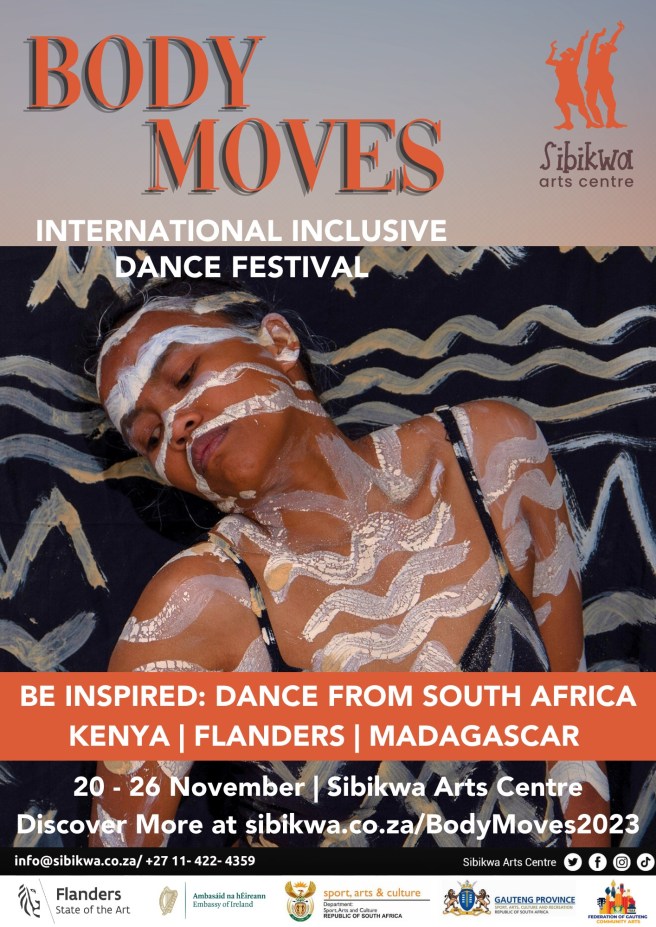
There’s an unusual dance event BODY MOVES 2023 on your doorstep in Gauteng. Celebrating dance in its truest, most inclusive form, it is happening at the Sibikwa Arts Centre in Benoni from November 20 to 26. Anyone who is interested in the impact of dance on both able-bodied as well as disabled dancers, should pay attention writes DIANE DE BEER:

From the whirlwind success of last year’s debut, the Body Moves International Inclusive Dance Festival returns for what promises to be a triumphant second edition.

Set against the backdrop of Disability Awareness Month, the festival showcases an unparalleled array of workshops by esteemed international and local facilitators, live-streamed discussions, and breathtaking afternoon performances on November 25 and 26.

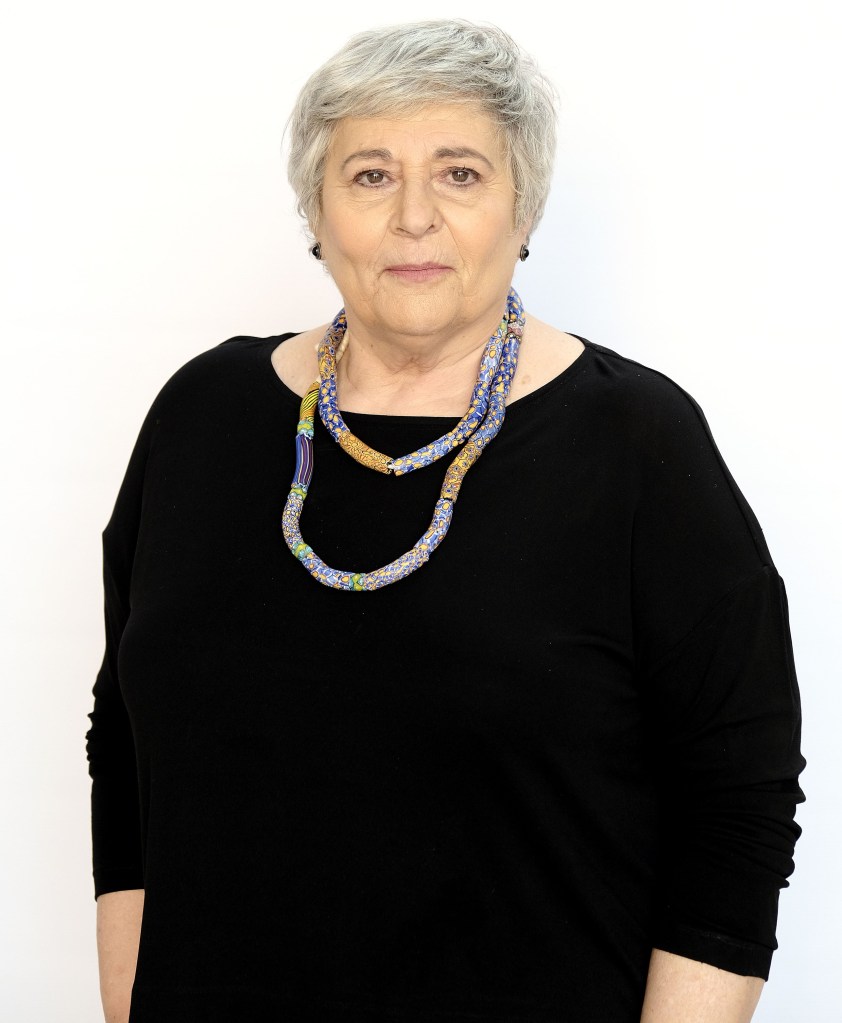
Once again according to the unshakeable Sibikwa mover and shaker Phyllis Klotz, Body Moves steps up the beat, accentuating cultural exchanges and collaborations. With participating companies spanning from Kenya, Madagascar to Ireland, Flanders and various regions of South Africa, the festival embodies the spirit of diversity and unity. Among the highlights:

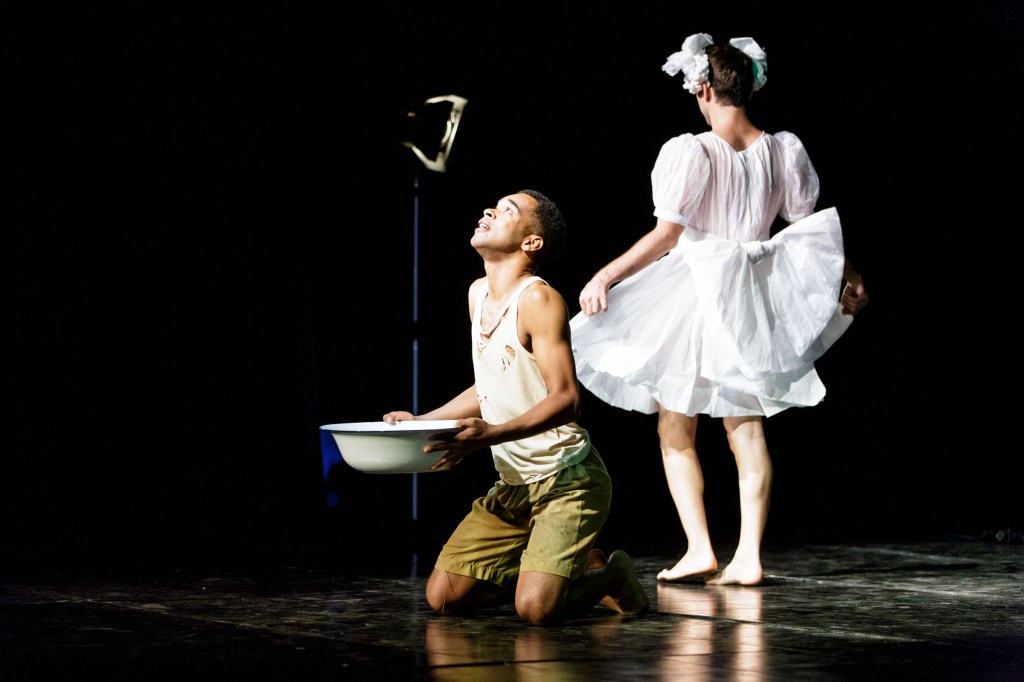
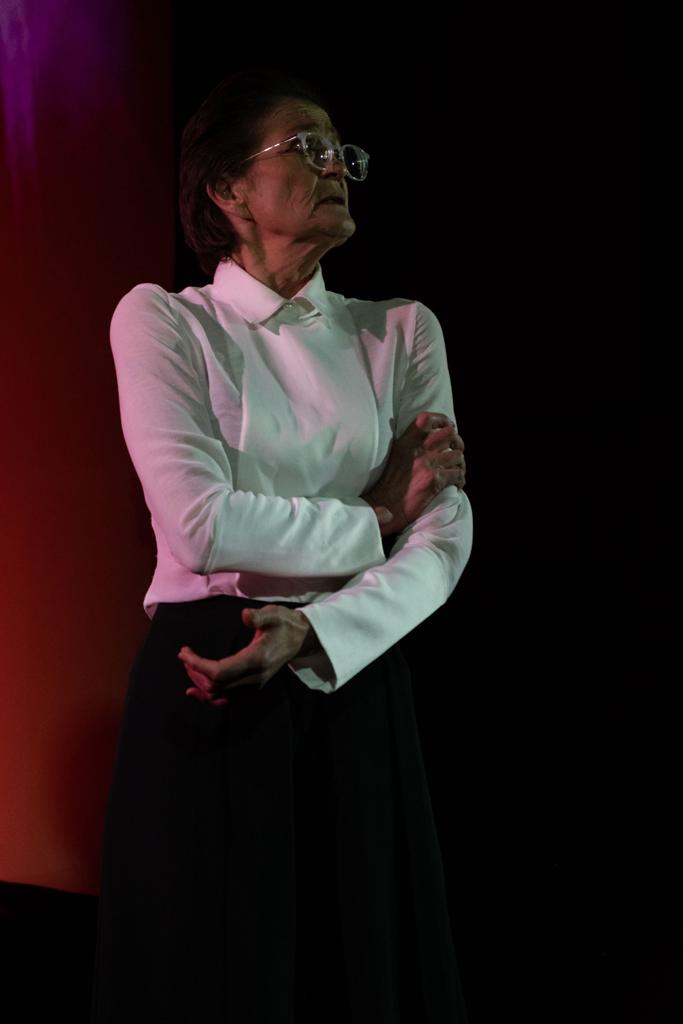
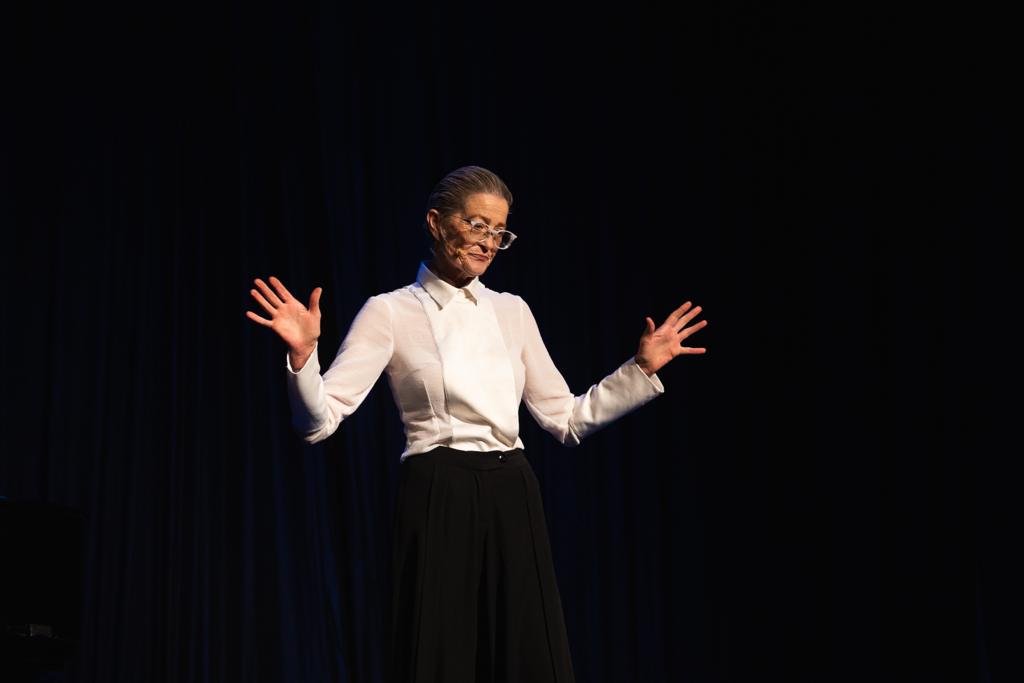
Flatfoot Company in performance.

  • Workshops: From a sign workshop with the talented deaf dancer, Andile Vellem of Unmute, to Ondiege Mathew’s exploration of choreography through improvisation, Fanny Vandesande’s deep dive into the lived experiences of people with disabilities, a satellite workshop at Moving Into Dance in Newtown, and more.
  • Performances: Featuring works such as Chosen, highlighting the plight of a village through the eyes of a visually impaired dancer; to TWOTFAM, a thought-provoking piece that brings to the forefront the overlooked challenges faced by individuals with disabilities.
  • Live-Streamed Discussion: To be hosted in partnership with ADDN, at Sibikwa and on the Sibikwa Arts Centre Facebook page, at 6pm on November 23, their aim is engaging conversations inspired by the impactful 5-minute videos from Introdans and Unmute.

Moving away from the hustle of town, yet not too far from the comforts of home, Sibikwa offers a perfect locale for audiences. See below for a detailed line-up of Festival events, or visit sibikwa.co.za/BodyMoves2023.

Mover and shaker Phyllis Klotz, founder of Sibikwa.

Supported by the General Representation of the Government of Flanders, Embassy of Ireland, Department of Sport, Arts & Culture, Gauteng Department of Sport, Arts, Culture & Recreation, and Federation of Gauteng Community Arts, the festival is more than just an event; it’s a celebration of local and international talent, a nod to cultural vibrancy, and a testament to the belief that arts and dance know no bounds.

Tickets for performances at 2.30pm on November 25 and 26 are now available on Quicket link https://qkt.io/BODYMOVES23 at R120 per person. Special group rates apply at R100 for groups of 10 or more. On-the-day tickets will be available at the door for R140. For those travelling from Johannesburg, a shuttle will be available from Rosebank Mall, the price for this ticket (including shuttle and entry) is R250.

For organisations interested in hosting a workshop or for more details, reach out to caryn@sibikwa.co.za. Additional performance and event specifics are available upon request or at sibikwa.co.za/BodyMoves2023.

About Body Moves:

A pioneer in its field, Body Moves Inclusive International Dance Festival seeks to disrupt societal norms, championing inclusive dance and fostering collaboration across borders. It stands as a symbol of hope, understanding, and the transformative power of the arts.

Contact: Caryn Green|caryn@sibikwa.co.za | 0114224359

See more detail on the programme below:

PERFORMANCES

SOUTH AFRICA

Company: Flatfoot Dance Company (Durban)

Flatfoot Dance Company has a 28-year history of working in integrated arts. It is particularly well known for its 6-year-old integrated programme fondly referred to as Flatfoot Downie Dance Company. This unique dance programme is unprecedented in South Africa and is a celebration of the power of dance to shift lives and to negotiate difference and inclusivity. This particular dance programme celebrates community across the divide of race, gender and ability.

Title: The Infinite Space Between Us

Choreography: Lliane Loots in collaboration with the dancers

Dancers: Jabu Siphika, Ndumiso ‘Digga’ Dube and Julia Pitt

Short Description of dance work: In an intimate dance journey taken by three dancers, Lliane Loots’s collaborative “the infinite space between us”, delves into how we hold, walk and wheel past or towards one another as we attempt to find or break connections. Working with FLATFOOT’s Jabu Siphika, Ndumiso Dube, and Julia Pitt, Loots’s own on-going choreographic interrogations into the intimate politics of relationships, is given a unique spin as the dancers play around with duet, trio, solo formats – and a wheelchair.

Company: Moving into Dance (Johannesburg)

Happiness in dance.

MID was born in the cruel turbulence of 1978 Apartheid South Africa. It was an artistic response to the destructive policy of apartheid. The vision was to draw on the creative capacity of the human spirit to connect enliven and transcend. In keeping with its founding vision Moving into Dance introduced its ‘Enable Through Dance’ programme in 2016 which seeks to inspire confidence and self-esteem in the physically disabled through creative means especially dance.

TitleRemember our Time

Choreographer: Lesego Dihemo

Short Description of dance work: This piece is a reflection on the change that time brings and how it has affected culture.  It is looking back and acknowledging the what we had and celebrating how we have adapted and progressed. 

Company: Unmute Dance Theatre (Cape Town)

Unmute Dance Theatre is a company of artists with mixed ability/disability using physical theatre, contemporary and integrated dance to create awareness on accessibility, integration and inclusion of people with disability within the main stream of society. The company came into existence in 2013 after a performance entitled Unmute. Within the past 9 years, Unmute Unmute has developed various inclusive projects that have created access and integrated people with and without disability in one environment.

Title: Isikhalo Sendoda (The Cry of a Man)

Choreographer and Dancer: Andile Vellem

Short Description of dance work: As an African man, culturally, he is not permitted to show emotion or to cry. This dance piece, inspired by his late son, is the beginning of Vellem’s healing.

Work commissioned by Sibikwa Arts Centre (Benoni)

Title: bells and sirens

Choreographer: Thapelo Kotlolo

Performers: Lethabo Shai, Keaoleboga Seodigeng, Thapelo Kotlolo

Short Description of dance work: For most young queer individuals club life is an important element of self-image. The club is a place of refuge, a protected space where they are able, and allowed, to enjoy a little freedom. The nightlife means an opportunity to become self or at least who and how they wish to be seen. While at the same time this is not always a true reflection of their day to day lives. The work explores themes relating to queer bodies escaping into the night.

Ga-Rankuwa Requesters.

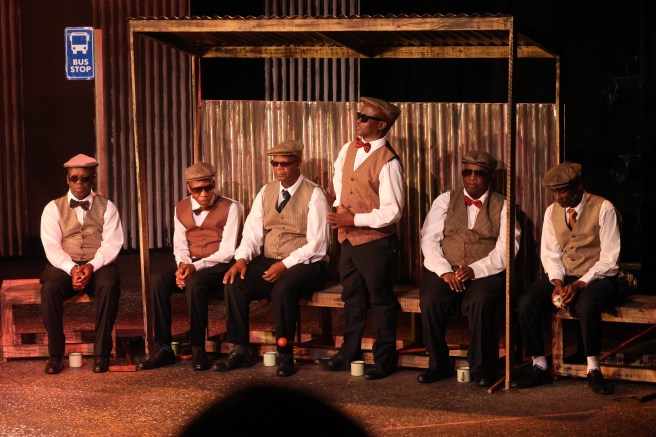
The Ga-Rankuwa Requesters began in 1984 under the leadership of music composer Lucas Kopaopa. The group initially had 9 male members in total, 8 were visually impaired and 1 was partially sighted. The group worked together at Are Itereleng Centre for the Blind, in Zone 2 in Ga-Rankuwa. After the formation of the group, now known as the Ga-Rankuwa Happy Boys, they released 3 acapella albums. As the group’s journey continued and new members joined and old members left, they formed the Ga-Rankuwa Requesters in 2005. They have entered music competitions convened by the South Africa Disabled Musicians Association and have won a recording deal. Over the past year they have been performing Lifted – Let the Blind Sing at the State Theatre under the musical direction of Zakehele Mabena.

FLANDERS

Title: TWOTFAM The Works Of The Flesh Are Manifest

Choreographer: Fanny Vandesande

Dancer: Anna Dujardin

Music Composition & Performance: Kobe Boom

Short Description of dance work: The works of the flesh are manifest and focuses on the creation of intimacy on stage and the power relations that it carries forward. The performance departs from Anna D’s diary entries, illustrations and poetry, which is presented through movement.

FANNY VANDESANDE is currently conducting research in intimacy, sexual agency, autonomy, and social perception with people living with disability.

MADAGASCAR

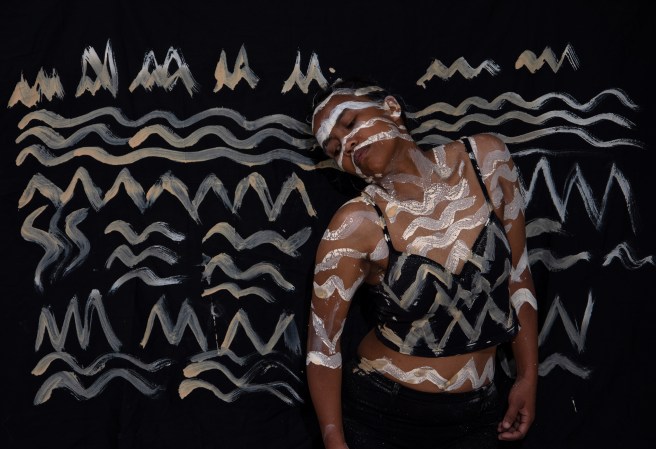
Nacelle Somoh (also seen on poster) from Madagascar

Company: Lovatiana

Created in 2002 in Antananarivo by the choreographer Lovatiana Erica Rakotobe.  In 2009, people with disabilities were integrated into the company and the company currently has 8 members who work in the artistic, social and educational sectors in Madagascar. The company organises different events, including a multidisciplinary in inclusive festival Miaraka, which takes place every two years.

Title: Chosen

Choreographer: Lovatiana Erica Rakotoba

Dancer: Nacelle Somoh

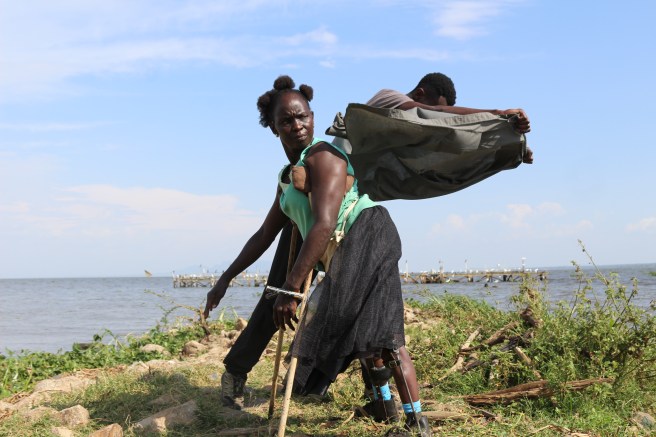
Short Description of dance work: Dance piece inspired by the story of young children chosen to save the people of the village often threatened by floods.

KENYA

Company: Dance Into Space

Dance Into Space (DIS) is a Kenyan contemporary dance company fostering training, practice and appreciation of dance in conventional and unconventional spaces.  DIS champions’ inclusiveness through works with people with disability in East Africa in a mixed ability dance program exploring existential issues creatively. The company has established a growing centre for implementing mixed ability and contemporary dance projects in Siaya County.

Title: NYANAM (Daughter of the Lake)

Choreographer: Ondiege Matthew Oyango

Dancer: Pamela Jura

Short Description of dance work: Re-imagining a Kenyan myth that has previously promoted patriarchal behavior. Nyanam challenges the traditional power play by demystifying myths and suggesting new narratives where women are seen to be empowered and play a stronger role in the hierarchy.

WORKSHOPS (2 to 2 and a half hour in length)

  • Ondiege Matthew: A mixed abled dance workshop discovering how the body with disability in contrast to the body without a disability explores space, direction, levels and approaches choreography through improvisation.
  • Lovantiana Erica Rakotoba: The workshop will be based on inclusive dance working through body weight and fluidity and exploring different bodies in space; sharing the choreographic repertoire of the piece running at the Festival.
  • Andile Vellem: Presenting a sign dance technique workshop established by UNMUTE, using the basics of sign language and finding ways to translate it into creative movement.
  • Fanny Vandesande: This workshop delves into the difficult challenges people living with disabilities confronts regularly, which includes, intimacy and sexual agency.
  • Cindy Cummings: This workshop, titled ‘Serious Play’, will focus on the ever-changing dialogue between people. Pairs and small groups will use improvisational structures to experiment with specific tools for this kinesthetic dialogue to reveal how everyday actions can be crafted into a unique and original dance through the lens (and practice) of Noticing.

IRELAND

CINDY CUMMINGS is a freelance dance artist who creates original collaborative works with dance, theatre, visual, sound, literary and media artists around the world for live performance, installation and film. Cindy is based in Kilkenny, Ireland where she has choreographed productions at the National Theatre of Ireland and most recently, with the award-winning Asylum Productions. Currently she is movement director with Equinox Theatre Company at KCAT Arts Centre and is a facilitator on the Inclusive Dance Cork course at Dance Cork Firkin Crane. Since 2007 Cindy has been a member of Aosdána, the affiliation of creative artists in Ireland.

DISCUSSION

To be hosted at Sibikwa, in partnership with ADDN, and live-streamed to Facebook, it promises engaging conversations inspired by the impactful 5-minute videos from Introdans and Unmute.

Link to Introdans video: https://vimeo.com/860961292/a614acc7e5

The AFRICAN DANCE DISABILITY NETWORK (ADDN) is part of a UKRI – AHRC funded research project entitled ‘Encountering disability through contemporary dance in Africa’. It aims to gather academics, artists and educators in a free and open space of community, sharing and support. Their approach is intersectional, considering how disability as an experience sits alongside our ethnic, gendered, racial, class and national identities.

KENTRIDGE WIELDS HIS ARTISTRY TO SHINE THE LIGHT MAGNIFICENTLY ON THE FORGOTTEN BLACK FOOT SOLDIERS WHO FOUGHT VALIANTLY BUT WERE IGNORED IN THE WRITTEN HISTORY OF WORLD WAR ONE

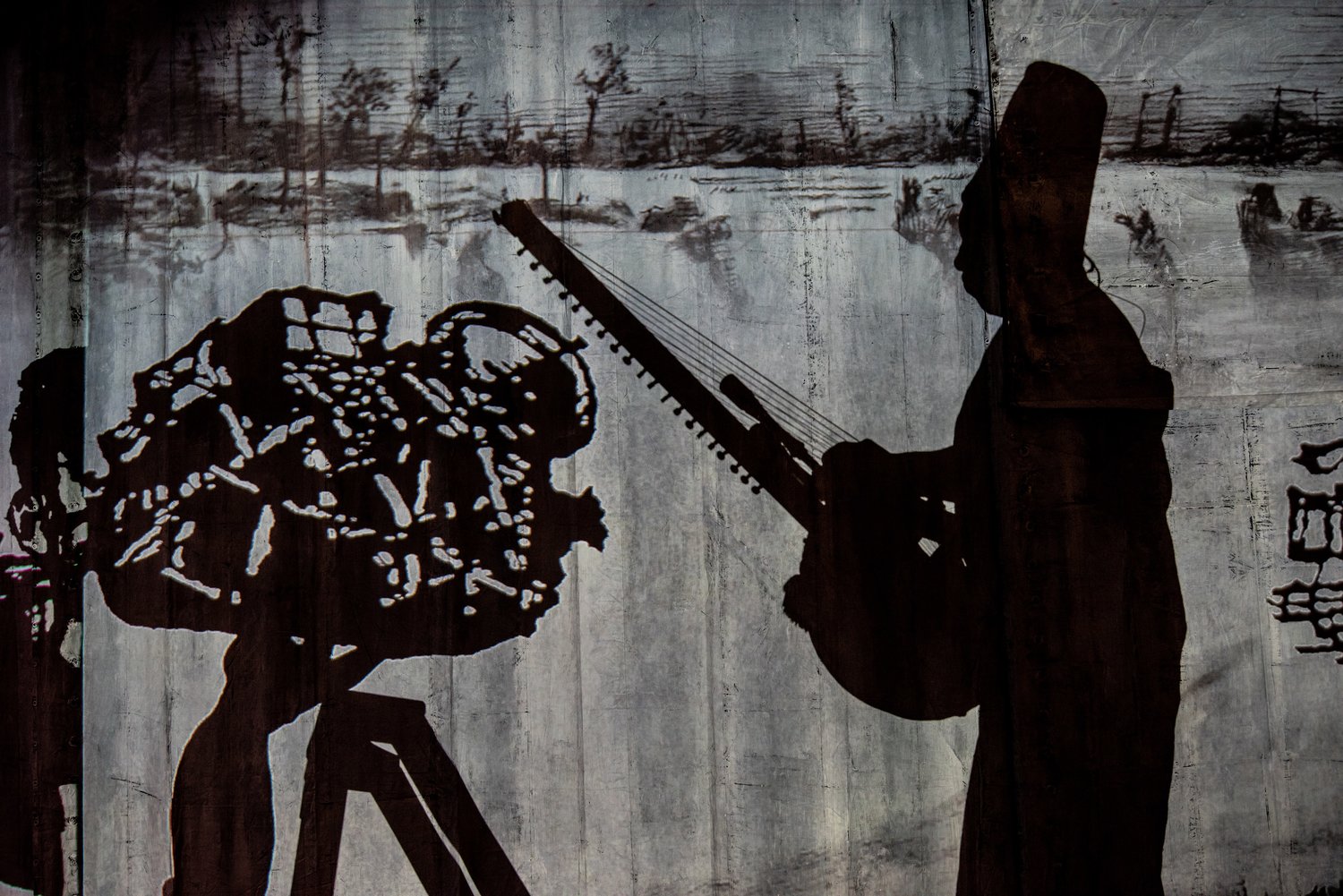
The Head and the Load is about Africa and Africans in the First World War.

That is to say about all the contradictions and paradoxes of colonialism that were heated and compressed by the circumstances of the war.

It is about historical incomprehension (and inaudibility and invisibility).

The colonial logic towards the black participants could be summed up:

“Lest their actions merit recognition,

Their deeds must not be recorded.”’

The Head and the Load aims to recognise and record.

           WILLIAM KENTRIDGE

Pictures supplied

SHOW: The Head and the Load

CONCEPT AND DIRECTOR: William Kentridge

COMPOSER: Phillip Miller

MUSIC DIRECTOR AND CO-COMPOSER: Thuthuka Sibisi

CHOREOGRAPHY: Gregory Maqoma

PROJECTION DESIGN: Catherine Meyburgh

COSTUME DESIGN: Greta Goiris

SET DESIGN: Sabine Theunissen

LIGHTING DESIGN: Urs Schönebaum

And the magnificent cast and musicians – with the African premiere dedicated to the original narrator Mncedisi Shabangu who sadly died last year.

DIANE DE BEER reviews:

And the top introduction by Kentridge gives you a pretty good idea of the load the artist, in many different disciplines, (and when not, he brings in others of his ilk) had in his head.

If you’re the one watching, it might just blow your mind. And if you’re familiar with his work, there’s much you will recognise as he often works with the same artists and combines original music with references to the period and composers of the time as well as texts, movement, shadow play and lighting.

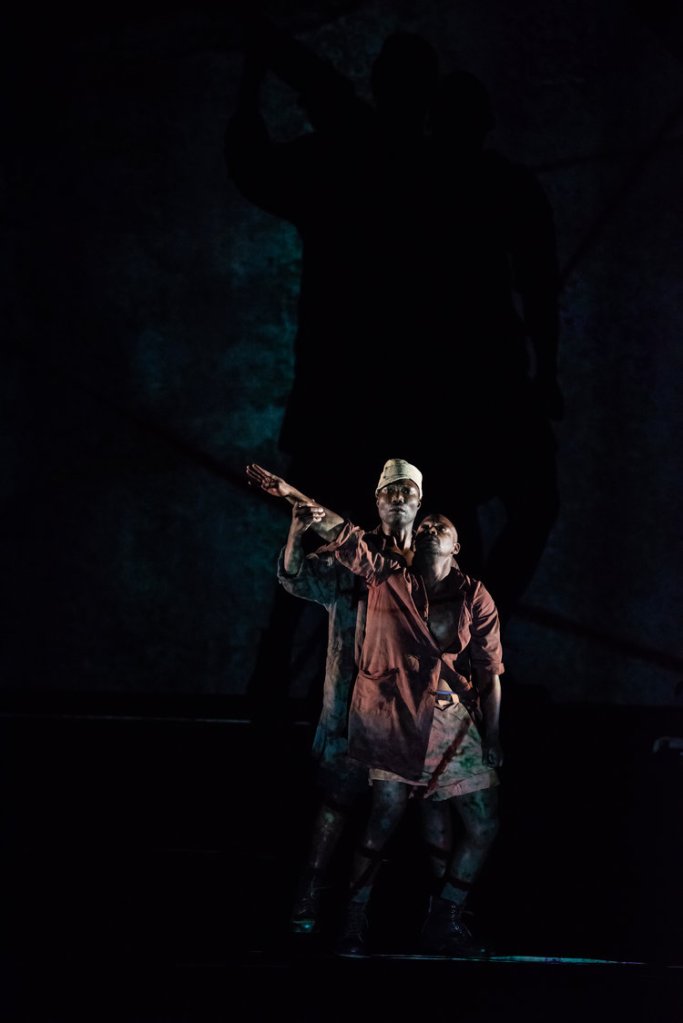
You see a body marching in the distance (they use backstage for the performance because they need that length of space), and just the way he moves already tells you he is a dancer. But not any dancer, one of the best, Gregory Maqoma.

That’s how it runs all through the performers and the musicians. When I hear the brass sounds used in this specific way, it reminds me of the cacophony Emir Kusturica used in his war drama Underground to capture the sounds he associated with war.

And Philip Miller and Thuthuka Sibisi work similarly. They transformed traditional African songs as well as quotations from composers from the time of the war like Ravel, Hindeman, Satie and Schoenberg. It’s varied, as they mimic the different sections of the story, and the way the musicians and the singers use their voices is spectacular.

Just think of wind instruments. They’re used here in the true sense of the word. It’s as if the wind witnesses and blows silently through the space.

But let’s start at the beginning when the show starts. Performers have silently been slipping in and placing themselves inconspicuously in specific spots. And almost in one fell swoop, the giant screen, the lights and the cast come to life.

The audience, in touching distance, are instantly scooped up and almost thrown into the story and the action.

In one spot there’s the most exquisite Vermeer scene with bold Kentridge drawings and sketches, all heightened by the wonderful and magnified shadow play, while individual performers have all, as if magically wound up, started moving. And then the narrator starts with the tale.

Everything is part of the fabric, the texture, the mood and essence of the whole. It’s like a giant storytelling extravaganza yet this has no fairy-tale ending. There’s melancholia and war mania, and there’s the feasting on the foot soldiers as they are put to battle almost deliberately as war fodder. In one of the war reels, the African participants displayed in uniform are barefoot!

Kentridge puts the spotlight on World War One, but this time, he tells and shows it all. This he wants to record. And in full Kentridge splendour, he unravels and reveals everything he wants you to know. With this grand theatrical flourish he imprints the pictures and performances in your mind.

Having waited for Covid restrictions to be lifted to see the production, it has become even more relevant with first the Russian invasion of Ukraine and now also the frightening war in Sudan.

It’s impossible to take all the individual flourishes in and yet, it is an immersive theatrical experience which will linger and almost lay you low. But then the sense of wonder, the way of revealing the relentless horror and the sheer scale of the endeavour, are what keep swirling in your head.

Gauteng is blessed to have Kentridge in its midst and to witness this astounding theatrical avalanche so brilliantly composed and performed, which is – sadly –  as relevant today as it was in 1918.

JOBURG BALLET KEEPS THE DANCE DIALOGUES ALIVE WITH CREATIVELY MOVING CONVERSATIONS

PICTURES: Lauge Sorensen

The dance conversation starts tomorrow at the Joburg Theatre with Joburg Ballet’s triple bill of ballets new to the company’s mainstream repertoire. Titled Dialogues, two dancers were invited to choreograph two new works while a third, Bruno Miranda, will stage the 1896 ballet Bluebeard Grand Pas

Bruno Miranda with the cast for the 1896 ballet Bluebeard Grand Pas

described as a glittering showcase for dancing in ballet’s finest classical tradition. Artistic director Iain MacDonald believes the programme exposes dancers and audiences to the diversity and versatility of the company. DIANE DE BEER talks to Joburg Ballet dancer Chloé Blair who has been invited to expand Table for Two (part of Joburg Ballet’s RAW programme for new choreographers in 2021) for this first season of 2023 and Roseline Wilkens of Vuyani Dance Theatre with her first for Joburg Ballet entitled Identity:

Revil Yon (above) and Bruno Miranda in Table for Two.

“My choreography philosophy comes from the extreme passion and love that I have for dancing, specifically ballet. I find dancing to be one of the most humble ways to tell a story as it’s very understated as opposed to other art forms, like singing or acting which are maybe more out there or confrontational in some way.”

Chloé Blair believes that dance is so special because it asks the audience to look at body language and interpret it for themselves and then to connect this body language to their own feelings in a way that’s not really conscious.

When she starts working on a piece, there’s her emotional response to music, which is always the starting point. “I find that music allows me to process ideas and memories and thoughts and there’s a lot of time that I spend by myself just listening to movie scores, orchestral music, classical music and just letting my mind wander into specific situations.”

In this instance she was sitting at the dining room table with a friend listening to music they both loved called Table for Two. It’s music she loves and she started thinking about how much of our relationships happen around a table: we celebrate, we eat together, we toast one another, we have fights, she says. “And I thought that would be such an interesting way to centre a specific relationship story. From there I took some of my own memories and own experiences I had which all felt quite universal.”

As a classical ballet dancer, it influences her choreography because it forces her to pay attention to the detail of body language. “In my dance life I’m bound to a classical repertoire, which has a very solid structure. The things that convey emotion are often in the detail, like a look, a head movement, the use of the fingers or a touch, detail orientated when it comes to body language, interpretation.” She tried to use that in the piece, to capture those detailed moments, the difference between emotions by using specific body language. “Being a classical dancer, the dance is very structured and I enjoy that. You find freedom in that structure.”

But after the initial discovery of the narrative, she finds music – which, incidentally, is not usually the music she has used to develop her narrative. “The music which I finally use for the piece, is something different which marries not just the feeling of the narrative, but the structure as well.

Excited to rework the piece, she is also intimidated because to expand everything would be quite a challenge.  “I expanded the cast, because the first time it was just two men, but this time round there was a whole corps de ballet.  I used the extra dancers as a tool to tell the story, giving a lot more thought to formations, movement and how to incorporate this into the structure,” she notes.

Using two men as main characters was determined by a desire for the relationship to be very interpretive. “I wanted the audience to view it as either a friendship, a romantic relationship, or a family dynamic without specifically dictating it,” she says.  She also loves working with men, because they bring an energy and a freedom of movement which is very inspiring to work with.

Her narrative and thus choreography tells a story of how changes in thought and changes in feeling lead to changes in the dynamic between the two of them. While Table for Two follows one character’s narrative, she wanted to show a relationship in multi-dimensional way, not always as so often seen from our own perspective.

Identity choreographed by Roseline Wilkens

What Roseline Wilkens hopes to achieve with Identity is for the self to be comfortable in its own skin. She strongly believes that everything happens for a reason. “My identity was formed by my life stories. All the work I have created is very personal.”

It deals with the journeys she has made, things that have happened to her, and things that have formed her as the person she is today. “But things still keep happening and shaping my character,” she emphasises. “Whoever I meet, whether the person stays in my life or leaves, there’s always something that keeps forming you.”

But, importantly, she also holds onto her roots and where she came from, not forgetting what she stands for. She embraces change and carefully dissects wat she incorporates into her life and what she lets go. “That’s what identity is all about, finding your true self,” she says.

She was surprised by how much the dancers understood the storyline she presented them with. “It was more than I thought they would because it came from a personal perspective,” she explains. “Dealing with identity, everything had to be honest about some life-changing event.

She usually works in the field of African contemporary, sometimes classical and it would have been easier working with dancers she has worked with on a daily basis However, it was surprising working with classical contemporary ballerinas. “It was interesting how we influenced one another and the work. It came together as they made it their own and gave it their own flavour. I didn’t come with any expectations, so it was a work in progress and a work together.”

Having created the music in collaboration with Isaac Molelekoa, she doesn’t see herself as a composer, but she loves sound and working with what she feels. “I created the music with my own beats which was then transcribed as sheet music by my collaborator.” She feels blessed by this partnership which has been worked at through the years. “He gives life to the craziness in my head and the sounds I make during rehearsals.”

She doesn’t have to use any other sounds or music and this for her, truly represents her identity. “I chose the title, because it is about becoming one with self, learning to start over, relearning yourself in every way possible which means growth. I am in tune with myself,” she aptly concludes.

Joburg Ballet 2023 seasons at a glance:

Dialogues (Joburg Theatre): Friday 17 March – Sunday 26 March

Romeo and Juliet (Joburg Theatre): Friday 30 June – Sunday 9 July

La Traviata-The Ballet (Baxter Theatre, Cape Town): Wednesday 26 July – Saturday 29 July

Don Quixote (Joburg Theatre): Friday 29 September – Sunday 8 October

Dialogues: Booking Information

Standard Ticket Prices:

R475, R410, R375, R275, R200 (applicable to all performances except Wednesday 22 March for which all tickets are R100)
Discounts:

Friends of the Ballet 35%; Pensioners 15%; Groups of 10+ 10%; Children 4-7 50%
Where:

Joburg Theatre, Braamfontein
Book:

At Joburg Theatre Box Office or 0861 670 670 or online at www.joburgtheatre.com

Patrons can also book and pay via the Nedbank app and at selected Pick ‘n Pay stores.

THE MAGNIFICENCE OF LIVE PERFORMANCE AT THE JOBURG THEATRE CELEBRATES OUR ARTISTS

The past month has really brought back the nightmare of Covid for the arts with the staging of two mesmerising shows at the Joburg Theatre highlighting the miracle of live theatre. DIANE DE BEER speaks her mind:

First off there was August Wilson’s Fences with an amazing, vibrant cast  just right for the present time. As I have written in a previous post, there was nothing to fault. But what reminded me even more strongly what we missed during Covid,  was a second show, this time contemporary dance with two of the best in the business and with the choreographers almost reaching the status of elder statesmen.

But let’s refer to them (Gregory Maqoma and Vincent Mantsoe) as the wise men of dance as they tap into the time in a way that elevates the show in so many ways.

What they presented with their specific talents and differing styles together, is so smart. I am not a dance critic, so I tread lightly when commenting on dance yet theatricality is much more universal and an easy one to asses.

While Mantsoe is much more the traditionalist, someone who time and again returns and robustly mines his roots, Maqoma bristles with contemporary energy and enthusiasm, which makes this the perfect pairing and shows the capacity and capability of the Vuyani dancers at their best.

The masters Vincent Mantsoe (below left) and Gregory Maqoma (below right) and the magnificent Vuyani dancers.

It’s in the moves, but it’s also in the mood they create on stage as the interpret their different choreographers with a precision and passion that takes your breath  away. And because of the temperature differences in the approach of the two choreographers, that’s what really gift wraps the entire production so stylishly and with such abundant generosity for the audience.

It’s the full spectrum of emotions which makes for the perfect experience in the theatre. And that’s what we missed, artists performing with a passion that comes across in every lift of a head and every tweak of a muscle.

From the costumes by Asex, which also marked the two presentations very specifically, to the exquisite music specially created for this presentation by Andrea Cera (for Mantsoe) and Elvis Sibeko (for Maqoma). Lighting by Wilhelm Disbergen, is again in a distinct language for the individual storytelling, and generously captures the atmosphere.

The masters Vincent Mantsoe (below left) and Gregory Maqoma (below right) and the magnificent Vuyani dancers.

With the programme digitally set up in the foyer for everyone to access, it enhances the experience for each individual attending. They’ve leapt bravely into a new year, one still hanging by a thread with still so much uncertainty in the world.

But the artists understand. They know there’s no holding back. As long as there are audiences, they have to tell their stories in their own way – and when they do it with such confidence as these two do, the audiences are there .

That’s been amazing and exciting to see with both Fences and ZO!Mute, neither of which will necessarily appeal to the masses – and yet, both shows I attended were packed and with an audience who were there to watch and take on anything on offer from start to finish.

That’s not always a given in the arts. I have been in many theatre and dance shows where you wish there was an audience to witness the wonders on stage. But it seems, Covid has brought a new kind of awareness.

It happens too often. When we have shows in abundance, we don’t always pay attention. But take them away – at least the live ones – for a few years, and the value of artists and what they have to say and show us seems suddenly to be appreciated.

It shouldn’t be that way,  but that’s life.

The Vuyani Dancers choreographed by Vincent Mantsoe.

Just becoming used to  the idea again of live theatre returning to our lives in full splendour, I want to shine a light on how blessed we all are to have these artists around us who bring so much to our lives.

Sometimes it silly escapism, other times it’s the marvel of their artistry. Storytelling in some form is always part of the equation and if it is for that alone, the constant expansion of our minds, we should all appreciate the sparkle, the sublime and the sheer wonderment they bring to our lives.

The Vuyani dancers cvhoroegraphed by Gregory Maqoma.

Following sold-out performances in the 2022  singer Simphiwe Dana Announces the returns with Moya directed by the prolific Gregory Maqoma under the musical direction of the seasoned Titi Luzipho, which will be staged on the Mandela Stage at Joburg Theatre, from tomorrow (Friday) until Sunday (March 3 to 5).

It has been an incredible journey for Dana in the music business and her powerful and soulful voice has moved the hearts of fans across international stages. She was just a young girl from the Eastern Cape, who initially doubted the sound of her voice, before realising its strength through song. Her activist work has also allowed her voice to highlight serious social issues such as the discriminatory plight that women face.

Moya, is filled with themes of spirituality, and healing, which is inspired by the concept of loss and life. Simphiwe started writing the show after the passing of her mother, trying to find a way of understanding and healing from the loss.

The Simphiwe Dana show Moya directed by Gregory Maqoma this weekend.

Her music will be complimented by the creative fusion of contemporary African dance by the dynamic Vuyani dancers. Her story is told through the acapella roots of her music.

Tickets are available for bookings at https://www.joburgtheatre.com at R350 to R550 with corporate bookings and a VIP experience from R1 000.

He is also part of the long-awaited The Head and the Load which due to Covid has been rescheduled from Friday April 21 to Saturday 6 May, also at the Joburg Theatre.

e is also part of With music composed and conceived by Philip Miller with Thuthuka Sibisi, this is William Kentridge’s exploration of Africa’s role in the First World War combining music, dance, film projections, mechanized sculptures and shadow play to illuminate the untold story of the millions of African porters and carriers who served- and in many cases died for- British, French and German battlefield forces.

Freighted with the weight of this little-examined history and quickened by Kentridge’s visionary theatrical alchemy, The Head & the Load has been described as an exceptionally ambitious work of performance.

And all of this is just the start of a momentous year for the monumental artist Gregory Maqoma.Watch this space in a year he celebrates his half century.

THE EXTRAORDINARY POWER OF PERFORMANCE AND LIVE THEATRE IS FIRMLY ESTABLISHED AT THE REVIVAL IN 2022 OF THE LIVE FESTIVAL CIRCUIT

When you are sitting in contemplation at the end of a year, your head packed full of memories of live festivals for the first time in 24 months, you realise the excitement, exuberance and energy live theatre brings to both performers and audiences. There’s simply nothing that compares DIANE DE BEER discovers. Here are just a few of those magical moments…:

There were many performances that I will hold onto for a lifetime, some that linger, others that were a fun watch, and one performance in particular that just made me senselessly happy.

(Pictures of Die Moeder by Emma Wiehman and top far right, Nardus Engelbrecht)

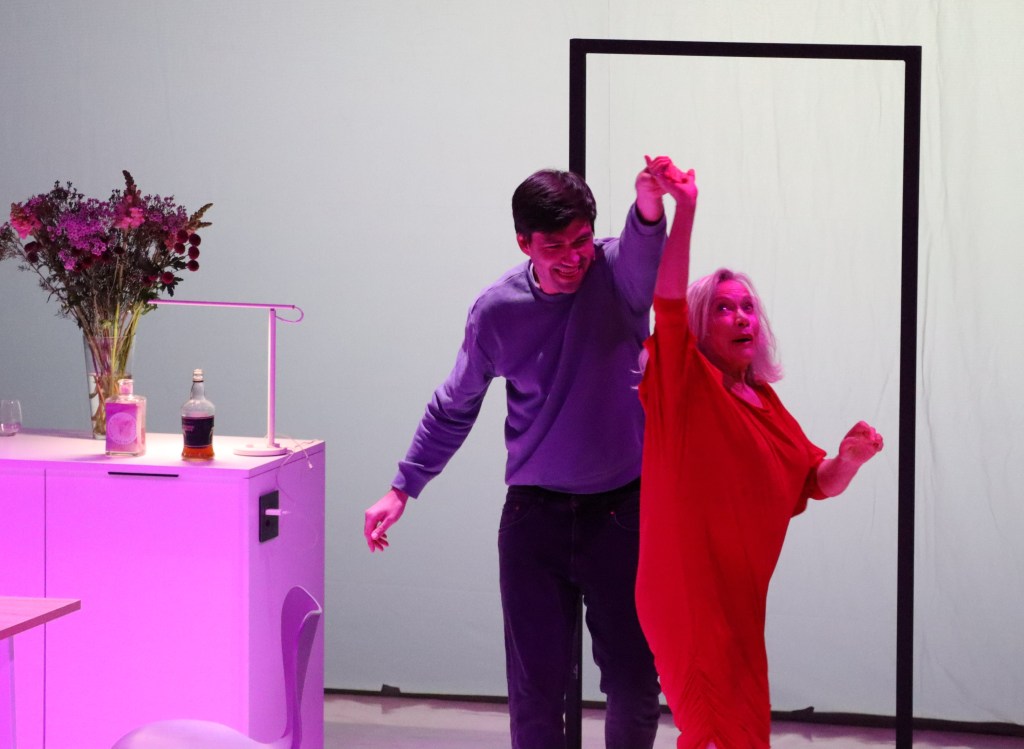
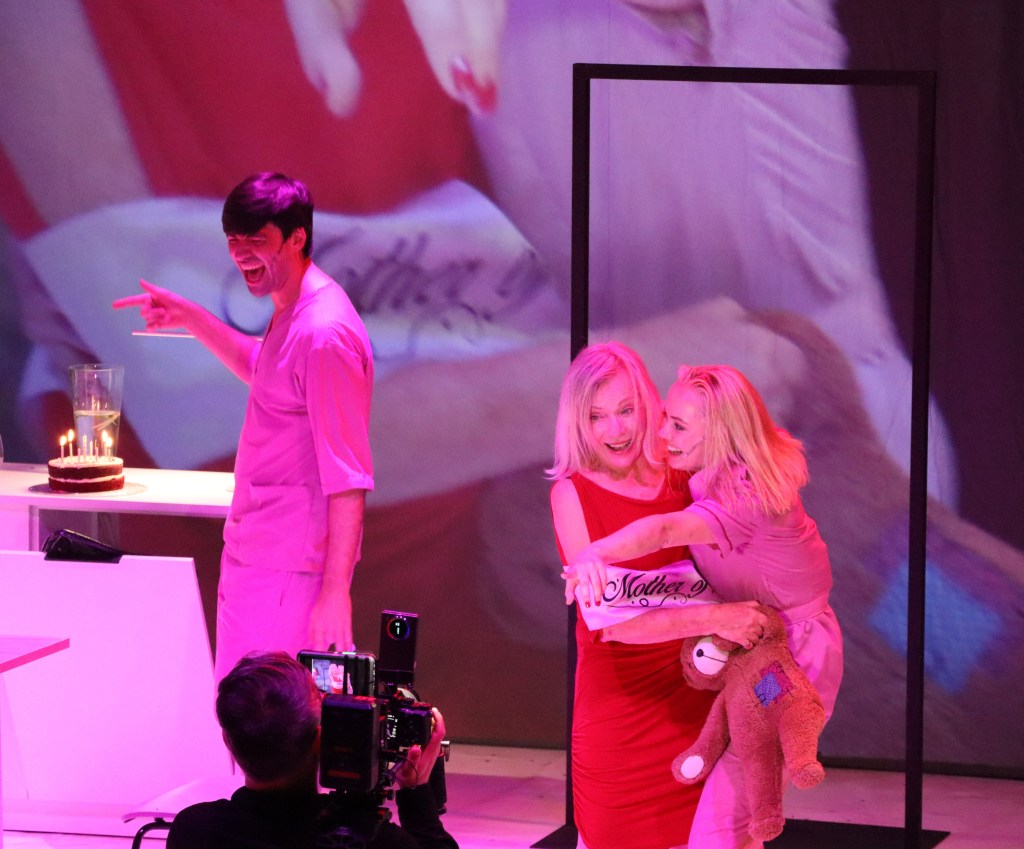
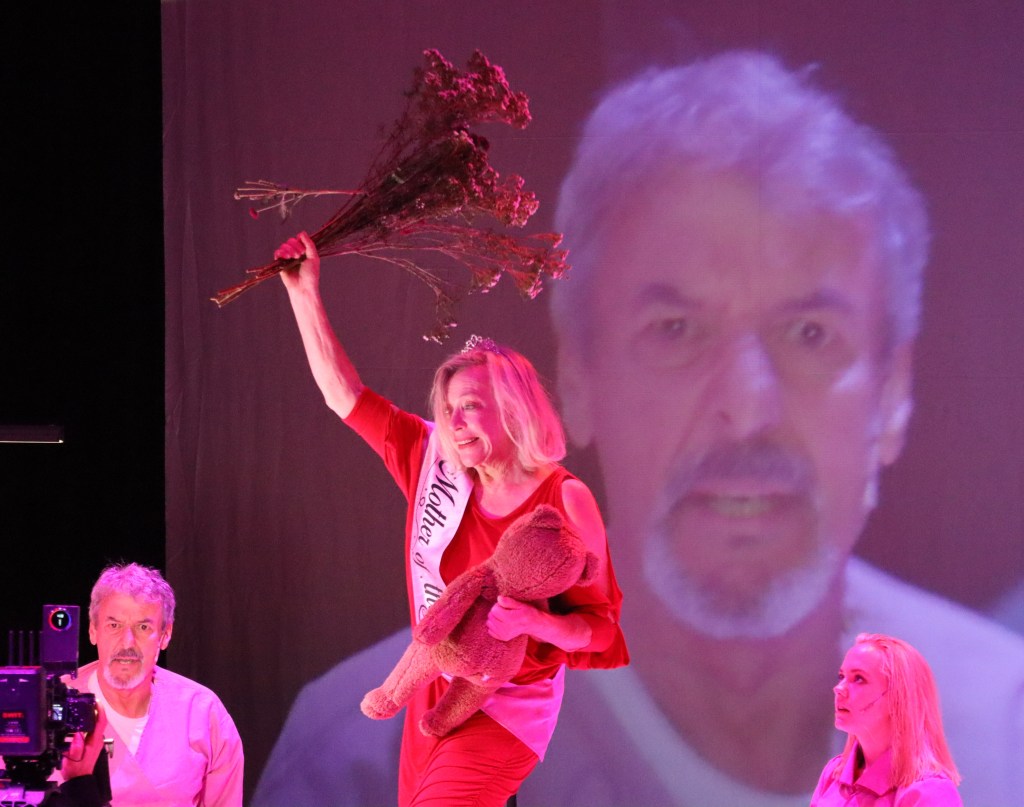
It was also the play, the director, and the rest of the cast, (Dawid Minnaar, Ludwig Binge, Ashley de Lange) , but Sandra Prinsloo was the star of Die Moeder, which had its debut at the Woordfees. It held all the potential of being something special, but what this actor brought to the role was spectacular. If this is how she dances into the twilight of her career, buckle up.

Director Christiaan Olwagen has been away playing successfully in television and movies, but it’s always on stage that he has been most impressive for me. It feels as if it is a medium he understands and where he feels at home and his vision translates magnificently.

With that driving her and a magnificent script, it was up to Prinsloo to plumb the depths of an ageing woman who has lost all sense of herself as the world (and her family) seems to have discarded her. Or that’s how she perceives it to be.

Prinsloo slips under her character’s skin (and yours) and more in a performance that simply surpasses everything she has done before (and there were some great ones). But this was next level and for this gracious actor, a just reward for years and years of hard work.

We all knew she was one of the greats and then she went one better! We’re blessed to have her.

The other magic Saartjie Botha created, with live performances allowing yet another experience of Sylvaine Strike and Andrew Buckland’s Ferine and Ferasse, was the breathtaking Firefly. A production I can see over and over again, each time reliving the complete and overwhelming embrace of old-fashioned storytelling.

But let’s start  at the beginning. I have been to perhaps too many festivals in my time, but this was my first time at Cape Town’s Suidooster at the start of a new (and hopefully) live 2022 and I was surprised and impressed by Jana Hatting’s ingenuity. Some of the smaller festivals have tight budgets, audience complexities and artists who are all vying for a slice of the cake.

She introduced a brilliant mini season titled Voices/Stemme for which she invited seasoned and exciting younger talent to tell stories, short ones, and they hit all the right buttons. It’s good at a festival, where the menu is diverse, to have short interludes of dedicated excellence. And with performances by Chris van Niekerk, Devonecia Swartz, Buhle Ngaba and Elton Landrew, for example, with directors and writers like Amelda Brand, Wessel Pretorius, Dean Balie and Jemma Kahn for these 10-minute short pieces, it hit the sweet spot time and again. And the shows were all free … and packed.

Because of the Zap Zap Circus, also on the Artscape premises, they’re included as part of the festival and that’s another huge tick in the box. There’s nothing like a circus for the whole family and especially this one, where such amazing development work is being done, is worth promoting. It also meant that the venue was available for other shows.

It’s a great little festival with great vibes as it is all contained on the premises of Artscape. Watch out for this one with many hidden treasures including young talent showing off their best on many different platforms. They had some amazing jazz as well, with some literary excellence happening on the writing/authors side.

KKNK was back with a bang, a smaller and shorter festival, but one that packed a punch. Perhaps it was a case of old favourites back at their best, but with the long break, that’s exactly what we wanted. Marthinus Basson delivered a double whammy with a recharged Ek, Anna van Wyk and a play that crept up on me and is still at work, Terminaal 3, both with star casts and both lingering with obliterating impact.

For me it was also a renewed admiration of Frieda van den Heever, the director and compiler of Oerkluts Kwyt, a programme celebrating the poetry of Antjie Krog, and the performance brilliance of Antoinette Kellermann, both of whom turned 70. Van den Heever had previously created the perfect Die Poet Wie’s Hy with Dean Balie.

She has a wonderful sensibility, she knows how to pick them and then present a programme basically consisting of the spoken word and music, but the way she balances content and creativity is delicately stunning. For this one she also brought on board astonishing sounds, two women who sing under the Ancient Voices title, the duo Lungiswa Plaatjies and Nimapostile  Nyiki, –  extraordinary.

Anna Davel

I was also reminded this year to watch out for producer/performer/writer Anna Davel (production manager for above mentioned show). She has turned into someone who seems to spot gold. She was also responsible (and part of performance) for Aardklop’s Mixtape van die Liefde where another new artist, Stephanie Baartman, made her mark. She has been part of the television soapie circuit for a few years, but she announced her presence on stage with poetry and song. And that, I suspect, is just a smidgeon of what she will show in the future.

Everyone was also raving about Davel’s exceptional 21, presented at KKNK. She has always shone on stagte, but her voice and her comfort levels on stage have matured magnificently.

Karatara, a production I’ve written about frequently, is one that honours the story which deals with the devastating Knysna fires. The performers (dancers Grant Van Ster and Shaun Oelf and Dean Balie, narrator) as well as the creative team, Wilken Calitz and Gideon Lombard created something extraordinary . It’s worth seeing again and again as it feeds the soul.

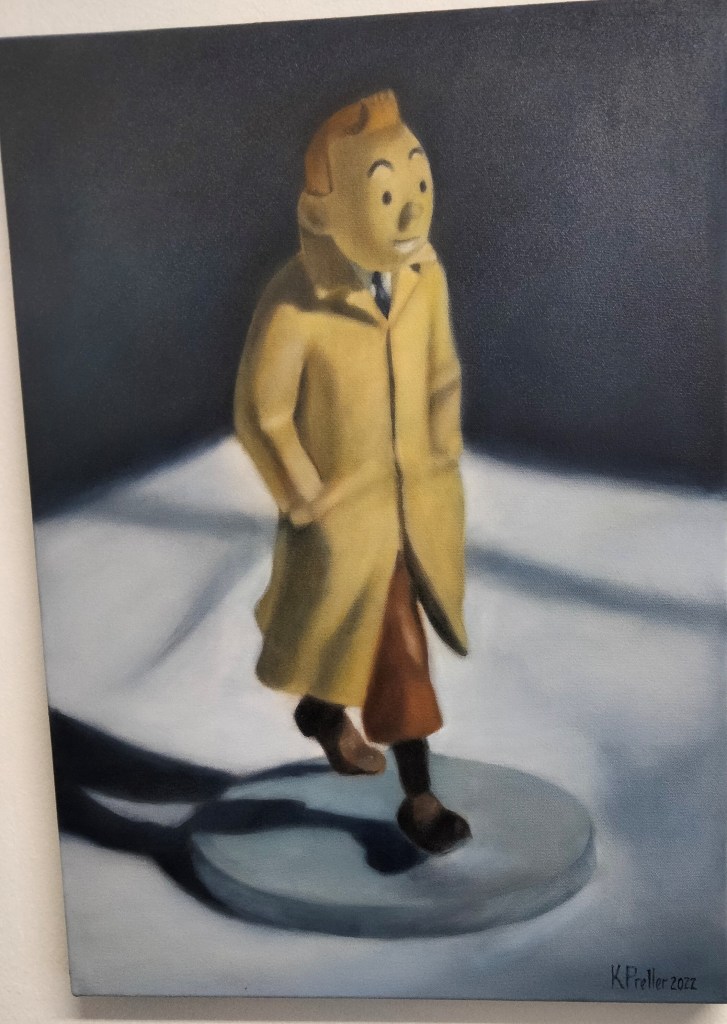
And who can forget the art of Karen Preller? Her mesmerising exhibiton took you back in time in an extraordinarily unique way.

Om Skoon Te Wees with Conradie van Heerden

And as an interlude there was the hugely successful Lucky Pakkies, an extension of the previously popular Uitkampteater, which created a stage for shorter if no less exciting work and some extraordinary performances.

It’s also a concept that allows performers to practise and hone their craft in different genres as well as roles. Writers are given a chance for short and sassy work, actors have a smaller if intimate and often vulnerable stage and directors are offered an opportunity to try different things in challenging spaces.

In the Free State, it is always the art that overwhelms and again they didn’t disappoint, one example being Pitika Ntuli’s Return To The Source (which can still be seen at the Oliewenhout Art Museum on your way to the coast), which is simply stunning and perfect for the space at that amazing institution, and they also have a provocative permanent exhibition worth viewing again and again. André Bezuidenhout’s unique photographs was another winner, with the subject well-chosen and then magnificently captured.

And then there was the welcome return of Elzabé Zietsman with the hard-hitting Femme is Fatale. This is someone who understands how to grab you by the throat when there’s no other way. Her intent is to violently if necessary showcase gender-based violence. We all know the scourge it is in this country and no one is listening.

She is going to try her best to make you listen. And with a script which is as blunt and blistering as it is determined, she hits where it hurts most. Being the veteran she is, there’s not a note, a line or a hair out of place and she shows what contemporary cabaret can achieve when done with heartfelt honesty. It’s a courageous and memorable performance.

Another standout and engaging performance was the dance production Blame It On the Algorithm by the Darkroom Contemporary Dance Theatre. It was mesmerising, memorable and something completely different, always a gift for a festival.

Finally it was with a new stance that Aardklop approached the 2022 live season. Instead of hosting a festival in Potchefstroom (it will be returning there in 2023), shows were also presented in Pretoria and Jozi. There are many differing opinions about the success, but for artistic director Alexa Strachan it is about survival.

They’re a small and possibly struggling yet determined artistic collective and they produced a few winners of which the standout was Nataniël’s Die Smitstraat Suite, an astonishing accomplishment.

It’s been a lifelong dream for this prolific artist/composer whom many simply know as a pop composer. Not being my field of expertise, he explained that the music was inspired by the classical oratorium with nine compositions sung in English and Latin (some of his songs not previously recorded combined with original music). He was accompanied by the excellent Akustika Choir led by Christo Burger.

And to add his trademark stamp, an original series of stories, which cleverly pulls the title and the full performance together.

This is what makes him so unique. Few people have the skill to come up with something as complicated as this music with choir and solo parts, accompanied by the Charl du Plessis Trio. And then to add some achingly funny stories that introduce an explosive touch before you lose yourself again in the exquisite music.

He also had two other performances at festivals during the year. First there was Moscow at the Suidooster at the beginning of the year and then Prima Donna at the KKNK. Both of these were innovative and unique in performance, scripts and music, all executed by the artist himself except for the musicans (Charl du Plessis Trio) and costume designer Floris Louw who all contributed with flourish.

Aardklop Aubade’s driving force Charl du Plessis

Produced under the Aardklop Aubade flag, this classical season, introduced by Aardklop and led by Charl du Plessis presents Sunday morning classical concerts at Affies to re-introduce the classics to a previously enthusiastic audience as well as a stage for especially solo artists, but not exclusively so. It’s another great festival invention.

In similar vein, with the help of the KKNK, artists Neil Coppen and Vaughn Sadie established the ongoing Karoo Kaarte with the aim of promoting real change in communities. The idea was to use the arts in many different ways to change the narrative of the Oudtshoorn community to a more inclusive one.

These were early days, but the work which included fine art projects to navigate and explore identities as well as a theatre production which involved the community and workshopped a story to include all their lives and dreams.

Ownership has been activated, but this was simply the beginning and it is going to be hugely exciting to watch how this develops and how local artists are given wings.

And of course there was so much more…

PANTO SOCERER JANICE HONEYMAN AND HER FANTASTIC CAST STAGE THE PANTO OF ALL PANTOS

PICTURES: éenroC photo & video.

DIANE DE BEER reviews:

JANICE HONEYMAN’S  ADVENTURES IN PANTOLAND

WRITTEN AND DIRECTED BY JANICE HONEYMAN

EXECUTIVE PRODUCER: Bernard Jay

CAST: Michelle Botha, Dylan du Plessis, David Arnold Johnson, Didintle Khunou, Ilse Klink, Hlengiwe Lushaba Madlala, Carmen Pretorius, Brenda Radloff, Justin Swartz, Grant Towers, Ben Voss and the rest of the ensemble

THE BAND: Dale Ray Scheepers (musical director and arranger/keyboards), Silas Naicker (assistant musical director/ keyboard), Redgardt de Bruin (guitar) , Viwe Mkizwana (Bass), Keith Marishen (drums).

CHOREOGRAPHER: Nicol Sheraton

PRODUCTION DESIGNER: Andrew Timm

COSTUME DESIGNER Bronwen Lovegrove

LIGHTING DESIGNER: Johan Ferreira

SOUND DESIGNER: Adriaan van der Walt

RESIDENT DIRECTOR: Timothy le Roux

VENUE: The Mandela at Joburg Theatre

DATES: Until December 24

There’s a reason the panto is billed as Janice Honeyman’s Adventures …

She is the one with the pocketful of fairy dust, bags of laughter, and the knowledge to strike a balance that has the kids captivated and the adults engaged.

That’s quite something in a world where they have everything at their fingertips with iPads and iPhones.

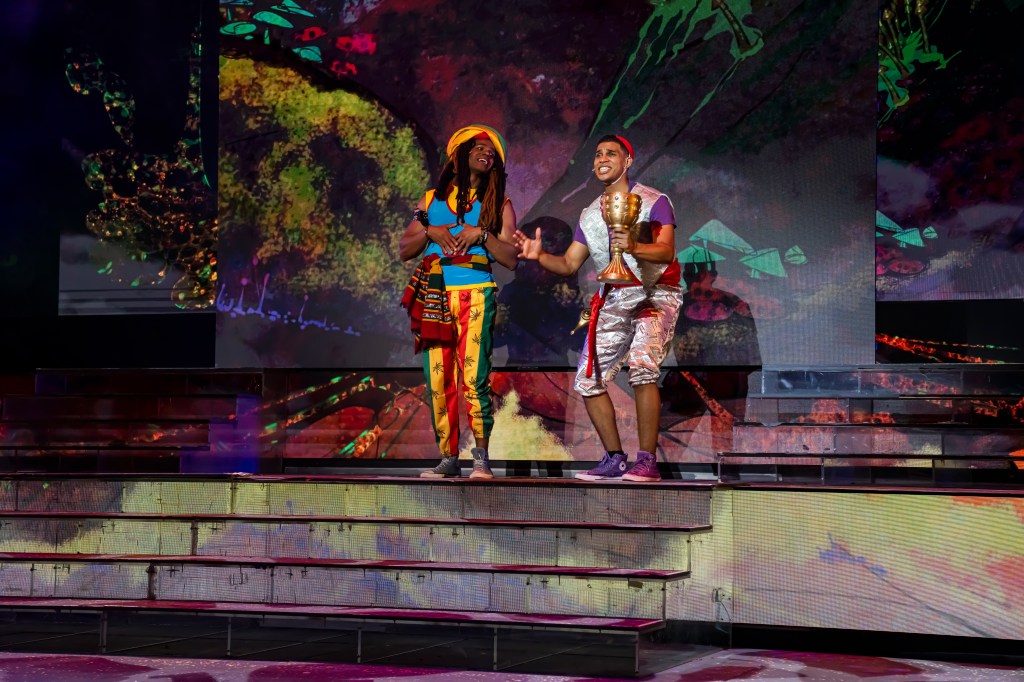
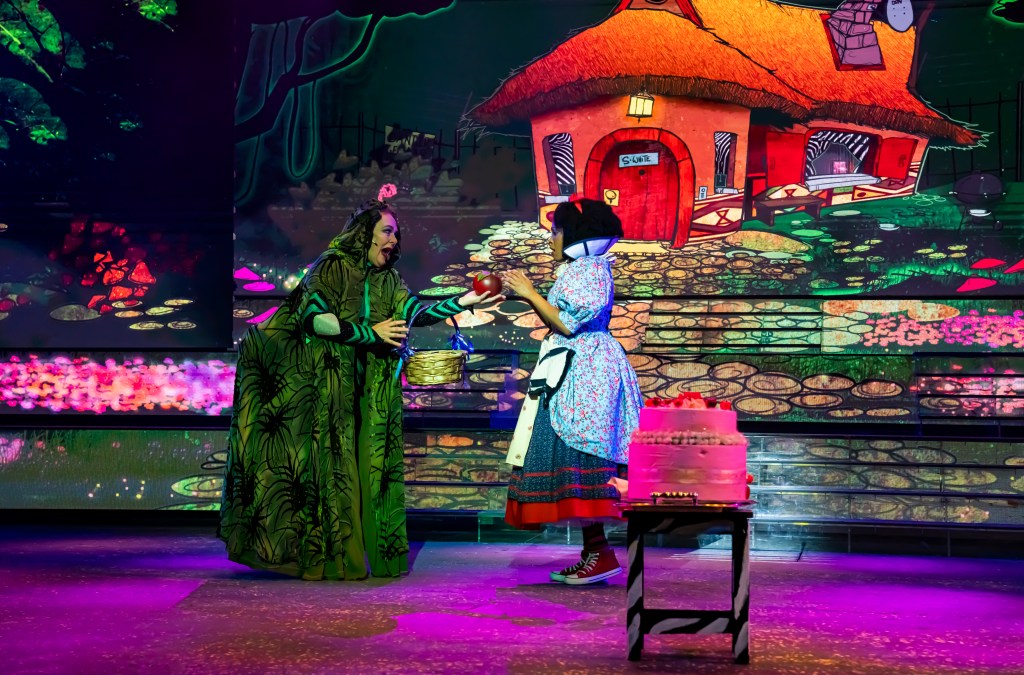
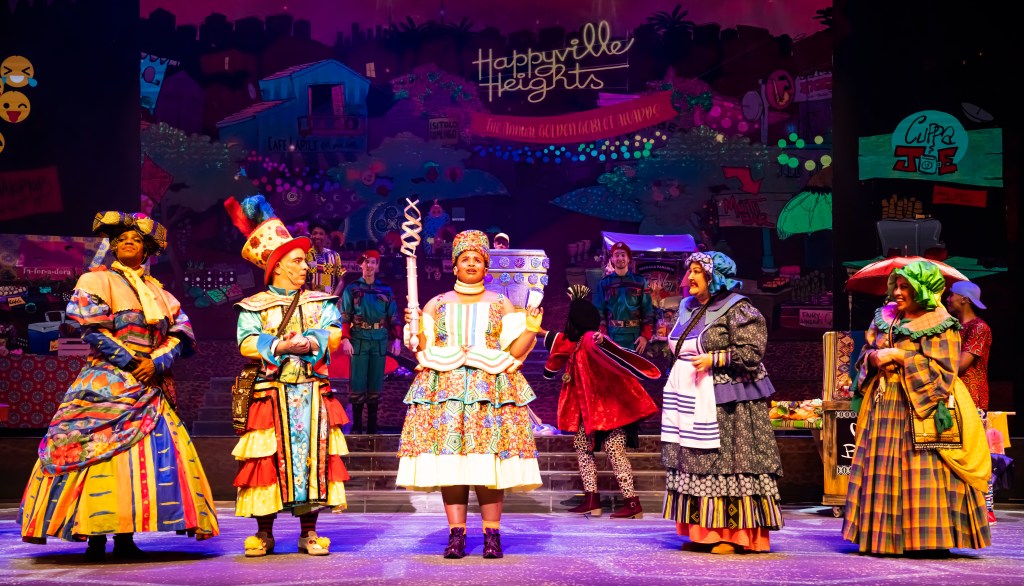
But Honeyman won’t be phased by any of this. She simply goes next level. She has a design master (Timm) who also flies even higher than last year. He takes the audience into a wonderland unimaginable with state-of-the-art LED screens which seemingly have unlimited qualities to transform the stage constantly in front of your eyes.

The explosion of colour and artistry bedazzles you, but with typical Honeyman ingenuity, she doesn’t allow the beating heart of her production to be overwhelmed. When picking her cast, she makes sure that these are performers who command the stage and bring mountains of personality to the two or three characters everyone on stage inhabits.

And even after 20 plus pantos, some of my favourites were unrecognisable and the newbies are rehearsed to operate like seasoned pros.

From Radloff’s wicked queen to Pretorius’s and Khunou’s enchanting Princess Aurora and Snow White, to Du Plessis’s and Justin Swartz’s charmers Aladdin and Jack the Joller, we’re completely hooked from the start.

And don’t dismiss the Good Fairy (Madlala) with a voice that is as commanding as her presence, which is precisely what you want. There are truly no standouts, they all sparkle.

This is not simply one pantomime, it’s a big bunch of them, all rolled in one. To tie it all together, Honeyman has picked Good vs Evil as her theme and there’s more than enough of that going round at the moment to keep it prescient and present. She has her finger on every pulse.

It’s all in the detail. So while the enormity of the stunning costumes and travelling sets envelops you, it also allows you to take in those winks and nudges with a picture of an oh-so-famous person displayed as Employee of the Month, or a sign pointing to the Doek Nook or simply the complexity of the costumes that tell a story all their own.

It’s bright buttons and sparkly shoes, a bright kopdoek or a fancy fan as we trip our way through the abundance of adventures in this pantoland – all on a quest to preserve goodness and kindness  ̶Honeyman’s credo.

While pantomimes were very much a feature of my end-of-year planning in the past, I haven’t been for a few years. And having seen 20 plus, a break was necessary. But this one is truly special.

One can always bank on Honeyman’s super powers, but this time she had double the expectations. Not only is the Joburg Theatre celebrating 60 years, this is also her and producer Bernard Jay’s 21st end-of-year celebratory collaboration.

Not many would keep it as fresh and manage to tick all the boxes all of the time. Of course she does!

Fo0r her it is all about finding the angle, which she did, having audiences lean forward into the show – and with the explosion of colour and talent on stage how could they not, but then right at the top of her list is a show with a beating heart.

The spectacular cast in the shimmering finalé.

Finding and exploring new wow factors and selecting a cast that will deliver with energy and enthusiasm are where Honeyman excels. It is her inner child, that constant twinkle in her eye that creates the magic and keeps pulling the audiences in.

We’re blessed in Gauteng that we don’t have to imagine the festive season without the Honeyman pantomime adventure.

You go girl!

And as an incentive, they have a special on Black Friday (this week). Buy tickets for any of the panto shows at a mere R100. That’s a steal!

THE KLEIN KAROO NATIONAL ARTS FESTIVAL IS CELEBRATING ITS RETURN WITH DIVERSITY

With Covid-19 still a part of our lives, the uncertainty of live events is constantly hovering. Will it or won’t it? That’s the question on everyone’s mind as each event or festival comes into play. And while dates have to be juggled and last-minute plans put into play, this year’s Klein Karoo Nasionale Kunstefees has come up with an exceptional programme in any circumstances – but especially now. DIANE DE BEER spotlights some highlights of this year’s KKNK which starts at the end of the month:

I can still remember hearing the news about the first Covid-19 lockdown at the 2020 Woordfees and while all of us were devastated and slightly bewildered, none of us realised quite the impact it would have on our lives – and the arts.

This was to be our last arts festival in a couple of years and the effect of that on the lives of artists who need live audiences has been disastrous.

Nataniël’s Prima Donna opens the festival.

There have been brilliant innovations in the intervening years and the word hybrid will fortunately become part of the festival landscape to broaden their audiences as well as capturing theatre on film for those who cannot attend a festival but would love to see productions.

And yet, nothing will compare with the real thing, which is why the announcement that 2022’s Klein Karoo Nasionale Kunstefees (KKNK) will be happening from 29 March to 3 April was received with such joy.

Not only are they back, but the programme is something to cherish, especially in these haphazard times where everything has to happen almost on the trot. But as they suggest in their big reveal, “even in its slightly smaller format, the festival acts as a fuse for the explosion of productions and experiences to be presented by heavyweights in the South African arts industry!”

“This year’s festival is truly overflowing with exceptional programming in celebration of the KKNK’s return to Oudtshoorn, while retaining the quality that makes festivalgoers get in their cars and drive to Oudtshoorn annually,” says Hugo Theart, Artistic Director of the KKNK.

He isn’t just boasting  –  two of my personal favourites, Nataniël and director Marthinus Basson, are leading the way with their productions.

Nataniël’s Prima Donna, a debut show, will be opening the festival on Monday evening (March 28) and part of the excitement of the production is that he will sing a bunch of his favourite covers, all of which he has arranged himself. Add to that a collection of his fantastical tales, and those attending will be starting their festival with a bang.

Basson will be presenting two plays, Ek, Anna van Wyk, in memory of, and to honour Pieter Fourie (the first CEO of the KKNK), who recently passed away, starring Tinarie van Wyk Loots and Dawid Minnaar, Albert Pretorius, Carlo Daniels, Wilhelm van der Walt, Geon Nel, Gideon Lombard and René Cloete, and internationally acclaimed playwright Lars Norén’s Terminaal 3 with Anna-Mart van der Merwe, André Roothman, Edwin van der Walt, Carla Smith and Stian Bam. Both will delight festival connoisseurs.

Three iconic female artists further enhance the star line-up with the internationally acclaimed Mary Sibande this year’s Festival Artist and the double celebration of Antoinette Kellermann and Antjie Krog’s 70th birthdays in 2022 with Kellermann creating magic in the words of Krog in die oerkluts kwyt.

The picture tells its own story of Neil Coppen’s storytelling in Op Hierdie Dag

Other new scripts at the festival include Die halwe huis, a one-man show written by Oudtshoorn resident Ricardo Arendse, with another Klein Karoo local, Marlo Minnaar, in the lead, with Lee-Ann van Rooi as director; the promising Agulhasvlakte by young playwright Herschelle Benjamin with Kanya Viljoen as director and Wilhelm van der Walt, René Cloete and Kay Smith on stage; while another Oudtshoorn production Op hierie dag forms part of the KKNK Karoo Kaarte project, which will be the heart of the festival this year, showcasing Oudtshoorn residents’ various talents. Theatre couple Lida Botha and Johan Botha, who have relocated to this region, will be directed by the exciting playwright/director Neil Coppen and visual arts curator and facilitator Vaughn Sadie.

Mbulelo Grootboom and Wessel Pretorius in Kiss of the Spider Woman. Picture Fiona McPherson

Nêrens Noord-Kaap, following its success on television, returns with Geon Nel, Albert Pretorius, and De Klerk Oelofse; while the Sylvaine Strike production Kiss of the Spiderwoman featuring Wessel Pretorius and Mbulelo Grootboom; Spertyd honouring deceased Elsa Joubert, with the phenomenal Sandra Prinsloo in the lead and the return of Oscar en die pienk tannie, directed by Lara Bye, complete a very strong line-up.

Looking for something unusual, dance enthusiasts can book for Karatara with dance group Figure of 8 – the 2020 KKNK Young Voice Prize recipient, who joins forces with Dean Balie and director Gideon Lombard.

If you’re in the mood for something light, comedies include Transpirant with Bennie Fourie and Schalk Bezuidenhout – who can also be seen in Schalk sing sleg; motormouth Marc Lottering in his stand-up comedy show Uncle Marc; Adriaan Alfred in Adriaan Alfred Live; Lizz Meiring in her solo show Kameras, konserte en kleedkamers; Marion Holm returns with Holmruggery; while Koos Kombuis, Dana Snyman and Erns Grundling, as well as Pietman Geldenhuys and Lyntjie Jaars from the Oppiestoep TV series, entertain audiences with their storytelling ingenuity.

Making music, David Kramer Vanaand, a solo show for Kramer, and Amanda Strydom with Nostalgie are the two evergreen performers who have performed at every KKNK.

Kombuis, Dana Snyman and Erns Grundling, as well as Pietman Geldenhuys and Lyntjie Jaars from the Oppiestoep TV series, entertain audiences with their storytelling originality.

Coenie de Villiers and André Schwartz

Coenie de Villilers and André Schwartz, both on piano, team up for a celebration of their work. Karen Zoid followers will be thrilled that she performs in an acoustic and more intimate show, and Emo Adams and Take Note bring the flavour of Cape Town entertainment to the Klein Karoo.

Six of the country’s well-known guitarists will be together on one stage in Kitaarkonings, with the  gentle muso Louis Mhlanga playing in Afrika Blues.

Another highlight is The Music of Sir Andrew Lloyd Webber with Lynelle Kenned, André Schwartz and the Stellenbosch Symphony Orchestra presented on the Celebratio pomegranate farm outside Oudtshoorn, where Spoegwolf 10 Jaar also takes place. Other contemporary shows include Elvis Blue, Luna Paige, Rocco de Villiers, and Anna Davel.

For classical music enthusiasts a special recital of Beethoven and Beyond with the well-known American pianist Gustavo Romero is included on the programme.

Those familiar with the “out of the box” theatre concept will know that this is something to watch. This time it is called Lucky Pakkie Theatre, which means you will be going for a lucky packet stage version of the popular musical chairs game… Be ready for loads of fun. Three Lucky Pakkie packages will cater for all ages, from younger viewers (Melkbaarde) to older viewers (Sagtebaarde), and adult viewers (Hardebaarde). Each mystery round of entertainment will last 15 minutes.

Last but not least is the Visual Arts programme, curated by the innovative Dineke van der Walt, which for example includes the colourful Mapula creations, all of which can be viewed in the familiar  Prince Vincent building.

Joylyn Phillips (second from right) in Bientang also rewarded with Kunste Onbeperk Young Voice award.

The festival has honoured individuals in the industry since its inception, and this year’s four exceptional people include playwright Jolyn Phillips receiving the Kunste Onbeperk Prize for a Young Voice (she can be seen in the debut production Bientang); Nic Barrow, one of the founders of the KKNK and the individual who planted the seed for a festival in Oudtshoorn, is honoured for his contribution to the KKNK; and the ever-popular and exceptional Frank Opperman (to be seen in Ek Wens, ek wens) who is awarded the Kunste Onbeperk Prize for Interpretation.

Frank Opperman in Ek wens, ek wens, also honoured for interpretation with Kunste Onbeperk prize.

Ticket sales are open and accommodation can be booked through LekkeSlaap at www.lekkeslaap.co.za/akkommodasie-naby/kknk, or kknk.co.za/verblyf-lekkeslaap/.

Interested festivalgoers can get more information by subscribing to the KKNK newsletter, following the KKNK on social media, or visiting www.kknk.co.za. Feel free to contact the festival office on 044 203 8600 or send a WhatsApp message to 065 285 2337.

The KKNK will follow a vaccination mandate, but terms and conditions for exclusions apply. More information is available at www.kknk.co.za.

Maqoma’s Cion: Requiem of Ravel’s Bolero Mourns Death Magnificently


CION_Maqoma_0355
The memorable Cion conceived and choreographed by Gregory Maqoma

 CION: REQUIEM OF RAVEL’S BOLERO

Conceived and choreographed by: Gregory Maqoma

Creative input and rehearsal director: Gladys Aghulas

Music composed and directed by: Nhlanhla Mahlangu

Dancers: Vuyani Dance Theatre

Singers: Soweto Gospel Choir

Musical assistance: Xolisile Bongwana and Sbusiso Shozi

Costumes: Jacques van der Watt and Black Coffee

Set and technical direction: Oliver Hauser

Lighting: Mannie Manim

Sound: Ntuthuko Mbuyazi

Choir under direction of Bongani Ncube

Venue and Dates: Nelson Mandela Theatre until September 15


DIANE DE BEER

It is such a strange time in the world, with the arts perilously balanced with all the usual stumbling blocks. Add to that the decimation of arts writing on all the traditional platforms with nothing in its place – or where there is, no way for possible readers to find it.

With the result that everyone is battling to get their stories out there. I was at a National Theatre Live screening of The Lehman Trilogy with Sam Mendes directing Simon Russel Beale, Adam Godley and Ben Miles last week.

There were five people watching this majestic piece. No one I asked knew about the screening and I spoke and wrote about it because I love sharing the arts because of the impact it has on individual lives.

Hopefully similar things will not happen to Gregory Maqoma’s sublime Cion: Requiem of Ravel’s Bolero, currently on at the Joburg Theatre until Sunday in celebration of the vibrant Vuyani Dance Theatre’s 20th anniversary.

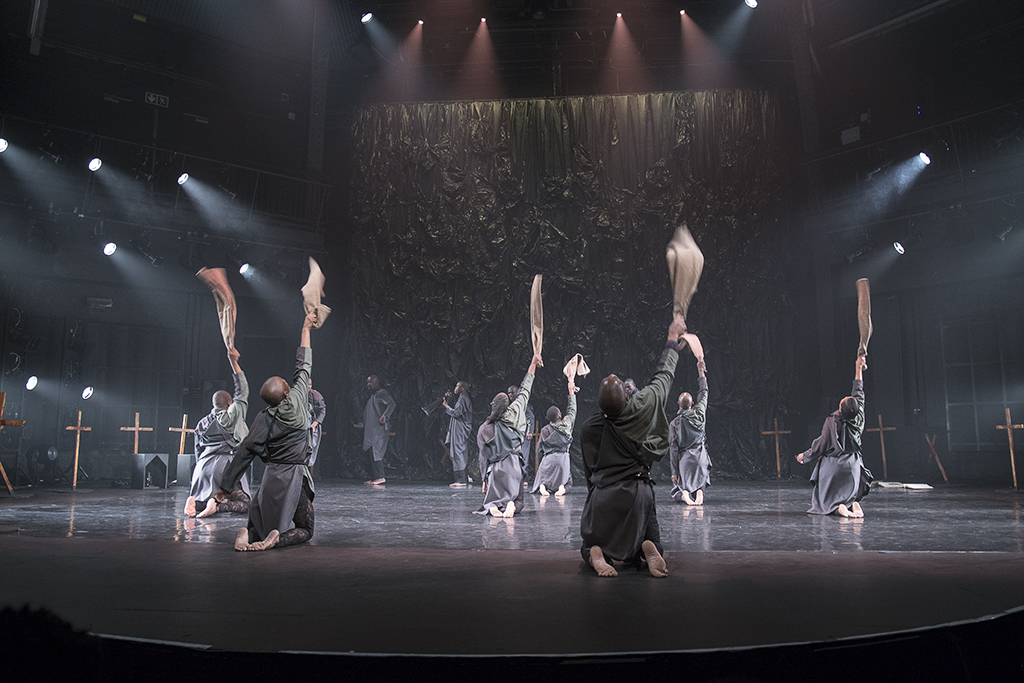
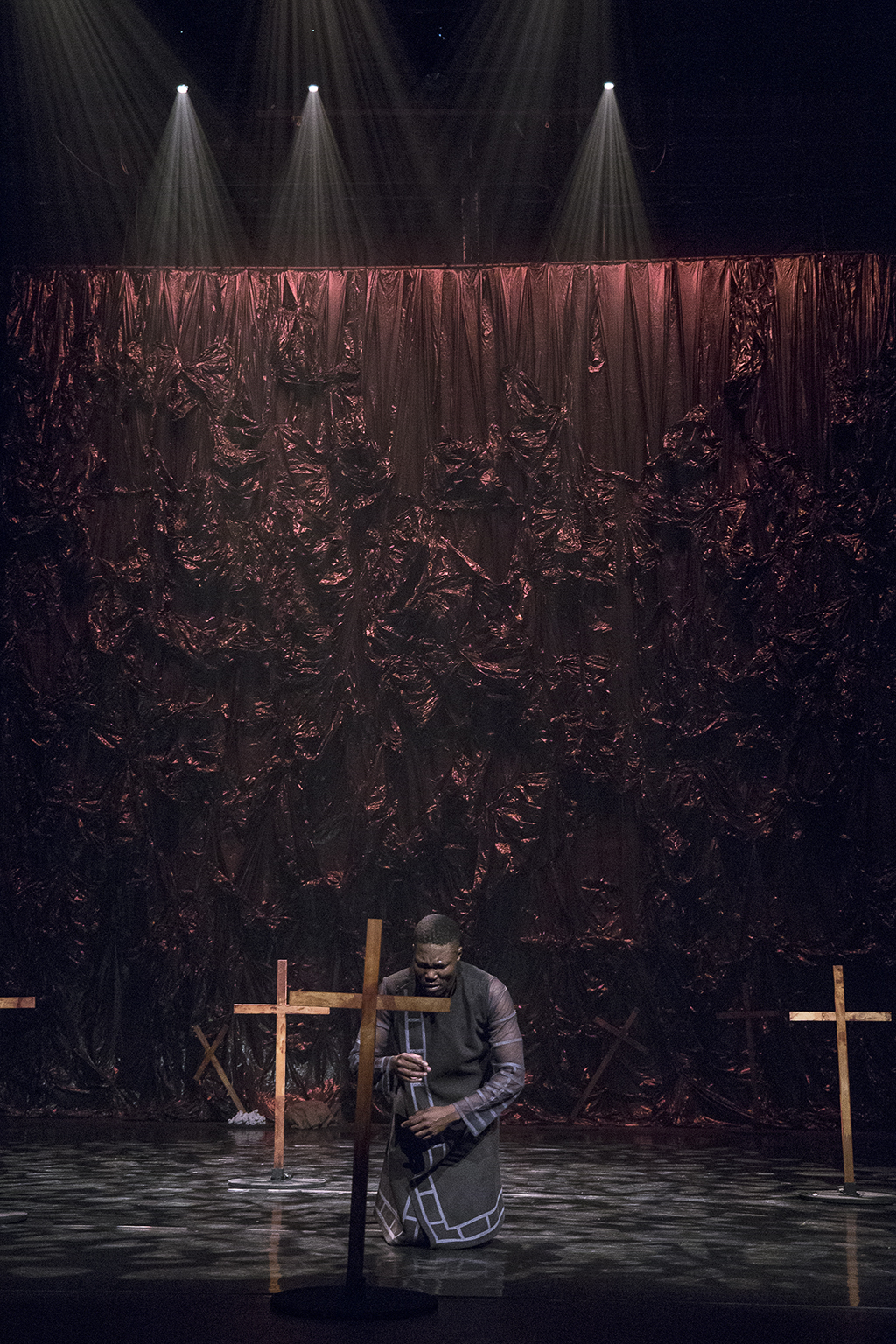
In an amplified version (“death needs amplifying in the present circumstances,” says the choreographer) which starts with bone-chilling sobs drenched by shafts of sharp light from which the dancers emerge, the tone is set as the heartache of those sounds find solace in the rhythms of Ravel’s Boléro. As the dancers start moving as one, they sweep your emotions along.

CION

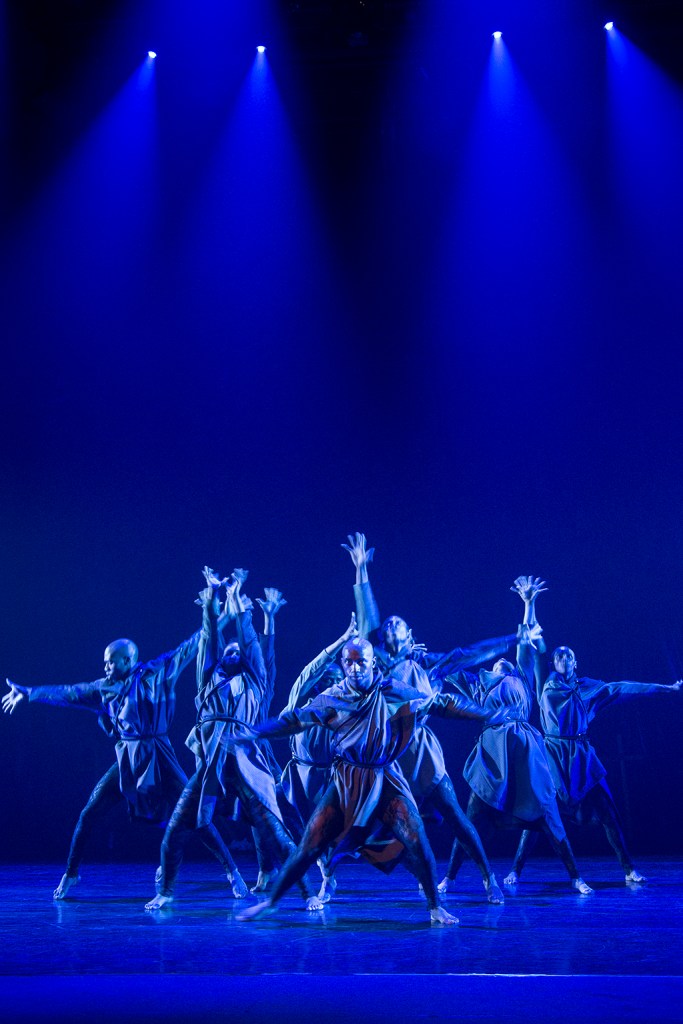
It is a mighty piece on multiple levels and even though it is inspired and based on two Zakes Mda books, Ways of Dying and Cion, the strength lies in  the complexity of the whole with the evocative lighting, the heightened sounds of the Soweto Gospel Choir as the dancers bring their own singing to create specific rhythms and textures, all contributing to the enormity of what Maqoma is dealing with.

Enveloped in this grief, the production is mesmerising and astonishing in its excellence. From Black Coffee’s costumes, the diversity of the music and the singing, the Ravel rhythms often suggested by the dancers’ clicking or tapping or a drumbeat, the melancholy and sometimes even merriment of the production are completely overwhelming in its brilliance.

We are living in a world that takes dying lightly. Just the last few days in our country underlines that in different ways. Gender-based abuse has again galvanised women to step out and shout while simultaneously a young man is being sentenced for raping a 7-year old girl in a toilet at a restaurant.

A young mother kills four of her children with rat poison and goes out partying.

Shops in both Joburg and Tshwane are set alight and burnt to the ground while politicians argue whether this is xenophobia or not. People are dying because they are hungry and the root causes are never addressed.

Schoolchildren fear for their safety at schools while others are kidnapped on their way or back home.

In the rest of the world, refugees are growing in numbers as they flee from their countries because of war or dictatorships and some are simply banished because they’re not wanted. “We are forced into mourning,” says Maqoma who tells the story in the way he best knows how.

And yet failed leaders are mourned in their death and feted while their people suffer and eventually flee their land.

CION
Scenery and lighting extraordinaire

It is against this backdrop that Maqoma creates a visual spectacle that grabs you tightly around the throat and never lets go. The dancers move, en masse it feels, yet are given individual moments, from Afro fusion to a nod to the classics but in contemporary and fast- changing style, everyone on stage is celebrated and contributes to hold their audience in complete awe.

The beauty, the execution, the quality and excellence unfolding underline the talent of our artists who are out there fighting and creating on their own. If this is what they achieve while struggling, the heights they could reach are staggering.

But that is the world of the artist. He can’t help himself. As Maqoma suggests, with individuals who are daily running the Vuyani Dance Theatre, he has been encouraged and allowed to dream, which he fortunately does on grand scale. He doesn’t hold back and does it the only way he knows how

There are only five performances left. It’s one of those landmark theatrical experiences which is on its way to London to be staged during the Dance Umbrella festival at the Barbican. Those performances will be packed and so should they be back home.

It’s accessible, the music is mindblowing and Gregory Maqoma’s talent and collaboration genius should be witnessed again and again. His artistry is recognised internationally but he insists on staying and performing at home.

I am eternally grateful. Seeing Cion: Requiem of Ravel’s Bolero, not once but twice, has been a theatrical miracle.


Choreographer/Dancer Gregory Maqoma and Vuyani Dance Theatre Celebrate 20 Years, Spotlighting Zakes Mda’s Cion

©Siphosihle-Mkhwanazi_CION-29-1-1024x300
A scene from Cion ©Siphosihle-Mkhwanazi

Choreographer/dancer Gregory Maqoma and the Vuyani Dance Theatre are celebrating 20 years in the contemporary dance sphere in South Africa and abroad. DIANE DE BEER speaks to him about a reworked Cion, the piece he has selected to showcase their accomplishments in the Nelson Mandela Theatre from September 5 to 15:

CION
Gregory Maqoma in Cion


“I’ve just kept working,” says the explosive driving force behind Vuyani Dance Theatre (VDT), founder and creative director Gregory Maqoma, when reminiscing about the achievement of their 20th anniversary celebration with the already celebrated Cion at the Joburg Theatre starting on September 5.

Five years ago, the company celebrated with Full Moon which dance critic Adrienne Sichel lauded as “flights of conceptual fancy, wrapped around a creation myth, tap into South Africa’s diverse dance lineage ranging from classical ballet to contemporary African dance.

“Maqoma’s aesthetic plumage and Afro-classicism don’t ignore the Odette/Odile legacy but neither does he forget Africa’s ornithology.”

At that time, they didn’t have any backing, and not much has changed since. “It hasn’t been easy,” says the softly spoken Maqoma but argues that it speaks to their resilience. Then they were looking at their 15-year achievement, already a major feat for a local contemporary dance company, but this time round it’s #Vuyani20 and for the future, #ShapingTheNext20.

As they have done in the past, when it seems like too much of a struggle, they simply go bigger. And that’s not only into the future but also with what seemed to many the perfect production. For these current festivities, Maqoma has decided to amplify Cion because he believes that in current circumstances, death needs amplifying.

He is doing this by adding dancers as well as voices – and no less than the Soweto Gospel Choir – to this extraordinary performance. “It’s about legacy,” he says proudly.

CION_Maqoma 1

He points to their future and a combined invitation from “Sadler Wells, Theatre de la Ville and a Dutch company for performances of four shows two years hence.” That’s the luxury that he knows dancers in South Africa seldom have. “It gives us two years to just think,” he says. It also brings financial muscle and support, something that is sadly missing at home.

“We need acknowledgement of the spaces we find, as well as support and marketing,” he adds almost mournfully.

Everything happens here with little rehearsal time and much ingenuity as audiences can witness in the reworked Cion. That’s the way they roll. It’s not that he doesn’t speak loudly when given the opportunity, but from government they have had few favours.

CION
Cion

Artists/directors like James Ngcobo and Idris Elba (whose currently running production Tree Maqoma has just choreographed) know what the man is capable of and so do international audiences. But fortunately, Maqoma keeps coming home. This is where he dances and teaches with the company whose trainees will also be participating in the pulsating production on the Nelson Mandela stage in September.

His work has always been about challenging a Eurocentric way of structuring and to give it a contemporary African edge – with conviction – while at the same time honouring black artists. “We want to take control of our own craft,” he says. “It’s about validity.” And the fact that he should still be seeking that at this time, says so much about the world we live in.

If anything, Cion is proof of so much more than that.

CION_Maqoma_0235
Gregory Maqoma (front) in Cion


When it was first performed at the Market Theatre in 2017, he explained the creation thus: “I am drawn to Zakes Mda’s character Toloki the professional mourner from his beloved Ways of Dying as he further uncovers in his book Cion the story of the runaway slaves.

“In my interpretation, Toloki rediscovers death in a modern context, inspired by the universal events that lead to death, not as a natural phenomenon but by decisions of others over the other. We mourn death by creating death.

“The universe of greed, power, religion has led us to be professional mourners who transform the horror of death and the pain of mourning into a narrative that questions what seems to be normalised and far more brutal in how we experience death and immigration.

CION_Maqoma

“I am creating this work as a lament, a requiem required to awaken a part of us, the connection to the departed souls.”

And about that first season: nothing prepares you for the performance by Maqoma who has gathered a group of dancers, musicians and singers who mourn death in a way that both embraces and expunges the horrors of this world.

“From the design to the dance to the magnificent music and singing, Maqoma transports you to a place of healing by tearing the horror apart – step by step, note by note.

“If you ever see Cion is being performed anywhere, don’t hesitate, just go. It’s world class and feeds the soul.”

That’s what I wrote two years ago and that’s why it’s thrilling that he has decided to stage this majestic work at this particular time. If you see anything this year, it should be this.

Maqoma’s whole life has been about pushing boundaries and acknowledging himself and the company. “No more gatekeepers,” is his rallying cry.

cion.jpg
In full flow, Gregory Maqoma in Cion with singers in the background

And even though he laments the lack of support in a larger sense, he feels blessed for the support he has in the company. “I’ve been able to step away from the day-to-day running,” he explains. That gives him the luxury of time to sleep, to strategise and to dream. It also means he can make all of those a reality.

Vuyai Dance Theatre has become a machine that can function without his daily attention – and that, more than anything gives him great joy.

When he talks about going bigger, their first step towards #ShapingTheNext20 is to start laying the bricks for their own building. “If we’re able to cross borders, what is stopping us to lay those first bricks in our own country? We are fighting for our own space.”

In conclusion, he declares that he has been pushed post-apartheid to recognise the many atrocities including the senseless killings at Marikana – hence Cion. “It needs a strong push,” he exclaims, “we need to raise questions and we need to be loud.”

Government-funded art centres have not embraced their own he feels, and any plea from artists is landing on deaf ears. In the coming years apart from building VDT and working towards further success, he will also be developing a curriculum as a training institution and documenting the choreographic methodology of his and fellow choreographer Vincent Mantsoe’s work which will establish their own technique internationally.

It’s all about ownership, ownership, ownership.


DEURnis/Uzwelo is One-On-One Theatre that Debuts at National Arts Festival

Deurnisposter4

The Afrikaans Festivals have for a couple of years enjoyed the expansive embrace of performance the Theatrerocket way. The production company has found innovative ways of appealing to theatre audiences as well as making the more seasoned theatre followers pay attention to DEURnis. Now they have collaborated with Windybrow Art Centre for the National Arts Festival (June 27 to July 7). DIANE DE BEER explores the concept:

No one would have given much of a thumbs up to this first and probably edgy concept dubbed DEURnis. It just sounds silly – one-on-one theatre!

But Rudi Sadler and Johan van der Merwe who a few years back formed a production company Theatrerocket had an idea and they were determined. DEURnis is a one-on-one site-specific theatrical production with a very intimate yet cutting-edge and experimental approach. It involves a single audience member who views three separate dramatic pieces per package (there are four different ones to choose from at the National Arts Festival for the first time this year), with each of these having one performer and one audience member.

Each piece is approximately 20 minutes long and written for a particular room/space in a house/building, so as a viewer, you move from one room or even caravan to the next to see your three chosen plays.

It is the social issues that permeate the different works that affect individuals in different ways depending who you are. And for those who aren’t interested in gimmicky theatre, that’s exactly the trap they have avoided by aiming for excellence and substance in the texts. Some will suit specific individuals better than others.

Personally I’m not too excited by the more confrontational ones (there’s usually one that’s slightly more out there in a package), but then other audience members might feel differently. “We have been inundated by people interested in writing for this venture,” says Van der Merwe.

The duo are theatre fanatics of a kind, they know and understand the pitfalls and what audiences want.

Deurnis poster

Part of why DEURnis works so well is because it is such a well-executed concept. They understood from the beginning that the control had to be constant to see that everything works superbly. And as they have had many plays to choose from, they have managed to execute their strict code of excellence.

It’s a fascinating experience, being the only one in the room in situations with a stranger telling a story that is often inclusive rather than intrusive but affects you as the viewer in very specific ways. For many it might also be uncomfortable to be this intimate with someone you’re not familiar with. But that’s part of the experience.

This is not a financial venture for the company. With only single actors and audience members, the numbers simply don’t add up. But because of the way it has been done, the performance-experience the mostly young actors accumulate, can’t be calculated.

And chatting to a few of them in-between performances, they are thrilled by how much they are learning in the process. “Each performance is different because of the reaction of the individual viewing,” says one performer. Many of them are already in their second or third play and the growth is obvious in their performances as well as a play’s toughness, a second time round.

Deurnis Poster3

Prospective directors are also excited about the challenge and safety of testing their skills on such a small and intimate stage. “It’s a safe environment in which to experiment and push your own boundaries,” says Van der Merwe.

Having sat through two nights of 12 plays (even a dance with Ignatius van Heerden, Droom, with multi-media included), it doesn’t matter which package you choose. They’re all extremely well crafted and in sometimes scary ways, fun to experience. Following the earliest season, I was excited because of the great potential – and they keep delivering.

They keep on adding to the concept with interesting twists. The latest will be seen at the National Arts Festival later this week. It all began when the head of the Windybrow Arts Centre, Keituletse Gwanga, came to see the production in Tshwane a while back. Six Market Lab graduates, Kwasha! Theatre Company, who work with Windybrow as an introduction to the professional world, have joined Theatrerocket for DEURnis/Uzwelo (a Zulu translation of deurnis which means empathy/compassion) on this year’s main programme.

Deurnis poster2

It’s been an amazing learning curve explains Van der Merwe because they started with expanded workshops with Windybrow where they explained, explored and taught the concept, with end results that deliver a diverse and rich programme.

“The stories they came with are fascinating,” says Sadler which meant that both groups benefitted from this collaborative effort. Each programme has been put together to showcase the diversity with the first, for example, presenting Koud (Afrikaans: a schoolboy with a secret, forbidden love, that should be kept secret at all costs); Khogo/Chicken (Sesotho: a man sells chickens in the basement of his building and is at pains to prove his compassion to the SPCA) and Kwas (Afrikaans: Esther loves posing for artists but has problems staying still).

Other languages included are English, Sepedi, Greek, IsiXhosa and even Tsotsi taal. Because many of the pieces feature the actor’s first language, it has been constructed to be played for audiences who might not understand but should follow the story which is another interesting addition to this already exploratory work.

A work titled Womb, for example, places the audience member in the womb, the language (in this instance English) shouldn’t matter, while Gone by Renos Spanoudes deals with death which expands on the Becket quote: “We are born astride a grave”. Even though he includes some Greek, the meaning is never lost.

DEURnis has won many different theatre prizes, most of them national and there have been a few acting awards as well. Two years into this project, the growth has been impressive. And while this latest innovation can be seen at Makhanda from June 27 to July 1 (at 11am, 3pm and 4.30pm daily at PJ Olivier), they already have exciting new plans which they will pull from their theatrical hat at the right moment.