ANDREW BUCKLAND RETURNS IN THE CLASSIC UGLY NOO NOO TO JOBURG’S MARKET THEATRE

DIANE DE BEER REVIEWS:

THE UGLY NOO NOO

DIRECTOR: Janet Buckland

PERFORMER/WRITER: Andrew Buckland

VENUE: Mannie Manim Theatre at the Market

DATES: Until September 1

Pictures: Ruphin Coudyzer
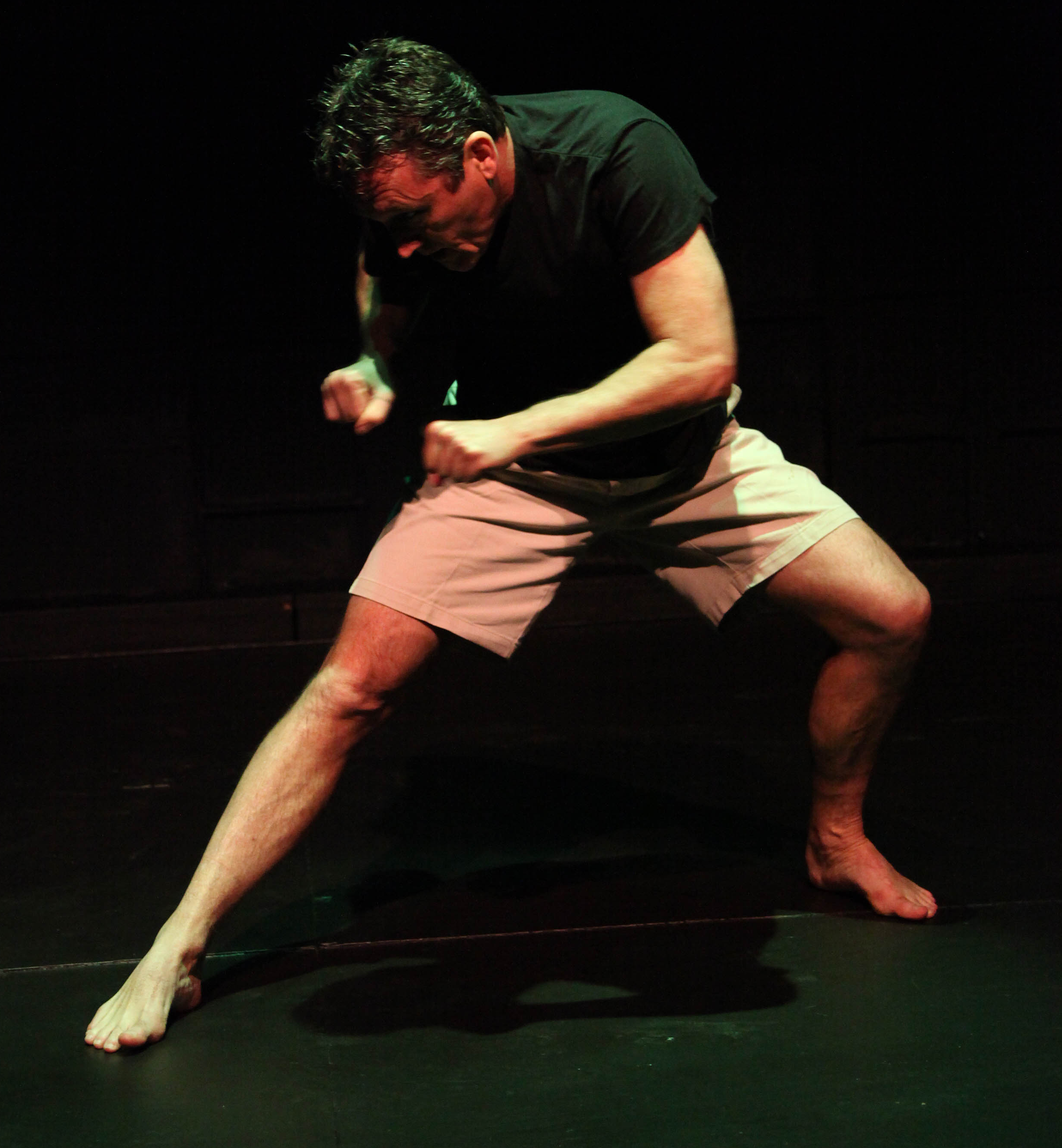
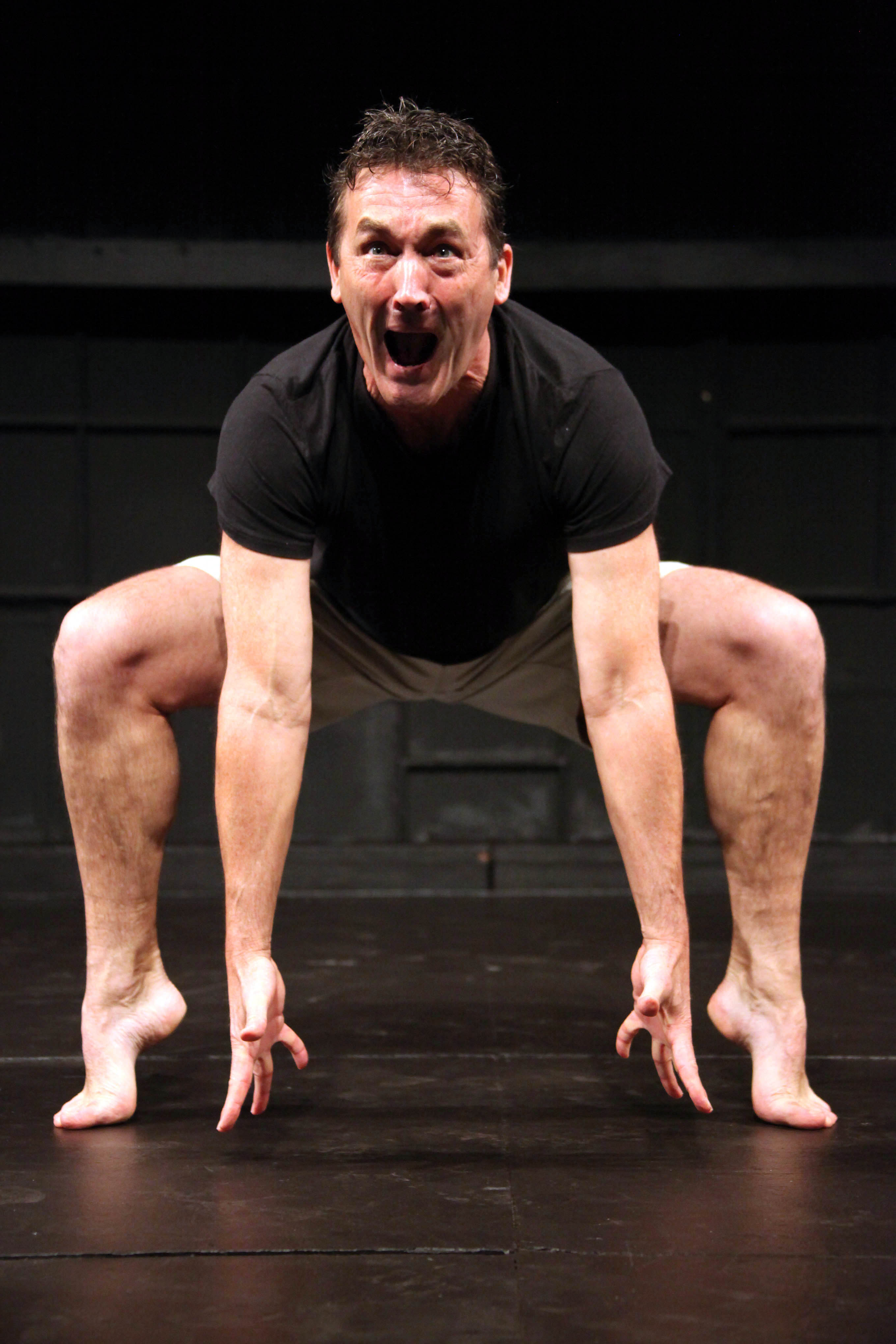
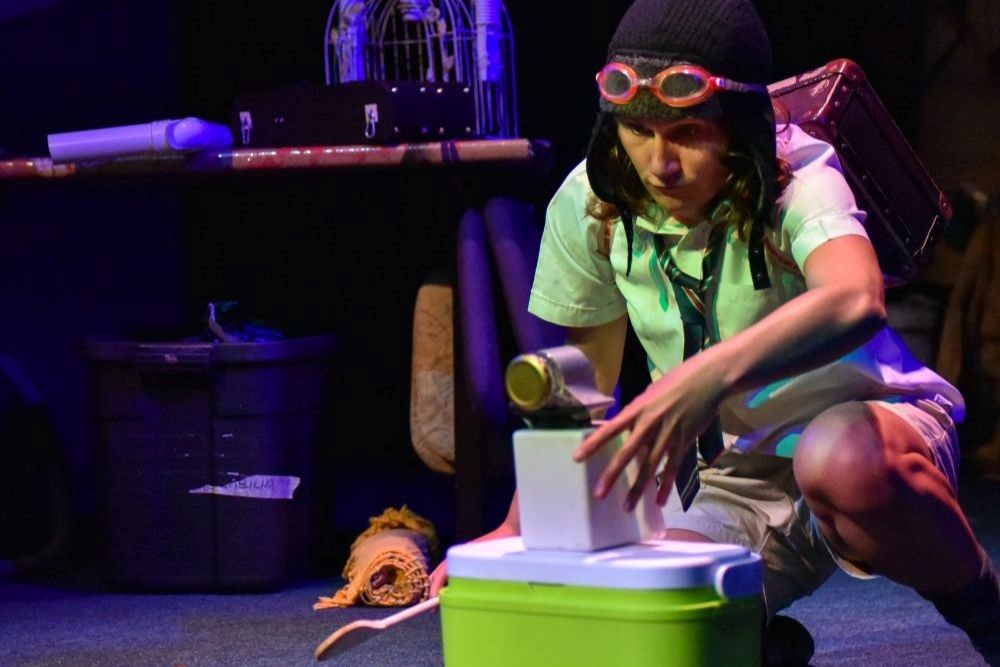
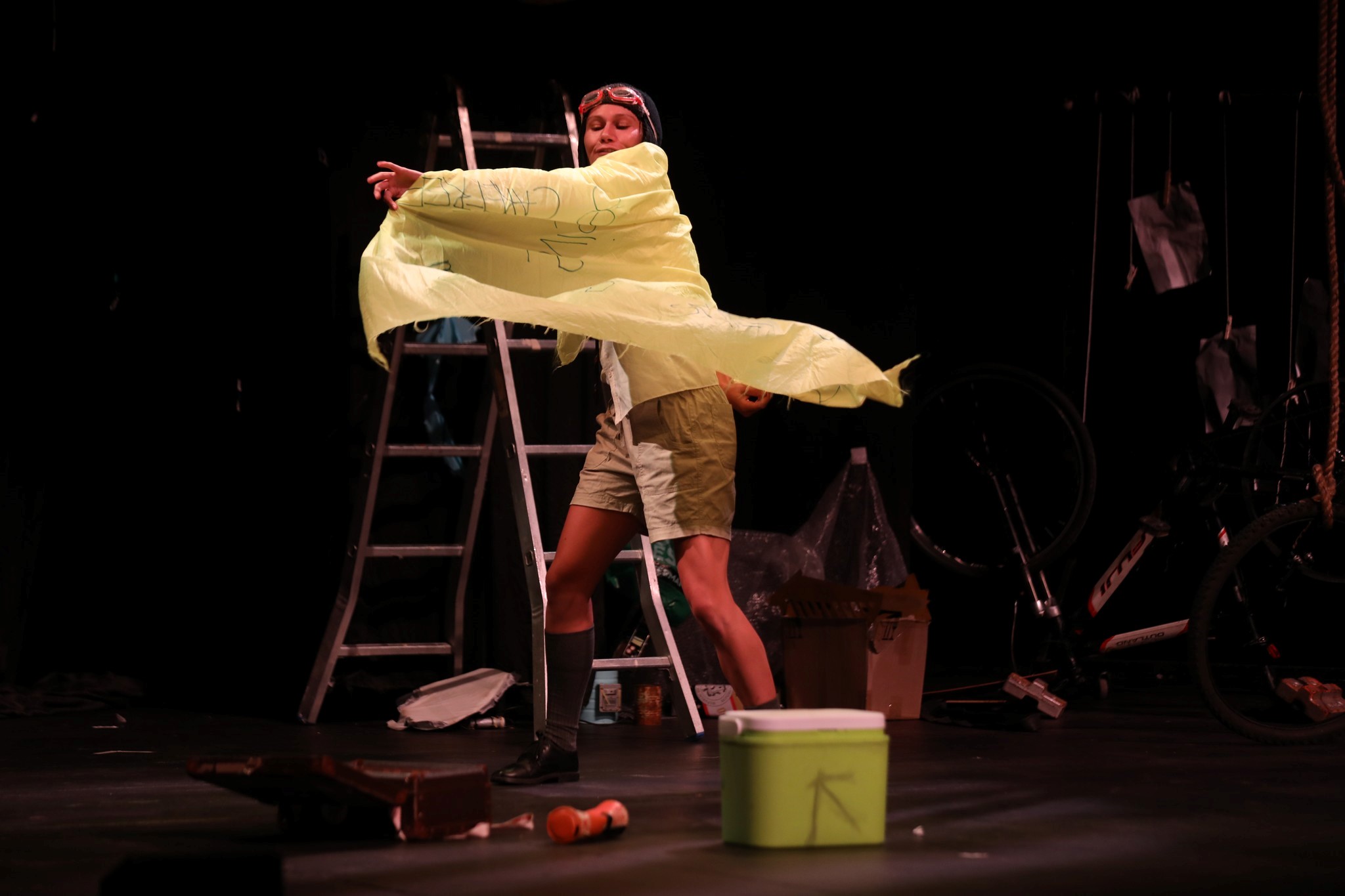
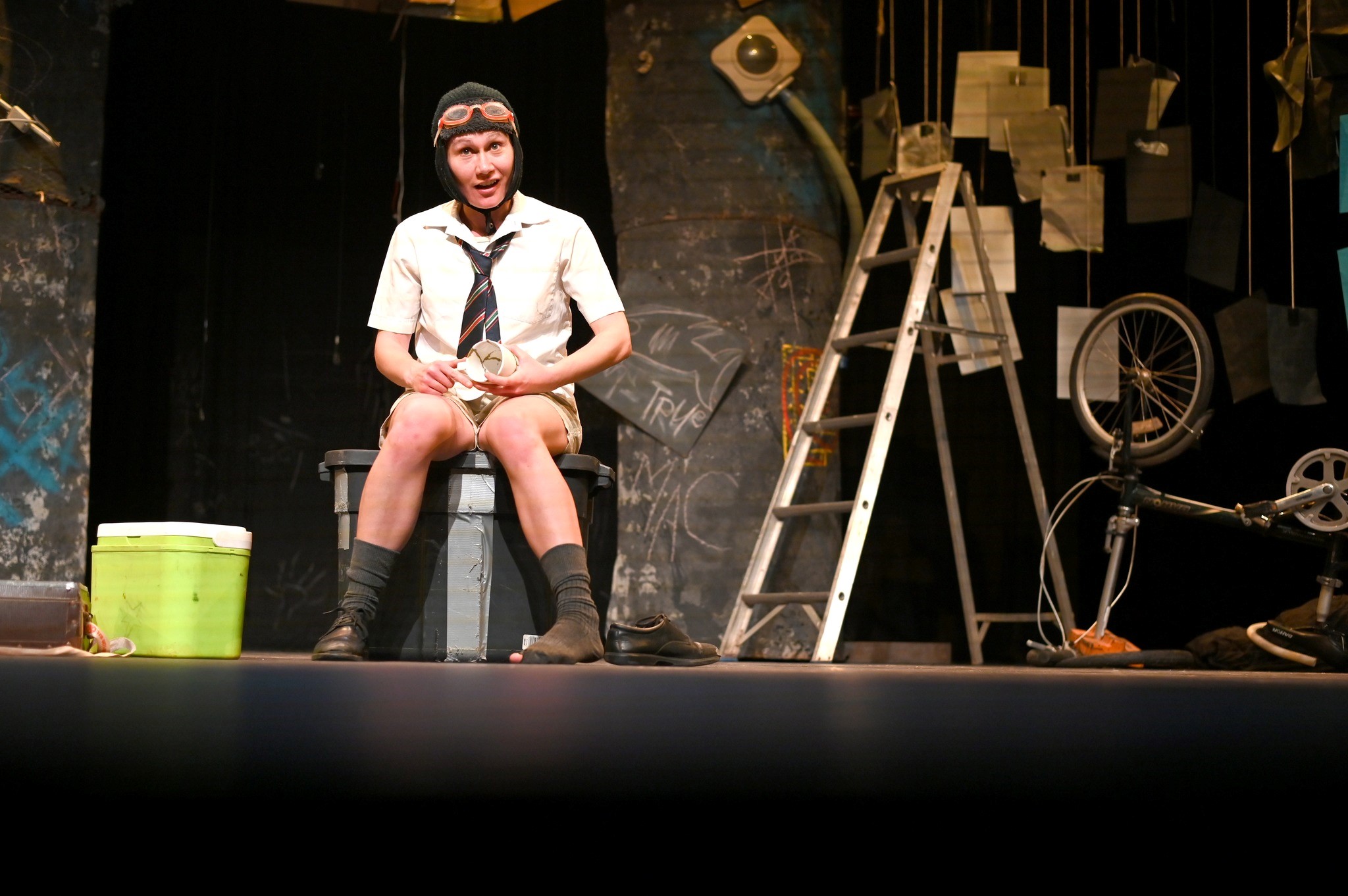
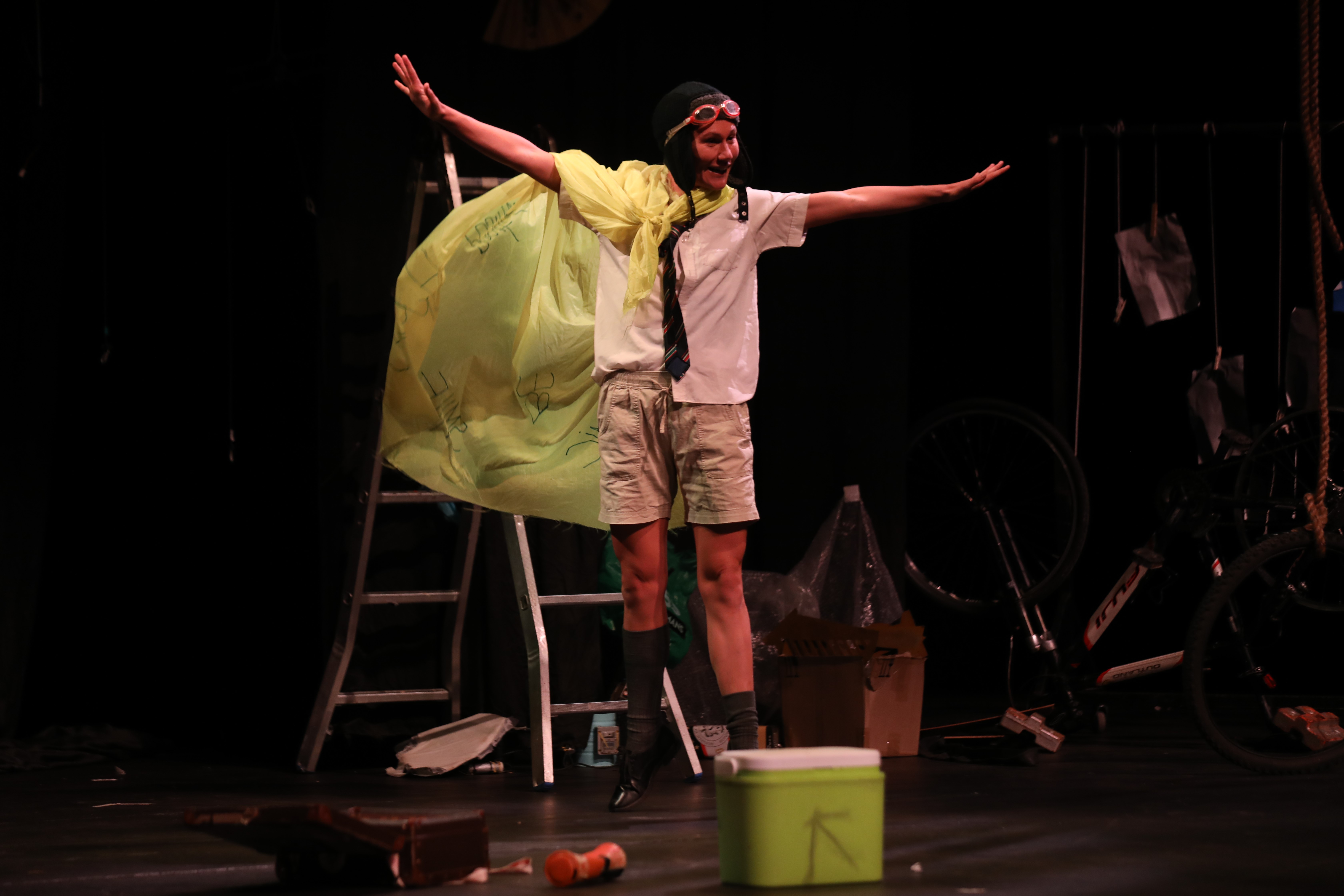
What a delight to revisit Andrew Buckland’s The Ugly Noo Noo, which was written and performed for the first time in 1988.

That feels like a lifetime ago and it’s not often that we get the chance to revisit these classics of local theatre that travelled the world and won accolades all round.

They cleverly kicked off with The Making Of, presented as part of performance lectures and demonstrations at SO|The Academy for the Less Good Idea in Johannesburg with Buckland giving audiences (those who had seen it before and those going for the first time) insight into the development of his signature style. For him, the play was a response to the political and social context of apartheid South Africa in the late 1980s. For the audience, the talk was a chance to get closer to the thinking and strategies of this astonishing South African theatre maker.

Athena Mazarakis, Momenteur for SO | The Academy for the Less Good Idea, explains that The Ugly Noo Noo is a seminal work in the canon of South African theatre.  
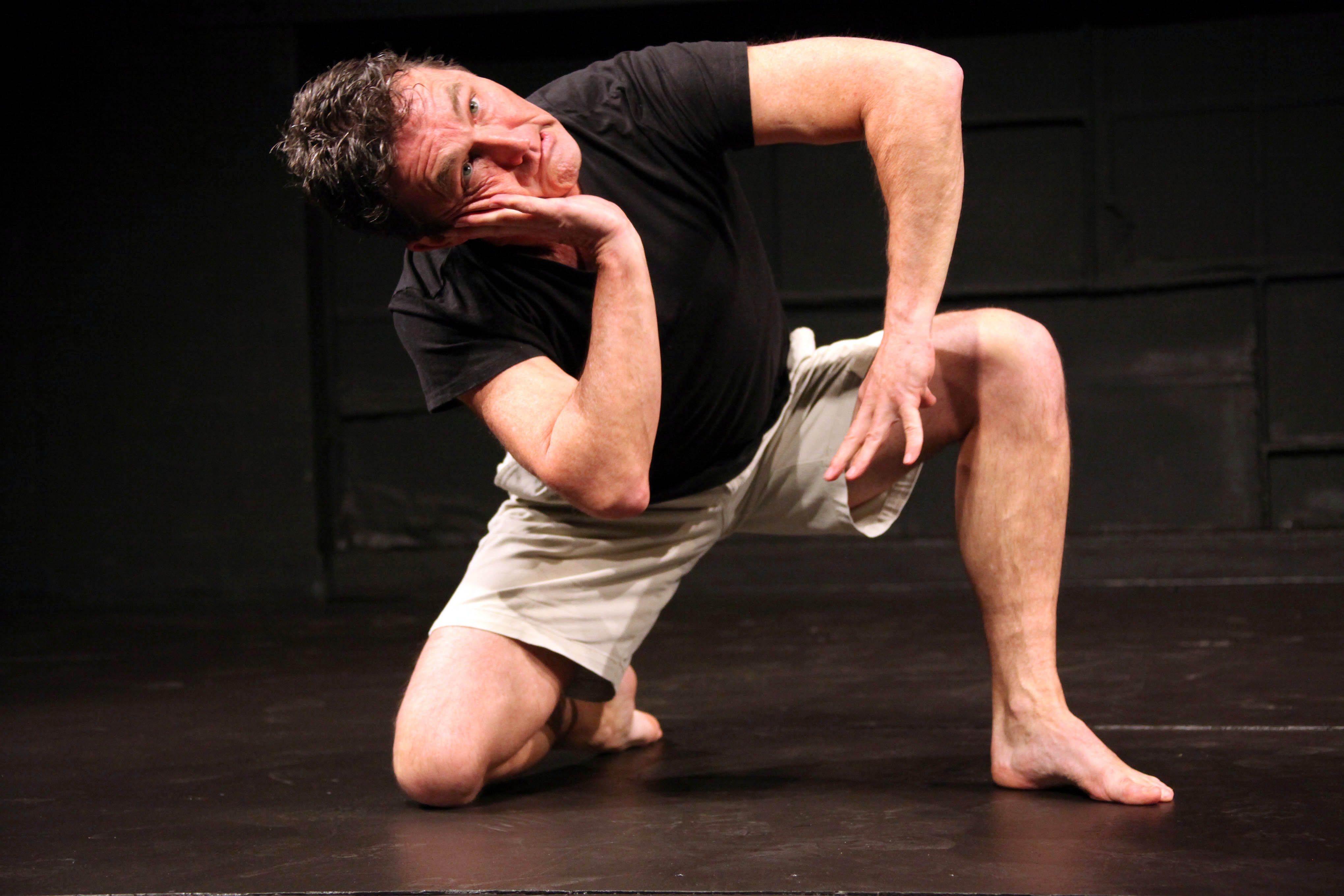
“The work is not only a biting piece of allegorical protest theatre but it also established Buckland’s unique style of the highly physical one-hander that blended elements of mime with razor-sharp text.

“It is a style that has since influenced and inspired multiple generations of performers and theatre makers, defining a particular South African brand of physical theatre marked by the combination of physical virtuosity with a strong textual strand and the solo performer who single-handedly takes on an entire cast of characters.”

She reminded audiences that, “not only is this re-staging a reminder of the part that theatre and artists played in the struggle but is also a continued reminder to artists today of the power that their work holds to critique and question the many injustices that surround us.”

For Buckland, his work is all about the imagination of the audience, where the action of the piece is given life. “It’s a delicate line to get the audience curious, like charades on steroids, as you draw them into the play.”
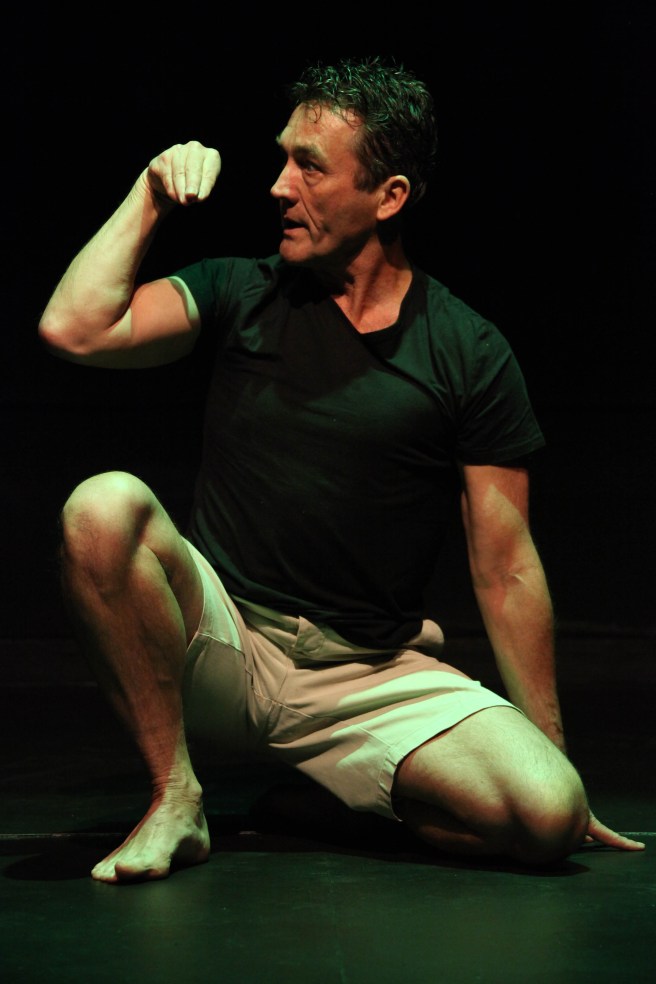
Play, in fact, says Buckland, was where it all began. He was the youngest of seven siblings and started playing on his own for hours, being the hero in his own world.

For this particular piece, 36 years ago, it began after witnessing his wife’s response to what had become known as the Parktown prawn. “I always loved language put together with movement or stillness,”  he says.

Thus began the encounter between a human and an insect. He felt trapped in the world of apartheid at the time. How does a white man deal with what is happening around him on stage? He knew he had to participate in a meaningful way. The Ugly Noo Noo gave him the perfect allegorical way out, offering him a novel way of telling stories while at the same time pointing to the world around him and the horror confronting South Africans.

What he was familiar with was his own angst and fear. Being the artist he is, The Ugly Noo Noo was where it all began. And while we were in the grips of apartheid when it first emerged, this time the world is struggling with a sudden explosion of fascism all over the place, and the timing of the current season could not have been more apt.
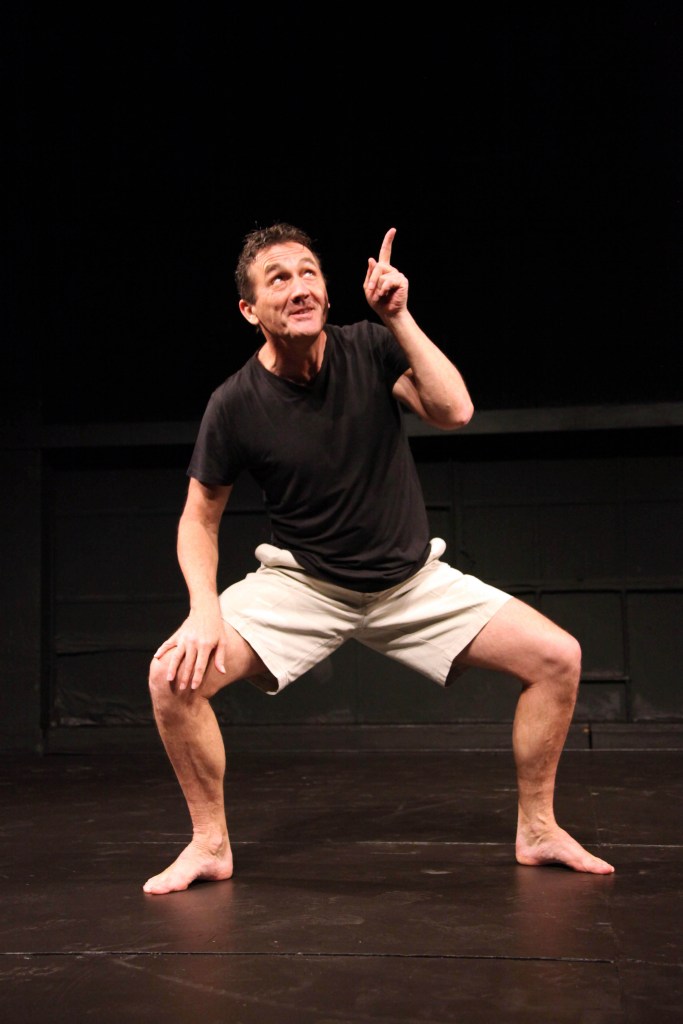
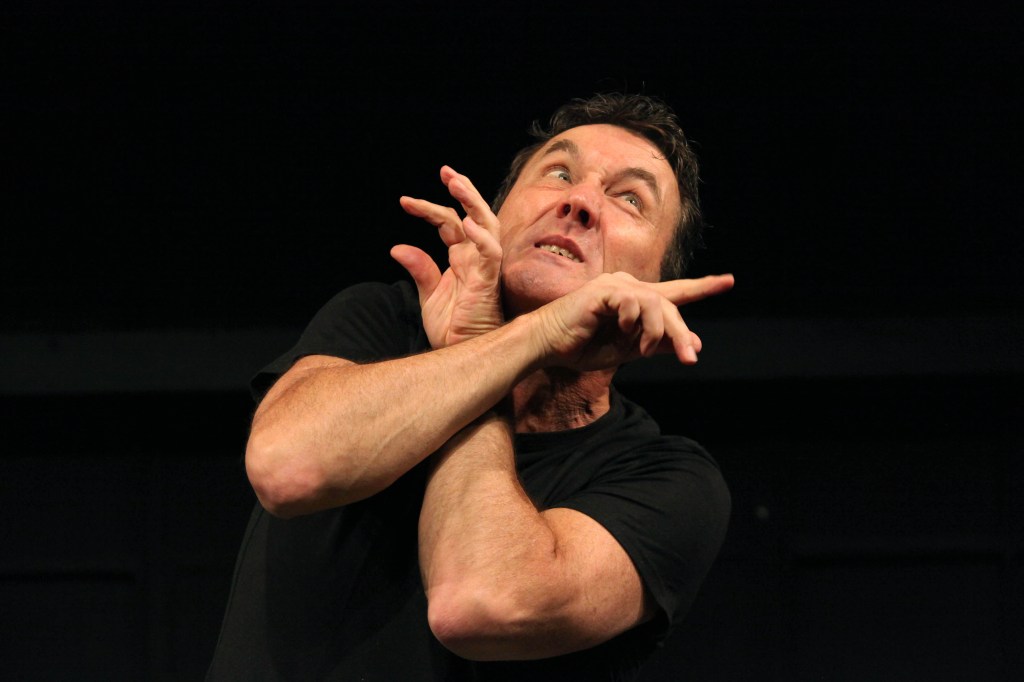
Looking back, that has been Buckland’s weapon (deliberately or simply instinctively). His work has managed to capture a particular zeitgeist which in some fashion seems to hold countries  to ransom.

What he discovered with this work was that it was possible to use laughter as a vehicle to invite people to acknowledge and confront their fear.

Watching the performance all these decades later and again hearing the text it is obvious why it was such a success while still retaining all the power of performance and  storytelling as when it was first performed.

When talking about the making of, Buckland referred to his age, but what struck me was that all his many years of training, of honing his craft, have added to the detail and impact of his movement, which might have been diminished with age. Older and wiser, he knows where and how to compensate and embellish.

The text has lost none of its initial cunning and while his antics on stage has the audience in laughter much of the time, the real essence of the text is a still a stomach punch.

It is one of those that has all the elements celebrating the art of performance and storytelling when there’s a true genius at work. Buckland has always been one who worked with delicacy and delight when presenting his art. And his choice and timing of when and what to perform is spot on.

Hopefully he will return to that classic treasure trove of his and bring back all those memorable gems.   

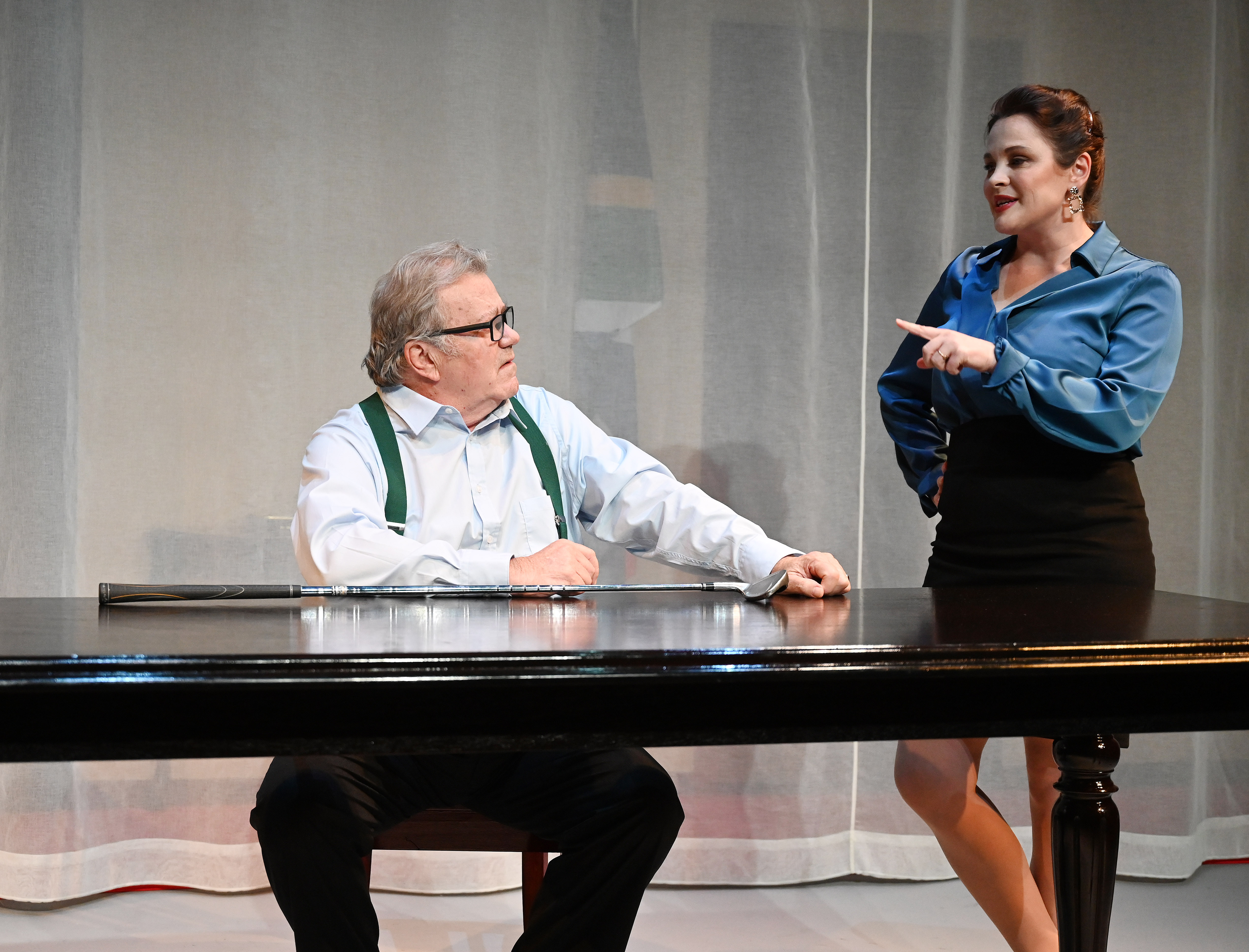
A FIERCELY FUNNY SOLO ACT AT THEATRE ON THE SQUARE WITH A SKILLED SCRIPT AND DEXTROUS PREFORMANCE BY AARON MCILROY

DIANE DE BEER

A VEGAN KILLED MY MARRIAGE

Actor: Aaron Mcilroy

Writer/director: Craig Freimond

Show times: Weekdays at 7:30pm and Saturdays at 5pm or 8pm

Dates: Until 14 July


A solo show is a difficult gig for any performer. It’s the actor and the script with no backup if things go wrong. They have to think on their feet.

But when it works, it’s usually a blast. They’re sometimes funny and often sad. But whatever the material, the performance is usually the determining factor.

That’s why I try to give solo artists at least one chance. If they’re good, you’re theirs for life and usually the progression is also special to witness.

When I saw  that Craig Freimond was the director and the scriptwriter, I knew this would be a winner. His reputation is established and I was pretty sure the trip would not be wasted.

It’s always interesting to discover new actors and Aaron Mcilroy’s performance was hugely entertaining.

The title is pretty self-explanatory and in this time of extremes, vegan is a good topic through which to exploit that particular behaviour trait. Anyone who gives up anything with success can be very painful and annoying. Perhaps “sanctimonious” captures the essence more specifically.

And that’s exactly what happens here as  this particular vegan convert decides he has to inspire the world. He has discovered the life and it is his responsibility to pass it on. Get the drift…

Especially braais – that sport of kings in the South African context – are not the place to start preaching a vegan lifestyle. But, of course, new disciples, have hardly learnt the finer nuances of taking things slowly. Trying to persuade someone to let go of their way of life because that’s what you have done is hardly a proven recipe.

And that’s exactly what happens. But without showing the play’s hand completely, rather discover it for yourself.

Mcilroy knows how to work a room, he has an abundance of tricks in his bag to layer his performance, and the script is coloured smartly with the sharpest South African shades, is extremely funny and very recognisable to anyone who has ever been in any relationship.

We all start out with good intentions and then the personalities and needs of the different parties come into play. How different individuals play their moves often determines the outcome.

Freimond and Mcilroy make a good team. It’s a sassy little play, a smart performance and, at 60 minutes long, perfect for a chilly Gauteng evening. Take some friends and have a relaxing time out.

THE WAY A CHILD’S HEART FINDS HAPPINESS

REVIEW BY DIANE DE BEER

THE KING OF BROKEN THINGS

DIRECTOR AND WRITER: Michael Taylor-Broderick

ACTOR: Cara Roberts

VENUE: Mannie Manim Theatre at the Market Theatre

DATES: Until Sunday

AGE: From 10 years old

DURATION: Approximately an hour

This is the final call for this delightful play which has been doing the rounds for some time but, is as far as I know, this is its first visit to Gauteng.

Solo plays are festival standards and a wonderful way to discover new directors and actors. In this instance, Roberts, who according to the internet, is based in Durban, has been seen on local stages but also has a number of solo productions as part m of her repertoire.

That tells you about a performer who knows how to generate her own work, something they need when trying to survive in an industry hard hit in any troubled times. Survival is part of their normal game.

And for the character Roberts is portraying in this particular venture, a 10-year old boy, it is all about survival.

We don’t know too much about him except that he is living in a world of “broken things”, which dominate his life and the space in which we find him. If the world he was given is too difficult to navigate, it seems, his remarkably skilled solution is to create a space that can accommodate his wounded soul.

But that is how many young children react to a tough situation which they might not understand and in which the adults in their lives are sometimes the culprits who have created what seems to be a dark space.

And we all know that while communication is the best way to keep anyone’s world on track, it’s something that everyone seems to have a problem understanding. Just check around you and the problems you bump into – communication is such a handy tool if we would just go there.

Yet when your life seems to be dominated by pain, losing people you love and trying to find the reason for these tough times, you will find a way. You might not understand what is happening, but in this instance, the young child talks and creates his way to a better place.

It’s one of those plays that presents you with a moment in time, one that most of us encounter in some way, but he has found a way. If others can’t fix you, there are ways to make your dreams come true.

Roberts is an astonishing actor. Playing someone much younger is a tough ask, but with a smart script and a performer that throws herself at the role with just the right balance, it works.

It’s a charming hour and a play which I think especially teenagers should see. They would pick up a few life lessons and discover the way theatre can generate both wisdom and wit as The King of Broken Things leads them into a world of wonder where imagination is the ingredient that really matters. Shows tonight (7pm), tomorrow (3 and &pm) and Sunday (3pm). Bookings at https://www.webtickets.co.za/v2/Event.aspx?itemid=1537172754

STATE CAPTURE IN FULL COLOUR IN THE BROTHERS NUMBER ONE AND A WEEKEND SPECIAL AT JOBURG’S MARKET THEATRE

REVIEW BY DIANE DE BEER

Pictures: SUZY BERNSTEIN

THE BROTHERS NUMBER ONE AND A WEEKEND SPECIAL

A new South African Political Play

PLAYWRIGHT: Richard Calland

DIRECTOR: Greg Homann

CAST: David Dennis as Uncle; Michael Richard as Tim; Astrid Braaf as Journalist; Zane Meas as the Lawyer; Ziaphora Dakile as Tiger Claws; Melissa Haiden as Virginia

ASSISTANT DIRECTOR: Aalliyah Zama Matintela

SET AND COSTUME DESIGN: Lisa Younger

LIGHTING DESIGNER: Hlomohang ‘Spider’ Motheto

AV DESIGNER: Xolelwa ‘Ollie’Nhlabatsi

SOUND DESIGNER: Vagile Mpumlwana

VENUE: Mannie Manim Theatre at The Market

DATES: Until May 19

In the programme notes the playwright is described as a prominent political analyst, and a columnist for the Mail and Guardian newspaper as well as the author of a number of political books.

The following is also stated:

The Brothers, Number One and a Weekend Special is the story of the rise of State Capture, starting with the announcement of a new Minister of Finance in late-2015. The play, which tracks a two-year history, is written by astute political analyst, Richard Calland, who has been close to the frontline of South African politics since 1994 and a political columnist at the Mail & Guardian since 2001.

As the drama unfolds, an audience witness the high-stakes manoeuvres, clandestine dealings, and manipulation of public sentiment that fuelled further racial division across the nation. Calland weaves a narrative that connects the dots between government, media, and corrupt businessmen, laying bare the underbelly of a political landscape marked by noise, complexity, and a dangerous volatility.

This leaves you in no doubt about what is going to follow and my first thought was, this being the 30th celebration of what still feels like our young democracy, the play must be seen as a sign of our maturity as a country.

This kind of play, with a representative audience all loudly involved from start to finish, has a lot to say about what we have gone through and, how we have emerged with much more political smarts and cynicism following the Zuma years. Even though we are still suffering many financial and ideological blows from that horrific time, we are not as easily duped, no longer the silent sacrificial lambs we were then.

And at the heart of what unfolds is the playwright who as a political analyst and journalist, has the information at his fingertips.

How can we forget how the iconic Brenda Fassie song title Weekend Special became something completely different in South African minds?

Michael Richard and Melissa Haiden.

This was perhaps the turning point of the whole Zuma fiasco – his Weekend Special. You can dupe a country as much as you want it seemed, but when you go for their money, that’s a completely different ball game – and when things started to unravel for the shameless Number One. Des van Rooyen was no match for the controversially fired Nhlanhla Nene – as the rand went into free fall.

Remember those heady days for the Gupta brothers, who are still hiding out (with South African billions, mind you) somewhere in the Middle East, Switzerland or India depending on  which sources you trust.

Back to the play. We all know the facts; there were many newspaper reports as well as Thuli Madonsela and Zondo’s inquiries. With Homann smartly mixing his cast with stage veterans such as Zane Meas, Michael Richard and Dennis Becket and three young but also experienced female actors (more familiar I suspect to Cape audiences), we all had to think on our feet to work out the different characters.

David Dennis is Mac Maharaj whispered an audience member close by, but in the end it didn’t matter. You quickly gathered that the men were part of the corruption including the Guptas, as well as those handling all the shaky deals from government side, with Richard being the one watching and guiding his journalist.

David Dennis makes his point.

It was glorious to see these three in action on the same stage, masterfully matched by the young female energy in their particular roles of either ferreting out, or defying any corruption allegations, depending on their particular alliances.

It takes one back to those early days of discovery. Remember the Saxonwold shebeen? People carrying handbags stuffed with money, others denying visits to their overlords, those in command of State Capture. It feels a bit like a horror movie, but not with Calland orchestrating the manoeuvres and connecting the different dots.

And everyone was laughing. We have, after all, dodged a bullet and most of us are much less gullible than we were in those heady early days of our democracy.

The anguish is palpable.

It’s a fast-paced political thriller of sorts and it’s our own. What I would have liked is a bit more clarity in the staging. With seats on three sides, the projections were difficult to follow from the side. And some gave insight into the full affair which was unravelling at a speed.

Short and straightforward interactions would have  added more punch (from both a script and staging perspective) and added a contemporary edge. The audience obviously loved it and were fully engaged, and so was I. But, especially as we all knew the details, it simply would have elevated it into a landmark play.