AN ANNUAL ARTISTIC HIGHLIGHT THE 2025 SASOL NEW SIGNATURES ON UNTIL NOVEMBER 2 AT PRETORIA ART MUSEUM

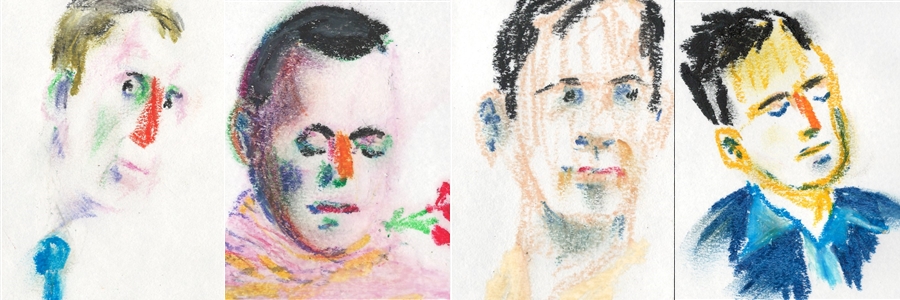
There are less than two weeks left to explore the 2025 Sasol New Signatures Visual Arts Exhibition at the Pretoria Art Museum, which closes on November 2, 2025. The exhibition features works from all 103 finalists, including the top seven award-winners and is quite magnificent. Don’t miss it!

“This is a must-see exhibition. The standard of entries this year was exceptionally high, showcasing the newest creative voices leading the next wave of South African visual art,” said Cate Terblanche, Curator of the Sasol Art Collection.
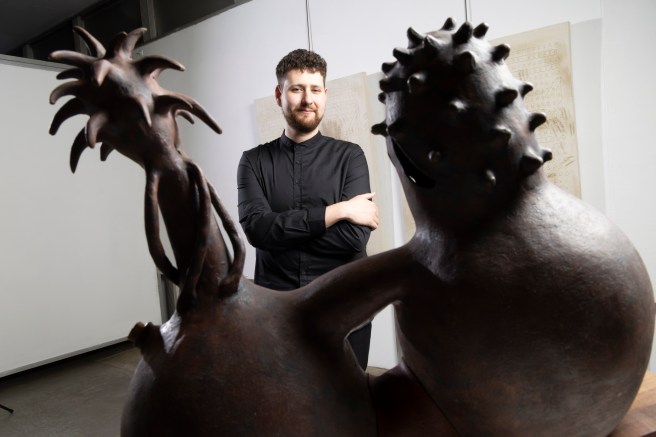
The 2025 Sasol New Signatures Visual Arts Competition attracted more than 900 entries from across South Africa. Juandré van Eck (Gqeberha), an Honours student at Nelson Mandela University, was announced as the overall winner for 2025 for his interactive ceramic installation titled Cycles of the Mind. The work captivated judges with its acoustic and meditative presence, and its poetic interplay of breath, water, and voice. Van Eck received a cash prize of R100 000 and is already conceptualising his solo exhibition, which will be showcased at the Pretoria Art Museum in 2026.
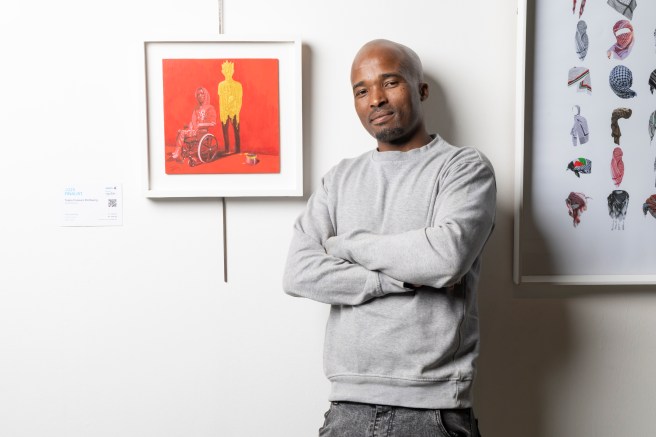
The Runner-up Award and R25 000 went to Thabo Treasure Mofokeng (Johannesburg) for Still Standing, a painting inspired by resilience in the face of adversity

The five Merit Award winners, each receiving R10 000, are:
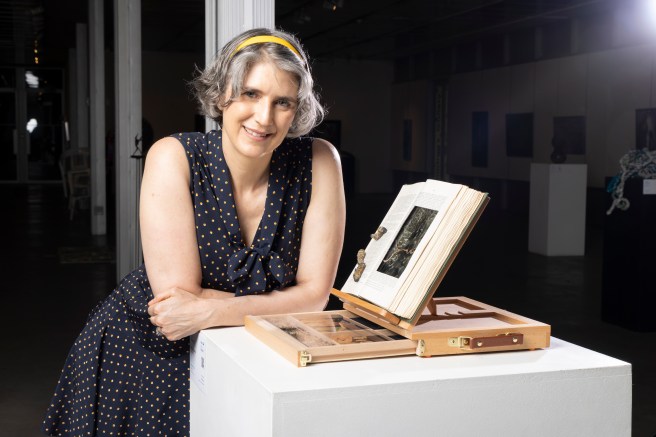
Tammy Lee Baikie (Johannesburg) – Book Worms (mixed media)
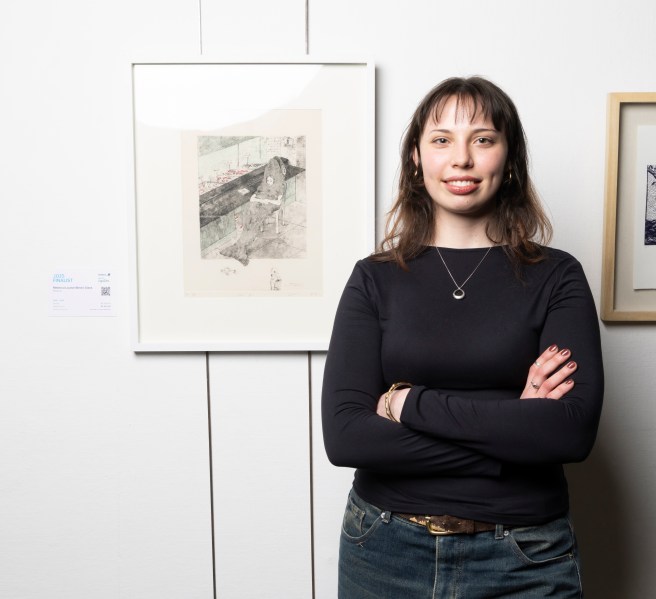
Rebecca Louise (Beck) Glass (Pretoria) – Sell–Fish (etching)
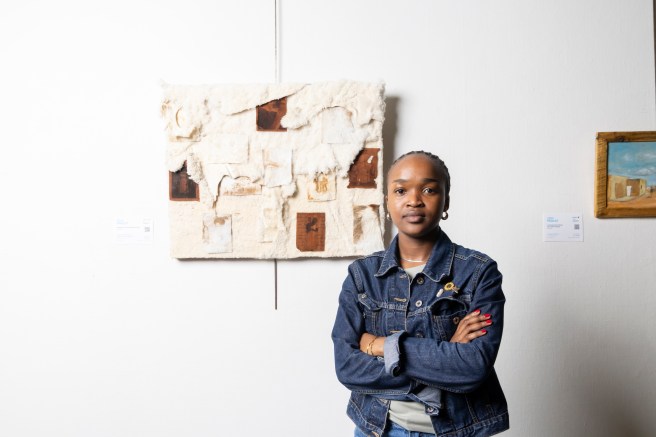
Snelihle Asanda Maphumulo (Gqeberha) – Ngaphansi kwesithunzi sakhe (Under His Shadow) (sheep hide on canvas)
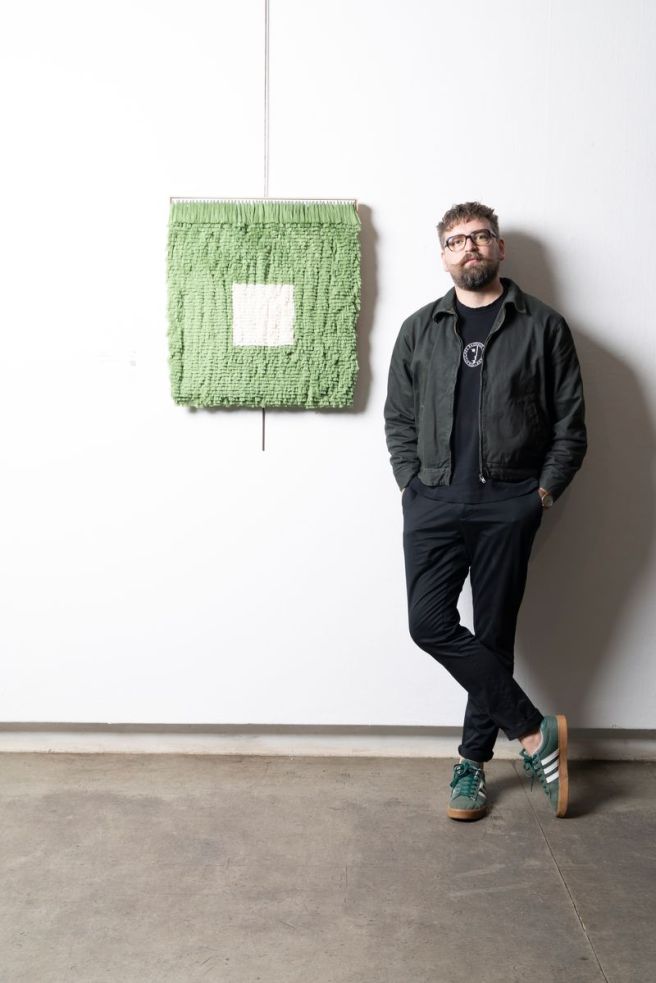
Vian Mervyn Roos (Pretoria) – 2916 (cotton thread)
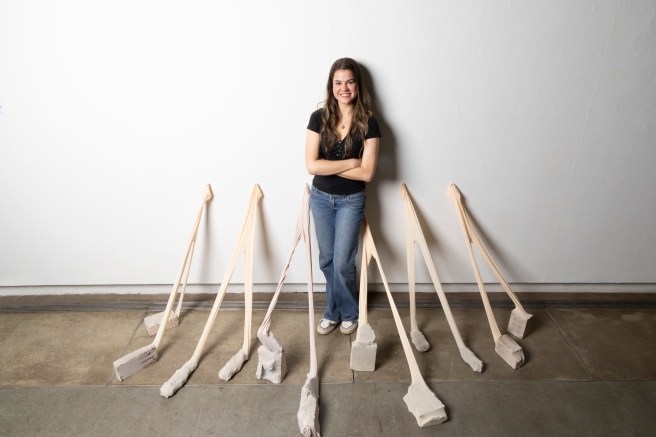
Sarah Volker (Gqeberha) – Taut, Tethered and Torn (ballet tights, stones, cement blocks)

“Sasol New Signatures continues to play a crucial role in discovering, nurturing, and showcasing the next generation of South African artists,” said Pfunzo Sidogi, Chairperson of Sasol New Signatures. “Each year, the competition provides an invaluable platform for emerging voices to share their perspectives, experiment boldly, and contribute meaningfully to the country’s vibrant visual arts landscape.”
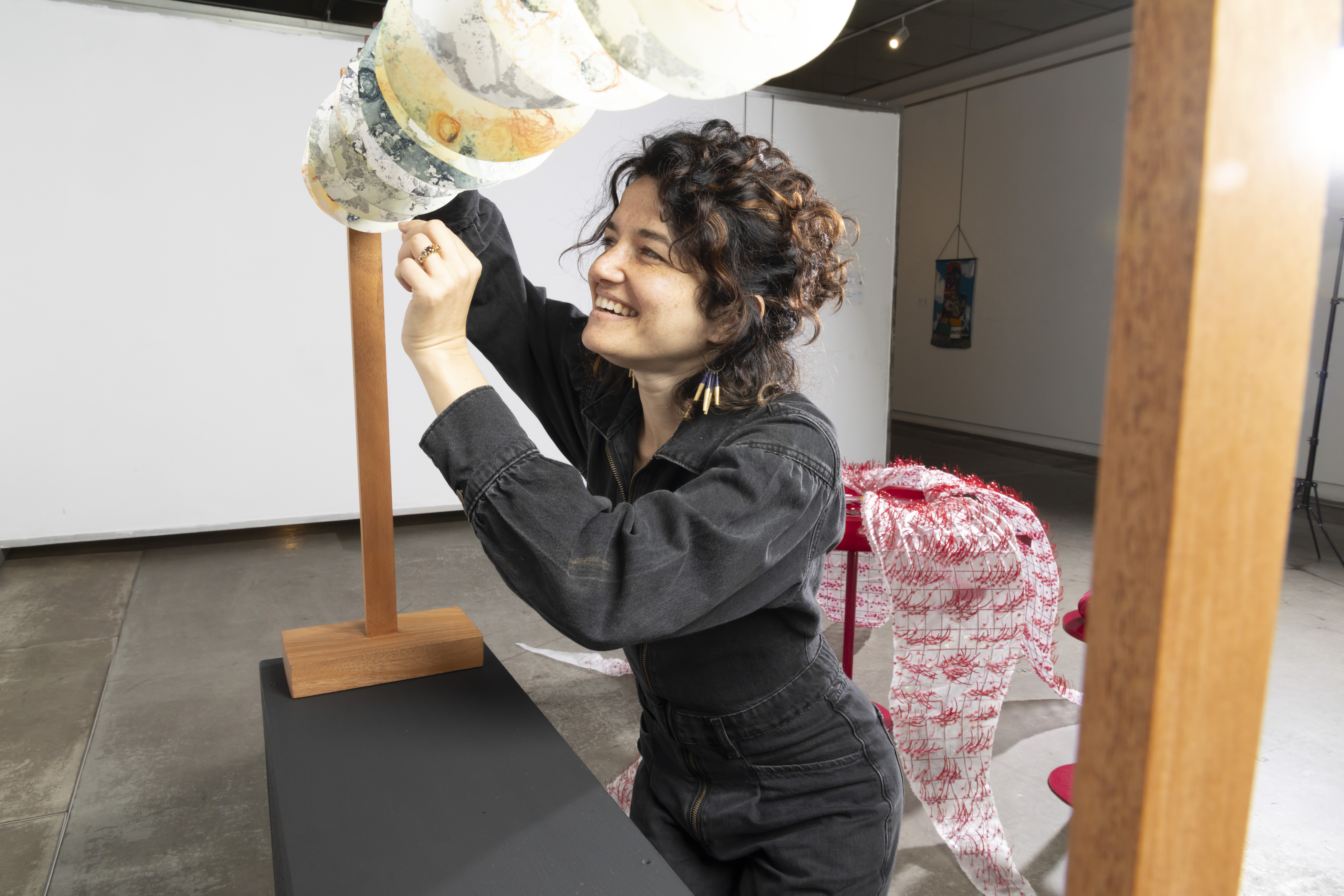

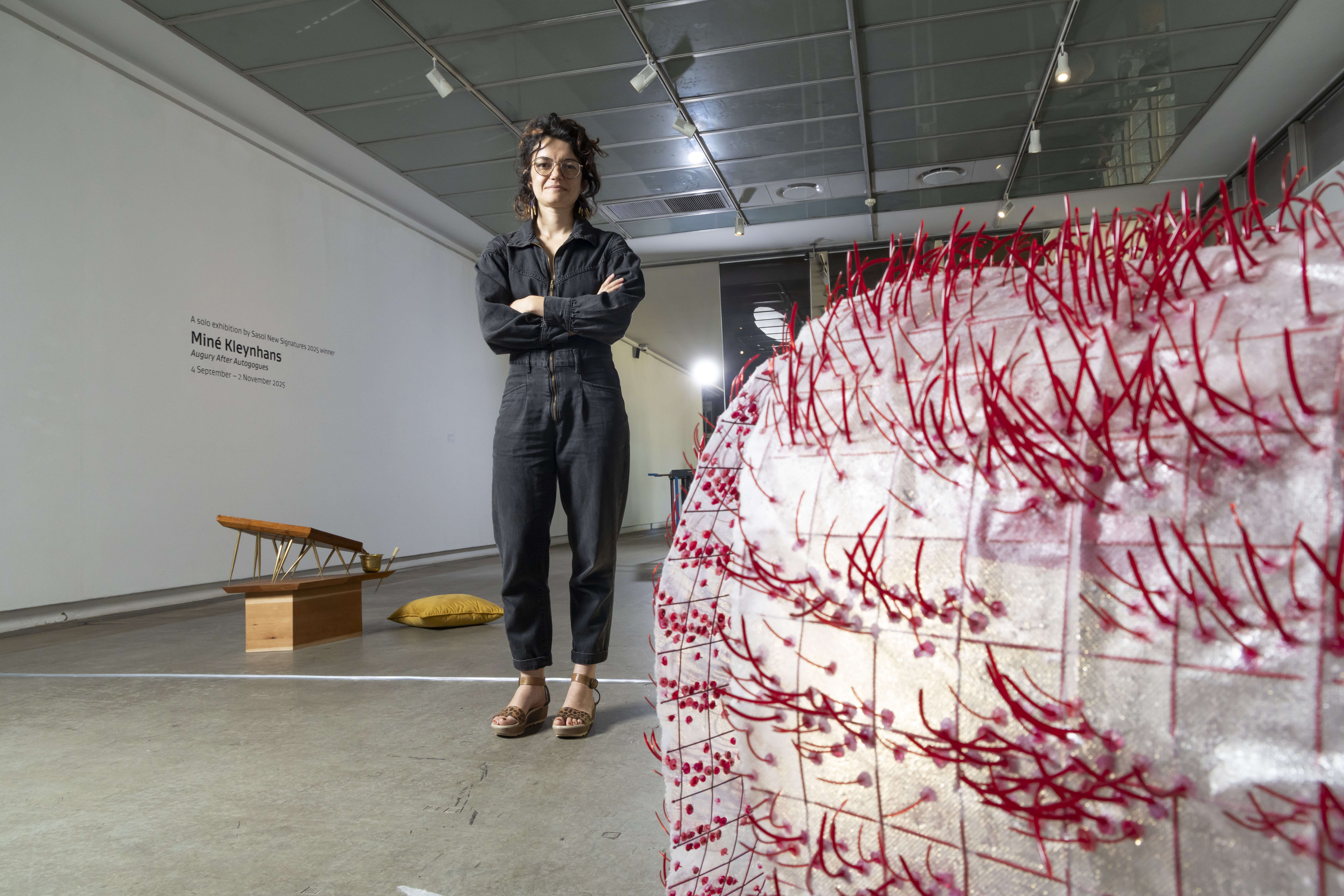
Running concurrently with the New Signatures exhibition is the solo exhibition by Miné Kleynhans, winner of the 2024 Sasol New Signatures competition. Titled Augury After Autogogues, Kleynhans presents a speculative and satirical cosmos in which individual mystics, or “Autogogues,” use invented devices to divine meaning from the overload of media, relationships, and impressions. The works include Orbea kako-occultusAbacus for Emotional Transactions IIState of Reproach, and Meditations on Resentment (her 2024 award-winning piece). Using a mix of wood, metal, 3D printing, resin, and found objects, Kleynhans constructs intricate instruments that blur the line between sincerity and satire. Through interaction, viewers are invited to ask: In a world saturated with information, how do we make sense of our own inner lives?

This year, the museum experience has been enhanced with QR codes placed beside each work, allowing visitors to access the artist statements for deeper insight into each creative process.

For audiences outside Pretoria or abroad, the entire exhibition,  including all finalists and winners, can be viewed through a virtual exhibition hosted on the Sasol New Signatures website. The digital gallery replicates the in-museum experience, ensuring that art lovers everywhere can engage with South Africa’s most exciting emerging talents.

With only two weeks remaining, now is the perfect time to visit in person or online and experience the freshest voices shaping the future of South African art. Don’t miss out on the fantastic art by our future masters of the local art world.

Exhibition Details

Venue: Pretoria Art Museum, corner Francis Baard & Wessels Streets, Arcadia Park, Pretoria
Dates: Until November  2, 2025
Museum Hours: Tuesday to Sunday, 10:00–17:00 (closed Mondays and public holidays)
Virtual Exhibition: www.sasolsignatures.co.za

For more information: www.sasolsignatures.co.za 

Or contact:

Nandi Hilliard from the Association of Arts Pretoria on 012 346 3100, 083 288 5117 or artspta@mweb.co.za.

Instagram: @sasolnewsignatures 

Social Media hashtag: #SasolNewSignatures
MAPULA CAPTURES REAL STORIES THROUGH THE EYE OF THE NEEDLE WITH VIBRANT EXUBERANCE

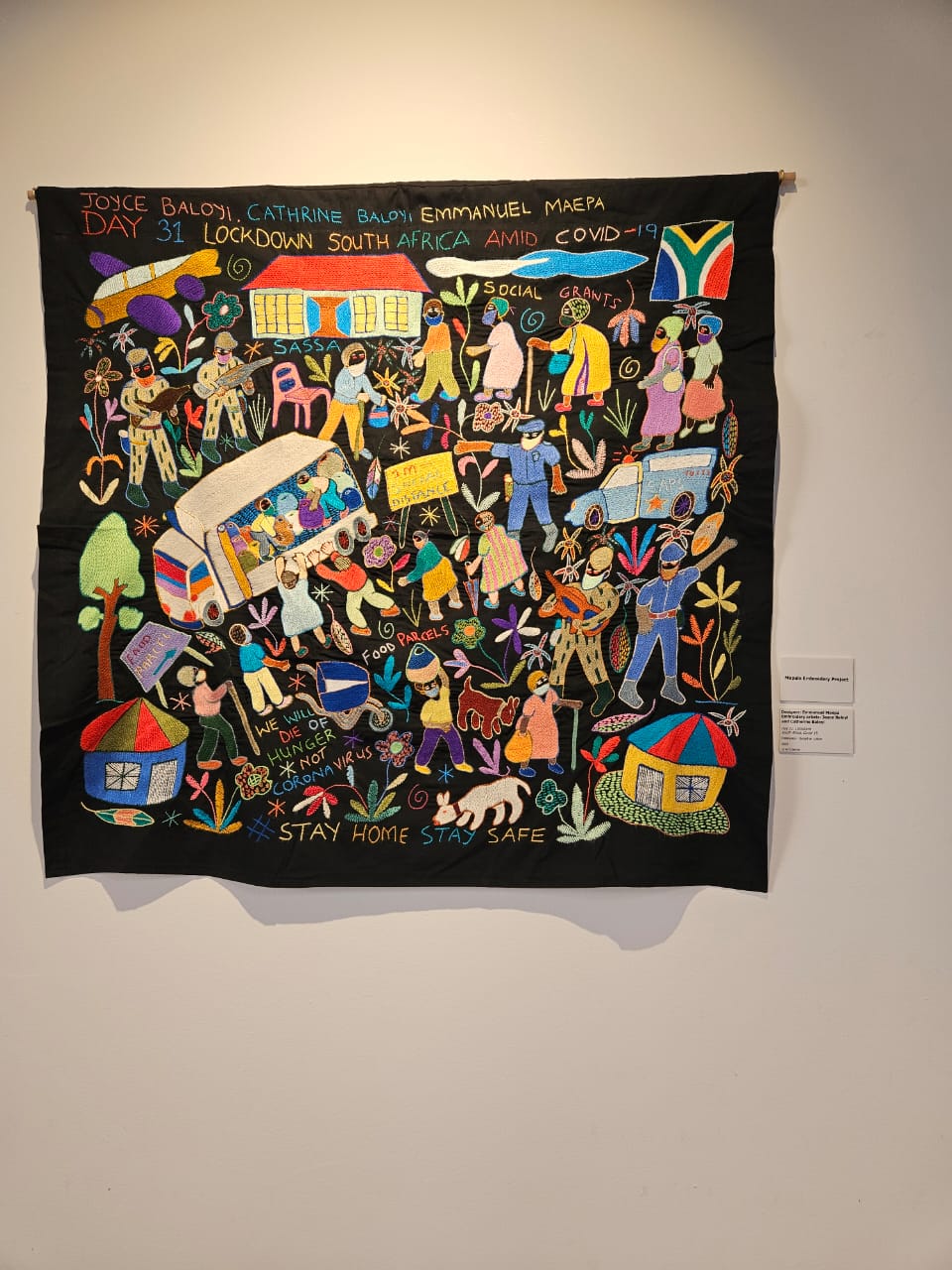
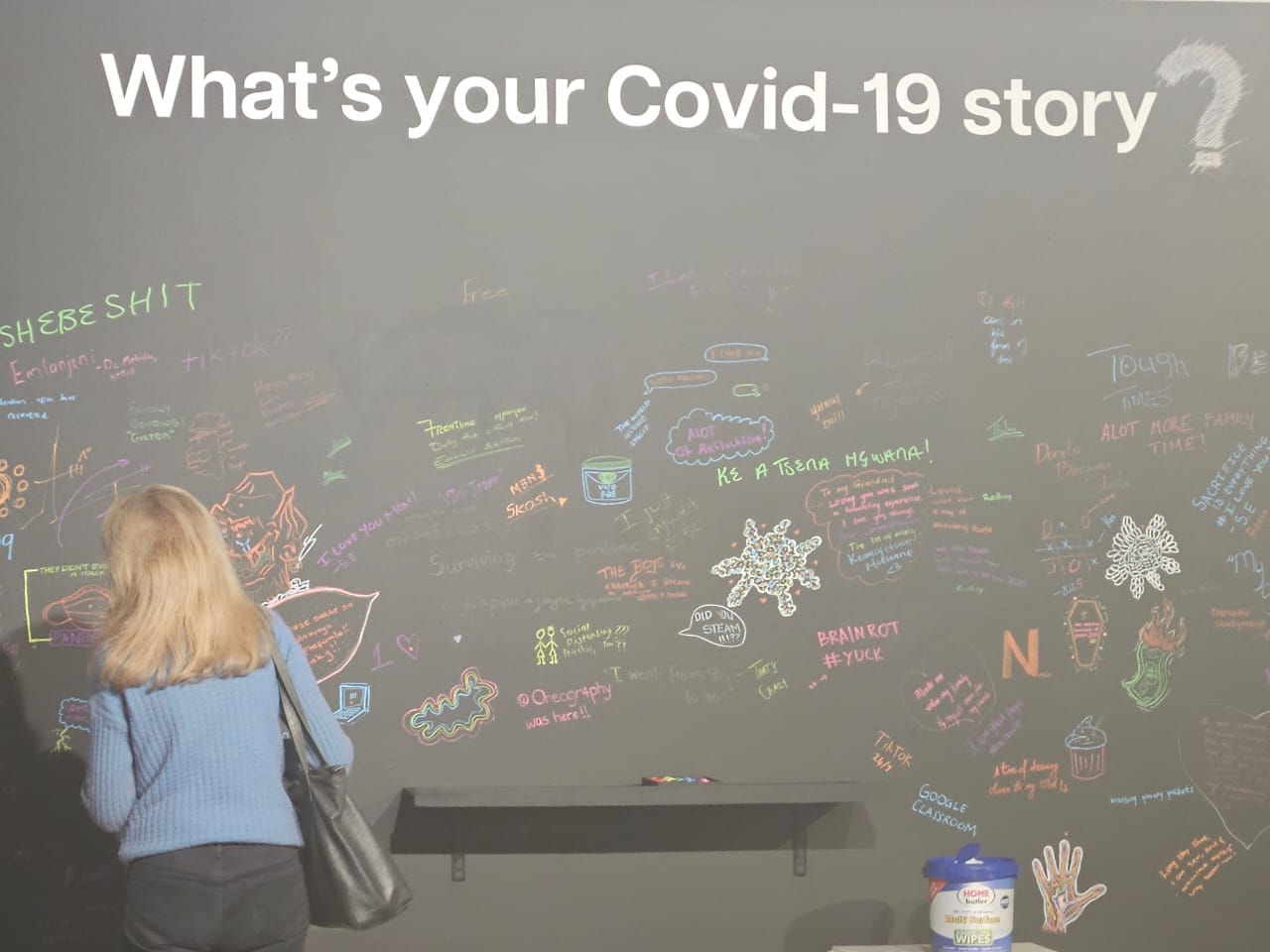
A walkabout of the newly installed exhibition 2020 Through the Eye of a Needle: Remembering the Covid-19 Pandemic in 2025 curated by Julia Charlton, senior curator at WAM (Wits Art Museum), reminded everyone who was present how quickly we move on from events that change the world dramatically. DIANE DE BEER gives her impression of the way women rule the charity world:

 As Professor Brenda Schmahmann — South African art historian and current South African Research Chair in South African Art and Visual Culture (SARChI) at the University of Johannesburg’s Faculty of Art, Design and Architecture (FADA) — was in conversation with Julia, I was again reminded of women and the way they participate in the world where people are negatively impacted simply because of their circumstances, not because of anything they did wrong.

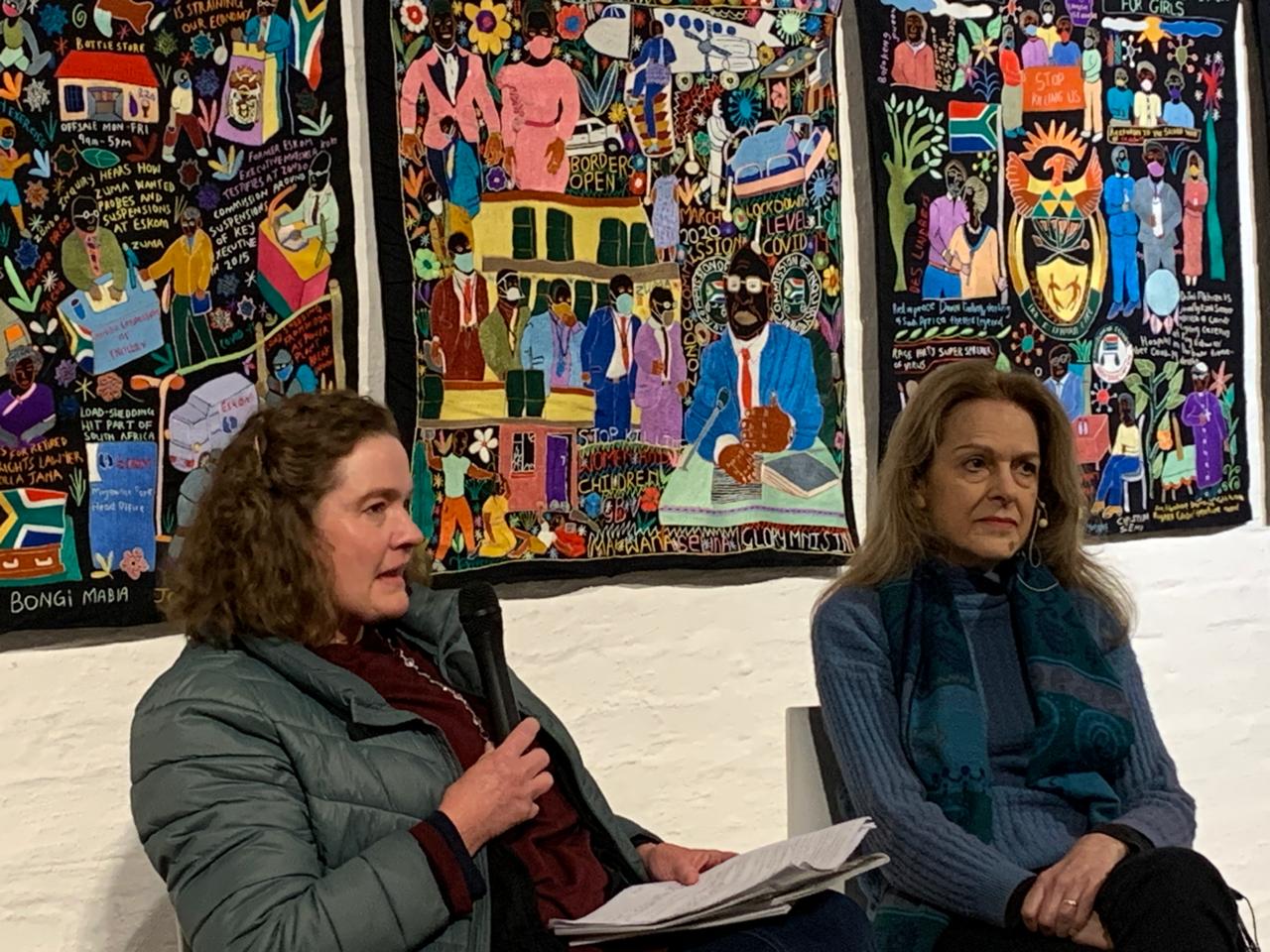
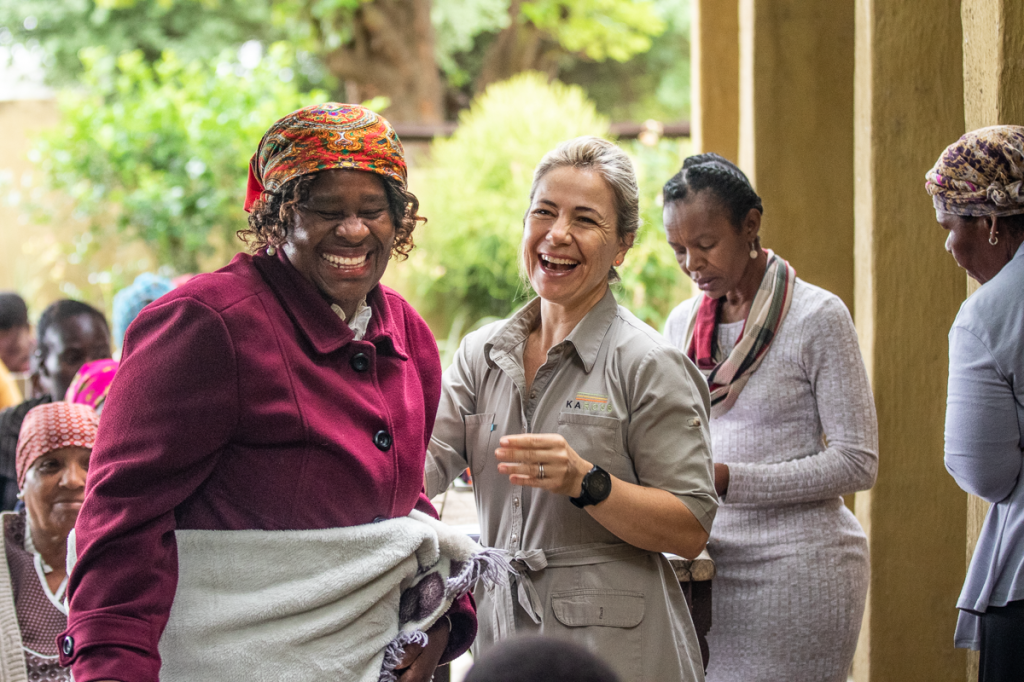
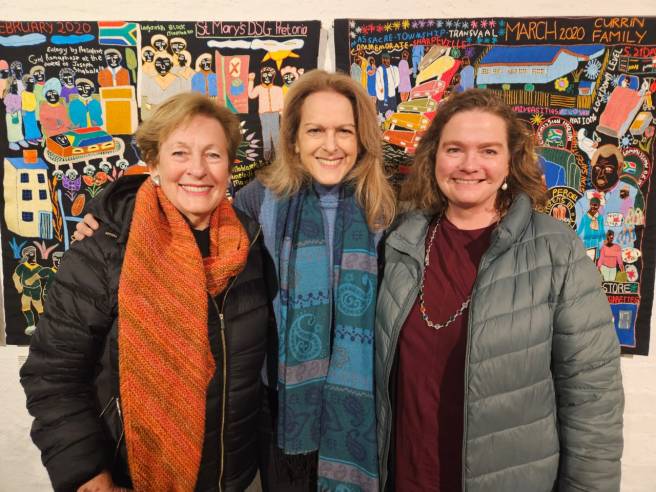
Julia (left) is the one who put the exhibition together, starting with some of the Mapula hangings which had previously been bought for WAM; Brenda (centre) has done research and written a book about the Mapula embroiderers as well as commissioned the first 14 Covid hangings on behalf of SARChI; and Janetje van der Merwe (left) is one of the founding members of the project (instigated by the Pretoria Soroptimists) and someone who is still involved with keeping the project going many decades on.

Living in Africa has many advantages, and for me, one of them is the constant reminder of how the real world functions. Privilege is usually something that is bestowed on you at birth and in a sense with the roll of the universal dice, it could just as well have been the other way.

But listening to these women as they share reflections and insights into the embroideries on exhibition, created by members of the Mapula Embroidery Project, a community art collective of women embroiderers based in the Winterveld and Hammanskraal, I again witnessed the part three women played and in the process changing the lives of many families in the Winterveld.
 
It’s as though the time since Covid passed in a flash, but this year marks five years since the World Health Organisation declared Covid-19 a global pandemic.

We all know how the disease has devastated the whole world. There was the astronomical  loss of life, terrible emotional strain, extreme social disruption and economic devastation. We were also reminded of the impact of so many things in personal lives: first year students who in the end never had the opportunity to experience campus life and live lectures; exacerbating the horror of the high number of deaths, no one could attend funerals which had to happen in isolation; and following that time, we’ve simply had to get on with recapturing some of the life we had lost.

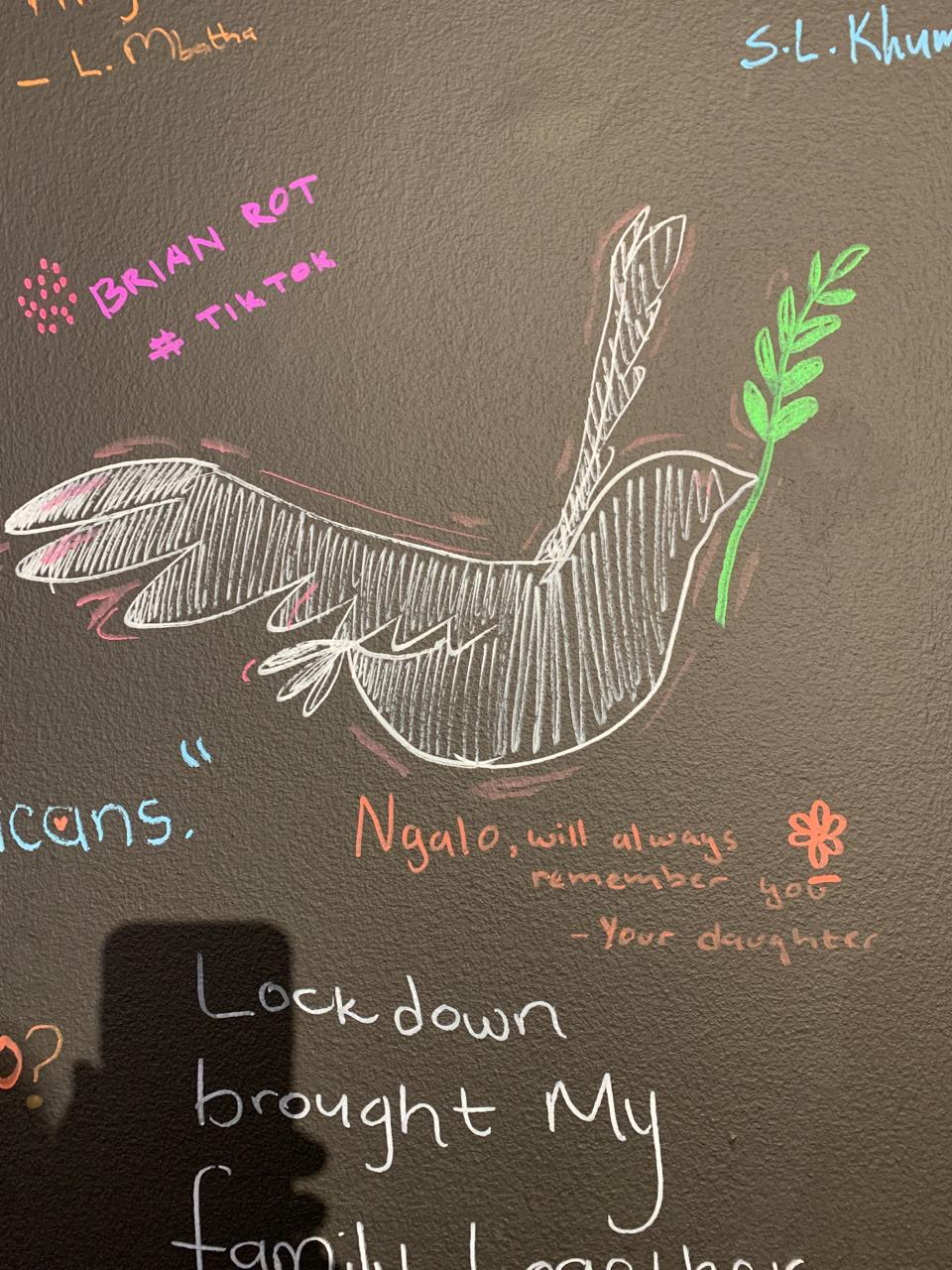
This exhibition on the five year anniversary offers an opportunity to reflect on that time by considering an interactive exhibition of embroidered textiles dealing with Covid-19 and its impact on a community. Without the Mapula project, it would have been an even worse catastrophe for this community and other groups also part of the Mapula family.

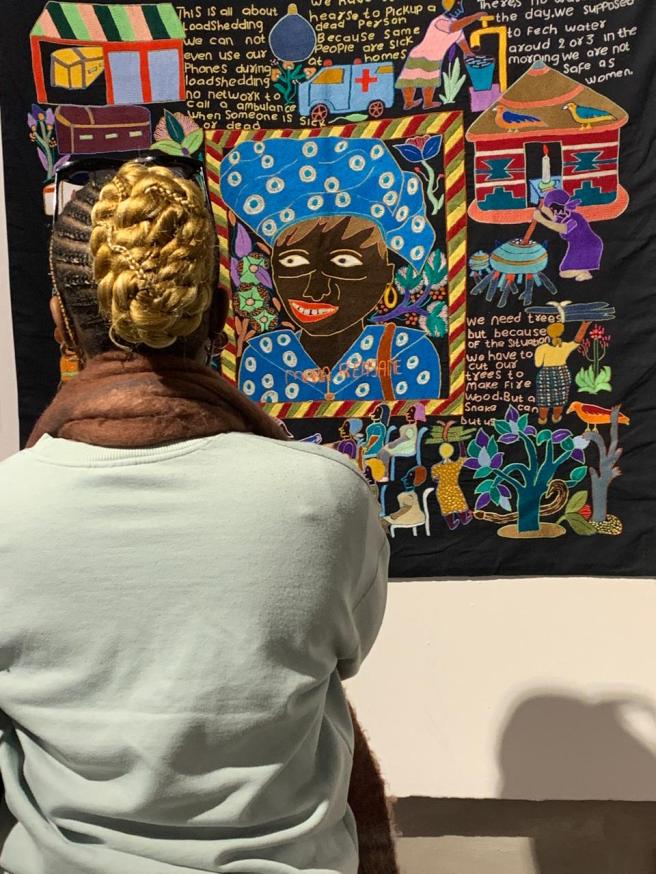
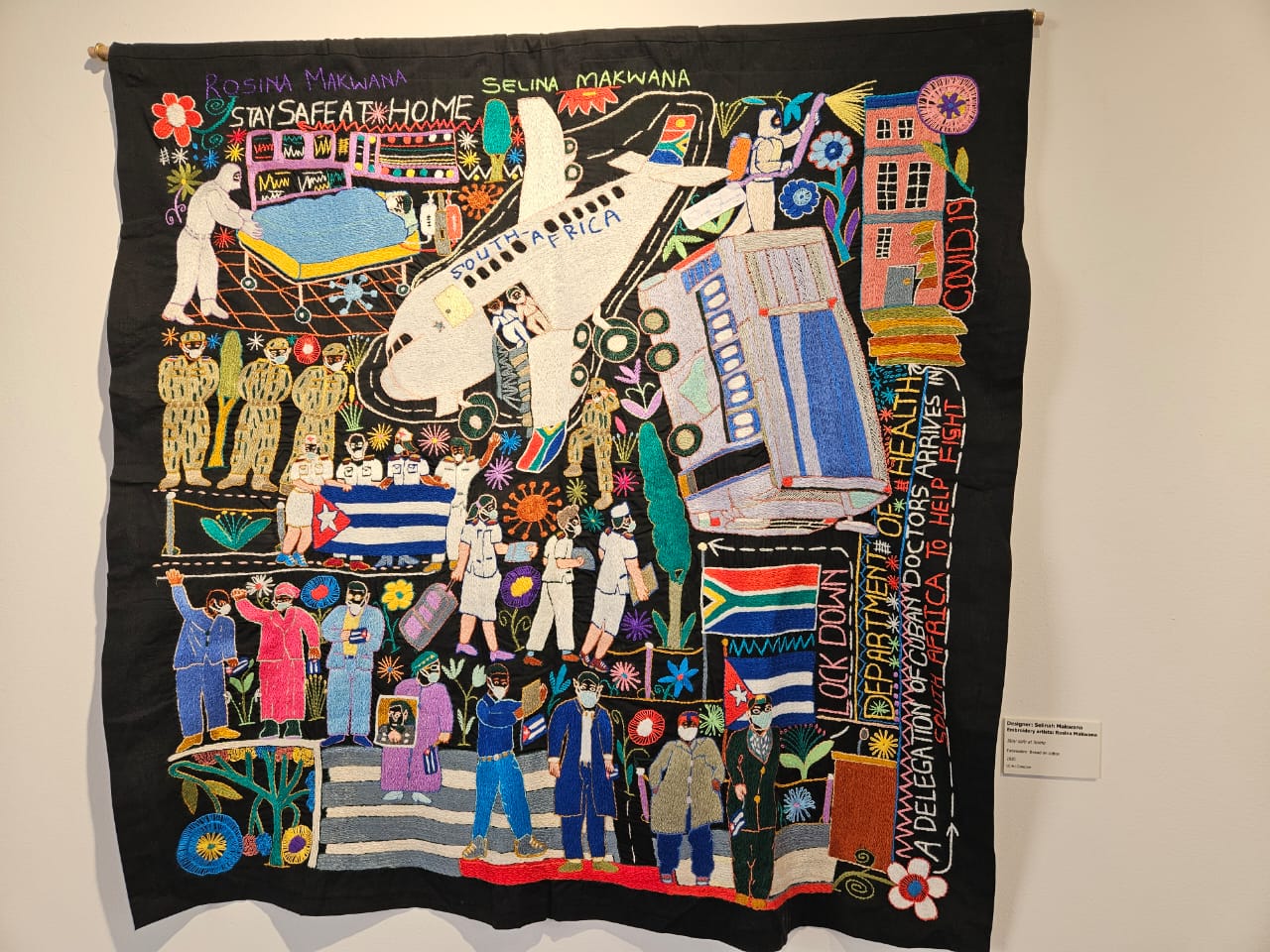
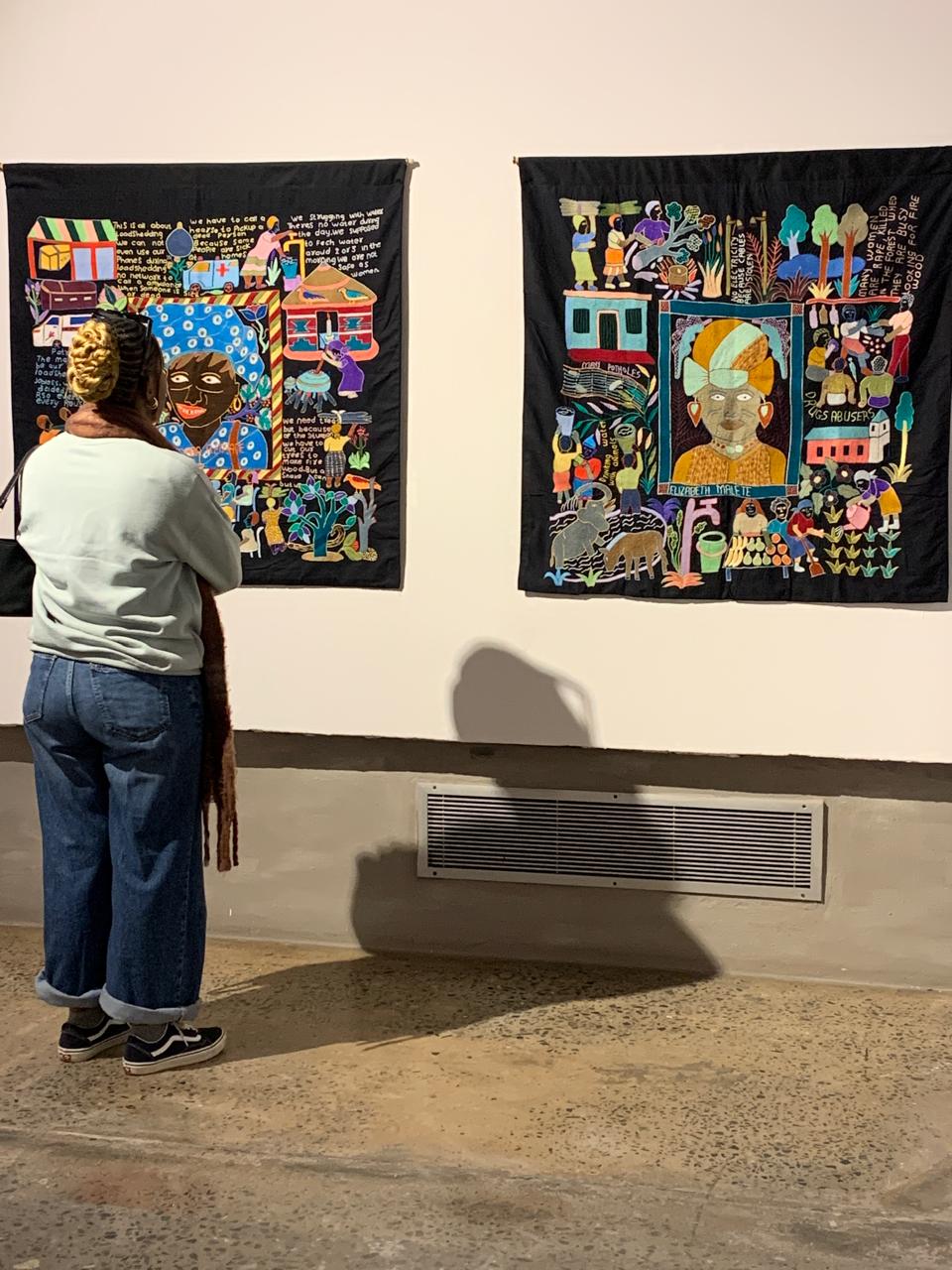
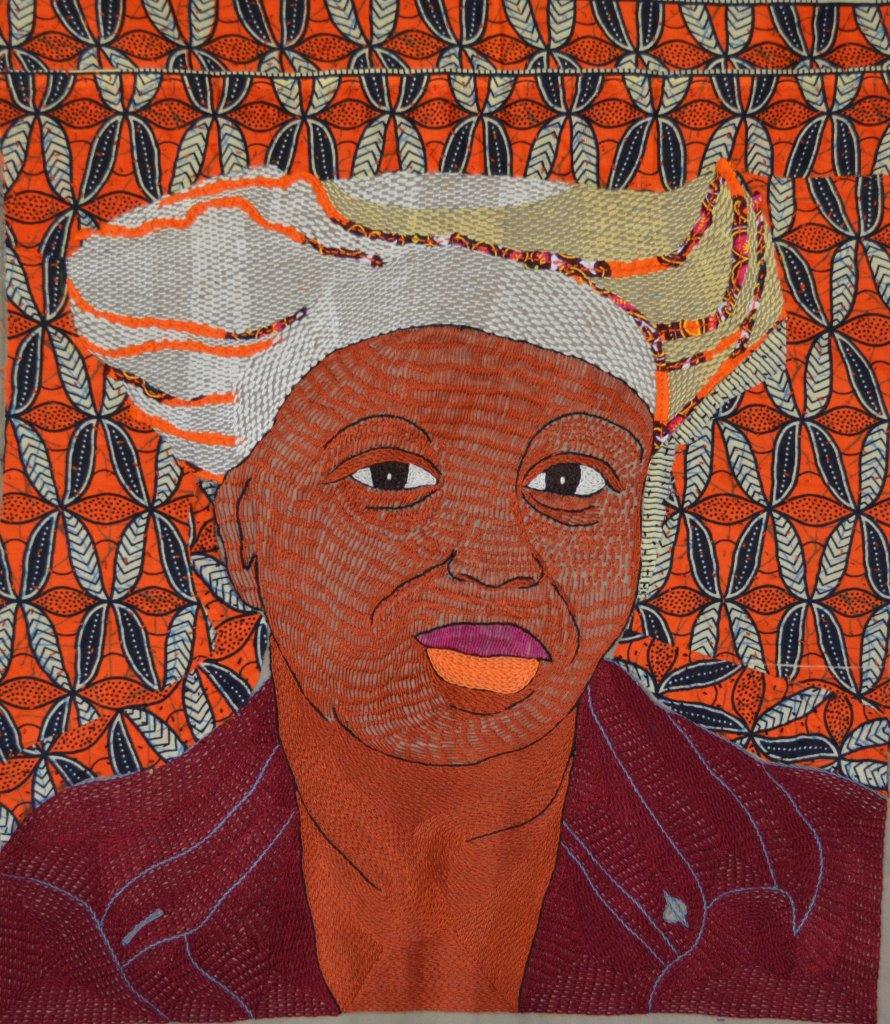
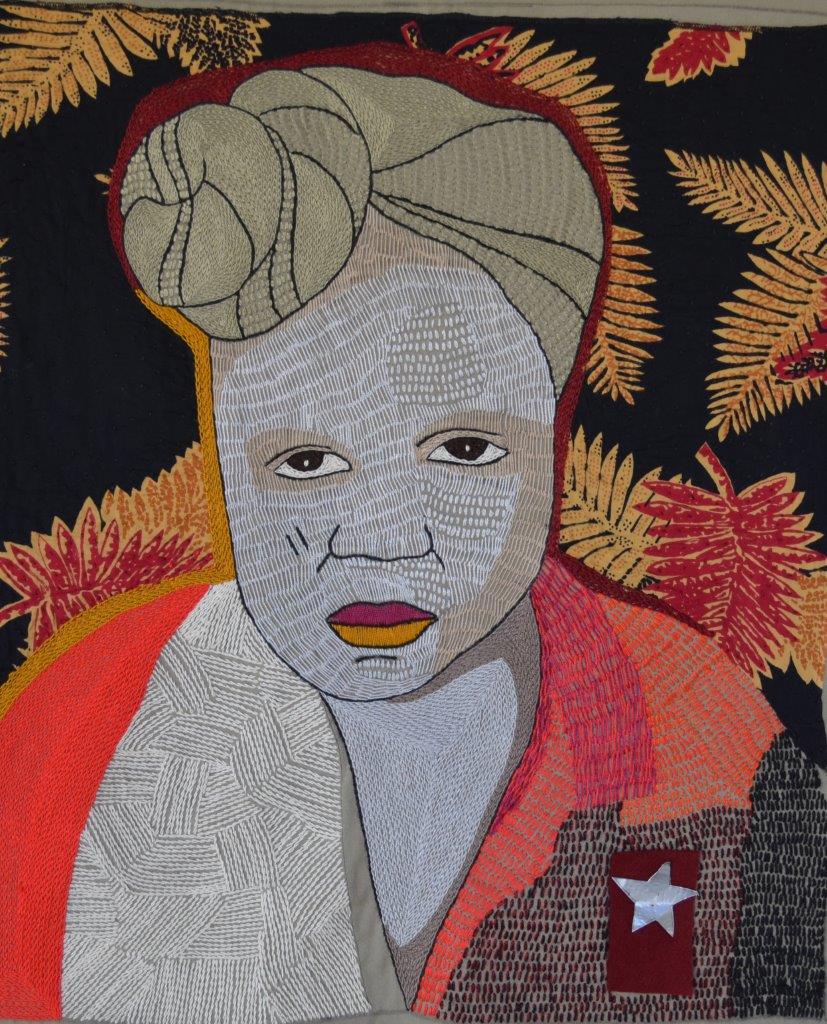
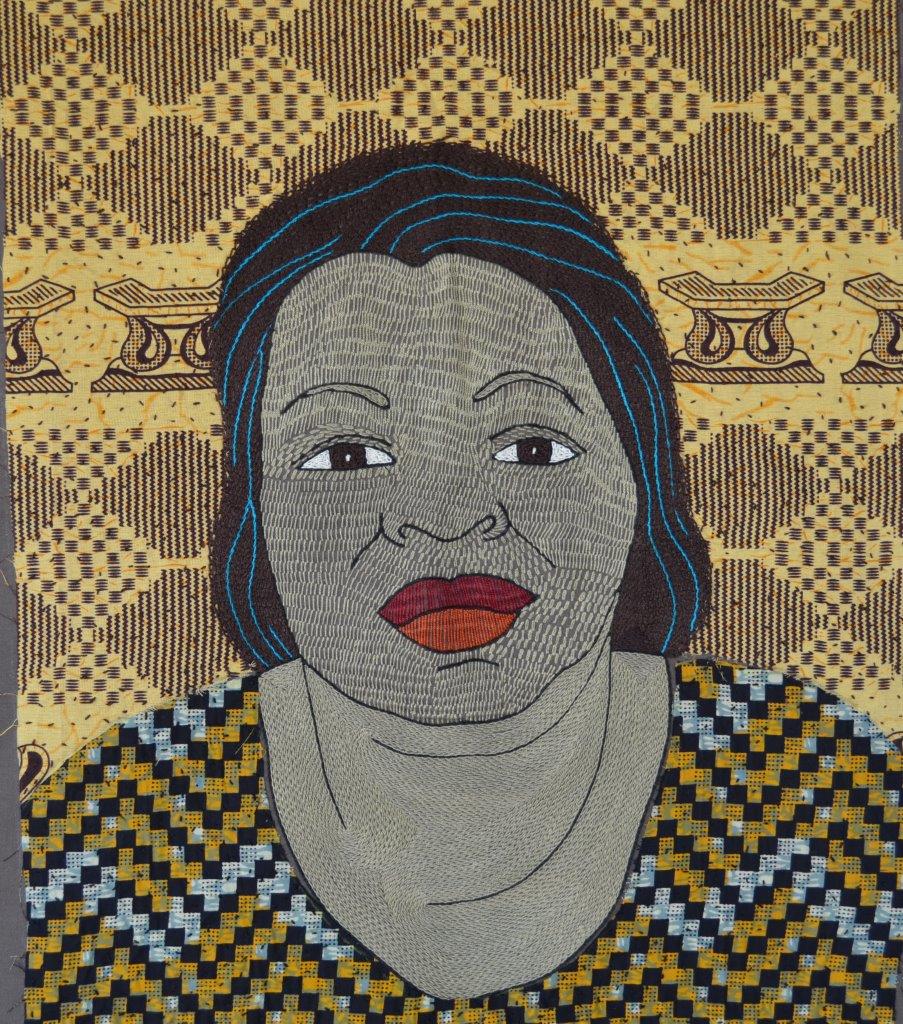
When engaging with the exhibition it is clear that the women use these hangings to depict their own lives. One of the first things you notice in the Covid panels for example, are the people featured all wearing masks, a vivid reminder of a time we had to  isolate from others.

The hangings also serve as an historical document of a specific time. Whether it is the floods in Mozambique, the pandemic or even the tsunami in different parts of the world, these events are first captured by different artists in the group and then the individual women get sewing to create these artworks, hence the title Through the eye of the needle.

Other themes that pop up are food parcels during the pandemic, which were made up out of samp, rice and sugar, the absolute basics. Many of the cloths are also inspirational, not depicting what their lives are, but what they would like them to be.

What would we be as human beings without dreaming? “There’s always a focus on positive things,” noted Brenda

Janetje, who is involved with the embroiderers on almost a daily basis, explaining the logistics of keeping this group going. Because distances are sometimes huge due to the past, it takes planning and organizing to purchase the raw materials, get them delivered and establish pathways amongst the women to make it all work and come together.

In today’s hectic lives with family demands another obstacle, many women would have thrown their hands up in the air.

But these three are amazing examples of how women often work tirelessly to improve the lives of people who, but for the grace, might have been any of us.

Go and remind yourself in the coming months. Entrance is free and no booking is required.

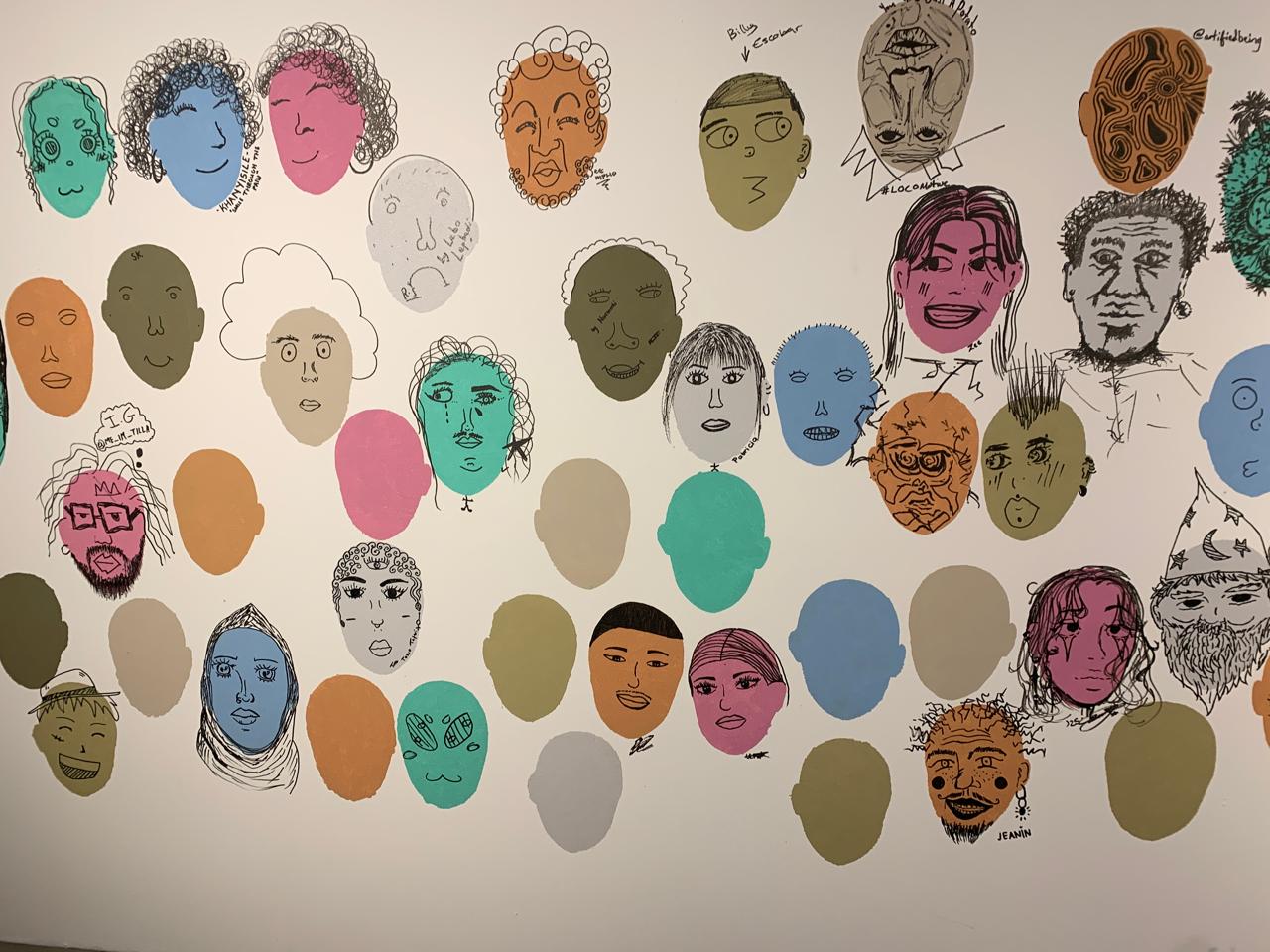
It’s an enriching experience which the whole family can witness and enjoy. And along the way, a few lessons are imparted with quite a few fun interactive features, which will get everyone participating.

Museum hours: Tuesday – Saturday 10am to 4pm with the exhibition on until 13 September 2025.Physical address
University Corner, Corner Bertha (extension of Jan Smuts Avenue) and Jorissen Streets, Braamfontein, Johannesburg.
011 717 1365 (Week-days) and 011 717 3158 (Weekends)
E-mail: info.wam@wits.ac.za

THE STRENGTH OF A WOMAN’S DREAM DRIVES AND SUSTAINS THE KAROSS CREATIVE ENTERPRISE

Irma van Rooyen’s life is driven by her creative instincts. What started as an idea has changed and enhanced many lives. DIANE DE BEER speaks to a woman who didn’t only have a dream, but turned it into reality called Kaross:

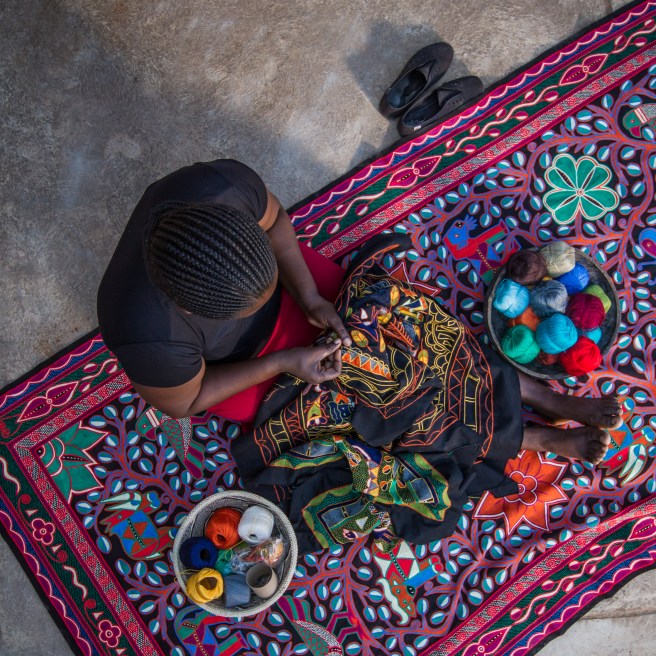
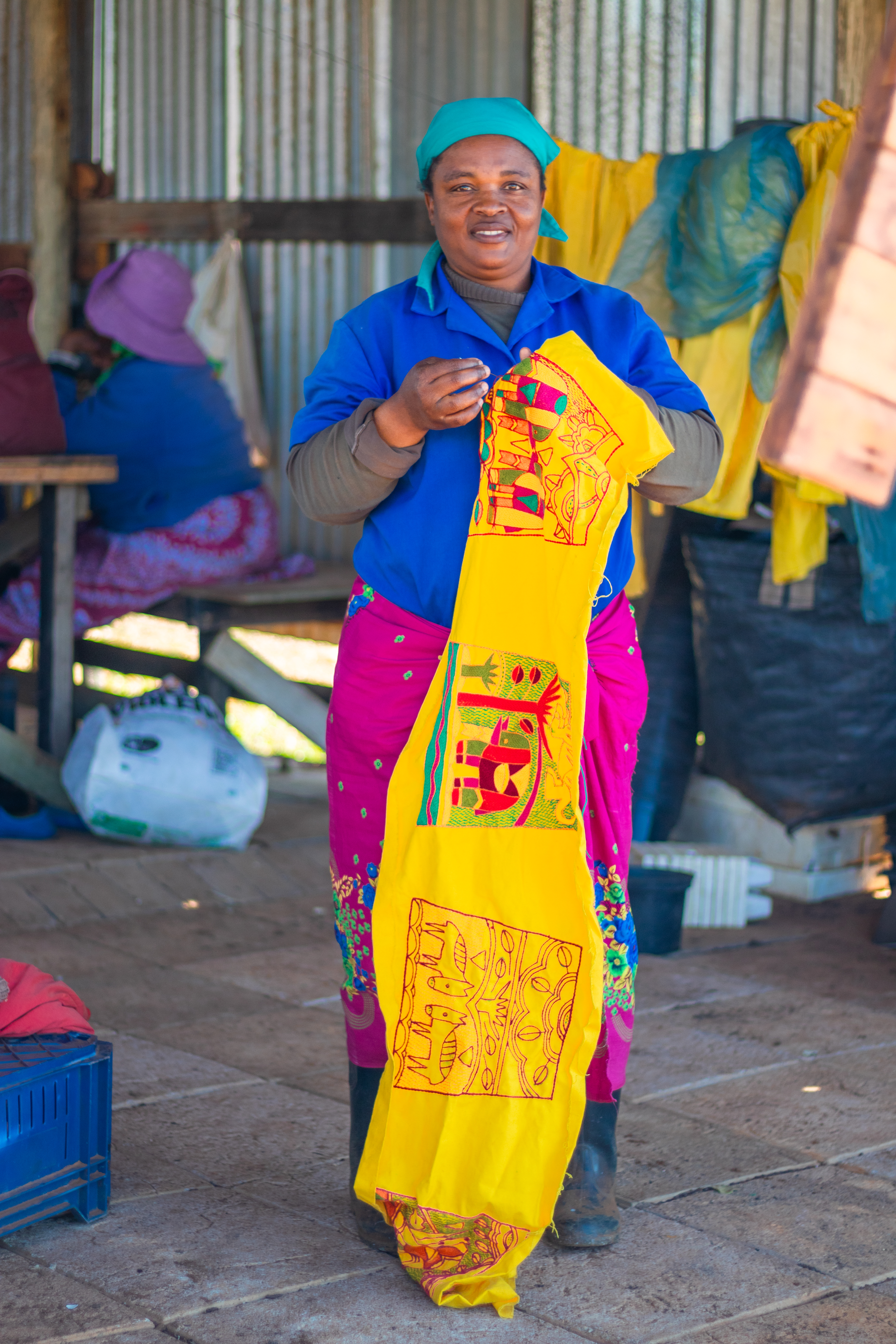
Kaross Cloth being created by Thembi Lebepe.

When Irma van Rooyen and her husband started farming in the Letsitele region (nearest town Tzaneen), their life took an unexpected turn.

It wasn’t part of their dream from the start, but once they decided this was their future, it was all systems go.

Growing up in a creative household, art was always part of Irma’s destiny. That was what she studied, with sculpture and mosaic all part of the programme. At home, her mother gave embroidery classes, all their clothes were made and fabulous food was what the family enjoyed.

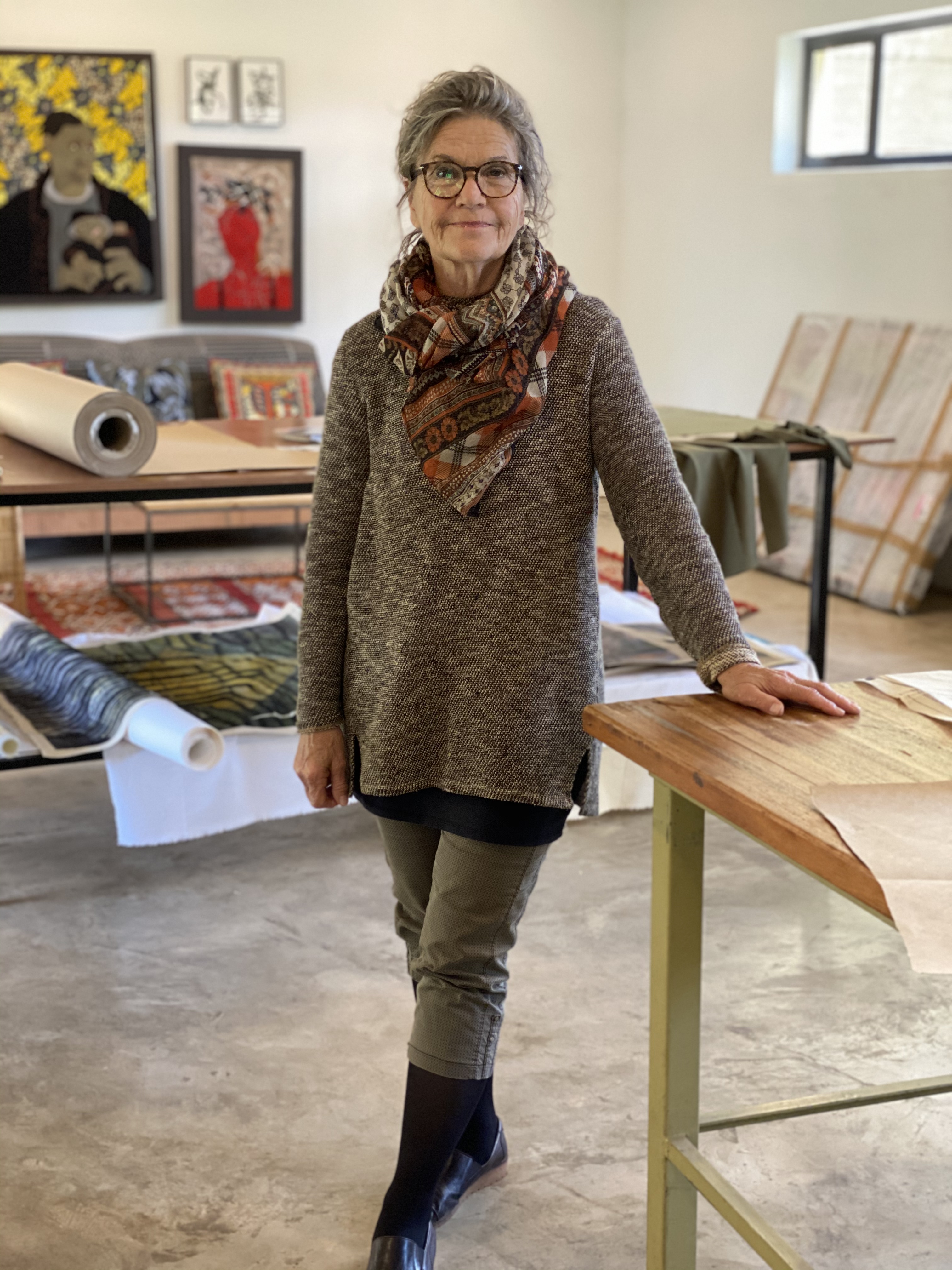
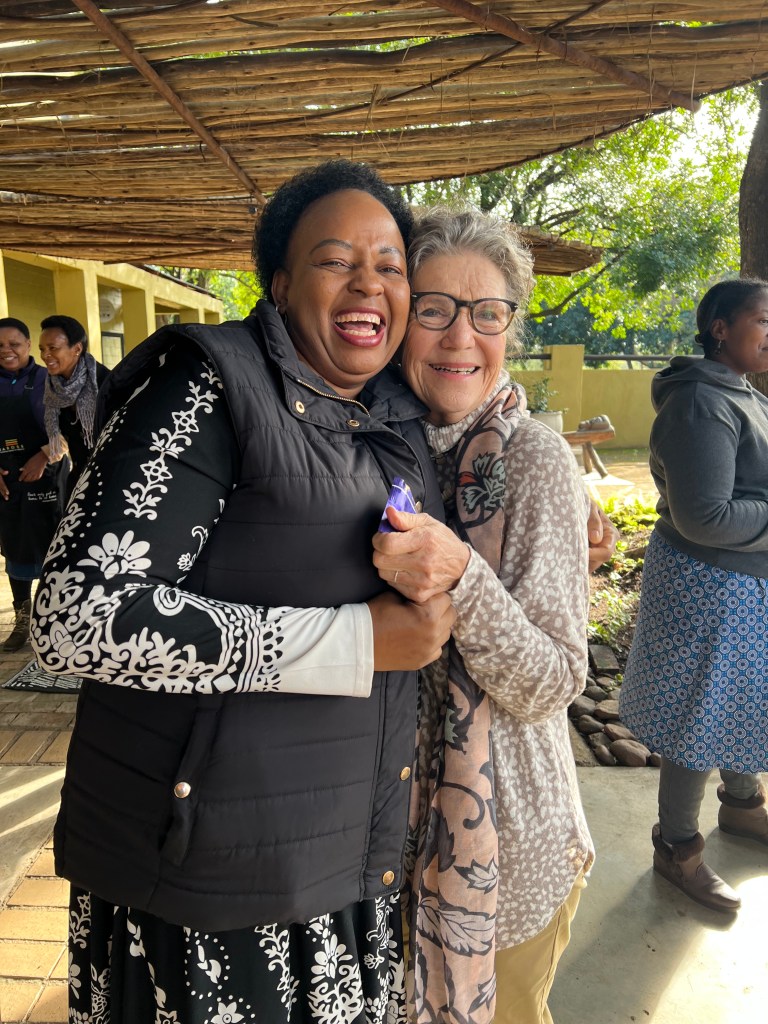
Irma van Rooyen, Kaross dreammaker.

Once the Van Rooyen’s had bought their farm, their focus shifted. Irma had three young children to raise, but when you meet her and get to know her, you witness her creative mind always at work.

It didn’t take long for her to realise that there were many women dependent on the farm, but once they had done the work required from them, there were many idle hours that could provide them with a better as well as in this instance, an income enhanced by creative and skilled work. It’s always been Irma’s lifeforce and she hoped to multiply that gift.

They had already transformed an old farmhouse on the property into Irma’s studio where she would paint and create. She understands what creativity does for the soul. Not only would those participating receive better salaries, they would also gain in dignity and pride for what they were creating.

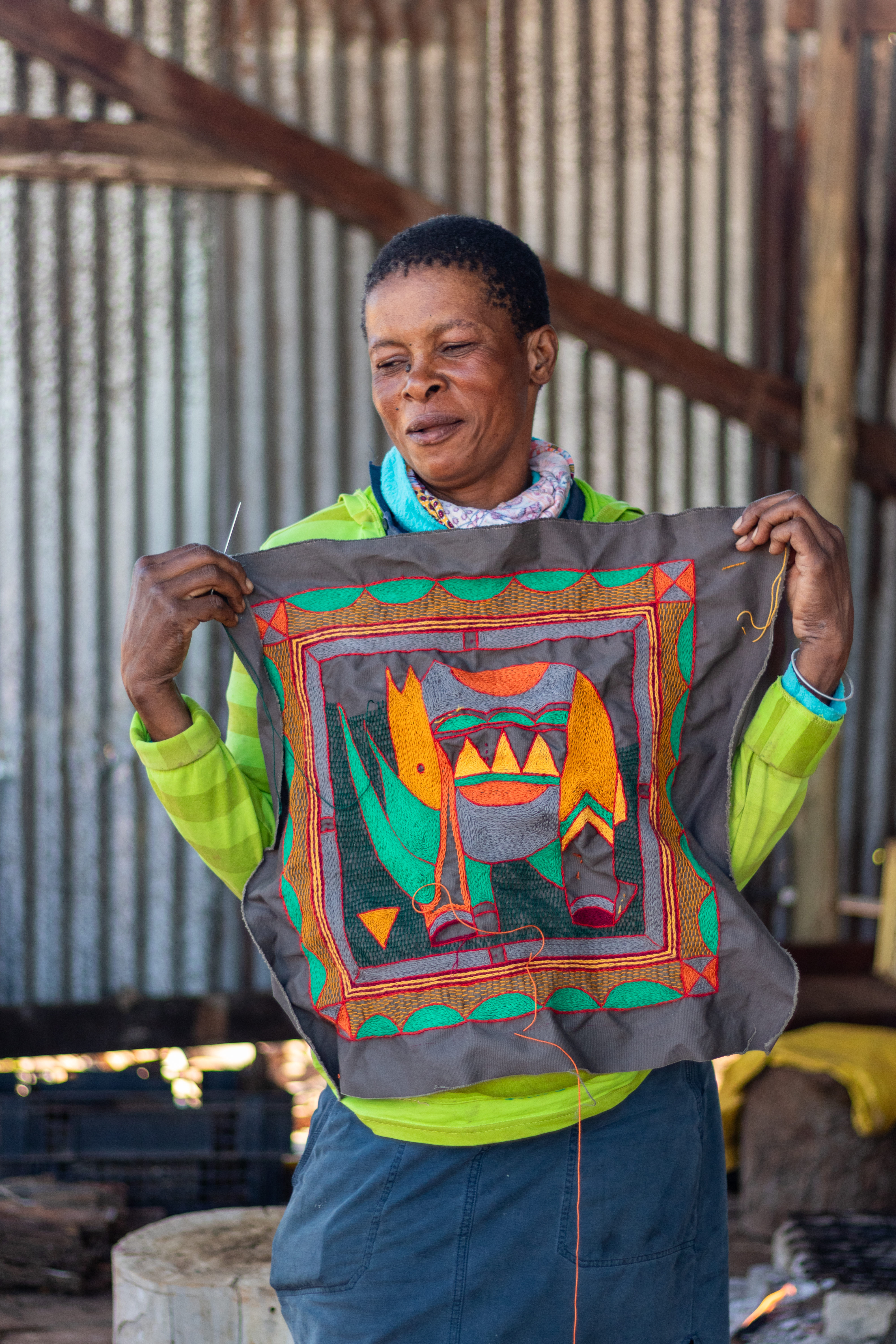
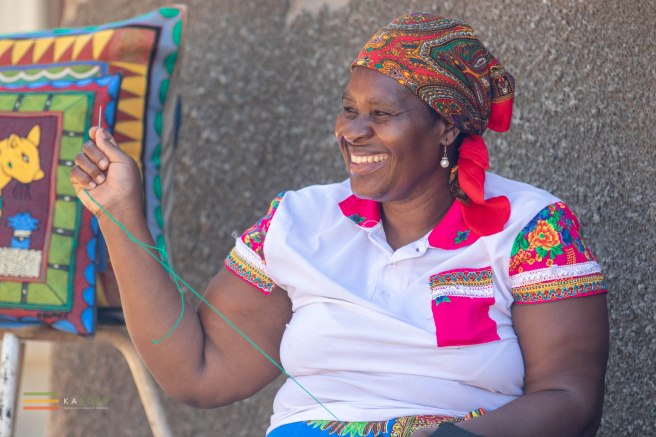
Kaross embroiderers at work: Shella Mathebula, (left) and Thandy Mongwe

Thus Kaross was born to fight not only the idle hours but also to benefit the community. When you read their mission statement on the Kaross website, the Van Rooyen couple’s strong sense of community was part of the farm’s ethos from the start in 1984, both as a family and as a citrus growing enterprise. They believed in working together with their colleagues, employees and community to create a sustainable environment in which everyone can benefit and grow.

workshops; The joy of Hilda Rikhotso’s artistic endeavour

That is clearly visible when you visit the farm and the Kaross workshops. Irma is the artist and once she understood that she could do something for especially the women, embroidery immediately featured. Initially five women were keen to get started. Embroidery is a traditional skill of the Vatsonga and Northern Sotho people and through Kaross, Irma revived the skill by making it commercially viable.

The embroiderers were encouraged to tell their own stories and the hope was that a market for their goods would develop organically. Irma jumped in with drawings at the beginning and she’s still involved on that level. What started out with five women on a blanket embroidering has turned into a thriving business and today Irma’s daughter Janine Pretorius also involved.. And when you see the goods available on the market, they have developed their own style and a quality that speaks for itself.

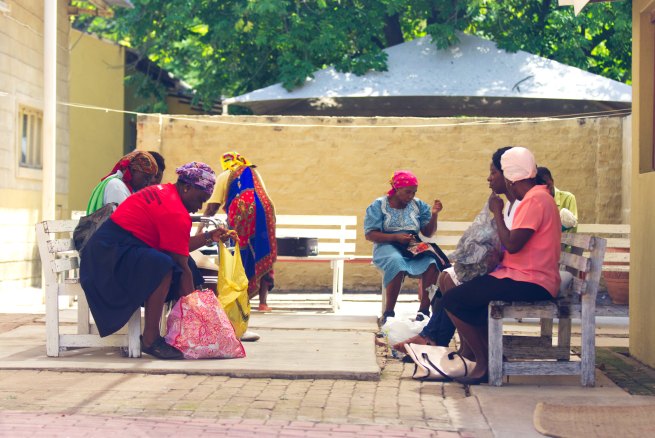
Kaross embroiderers at work.

For Irma it was always about improving lives and offering the tools to people who wanted a better life. These days, there’s hardly anywhere in the region that you won’t find someone sewing – men while waiting on a tractor or children sitting in their yard at home.

She is the perfect embodiment of someone who knows that to make a difference, you have to be the difference. What started out as a business that created bread and butter products has become a creative hub with Irma’s daughter Janine in charge of the workshop on the farm which also includes a restaurant and a gallery where their magnificent work is on sale.

Kaross is a name to be reckoned with and they are sold across the country. It makes your heart sing.

They are commissioned to do large projects and Irma is always on the lookout for new ideas. Her role is now focussed on the creative side and she is very involved for example with the colours they use, the designs selected and future possibilities. The marketing side is as valuable with everything that entails.

The success of Kaross has meant the establishment of the non-profit Kaross Foundation in 2017 with the main objective to identify, fund and implement projects that will result in a sustainable improvement in the quality of both Kaross and Group 91 Uitvoer’s employees (those working on the farm and who are part of the citrus business).

They invest their time in especially the education sector and partner with six local high- and primary schools in the region so that they are constantly improving the quality of education offered to the young learners.

It has become a South African success story that now employs 1 000 embroiders in the Letsitele/Giyani area. But that also implies huge organisation to get the work distributed, to run what has become a huge business on which many people depend and thrive. And many of the family are involved. It shows. Their  best advertising and marketing is the product, the creativity and the quality.

When you meet Irma, you quickly realise that this is a woman with vision. She is also someone who goes about her work softly but her spirit is infectious. And probably now that she is mostly at work on the creative side, she is flourishing.

It is easy to stand back and view what they have done and are doing but what Irma has achieved is astonishing. Not only did she want to help the people around her, she wanted to establish a sustainable business that would make huge impact on the lives of her community – it does and it shows.

She speaks with warmth about the embroiderers who arrive at her studio to show what they have created with finished projects. “They’re so proud,” she says. That is when she realises the difference Kaross has meant in the lives of others.

She is also excited by all the work that has been done, the Mandela and Aids hangings, the artists that have been trained to provide the scenes that are embroidered, the work that was done to tempt tourists with for example scenes of the Big Five. But what probably thrills her independent spirit most is that the ownership of Kaross has always been that of those participating on whatever level.

Kids can go to good schools that have been made available, incomes have been established and grown, and more than anything, creativity is something that benefits everyone.

Many of us have dreams of doing something for others. It’s when like Irma van Rooyen you go ahead, put in the hours, travel the miles and simply go the whole way to make it work and be sustainable – then you make a difference.

Go and have a look at the Kaross website and lose your heart:

https://kaross.co.za/