THE TOYOTA STELLENBOSCH WOORDFEES FEATURES MANY DREAM PRODUCTIONS AND PERFORMANCES

Photographers: Jeremeo Le Cordeur; Llewelyn de Wet and Gys Loubser

The Stellenbosch Woordfees can be quite a daunting prospect because there is so much on offer. It is perhaps easier if you have specific artistic passions, as most of them will be on offer here and it is possible to make a selection. DIANE DE BEER spotlights what caught her fancy

There’s not even a chance that you can include all your darlings in a festival wrap or even try to see them all.

I did my best, was constantly on the move and writing, and still I hear of more productions you just had to see.

Personal favourites (don’t discount others because I probably didn’t see them):

My best theatre productions were stories that turned me into an emotional wreck but did so with authenticity (I know this is a woke word, but …).

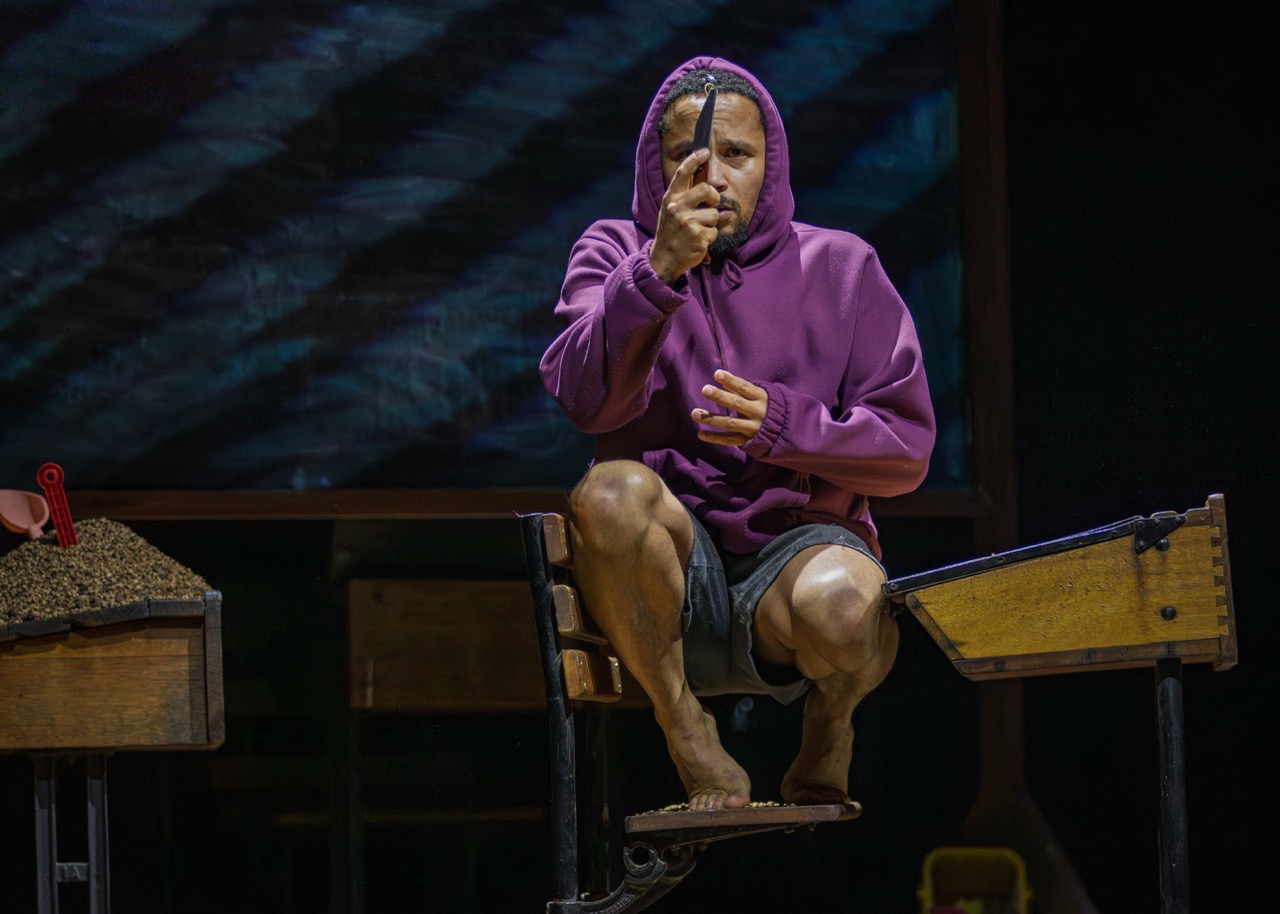
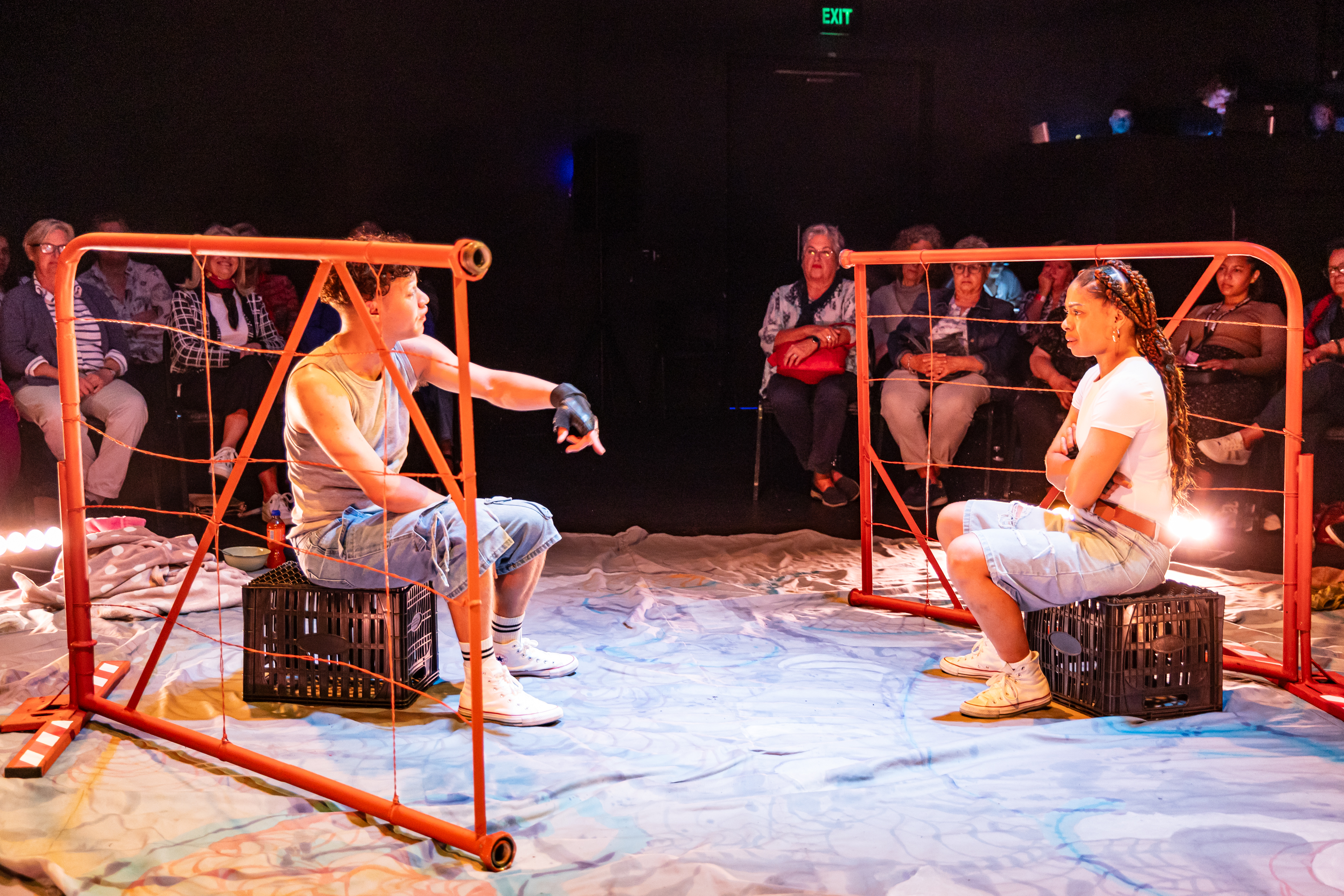
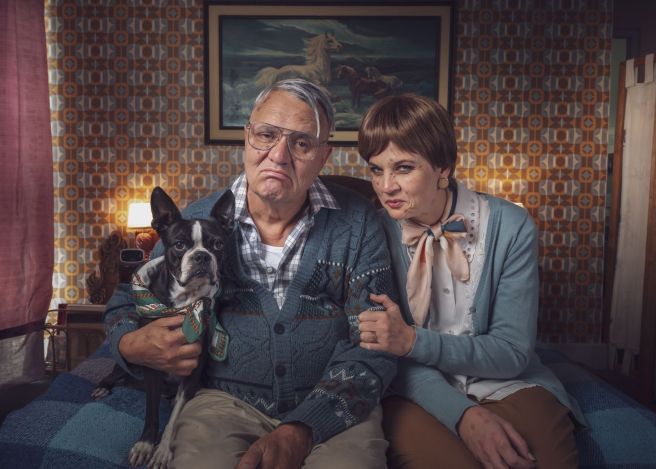
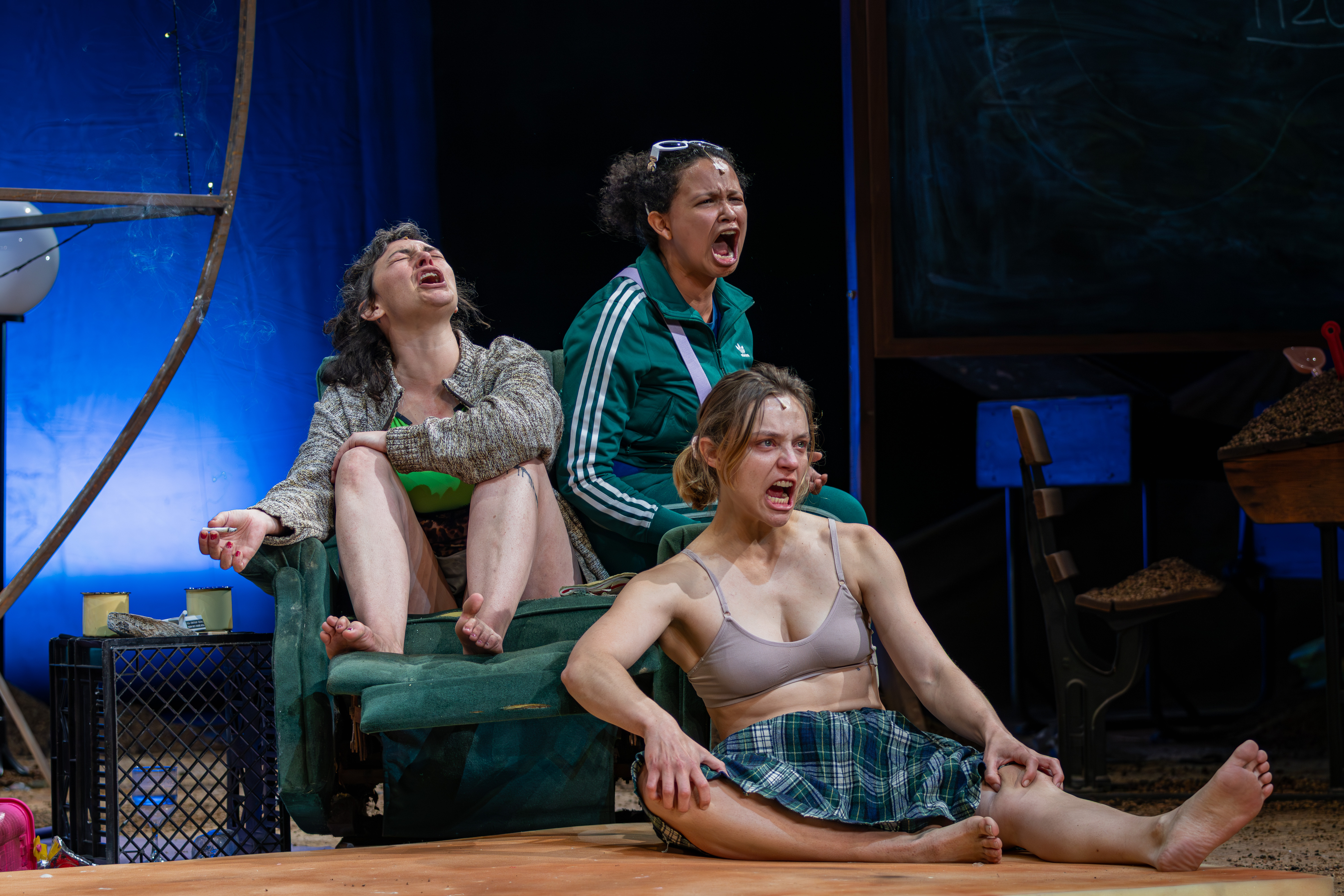
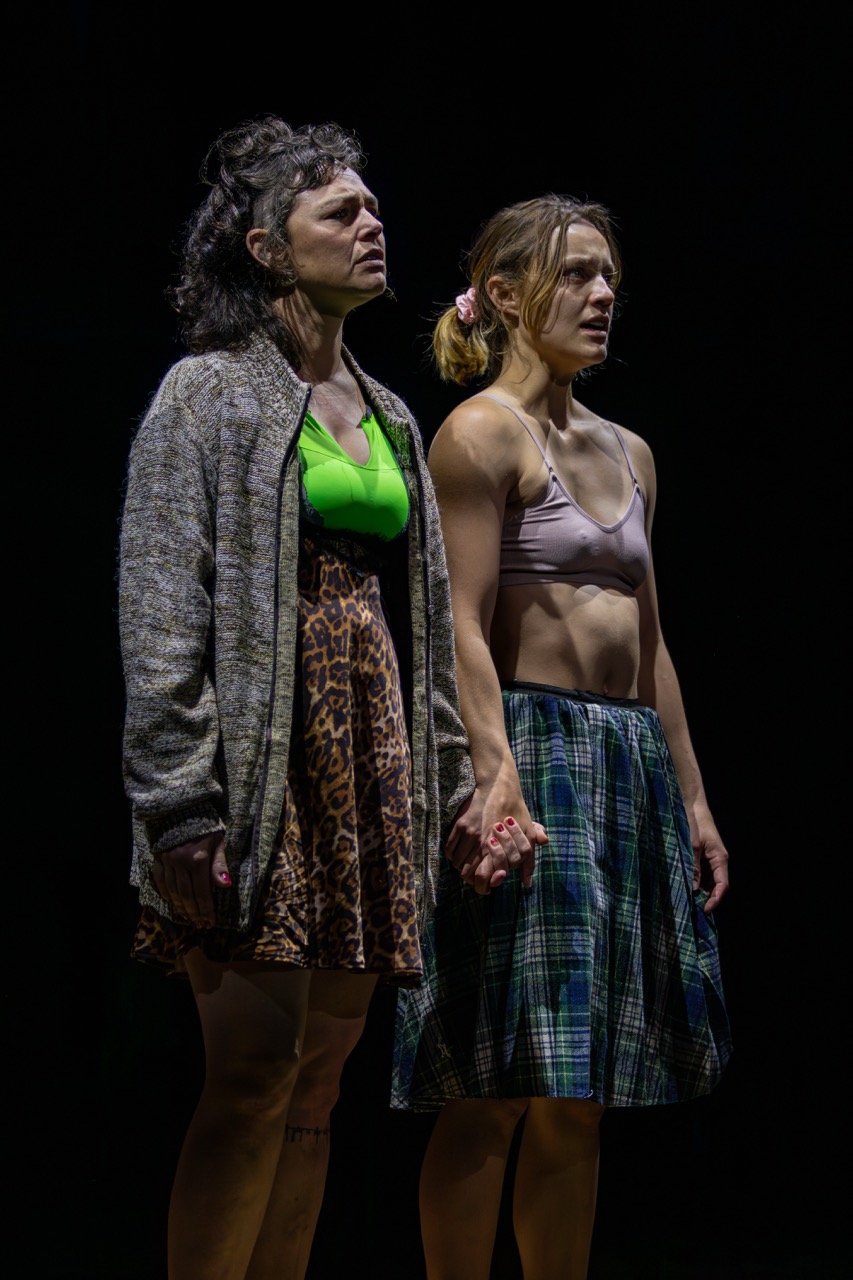
Tinarie van Wyk-Loots and Kristen Raath (left) and Jefferson J Dirks-Korkee (right) in

Dianne du Toit Albertze’s Huis van Sand. Pictured by Jeremeo Le Cordeur

The winning text of the prestigious Reinet Nagtegaal prize, Dianne du Toit Albertze’s Huis van Sand, with her honest portrayal of a dysfunctional family that’s probably not even part of most audiences’ consciousness. She writes about what she knows and where she comes from, the Northern Cape. But she does this in her self-made tongue, which shoots right to the heart and guts of the matter, no pussyfooting around with this one.

It is not a place many of the traditional Woordfees audiences will know. The backdrop is the N7, a route that runs from one end of the country to the other. It is her little spot next to the highway that Sandy knows. She and her daughter share Rodney’s caravan and too much of his life, especially the dark side. They’re trapped and yet the lifestyle is passed on from one generation to the next with the whole family fully engaged. A seemingly never-ending devastating cycle.

What drives Huis van Sand are Albertze’s words, her imagination, and the way she plays wildly with your head and emotions. Throw into the mix director Wolfie Britz’s strong casting and determined direction. With the remarkable Tinarie van Wyk-Loots launching herself body and soul into this one, Sandy’s daughter (Kristen Raath) trying to duck the missiles and resist diving headfirst into the temptations, Jefferson J Dirks-Korkee’s chilly capture of the toxic male scent always hovering menacingly and René Cloete showing she is much more than just an innocent bystander, everything about this production hits you like an onslaught.

Yet this is one you want to struggle and engage with because of the sharp edges and the unblinking gaze at the harsh reality of so many lives. It’s heartwrenching, but that is something this playwright has never turned away from. She stares straight into the skewered glare of too many unseen lives and throws us all in at the deep end. The brilliance is well worth the battle.

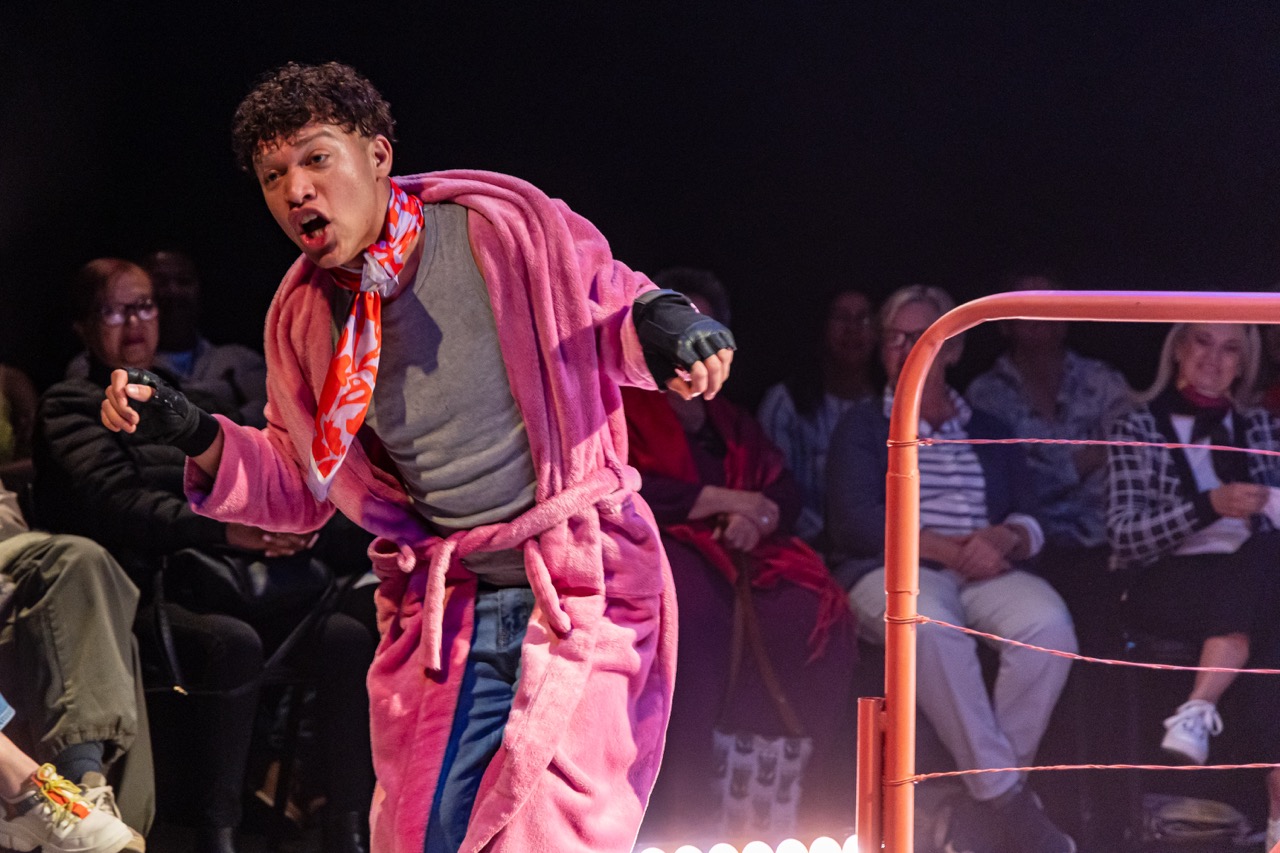
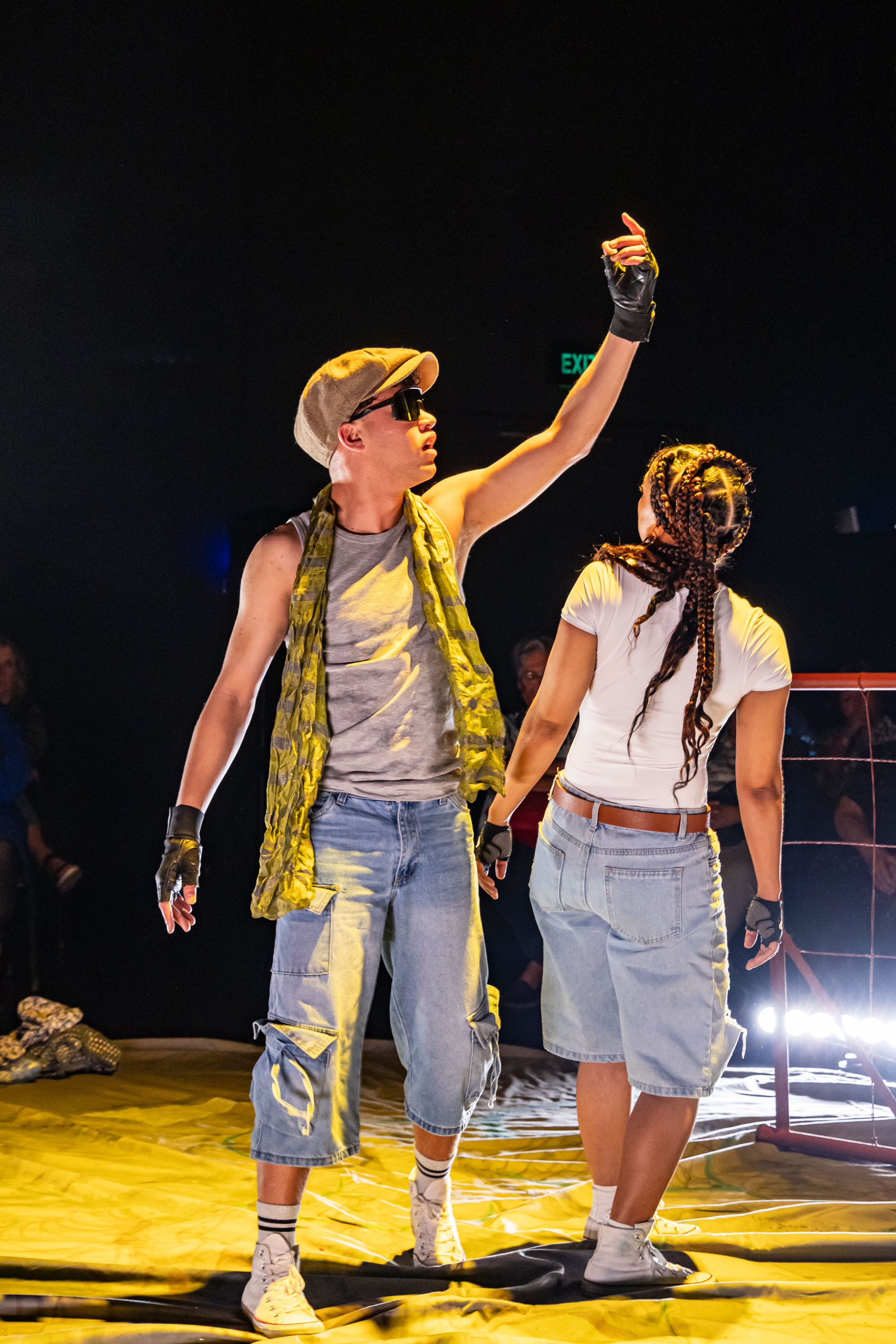
Melissa de Vries as Nadia and Angelo Bergh as her friend Zavie

Walking the same tightrope, is the adaptation by Jolyn Phillips of Ronelda Kampher’s ravaging novel starring two vulnerable yet resilient teen cousins who try their best to navigate a world they don’t understand while instinctively understanding that they are their only protection.

For Nadia (Melissa de Vries) and her chum Zavie (Angelo Bergh) their bond while tenuous and often fragile is what keeps them breathing.

With this one it is again the magnificence of the performances and the staging by Lee-Ann van Rooi that holds the attention as these two baby-adults going about their lives as if it is normal – and for them it is, it’s all they know.

That’s precisely the point. This is their normal, their life and the one Kampher’s words in her searing novel lay bare. Their whole existence is determined by outside factors, never certain or expected. Yet they do know how to grab the small slices of life when given the chance which isn’t often. They should not even be aware of the things happening in their lives, yet that’s the only way they know how to roll.

Kampher’s language is brilliantly captured by Phillips’ adaptation. How she even knew where to start! It’s such a complex and almost crippling story about these children whose future is determined purely by the happenstance of their birth.

Both of them have bucketsful of gifts which will never be realized because there’s simply no support or networks for these drifting families where not one generation manages to get even a foothold on a real life.

If anything good happens in their lives, it is luck and often, at that particular moment, the recipient doesn’t know how to deal with it.

When reading Kampher’s book the first time, you’re in awe of the writing and the storytelling. It’s the way she focused on the stories never told, the way she draws the characters, gives them flesh and emotions, which in this instance are perfectly re-created by the choices of Van Rooi and the adaptation by Phillips.

What a beautiful acting team. I don’t know them, don’t watch television if that’s where they perform, but I do know that they have inhabited these two kids with so much energy and guts, it’s hard to resist.

And that’s the joy of festivals, the opportunities that arise for artists so that when the stars align (a good script, director and actors), nothing can hold them back.

All of these performances should and will hopefully travel. For far too long too many voices have been silenced. We are so much richer as a country, as audiences and as performers when all our stories are shared.

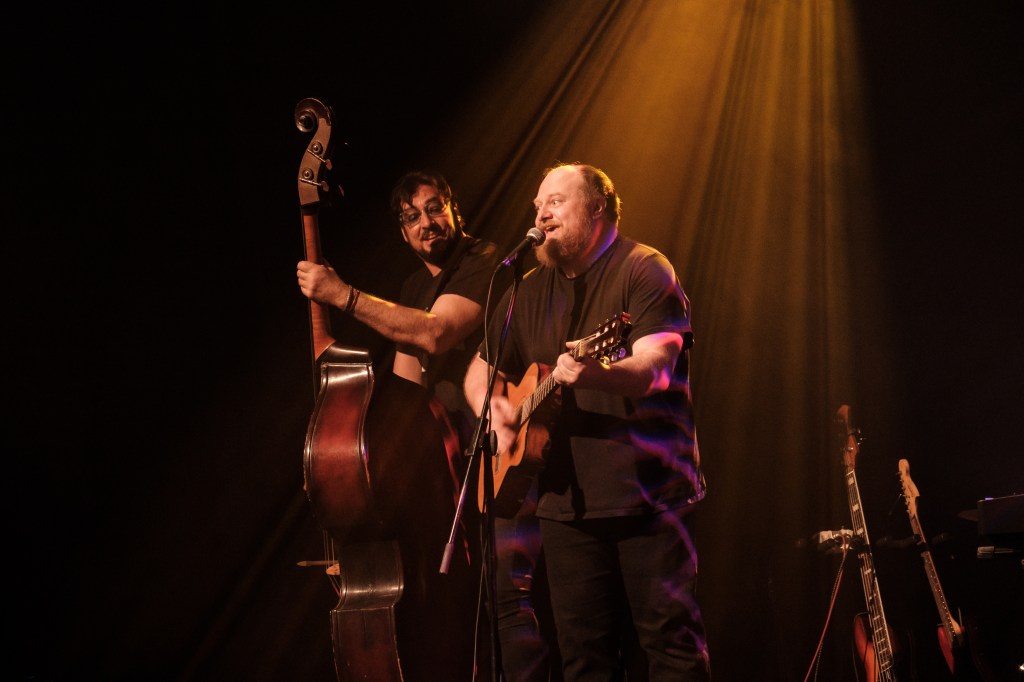
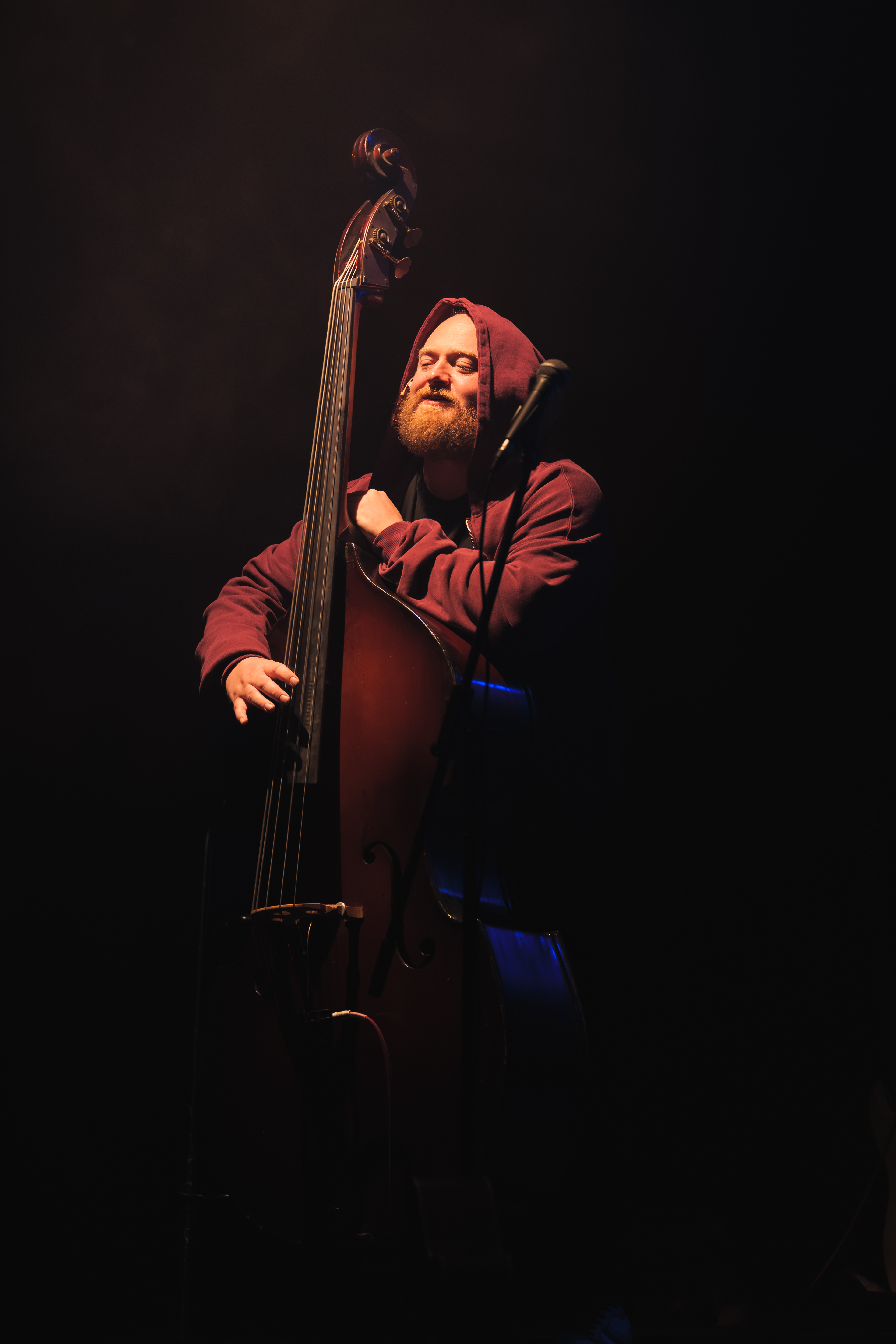
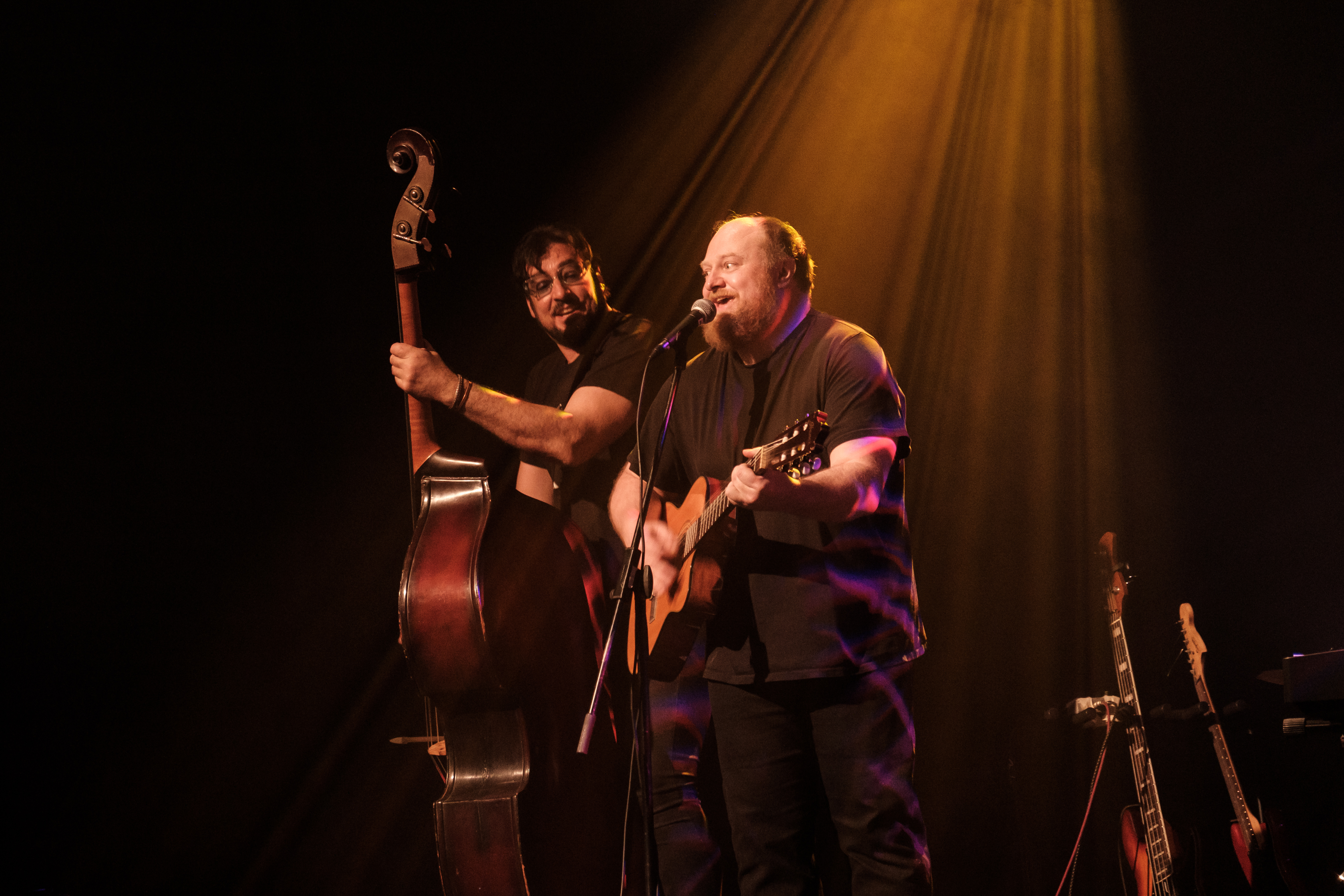
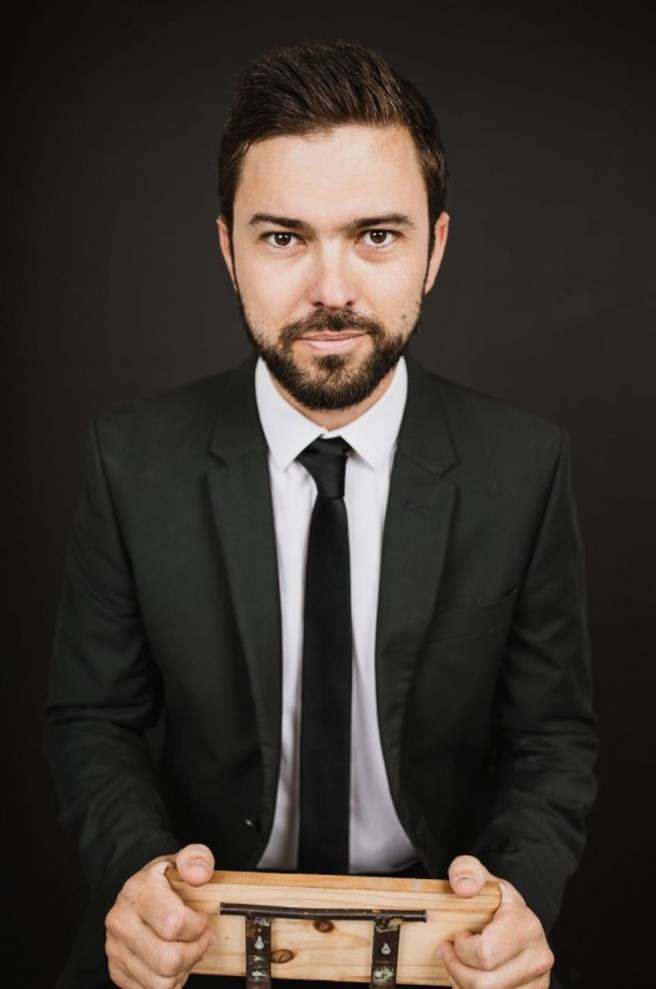
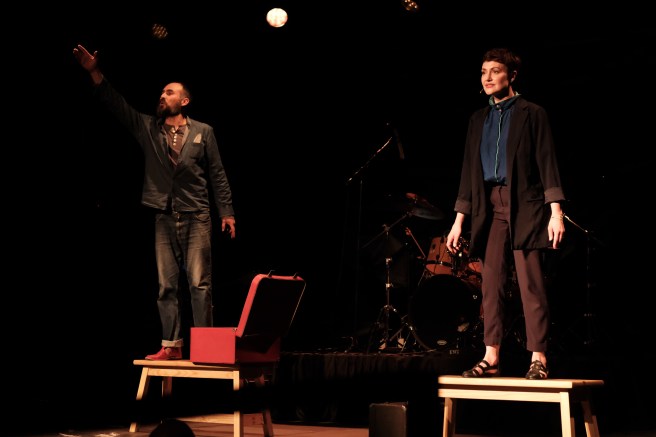
Albert Pretorius (actor) and Schalk Joubert (guitarist) in Ek is nie Danie pictured by Llwellyn de Wet and Gys Loubser.

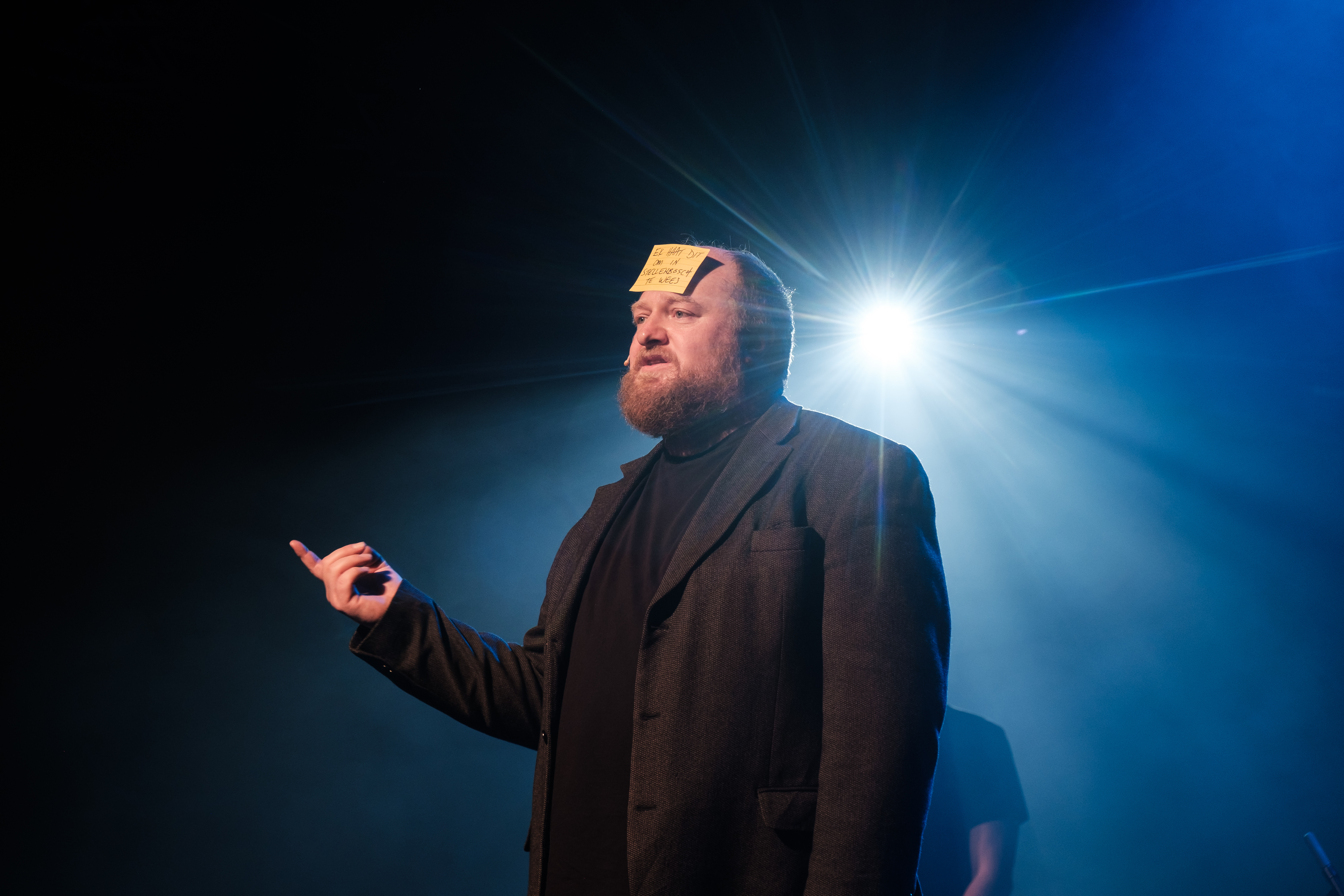
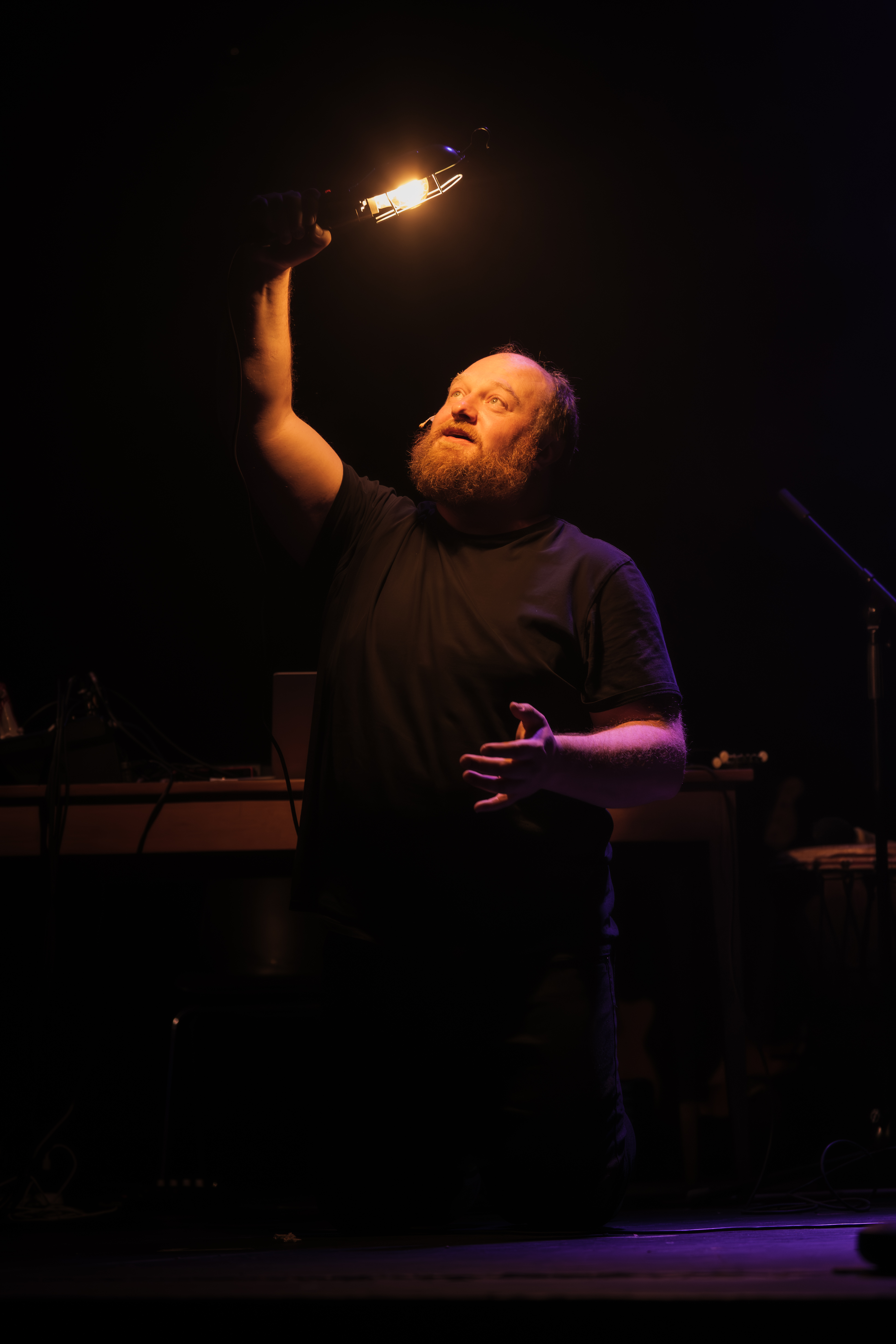
Writing about stars aligning, another perfect example of this was Ek Is Nie Danie with 21 poems from poet Danie Marais’ four collections woven into a magnificent text that deals with a middle-aged white man struggling.

What four middle-aged men did with what they had, was inspirational. They took something which if not handled with the same delicacy as the poetry, could have been disastrous. But because of deft hands and hearts, it feels as though you are dealing with an emotional vortex, but one driven with artistic insight and instinct which holds the audience tightly and sharply in focus from start to finish.

It worked because of the truly exquisite writing and then the choice of the right participants. The concept was Niel van Deventer’s according to the programme, but then handed to one of our smartest directors, Nico Scheepers. He is given a topic which would turn most people away – the angst and anxiety of ageing white men, not a species that many have much sympathy for.

Yet this company with actor Albert Pretorius and musical director/guitarist Schalk Joubert has shown that, given the right elements, a director who knows how to shape something yet value his actor and musician by allowing them the freedom to be and to do, it will work – and in this instance, explosively.

It’s one of those performances that you want to see again as soon as you leave the theatre. I hope it travels the country.

I took these three stunning plays to give some flavour to the Woordfees which is far too dense and diverse to dilute, but that there’s something for everyone, that’s a certainty and you won’t have to look too far or hard.

They have achieved much in only a short time and in the future with everything changing so rapidly, we can only expect to experience even more.

And then just a small PS: I was asked to interview Nataniël on a book Bloei+Blom and being who he is, the first lunch was booked out swiftly and another date the next day was included and again fully booked. But hey, the more the merrier.

As an interviewer, this is the one date I don’t have nerves. I know I am in safe hands and he is the master of chat.

It was the easiest gig in town. Even though he and I had talked about topics of conversation before the time, once on a roll, and only three questions down, I could sit back, relax and enjoy one of our best (and naturally funniest) conversationalists in action.

There was no way to ask anything else. He was in full flight on his own. He did glance my way once or twice, but there was no interrupting the flow. And even better, he was the one they wanted to see and hear.

I felt blessed, centre stage and could watch the wizard in full flights of fantasy.

*There were many others I loved, many of which I had written on at the Woordfees or previously including Boklied, Seun, Bridling, Kuns, Magda en haar Erhard, Ont-, and always The Ugly Noo Noo …

AARDKLOP PUNCHES ABOVE ITS WEIGHT

Like most things in life there are good and bad to small packages, but Aardklop CEO Alexa Strachan has turned her shiny Potchefstroom gem into a star through clever planning, a balancing act of note and enough variety to have everyone laughing and crying – with good food all over the place to boot. DIANE DE BEER speaks her mind:

My husband knows I’m a festival junkie (while he is NOT) but it is a personal indulgence and one that clearly nourishes.

This year was no different. Taking only a handful of my best, it’s not a difficult case to make.

Running down the alphabet as the festival guide does, it’s the overwhelming laughter that blew me away. I’m not a comedy girl so I didn’t know who Alfred Adriaan was but I screamed with laughter from start to finish and he was obviously a festival favourite in the packed auditorium.

With the name of Magda Louw (Desiré Gardner), one would think that I would remember that this is one of my favourite characters, but again, because of the comedy aversion, it just never surfaces. And yet, from the minute she walks on stage in her latest production, Magda Louw en haar Erhard, how Louw can you go?, this time with her husband Erhard (a delightfully Sad Sack performance by Hannes van Wyk), they just bowl you over.

What makes Magda so delightful to embrace is that she doesn’t go on the clichéd South African rant of potholes and politics, she has much more exciting things to deal with like the man constantly shuffling behind her as she leads the way at a faster pace and with much more rhythm, but the two ageing souls give you hope for the future as you realise that life is just a bowl of bubbles if you attack it in the right way.

On the other side of the spectrum there’s the magnificent solo debut by the extraordinary Wilhelm van der Walt, who unassumingly takes the stage and then reaching into a far too familiar past, given new perspective.

There was a time when I could hardly stomach another troepie tirade because it was so dominating in the country that it constantly surfaced on stage. What I realized this time round, is that Van der Walt himself probably never participated in this deadly exercise for so many decades part of our lives and there were certainly many young audiences who needs this insight on our past.

And if it is done with such magnificence, the flashbacks are worth recalling even if the past could be wished away.

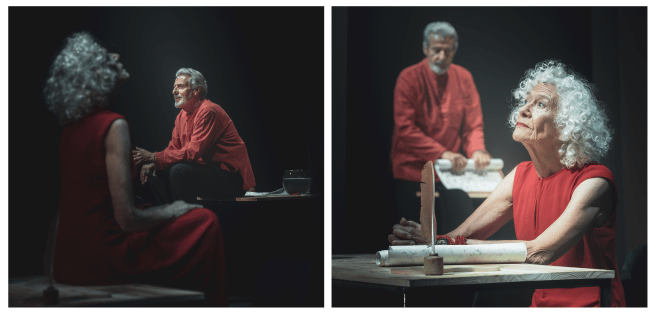
How can anyone not be thrilled to experience Antoinette Kellermann and Dawid Minnaar on stage and in this instance in Breyten Breytenbach’s last play, Verwelkingslied, before he died. Although he dedicated the piece to Antoinette Kellermann and Marthinus Basson, she performed with her long-time stage partner Minnaar with Mari Borstlap as director on a set which was reminiscent of some of their earlier work together.

Minnaar is an eerily similar version of the poet in voice and image and immediately you can lose yourself in the meanderings of this philosophical and always poetic (almost) memoir. As the two actors take turns in monologue yet sharing Breytenbach’s feelings on death, one drifts away in the words so magnetic and the voice so penetrating, almost in dreamlike state, the actors and the audience.

The simplicity of the presentation is apt as it holds the depth and strength of the text so delicately. This is where we need the words to wash over us as an audience in almost immersive fashion.

I know that Amanda Strydom first mesmerized me with The Incredible Journey of Tinkerbell van Tonder and was eager to experience the performance all these decades later. Not that I can remember the detail, but with age of both text and performer, it’s as if everything has just found a warmer and gentler place to settle and lay her head down.

Finding your place in the world is a never-ending search and when you are fighting for freedom it is almost impossible – yet not when you’re Nelia Petersen who was handed the struggle together with mother’s milk.

It’s rigorous and robust with Strydom tackling the text and music with equal energy and exuberance. And all these years later, if anything, it is even more brittle and brilliant than before. I could watch this performance any day.

Belofte van Vere was our first production and yet another Breytenbach tribute but, once I witnessed the full cast on stage, they had my full attention. With the musically adventurous Laurinda Hofmeyr on piano, a rare singing appearance from the jazz-infused Ilse Klink, the genius muso Leon Gropp (guitar and voice), the soulful David Klassen (drums), a rhythmic Concord Nkabinde (bass) with the velvet voices of Rolanda Marais and Eben Genis, I knew I would be transformed. And I was.

Performers Eben Genis and Rolanda Marais

This exciting, gifted collection of artists would know how to do Breyten Breytenbach, without frills and fancy tricks, just delivering on their accomplishments and Breyten’s poetry and words. Anything else to my mind would have been unwarranted.

It’s my kind of show with my kind of people and poems. I needed nothing more. For me this was a Breytenbach celebration and I’m certain he would have been honoured.

Combining two dance companies, Cape Town’s magnificent Figure of 8 Dance Theatre who also performed their haunting tribute (Die Een Wat Bly) to the relationship between mothers and sons, the more expansive Wings of Light: Dance of an Angel returned dance to Aardklop in spectacular fashion. The music composed by Mauritz Lotz set the tone for an exquisite performance which showcased both classical and contemporary dance, the perfect rendition for an audience who might not often have the chance to see this kind of performance. It was a rare feat to stage this production and hopefully paved the way for similar ventures in the future.

Festivals have to walk a tightrope of not playing it too safe yet not antagonising their core audiences. With the large auditorium thé venue for one of our best comedians as well as two of the most exciting dance companies in the country, they managed just that.

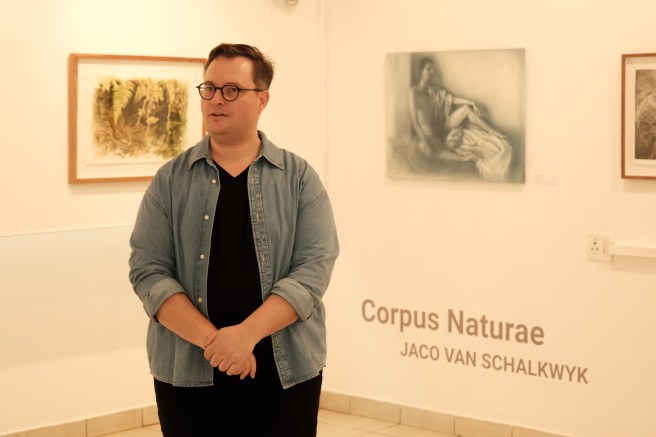
There was also time to slip into the art venues, always something to cherish, and this time it was the festival Artist Jaco van Schalkwyk as well as a challenging group exhibition Vice Versa curated by artist Gwynneth Miller, all of which got the mind racing on a variety of contemporary issues. The renovated campus art museum also featured an exciting range of Nataniël pictures captured by his longest serving photographer Clinton Lubbhe

As an extra fillip, there was the celebratory concert of Nataniël and Charl du Plessis’s 25-year collaboration on stage. And as I had witnessed their initial first performances together, this was quite emotional.

To watch two stratospheric artists develop, dissect and model their artistry as they grow and stretch in different ways is unexpected and artistically adventurous.

There’s Du Plessis’s breathtaking exuberance and excellence on piano, the way he shifts between genres and his approach to his longtime stage companion. Nataniël again exhibits his stagecraft, flips easily from text to music, his stories hilariously funny with a hint of melancholy, or on the musical side, surprising everyone with his superb classical training which he hardly ever shares. They are an unbeatable combination with so many years of performance between them.

Aardklop features youth theatre with their Pronk Podium product, which this year invited its most successful writer/director/producer to present his latest work Doolhof together with the NWU Kampustoneel winner Diereryk  directed and written by Pierre-André Viviers, cleverly based on Animal Far.

Every year I am thrilled and struck by the quality of the productions and everyone’s artistry involved. For future artists, this is unequalled training ground and for audiences the ideal opportunity to see how young artists tell their stories and what to expect in the future.

At future festivals, remember to watch out for this special section.

I could go on and on, I even made a turn at the market, something I never do, but I wanted to surprise my favourites at home with some specialty snacks.

As always it was a festival with feisty and fabulous fare on every level.

And the winners for the annual Aardklop festival awards are:

  • Best Actress: Elzabé Zietsman for Routrip
  • Best Actor: Wilhelm van der Walt for Seun
  • Best Director: Nico Scheepers for Seun
  • Best Overall Production: Seun
  • Award for most innovative work: The Scullery Quintet: Stir-fried Sonatas
  • Visual Art: Best Exhibition: Corpus Naturae, Jaco van Schalkwyk
  • Best Music-driven Production: Amanda Strydom: The incredible journey of Tinkerbell van Tonder
  • Best Classical Music performance: Road Trip Rhythms
  • Best Musical-driven performance: The Scullery Quintet
  • Hartsvriende Beste Produksie: Seun
  • Best new Afrikaans Script: Nataniël for NATANIËL + CHARL = 25
  • Best Production: Drama: Seun
  • Knockout Award: Alfred Adriaan: Positive Strokes
  • Extra Mile: Riaan Rademan (Technical project manager for Blond Productions)

MAKE SURE YOU CAN FEND FOR YOURSELF IN THE KITCHEN IS INA PAARMAN’S MAGICAL MANTRA

Ina Paarman has been in the business for half a century and has been a competitive author in a genre that offers in abundance so you need to stand out and find your niche. She did all that and with her latest cookbook brings it all together. She shares some of the secrets of her success with DIANE DE BEER:

Success comes with consistency, says Ina Paarman who has established her reputation with just that. “You have to send out the same message all the time,” she says. Together with that you have to give practical culinary information and recipes backed by good, top quality, products.

Her food philosophy which probably grew through the years was that you have to be able to fend for yourself in the kitchen. “It is an essential life skill and the best way to stay healthy,” she advises.

And with a fast ageing population, this is her mantra, one that has never changed through the years. Instead it has grown stronger.

For those who have watched and heard stories through the years, teaching is her calling. “I love sharing knowledge. Information about skills and technique for example. I believe in removing the fear of food and at the same time the importance of understanding the essence of good nutrition.”

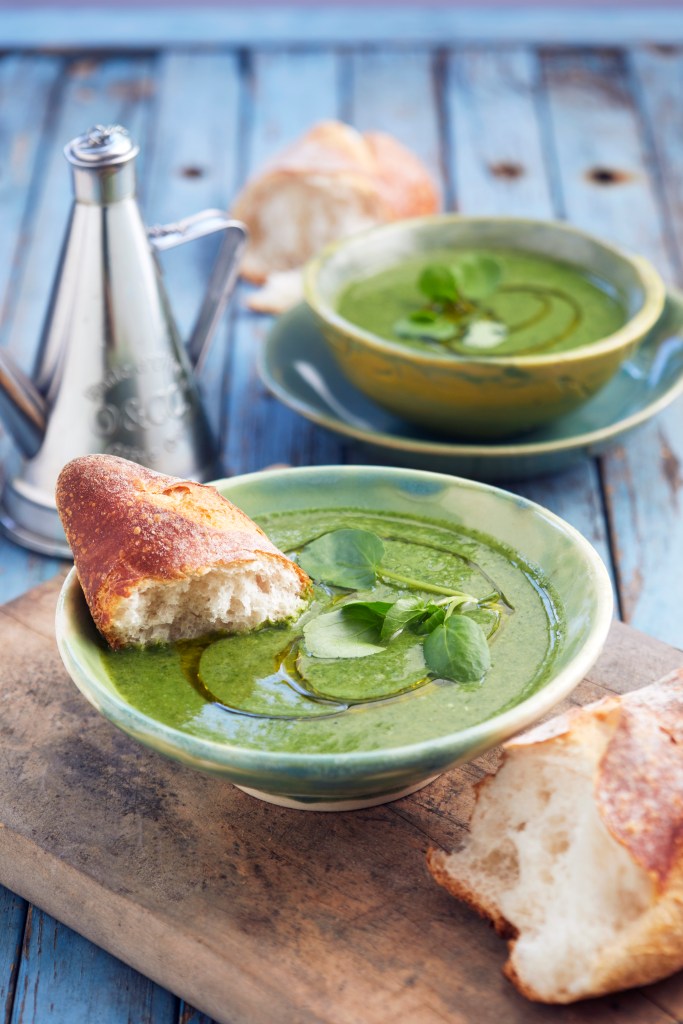
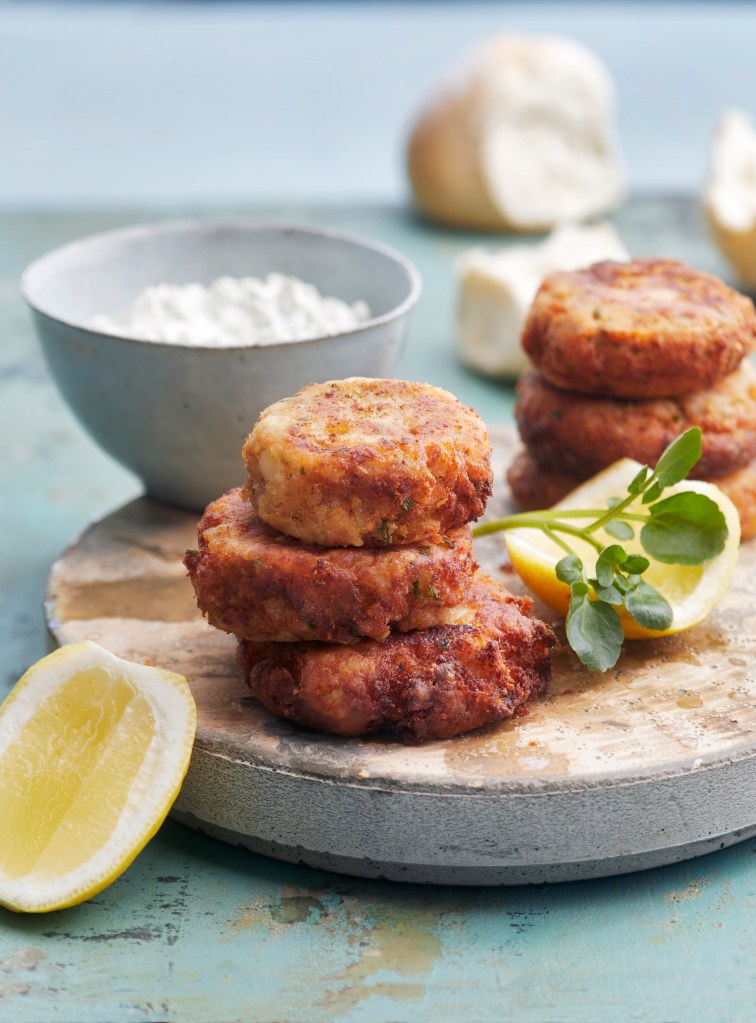
Fresh Pea Soup with Spinach Fish Cakes with Tartar Sauce

In the beginning and in her younger days, she was scared of famous dishes.; “I felt intimidated,” she confesses. But with some experience she learnt that it is best to be your own trendsetter and at the same time to pay attention to your customers. You have to understand and get to know their needs.

In her line of work, she was dealing with real people with families and friends to feed who love good food, food that men and children will enjoy. That’s quite a big ask, but because she was one of these women herself, she knew how to make it work.

In today’s world, less meat is the way to go if you take international trends into account and then you have to understand that everyone is battling with time. When it comes to preparing meals for a family, you are often dealing with people who have many different priorities and time is of the essence.

Branding in today’s world is huge and this is what Paarman understood from the earliest days. “The brand is part of who we are and what we as a family have always been intimately involved with.”

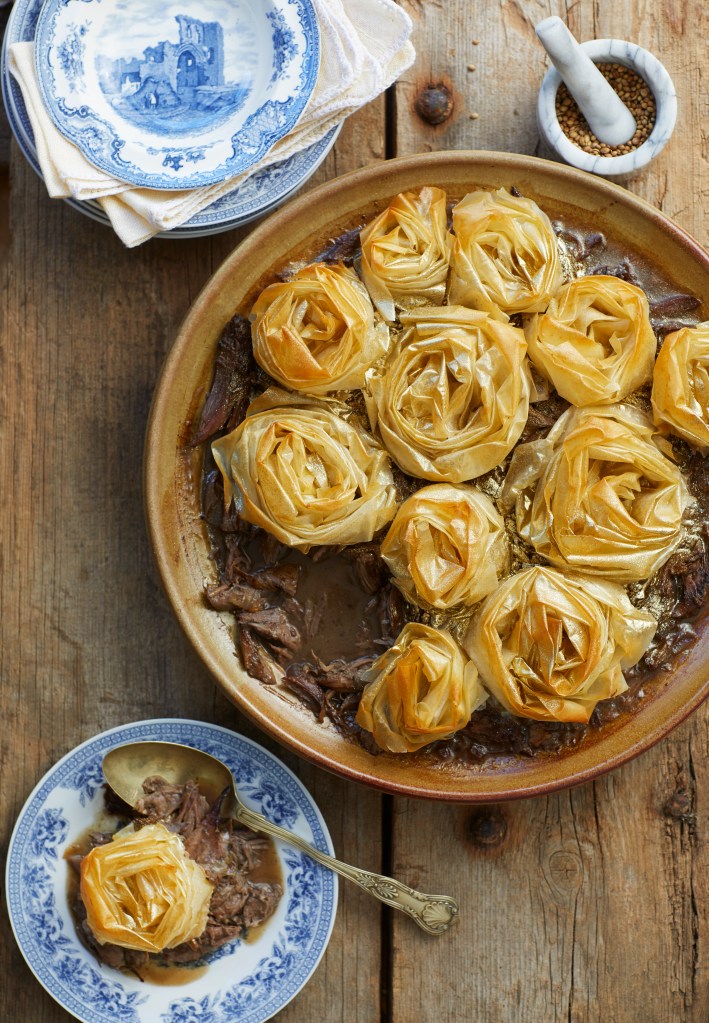
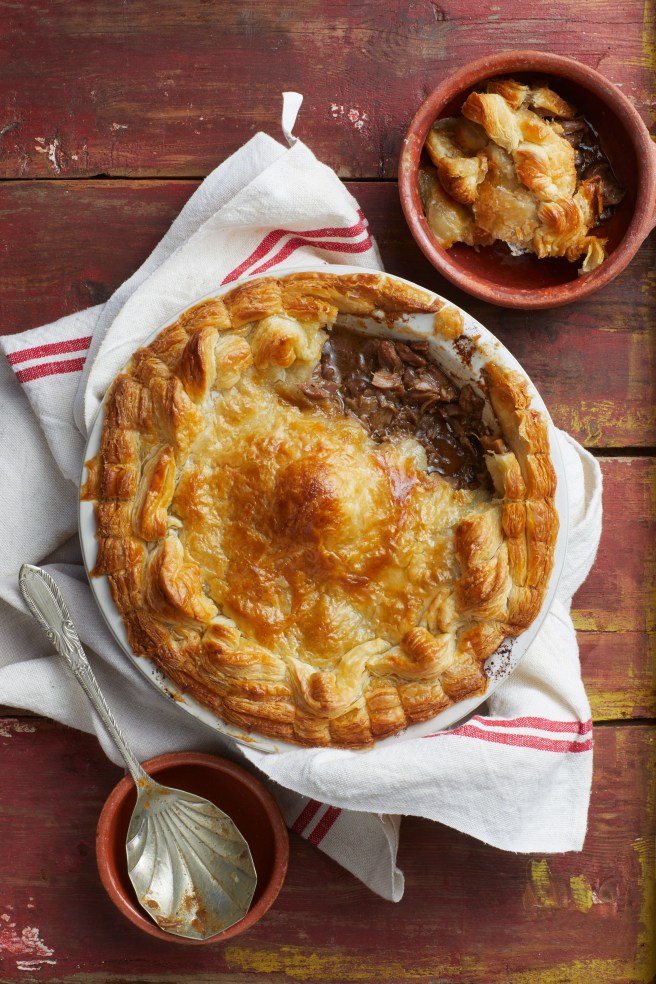
Venison Pie with Phyllo Roses

“Our lives are what we do every day. We do not have a heavy social life, and if we travel it always involves gathering ideas and knowledge. A good business is an extremely demanding taskmaster. But I won’t have it any other way.”

And it shows. Ina Paarman’s name has always been synonymous with quality and in the over-supplied world of cookbooks, you can’t afford not to get it right. There are just too many options and worldwide it has become BIG BUSINESS. Just watch the latest season of Masterchef and see what is happening in the food world. The quality of those young chefs is astounding.

Everyone who manages in a kitchen at some stage might think they have the knowledge for their own cookbook journey. Think carefully, as the specialist explains. “They must realise that success takes time and dedication. Just as you would give total dedication to raising a child, a business, to grow, demands time, attention and continuous re-investment of money.”

We should all know that nothing comes easily. Success has always meant hard work together with the luxury of talent which has been honed.

Talking to her about social media, she is still dubious about the benefits at all times. And that is probably most people’s feeling about this area of our lives which in many cases has become quite monstrous.

Even when we do understand how it has given many of us the ability to do what we do. “Social media is a great way to communicate directly with your customers,” she explains. “But you have to do it in an honest and credible way.” Again that sounds like experience talking. Everyone has had to find their own way.

Through the many decades, staying relevant has probably been her best tool. “Listening, listening and listening and then acting on what you observe,” is her solution.

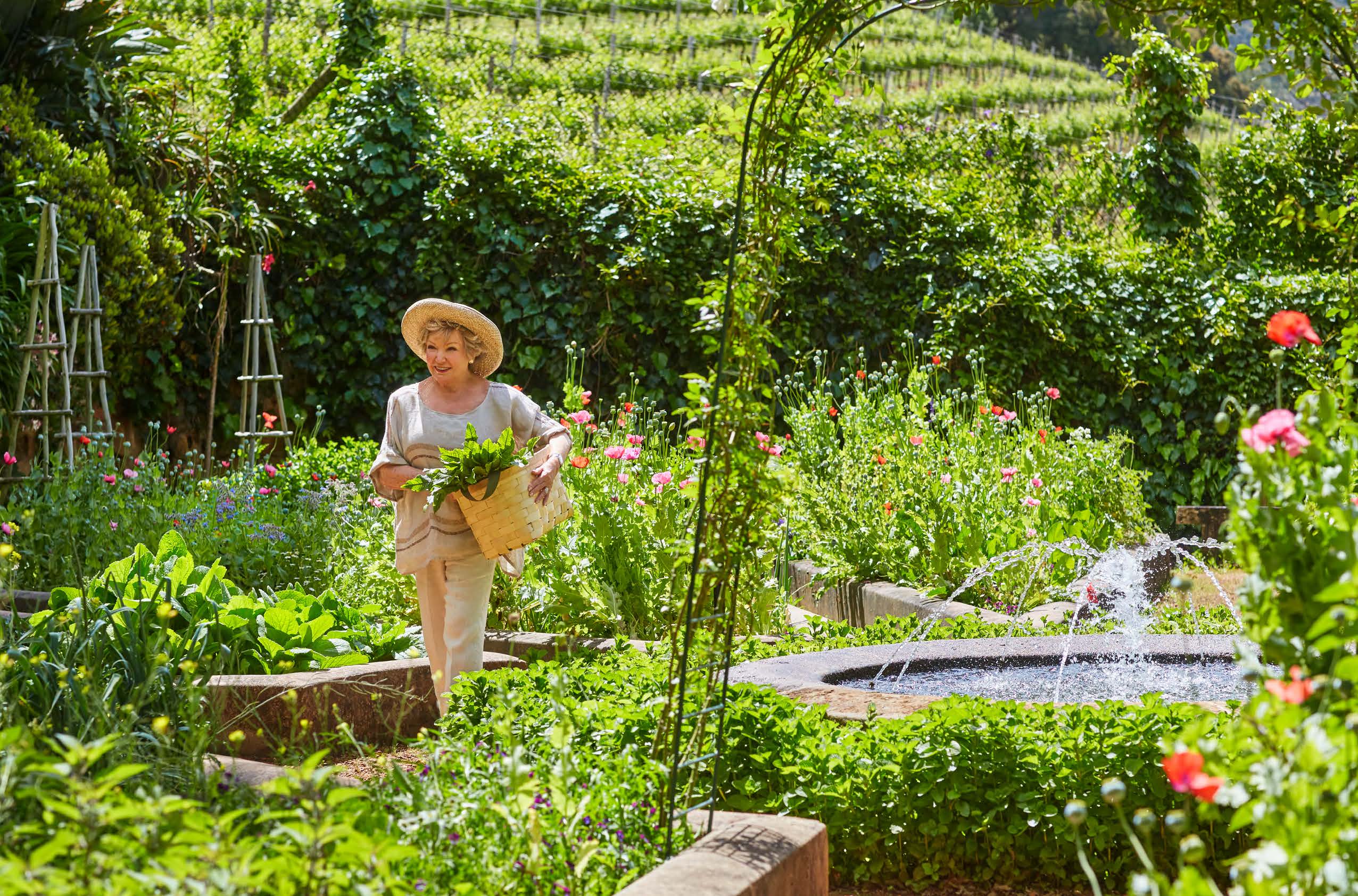
In conclusion she celebrates the latest cookbook. “It has given us all a lot of pleasure she says. I worked with a talented team and photographer Nicky Hoyle. We took time doing the book (over a year) and worked with the seasons. Our garden was great inspiration and the team are the best in town!

“Beside we enjoyed some delicious meals and had exciting moments of creative stimulation and sharing ideas.”

She recommends the book as all the recipes are thorougly tested and will always work. How can that not work for those of us in our own kitchens? It’s exactly what you want.

She also includes that all the recipes are based on our South African culture with the availaibility of products extremely important. That and our style of eating.Homecooks will feel comfortable with the recipes, she adds. The print is large enough, the ingredients familiar and as a bonus, beautiful photographs. Finally, she says, “I felt the need to share a bit about my background to ‘set the scene’ for each chapter.”

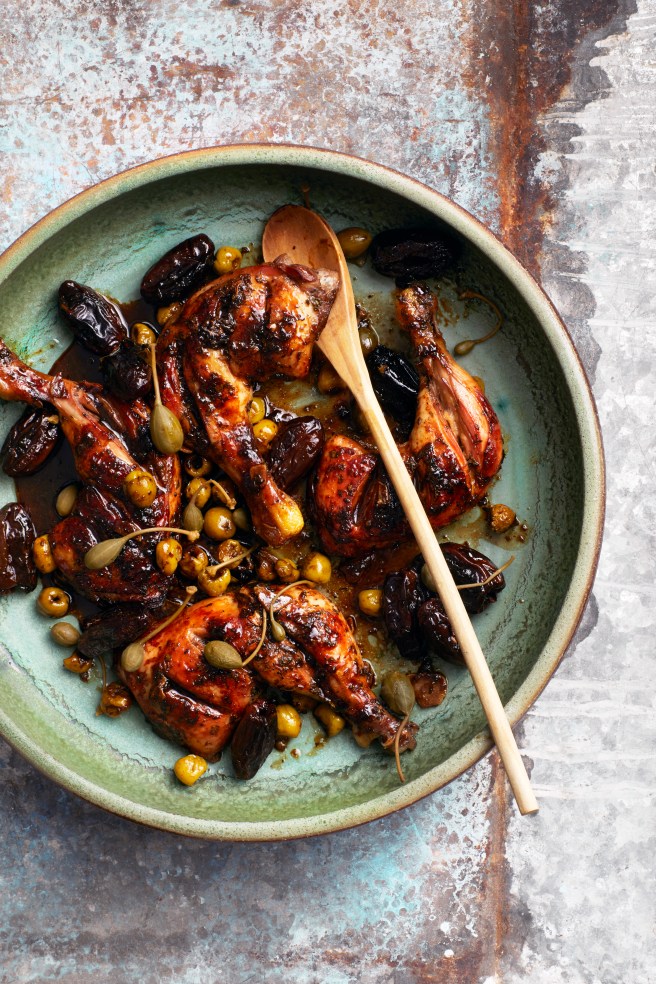
Chicken and Olive Bake with Pitted Dates.

And if you need more encouragement.:

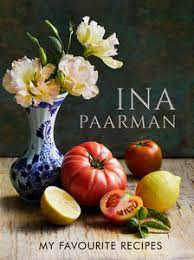
The book’s title, INA PAARMAN: MY FAVOURITE RECIPES, should seal the deal.

Their online shop has closed but the book is available from their factory shop in Diep Rivier, Cape Town or at certain Checkers and Exclusive Books brances.

Here is her favourite recipe in the book:

Ouma’s Karoo Lamb Pie:

This traditional recipe from my mother Nellie Jooste should be preserved for future generations. The aromatic pie always looks impressive and tastes and smells delicious. It can be prepared in advance and frozen with the uncooked pastry cover.

Main Dish:                                                                                 Sauce Condiments:

2 kg lamb on the bone (shoulder or knuckles)        1 t (5ml) ground coriander

Or a mixture of the two cut into 4cm pieces            2 cloves garlic, crushed

Ina Paarman’s Meat Spice                                                2,5ml  Ina Paarman Chilli and Garlic

2 cups (500ml) water                                                           seasoning

2 times 25g Ina Paarman Liquid Beef Stock                 2 t(10 ml) mustard powder

1 onion, chopped                                                                    2 t (10 ml) sugar

2 bay leaves and 5 cloves                                                     4 T (60 ml balsamic vinegar

Sour cream pastry if you have the book, or                    2 T (30ml) cornflour or potato flour

Bought all-butter puff pastry                                               mixed with a little cold water

Egg Wash:                                                                                Half an onion studded with 7 cloves

1 egg, a pinch of sugar and a pinch of salt

                                                                            Makes 1 to 2 pies.

METHOD

Adjust the oven rack to one slot below the middle position and preheat the oven to 160 degrees C

Season the lamb with Meat Spice. Place the water, the beef stock, onion, bay leaves and cloves into a large heavy-based cast iron pot with a lid. Add the seasoned lamb and cook the meat in the oven until  completely tender and starting to fall off the bone (approx. 2 and a half hours).

Spoon the meat out with a slotted spoon and let it cool a little. Remove the bones, excess fat, gristle and bay leaves, then flake the meat.

Fill up the stock remaining in the saucepan with water – you should have approx. one and a half cups. To that, add all the sauce condiment ingredients. Thicken it with cornflour or potato flour blended into a little water. Add the flaked meat and taste for seasoning.

Dish the meat mixture into a heat-resistant  pie dish of approx. 25 cm. Position the spiked onion half in the centre to prevent the pastry from sagging. Leave to cool down. Ideal to refrigerate overnight.

Cover the pie with pastry. Put an extra pastry strip on the rim of the pie dish, then cover the pie with pastry. Scallop  the edges. Glaze with egg wash ingredients beaten together. Turn the temperature up to 190 deg C. Bake for 45 minutes until golden brown. Cover with foil, shiny side up, for the final 15 minutes to prevent overbrowning of the pastry.WINE CHOICES: A wooded Chardonnay or Shiraz will complement the butteriness of the pastry.                

CHEF PATRON DANIEL LEUSCH CELEBRATES FOUR DECADES OF LA MADELEINE, ONE OF THE CAPITAL CITY’S BEST LOVED RESTAURANTS

When you are invited to celebrate the 40th birthday of a Pretoria restaurant which has managed to remain on the top ten list in the city from beginning to end, the excitement is huge. DIANE DE BEER pays homage:

Pictures: Hennie Fisher

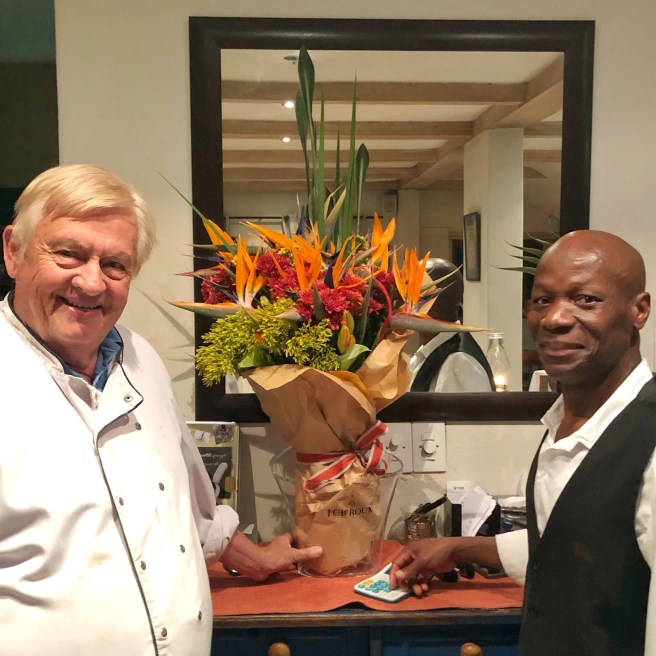
Chef patron Daniel Leusch and maitre’d Abu Fofana

I have known chef patron Daniel Leusch for as many decades and been a huge fan but I haven’t had a meal for a few years. I’m expecting nostalgia, reminiscing, and glorious food. What I didn’t expect from the classicist is a makeover, subtle as is the secret of his special craft, yet with a specific modern slant which proves why diners keep coming back.

But before I get to the menu, I returned on a Sunday at 2pm for a chat to catch up on the history as well as future dreams.

I walk into a buzzy restaurant where family and friends have packed the room for a hearty and probably heavenly Sunday lunch as my bubbles and freshly baked La Madeleine bread with cheese attest.

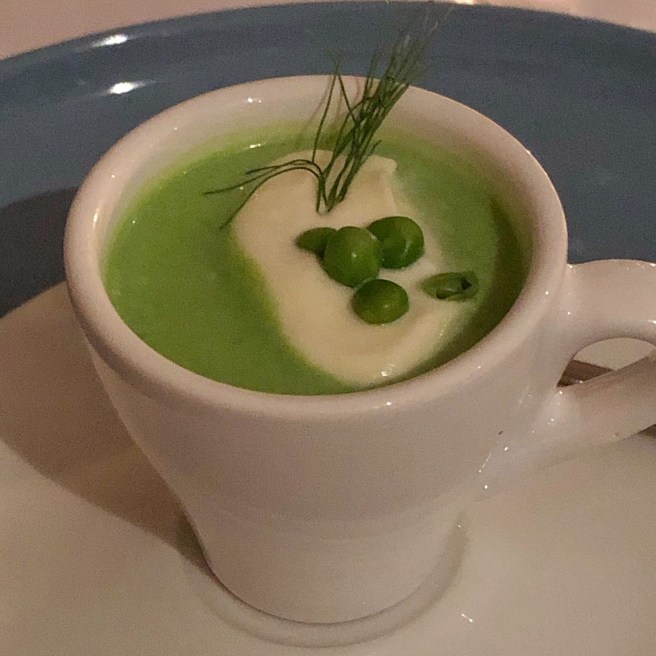
Cappuccino of fresh peas

Chef Daniel has long ago tapped into the Tshwane ethos. He knows we are still a traditional society when family rituals come into play. He has many regular diners who started with the grandparents and the parents and eventually, the kids are now the diners. La Madeleine is part of their dining DNA.

He first arrived in Johannesburg in 1976 as part of an adventure which he didn’t know at the time would shape his life. Johannesburg’s Carlton Hotel’s iconic Three Ships restaurant was his first port of call before he moved to the capital city where he started at the Alliance with Chez Daniel, an obvious beginning for a young chef (’77 to ’80) and was then gifted a sponsorship by the director of Boland bank where he opened his own restaurant.

La Madeleine had its start in Esselen Street, Sunnyside in 1984 where Daniel would be cooking for 16 years. This is where he made national news with his famous champagne-injected crayfish. There was a huge outcry but the foodies around the country took note – and with reason.

And finally, today’s setting for La Madeleine which has been the home for this extraordinary chef since 2000. And now he is celebrating one of Pretoria’s best and its 40th anniversary. It’s the longevity, the sustainability, the years of maintaining standards – and never losing his drive to excite diners as we discovered a few weeks ago at our celebratory dinner.

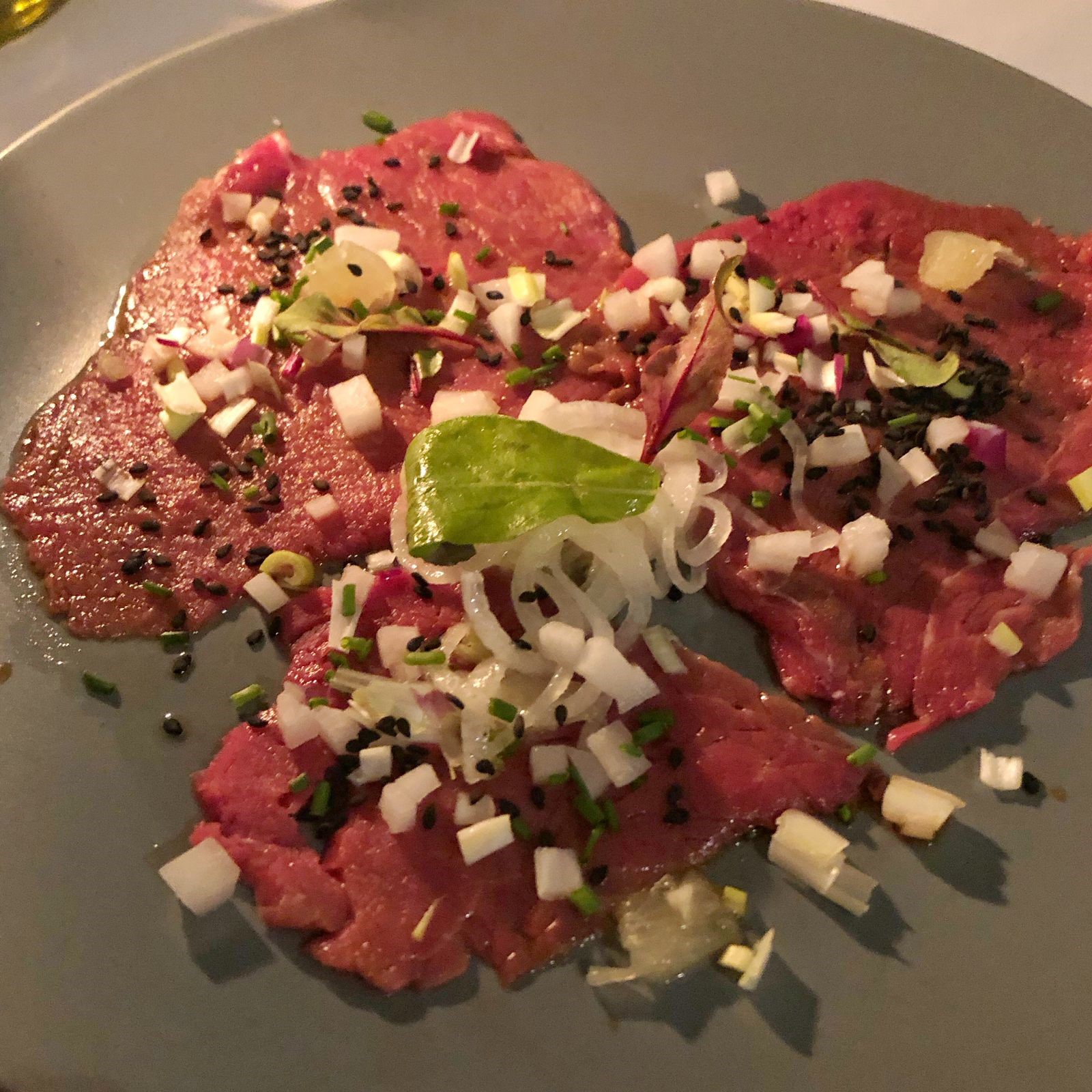
Carpaccio Japanese style

I hadn’t been for a few years because even though I’m still reporting on food and restaurants, I seldomly dine out. It’s been a privilege for a number of decades to be treated by many city restaurants and to share in their triumphs. Daniel and I come a long way and I had visited every restaurant, from the Alliance days, all these years. He has always been able to marvel at the experience he presented me with from the early days and I should have expected it now.

What I didn’t expect is that he was going to excite us (party of four with myself, chef Hennie Fisher and our partners) with beautiful classically based modern food.

I should have known. His generation of European chefs, Daniel notes, were influenced and inspired by the great Paul Bocuse. I had to smile when the cappuccino of fresh pea arrived. He had refined a masterful green pea soup that I remember from earlier days and I knew we were off on one of Daniel’s food fantasies and we were going to have an extraordinary meal.

This was followed by a carpaccio Japanese style (where his son is in the hotel management business) served with diced daikon. Simply sublime and it transported me back to that island of fine cuisine.

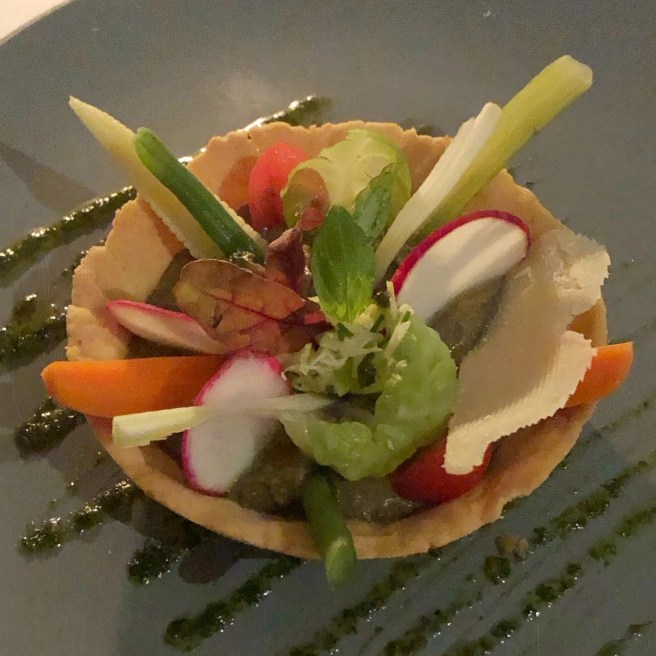
Paying tribute to his roots, next were some exquisite Provencal inspired tartlets with delicate fresh and cooked vegetables, a pastry that’s melt-in-the-mouth, shavings of Parmesan and a hint of basil pesto. Heavenly!

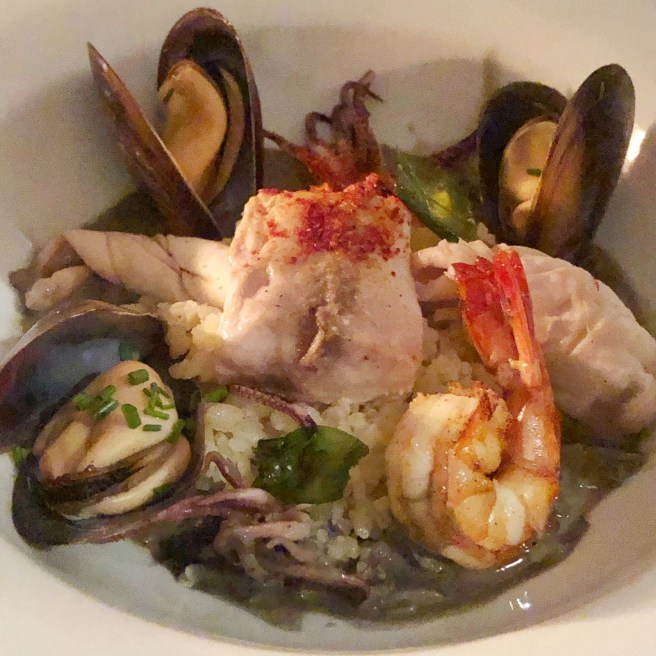
And then he came with a delightful surprise. The mains were a classical paella. And as any chef will do, he went to find fish where he knows it will be fresh as fresh can be, in Cyrildene’s Chinatown. The picture tells the story. He couldn’t have picked something more delicious. How can one not feel utterly spoilt when a fine dining chef presents you with something as wonderful as that Spanish classic.

Classic Daniel Leusch Paella

So in a sense, even though his imagination was on high alert, he did opt for the classical. Only it wasn’t what I had imagined it would be.

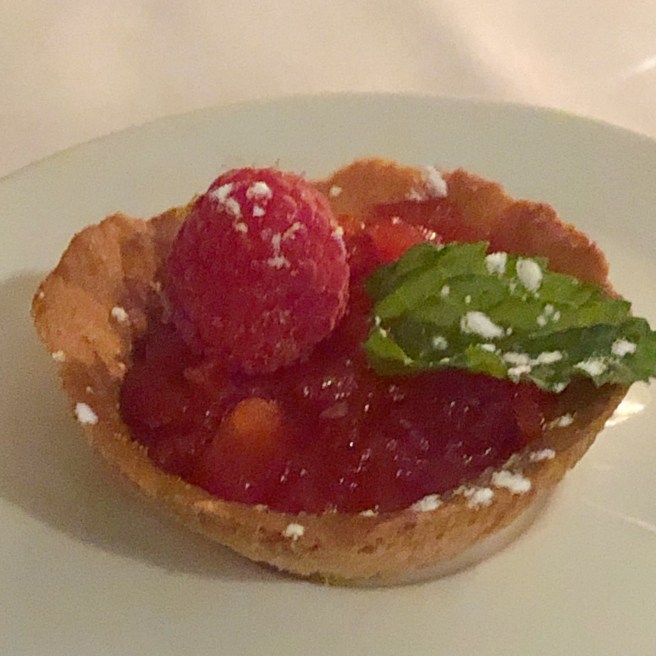
Then came what he cleverly called a pre-dessert tartlet, filled with a  paste of tomato jam and a raspberry sauce. A marvellous transition to what was to come.

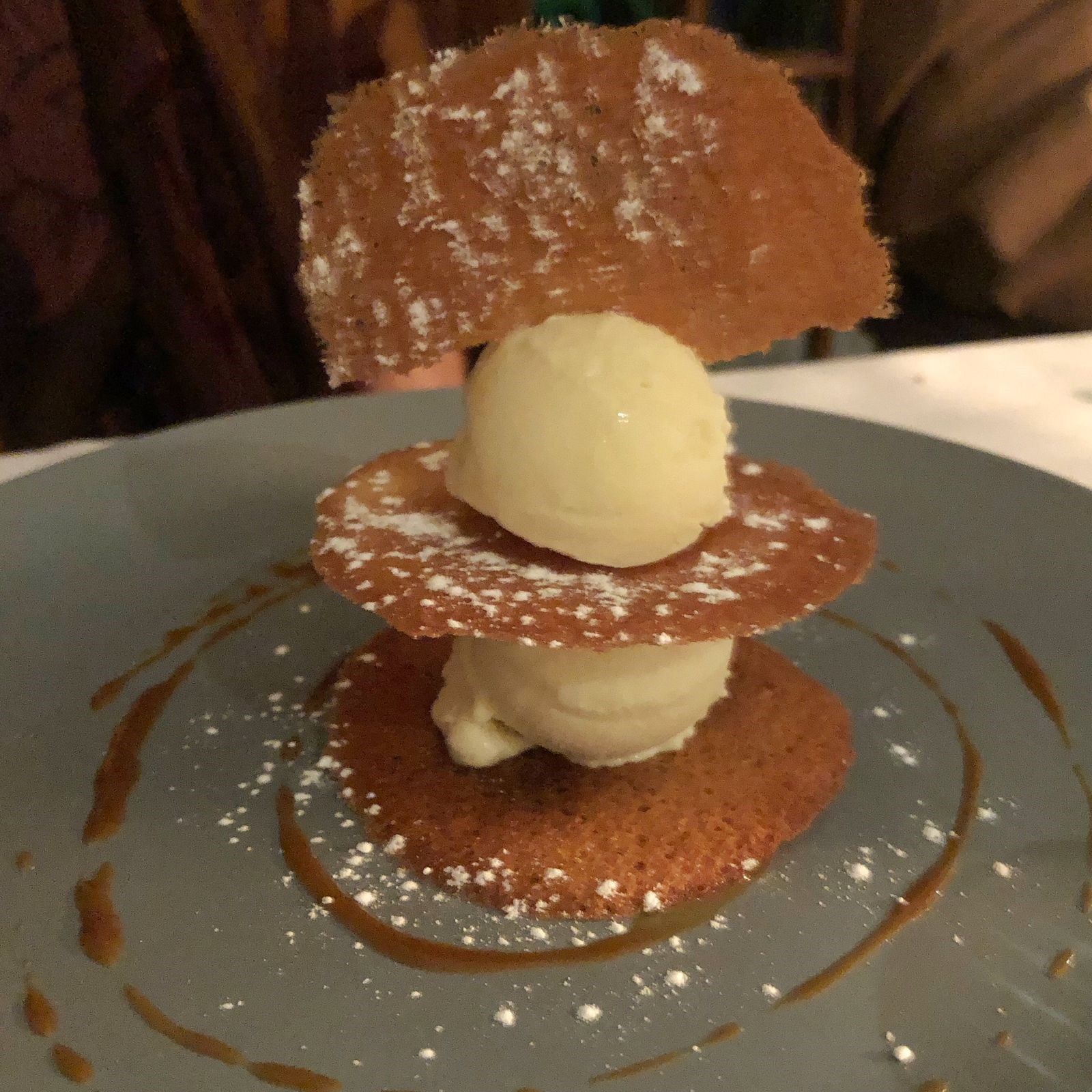
The dessert was next and he showed off his spectacular skills with four different sweet delights. It simply started a merry-go-round at the table as we moved from one to the next and started all over again.

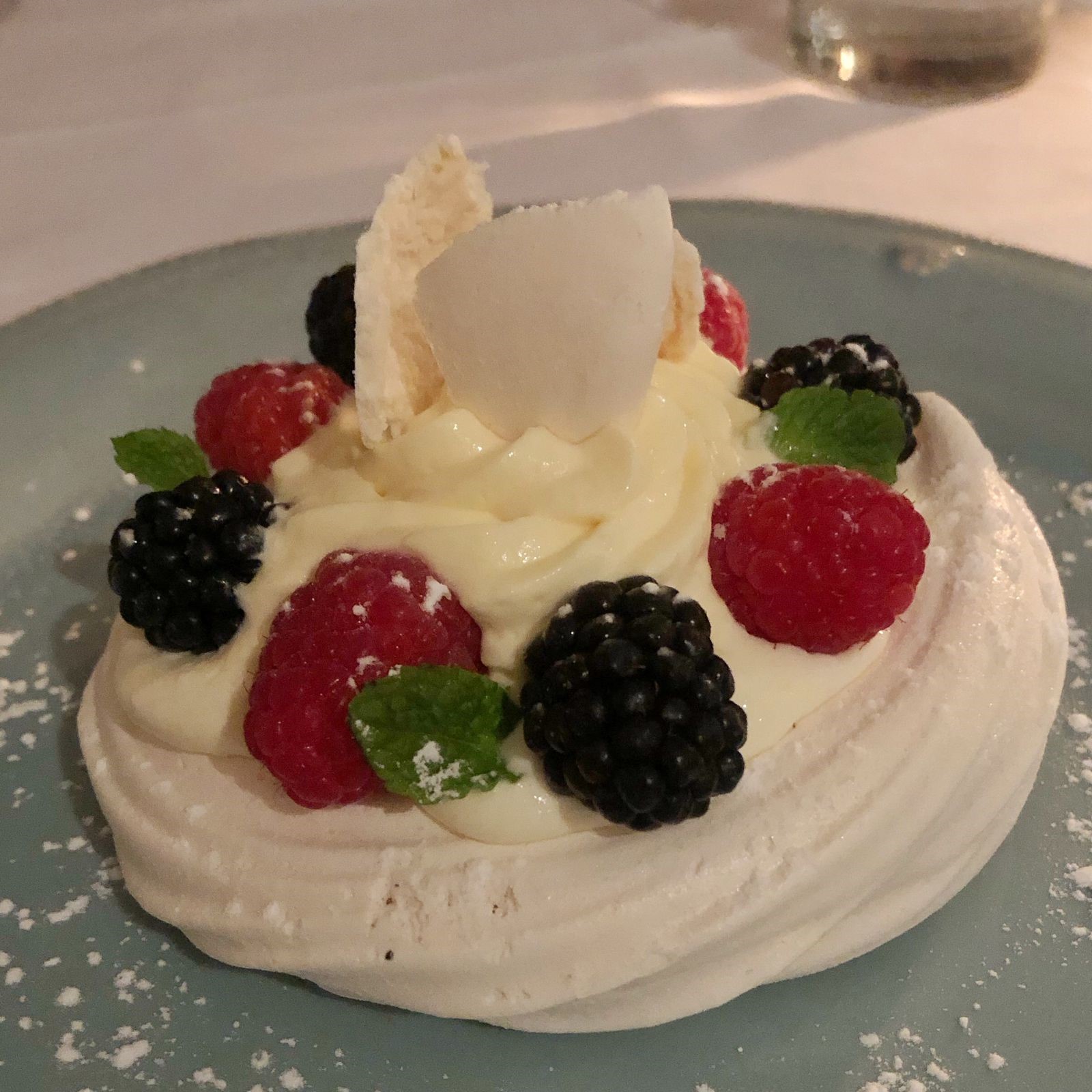
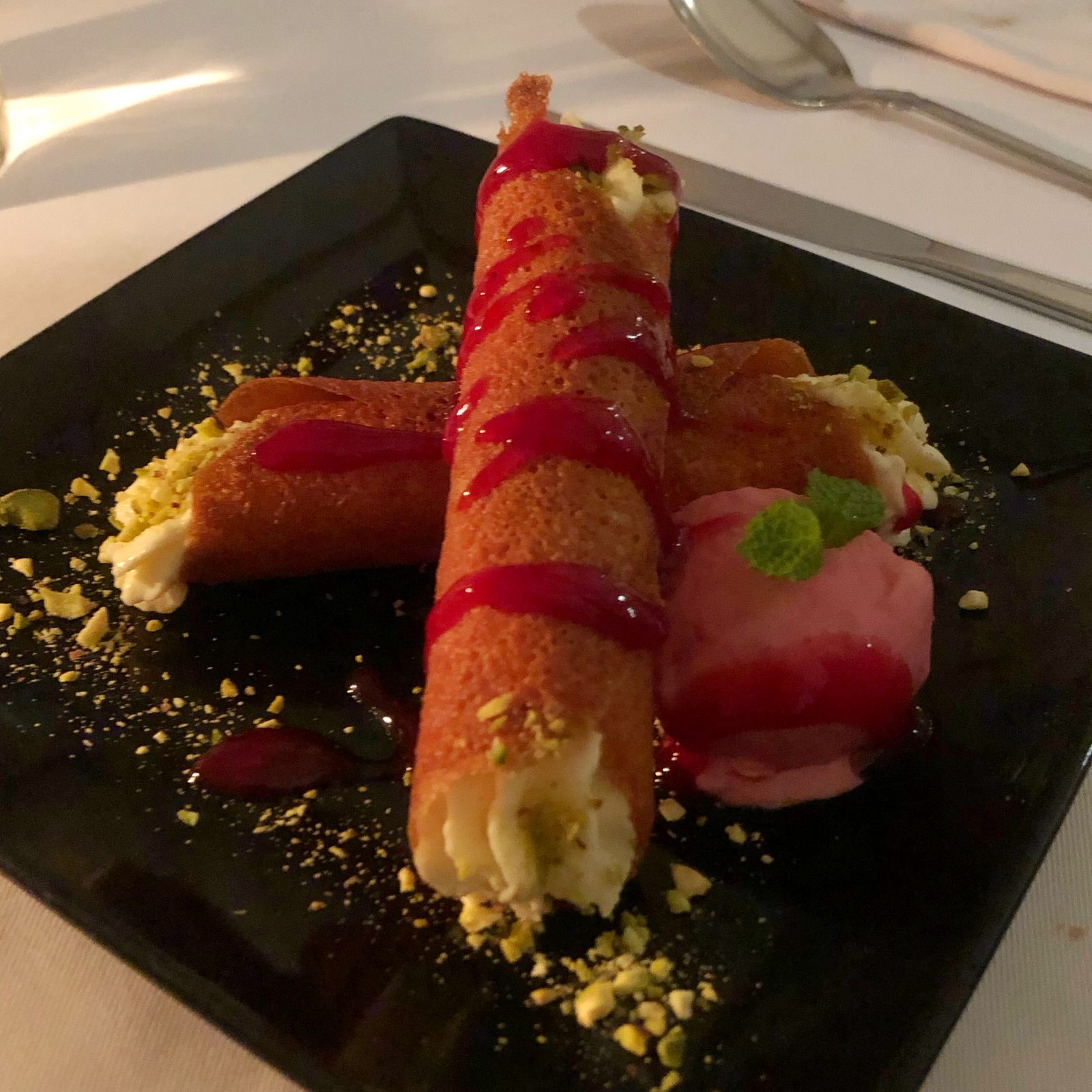
From a homemade ice cream with a salted caramel sauce between crackling brandy snaps; meringue filled with marmalade of fresh strawberries, coconut cream and raspberries; brandy snaps filled with cream, ricotta, raspberry sauce and ice cream. The combo was spectacular and the way a meal should be concluded, all sweetness and light.

Daniel’s wife Carine who many regulars will remember was the pastry chef in earlier times and his daughter Anne, who followed in his footsteps and now cooks in France in the Paris environs, was also a pastry specialist amongst all their other skills, but he’s no slouch and he has obviously well-trained staff.

Like his maitre’d Abu Fofana from Côte d’Ivoire who recently returned to his former post where he is a huge favourite, he takes his cue from Daniel and is perfectly attuned to diners and their needs.

Daniel of course has not changed a jot from when I first met him probably at his first post at the Alliance. He has kept his accent and his familiar manner of introducing the menu and mingling with the diners throughout the meal. He’s wonderful to watch as he moves between tables chatting away while observing what may be needed.

While I was writing at a table on the side, I could hear his voice as he explained the different dishes which meant I was smiling all the time. There’s a charm, a warmth and generosity of spirit when you dine and a desire to keep everyone happy while dining. That’s worth going back for time and again.

I knew – as always – what to expect from the man himself. What was unexpected was the meal and the surprise element, the menu. I wouldn’t have been let down if I was served what I had come to expect as classic Daniel.

But the way he invigorated the menu on the day, the thoughtfulness of inviting us (myself and chef Hennie Fisher who not only took these pictures but also wrote for many decades raving about all his accomplishments) and then overwhelming us with a spread that simply took our breath away, made this 40th celebration something extraordinary. And when I look back and reflect, should have been expected.

That’s why Daniel Leusch could sustain La Madeleine for 40 years. That’s where his heart lies. He still chooses all the produce himself. He knows that’s where the heartbeat is established.

And simply stated: “It’s my life!” says Chef Daniel. What an honour to be given a taste of just that!

TWO FOODIES HAVE TIPTOED IN THE GARDEN FOR THEIR ADVENTURE INTO A PLANT-BASED DIET

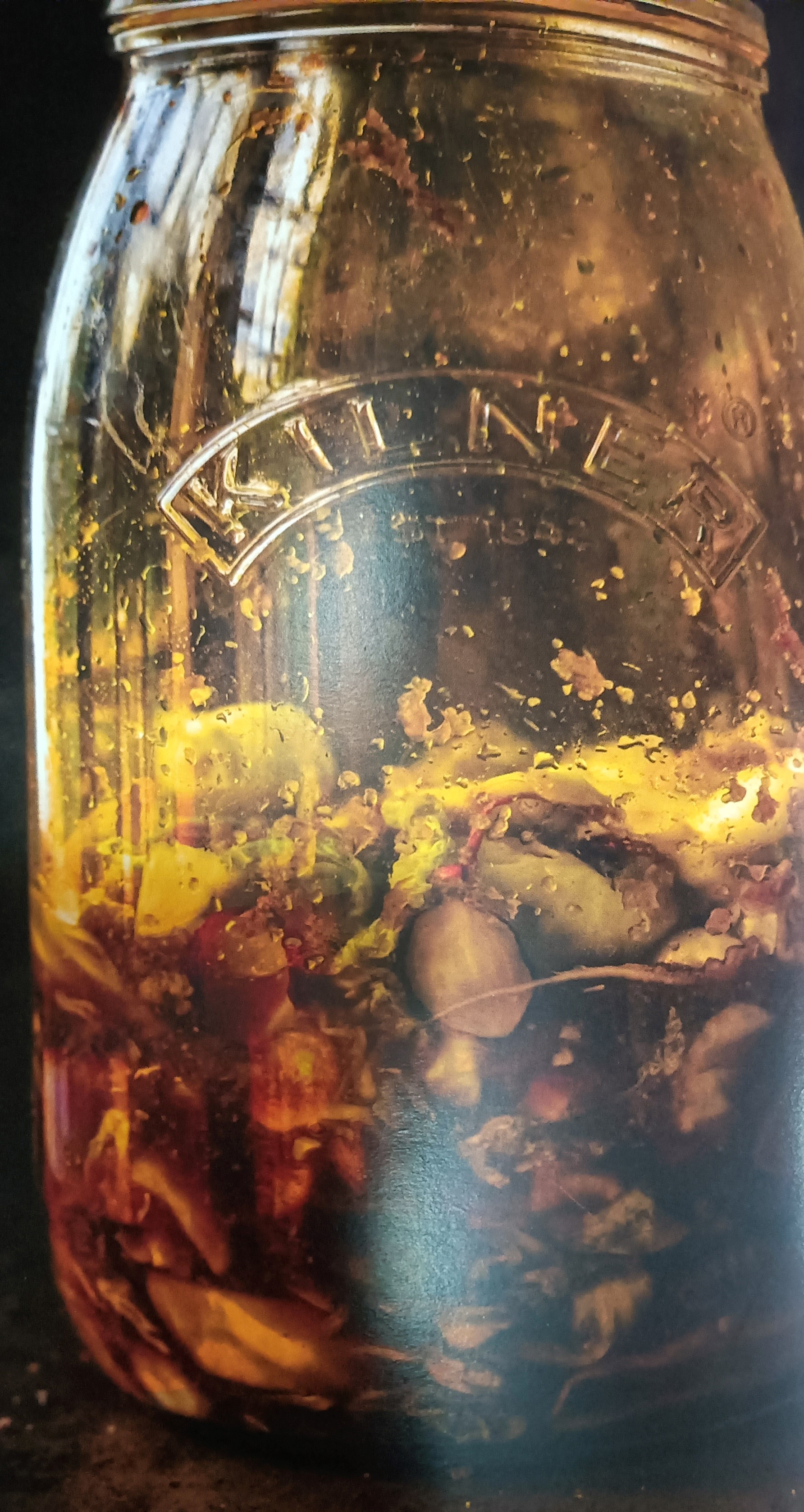
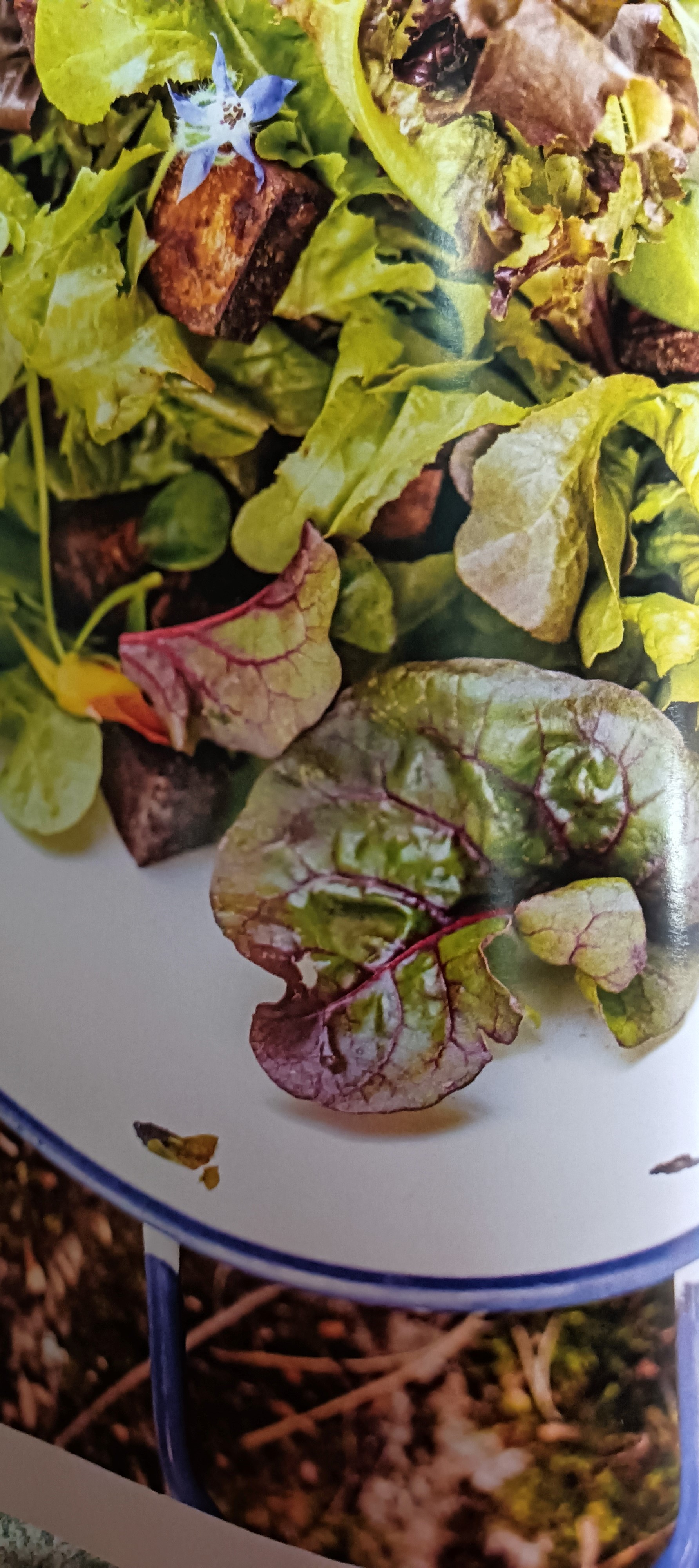
Pictures from the book

Cookery books have always been popular but it’s not always easy to find a hook, that something that makes it special. For creatives Isabella Niehaus and Louis Janse van Vuuren it’s as much about the creativity as it is about the food. DIANE DE BEER spoke to this powerhouse duo a while back about There’s a Vegan on my Verandah (Also available as Daar’s ‘n Vegan op my Verandah):

Food is the common thread between these two friends –Isabella Niehaus (Bella to friends) and Louis Janse van Vuuren – and, to make this one special, they decided to go the vegan route.

It has to happen with the way the world is going, and those like myself who love everything plant based will welcome their imaginative ideas. With both of them innovative chefs who are used to cooking for multitudes, coming up with novel ideas and combining that with wonderful words seem to come easily.

The fresh ingredients are from the forest/kitchen garden at Le Rembuché in the French countryside where Louis and his partner Hardy Olivier lived. And with Bella’s legendary long tables at her Duinhuis on the West Coast (she recently moved), and Louis’s fantasy vegan meals presented at Café Vincent and Chateau la Creuzette, it made sense for them to combine their cuisine adventures.

The book which has been rewarded with prizes and praise makes sense because of their passions which are so similar. Both of them are visual creatives and everything they do comes from that perspective. Which in this instance naturally means that the emphasis is as much on the pictures as on the words.

Not that the latter is neglected. Stories are the way they communicate amongst themselves but also on paper, and because this is a self-published book, they could do with it what they wanted with their own wishes, the ones to be obeyed. And you can see that.

With both having lived in what must be some of the most beautiful regions to be found (the French countryside and Cape West Coast) how they present their cuisine and their conversations is impacted by the visual presentation – something that works particularly well in a cookbook. It is who they are and how they operate.

This visual emphasis also drives how and what they do with food. “We don’t like stylised cookbooks,” they agreed at one of the presentations they did on their countrywide tour last year.

Nostalgia and memories are also feelings that dominate the way they worked with what they were going to present. Bella only got cooking late in her life, she explains, and for her, the table is as important as the food she selects for the day.

She loves working with flour and enjoys the whole tactile thing about preparing food. Fortunately we are still a country that cooks and they are hoping that with their particular plant-based ethos, they will inspire a new approach and an easy way to embrace the future where vegetables and fruit will play a far bigger role than meat and fish.

For Louis it is all about the senses and as soon as he smells food, he also visualises how it will look on the plate. “It will finally look exactly like a painting,” says the artist. His food habits had to change to improve his health. “Once I let go of dairy, I simply felt so much better.”

But that also heightened the emphasis he gave to food, because he had to put more thought into it, especially in the early days. He also believes that as he grows older, the importance of each meal is heightened. “I want every meal to be a festive occasion,” he says.

To compile and write the book, make the recipes and take the pictures, Bella had to travel to France and with her small duct-taped suitcase, she took with her some spekboom leaves (there’s simply not an English equivalent) as well as some other South African delicacies she could squeeze in.

Fresh produce is another of their secret ingredients. If they have to eat bread, it should be freshly baked. And when you think of the French and the abundance of bakeries, it’s part of how they breathe.

But that is also much more common here than before, so there’s no excuse. And even for those of us who are gluten intolerant, it’s easy to make our own version of what represents bread.

Similarly with fresh products. It’s important to go into your garden if you have one, and pick fresh lemons for example.

Simplicity is also underlined in their choice of recipes. “If I’m eating pumpkin,” says Bella, “I want to taste the pumpkin.”

Louis has been a vegan for more than seven years, while Bella with the writing of the book was dipping her toe in the water. But what they aimed to do with the book was to show the importance of produce and how to turn a vegan lifestyle into something spectacular in an everyday kind of way.

They emphasise that this cookbook is as much about the conversations as the cuisine. “We are two creative beings who like to chatter on about our food memories,” says Louis. They were guided by what they had in hand, how to combine smartly and imaginatively, and how to come up with affordable, wholesome and even luxurious meals.

I have to admit, my love of dairy still keeps me from adopting the vegan lifestyle. But I really cherish the information from those who are already doing it so that I can acquire as many of the wholesome habits as possible.

And because much of my food at home is plant-based, to find some clever combinations from those who know how is something special. It is a beautiful book with many exquisite pictures and the recipes are unusual, evoking many memories from childhood and family meals.

It is also a fantastic book to add spice to your kitchen – and we all long for that. Hurry up, because there are rumours that they are starting with a second one.

A FRENCH EVENING OF FABULOUS HOSTS, FOOD AND WINE AND A ROOM SIZZLING WITH A DIVERSITY OF FANTASTIC FELLOW SOUTH AFRICANS

Pictures: HENNIE FISHER

ATTENDING a fabulous dinner at the French Embassy, DIANE DE BEER lost her heart not only to the fantastic food and spectacular wines, but especially to the savvy of her French hosts and the sassiness of her fellow South Africans:

A small but pretty selection of the garden as you enmter the residence grounds.

It  was the French Embassy’s Goȗt de France dinner that again reminded me of one of our best attributes – our people.

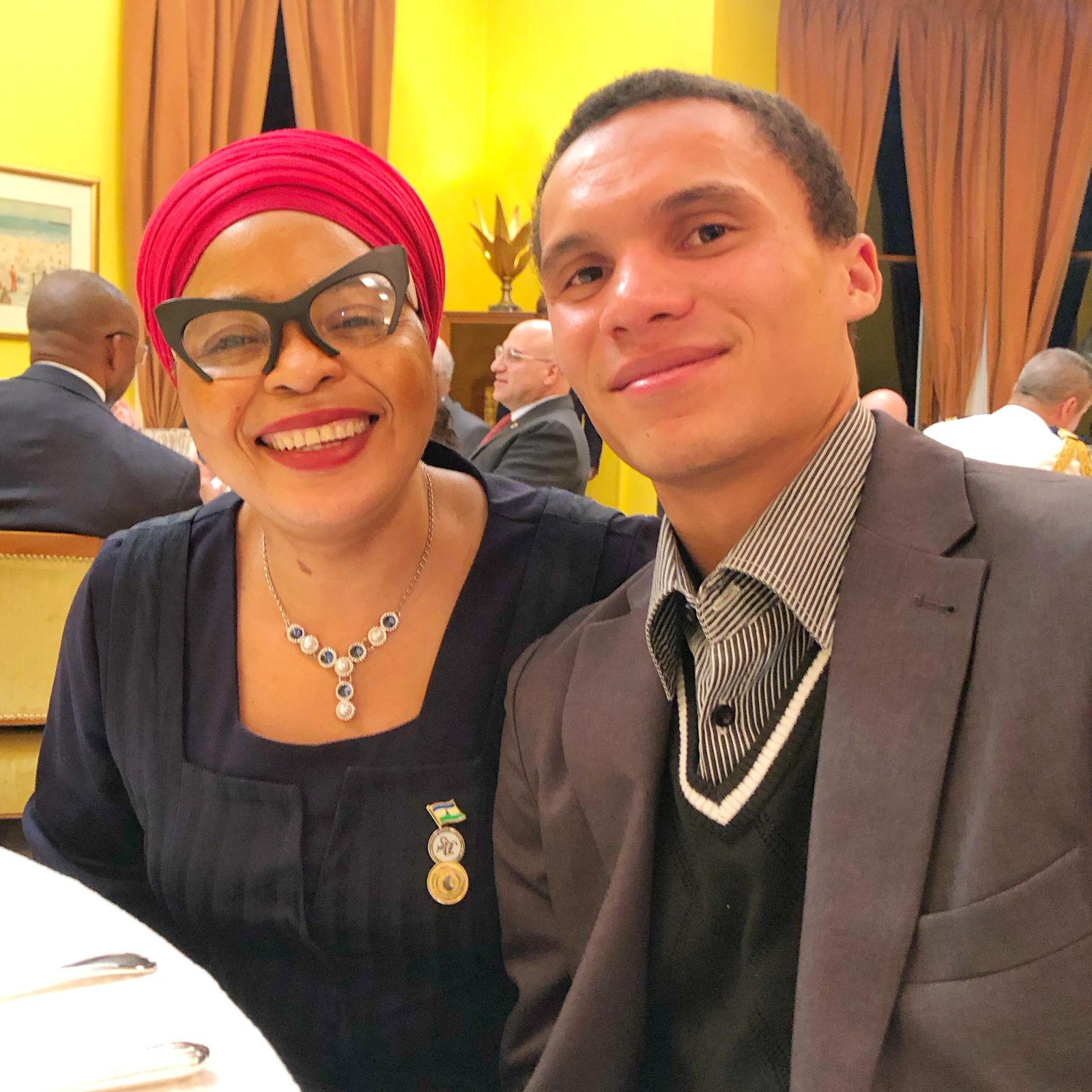
Myself with the stylish Itumeleng Makhoi; and above right, First Lady of Lesotho Mrs Mammusa Masekoalane Majoro and Namibian olympian hockey player David Britz.

Here we were in all our diversity from two soon-to-be Olympian hockey players (one representing South Africa and the other Namibia, but we claim him because he is studying at UJ) to a fashion designer whose calling card was her fabulous style on the evening, a stylish young gentleman who imports champagne for local enthusiasts, a sassy lawyer and a smart landscape architect.

Two chefs, Mpho and Mohau Seshoene (aka The Lazy Makoti) with the French Ambassador H. E. Mr David Martinon , and on the right, landscape architect Mosa Seshoene and Adv. Kutlwano Motla (or The Boujee Traveller, a travel content creator)
PICTURE: French Embassy/Aldina Mujkanovic

And that’s just a handful. There was the woman with the red headpiece and the sexy red stilettos who turned out to be the First Lady of Lesotho Mrs Mammusa Masekoalane Majoro and it wasn’t just her style that was exuberant, her personality was a perfect match. But the same could be said of the two young lasses (above) also at our table, the one a landscape architect and the other a lawyer, both of whom had as much sass as they had style.
A predictable but splendid welcome

It has always been one of the French Embassy’s secret weapons. There’s someone there who knows how to put a spectacular group of South Africans together. This time the current ambassador H.E. Mr David Martinon noted that because of the upcoming Olympics in Paris, they had hoped to combine food and sport but that wasn’t always achievable.

But what they did manage was to showcase people who displayed our most  extraordinary strength – diversity.

French Embassy chef André Ahiba (left), who has served nine Ambassadors with his staff in the kitchen.
PICTURE: French Embassy/Aldina Mujkanovic

All of this was also reflected by the charming Ambassadorial couple, H.E. Mr Martinon and his wife Karen, in the food on the night which was the brainchild of the embassy chef, André Ahiba, who has served nine ambassadors and celebrated French cuisine in marvellous fashion.

A melange of seafood

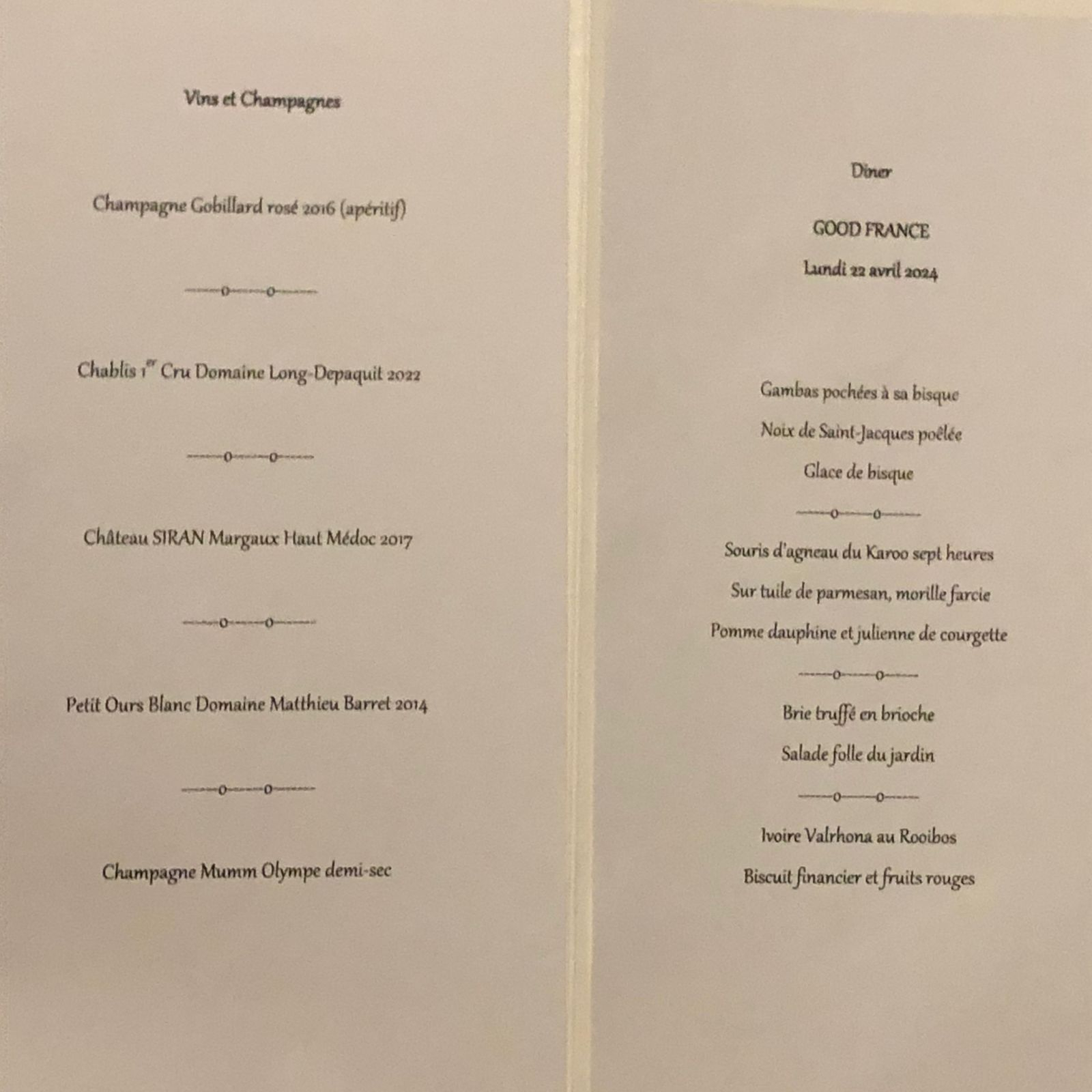
The starter was a mini seafood combo with a prawn poached in its own bisque paired with a beautiful panfried scallop. It was delicious and a fine launch into the rest of the meal.

Slow-cooked Karoo lamb shank with imaginative accompaniments.

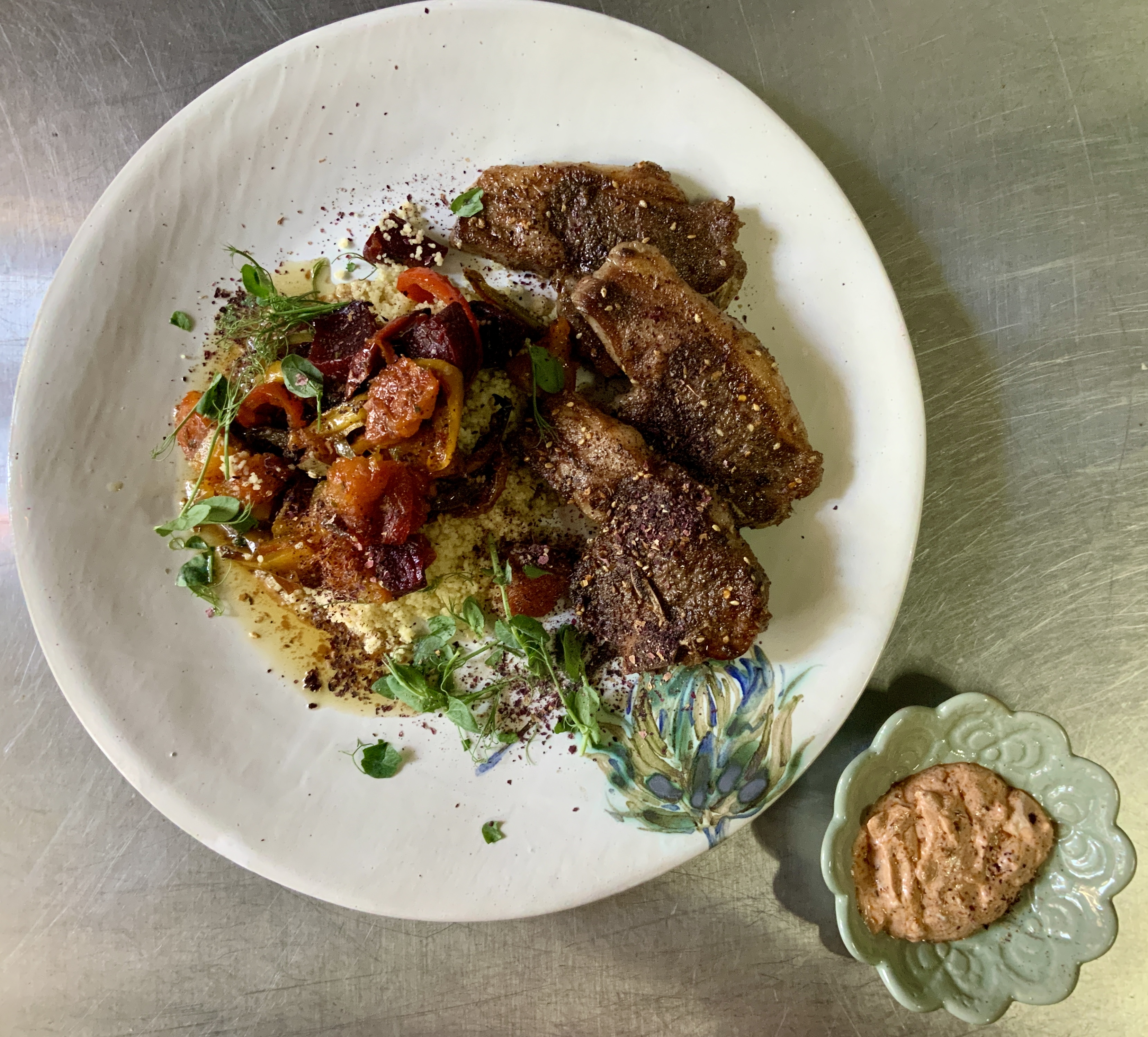
This was followed with slow-cooked Karoo lamb shank which paid homage to produce from a specific region and then similarly, to sustainability. The accompaniments included pomme dauphine and julienne courgettes. But the piece de resistance was a morille farcie, which my chef partner said he knew about but had never eaten. When looking for a translation, stuffed mushrooms pops up, but the best I can do is to say that the chef noted it was extremely expensive and the taste was that of mushrooms, very intriguing.

Brie truffe Brioche, the cheese course.

This was followed by their cheese course which again displayed a wonderful individuality of thought. What could have been easier than presenting us with a selection of French cheeses. Everyone would have been wowed. But again the chef imaginatively presented us with Brie truffe Brioche (a brioche with truffle brie is my translation) which I loved, served with a salad, it was different and tasty.

A sweet surprise.

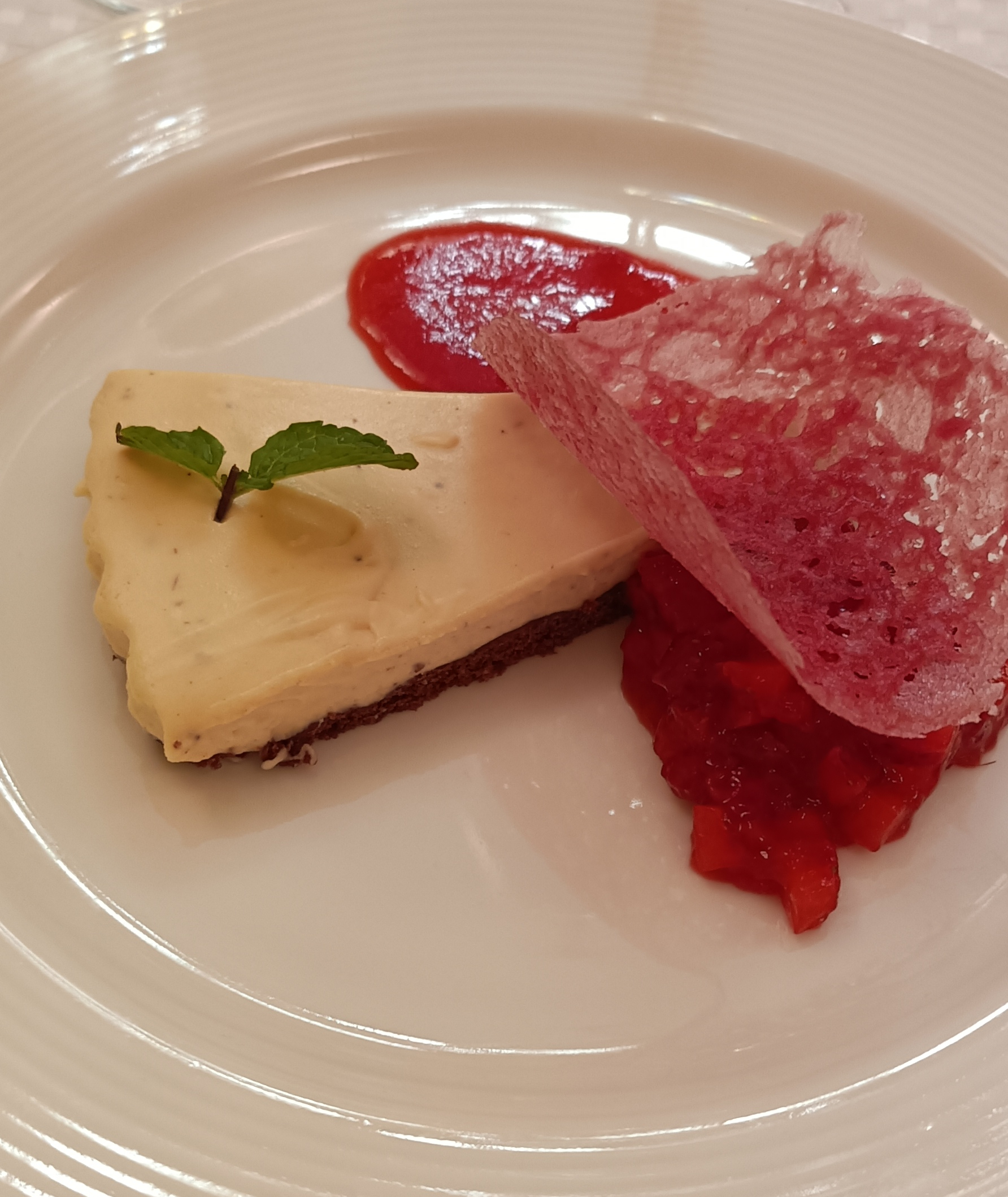
The other nod to South African produce was a Rooibos white Valrhona tart with a red fruits and a biscuit financier (which has its name because of the shape reflecting a gold bar!).

What I liked about the menu was that it felt pared down in the best sense of the word. Every dish had some extraordinary qualities but in conclusion, one left the table replenished yet comfortable.

The food was complemented with phenomenal French wines. I am by no means a wine specialist but from the apéritif served with the most delicious foie gras squares brightly decorated with rose leaves out of the spectacular embassy garden, Champagne Gobillard rosé 2016, followed by Chablis Cru Domaine Long-Depaquit 2022 and the most amazing of all, the Château SIRAN Margaux Haut Médoc 2017, and then the Petit Ours Blanc Domaine Matthieu Barret 2014 and finally yet another fantastic Champagne Mumm Olympe demi-sec.

When countries want to show off their quality and they do it this well, those of us invited to participate in the tasting, cannot but go overboard with the praise.

And in the final analysis it was the full package that gift-wrapped this evening so magnificently. From the arrivals which take you through some of the prettiest gardens to the entrance where you are met with a glorious ensemble of citizens hosted by an enchanting ambassadorial couple who as a bonus also have their young daughters meet the guests and show off some French charm.

The staff are magnificently dressed with gorgeous smiles as they gently see that the guests on the night are suitably cared for.

And then my fellow South Africans introduced to me by the French ambassador. I think I have said as much as I can and can simply add that it was an evening that I couldn’t have been more proud to be South African.

And I have the French to thank for that.

Merci beaucoup.

Vive la France!

CHEF LIENTJIE SHARES THE MAGIC OF MUSHROOMS IN INSPIRED CULLINAN CULINARY MASTERCLASS

DIANE DE BEER talks to the chef about the favoured ingredient:

For followers and fans of the creative chef Lientjie Wessels, her latest venture is a workshop on mushrooms on Saturday (March 2) in Cullinan.

Because of her individual style in anything she does and her vast knowledge and instinctive approach with food, expect the unexpected.

As an ingredient, mushrooms are growing bigger and bigger each year, she offers as an explanation for this particular subject. “It’s also a very interesting food. There’s so much that is still unfamiliar about mushrooms. Incredibly, there are approximately 10 000 varieties of which we only eat 30 and then about another 20 we know of that are  used in medicinal ways,” she explains. “There’s always been  a huge interest in mushrooms which I know will become even more intense in the future.”

She’s also intrigued by the fact that when taking the DNA of a mushroom into account, it is the ingredient that has the most in common with meat. Add to that its depth of flavour and as a bonus, a strong nutritious component as well.

For Lientjie, the importance of mushrooms as an ingredient, is their versatility. “You can even use it in a dessert,” she says. “It’s incredible what you can do.” She includes anything from mushroom kombucha to candies – savoury and sweet. And if anyone can let their imagination run riot in the kitchen, Lientjie is that person.

Think of the huge interest in and growth of the plant-based way of eating and thus cooking, and she knows her instincts are red-hot. Why not mushrooms, is how she views her choice.

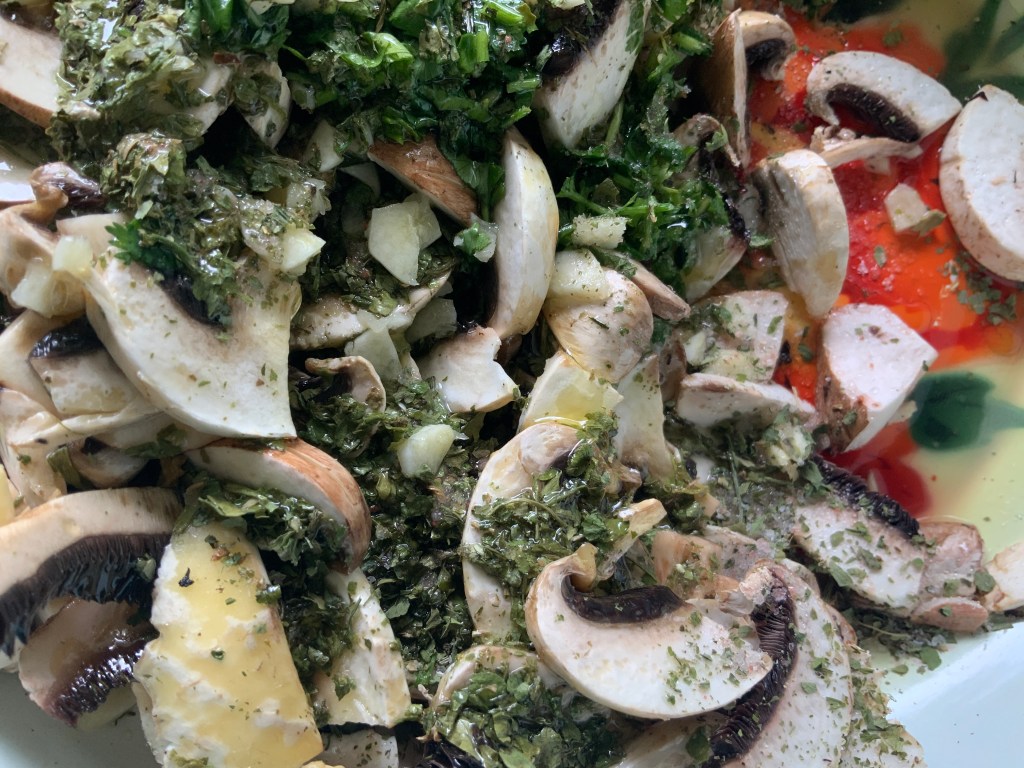
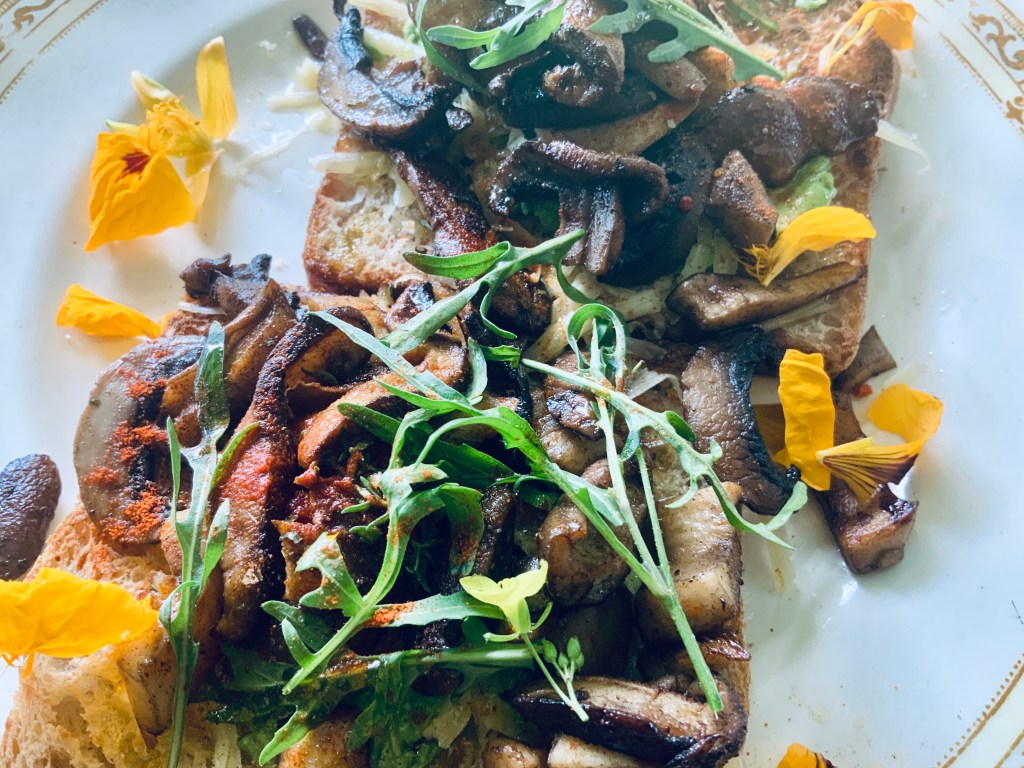
Some of her ways with mushrooms which she will include in her masterclass, are how to make a powder, which means you always have some on hand; the equivalent of meat patties with lentils and mushrooms; candied mushrooms; or a hearty winter.

Each kind is so different and that’s why she encourages keen cooks to get to know their mushrooms and how to make the best decisions. “I can’t stand it when I’m served a watery mushroom sauce because it’s been cooked incorrectly,” she says. If you take oyster mushrooms as an example, just the different colours make her happy. And each mushroom has different traits which should be emphasised.

Describing her own food preference as flexitarian, it means she eats less meat and is more conscious of where food comes from. “What are the processes ingredients have undergone?” is what plays on her mind. Being a thoughtful eater is what our future should be all about.

It has long been an ethos, but more recently, because of the Greta Thunbergs of the world, the youth is much more aware of working more gently with the planet. The way foods are manipulated for example plays a huge role and will become more urgent in the future.

“I don’t mind meat or tripe for that matter, but I have a problem with how it is treated,” she says. But then she’s off in another direction as she muses about mushroom sausages. And why not?

Her belief is that you can really wow people with mushrooms  –  and, with her cuisine creativity, probably with anything she puts her mind to. She likes putting things together in ways which are unexpected.

She describes mushrooms as  one of the super foods that will keep growing in popularity.

There are so many advantages. For example, they are easy to grow. We still know way  too little, and could learn more and more.

If you haven’t heard of Chicken of the Woods (love that name!), know of the fermentation process, or of the different coloured oyster mushrooms, this will be the class for you.

Think about it, says Lientjie, you can harvest mushrooms every few days and even grow them in small spaces like an apartment. “What’s not to love about them?” she asks. Combined with sprouting lentils, for example, you have food. It’s an amazing source of protein!”

By now you might have gathered that Lientjie is excited about mushrooms. “People should grow their own food and know the source of what they buy,” is her dictum. Which, to her mind, makes mushrooms such an easy option.

“They can be eaten all year round. You can go for something as easy and fresh as a raw mushroom salad for example. “I love the smell of a raw mushroom when I cut them,” she notes. “Just add some lovely Kalahari salt, and you have a meal.”

But she warns, mushrooms don’t work when they’re not well cooked. “If you make a mushroom sauce or fry mushrooms, do it right, or you might just serve your guests breakfast mushroom mush.”

She advocates using mushrooms more creatively and that’s what her workshop is all about.

“This is my first mushroom workshop, but it won’t be the last,” she says.

How can you resist?

The programme on the day is the following:

11.30am: Mushroom kombucha cocktail and mushroom canapés

Noon: Short intro into the wonders and umami on cooking with mushrooms

12.15pm: Recipes and goodie bags in the kitchen where we will all proceed to make:

Fermented mushroom

Mushroom umami powder

Mushroom burgers

Classic mushroom salad

2pm: Take your seat at our beautiful table to be served a lovely meal

2.30pm: Surprise dessert

R750 per perso0n including class, welcoming drink, lunch, recipe folder and goodie bag.

Wine and gins available for your account.

Contact 082 531 6141 for bookings and directions.

Don’t hesitate, Lientjie is inspirational in the way she approaches food.

A CELEBRATORY MOMENTUM BELEGGINGS AARDKLOP RETURNS WITH A SPARKLING SMORGASBORD OF EXCELLENT THEATRE

It’s the time of festivals with Aardklop opening with a celebration of jacaranda showers and shows from October 3 until 8. DIANE DE BEER points to a few of her favourites:

When I look at festivals, what they have to offer, I always go to theatre first. It’s my passion, people who tell stories.  Fortunately, I know that stories are an integral part of the arts and are told in different ways. That’s what makes a festival such a delight.

Die Moeder with Sandra Prinsloo and Dawid Minnaar. Picture: Emma Wiehman.

But let’s start with theatre. If you haven’t seen Sandra Prinsloo’s Die Moeder yet or even if you have, see it again. It’s one of those once-in-a-lifetime performances even if she has had many of those. It’s a story of a woman ageing who has lost her heart and her soul as she feels discarded and left out of the dance of life.

That might sound horrific, but the text and the ensemble cast, including the magnificent Dawid Minnaar, Ludwig Binge and Ashley de Lange with exciting directing by Christiaan Olwagen, present huge rewards.

Bettie Kemp and Dawid Minnaar in Mirakel.

On a lighter note, Marthinus Basson, a Reza de Wet genius, presents probably her funniest play, titled Mirakel. With another fantastic cast, including Rolanda Marais, Carla Smith, Dawid Minnaar, Edwin van der Walt, Bettie Kemp and Ebin Genis, it takes us back in time when theatre was presented by traveling companies, which went from town to town, region to region.

That already puts a smile on my face, and when you get this almost ragtag band of actors together, trying to save their lives by enhancing their livelihood with all the drama of the time and the company, it’s a scream. Just seeing Minnaar, who we are used to seeing on stage in serious mode, is a delight as he lights up the room with his angst and artistic temperament.

Braam en die Engel with Joannie Combrink, de Klerk Oelofse, Rehane Abrahams and Shaun Oelf, directed by Nico Scheepers, has all the elements for something quite enchanting. Add to that Kanya Viljoen who adapted the text from a YA book with the eponymous title, Grant van Ster as choreographer, Franco Prinsloo as composer and Scheepers and Nell van der Merwe on props and puppets as well as set, costume and lighting design, it’s a no-brainer.

Described as a magic realism experience for the whole family, this sounds worth driving for and not to be missed. I don’t even know the book although the title does the trick, but the artists involved get my backing all the way.

Geon Nel in Hoerkind. Picture: Gys Loubser.

Also based on a book, Hoerkind, written by Herman Lategan and adapted by Francois Toerien, tells the writer’s own story about a life in tatters when as a six-year-old he is sent to an orphanage. His stepfather shoots at him, at 13 he is stalked by a paedophile, and he turns to drink and drugs to stay sane, this solo production is directed by Margit Meyer-Rödenbeck, with Geon Nel in the title role.

The young boy’s missteps are many as he tries to survive. It’s a hair-raising story of loss and triumph in a world that is feels as if it is against him as he valiantly fights to survive.

Goed wat wag om te gebeur. Picture: Nardus Engelbrecht

Another debut production, Goed Wat Wag Om te Gebeur, has impeccable credentials with a cast featuring Antoinette Kellerman, Gideon Lombard and Emma Kotze with Philip Rademeyer as playwright and director (reworked in Afrikaans from The Graveyard).

Hendrik returns home after 15 years but, because the house is deserted, he decides to wait in the cellar where he spent his childhood years. It is empty, but the family’s secrets and history thicken the air and form part of the foundation of the house. Three figures keep appearing – his hardened sister, his petite mother and his lively girlfriend … and secrets and lies come to the surface.

Droomwerk. Picture: Lise Kuhn.

Droomwerk spotlights Jill Levenberg, Ben Albertyn, Johann Nel, Tyrish Mili and Johann Vermaak, directed by Kanya Viljoen and Lwanda Sindaphi. It unfolds as a dream as the title suggests. Petrus is the one who dreams about his family’s complex past: his ancestral mother, Diana of Madagascar, is looking for her daughter; and his grandfather, an apartheid senator, is dying.

The play deals with conflict, alienation and disillusionment. Will Petrus find the answers that bring him peace? Written by Pieter Odendaal, the text has already garnered an award for the best drama by the ATKV Woordveertjies.

Cindy Swanepoel and Zak Henrdrikz star in Henrietta Gryffenberg’s text 1 (Een) – described as a tragicomedy about love. Directed by Alby Michaels with choreography by Craig Morris and original music by Coenraad Rall (Amanda Strydom’s accompanist), it’s all about once upon a time … there were two people so fond of one another that they grew,the one into the other.

With too much togetherness, the two eventually decide it’s time to separate … but which one will survive this miraculous ordeal?

This tongue-in-cheek production looks with a slight jaundiced eye at the ancient themes of love and transience while placing it in an absurd context. Are human beings likely to find their perfect partner or are the chances just endlessly slim?

It’s a challenging piece, which should translate perfectly on stage with hopefully much laughter at the fallibility of man.

Two strong solo productions include Marion Holm, a seasoned actress who works wonderfully with words and life as she experiences it. She has her own style, a way of sharing her stories that are hysterical and sometimes quite harrowing but everything is done with such hilarity, it’s laughter from beginning to end.

On a dramatic note, Je-ani Swiegers stars in Die Vrou Op Die Dak, which tells the story of a woman who flees to the roof of her house where she hopes to find the answers to a life that has suddenly become impossible. Everything she thought she knew is disintegrating and she hopes this fresh perspective might bring fresh insights.

And don’t miss out on the latest offerings from the grand dames of cabaret, Elzabé Zietsman(with Tony Bentel in the perfectly pitched Femme is Fatale) and Amanda Strydom (Amber/Ombré). Their staying power is unique as they keep refining their artistry.

It’s a lucky packet of plays with a selection of everything one could possibly wish for when going to a festival.

And then there’s more and many different entertainment options waiting to be discovered at https://aardklop.co.za/program-2023/

Also to follow, is Nataniël’s Aardklop production as well as the rest of his surprise packages.

PhD UP STUDENT COOKS UP A FESTIVE GHANAIAN STORM WITH TIGER NUTS THE STARS OF THIS SHOW

Under the guidance of their lecturer Dr Hennie Fisher and Prof.Elna Buys of the Department of Consumer and Food Sciences at Tukkies, the students regularly host dining events as part of their studies. On this occasion it was the turn of PhD student Irene Darkwa who was presenting Ghanaian food paired with South African wines. It was quite something, as DIANE DE BEER shares:

Irene Darkwa, PhD student presented a fantastic Ghanaian food and wine pairing experience (left); and an opening ceremony of Ghanaian dance and music.

Perhaps it makes complete sense that one of the best experiences of sampling food from this continent should be at a local institute of learning. And I’m not exaggerating.

Receiving an invite from PhD student Irene Darkwa with the instruction that we would be required to taste and rate various courses based on their appearance, aroma, flavour, taste and overall dining experience as part of her studies, I was intrigued. And delighted to see that one of my favourite chefs, Lientjie Wessels, was my table companion.

A fabulous display of African style from the lunch guests.

Irene’s specific field of interest is the Tiger nut, scientifically known as Cyperus esculentus and belonging to the family Cyperacea. It is a cosmopolitan perennial crop which belongs to the same genus as the papyrus plant.

She explained that it has a sweet, almond-like taste with many health benefits and nutritive values namely fibre, proteins, and sugars. They are also rich in oleic acid and glucose, as well as phosphorus, potassium, and vitamins C and E, and are found in the eastern hemisphere, Southern Europe, North and West Africa, and the Middle East.She had some samples on the table, which we could taste but of course, all the tastings also included the product.

Table talk.

Irene’s interest in conducting research is linked to the fact that tiger nut crops are hugely underutilised worldwide especially on the African continent. In America and some European countries, it is used as fishing bait and animal feed, yet it contains a number of nutrients and can be used to produce a variety of products such as oil, flour, milk and possibly cheese, which she is investigating.

Her studies are also targeting a worldwide awareness that we have to adopt a plant-based diet to adhere to the Sustainable Development Goals adopted by the UN’s General Assembly in 2015.

She is excited that her research findings have the potential to contribute to the process of cheese making using plant-based products. Tiger nuts thrive in West Africa and are grown and sold mostly by women, and its commercialisation will increase demand for the crop.  This will address unemployment, wealth creation (poverty reduction) and food and nutrition security improvement, explains Irene.

Women, she argues, especially in Africa, are the most vulnerable and impoverished. “Focusing on uplifting them, their livelihoods and providing a market for their crops will go a long way in transforming economies and ending poverty.”

Taking all of this on board, the menu was devised to allow us to experience a fine-dining experience of Ghana on a plate. With Tiger nuts as the hero, the idea was also to transform them from plant to plate.  All of which was done magnificently.

The appetizer: Tigernut and Tilapia mousse in a plantain shell:

Pretty as a picture with unusual combinations and textures brushed with yaji (a nutty spice mix) for some extra kick. I also loved the plantain shell, which was quite chewy and so different to what a normal pastry case would have been. A mousse was the perfect way to incorporate the cheese. It was as if she was giving us notice with this quirky amuse bouche and I knew we were in for something extraordinary.

This was followed by a salad, which was the only disappointment of the meal. Apparently very true to a Ghanaian table, this deconstruction was boring and bland. It seemed little more than a salad leaf holding what looked like bully beef squares and veggies. Lientjie suggested that if you’re going to do this in fine dining style, everything must be made from scratch. The meat, for example, should be your own concoction. Because Irene had explained that in Ghana many more ingredients would have been used, with sardines as another option, Lientjie felt she should really have played with that. And the tiger nut could have introduced some texture and taste.
Soup: The tiger nut and palm nut soup with crispy chorizo served with a herb brioche and herb oil was a different and quite delicious story. The flavour was special, complimented by an imaginative brioche.

The first main course consisted of a fish mosaic which was beautifully prepared and presented with tiger nut and corn banku (cassava and corn pap which is fermented) served with shito (black pepper) emulsion and an avo spume. Lientjie sighed and I share her exasperation with spume which to her mind is just a silly modern trend. “Let it go,” she suggested and I agreed but fortunately, the dish was so complex it did no harm. I loved every  mouthful.

The second main course was a slow roasted rosemary infused rack of lamb with tiger nut milk-infused waakye (rice and beans), roasted tomato sauce, carrots grilled with balsamic honey and cheese, microgreen herbs, gari (cassava root) tuille and boiled egg. Irene explained that Waakye is another popular dish in Ghana also accompanied by boiled eggs, vegetables and gari but she decided to use tiger nut cheese and milk and used the gari, to make a tuille. The meat was beautifully cooked and extremely flavoursome with everything coming together quite magnificently.

And these two main dishes are two of Irene’s favourite Ghanaian dishes which she refined with great finesse.

A sparkling African Palate Cleanser.

In the Cheese course which Irene made, two of the cheeses were made with tiger nuts and I really loved the texture and taste. She said that it needed further experimenting, but this tasting was good enough for me. Instead, I felt the cowmilk cheeses were still lacking flavour and I would have been happy with only the tiger nut samples (and here she gave a special nod to Prof Buys for her support and help). Her own version of biscuits were much nicer than the bought kind. I can see what Lientjie means when she says that fine dining demands that you make your own. It certainly adds to the whole.

In a sweet conclusion, she served an Atadwe (tiger nut) pudding, coconut caviar, tiger nut ice cream and meringue, which was light and luscious, and followed this with Adaakwa truffles coated in tiger nut flakes, Kube cake (coconut brittle) and tiger nut ganache bofrot (described as similar to vetkoek). Every bite was delicious and the perfect finish to such a brilliant meal.

It’s the kind of food I love eating, especially when the chef experiments and plays with new flavours and finery. What made it even more special was that it was Irene’s take on her birth country’s cuisine, and in the process, she developed a menu that reflected that country magnificently.

This is what I would like to eat if I was a visitor to this continent. Most of our restaurants are still serving mainly European cuisine and hopefully these kinds of experimental adventures will contribute to changing that.

 This young woman has proved (and something we all know yet don’t sample enough) that we should  celebrate what comes from this continent because if we don’t, who will?

And if you can do it as brilliantly as Irene Darkwa, why wouldn’t you?

On September 30 at 5pm a Food Pairing with Creation will be held at Eat@UP Restaurant (in the old Agricultural building on the campus).If you are interested, click on form.

TWO PRETORIA SCIENTISTS EXPLORE THE MIRACLES OF MUSHROOMS

Two savvy scientists are quietly revolutionising the world of mushrooms with their biological control solutions to enhance sustainable farming as well as their triumphant growing of truffles in moss chambers 365 days a year. DIANE DE BEER found herself in their bubble of wonderment in their factory in an industrial hub in Pretoria:

State-of-the-art Musterion factory

When I first heard about two Pretoria scientists, Helga Dagutat (microbiologist) and Nita Breytenbach (plant physiologist), who are producing truffles, I was excited to meet these two women who seem to be changing and challenging existing norms in a world where few women even in these current times can kick dust in the eyes of their male counterparts.

And they delivered not only on the truffles but also in personality and a characteristic which I suspect is their driving force, perseverance, in bucketsful.

Nita Breytenbach (plant physiologist) and Helga Dagutat (microbiologist)

I was  invited, to my delight, to attend their second truffle-inspired and infused dinner, and I couldn’t have been more excited.

The last one was a year earlier and this time the menu was inspired by ancient ingredients and to listen to Helga talk about an almost year-long experiment with the menu and the produce, is what the whole truffle experience means to these two women.  They have added their own kitchen in the factory where they play.

A truffle from the moss chambers.

Their main line of business is their biological control solutions which enhance sustainable farming, thus empowering farmers. And with the tide turning overwhelmingly  to biological rather than chemical control, these two have found themselves ahead of the curve. It is fascinating to hear them describe the development of their unusual business which is based on the use of the edible mushroom mycelium to control the pests that could damage the crops and as Nita explains it, with healthy results overnight. Mushrooms rule almost everything they do. They have even been quoted as saying that it is mushrooms that produce their amazing plant life at the factory.

But we are gathered to celebrate truffles and I’m not going to expand on the technical hazards experienced with growing truffles, only delight in the fact that these two women have developed a way of growing truffles 365 days a year in moss chambers … in their state-of-the-art factory in Koedoespoort. This side of the business called Mustérion is all about truffles.

They are growing two kinds: the black ones which are found in Perigold, France (Tuber melanosporum) as well  as the white ones (Tuber magnatum) found in the Piedmont region of Italy.On the night, we were treated to an abundance of what is more commonly referred to as black diamonds (even if that term has a different meaning in this country, intention of the phrase is the same).

But to the menu. Just looking at the detail, beautifully presented by their graphic designer, it is clear that the theme of the evening Ancient Ingredients from Earth to Plate – Mustérion, makes complete sense.

Truffles were probably first discovered (according to the notes on the menu) by the Amorite civilisation where archaeologists excavating a 4 000-year-old Amorite palace found remnants of truffles still in their baskets. And it is this sense of ancient mystery that they wanted to capture for diners at this unusual event.

Amuse bouche

From the amuse bouche, presented in their dramatic courtyard with huge fires burning and Pretoria’s night sky presenting the perfect backdrop, how can one not go weak at the knees at the presentation of charcoal (burns warmer than wood and was used by the Egyptians to smelt ore in ancient times) tortilla parcels filled with porcini cream and Mustérion Craft Truffles.

I think the word umami was probably invented for truffles. How does one even try to describe the taste sensation this much revered and precious ingredient unlocks? But with the inventors of this specific version, they also know how to create a menu that will best showcase their particular gem. We were told we could have two, but I knew what was waiting and first one’s flavours were still working their particular magic.

A table for a truffle feast.

Inside an open space in the factory, at the long table, the perfect setting and magically dressed for the night, we had been assigned seating. I was blessed to find Nita on my left and Helga across the table ready with insight about her meticulously crafted menu.

Caremalized pear (one of the oldest cultivated fruits) and Cremezola soup with the craft truffle served with an ancient bread and … truffle butter naturally … had me salvivating. Amaranth seed (which was domesticated 8 000 years ago by the Inca, Maya and Aztec)was used in the bread. The pear, the cheese and truffles, that’s a no brainer,

 How I loved seeing the phrase sorghum (8 000 BC traces were found in Egypt) mille-feuille at the start of the next description. The filling was the fairytale-shaped Shimeji mushrooms paired with Macadamia complimented by a cheddar and artichoke mousse with craft truffle. It was the most deluxe comfort food I have had in the longest time.

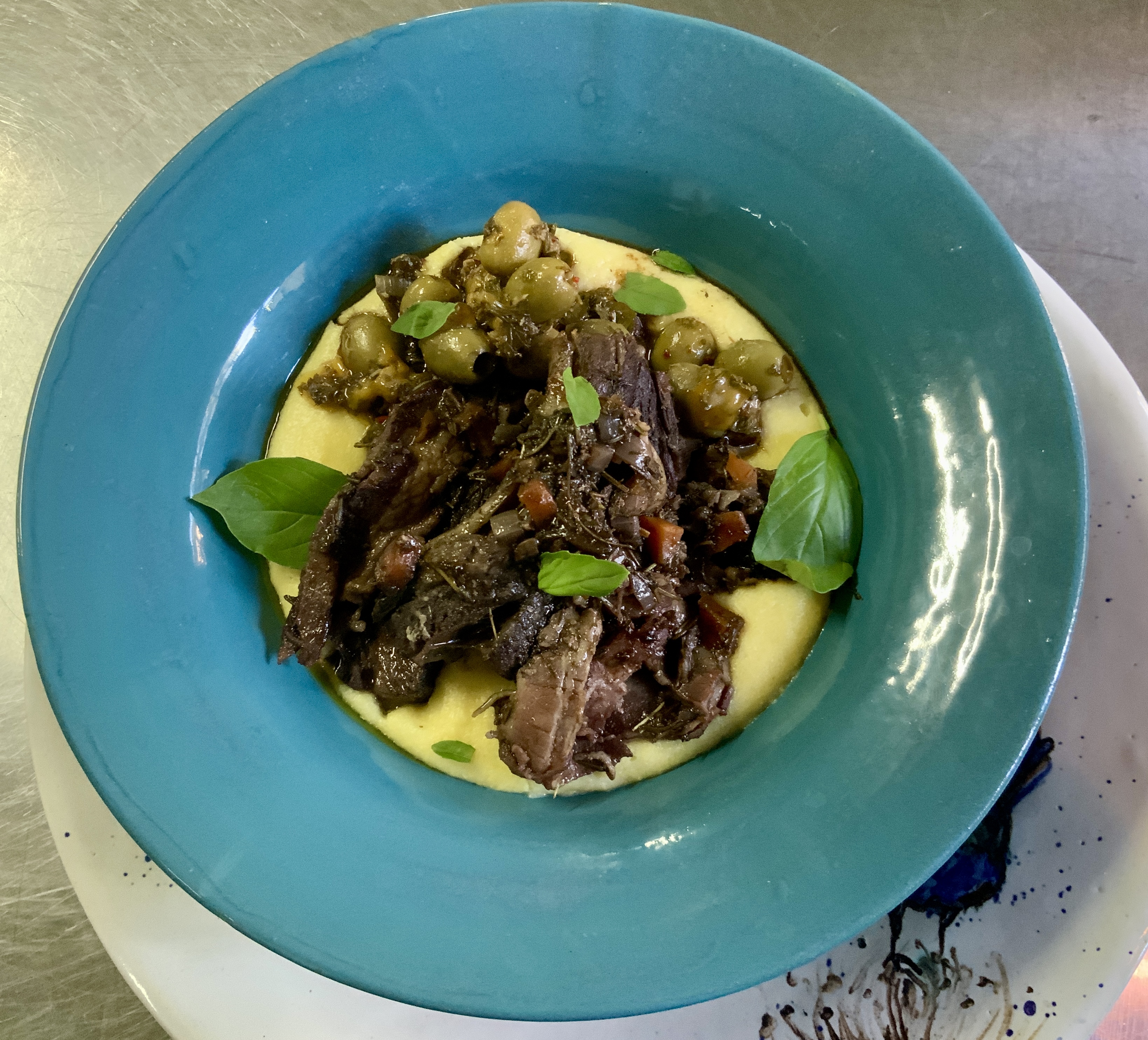
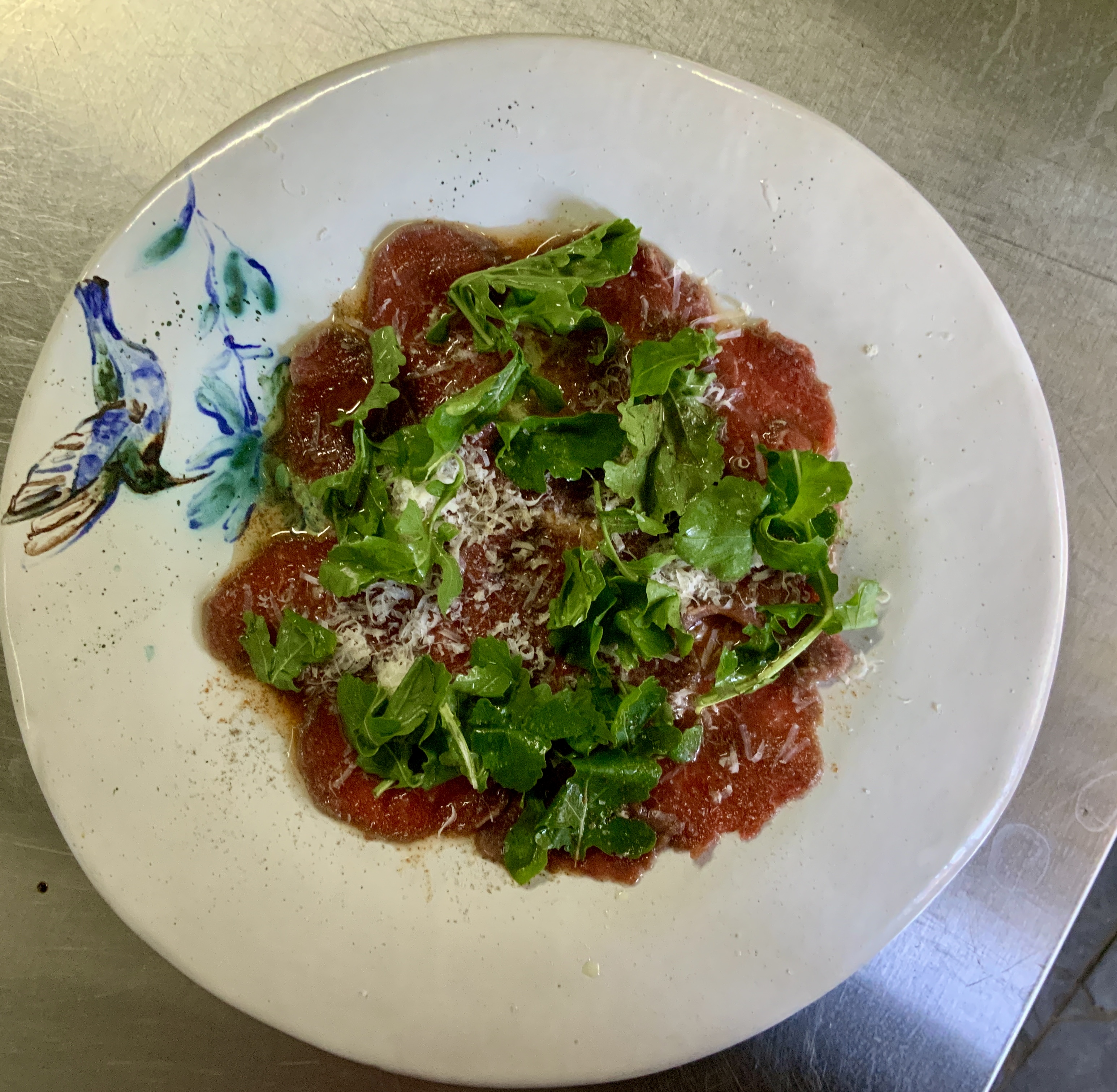
Rooibok carpaccio with Grano Padano (similar to Parmigiano but produced by monks a 1000 years ago), Baobab craft truffle spheres and a prickly pear purée (fossilised seeds more than 7 000 years old found in Mexico) was plated so artistically, I hated spoiling the picture, but it was one of my favourites. The combinations simply sang exquisitely.

If  I mention favourite, every new dish, brought yet another truffle extravagance, so to reflect about the best is a senseless endeavour. It was the complete table that underlined the excellence and excitement of the night.

A taco with a cashew parsley paste filled with date and spiced honey butter  (truffle enhanced) topped with charred mielies (which emerged at the dawn of human agriculture about 10 000 years ago) followed by the eland fillet topped with greens and Kremetart mustard (which Helga exclaimed with enthusiasm as “next level” and I agree fully). The oldest Kremetart tree -or Baobab – has been dated as at least 1 800 years old.  And how clever of her to add that to the dish which was further bolstered by a pap and queso sauce with truffle.

It sounds like much too much, but it was a tasting menu magnificently paired by the affable Gavin van Zyl who I had previously always met in his barista capacity. But on this night he was the main chef guiding the students from the thriving Capital Hotel School as his assistants. He was also assisted by chef Paula Wilson, someone who has a deep passion for food – the eating of it, the cooking of it and exploring different flavours, textures and cuisines.

Gavin was also responsible for the adventurous wines paired spectacularly with every course.

His choices were done by memory because he had to make them without tasting the food, yet knowing the menu. “For me, the challenge was to get people to think about what they were tasting before and after tasting the wine – and vice-versa,” he says. And he did this excellently with a marvellous selection .

Bonbons made with Ethical Eats cacao with 25g truffle each served with French cognac

The atmosphere was magnifique, the company foodies all, and the extended evening slipped by languorously.

I had a taste of the ancient potato (have to include that when talking ancient produce) pudding with a nutty Cacao drizzle and truffle as well as the most exquisite truffle BonBons served with Dubouché French Cognac again outside around the fire to complete the full circle that the Mustérion evening represented.

It is the extraordinary vision of Nita and Helga, the way their scientific minds work, what they have developed and achieved in such a short time and perhaps most importantly, they are always at play. And that is what I found most contagious – and joyful.