THE MESMERISING WONDROUS LIFE OF PI

Review by DIANE DE BEER:

It all happens on stage with all the bells and whistles . Credit: Johan Persson

LIFE OF PI BY YAN MARTEL ADAPTED BY LOLITA CHAKRABARTI

Director: Max Webster

Cast: Hiran Abeysekera and the magnificent puppets

Set and Costume Designer: Tom Hatley

Puppet and Movement Director: Finn Caldwell

Puppetry Designers: Nick Barnes and Finn Caldwell

Lighting Designer: Tim Lutkin

Sound Design: Carolyn Downing

Composer: Andrew T Mackay

Scheduled screenings on 27 August at 2.30, and on 30 and 31 August at 5.30, but check your area for loadshedding, when screening times might change.

Halfway through the filmed version of this spectacular West End play, the director, designer and writer (who adapted the book) have a short chat about the play and how it all began. For the writer it was about the story, finding all the important bits and pulling them together for the stage version. For the director, it was about what could work on stage and how to do it. And for the designer it all began with the Richard Parker, the tiger.

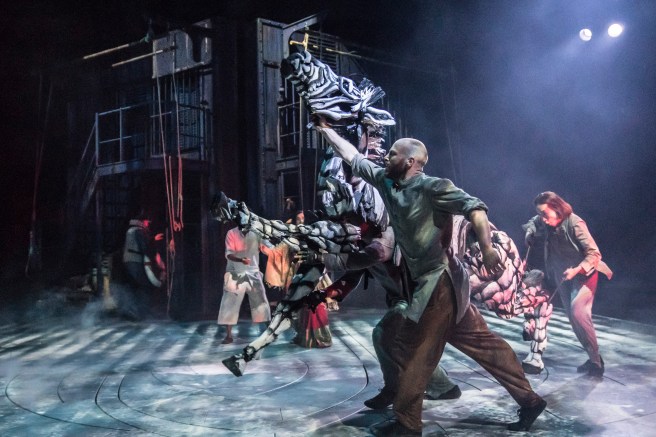
Life of Pi imagined in spectacular style. Credit: Johan Persson

Anyone who has read the book and now sees the filmed play will know that this is where the struggle on every level is centred and, once they got that right, it was all systems go. And that’s no small thing. I counted seven puppeteers just for the tiger. It’s simply spectacular – the design, the puppets, the lighting, the video and the sound. That’s why I listed all the names in the credits. It’s a production with all the bells and whistles and yet it holds the heart of the story with the performances by Abeysekera and the animals that come to life.

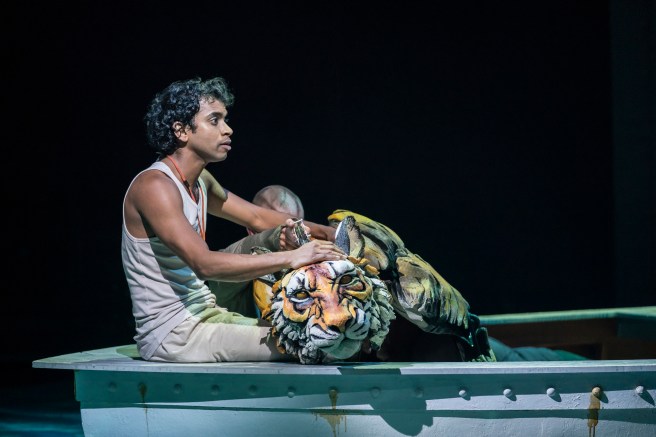
Seven puppeteers are listed in the credits just for the tiger. Credit: Johan Persson

It’s clear that imagination was the key requirement for this fantastic book, which tells the story of a 16-year-old boy named Pi who is stranded on a lifeboat in the middle of the ocean with four other survivors – a hyena, a zebra, an orangutan and a Royal Bengal tiger.

We know he has made it because he is telling the story to two scientific types, the one sympathetic, the other a sceptic.

Hiran Abeysekera as Pi with one of his companions, a zebra. Credit: Johan Persson

But the wizardry of the play is all achieved by the magical approach and manner of telling and showing the marvellous Mantel story with no missteps. And although just the set is enough as it moves and rises and changes form to overwhelm the story, everything holds together in the way it should with Pi and his animal friends taking centre stage.

The experience is mesmerising and the two and a half hours flies by as Pi cajoles and cunningly sweet talks and outsmarts his sometimes ferocious and reluctant companions. It’s a kind of Alice-in- Wonderland adventure yet perhaps with a touch more reality than wonder, even if that is always present.

The determination of Pi to achieve his destiny draws you into both his pain and pleasure and this journey, keeping in mind that is after all a stage play, is all about the overwhelming power of theatre when done this magnificently.

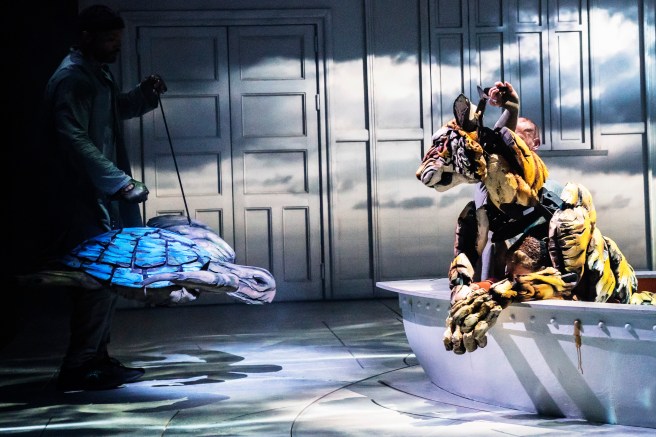
Pi in conversation with Richard Parker, the tiger. Credit: Johan Persson

I have to admit, I think Pi and his friend Richard Parker and their struggle for survival have everything to do with it!

The NT Live experience is an expensive exercise but you are seeing some of the best theatre experiences the world has to offer. If that’s your gig, don’t think twice.

Bookings at Ster Kinekor: Rosebank Nouveau in Johannesburg, Ster-Kinekor Brooklyn in Pretoria, Ster-Kinekor V&A Waterfront in Cape Town and Ster-Kinekor Gateway in Umhlanga.

BARBIE’S SWEETNESS WITH SASS AND MISSION IMPOSSIBLE’S HIGH-VOLTAGE ACTION ADD NECESSARY VERSATILITY TO CINEMA SCREENS

Two very different movies have been drawing in the crowds with boasting admirers and detractors. DIANE DE BEER finds merit in both: the delightful Barbie as well as the Tom Cruise action extravaganza Mission: ImpossibleDead Reckoning Part One

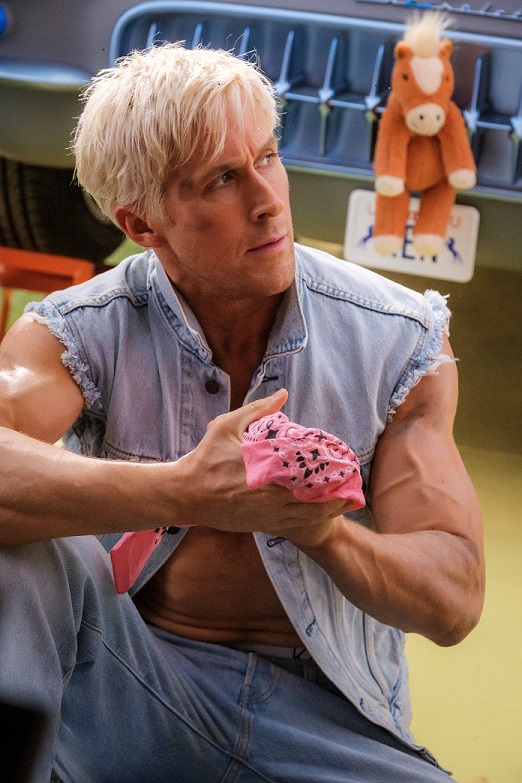
Two very different heroes: Margo Robbie as Barbie and Tom Cruise as Ethan Hunt in the latest Mission Impossible

BARBIE

DIRECTOR: Greta Gerwig

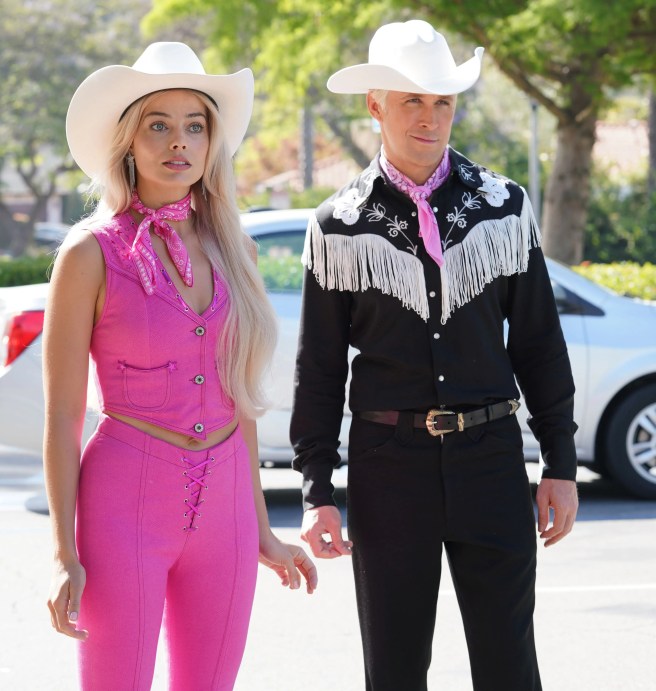
CAST: Margot Robbie and Ryan Gosling as Barbie and Ken

Barbie dolls were not my thing as a little girl. What got me wanting to see the film was the choice of director Greta Gerwig. She was first approached by Margot Robbie to write the script

And it wasn’t that I was such a fan of her most recent movie, the latest version of Little Women (which I thought had more appeal for a younger generation not yet familiar with a filmed version), it was because I thought (with Lady Bird in mind) that her take on the Barbie phenomenon would be sassy and smart.

The Perfect Pair

As a modern woman/filmmaker/scriptwriter, she would have to perform quite a dance to get this one right. With her and her partner, filmmaker/scriptwriter Noah Baumbach writing the script together about something which has become a painfully idealistic pinup of a doll, it would be intriguing.

Also, she has been vocal about accepting Robbie’s invitation to direct and that she wouldn’t have become involved with any other version.

She doesn’t disappoint. Starting with the script, the approach was incredibly inventive as they deconstruct the imposed vision to illustrate the unsustainability of that Barbie if the original version was the course you would keep following.

It might have worked in its time (and they did make concessions like a space Barbie before real women were allowed to have their own credit cards, as Gerwig notes in another interview), but today’s young Barbie’s potential followers would need a different take – and that’s exactly what Gerwig has given them.

It’s a smart, good-looking, entertaining and educational film with the only perfection they go for in the genius casting of its two lead actors, Robbie and Gosling.

Anyone who has seen Gosling’s Lars and the Real Girl will know that he has comedic chops and Robbie is a no-brainer who not only looks the part but also saw the possibilities of Barbie. She made all the right moves both on the production and the performance sides.

If anything, they could have pushed it even more in every aspect, but that’s just me. It is a perfect vehicle to set Barbie on the fast track with the latest target generation. And that is probably why Martell is happy to take any criticism of the original Barbie.

She’s been set up to take on the world once again.

MISSION: IMPOSSIBLE – DEAD RECKONING PART ONE:

DIRECTOR: Christopher McQuarrie

CAST: Tom Cruise as the hero; Esai Morales as evil personified; and a list of fabulous women all holding their own

It was evident very soon into the film that my partner and I had come to the cinema with very different expectations: he was looking for content and substance that has never been part of the series even though he was the better target for the movie; and I had no expectations but to have fun, giggle at the silliness of the script, and hang on to my seat during all the fast-paced action, which we have all seen in some form or another before, yet heightened here to the nth degree.

And this was only Part One. Apparently, the filmmakers say Part Two will be better.

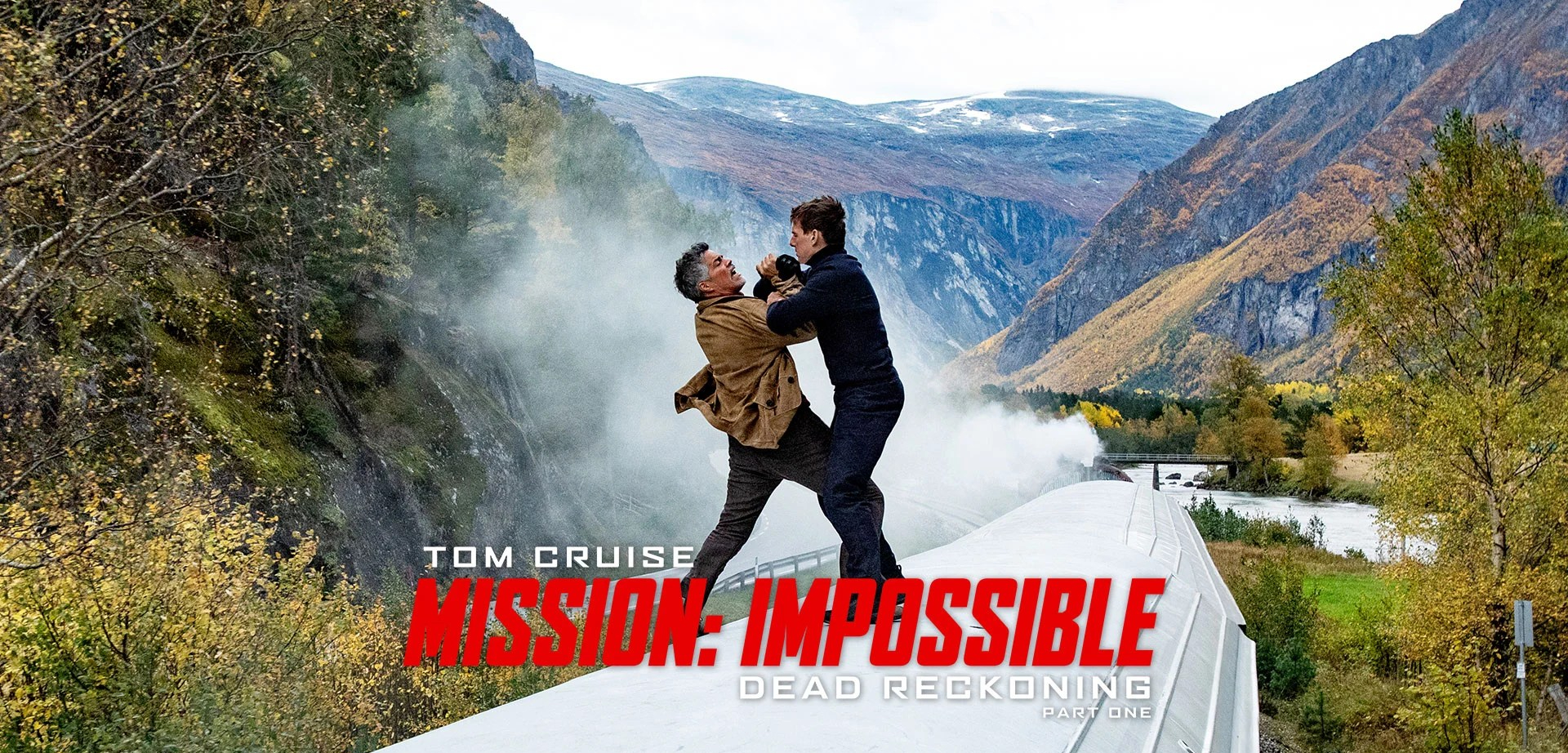
Tom Cruise as Ethan Hunt who is always on the run … to or from danger.

Is Tom Cruise ageing? Of course he is, like all our action heroes. I mention Harrison Ford as another example. And the list goes on. But as long as they still draw the crowds, they will keep reprising the roles.

And once you get beyond the age-defying make-overs, it’s all systems go. Cruise is long  past having to prove his acting skills. This is not the focus here. This is where he jumps on a motorbike and races to the edge of a majestic mountain cliff where he takes off and safely lands on a fast moving train with the help of a parachute. If you haven’t heard yet, he does his own stunts.

One of the many impressive stunt sequences.

And these are truly magnificent. It’s hair raising and huge fun to watch if you’re willing to let go and embrace this for what it is. If not, it’s not your movie. The plot can become laborious and the dialogue often incomprehensible, but it doesn’t matter.

Some like it, others don’t. The approach of the viewer matters. Cartoon by Dries de Beer aka Fatman as part of A Man and his Dog series.

It’s also a movie of which one doesn’t want to reveal any of the laughs or the high-voltage action. You need to go in cold, sit back, exhale and have a blast. That’s all this is about.

 It’s no more than a caper. That’s all you get, escapism deluxe.

THE RISE AND FALL OF PHYSICIST OPPENHEIMER FROM HERO TO HINTS OF BEING A SPY AND TRAITOR

DIANE DE BEER

The stars of Oppenheimer, director Christopher Nolan and Cillian Murphy in the title role

OPPENHEIMER

DIRECTOR: Christopher Nolan

CAST: Cillian Murphy, Emily Blunt, Matt Damon, Robert Downey JR, Florence Pugh, Josh Hartnett, Casey Affleck, with Rami Malek and Kenneth Branagh

VENUES: Check the IMAX cinemas in your vicinity

It’s been quite a happening at cinemas around the country (and I think the rest of the world.) It’s even been given a name – Barbenheimer. That refers to the two new movies recently opening on circuit, Oppenheimer and Barbie.

And yes, they couldn’t be more different but for some reason they have both gripped the imagination of cinema goers. Having just seen Oppenheimer, I can see why. Barbie is a more obvious box office hit because apart from a particular phenomenon, the producers have embraced a huge audience with the choice of Greta Gerwig who is regarded as one of the smartest young directors around.
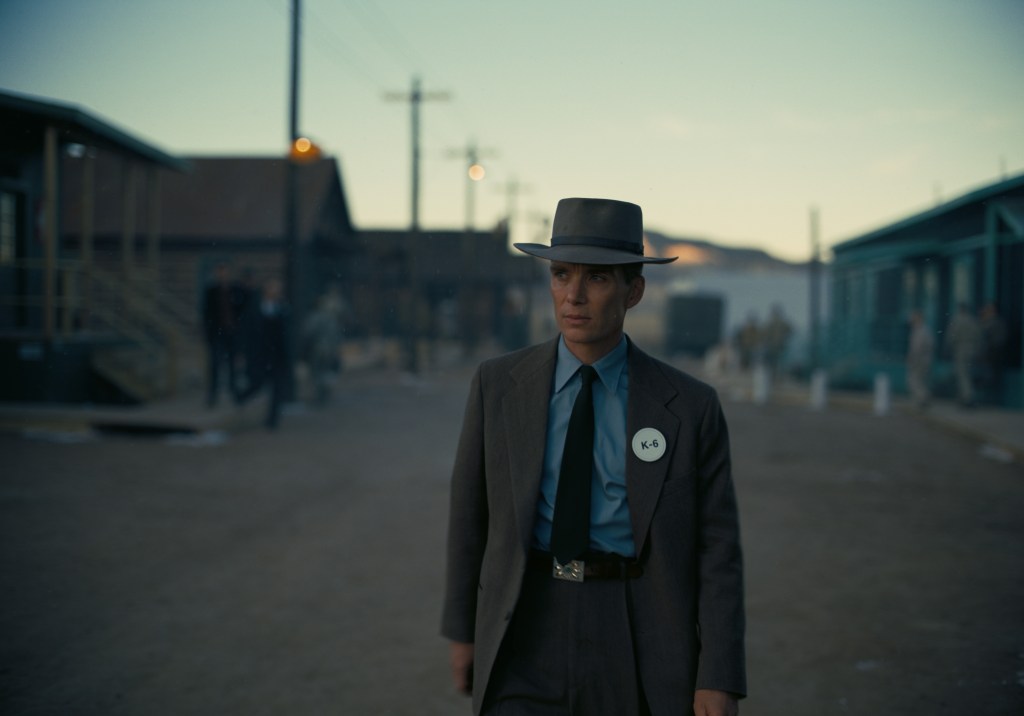
Cillian Murphy is brilliant as Robert Oppenheimer.

Oppenheimer is the one that interested me first and perhaps as much because of the hype but also the director Christopher Nolan. And this was to me the biggest surprise.

In short, the film focusses on physicist Robert Oppenheimer, the man leading, cajoling, inspiring the scientists taking part in the top-secret Manhattan Project where years were spent developing and designing the first atomic bomb. What makes this so fascinating is that the film deals with the man who lead the team rather than spotlighting the bomb and how that was developed.

But also, Nolan’s approach caught me by surprise. There are challenges which includes the length of the movie which is three hours. That’s quite an investment – but take it.

Cillian Murphy and Frances Pugh in the roles of Robert Oppenheimer and his passion Jean Tatlock

More even than the facts surrounding the film, it is the film itself and how it was made that truly knocked me sideways. Sometimes the frames move so fast that one conversation moves to a few destinations in one sentence. And it happens seamlessly.

Nolan must have done a ton of work before filming even started. Every frame is a small artwork and the whole rushes by without time being an issue. It’s magnificent.

It’s also a huge bonus if you could see it in an IMAX because of the way it plays with the enormity of the first atom bomb , the explosion and the sound that all of that will produce. But everything with the emphasis on the enormity of the event and how it will reverberate through time. Robert Oppenheimer was always aware that once the first atom bomb was exploded you couldn’t turn back. That would be the start of the biggest arms race …

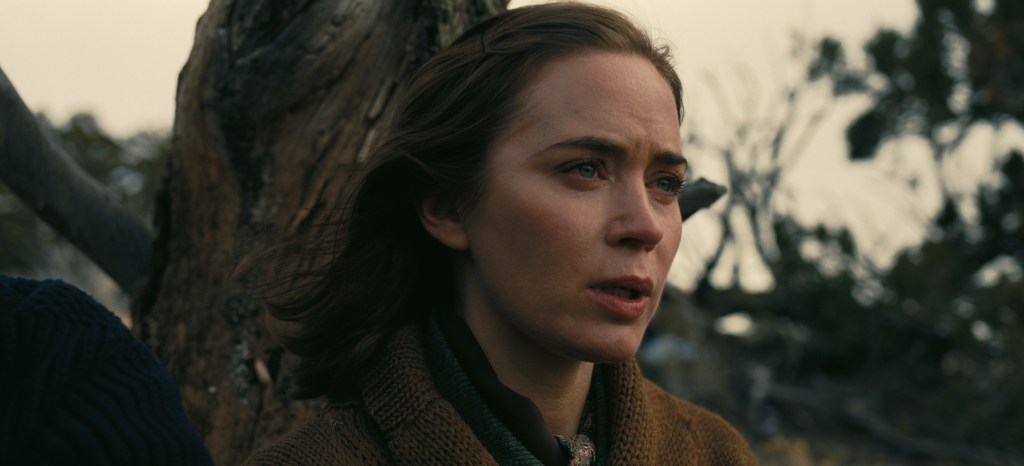
Emily Blunt as Oppenheimer’s wife

And think of current atomic threats in the hands of leaders many take seriously.

But also what draws the crowd I think is a spectacular cast starting with Cillian Murphy as Oppenheimer. Not only does he look like the real man, he embodies him in every nuance of his movements and thoughts. It has Oscar written all over it as he holds you in the palm of his hand throughout. Oppenheimer was a maverick, an outsider but also someone who initially liked the celebrity that came with his success of exploding the first bomb – until he didn’t. And that’s where the performance holds sway, a man with many sides and shades. Murphy captures all of that.

Cillian Murphy as Oppenheimer watching the first explosion

The supporting cast is no less impressive. Robert Downey Jr plays the protagonist Lewis Strauss, Matt Damon the general, Leslie Groves (and I was again reminded of his strong acting ability) and there’s Rami Malek, Jack Quaid and Josh Hartnett, as well as Emily Blunt as Oppenheimer’s wife and Florence Pugh as his passion Jean Tatlock. Tom Conti does a glorious turn as Einstein, an inspired choice, but then all of them are. And the film needed that.

I could go on and on but rather see it. It was a wonderful unexpected magnificent experience because of a director who told the story with such a good hold on all the larger themes and did it in a way that was so deliciously creative.

SPAIN’S CONTRIBUTION, THE BIG BOSS, IS YET ANOTHER TOUR DE FORCE FOR JAVIER BARDEM

Each year, The European Film Festival is one of the movie highlights of the year – and this time is no different running between October 13 and 23. Here is a short review by DIANE DE BEER on one of the films:

THE GOOD BOSS

SPAIN

Director: Fernando León de Aranoa

Cast: Javier Bardem, Manolo Solo, Almudena Amor

Genre: Comedy Drama

Time: 116 minutes

Spanish with English subtitles – 2021

Javier Bardem is one of those actors always worth watching. Not only does he pick his projects well, but his acting prowess is astonishing.

It’s especially when he is not the hero that all his instincts seem to kick in as he taps into even the darkest soul he has to portray.

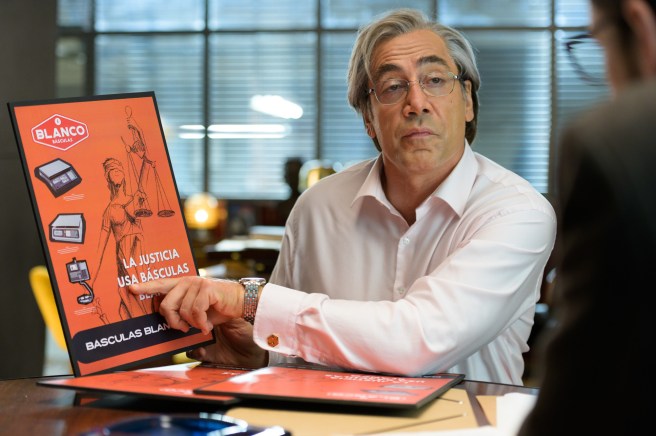
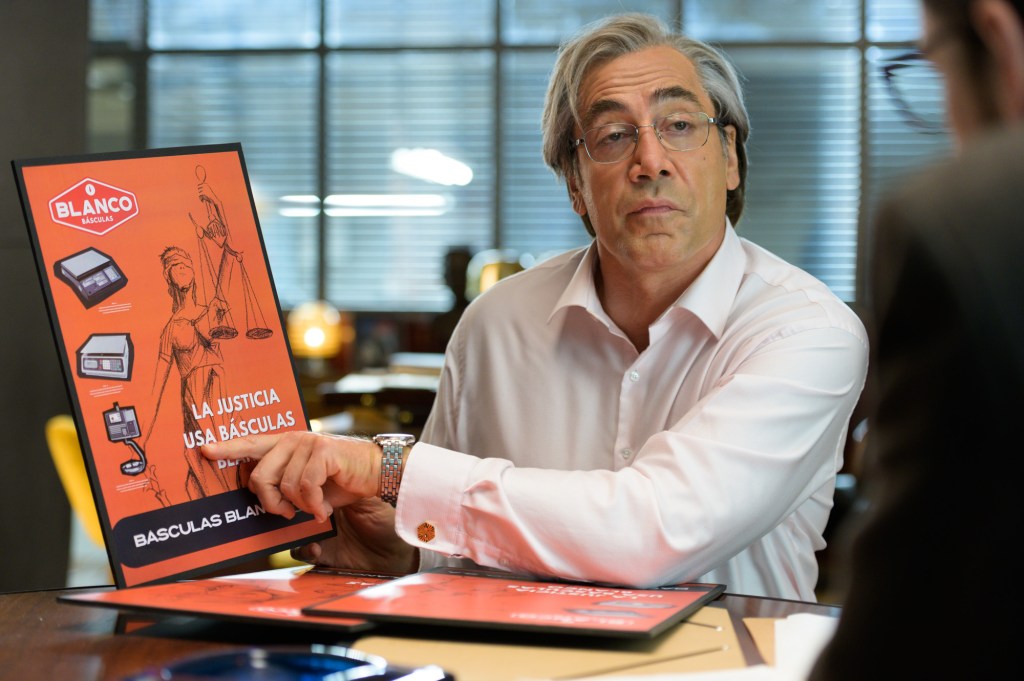
The look says it all.

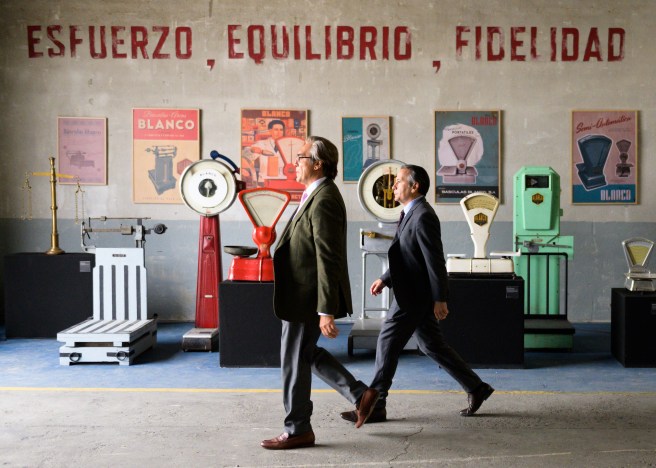
As the title of this one suggests, he is anything but The Good Boss and again, few of us as employees would not recognise this manipulating, truly wily, yet awful human being. He is only concerned with his own well-being and whatever serves his personal needs.

That’s why his downfall is so delightful to experience especially in the capable hands of Bardem, who plays the smarmy owner of a family-run factory. If you need further persuasion, the film scooped a record-breaking 20 nominations at the 36th Spanish Goya Film Awards, winning 6 (Best Picture, Best Director, Best Actor, Best Original Screenplay, Best Score and Best Editing).

It was also the Spanish entry for Best International Feature Film at the 94th Academy Awards.

PLAYGROUND SHINES A LIGHT ON SCHOOL BULLYING WITH A STORY THAT FEATURES ACTING BRILLIANCE

Each year, The European Film Festival is one of the movie highlights of the year – and this time is no different running between October 13 and 23. Here is a short review by DIANE DE BEER on one of the films:

PLAYGROUND

BELGIUM

Director: Laura Wandel

Cast: Maya Vanderbeque, Günter Duret, Lena Girard Voss, Karim Leklou, Laura Verlinden

Genre: Drama Time: 72 minutes

French with English subtitles – 2021

Even if you were never bullied in school, all of us have been witness to something like that in our lives. Take Donald Trump for example, his whole existence is thanks to bullying, not an easy thing to watch even from afar.

But the title of this one says it all, and again, it is the way the young people deal with what is given to them that is captured so brilliantly.

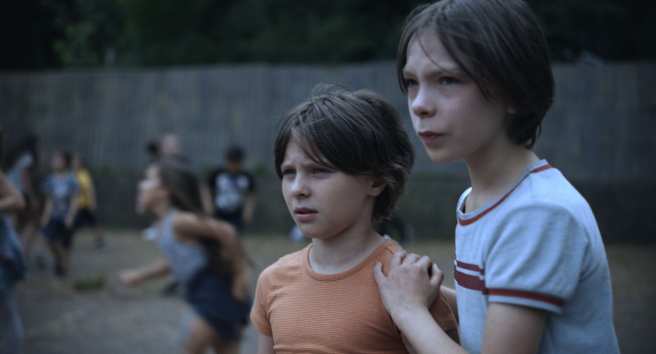
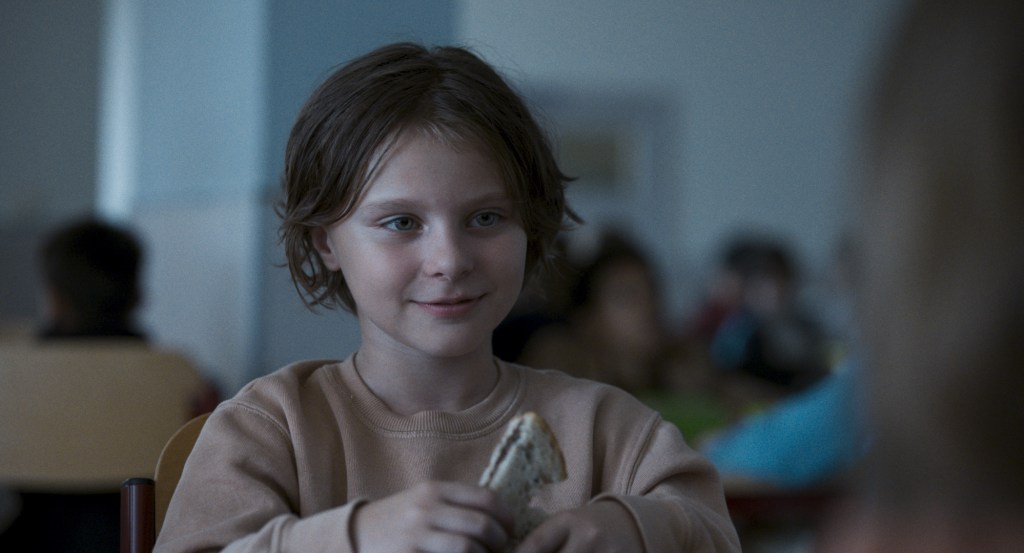
We all know and understand the impact of abuse during your younger years, on the rest of your life. When seven-year-old Nora witnesses the bullying her older brother Abel has to endure at school, she rushes to help out. But he persuades her not to tell anyone.

She is still trying to adapt to school herself and this is something that she finds quite unbearable – that and the subtle bullying that is happening amongst her own circle of new acquaintances.

It’s a hugely emotional film with the camera rigged at Nora’s height so that we are really pulled into the centre of her storm.

It’s also the inability of doing the right thing on every level. The sensitive teacher isn’t always around at the right time, and when they are, the problem is much easier to deal with – and yet when away from the adults, is when the pressure comes into play.

This is a fantastic opportunity to catch up on many of the best movies from Europe of the past year. For details on all the films and how to watch visit www.eurofilmfest.co.za

PETITE MAMAN DELVES INTO THE HEARTACHE OF THE YOUNG WHEN THEY’RE DEALING WITH GRIEF

Each year, The European Film Festival is one of the movie highlights of the year – and this time is no different running between October 13 and 23. Here is a short review by DIANE DE BEER on one of the films:

PETITE MAMAN

 FRANCE

Director: Céline Sciamma

Cast: Gabrielle Sanz, Joséphine Sanz, Nina Meurisse, Margot Abascal, Stéphane Varupenne

Genre: Drama, Coming-of-age

Time: 72 minutes 

French with English subtitles – 2021

Children feature strongly in this haunting, beautifully told story about a child’s perception of loss. Nelly has lost her beloved grandmother and is helping her parents clear out her mother’s childhood home. She explores and discovers both the house and the surrounding woods where her mom, Marion, used to play and built a treehouse Nelly has often heard about.

Then suddenly, out of the blue, her mother leaves and that is when Nelly meets a girl her own age building her own treehouse and named Marion.

It’s a film that explores specifically the world of children, how they are affected by what is happening in the world around them, how adults deal with them and how they cope with feelings that are way beyond their tender years.

The two young actresses are superb and add another dimension to the film, which is tenderly made and sensitively unfolds.

It is not a children’s movie, but it is very much about their lives, they way they digest what is given to them by the adults who run their little lives and how they make sense of things they don’t understand.

This is a fantastic opportunity to catch up on many of the best movies from Europe of the past year. For details on all the films and how to watch visit www.eurofilmfest.co.za

OLGA IS A GRITTY FILM WITH BEATING HEART

Each year, The European Film Festival is one of the movie highlights of the year – and this time is no different running between October 13 and 23. Here is a short review by DIANE DE BEER on one of the films:

OLGA

(SWITZERLAND)

 Director: Elie Grappe

Cast: Nastya Budiashkina, Sabrina Rubtsova, Jérôme Martin

Genre: Drama, Coming of Age

Time: 85 minutes

French, Russian, Ukrainian with English subtitles – 2021

Anything that comes from Ukraine has added appeal because of its harrowing circumstances for almost a decade now, resulting in the most recent horrors inflicted by Putin.

But this is not a story about that, even though there are signs of things to come. What it does capture is how these catastrophic events impact the lives of children. What should have been relatively carefree times in their young lives are clouded by what is happening on the periphery.

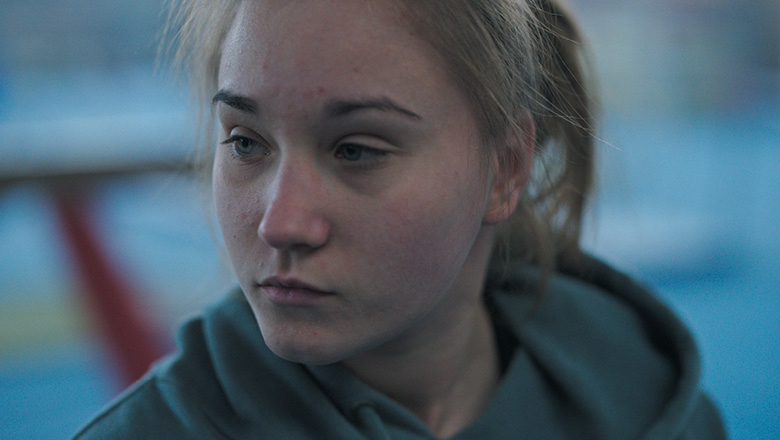
Olga is a teenage gymnast living in exile in Switzerland where she dreams of Olympic gold as she battles to fit in with her new team.

Her mom, who is a journalist, is suffering the hardship of what that means with a sudden uprising in Kiev, the forerunner of what that brave country is facing right now.

Olga is heartbroken and scared, feeling she has deserted those she cares most about while fighting for her own freedom.

It is by no means a perfect movie, but it does have added impact because of the lives it captures almost in a bubble as we know now and with hindsight. It also throws a light on these young athletes and the pressures they face as we have recently been made much more aware of with gymnasts like Simone Biles and tennis star Naomi Osaka.

This is a fantastic opportunity to catch up on many of the best movies from Europe of the past year. For details on all the films and how to watch visit www.eurofilmfest.co.za

THE EUROPEAN FILM FESTIVAL IN SOUTH AFRICA GOES HYBRID AND OFFERS FANTASTIC OPTIONS

Each year, The European Film Festival is one of the movie highlights of the year – and this time is no different running between October 13 and 23. DIANE DE BEER picks a few to highlight and expands on everything available to watch – for free:

SMALL BODY

Festival co-director Magdalene Reddy explains that they will continue to cater for viewers and followers who have become accustomed to watching films at home, while also providing for those who long to return to the cinema.  

 “This is our transitional approach of coming back to theatres gradually,” she says – and I will hold thumbs that it stays this way especially for those of us not in cities where the screenings happen.

The online screenings are free while a ticket price will be charged for the theatre screenings.  Each film will have a single screening at both Ster-Kinekor’s The Zone in Johannesburg and at The Labia in Cape Town.

 Sixteen award-winning films, eight of them by women directors, will be screened. This year’s theme, Innocence and Beyond, explores innocence not just as a legal concept, but also as a human quality. This includes two stand-out perspectives through the eyes of children in Petite Maman and Playground (see reviews below) with fantastic performances by the young stars.

OLGA

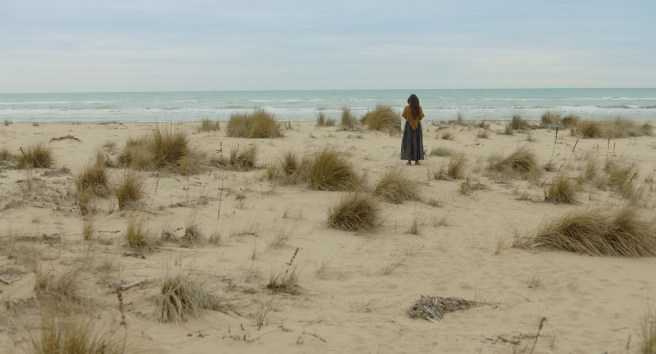
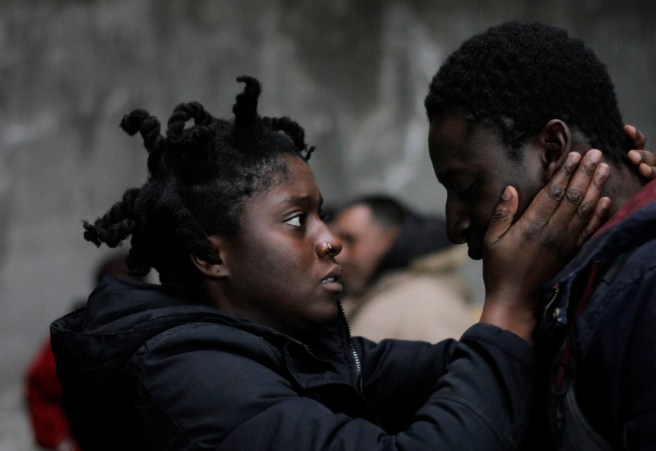
There is no set age for when loss of innocence can occur and a number of films focus on youth as they navigate the often turbulent process of growing into adults. From the Netherlands, Shariff Korver’s slow-burning psychological thriller Do Not Hesitate depicts unprepared Dutch youths thrown into the crucible of war, while Swiss film Olga, by Elie Grappe, is a tense but sensitively handled tale of exile (see review below). The riveting women-driven film Small Body is an adventure story infused with a wonderful mythological sensibility that earned Laura Samani the best new director prize at Italy’s David d’Donatello awards.

AS FAR AS I CAN WALK

How much does innocence inform a young woman’s quest for love and meaning? This is the question in Joachim Trier’s The Worst Person in the World, a Norwegian/French/Danish/Swedish co-production that earned two Oscar nominations this year.  Stefan Arsenijević’s Serbian/French/Luxembourgian/Bulgarian/Lithuanian co-production As Far As I Can Walk highlights that it’s not just securing a roof over one’s head but also the challenges of emotional and intellectual deprivation that young migrants face today.

THE EMIGRANTS

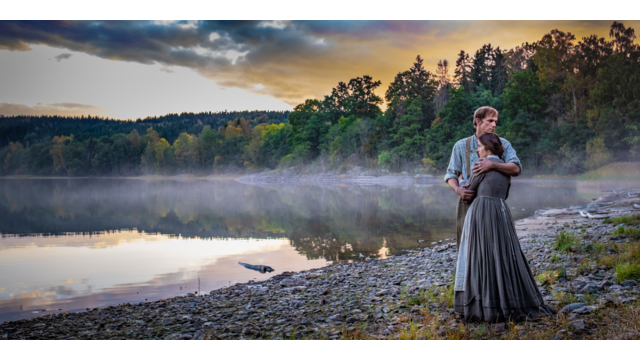
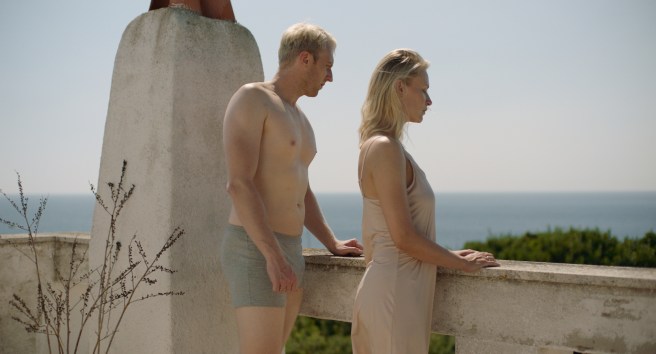
 Is innocence solely about what’s right and what’s wrong?  Sometimes it’s about what we don’t do.  Silent Land, by Poland’s Aga Woszczyńska, is a case of what the protagonists didn’t do (see review), and Erik Poppe’s Swedish film The Emigrants is an epic period drama about a poverty-stricken family who emigrate to the United States in the 1800s, told from a woman’s perspective, in a  search for a second chance in life. From the Republic of Georgia, Levan Koguashvili’s comedic Brighton 4th is a portrait of parental sacrifice and the love of a father for his son that also shows the elusiveness of the American Dream.  

THE GOOD BOSS

 Ali and Ava, written and directed by one of the UK’s most distinctive cinematic voices, Clio Barnard, is about a couple from different cultural backgrounds beginning a relationship while The Good Boss, directed by Fernando León de Aranoa, is a satire about the indignities of working life, with Javier Bardem in the spotlight (see review).

Austrian Sebastian Meise’s Cannes-winner Great Freedom explores tenderness, love, lost time, and the tenacity of the human spirit while Portuguese director Catarina Vasconcelos’s unorthodox film The Metamorphosis of Birds sifts through the memories and dreams of her ancestors. The German film I’m Your Man by Maria Schrader is a spunky sci-fi dramedy that asks what humans want in relationships, and if AI beings should have rights.  

Finally, the world is again witnessing and affected by a terrible war, and innocence is an unfortunate casualty.  Director/screenwriter/editor Maryna Er Gorbach’s Ukrainian-set drama Klondike deals with the travails of parents-to-be living near the Russian border exposing the absurdity of war and how it affects those who aren’t directly involved.

This is a fantastic opportunity to catch up on many of the best movies from Europe of the past year. For details on all the films and how to watch visit www.eurofilmfest.co.za

OLGA

(SWITZERLAND)

 Director: Elie Grappe Cast: Nastya Budiashkina, Sabrina Rubtsova, Jérôme Martin Genre: Drama, Coming of Age Time: 85 minutes

French, Russian, Ukrainian with English subtitles – 2021

Anything that comes from Ukraine has added appeal because of its harrowing circumstances for almost a decade now, resulting in the most recent horrors inflicted by Putin.

But this is not a story about that, even though there are signs of things to come. What it does capture is how these catastrophic events impact the lives of children. What should have been relatively carefree times in their young lives are clouded by what is happening on the periphery.

Olga is a teenage gymnast living in exile in Switzerland where she dreams of Olympic gold as she battles to fit in with her new team.

Her mom, who is a journalist, is suffering the hardship of what that means with a sudden uprising in Kiev, the forerunner of what that brave country is facing right now.

Olga is heartbroken and scared, feeling she has deserted those she cares most about while fighting for her own freedom.

It is by no means a perfect movie, but it does have added impact because of the lives it captures almost in a bubble as we know now and with hindsight. It also throws a light on these young athletes and the pressures they face as we have recently been made much more aware of with gymnasts like Simone Biles and tennis star Naomi Osaka.

PETITE MAMAN

 FRANCE

Director: Céline Sciamma Cast: Gabrielle Sanz, Joséphine Sanz, Nina Meurisse, Margot Abascal, Stéphane Varupenne Genre: Drama, Coming-of-age Time: 72 minutes 

French with English subtitles – 2021

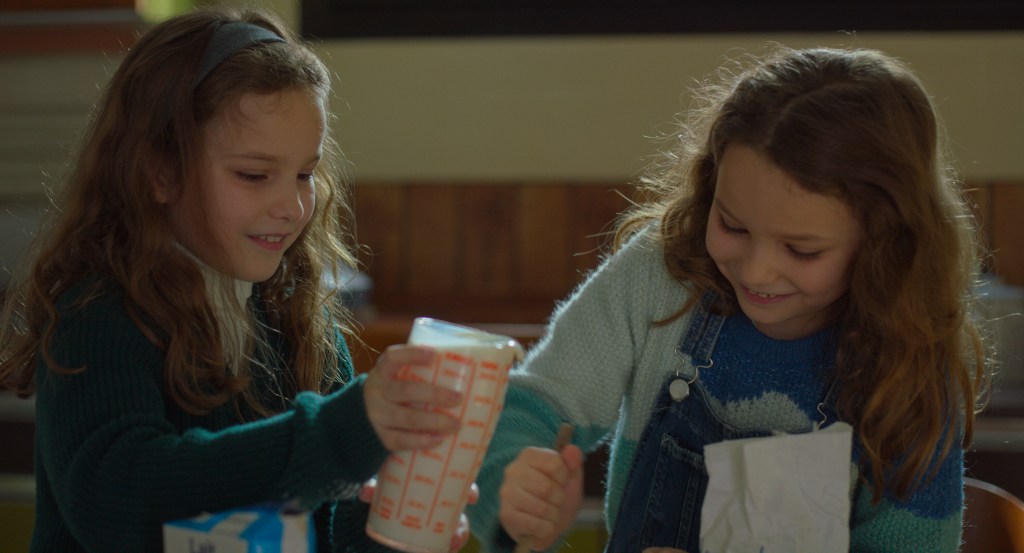
Children feature strongly in this haunting, beautifully told story about a child’s perception of loss. Nelly has lost her beloved grandmother and is helping her parents clear out her mother’s childhood home. She explores and discovers both the house and the surrounding woods where her mom, Marion, used to play and built a treehouse Nelly has often heard about.

Then suddenly, out of the blue, her mother leaves and that is when Nelly meets a girl her own age building her own treehouse and named Marion.

It’s a film that explores specifically the world of children, how they are affected by what is happening in the world around them, how adults deal with them and how they cope with feelings that are way beyond their tender years.

The two young actresses are superb and add another dimension to the film, which is tenderly made and sensitively unfolds.

It is not a children’s movie, but it is very much about their lives, they way they digest what is given to them by the adults who run their little lives and how they make sense of things they don’t understand.

PLAYGROUND

BELGIUM

Director: Laura Wandel Cast: Maya Vanderbeque, Günter Duret, Lena Girard Voss, Karim Leklou, Laura Verlinden Genre: Drama Time: 72 minutes

French with English subtitles – 2021

Even if you were never bullied in school, all of us have been witness to something like that in our lives. Take Donald Trump for example, his whole existence is thanks to bullying, not an easy thing to watch even from afar.

But the title of this one says it all, and again, it is the way the young people deal with what is given to them that is captured so brilliantly.

We all know and understand the impact of abuse during your younger years, on the rest of your life. When seven-year-old Nora witnesses the bullying her older brother Abel has to endure at school, she rushes to help out. But he persuades her not to tell anyone.

She is still trying to adapt to school herself and this is something that she finds quite unbearable – that and the subtle bullying that is happening amongst her own circle of new acquaintances.

It’s a hugely emotional film with the camera rigged at Nora’s height so that we are really pulled into the centre of her storm.

It’s also the inability of doing the right thing on every level. The sensitive teacher isn’t always around at the right time, and when they are, the problem is much easier to deal with – and yet when away from the adults, is when the pressure comes into play.

It is their lives that become the playground as Nora starts acting out because of the way she has been messed up by all these raging emotions around the problems of protecting her brother.

Astonishing acting from all the children in a story that can impact so many lives everywhere. It’s also a directorial debut for Laura Wandel and shows great promise for the future. Her filmmaking is already faultless.

SILENT LAND

POLAND

Director: Agnieszka Woszczyńska Cast: Dobromir Dymecki, Agnieszka Żulewska, Jean Marc Barr, Alma Jodorowsky, Marcello Romolo Genre: Drama Time: 113 minutes

Polish, English, French, Italian with English subtitles – 2021

Everything about this film screams art movie in the best sense of the word. It’s the setting up of the story, the young couple playing the leads, the pace or sometimes lack thereof as well as the unfolding and slightly mysterious tone of film that adds to the quality of the viewing.

I was reminded throughout of European movies seen in the past presenting a similar atmosphere and handling of character and content. There’s no spoon feeding and the substance is serious yet accessible.

Director Agnieszka Woszczyńska says it best: ‘Silent Land is not only about the collapse of a relationship, but also about the collapse of the value system in the modern world, the general indifference to reality, and social lethargy. Ultimately, it is a tale about alienation, not only from each other, but also from the world. It’s about conformity and passivity, where the need for safety and convenience is a strategy for survival.’

THE GOOD BOSS

SPAIN

Director: Fernando León de Aranoa Cast: Javier Bardem, Manolo Solo, Almudena Amor Genre: Comedy Drama Time: 116 minutes

Spanish with English subtitles – 2021

Javier Bardem is one of those actors always worth watching. Not only does he pick his projects well, but his acting prowess is astonishing.

It’s especially when he is not the hero that all his instincts seem to kick in as he taps into even the darkest soul he has to portray.

As the title of this one suggests, he is anything but The Good Boss and again, few of us as employees would not recognise this manipulating, truly wily, yet awful human being. He is only concerned with his own well-being and whatever serves his personal needs.

That’s why his downfall is so delightful to experience especially in the capable hands of Bardem, who plays the smarmy owner of a family-run factory. If you need further persuasion, the film scooped a record-breaking 20 nominations at the 36th Spanish Goya Film Awards, winning 6 (Best Picture, Best Director, Best Actor, Best Original Screenplay, Best Score and Best Editing). It was also the Spanish entry for Best International Feature Film at the 94th Academy Awards

LOCAL MUSIC SHOULD MAKE OUR WORLD GO ROUND AND EVERYONE SHOULD BE PAYING ATTENTION

It was almost luck that I got to catch two musical documentaries at the recent Silwerskerm Fees. Musical prophet Danie Marais pointed the way and it was an extraordinary morning of two remarkable musical documents anyone interested in local music should try to see. Sadly, even at this festival, the attendance for these two searing films on the way music is used and abused was dismal – not even the local press seemed interested. DIANE DE BEER reviews and reveals more about MUTANT and DIE ONGETEMDE STEM:

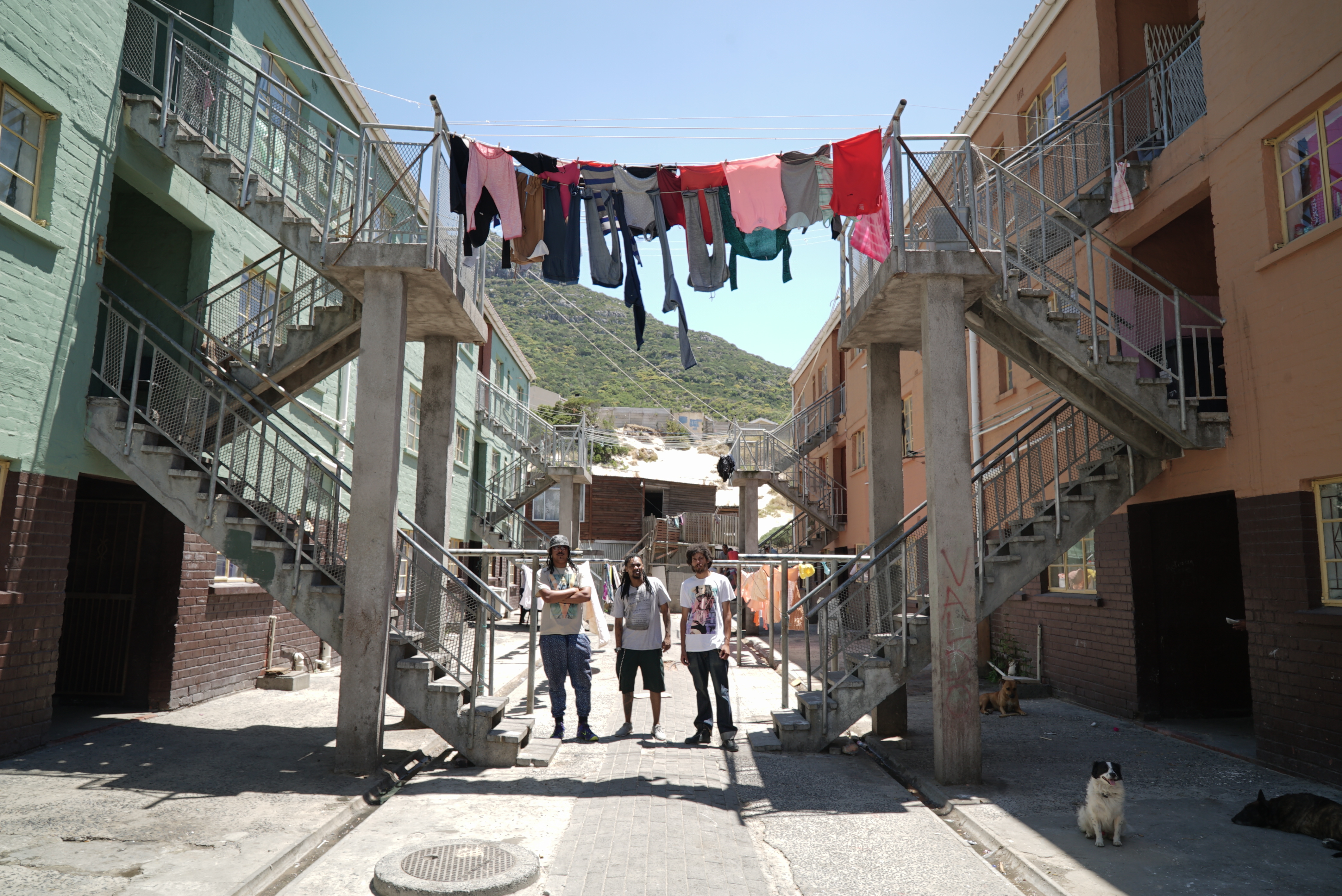
Mutant pictures: Christian Imraan

Die Ongetemde Stem pictures: screen grabs

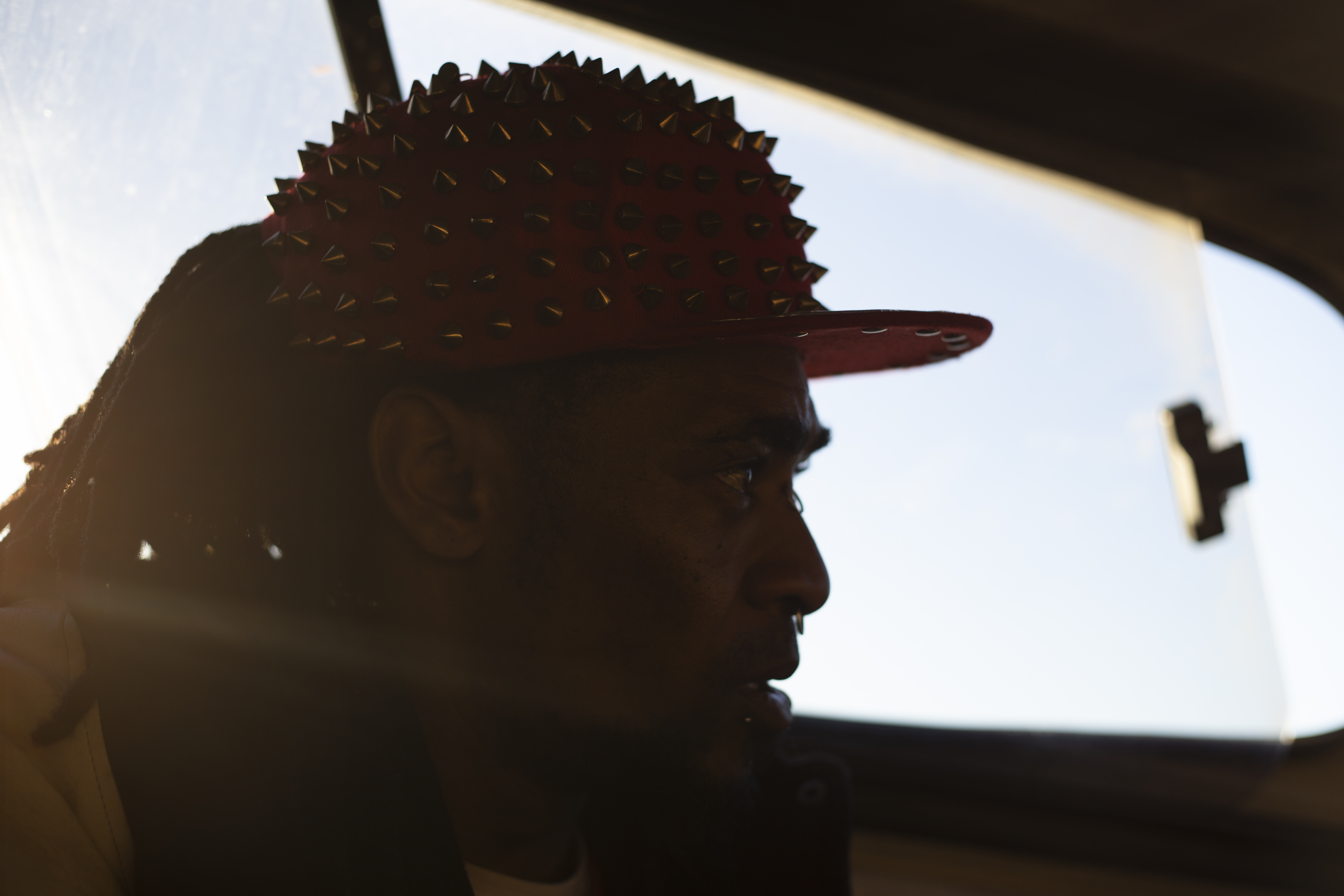
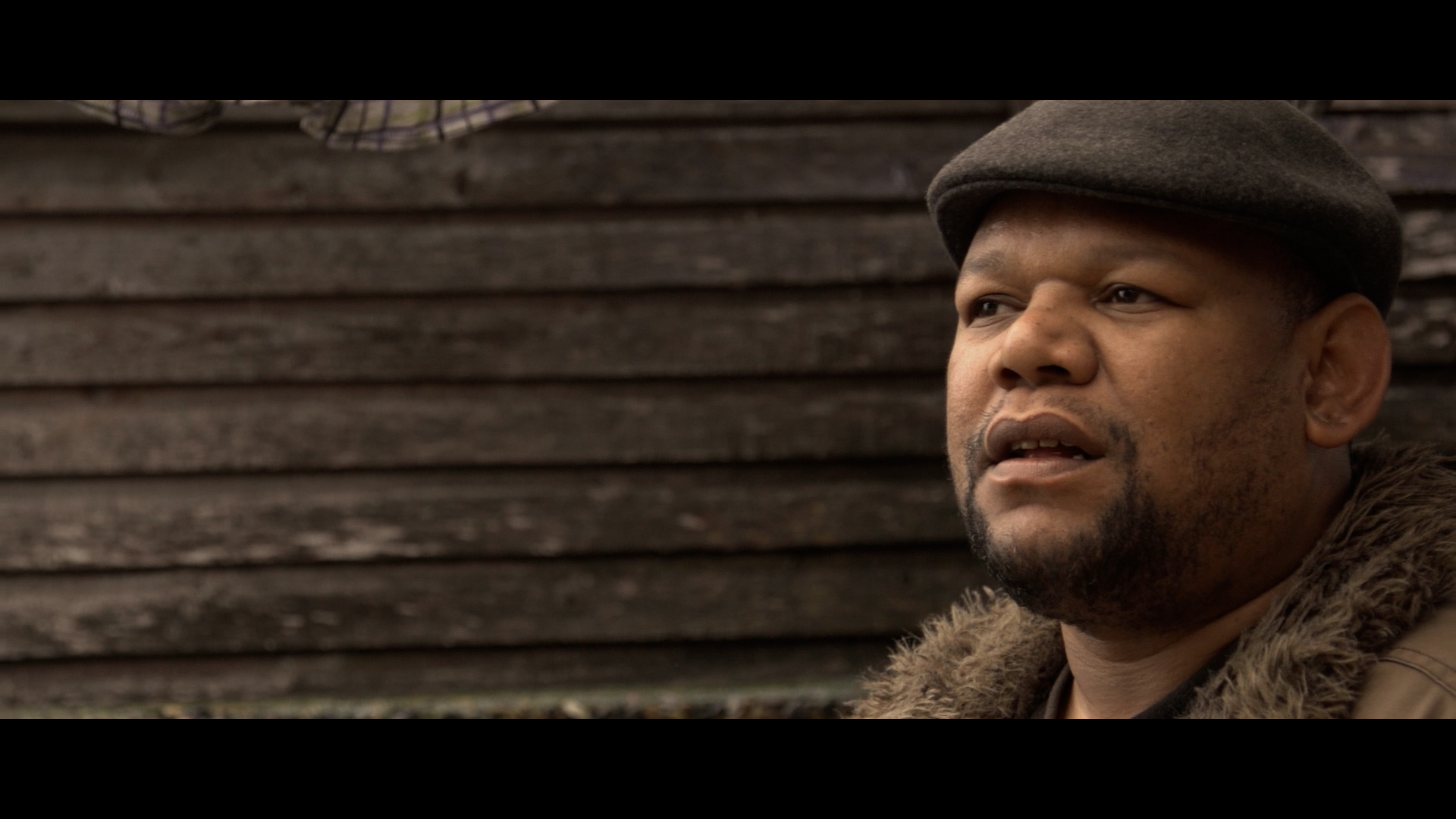
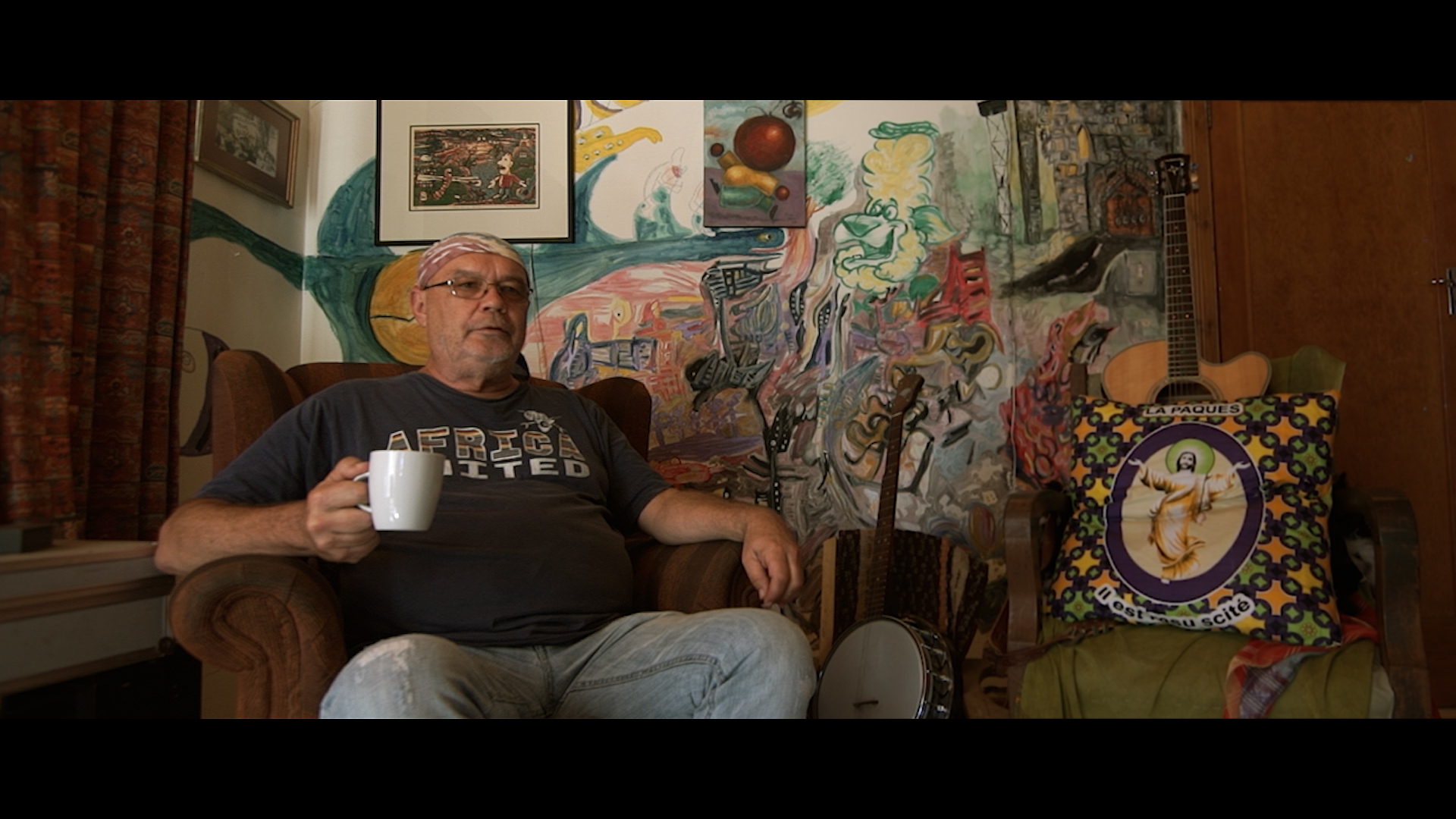
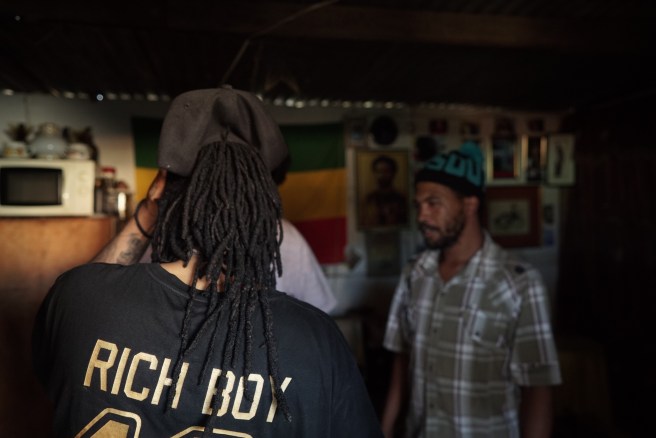
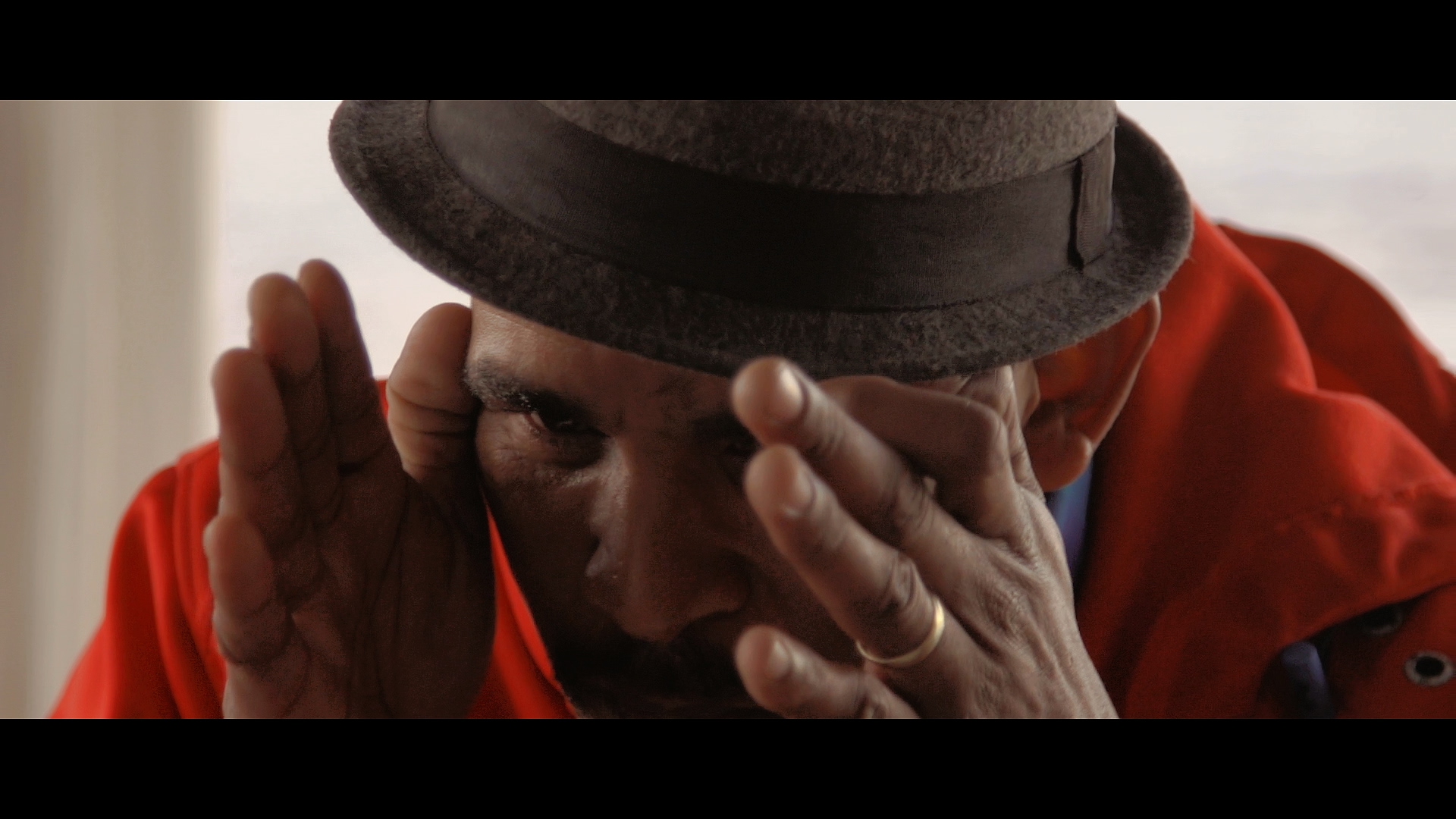
Mutant (directed and conceived by Lebogang Rasethaba and Nthato Mokgato) isn’t for the fainthearted. The Festival guide describes it as an intimate portrait of one of South Africa’s most outspoken and controversial artists and the turbulent, dangerous world he lives in.

I’m not in a position to dispute that, but I was gripped from beginning to end by what is described as an exploration of the rapper Isaac Mutant’s roots in the notorious violence-stricken Cape Flats of Cape Town, as well as his current situation.

This is an activist with a voice, articulate and angry yet reasoned when he explains that while he hates white people, he doesn’t want to kill them. “I just want to live or I would be like the evils I’m trying to fight.”

And he is coming from his reality, living in what he describes as “freedom” in a shack on Hangberg with the affluent Hout Bay and the harbour staring him in the face.

“I just want to live and I suppose everyone just wants to live,” he reinforces.

Still living in a country where apartheid determines lives, Isaac was directed by his sister, who saw him struggling with his anger, to turn to music. “Vent your anger into music,” and while many of his peers describe his lyrics as “hitting the nail too hard”, this is someone who is commenting on the life he lives and the one he experiences every day.

With his music he informs, he speaks his mind; and if democracy isn’t there to protect and nourish at least those dreams, what is the struggle for?

As another artist remarks, she doesn’t necessarily agree with what he is saying, but she admires Mutant for speaking his mind. Agreed!

And for those far removed from this world, it is an education, perhaps a harsh one, but in the separated worlds we still live in today, it’s invaluable. Are we just going to push people who are suffering away and hope the problem resolves itself, or do we at least engage and listen and hopefully understand and embrace?

As a representative for farmworkers explains: When one farmer dies, the world takes notice, but the deaths of farmworkers on a weekly basis are ignored. “Whose life is more valuable?” she asks.

 And that is what Isaac Mutant is fighting for. He might say things that those of us who are privileged don’t want to hear, but the least we can do is listen.

Isaac Mutant fighting for freedom

Or, as the man himself notes: “Let’s not talk, just give it back, give it all back. Everything that was taken away.”

We’re talking about a system which classified people along racial lines. And in those times, this mixed race man was considered black. It’s something he has identified with all his life.

But now, in this new country, he feels he is being shifted along racial lines once again. No longer is he considered black, now he has to identify as coloured.

And these are just some of the issues on the line. And the reason that Mutant has to be watched and Isaac Mutant has to be listened to.

Isaac Mutant in discussion with friends

The film is still on a festival run and has recently been  submitted to Netflix and Comcast for potential licensing deals.

The next festivals to screen it are: Blackstar Film Festival (USA); Rock This Town (France); and

Musical Ecran (France).

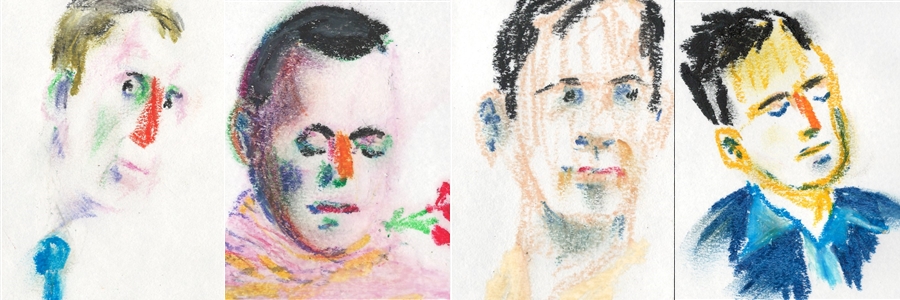
On a very different note yet with many of the same issues Die Ongetemde Stem takes a hard and uncompromising look at the Afrikaans music industry and the racial imbalances that still persist almost 30 years into our democracy.

Fraser Barry, Jolyn Phillips and Churchil Naudé, all who have been sidelined.

One would think that especially when people have a language in common, inclusion would be a given particularly  with our past. I was shocked, for example, to hear that someone like the articulate Churchil Naudé who uses his music to express particular feelings, still feels side-lined.

 Even if his music is not going to slot into some sections of Afrikaans music, that’s true of many singers, black and white, or are we still in this new  century going to judge on colour? Surely not?

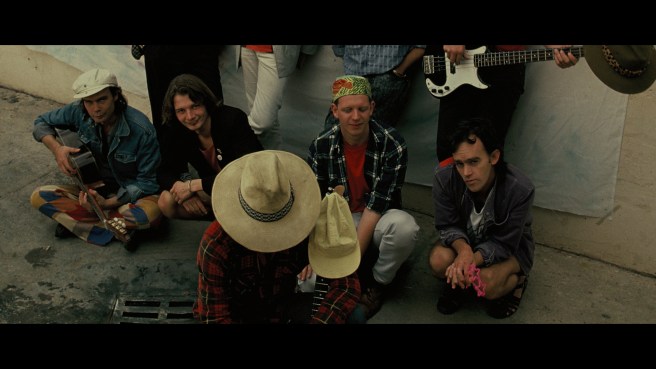
Revolutionary rockers The Gereformeerde Blues Band in their hey day.

In this new era, rapidly becoming old, everyone writing and performing in a particular language should be embraced. And as the documentary points out, this battle was fought many decades ago by Johannes Kerkorrel and the Gereformeerde Blues Band when they broke through the boundaries of traditional Afrikaans music, which was often translated from European songs and determined by a self-imposed vanguard of elders.

But let Riku Lätti tell the story: “It came to us almost completely by accident while we were busy filming interviews and live performances by a multitude of mostly, but not exclusively, Afrikaans singer-songwriters as Die Wasgoedlyn. 

“Die Wasgoedlyn was a project that originated because I realised that the Afrikaans music that I liked and the Afrikaans music that received airtime and public attention could not be further apart.  I discovered, partly by virtue of being an Afrikaans music creator myself, connected and known to many other creators of original Afrikaans music, and partly because I started the investigation, that there is a magdom (please let’s submit that word to English dictionaries) decent Afrikaans music that for the lack of a better term could be referred to as Alternatiewe Afrikaans.

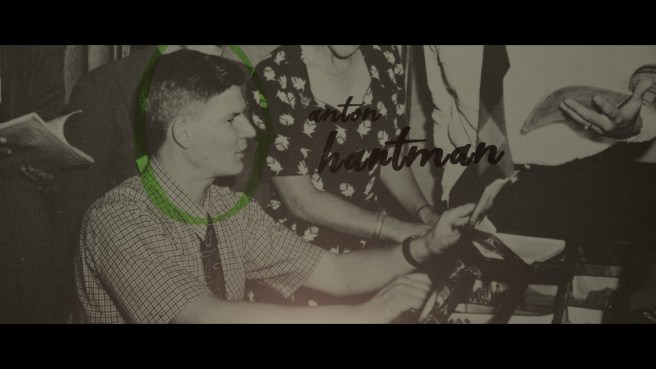
Arbiter of Afrikaans music the volk should hear; Anton Hartman

 “So Alternatiewe Afrikaans becomes a huge category from hard rock, punk, industrial, electronic, to all the way gritty folk and darker country, hip-hop, Goema, Afrikana (think old-school (and thought of as inappropriate by the Afrikaans music police) boeremusiek like Die Briels en Koos Doep).  Basically every kind of Afrikaans music that you wouldn’t hear on commercial radio stations.   Those are all the styles that I have a personal affinity towards, but never got to hear unless you actually go to the concerts of these musicians and go to see them personally. 

Some of the vocal participants in the documentary.

“Many of my favourite Afrikaans artists I set out to go see personally. I asked them if I could record their music with my mobile recording studio sommer at their homes or wherever we had the good fortune to be.  I released hundreds of these tunes and you can go listen to them if you search for Wasgoedlyn on youtube or itunes, or spotify. Basically, wherever you listen to music online. 

“These recordings by the original artists have a stripped down quality to it, a rawness, a cut- to-the-bone grainy atmosphere, that the environment provides, since these tunes where not recorded in pristine soundproof studios (Go listen to Wasgoedlyn Volume 1 – 3 online you will hear what I mean).”

As David Kramer also reminded us in the documentary (and live as part of the too small audience), Afrikaans was appropriated by the white elite while the origins of the language lay within the brown communities. And again, that was the problem for those who had the power to decide what would be played at the SABC.

Either way, the thing that should in this new millennium be the motivator, is the riches that the different communities bring to the language. We are a country that should be embracing all our artists because our diversity adds to the richness that will then emerge on our stages, in our literature, in our music and on our canvasses or in our sculptures.

We have tried separating and proved that it doesn’t bring solace to any particular group. It is our diversity that brings strength as this documentary shows so magnificently! And even the recent Klein Karoo Nasionale Kunstefees again showed how the diversity on the stages added to the stories and songs that enveloped and enchanted audiences.

And that is what Die Ongetemde Stem celebrates.

It will be shown at a South African, Australian, New Zealand film festival in May in Melbourne but also online at: 

kykNET SILWERSKERM FILM FESTIVAL’S EXPANDING EMBRACE DRIVES ITS SUCCESS

The short film Leemte en Leegheid was both an audience favourite and winner as the Best Short Film.

It was time to celebrate at the 10th kykNET Silwerskerm Film Festival following some sidestepping during the pandemic and hectic lockdowns. But they’re back and it appeared as if many filmmakers of both full length and short films benefited from the grace period to sharpen their skills and their scripts. In the long run, this has been a festival that has added potential and punch to the local film landscape. DIANE DE BEER takes a look at her personal 2022 favourites:

The power of storytelling was again in evidence at this year’s 10th celebratory Silwerskerm Film Festival held at Camps Bay’s Bay Hotel at the end of March.

It has always been my experience that the arts is one of the best ways to get to know one another, especially in a country as diverse as ours and (because of our horrific history) still divided in so many ways.

But with different communities sharing their stories, we are invited into different spaces, some familiar and others not so much.

Perhaps the more extreme example is Down So Long, a story set in Hangberg, the settlement in Houtbay so many hoped they could wish away. It is too visible a reminder of the inequalities so rampant in our land with the more affluent Hout Bay directly facing this more struggling offshoot

And yet, that’s not what the film is about. It’s the story of Joseph Mabena who lives with his wife Doreen and their children and spouses and grandchildren in their overcrowded house. When he is injured in a workplace accident, he is offered a substantial amount of money as compensation for the loss of an eye.

But it doesn’t take long for him to see exactly what is happening at home. There’s a sudden rush of affection as the family rallies in the hope of turning their lives around with this unexpected windfall.

Mabena’s eyes are opened, he sees through their deception and arrives home with a new girlfriend.

Scenes from an enthusiastic cast and crew in the powerful and revealing Down So Long.

What makes this such an exciting venture is that the filmmakers wanted to work with what they viewed as  “invisible people” and, by telling their stories, give them a voice.

Workshopped productions are perhaps more easily done in theatre, and here it is especially intriguing, as the cast was comprised of both professional actors and participants from the community who could bring validity to the script.

It’s yet another way of giving voice to the voiceless, and the screening was particularly enchanting because of the excitement of those who had participated. They might not have the acting experience but they came from this place, know the people and could recreate the feeling of what the people and the place represented. “It’s a way of working with the community who represent the lived experience,” said one of the director/producers.

That is the real value of the piece. The camera was used in observational fashion and those of us watching could get a real feel for the place. As entertaining as it was, it is also hugely educational, a true gift.

The Barakat family with Vinette Ebrahim (centre) the heart of the story.

Barakat, a film that deservedly walked off with a clutch of prizes, also deals with a specific community, but this time it is a professional cast telling the story of a Cape Flats Muslim family, who are experiencing their own trauma, trials and tribulations.

This particular community has often been presented with a political backdrop and usually by others telling their stories, but this time, it is just another family going through their own stuff while showing us a lifestyle of a particular community who isn’t usually featured in this fashion.

In interviews, director/screenwriter Amy Jephta acknowledges that she wanted to tell a story about a normal family, their joys and struggles, in this instance that of a Muslim widow Aishee Davids (Vinette Ebrahim) who gathers her family to tell them about her engagement to a Christian suitor.

With four sons, this isn’t going to be easy and this is the journey Jephta (and her co-writer Ephraim Gordon) takes us on.

It is the way the story is told (often with gentle humour), the excellent cast led by a magnificent Vinette Ebrahim (who received the Best Actress award) and the superb production values (deservedly winning them Best Screenplay, Best Original Soundtrack (Kyle Shepherd), Best Production Design and Best Supporting Actress for June van Mersch).

The storytelling sweeps you off your feet as you are invited into the heart of this close-knit yet squabbling family, who has forgotten all about their blessings and are focussed on their individual needs. Bakarat means blessing, and that’s exactly what this left me with while watching. We live in a country where for far too long certain voices and stories were ignored.

By acknowledging who we are, our stories embrace the riches which have been neglected, and we all benefit.

Another filmmaker I’ve been watching the past couple of years is Etienne Fourie and this time (as he explained at the post screening discussions) with the appropriately OTT Stiekyt, he truly made the film he wanted to make. And it shows. It’s a scream in many different ways.

First off, he obviously has an imagination which runs riot, and with drag queens (a whole clutch of them) running the show, he could afford to go wild.

Different looks from Best Actor Paul du Toit in Skietyt.

But he does his homework and gets all the building blocks ready before starting a shoot. He has put together a dream cast of young actors. Start with Paul du Toit (who won Best Actor) who plays an actor who joins a failing drag club to save his marriage, and that line should already say enough. He needs money to pay the bills and his wife (Cintaine Schutte) is unaware of his dilemma.

A transformed Albert Pretorius in Stiekyt winning him Best Supporting Actor Award

The club hosts a handful of drag queens played by actors who are tough to recognise in their extravagant costumes, colourful coiffure and knock-‘em-dead makeup, but this camp coterie drives the film in most joyous fashion.

Combine all that with the acting quality of Albert Pretorius (who won Best Supporting Actor), Wessel Pretorius, Carlton George, Jacques Bessinger (in fact the full enselmble) and you already have a winner.

But everything isn’t a laughing matter, as the story unravels in full blooded gory fashion when a killer suddenly emerges in spectacular style. It is that kind of film. If you buy into the premise, you could just die laughing. But I will keep watching this particular screenwriter/director whose movies all seem to pay homage to cinema in a most original fashion.

His films keep you watching and I can’t wait for the moment he strikes gold.

Short films play a huge part in this particular film festival, and this is where future filmmakers start emerging. They’re fun to watch as they are plentiful and give you an idea what stories are being told and what talent is out there from cinematographers to composers to actors – and of course directors and screenwriters.

Many of our most promising directors dabbled in this particular section before they tackled a full-length film.

Ivan Abrahams and Lida Botha in Leemtes and Leegheid

For the first time the audience favourite, Leemtes en Leegheid, was also the winning short film. Starring real-life husband and wife team Lida and Johan Botha, its a stripped yet emotional story that deals with grief as an elderly couple come to terms with the inevitable. A stunning portrayal of ageing, loss and battling with loneliness.

In sharp contrast, Skyn deals in contemporary sass with a young woman who is desperate to escape the drudgery of her own life by imagining a different starring role. The story stars the talented Carla Smith, who also wrote the script winning her the Best Actress award as well as a prize for the Best Ensemble with co-stars Albert Pretorius, Wilhelm van der Walt and Greta Pietersen.

It felt young, had energetic punch and gave Pretorius a very funky make-over to boot.

Scenes from Verstikking; Nagvoël, Sporadies Nomadies, and Twintig Tone In ‘n Hangkas;

Other short films that impressed were Aan/Af rewarding Marlo Minnaar with a Best Actor award; Bergie by Dian Weys, who showed you could make impact in 7 minutes; Nagvoël, which told a cool superhero tale; Sporadies Nomadies, which explored the estranged relationship between a father and daughter; the wacky Twintig Tone In ‘n Hangkas; an intriguing Verstikking; and out-of-competition’s Die Vegan en die Jagter, which turns stereotypes on their head.

A scene from the heart-wrenching Lakutshon’ Ilanga

Something else to look out for is the Bafta-nominated Lakutshon’ Ilanga, which deservedly won an Oscar in 2021 in the Student-Academy section. It is a heart-wrenching local story of a young black nurse in 1985 apartheid South Africa who is trying to fend for her young activist brother. It is inspired by a true story, so many of which still have to be told, and reminds us of how far we have come and how long the road still stretches up ahead.

Both Karen Meiring (former KykNet channel director and founding member of the Silwerskerm) and Jan du Plessis (MNet content director) were honoured with Exceptional Contribution awards for their extraordinary service through the years.

And their input will keep giving to this festival, which in the past 10 years has had a huge impact on the local film industry – and it keeps expanding and embracing, which is a big reason for its success.

For more detail on the festival and the films and where they can be seen, go to www.silwerskerm.co.za.

All the shorfilms that premiered at the 10th Silwerskerm Film Festival are now available on DStv Now and Dstv Catch Up. The feature films will be on DStv Box Office, or released theatrically:

Gaia: Limited theatrical release:

CAPE TOWN: The Labia: 22, 23 April – https://www.webtickets.co.za/v2/event.aspx?itemid=1514006081

JOHANNESBURG

The Bioscope: 23, 28, 29 April – https://tickets.tixsa.co.za/event/special-screenings-of-gaia

DStv BoxOffice: From 22 April

boxoffice.dstv.com (no subscription needed)

Beurtkrag: DStv Box Office release – 16 June 2022.

Indemnity: Ster Kinekor theatrical release – 12 May at Ster Kinekor Theatres.

Vlugtig: DStv BoxOffice until 25 April 2022.

Down so long: Coming soon to DStv BoxOffice. Release date to be confirmed.

Stiekyt: Coming soon to DStv BoxOffice. Release date to be confirmed.