FOR THE LOVE OF BOOKS, READING AND AUTHORS

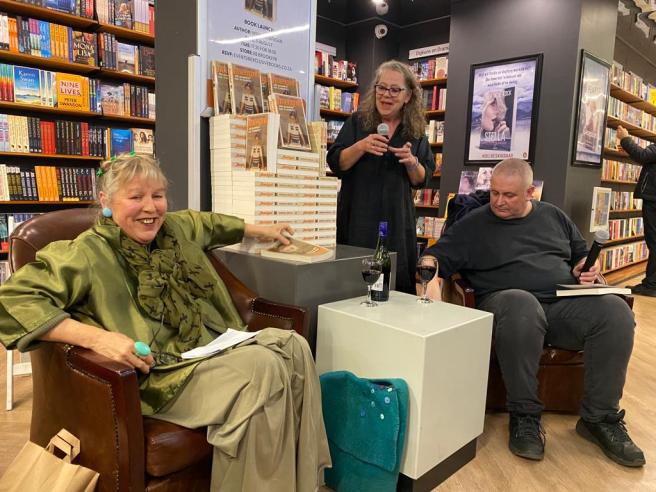
With Vrye Weekblad and journalist Deborah Steinmair establishing new book festivals in the wake of their success in Stilbaai, followed by the first one in Gauteng in Cullinan earlier this year and most recently in Clarens in the Free State, DIANE DE BEER, invited as an interviewer at the last two, gives her impressions of book festivals in general as VWB announce their next Cullinan festival from 10 to 12 May 2024::

Pictures: Deborah Steinmair

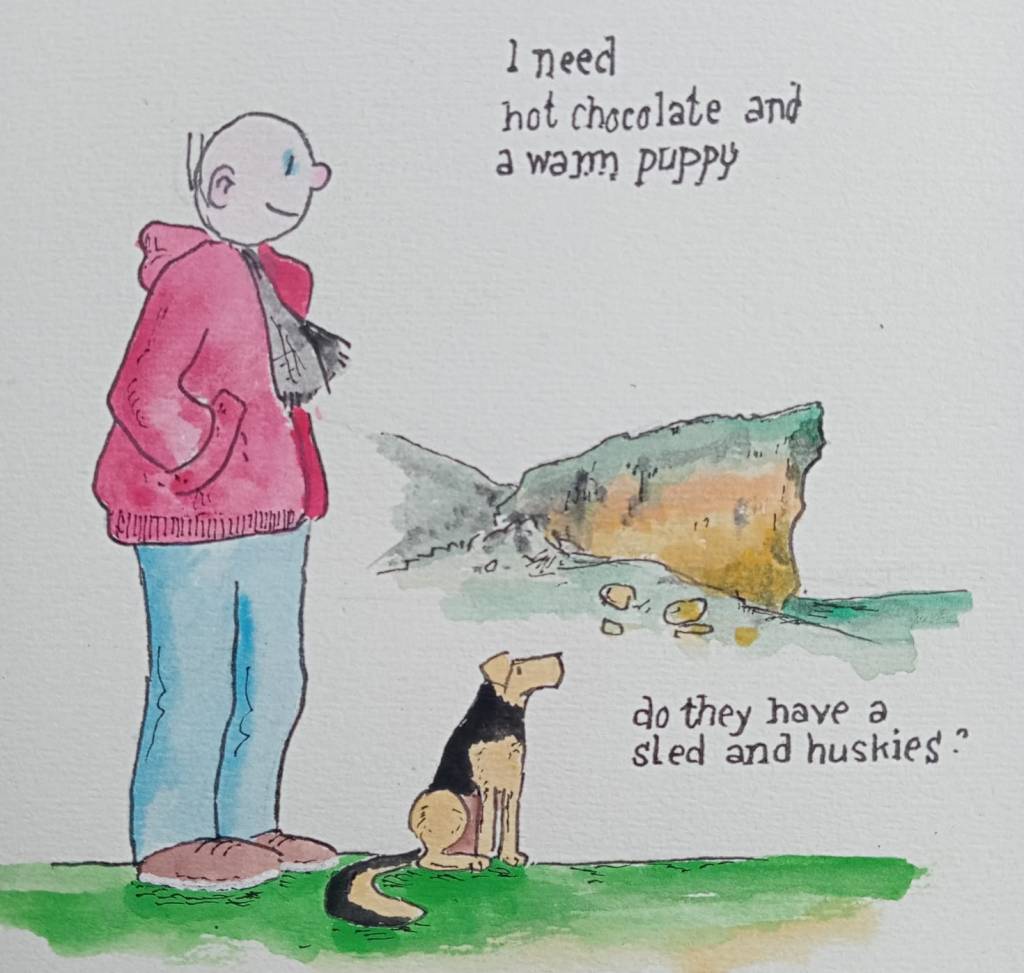
A man and his dog cartoons by Dries de Beer (Fatman).

Getting together a crowd of book lovers is no easy thing in these days of social media and streaming  –  there’s just too much on offer  – but if you choose your specific book festival well, take the time and spend the money, it is a glorious get-away where you get to mingle and meet like-minded people and listen to a handful of authors talking about their latest work.

While my preferences won’t sound objective, as I was invited to participate as an interviewer at the last two festivals, what appealed to my sensibility was the curation of the festivals.

First off, smart of the powers-that-be at Vrye Weekblad to know that Deborah, someone with a fantastic knowledge of books, an author herself, and a brilliant columnist, also has a deliciously quirky sensibility which then becomes part of the programme.

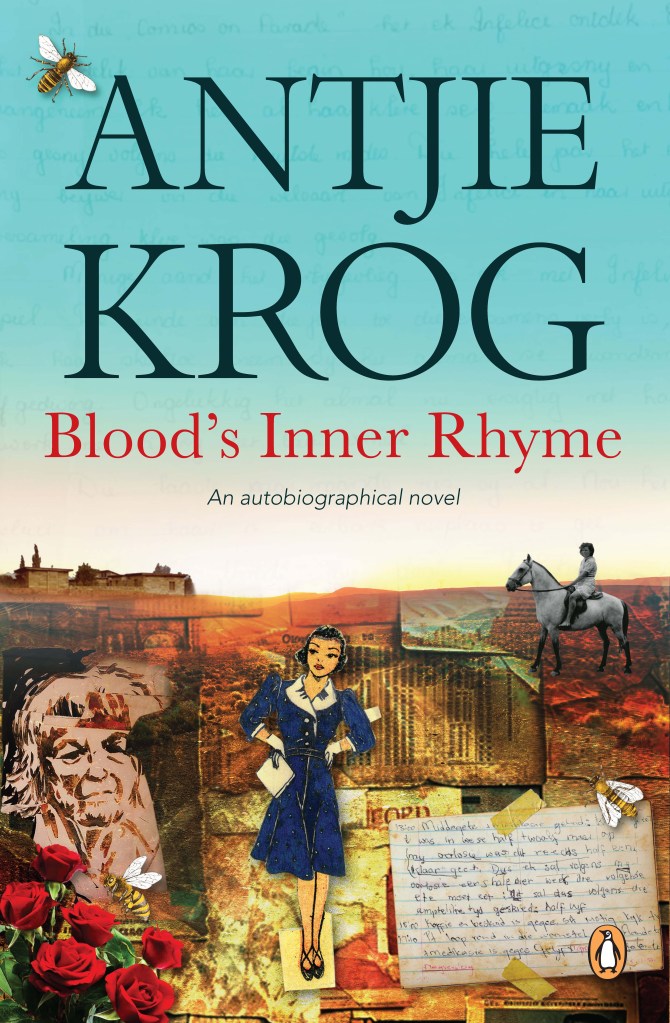
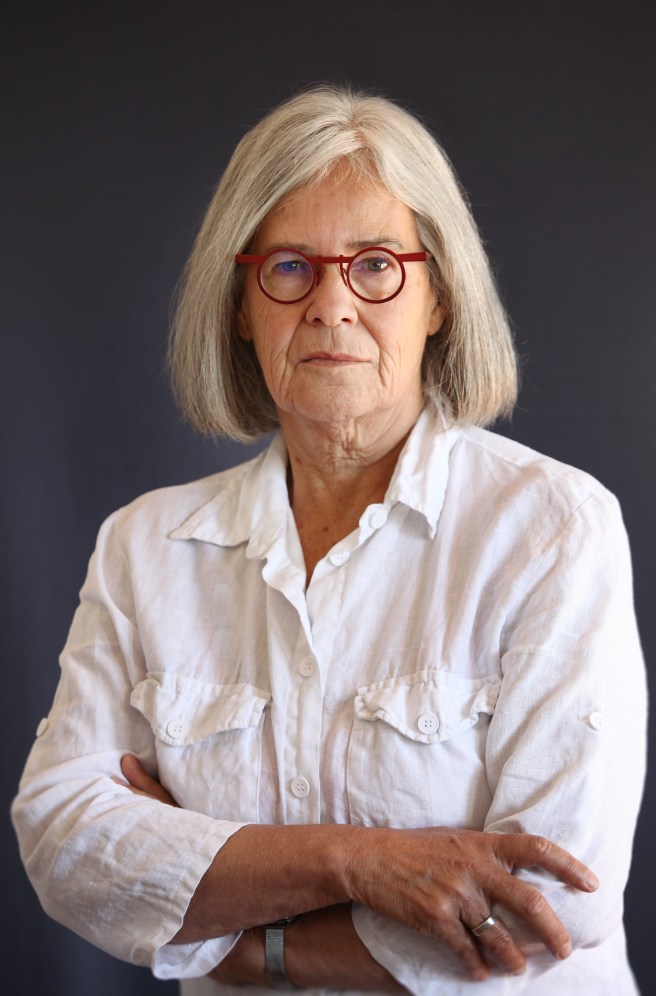
If you’re having a festival in the Free State, Antjie Krog is a name that would be impossible to ignore. But then to ask her to read from her latest delightful Vetplant Feëtjies (Vetplant Fairies), creatively written and illustrated, together with some poetry from her latest collection Plunder (also translated and published as Pillage) was genius.

It’s obvious why she won the Herzog Prize for poetry twice, most recently in 2017.

Just selecting at random:

It no longer comes to me

Everything is iron    everything has congealed

I read how others write:

Clove brown, Prussia blue, and creamy, creamy your neck

Your long, long, long legs fill me with fury

But to me?

To me it simply no longer comes

once I belonged to the ones on fire

now my voice wants to drift

it trembles repulsively clammy with care and forgiveness

For me, personally, she should never stop, with a mind that’s razor-sharp, older yes, but that also makes it even more wise and witty. What does she have in mind next?

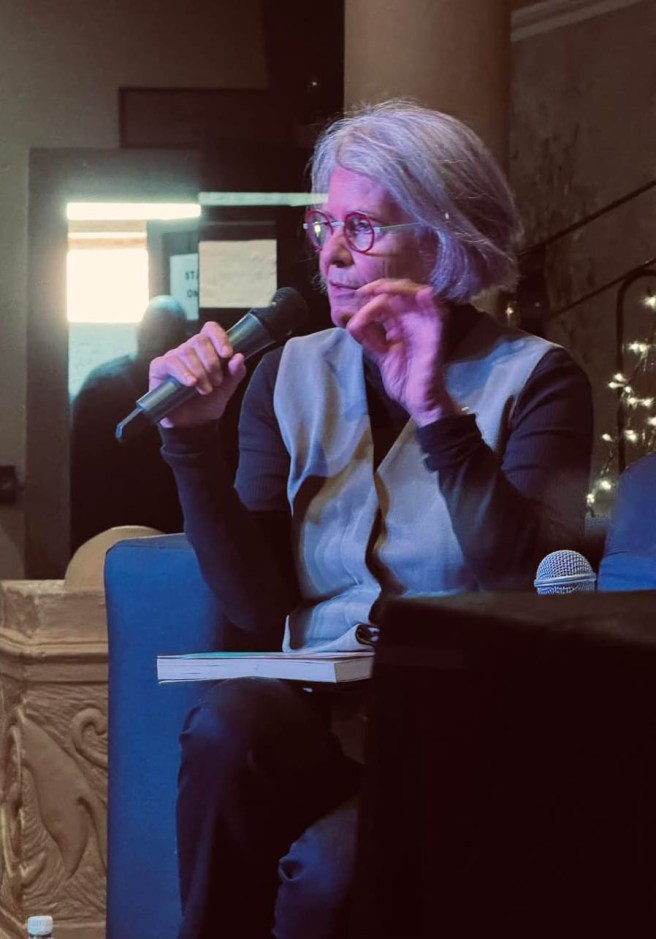
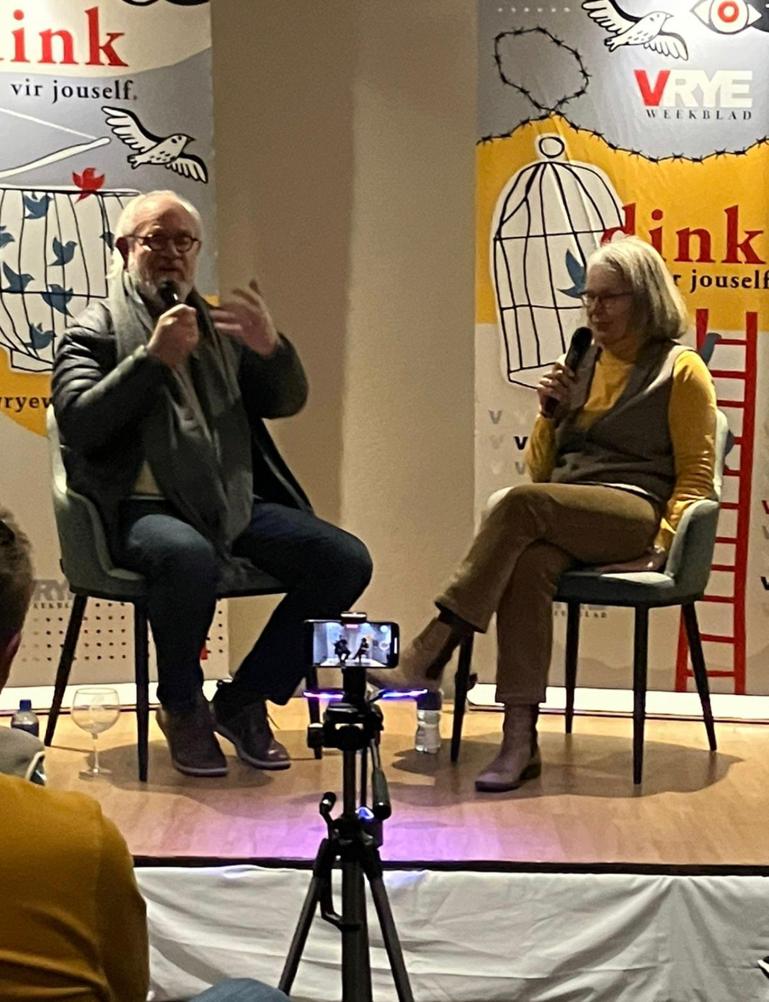
And, cleverly, Deborah knew how to pair two wise journalists. It was a great idea to get two Free State born journalists/writers Max du Preez and Antjie Krog talking and reminiscing.

Max du Preez and Antjie Krog in conversation.

Both grew up in Kroonstad and Antjie spent more of her time there, while Max talks about missing this part of the world, while also celebrating his home city of Cape Town, where he says everything works.

And then he launches into a few famous authors who have left the country, some, he says, with a Nobel Prize under the arm …

And Antjie wonders about living in a country where no one knows who Gerrit Maritz is.

Max, who had passed through Winburg on his way to Clarens, wishes to become the champion of this neglected town.

But Cyril, they say, has said that the people shouldn’t be treated like charity cases. Everyone has something to give. Yet Max laments the process of Africa that is slowly engulfing the town, even if not quite done yet.

Antjie suggests that if you want to change or fix a problem, you have to bring the township with you. But Max questions how to criticise this country while contemplating the damage you might have caused. Even if you joined the struggle. You still have the privilege of whiteness which is something everyone needs to acknowledge.

As is obvious, it was a conversation between two people who know one another, who have similar backgrounds so that they can exchange thoughts and grievances without too much explanation.

And they progress…

“Wonderful things are happening in Afrikaans,” says Antje while sympathising with the Indigenous languages that suffered under apartheid.

We all have to acknowledge that we had more of everything: more Afrikaans radio stations and TV stations, more magazines and newspapers than any of the other languages. Now we have to do it for ourselves.

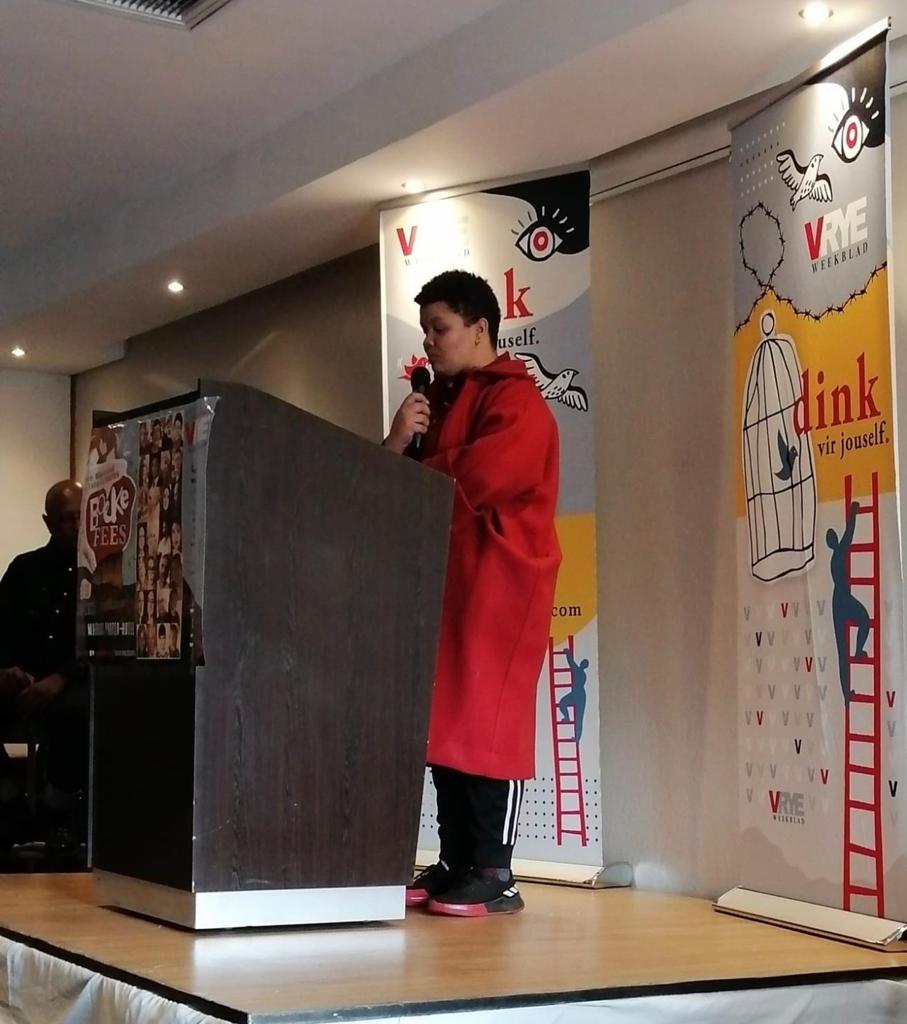
And it is happening with Vrye Weekblad and these kinds of book festivals. And again Deborah’s special touch emerges as she includes young poets and authors like Joylyn Philips, who launches into song when starting her poetry presentation.

Bibi SlIppers

Or the bright-eyed Bibi Slippers who cunningly whets the appetite with readings from her then soon-to-be-published poetry book, which was recently launched.

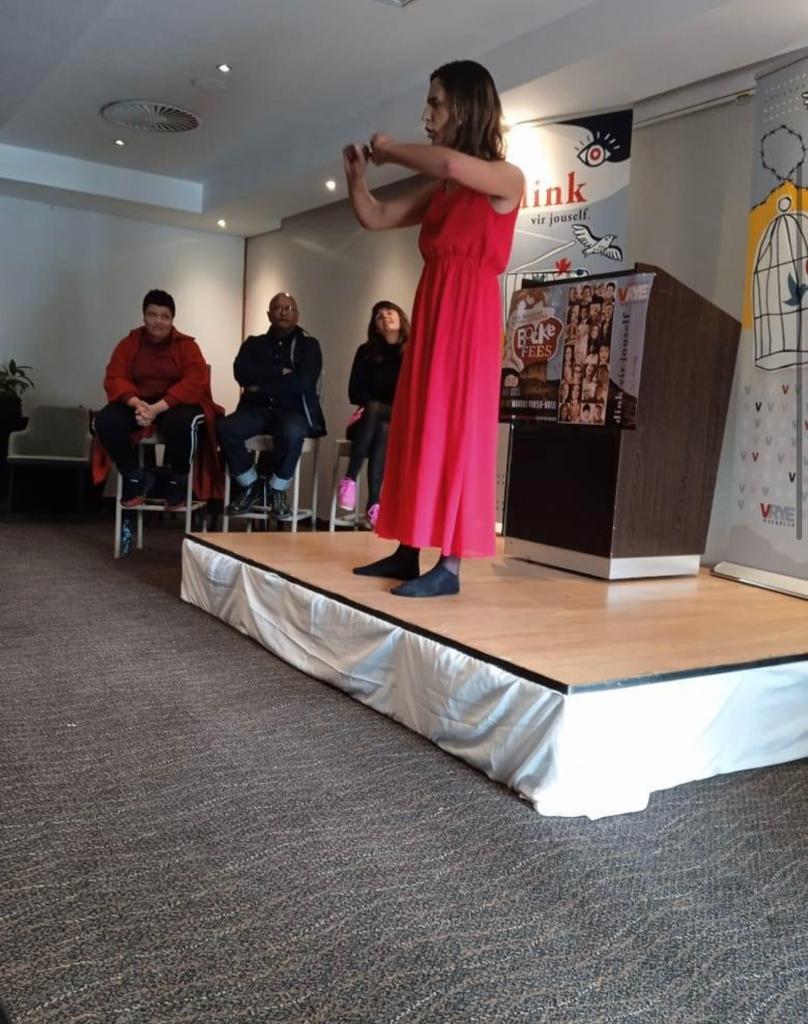
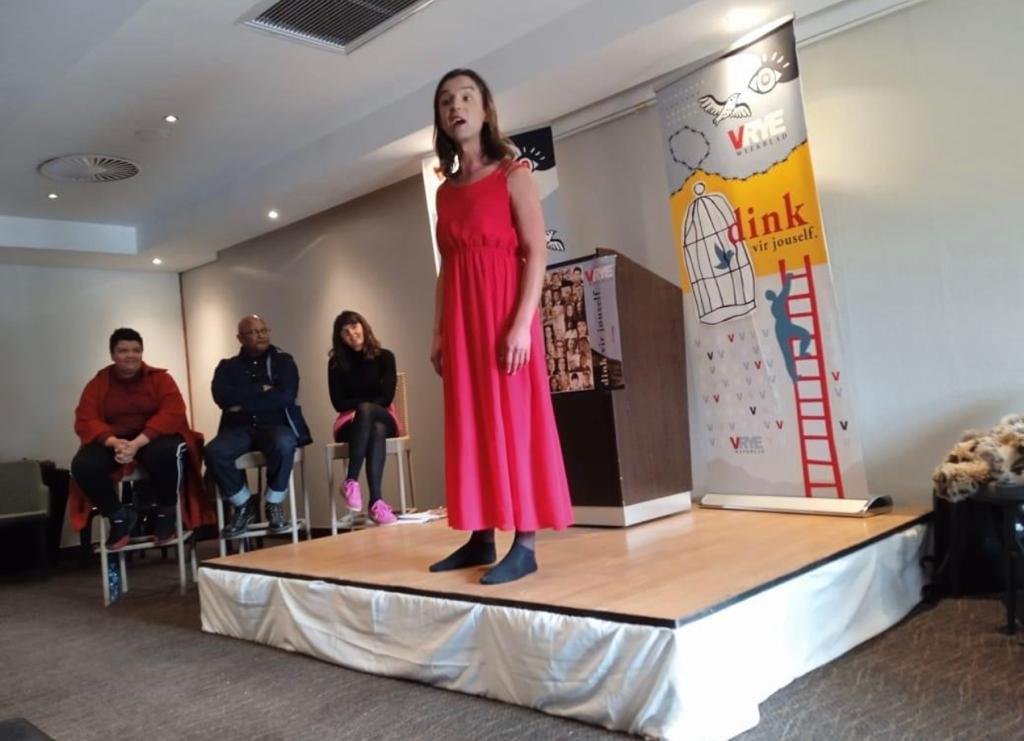
Yet, no one can rattle the rafters like the gloriously fragile Dianne Du Toit Albertze or, as they would say, Lady D. It was joyous to see them perform almost randomly dressed to kill in a shattering red dress which immediately screamed attitude, and then to back it all up with the talent of someone who knows they can take a stage while speaking in tongues … and they do.

This fresh breath of youthful exuberance during the gathering of the poets as the final salute of the weekend, captured it all. The dazzle and dare of Deborah is what makes you an ardent fan of her outspoken columns, all of which you wish you had said. And she brings that same flair and fanciful fanfare to a book festival  –  which is why these Vrye Weekblad festivals are worth watching out for. And a grand addition to the Afrikaans literary scene.

Yes, I know it’s mostly in Afrikaans, but Deborah knows about diversity even when limited most of the time, to a specific audience.  

So get booking on Quicket for the next one, you won’t be disappointed and it’s in driving distance from Pretoria and Joburg!        

Last year’s festival at the stone church in Cullinan.

PROGRAMME: The Vrye Weekblad-CULLINAN-BOOK FESTIVAL 10 – 12 May 2024

Will be held @Church venue. Books to be sold by Graffiti on the premises, food and drink will be on sale. Book at Quicket.

Queries: deborah.steinmair@gmail.com

Friday 10 May:

17:30: En tog die deuntjie draal (and still the music plays): Gielie Hoffmann chats on the birthday of singer/songwriter/poet Koos du Plessis with his wife, Mornay, about Erfdeel. His songs are also performed.

Saterday:

08:30: Skarminkels en speurders (Rogues and detectives): Phyllis Green speaks to Sidney Girlroy, Marie Lotz and Irna van Zyl.

09:30: Van rekenaarskerm na silwerskerm (From the computer screen to the movie screen : Mercy Kannemeyer chats to Zelda Bezuidenhout and Henriëtta Greyffenberg about the filming of Die dekonstruksie van Retta Blom.

10:30 The Near North: Louis Gaigher chats to Ivan Vladisivic about his latest book.

11:30: O, die vrolike, O die SALA! (Oh the happiness, oh the Salvation) Diane de Beer in conversation with Onke Mazibuko about his celebrated YA novel, The Second Verse.

12:30 Lunch

14:00: Vaders wat haper (Fathers who stutter): Jean Meiring chats to S.J. Naudé about Van vaders en vlugtelinge

15:00: Vywervrou woeker: (Pond woman works): Ilse Salzwedel chats to Chanette Paul about her character driven series.

16:00: Zonderwater en ver van die huis: (Zonderwater and far from home): Deborah Steinmair talks to Karen Horn about her novel about Italian prisoners of war: Prisoners of Jan Smuts

17:00: Psigopatiese nasie: (Psychopathic nation): Anneliese Burgess speaks to Karl Kemp about his book Why We Kill.

18:00: Kopstukke (Think pieces): A sizzling political debate about the election and other topics of the day with Piet Croucamp and JP Landman.

Sunday

10:00: Boekevat: (Devotions): Kleinboer, Lucinda Neethling and Pieter Odendaal read and sing their poetry in the beautiful stone church.

TWO DIFFERENT FILMS, “POOR THINGS” AND “THE ZONE OF INTEREST” ARE BOTH IN LINE FOR OSCARS

For film fanatics, this is the time to catch up with the Oscar-nominated films with the winners to be announced on March 10. It will add some extra fun to the whole movie experience. DIANE DE BEER opted for Poor Things andThe Zone of Interest from the current crop on the Ster Kinekor circuit and, apart from excellence and originality, the appeal was that the two films could not be more different.

Let’s first have a look at their Oscar nominations: both for Best Picture; Emma Stone from Poor Things for Best Actress; Mark Ruffalo from Poor Things for Best Supporting Actor; Best Adapted Screenplay for both Poor Things and The Zone of Interest; Best Production Design for Poor Things; Best International Film for The Zone of Interest; Best Editing for Poor Things; Best Cinematography for Poor Things; Best Costume Design for Poor Things; Best Makeup and Hairstyling for Poor Things; Best Sound for The Zone of Interest; Best Original Score for Poor Things.

And these are a strong indication of the kind of movies we’re dealing with. Let’s start with the fun, energy and exuberance of Poor Things. Emma Stone and director Yorgos Lanthimos are forming a powerful partnership following their first encounter The Favourite and it is as if this second creative endeavour was given permission by the success of the first to go all out – and they do.

Apart from the obvious deliciousness of the story depicting steam-punk retelling of a female Frankenstein, its also the landscape that Lanthimos picks and paints in which to tell the story.

With the emergence of our weird and wild scientist Dr Godwin Baxter’s (Willem Defoe) Bella (Stone), colour plays an important emotional role. As she grows into what she believes her role to be, everything becomes brighter and more visible and there’s also a quality of wonderment that runs from start to finish – both for the characters and for the audience.

Much of that can be attributed to Stone and her director, who have obviously taken the plunge and permitted themselves to tell the story that’s important to their minds – a woman with a mind of her own unfettered by the rules and morals of a society (read: men) that knows it knows best. In their world (and still today), they decide about a woman’s mind and body and the way she has to live.

From Stone’s elaborate wardrobe, her acting mobility and scope, the language in which they depict this adult fable-lesque adventure, the almost romp- and rakish elements enhanced by the beautifully bizarre yet unusual performance from the usually more affable and straight-down-the-middle Mark Ruffalo, all of these take you along on this madcap Alice-in-Wonderland – but a much more specifically driven – trip.

As the title suggests, Stone as Bella is the one in command and the one driving the process of her emancipation. In fact, she isn’t even aware she needs guidance or permission for anything in her life. She is prompted by her senses, her joy in experiencing life without any guardrails and completely unaware of the fact that the men who enter her sphere expect compliance and a dogged determination to adhere to their every command.

There’s so much more going on, but this is a film that should overwhelm, be allowed to enter your imagination and take you on their flight of fantasy. Enjoy – and then meditate on the radical directions they explore: a woman with a mind of her own!

And then for something completely different. Think World War 2, the Holocaust and the many stories told from every which way to explore the nightmarish horrors of that time. The Zone of Interest adapted from a Martin Amis novel by the same name, had to give us something new, something different to have any impact with one of the most gruesome acts in recent memory and one familiar to most of the world.

How to put the viewer into that space of horror in a different way? That was director/writer Jonathan Glazer’s task and mission. And the word that grips you from start to finish is chilling.

Glazer understood that he could tell the story without showing the victims which has been the focus of so many magnificent depictions previously. There’s Schindler’s List and The Pianist, to mention the obvious.

Rudolf Höss (Christian Friedel) is the commandant of the Auschwitz concentration camp. With his wife Hedwig (Anatomy of a Fall’s Sandra Hüller) and their houseful of children, they are living the ideal family life in what is sketched vividly as a bucolic idyll.

Yet looming in the background of their comfortable home is the camp. The smoke never stops rising, soldiers are spotted on occasion, the mistress of the house reprimands one of the staff with a warning of what her husband could do with her ashes, and Rudolf leaves every morning for work in his smartly pressed Nazi uniform on top of a magnificent steed.

This carefully choreographed, painfully pristine world of the Höss family does not miss the tiniest detail to deny the horrors that lie just beyond their perfectly  crafted  home life. Denial is a powerful tool that is deftly applied in many situations to deal with something happening to everyone’s knowledge, yet, by turning their heads, the all-powerful reality is completely dismissed and ignored.

Thát is chilling. How often in these scary situations do we hear that explanatory phrase: we didn’t know? That is why this film knocks you sideways while watching, impacts brutally and then lingers.

Hüller, arguably Europe’s hottest actress of the moment, apparently didn’t want to participate in this film. She’s magnificent and I’m thrilled she did. But it is easy to see why you wouldn’t want to immerse yourself in that dark period of Germany’s life. These kind of suppressions, oppressions and killings constantly repeat themselves across the world in many different yet no less intolerable fashions. Look at our current situation in the world. That’s why this is such an important and impactful cinematic experience. It’s smart in the way it tells a story of the past with what is happening in our world today, as cleverly injected as the camp was in the lives of the determinedly optimistic Nazi family.

“CALL ME MILES – BRUTALLY HONEST”, A MUST SEE ON NETFLIX BRINGS CLARITY TO GENDER ISSUES

In a time when the other is viewed as much more of a threat than at any other time and the antagonism and visibility heightened because of social media, finding yourself in a body that is alienating and seemingly viewing the world differently than people around you, can make life seem intolerable. DIANE DE BEER spoke to them:

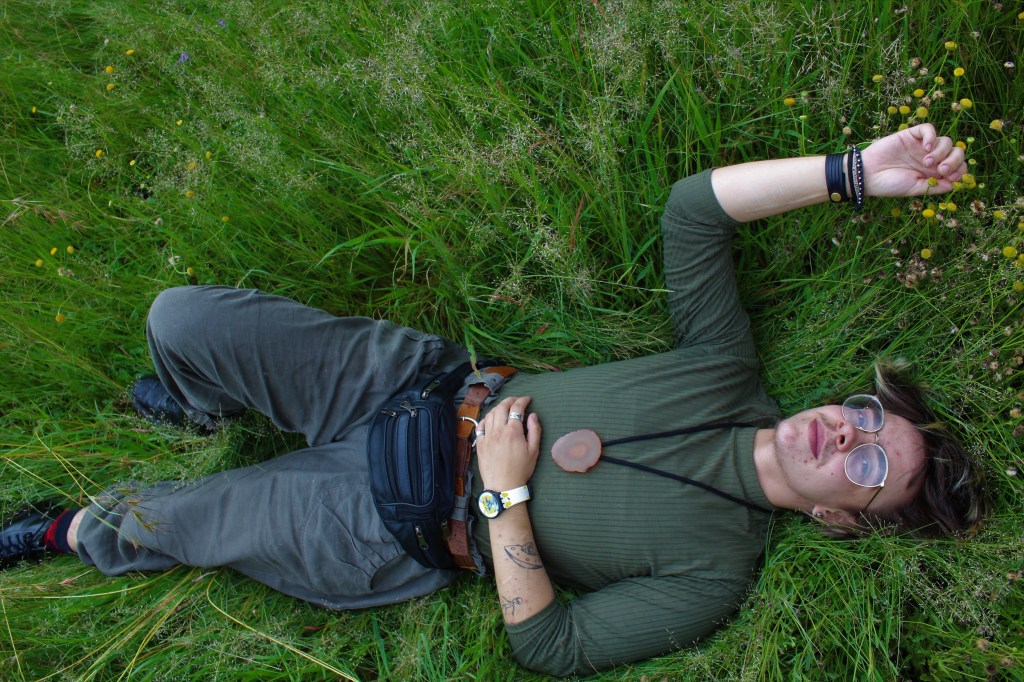
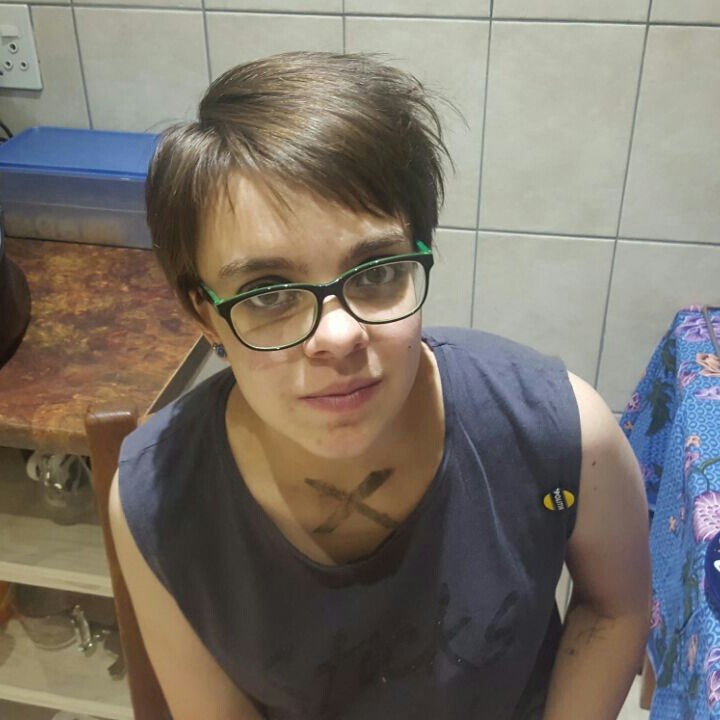
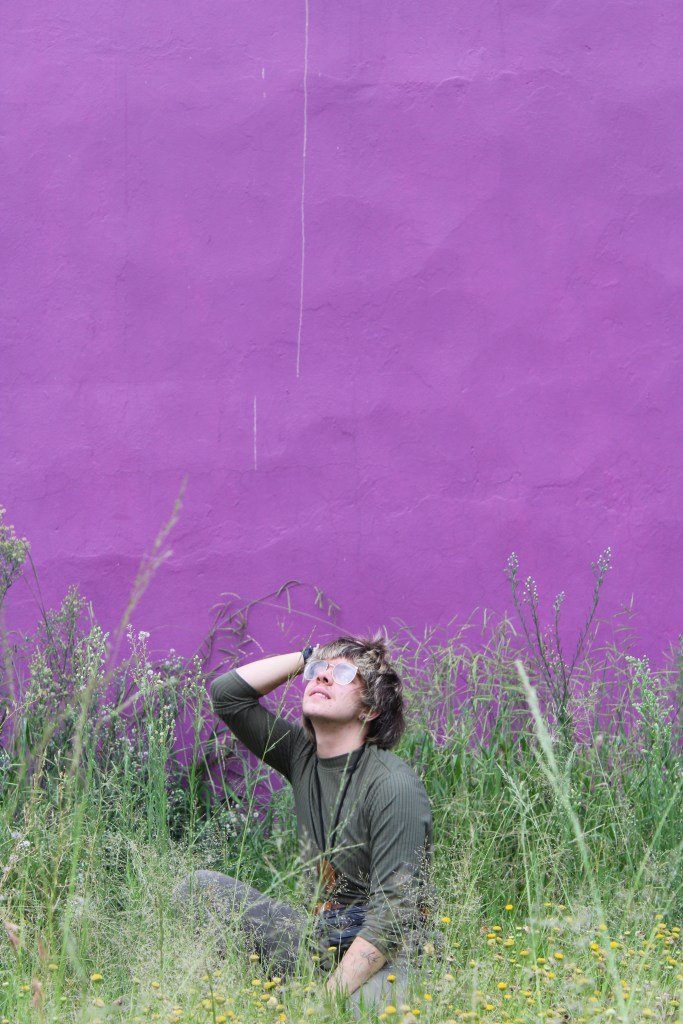
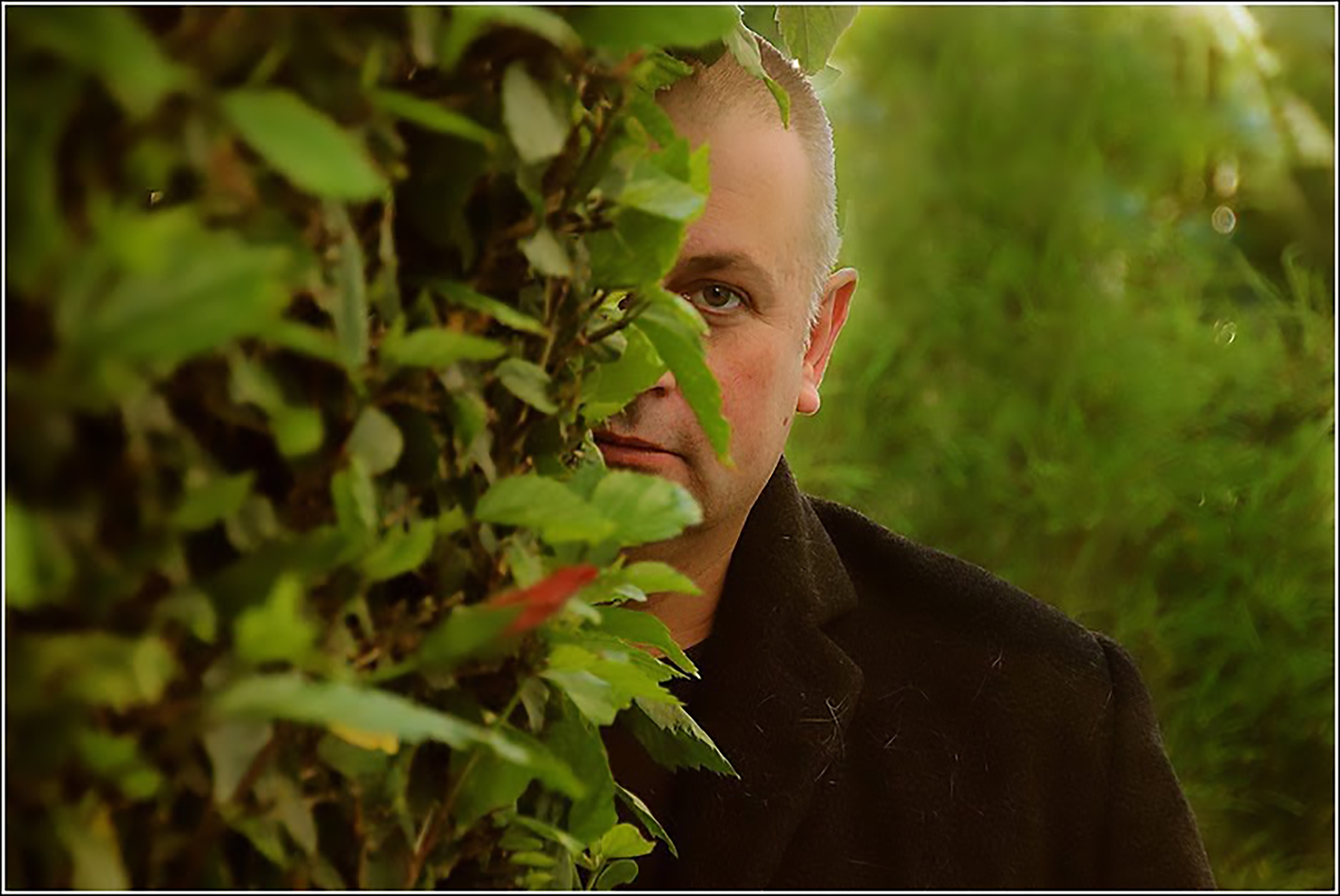
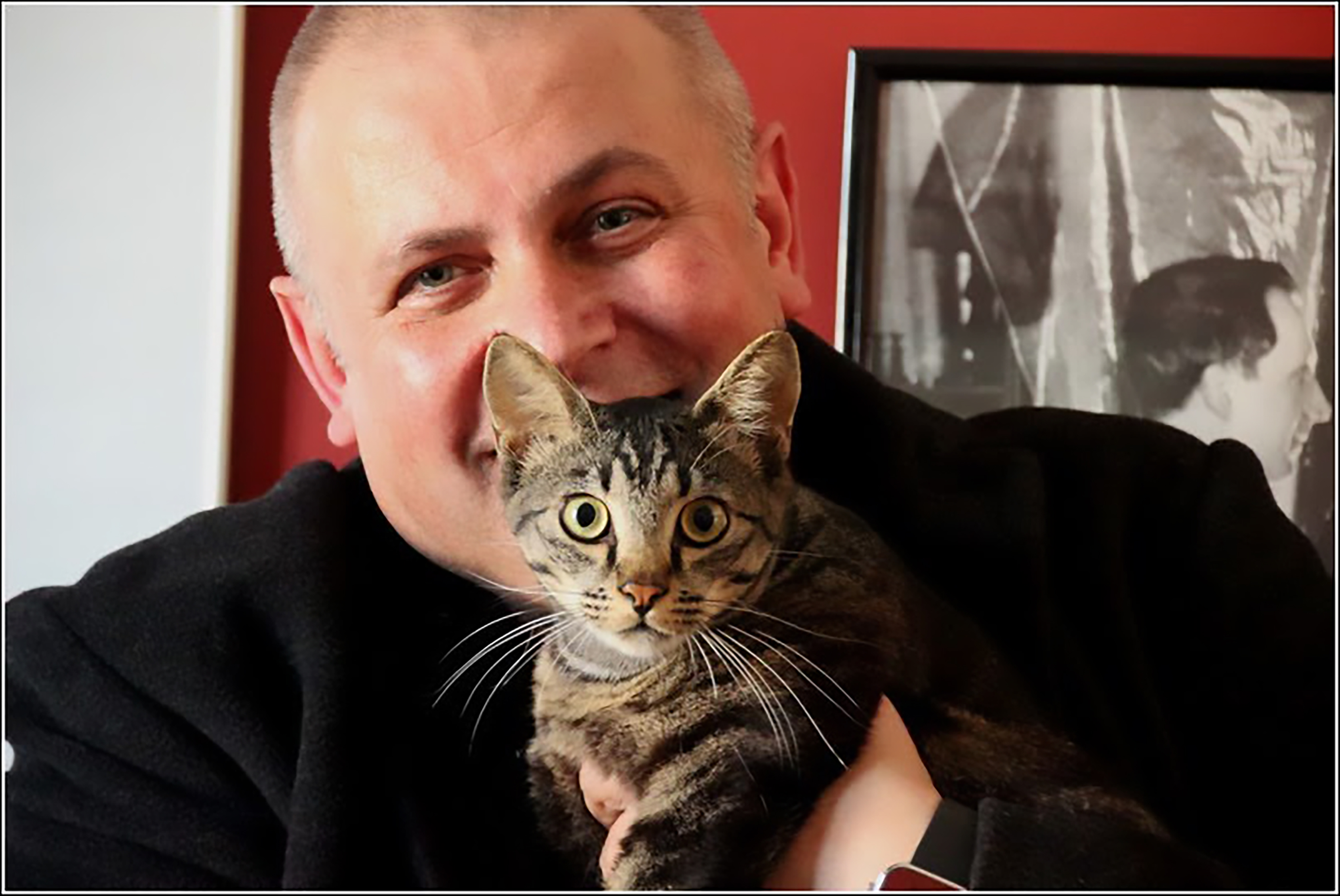
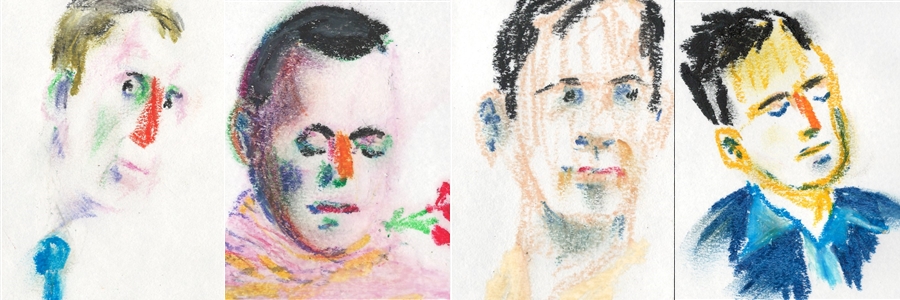
Pictures reflect the many faces of Miles:

That’s what happened to Miles Kean Cilliers Robinson when they hit puberty. What they know now is that they have been battling to identify with the gender assigned to them at birth.

In a documentary titled Call Me Miles – Brutally Honest, available on Netflix and a must-see, they tell their story with an openness and vulnerability that’s sometimes painful yet highlights the issues of growing up in a world that doesn’t make sense to them.

Finding myself battling with many of the concepts simply because the words including the way to use pronouns is unfamiliar to me, and I am someone who embraces differences as well as acceptance, I can understand how frustrating it must be to navigate a life that seems so foreign to many.

I found their guidance and explanations extremely educational. We are living in a world that is more fluid than it has been my whole life and having no children, I don’t often have to face any of these issues. But I could see that Miles didn’t appreciate any of my blunders. And I agree. It is up to all of us to inform ourselves and I suspect, that is why Miles always knew that they wanted to share their story. They knew from the age of 16 that they are non-binary and needed to find a way to align their body with their personal identity, their sense of self.

With two parents in the newspaper world, they have always been aware of the importance of facts and getting the right stuff out there. And in this era of fake news and easy targets with social media available and anonymous, even more so than before.

The only time Miles was unaware of their predicament was in that time when little boys and girls are seen as just kids. And they are blessed with parents that always treated them simply as another human being. Their problems started when the outside world started intruding.

Still in primary school, a young classmate told them that it is time for them to start wearing a bra. “I was incensed,” they say, “how dare she?” Nevertheless it had to be addressed and their mom took them shopping with the advice that a sports bra would be the most comfortable option.

                   Miles with Dad Deon .

Their life however changed overnight when their mom decided to send them to one of Tshwane’s prestige schools, Afrikaanse Hoër Meisieskool Pretoria. They are an exceptional achiever regarded as highly intelligent, and Mom wanted the best possible education for her child. In retrospect they (and I suspect their parents) believe that this was the worst possible environment for them.

Overnight they walked into a world where the scholars were referred to as “ladies” (dames) and of course, had to wear dresses. Another public shaming exacerbated their emotional dilemma. During a swimming exercise, the girls spotted that they didn’t shave under their arms and they were ridiculed. “I couldn’t believe that they (his fellow scholars) didn’t want more than simply being the perfect little girl.”

And on that day, their obsession with their body, in particular “being fat” became part of their daily obsession. Telling their story they couldn’t emphasize enough how distressing this became. It completely dictated their life.

I met Miles more or less at the age of 14, and I can clearly remember that the person I saw was completely normal in size and looks, nothing strange or out of the ordinary. I would have described them as cute and wouldn’t have referred to their body at all.

“My discomfort in my own body only started when someone else said something,” they explain. And aren’t we all familiar with that one, only in their circumstances it played into already troubled emotions.

For Miles specifically it meant withdrawal and isolation, which made everything worse. “We grew up in a time where our parents were focussed on protecting us. There wasn’t time for holding me close, we had to be tough,” they say.

Kids were not deemed to be streetwise and they had to be taught the rules of the jungle hovering out there. Their generation, they argue, has greater exposure to others (not so much part of the Apartheid era where the focus was on separation) and thus have more empathy. “I see that as a pre-requisite to see the other,” they emphasise.

At this point their world started to change dramatically. And they capture it thus: What became clear to me was that my gender is not determined by the way I paint my nails or knot a tie.”

But only after many years of torture for this struggling teenager in an all-girls school, they asked to be booked into Denmar Mental Health Services. In the interim they had been self-harming with cutting and suicide attempts simply to stop the emotional chaos that became their world. Nothing came easy and even with a group of friends whom they describe as “a ragtag band of misfits” who offered some protection, they were drowning.

But they had made a decision when they asked to be booked into Denmar. “I am a boy,” they told everyone when they arrived, “please call me Miles.” And they did. The warmth and acceptance they received at the facility (“apart from one asshole psychiatrist!”), changed their life.

And that was the beginning of a new phase in their life. They still had to share their new self with their parents which then snowballed to the rest of the family and friends. Miles would have liked to have orchestrated their “coming out” more slowly, but they also know and accept that on the whole – especially with their parents  – they have been blessed.
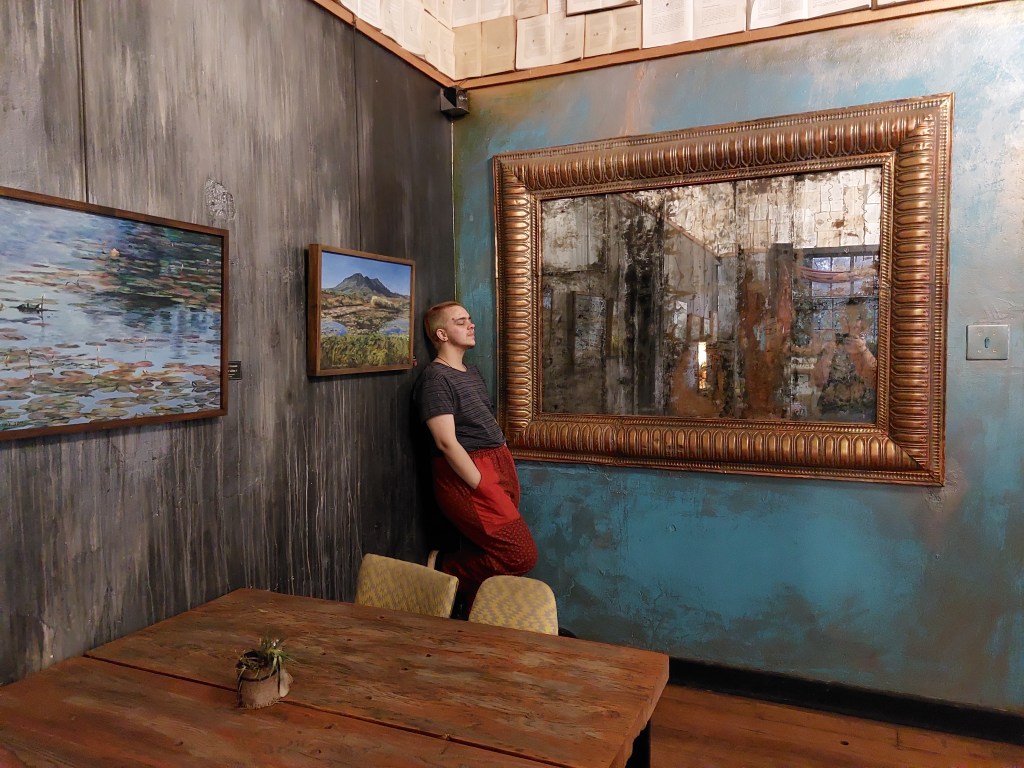
They still had top surgery to discuss and to navigate, all of which has been done and now their future stretches ahead of them with a clarity that perhaps during their school years seemed impossible.

Nothing came easily and their varsity studies were also interrupted by the wrong choice of subjects. But amidst all of the struggles that dominated their younger life, they know they have landed softly and opting for a degree in clinical psychology and anthropology, their future is about helping others with what they had to battle – often without guidance or role models.

When you hear them saying that a choice of opting to wear a binder (which compresses the breast) meant that they had to choose between physical or emotional discomfort, the constant unease of their life seems unbearable. Time and again, they would rather cope with the physical obstacles. “I didn’t have role models or anyone to turn to,” they say.

That is what they hope to change by opening a practise for transgender youth and young adults. “During the process of transitioning,” they say, “ I didn’t have anyone to go to. I had to put it all together myself.”

For the present, they are exactly where they want to be.

LOCAL HEROES WITH WINGS CAN EASILY ADD SMILES AND SUNSHINE TO YOUR DAY

Sketches by Dries de Beer

Dealing with bureaucracy is often challenging on any level or front. So when during some of our most stressful times, you happen to bump into individuals who not only do their work well but seem to make the effort to help you as best they can, it changes the nature of how you view the world. Often they aren’t in top positions so they cannot make all the decisions, but they will make sure that the path is smooth for you to achieve whatever you need to get done. DIANE DE BEER highlights some of her personal heroes of the past few months:
My sister who lives   London and left the country in 1975 was back home for a three month visit. One of our first tasks was a visit to Home Affairs with a request for a new South African passport and ID.

I knew that this would be no small ask and was gritting my teeth from the start, but also determined that we would see this through and that there would be a way.

She has American citizenship, but didn’t want to relinquish her South African links. Dual citizenship was also necessary for certain practicalities.

We arrived early at Home Affairs, which I was already familiar with because I have been helping one of my employees, who we discovered to our dismay, doesn’t have any documentation. Yes, he is a South African and has been working for us for a long, long time, but my husband and I were both working all our lives and were unaware that he didn’t have any documentation … don’t ask. I was given a severe public scrubbing by a Home Affairs official.

Nevertheless, I was hopeful. Our first encounter was short and sweet in the sense that we were given the name of a head office employee and a phone number.

Just a little background. My sister had been to the South African equivalent in London and her ID and passport applications had been handed in a few years back. Regular visits to check on progress offered no hope and this is why she decided to return to source.

As we started our journey back home, we immediately phoned the number we were given to get the process started. This was in the first week of December last year. Her details were again taken with promises that the matter would be taken up with the London offices.

There was much toing and froing, too much detail to bore you with, but all of it seemed very hopeful. Phones were always answered and slowly the case was making progress. One of these was the information that her new ID had been processed and was waiting for collection at the London offices. Why she wasn’t told this or given the document at her last visit was unclear and we let it go. She will collect the ID now that she is back in London.

In the meantime, the passport became the priority and one of the issues was a visit we were planning in the new year to Mozambique. A South African rather than an American passport would mean no visa and we had also discovered that these would only be given when making the crossing into Mozambique, which could mean hours wasted. We couldn’t simply get it at their Pretoria offices. It seemed a very random decision, but they were very clear that it was the only way.

So our journey continued. In the meantime Christmas arrived and I decided not to bother our contact in the week before New Year. It just didn’t seem likely to my mind that anything would happen.

Instead she phoned us, reporting progress! To make a long story short. Our interaction and the progress with our Home Affairs contact was miraculous. From the start, our feelings were positive. It just seemed that this was an individual who was going to make this happen – and she did.

There were a few requests like filling in a new passport, for example, and writing a few notes so that our request for her to collect her passport at the local Home Affairs rather than in London was explained. The letter was even dictated, so that we would get all the wording right!

And never was any favour asked. And the only reason I am saying this is that stories abound how ordinary work only gets done in certain public and private enterprises if the worker is compensated in some way.

Not here. There was such fear from her side of any impropriety that we haven’t yet met her just to say thank-you in person. In the end, my sister collected her passport which she duly used in her crossing to Mozambique and we both lost our hearts to our Home Affairs saviour.

The only reason I am not using her name is to save her any embarrassment or long lines forming in front of her office with others lodging complaints.

Whenever I tell the story, I am inundated with cries of help from others who want their passport or ID problems resolved.

We struck it lucky, I know. But I also know that she cannot be the only one. And in a time when everyone is complaining about everything that goes wrong, she restored our faith in the civil service and the many gems that might be hidden in those government offices.

The fact that they are there was also confirmed when a friend and I did our regular renewal of driving licences, also in December. And this time I will give the name.

On a previous occasion, my husband had renewed his driver’s licence in the Cape because Gauteng’s system was in such disarray. But this time I was getting good reports about the offices in Echo Park, Centurion. This was the route we decided to go.

I made my appointment, but my friend decided to tag along, not having managed a booking. The building was in one of those office developments one sees from the highway between Tshwane and Joburg, not knowing who works there.

We found our way there with some directions, and once parked, we wound our way to what we expected would be a long queue. Not so.

Our police service was employed here and they were working according to a streamlined plan which had everyone smiling as they left the offices and again when they came to collect their licences. Not only did these young policemen all smile magnificently as they helped some of us less efficient with forms on our way, it took less time to get in and out than it took us to get there.

Some time ago this particular service was in a shambles and I can remember reports of corruption even about getting appointments. That isn’t happening anymore. I cannot vouch for any of the other offices in Gauteng but I do know that on two occasions – both of them huge – my faith in our country and the way things could and should be run, was restored.

I have never paid a bribe and I hope never to be in a situation where I feel there’s no other option. And with these two encounters, I know it is possible to make what could have been really tough situations (if not impossible), joyous.

Just keep looking, you will find someone who will help when they should.

PS: Following this writing, I had two more service hero encounters!

They might seem small in comparison, yet they added a sparkle and a huge smile to my day. The first was a grocery shopping trip to my local grocery store Uitkyk in Silverton Pretoria.

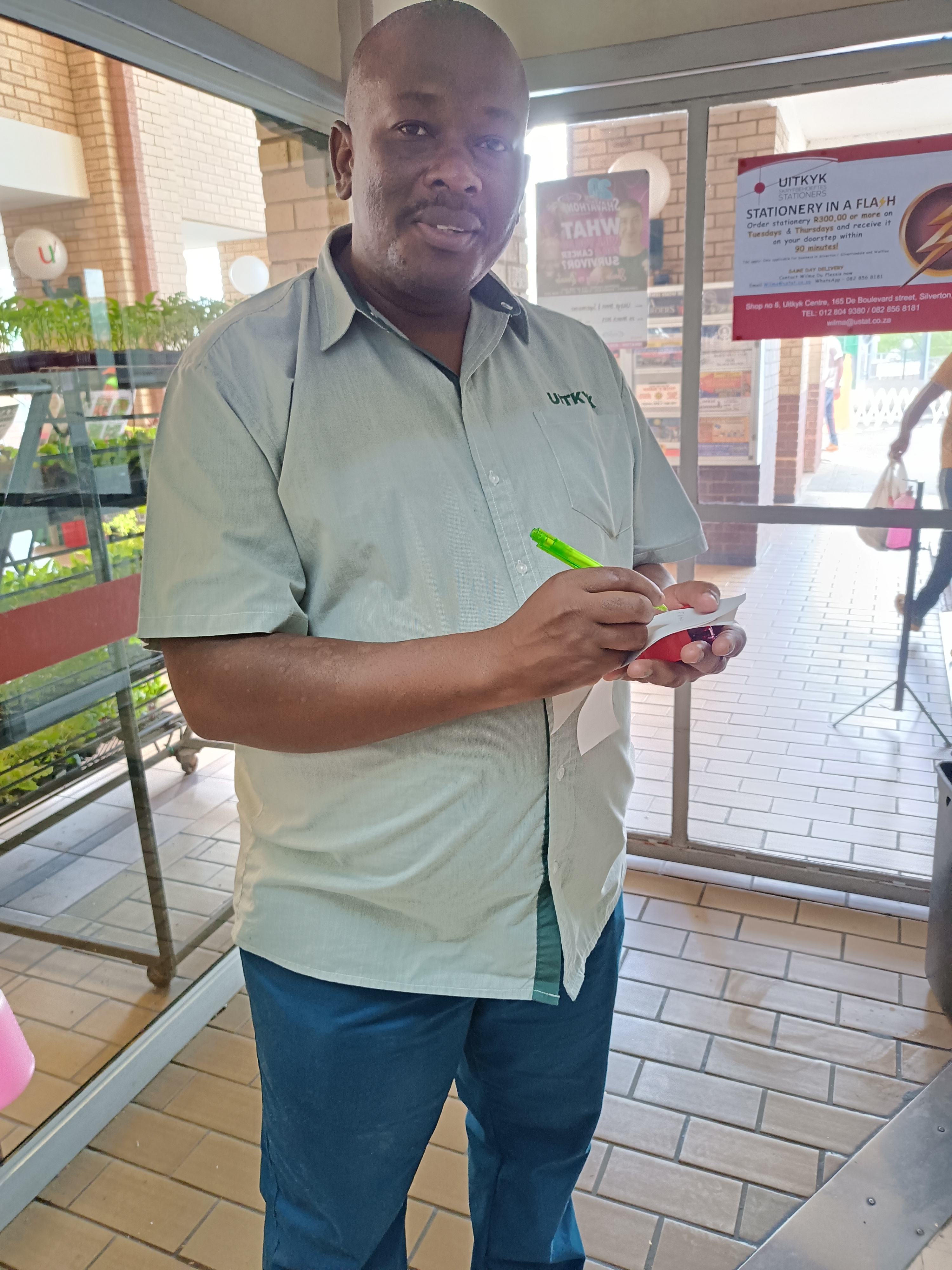
Frans Madula diligently at his post.

I have become accustomed to their custom of having two employees checking slips and groceries every time you purchase anything, but this time something was different. Having bought only a few items, I was surprised that the bill was more than R600, but I was distracted and didn’t complete the thought in my head. It was only when my trolley and purchases were checked by the alert Frans Madula, that my suspicions were confirmed. But for his quick eye, I would have paid double the amount my groceries cost!

It was a simple error, 22 rather than two tins of sardines were charged to my account but luckily for me, it was spotted and caught.

At a different store, Builders Express at Gift Acres, I found some swimming pool floaters at the best price I could find. When I got to the till where I was helped by a friendly employee whose nametag aptly read Queen. She pointed out that I could only get that specific special price if I owned a loyalty card.

No problem, she said, she would quickly register me. It was a tedious process, but she had no problem doing what she felt was her job.

And while people were piling into the queue behind me where my purchases were prolonging the process, two women slipped in behind two empty tills to prevent everyone’s impatience.

I didn’t notice anyone guiding this process in any way. These were simply employees who were well trained and who knew how to make the shopping process a smooth one – for everyone.

THEATREMAKER/WRITER DIANNE DU TOIT ALBERTZE COURAGEOUSLY SPEAKS HER MIND

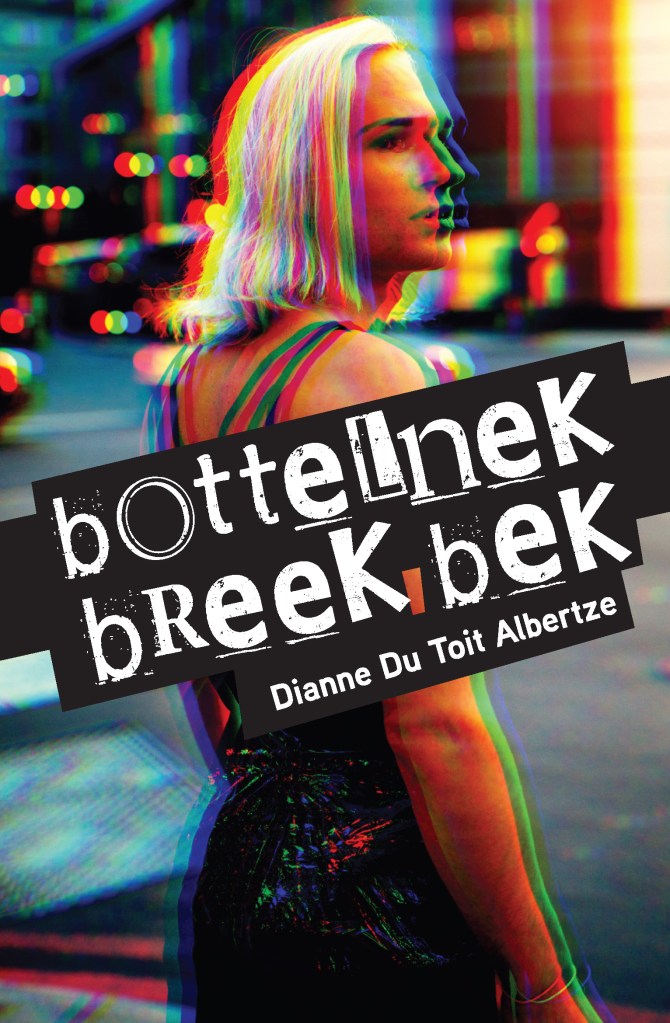
From the title of the book bottelnel breek bek, the warning signs are there — this is not going to be an easy read.

But because I have been following Dianne du Toit Albertze’s career for a long time, I knew this would be worth the battle.

In a digital interview, she tells me that the story found her rather than her discovering what she wanted to write about. “I needed to write about people who were braver than me because it was Covid and I needed something to save me,” she says.

That’s where she found Dora and Whashiela, who came with their own heaven-sent gifts. And their strong appearance was probably driven by the fact that “as a trans person, I don’t find many heroines in the books I read. I also don’t see them at festivals or on television. Especially not in my mother tongue,” she notes.

In her own way, she wanted to show Afrikaanse moffies that they shouldn’t let go of their dreams  —  “Moenie jou tong oppie highway verkoop nie” is how she says it bluntly and beautifully. “Nancy is waiting, we need to make and take our own space.”

Feeling and querying whether this is a very personal tale, she acknowledges that first novels are probably always close to the bone. “I wanted to push my high heels through the literary door with a story that feels close to me. I wanted to go as close to the edge as I could and much method writing followed,” she says. “I learnt about everything I wrote about and didn’t want to be a faker.

Dianne Du Toit Albertze
Picture: Peter van Noord.

“Perhaps I listen to too much Tupac or hide too easily behind my pen … because the book also helped me recover from a poisonous addiction. Every day without drugs is a BIG day. And hopefully this full-frontal writing of mine will mean something to someone out there.”

We all know about method acting and what that has done to those taking it too far, and if you read the book without the hairs on your arms standing on edge you’re possibly not paying attention.

This is an artist who takes her art seriously and even if it meant she climbed a steep mountain with the language, it is what adds authenticity and soul to the characters and story.

“I wouldn’t have been true to my characters if they spoke the language of dubbed Turkish soapies,” explains Dianne about her choices. And acknowledges that she wanted to honour the colourful language of the trans community in Observatory and Matjieskloof. “A variant like Gayle (created by the  queer coloured community in Cape Town) even has its own accents in specific regions.”

 And then she’s not even referring to Sabela (a language flounced together from numerous local languages in local prisons for gangs to communicate) or those creative Cape expressions we’re all familiar with. This is completely different yet with distinct similarities – an anomaly in itself.

Dianne du Toit Albertze striking a pose.

“I’ve always been fascinated by linguistics – to create different codes and to learn different expressions and idioms.”

On a language level, she embroiders, the tongues of the different characters metaphorically reflect their life paths – also pushed out and teetering on the periphery. “Those of us who have for so long been hiding in the shadows should move into the light and speak loudly.” Another incentive for telling her story the way she does – letting it all hang out … bravely.

Amen, say I, having read the book and also revelling in this particular interview/conversation, which was a written rather than a spoken one. “Steve Biko says I write what I like and perhaps I agree with him,” notes Dianne. “I write about shit that matters to me and what I believe will interest a broader audience.”

She also hopes that a trans child might read the book and realise that they too matter, perhaps influenced by her own struggles and lack of support.

For the writer personally, she has many dreams and desires: a musical, Medea in Namakwaland, staged in-between the koppies; and to write a few movie scripts. These are on the cards.

For her, writing plays is like breathing in and out. She’s been doing that from a very young age right through her drama studies. “Poetry and prose come from there, but to write for stage is my big love,” she says.

As for her activist stance, she took her queue from the Sestigers (a moniker for a group of dissident Afrikaans writers, including Breyten Breytenbach, André Brink, Ingrid Jonker, Elsa Joubert, Jan Rabie and Etienne le Roux) who believed that words carry weight and that we need the arts and artists to be our conscience.  
This would mean, to her mind, stories that free us from what is becoming a hopeless land with steadily growing layers and levels of suffering.

In the meantime she is working with actor/director Lee-Ann van Rooy on a season of her text Kaap, which was performed at the 2020 NATi Jong Sterre Suidoosterfees . And with her Namakwaland trans sisters, she is busy creating an NGO House of Influence with which they hope to establish safe houses as well as perform community theatre.

She’s a busy woman but for those of us lucky enough to witness her creativity, moving on the edges as she does, she draws a curtain on a hidden yet important world.

This is what makes our universe an interesting one. People are allowed if not encouraged to be themselves and for those who are open to the diversity and differences, it establishes a never-ending stage of wonder, wisdom and, of course, a wackiness without which life would be so much poorer and less colourful.

And as Dianne is so determined to bring to our attention, real people are living here.

THE MANY FACES OF HOERKIND’S HERMAN LATEGAN AS HE FIGHTS THE GOOD FIGHT

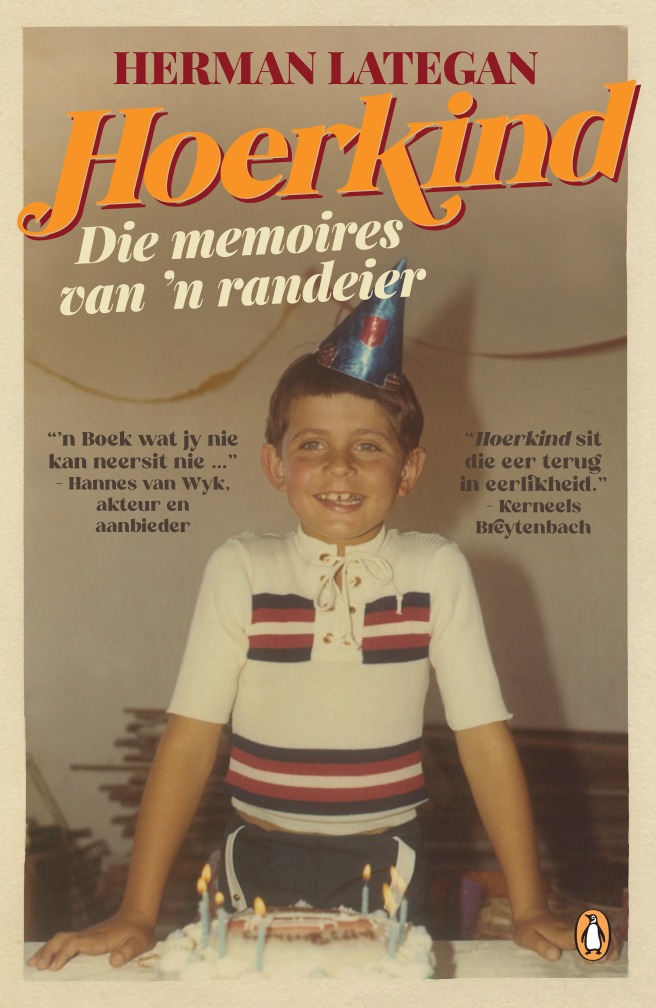
Journalist/writer Herman Lategan starts Hoerkind (Penguin) with a paragraph which states that this is how he remembers his life, and what happened from his birth until today. He notes that he was blessed to know people and to write about them. He also admits that memories can be deceiving. That there is no literary consciousness to be found. If there is a conclusion necessary to this writing, he hopes a reader or two could be encouraged to fight their fragility. Everything is fleeting. DIANE DE BEER interviewed him at his Pretoria Exclusive Books launch, was captivated by him … and his writing:

When I first read about Herman Lategan’s book Hoerkind, Die Memoires van ‘n Randeier (outsider) I realised I knew nothing about his life. When I was asked to chat to him for the Pretoria Exclusive Books launch earlier, I immediately said yes.

During the first reading of the book, my heart stopped several times and I rushed through it at breakneck speed. When I said I didn’t know anything about this beautiful boy, that wasn’t the half of it.

Because Herman lives in the Cape and now writes mostly for Afrikaans media, I only met him quite recently. Once people knew I was talking to him, lots of little titbits were recycled but I’ve always had a rule about gossip, unless something or someone has done something to me personally, I don’t take much notice. Life’s too short.

In conversation

I was slightly worried because I know Herman struggles emotionally and has addiction problems but on the night we had our conversation, he was exactly who I thought he would be. He was kind and funny and comfortable talking about what was a really challenging life   ̶   and I don’t know many who would have sailed through it like he did.

And if that implies that it was easy, not at all. But he has a will to live, to make it and in spite of those who put him down throughout his life, he is determined to survive. It’s that bravado and courage, but also the vulnerability that caught my attention the first time we met.  I think he felt it, because I knew from the start, Herman would be as charming as he always is when the two of us bump into one another.

Playing the cool kid.

And he was. Not that he didn’t shock his Pretoria audience with his salty tongue, but with a title like Hoerkind (Whore Child), they would have expected that and we were all adults in the room.

Back to his story. At a second reading I could sit back and appreciate the life he had tried to navigate, the many angels he had watching over him (most spotted by him) in a life where he must have believed evil triumphs over goodness. It really takes your breath away.

There’s much about the book that I loved beginning with Herman’s voice. Like me, he started out writing in his second language (English) mainly because he had turned his back on anything Afrikaans, because it was there that he felt he received only harshness.

But in more recent times he has embraced his mother tongue and anyone who experiences his way with Afrikaans words and stringing words together, will know it’s where he belongs. It comes naturally, without pretence or a dictionary at hand – or that’s how it reads.

And because he has written the book in almost choppy chapters, allowing the events themselves to dictate, it’s an easy read. It fluctuates in mood and tempo and while much of what he has experienced has been harrowing, it is through his ability to find people who will embrace him, even adopted families who protect him, that he manages to forge ahead and achieve a life that would be admirable even without the hardships.

The Herman Lategan persona.

Understanding that he has had to do it all himself and that he knew instinctively when and where to turn for help, you also understand why he is such a survivor. Many in these circumstances would have become completely dependent on others. I don’t think he was ever allowed to do that. He had to fight his way through, go and find the answers of his neglectful parents for himself so that he could stop being the victim and forge a life that is completely reliant on his own talents – and there are many.

What’s not to love and hold?

That is exactly what he has done. Does he regret not having parents who were present in especially his young life? Of course, who wouldn’t. Is he still sad about that? Yes. And that’s never going to pass. But what he hasn’t done, is to feel so sorry for himself that it paralysed him.

He’s not that patient. Life isn’t going to pass him by. He has received as much joy as sorrow and he has decided to focus on all of it, hence the book.

He appreciates the people who have reached out a hand, but he hasn’t allowed that to define him. As many who gave, there were others who took away. He understood this balance and has probably always been battling the percentages, even putting himself at the coalface of his fears.

The Herman Lategan I know. Now you see him now you don’t …

So far he is winning and that’s the way he would say it too. He doesn’t take life for granted, that luxury has never been part of his life  ̶  and in retrospect, he will probably recognise it as a gift. It’s how he kept jostling ahead.

Because Herman is as adept in English as Afrikaans, I’m holding thumbs that he rewrites/translates the book into English. It’s been hugely successful and a wider audience is certainly out there   ̶   waiting.

Since this writing, the book is being translated, so those of you wanting to read it, hang tight.

It’s that radiant a read.

THERE’S NOTHING TO BEAT LIVE THEATRE AT ITS LIVELIEST BEST WITH SHIMMERING CASTS, SMART DIRECTORS AND DARKLY FUNNY PLAYS

This past weekend it felt as if theatre was truly back. Watching three extraordinary productions in Johannesburg, all running at the same time, it is a stark reminder of what we missed and a celebration of what feels like the return of live theatre. DIANE DE BEER reviews:

From left: Graham Hopkins and Lihle Ngubo in The Lesson (Pictures by Suzy Bernstein); Alan Committie, Robyn Scott, Berenice Barbier and Sanda Shandu in Who’s Afraid of Virginia Woolf ? and Julie-Anne McDowell and Jennifer Steyn inThe Beauty Queen of Leenane (Pictures Brett Rubin).

It all began when someone at the recent Woordfees reminded me of three plays opening on the Gauteng circuit: The Beauty Queen of Leenane at Sandton’s Theatre on the Square, The Lesson at the Mannie Manim at the Market Theatre and Who’s Afraid of Virginia Woolf? at Montecasino’s Pieter Toerien Theatre.

With Sandton first on the list, the cast, the director and the play were all strong attractions. With a rare appearance in Gauteng for the sublime Jennifer Steyn (who moved to the Cape a few years back) and the perceptive Charmaine Weir-Smith directing, we were in seasoned hands.

Jennifer Steyn in full force.

The Add to that an exciting younger trio consisting of Julie-Anne McDowell, Bryan Hiles and Sven Ruygrok and this black comedy has everything going for it. Steyn immediately sets the tone with a sublime if scarily monstrous performance as the mother none of us wish for.

Battling to survive the total onslaught in the role of daughter struggling to be servile, McDowell is constantly batting back the barbs with hardly any impact.

And into this grim fight walks two brothers with Hiles the one who upsets the teetering yet finely balanced relationship between mother and child.

It’s about survival, darkly comical and probably one that plays out in many different forms, everywhere and all the time. But it takes the seriously sharp pen of Martin McDonagh (In Bruges; Seven Psychopaths; Three Billboards Outside Ebbing, Missouri) to add gut-wrenching to the experience. That and the performance of Steyn.

It’s a reminder of her long-felt absence on our stages. The subtlety with which she manages to create the sullen-faced mother is quite extraordinary – both hysterically funny yet deathly sad. It is the kind of performance that could so easily slide into caricature but she holds fast and never ventures that far.

Isolation and the fear of being alone do terrible things to people and while we laugh merrily at the dilemma of this mother and daughter duo, it is something that skirts many lives at some stage. That’s what makes this such a chilling encounter.

Plays until this Saturday

https://tickets.computicket.com/event/the_beauty_queen_of_leenane/172644

The Lesson starring Fiona Ramsay and Lihle Ngubo.

Ionesco’s The Lesson has been adapted by director Greg Homann for local audiences, and it’s a “welcome back” to another artist who has been out of the country for a few years.

It’s also a thrilling second time this year we see the excellent duo of Fiona Ramsay and Graham Hopkins on stage (with a return of the fantastic Hansard for a short run in January at Theatre on the Square) in a play that is as demanding as it is engaging. And the two veterans (wisely and to those of us witnessing both, with delight) couldn’t have chosen two more diverse plays if they tried.

Both are quite wordy and especially Hopkins has to think fast and furious on his feet while intent on bedazzling his latest pupil with his particular and peculiar lecture style and content. A wide-eyed student (Lihle Ngubo) arrives for a lesson, is welcomed by Ramsay’s rather clumsy if deliciously dilly assistant Marie and introduced to Hopkins’s almost doddering Professor – and the fun begins.

Homann’s director’s notes suggest that there are different interpretations to this locally flavoured adaptation including gender and power, and cultural oppression, or it can be viewed as a study of the relationship between student and teacher (all familiar tropes) but, more than anything, he has created a work that in this well-cast play, is as much about performance as it is about substance.

Graham Hopkins as The Professor.

If you were lucky enough to see Hansard earlier this year, it’s just magnificent to experience Ramsay and Hopkins playing completely different characters, much more wacky, yet approached with a delicacy that shows how carefully you must tread with roles that have to imply rather than be grotesque.

What a thrill for Ngubo to play with actors this experienced and she grabbed rather than shied away from the challenge. Her facial expressions (and costume) said more than words could tell and the interplay between the bullying professor and his awed student is quite riveting, with emotions ranging from amusement to outrage.

As the director also suggests, this is one to mull over and hopefully start a conversation. In the moment, the experience is almost like a slightly hazardous carnival ride.

On until October 30.

https://www.webtickets.co.za/v2/Event.aspx?itemid=1518241218

And finally it was the turn of Sylvaine Strike’s Who’s Afraid of Virginia Woolf? with Robyn Scott and Alan Committie as Martha and George, while Sanda Shandu and Berenice Barbier as Nick and Honey are lured into the pink-tainted lair.

But in this 60th anniversary production, all this marshmallow fluff that the colours might suggest is nothing but an enticement, as the young couple discover to their surprise. But this quickly changes as they gather their own defences, with different results.

This is all about Strike’s modern take and what the actors do with their individual iconic parts. And a warning: it comes at you with all systems on red hot alert!

Scott (with purpose) has a voice used on different levels and with a mix of accents that might throw you at first – and then it DELIGHTS. Like an animal on the prowl, she uses everything from her over- the-top facial expressions to her strident body manoeuvres to make her presence shimmer and shatter in equal parts. It’s magnificent.

Unexpectedly, because of his stand-up comedy status, Committie has a subtler approach, which is wise, because if both of them came at you at full tilt, it might have been obliterating rather intimidating. Their combined assault is finely balanced to create the perfect storm.

The extraordinary quartet in Who’s Afraid of Virginia Woolf?

And while they are the prey, there’s nothing meek and mild about the younger couple’s performance. I completely lost my heart to Barbier’s innocence and desire to participate in what feels like fun and games while Shandu, whose race adds another level which is thrown at the audience to do with whatever they wished, has a presence which grows fiercer as the night’s antics progress and disintegrate.

It’s 2022, 60 years after the play premiered. Strike takes the bull by the horns, coming at you full force as people do in this current chaotic world of ours, and while our jaws drop and we grab at our chairs for safety, it’s grand and gregarious and great to wallow in this ecstatic night of sheer horror and hilarity.

On until November 6.

https://tickets.computicket.com/event/who_s_afraid_of_virginia_woolf/7192881

Please keep in mind that it is three hours long, with two intervals. Arrive rested and prepared to engage.

All three these exciting and challenging plays deal in dysfunction and relationships in ways that are darkly funny yet deeply disturbing. With casts who carry a healthy spread of wisdom and exuberance, this was the best way to fling open those theatre doors.

What a joyous and confident return!

THE PURPLE HAZE OF PRETORIA’S JACARANDAS CREATES THE PERFECT PICTURE OF A CAPITAL CITY

DIANE DE BEER

PICTURES: Thomas Honiball

PRETORIA, jakarandastad,

Dis weer Oktobermaand…

Miskien is dit die rede dat

Ek só verlang vanaand,

Want hoeveel jare het jy nie

My life en leed gedeel

En stil geluister wanneer ek

My ou kitaar bespeel

This is the first verse of singer/songwriter sublime Koos du Plessis’s ode to Pretoria.

He frames his beloved city in a cloak of purple haze, which is how many of us identify the most colourful capital city.

But much controversy has surrounded this emblem of the city over the years and there are visions of fights for this particular tree and the replanting and upkeep of the city’s pride for those of us living here long enough.

Money talks, and the hordes of tourists who visit the city annually is proof enough for everyone who witnesses this influx that, at least for the moment, Jacarandas are allowed to flourish and bloom in all their splendour.

The four annual stages of the Jacaranda tree

Jacaranda trees were first imported from Rio de Janeiro by Baron von Ludwig of Cape Town in about 1830. A travelling nurseryman from Cape Town named Templemann brought two Jacaranda trees to Pretoria in 1888. He planted them in the garden he had laid out for Jacob Daniel (Japie) Celliers at Myrtle Lodge in Sunnyside, shortly after it was established as Pretoria’s second suburb.

In the 1890s Celliers secured a concession from President Paul Kruger to plant trees in Groenkloof for the Government of the Republic. James Clark, a wholesale and retail seedsman, florist and nursery, received the order to import seeds from Australia.

The story goes that among the consignment of eucalyptus seeds Clark imported for planting in Pretoria in 1898, a packet of Jacaranda seeds had found their way.

On 16 November 1906, the 51st anniversary of the founding of Pretoria, Clark presented 200 Jacaranda trees to the City Council as a birthday present to Pretoria. These trees were planted in Bosman street in Arcadia Park where the Pretoria Art Museum was established in 1864.

Frank Walton James was appointed as town engineer in 1909. He suggested the planting of Jacarandas in all the streets of the town to enhance the status of Pretoria as the proposed capital of the Union. When Jameson left the Council in 1920, fewer than 6 000 trees had been planted. By 1939, with the constant encouragement of Jameson, the number of trees had risen to 17 000.

Today there are approximately 40 000 Jacaranda trees in the streets of Pretoria.

And these facts were all handed to me in a letter by Jacaranda activist, architect Thomas Honiball, a man who has always battled and fought for the preservation of Pretoria as the beautiful city it is.

Some of us still remember the huge controversy about the west façade of  Church Square, which was going to be demolished, but was finally left intact thanks to Honiball and a committee he had established with exactly this in mind. And the city proudly hails this part of its heritage today.

The aforementioned letter was written with a request to the Minister of Agriculture for the planting of Jacaranda trees in the city of Tshwane – and fortunately those battles were hard fought and won.

For Thomas, who lives in Nieu Muckleneuk with a spectacular view of Jacaranda blossoms when they are in full bloom, these trees hold and embrace the spirit of the city. He believes they were first planted to establish the character of a city that would be named the country’s capital – and thus it was.

“We have something that no other city boasts in such abundance,” he says. He also argues it is especially the city’s layout, the long streets, and the koppies,  that allow for the spectacular showing of this tree Pretorians have claimed for themselves.

And he has many anecdotes to claim the city’s towering Jacaranda status. “I was told the story that Elon Musk’s grandfather when he flew over the city and saw the spectacle of the purple blooms was so overwhelmed, he emigrated here,” he says.

He also remembers as a young Free State lad paying his first visit to the city and sighting the purple spectacle, how it overwhelmed him. “It was just so pretty!”

Thomas Honiball and the book of listings he instigated.

That’s not all he achieved in this city. He was also instrumental in the production of a book with the listing of buildings worth holding on to, often used by city planners to save specific buildings which form a part of the city’s heritage. It’s not something South Africa has always done well and we need these visual planners who understand the importance of cherishing the old while celebrating the new.

He is very aware that everything cannot be kept simply because its old. There’s a saying that if a city centre doesn’t change, keep up with the times, it will die.

Fortunately for Tshwane, we have citizens like Thomas Honiball in our midst who have the city’s interests at heart and understand the importance of the picture perfect visual that keeps us all mesmerised.

#MeToo Movement Marches Forcefully Against Powerful Monsters who For Far Too Long Had Their Way With Women

It’s been a momentous time in the #MeToo sphere with the Harvey Weinstein convictions – finally. And even with two hard hitting books out there detailing all the women and what they have gone through, the jury still found him culpable of only two of the five counts. With many other similar issues swirling about, DIANE DE BEER speaks her mind:

Harvey Weinstein at court
Harvey Weinstein playing the victim at his recent New York trial.


There’s hardly a woman who works professionally that won’t have some kind of memory about sexual harassment. I suppose with everything being aired these past few years, those of us who haven’t suffered sexual abuse should count ourselves lucky.

But I was surprised about my emotional response to Bombshell, the film starring Charlize Theron, Nicole Kidman and Margot Robbie about the horrific abuse by Roger Ailes and many more who were part of the Fox empire.

I had seen and was fascinated by The Loudest Voice, the TV series told with the accent on the bullying tactics of Roger Ailes and the culture of sexy women he created in the Fox Newsroom and on screen.

Bombshell poster
The poster says it all! Power in triplicate!

When Bombshell arrived, I felt I had viewed enough of this particular story, until someone whose judgement I trust told me to see it as this was from the women’s point of view. I didn’t realise the impact that would have on a very personal level which says so much about the culture most women find themselves in at work.

We don’t even notice because it is so prevalent and probably to most of us “normal”, so when seeing this particular film, which shows especially the environment created specifically so that this kind of thing can flourish, my flesh crawled – to my surprise.

But it was no surprise that with the final credits a notice announces that the women received 50 million dollars in damages: while Roger Ailes and another Fox News accused, Bill O’Reilly, received 65 million dollars’ worth of parting packages.

Fox News is the extreme so there’s no turning away from that aspect of the film. And with these three powerful actresses in control, it resonates dramatically and memories came flooding back. “How are the dollies doing?” was a particular rankling phrase coming from a boss or the fact that you were told that your salary increase was determined by the fact that your partner worked in IT. “That means he earns big bucks,” was the feeling. And the list of constant humiliations goes on.


And then when these men are “caught”, they are so powerful that they manoeuvre everything and everyone around them. Read Ronan Farrow’s book (reviewed in this space earlier) Catch and Kill and She Said and see what happened to these award-winning writers in the process of writing the book. It wasn’t only Weinstein who came out guns blazing, he had many who colluded and further made it tough for anyone who wanted to expose his evil practices.

And perhaps what upset me the most was the humiliation that these women, many of them with powerful careers (and not because of Roger Ailes), had to go through on a daily basis. If this is the man who employs you, how does the rest of the world view you? He in fact lays down the rules of how you appear on camera and what you are allowed to say.

Something that was always an unwritten rule in media was that your newspaper had your back if those on the outside were upset with your reporting of the facts – the newspaper would stand up for you and in that way, bring balance to the power dynamic. But that’s not what happened at Fox. When Fox news correspondent Megyn Kelly was taunted by President Trump, it was another stick in the Ailes arsenal to keep her in line.

These constant games are also part of the ritual to keep everyone functioning in place and not to overstep or rock the boat. You learn very early on when to hold back and when to fight for specific rights. Some you win and others you lose.

Others make you smile – wryly. The first time women were really promoted into certain positions was post ’94 when they were included in the list of appropriate candidates because of the neglect in the past.

Suddenly in newspaper offices around the country, women started appearing in management positions and even the first female editors started to emerge. It wasn’t a sudden belief in the ability of women. White men just thought them the lesser of all the evils!

Bombshell Robbie
Bombshell’s Margot Robbie represents the epitome of what Roger Ailes wanted the Fox women to exude.

And so one could go on and on. And that’s why women around the world were thrilled about the Weinstein conviction but…

And said best by the following tweet:

Shailja Patel: @shailapatel: (Kenyan poet, author, feminist, activist, now self-exiled after she accused a fellow Kenyan writer of sexual assualt and was ordered by the court  to pay damages and apologise to the man who assaulted her, so she left the country.)

No guilty verdict of jail sentence, even for life, can restore what Harvey Weinstein stole from his victims. Or repair the harm he inflicted on his decades-long reign of terror over an entire industry. But this is a tiny crack in the wall of impunity. Let patriarchy tremble.

She nails it!. So while we all watch and wait, the battle goes on but at least because of their shining a light so strongly, the #MeToo movement is starting to show results.