South Africa’s own Charl du Plessis Trio are celebrating 20 years with concerts throughout the year, as well as the launch of their 10th CD. DIANE DE BEER highlights their celebrations of what has been an extraordinary career for this musical trio:
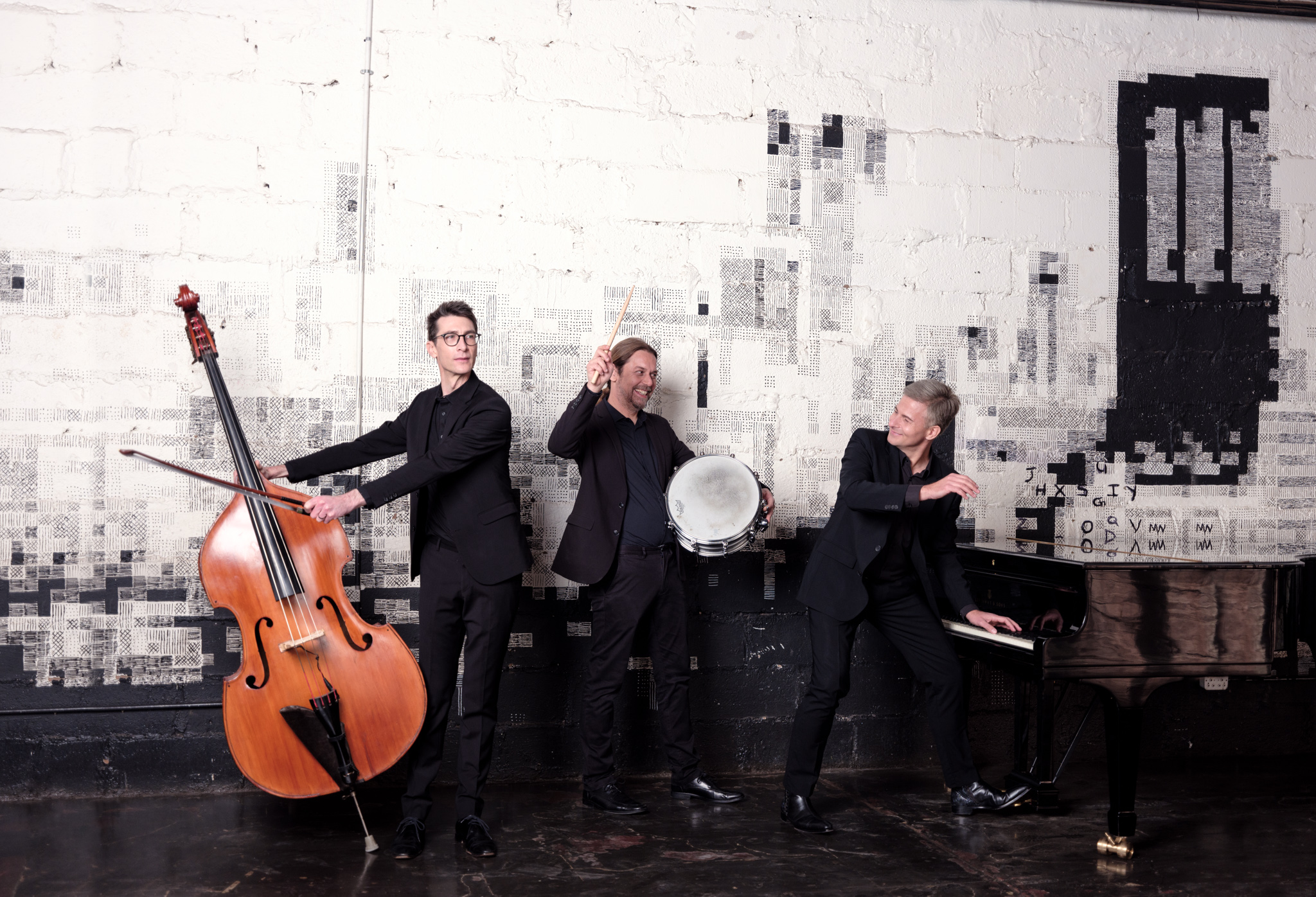
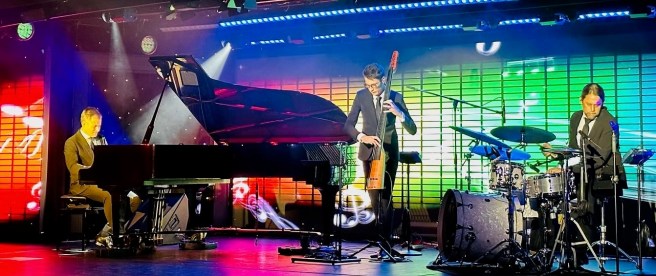
Steinway Artist Charl du Plessis is joined by long-time collaborators Werner Spies (double bass) and Peter Auret (drums) for a reflective journey through two decades of crossover music-making – both on stage and on their latest album.
As one of the most unique and recognizable musical ensembles in the country, they have built a special audience who enjoy their crossover of classical and jazz tunes with very unique Du Plessis orchestrations and a style that these three individual artists have created together.
Travelling wide, both locally and internationally, they have built a following from Zeerust to Zürich, Stellenbosch to Shanghai, and for those of us watching, follow a punishing schedule that few could imitate.
The way they have perfected their unusual operation, skillfully streamlined the way they rehearse, travel and perform, which allows each one of them to perform on different platforms, is phenomenal and something that budding artists could study.
The Trio was formed in 2006 with Charl and Werner on board while Peter, the latest member to join nine years ago, has worked with them for 18 years as a recording engineer. “Initially, I established the trio because I wanted to play ‘real jazz’,” explains Charl.
The crossover route came later, almost organically. “It was never the plan to mix classical and jazz music.” And that probably is the key to their success – the unique combo. As Peter points out, it isn’t as if there aren’t other musicians doing a similar thing, but it is the unique infusion of the three styles and their musicality that holds the key.
Their many years of working and travelling together has turned them into an unusually tight group, which is visible and audible in their music. That is their strength and as a bonus their professionalism on and off stage. They have discovered a niche, which has been honed, growing an unusual brand all their own.
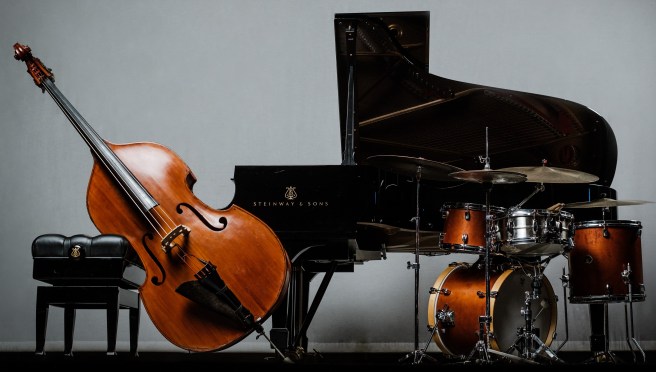
Just their instruments, how they choose on which one they play, (Charl, for example, travels with his piano, you have to see it to understand).
He first came to Pretoria as Nataniël’s accompanist and knew that he would have to create and work at his own career. The Charl du Plessis Trio was a result. Not only does he have a double doctorate (classical and jazz music), he also found two magnificent musicians with whom he could develop a specialist genre because of their different skills.
The programme for the anniversary features instrumental favourites, works by classical composers, and a selection of Charl’s original compositions. “Virtuoso improvisation and finely balanced ensemble playing offer an intimate listening experience and a tribute to highlights from their 20-year history.”
The latest CD, which was recorded in Joburg a month ago, is their 10th. Their previous one was recorded during Covid (can you believe, five years ago) titled It Takes Three.
This one offers the music they performed over the past five years, a little bit of Mozart and Beethoven with a jazzy edge and several Beatles songs. “That’s especially what we have been performing most recently, and the traction of the Beatles music was high; people really loved it!”
The title of the album is Take a Sad Song and Make It Better which Fab Four fans will immediately recognise. And that is the perfect representation of their music for these three musos: “We take sad classical music and jazz it up,” says Charl, who is thrilled with the balanced mix of music on this latest addition.
Performance schedule:
*Knysna February 22
* Fairtree Atterbury Theatre March 21/22 (with the launch of the CD on the first night)
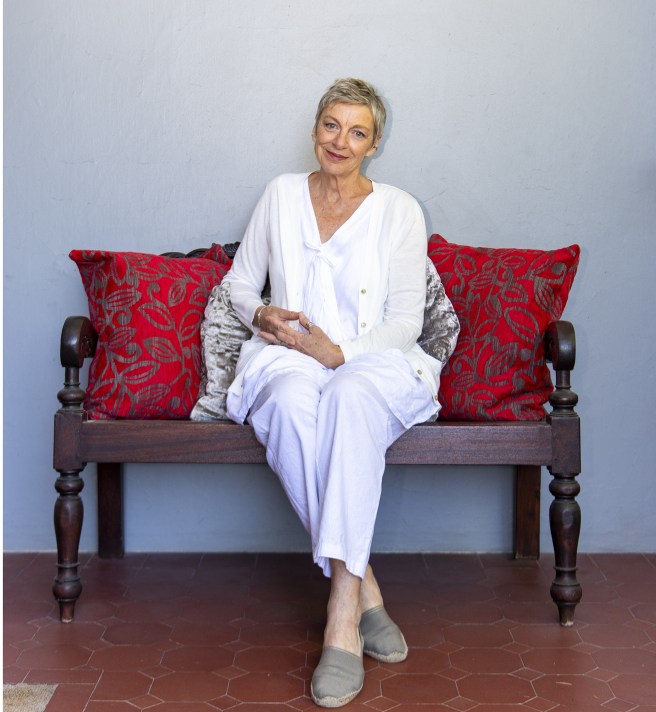
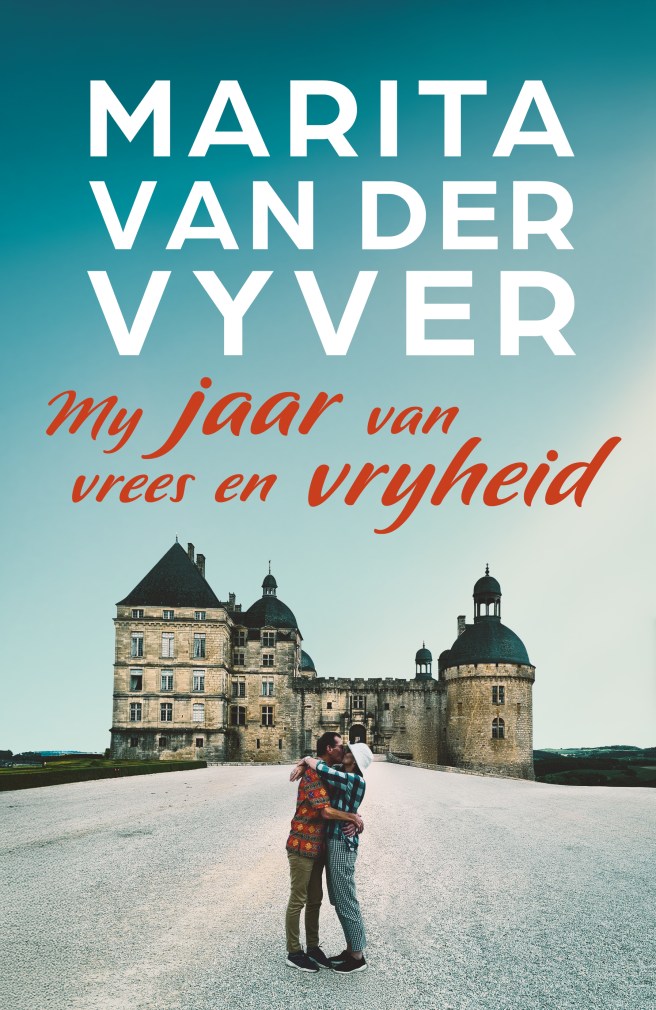
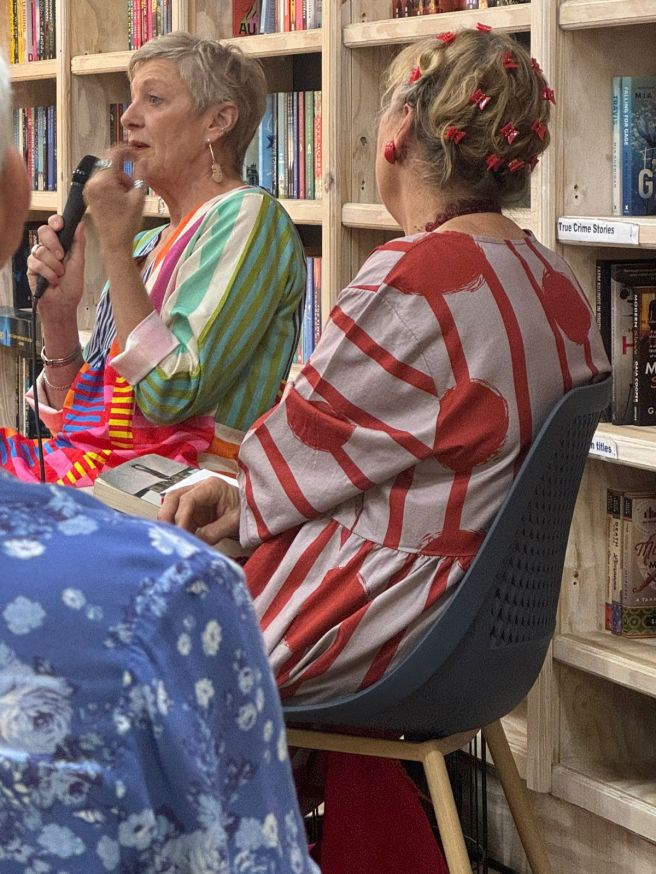
Author Marita van der Vyver who has been living in France for most of her adult life recently returned to her home country to promote her latest book My Jaar van Vrees en Vryheid (My Year of Fear and Freedom), and hopefully the Afrikaans version will be translated soon. DIANE DE BEER interviewed her with a live audience:
Marita van der Vyver, Picture: Jaco Marais.
“I think if you lose your language, it’s because you want to lose it,” says Marita in response to my remarking on her excellent Afrikaans after so many years spent living in France. “Your language will always be part of you,” she admonishes.
And that’s the thing about this author, she’s been around and done many of these travelling book tours, which though a welcome financial opportunity, can probably be exhausting. Having done many of these as the enquiring journalist, my empathy always remains with the authors, but I also enjoy these conversations because they’re usually keen to promote their writing.
I was delighted when I realized the book I was sent by the publishers was a memoir rather than fiction. Either would have been fine, but I was looking forward to reading about her travels.
When she and husband Alain decided to embark on this extraordinary journey, many things were in play. “I didn’t know whether the marriage would still be intact following this adventure,” she admitted.
And at the start of their expedition, a book wasn’t on her mind. As a writer she always takes notes and to generate an income she wrote for Litnet, Daily Maverick, Sarie as well as Vrye Weekblad, which was still publishing at the time of the journey.
She never stopped capturing moments along the route. Back home there was a sigh of relief because the marriage had stood the test; in fact, their relationship was stronger than before.
That was what turned her head to a book. In the first chapter she explains the reasons for the journey, which was the result of the confluence of many incidents. Writers, she tells us, always live things twice. “You live it in the moment, but then you’re always standing back and observing, living it a second time when you write about the experience. Only then do you know what you truly felt about it.”
“Once I was writing, I could really understand what I had experienced,” she explains. She admits to being very honest and once you read the book, you will understand and agree.
Initially she was going to write a travelogue, but regular first readers (honest friends), encouraged her to delve more deeply into their lives. This wasn’t an easy time and without her husband’s permission, she would never have drawn back the curtains so sharply, revealing much more than many would care to share.
This is also what makes this such a fascinating read. Wherever you are in your life’s journey, relationships play out in many different ways, but there are always incidents that will remind readers of their own lives. That and because Alain wasn’t only a willing participant but also the comic relief (“he’s funny naturally,” says his wife).
Travelling, as we all know, can be huge fun, but it’s also hard work and often extremely trying to make your way in foreign lands.
When writing, Marita is always very protective of her family. Yet writing a memoir depends on the author opening up, making themselves vulnerable. But her husband easily agreed and their relationship and togetherness contribute warmly to the enjoyment of their journey.
Yet, it also meant that she had to share the details about her husband’s depression and addiction. During Covid, as for so many freelancers, her income evaporated. Being an Afrikaans writer who is trying to make a living in Europe includes many different jobs. She has to do functions, writing schools, talks to various groups and more. All of this was impossible due to the pandemic.
Together with the reappearance of Alain’s depression, her world collapsed. Depression and addiction often go hand in hand, but both of these had been under control, until it wasn’t. “There were none of the usual aids, including psychologists or AA meetings, everything was cancelled. His regular psychiatrist had to turn to the physical needs of those struggling rather than mental health issues.”
Suddenly their needs changed drastically, and she thought of something written by James Baldwin in Giovanni’s Room: “Perhaps home is not a place but simply an irrevocable condition.”
That and the way the couple adapted to their year-long journey is what is so deftly and delightfully sketched by Marita, who made all the right decisions to turn this into so much more than simply traveling from one country to the next, and from one continent to another.
Isn’t that just the dream of many people? And yet it always sounds more romantic and achievable than it is. But here Marita and her Frenchman show how it can be done, even with all the odds against you.
And perhaps even more than the travels – and I truly enjoyed and relished every little byway and highway – it’s about two individuals who might be at the end of their time together, trying to give it one more chance.
Who can resist? Marita is a writer who knows how to tell stories and with this one she instinctively realized what had to be done. The fact that Alain agreed to everything tells me much more about their marriage than any book could. How could they not survive?
Because of the originality of the book, I am hoping and holding thumbs that it will be translated for a much wider audience. Not only will it inform you about the way to approach something of this magnitude, but it also proves when two people are meant to be together, their happiness has a much bigger chance of survival.
And what could be a better panacea than going off on a madcap adventure crisscrossing the world. After all, as one of her other favourite quotes by the Egyptian Naguib Mahfouz remind us: “Home is not where you are born, home is where all your attempts to escape cease.”
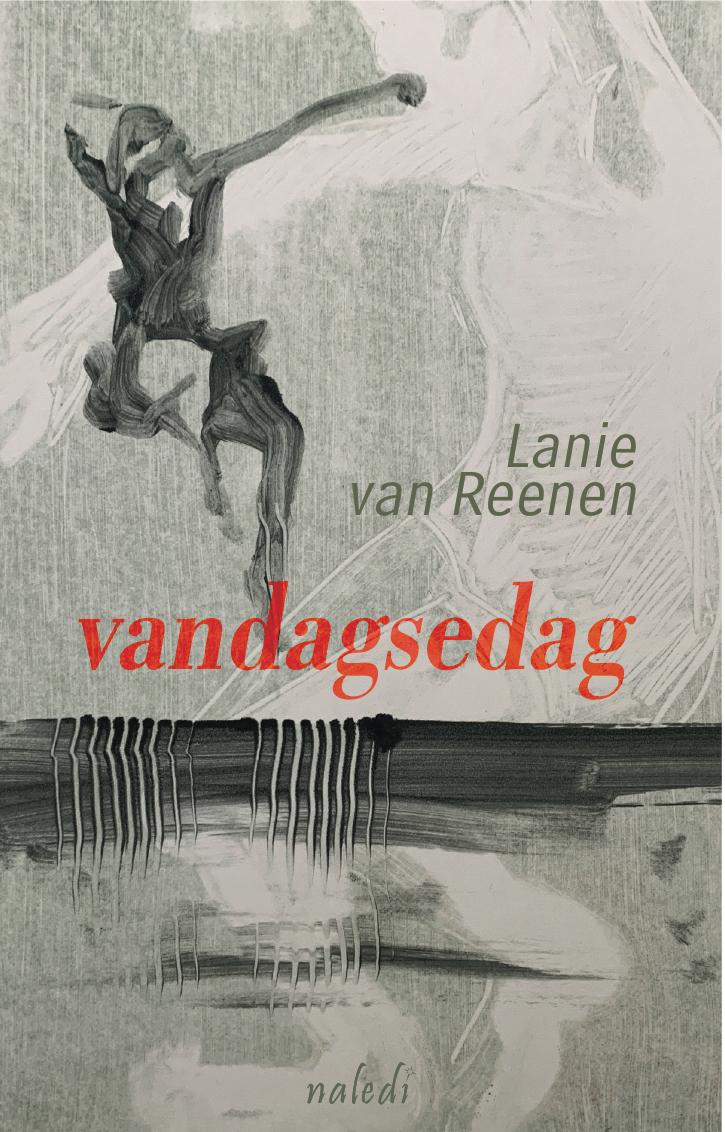
When I was first handed Lanie van Reenen’s latest novel with the unusual title Vandagsedag (translated as Today’s Day), something sounded familiar but I wasn’t sure.
I was asked to have a chat with her with an audience in attendance, so I was keen to explore her third book. She’s adamant that she doesn’t do fiction; she tried, and (she believes) failed miserably.
But her unusual life, not strictly planned, was what first started her writing. She kept notes on her life to make sense of what was happening, which started with the disintegration of her marriage – unexpectedly.
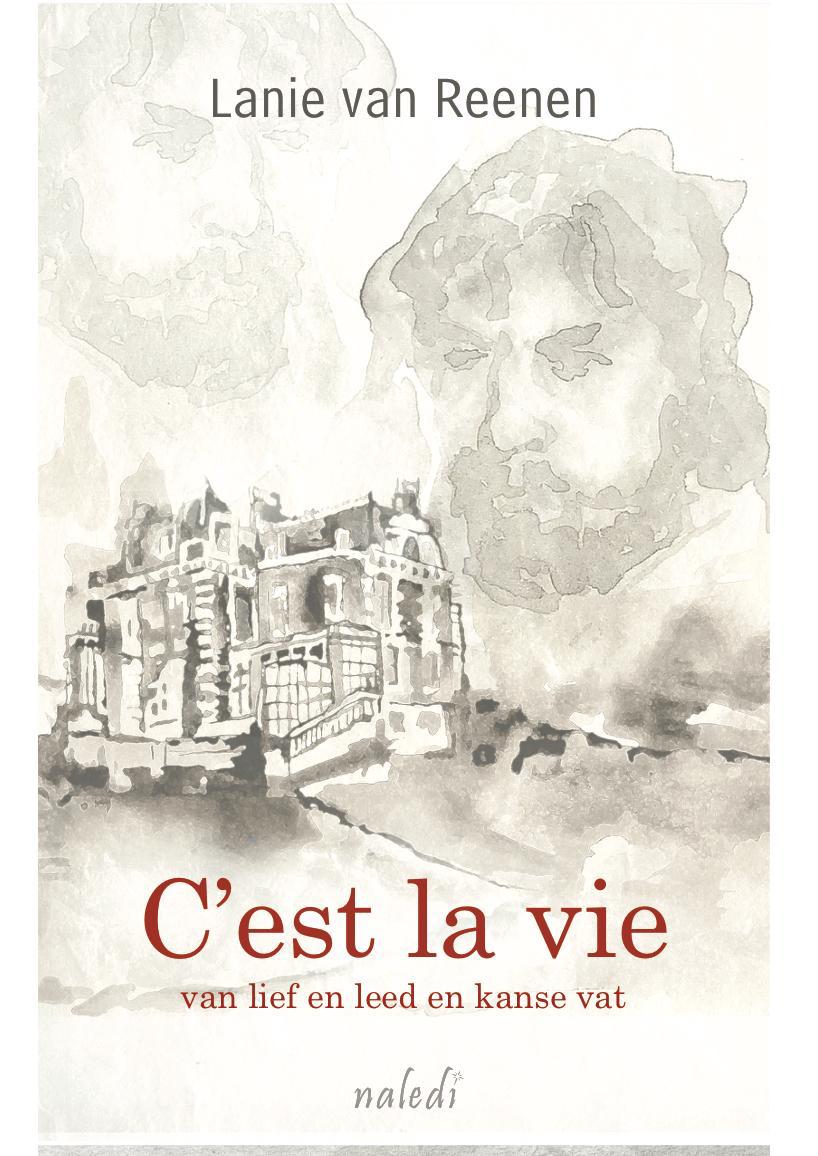
To help her get through this painful experience, she wrote her first book, C’est La Vie, which told the story of her French sojourn, dominated by a castle turned into a guest house, which turned into a disastrous enterprise because of the worldwide financial crash, amongst other things.
This was when she discovered the strength of putting her thoughts on paper, which then turned into a book. “I don’t write what I write with the intention of publishing,” she notes. She insists she isn’t a writer. When she simply writes to deal with her tumultuous feelings, she finds it healing. If she should sit down and do it intentionally for a book, her writing feels self-conscious.
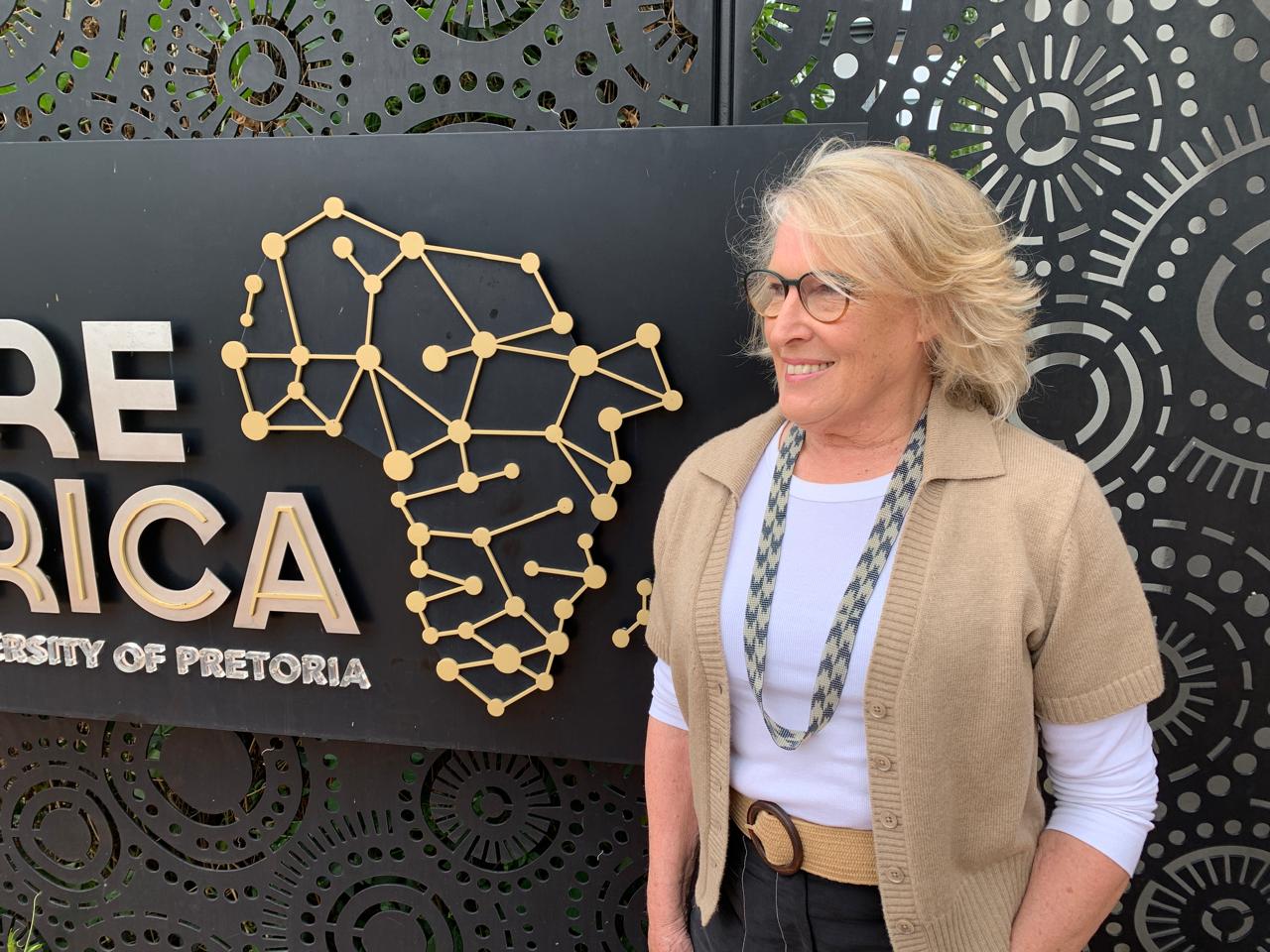
Lanie van Reenen, the reluctant yet invigorating writer.
Whatever she is doing, it obviously works. I absolutely loved the writing and the way she engages readers with her life. It is the way she achieves writing about herself yet embracing the world. That and her determination to move forward and on when disaster strikes. She writes well and because of her adventurous drive, she is constantly finding herself in some kind of pickle or another, which she then battles to solve in a way that works for her and harms no others.
In this latest offering, she pinpoints a few themes. Probably the most dominant, is the focus on her mother’s last years. Who of us have not had to deal with that, or will in the future – especially women?
“My mom was blessed because she had five daughters all living quite close to her at the time.” In her case, she was living in Stanford, her mom in Hermanus, so she could pop in quite frequently.
But the daughters were also lucky to have a mother who took advantage of life and the fact that she was still living. On her 90th birthday she jumped from a plane. I’m not sure many of us would do that at any age.
It also explains much of Lanie’s spirit. How could one not embrace life with a mother like that! “She was really special,” says Lanie. But at this stage, her mom knew this was her last season.
And that is how this latest book made its first appearance – or at least the title. “She asked one day when she thought she was ready to let go, ‘How difficult can it be? What else do you have but today’s day? (vandagsedag)’”
Chatting about her writing process, especially one that doesn’t lead specifically to writing a book, Lanie does make An effort to document her life. Whenever something special happens (a wale turns up right next to her while she’s having one of her regular swims in the open sea), she writes it down as soon as she can.
In her younger days she was given a special notebook by a special friend, the late Merwede van der Merwe, a television producer in the early days of local television. This became part of Lanie’s life and one that she has always stuck to.
“I also regularly attend writing schools,” she says, “in the hope that I will actually learn to write. It’s about those of us who feel we cannot write.” Here the participants are given special writing exercises, like creating something about their earliest memories for example.
Busy with her third book, and yet another life crisis she had to deal with, she decided she would include these earliest memories throughout the book to give readers an inkling of who she was as a youngster and then grew up to be.
Lanie (right) and Diane pictured by Janetje van der Merwe.
And because these pieces were written to be read aloud the following day in front of a group of would-be writers, she threw herself into every piece. “Luckily, because of that they were usually well written,” she explains.
“I realized there aren’t that many stories about my adult life I have yet to tell.” And as this was to be her last book, she thought that she might as well go back to the beginning, which she did.
She is still amazed at how she managed to publish three books, which she attributes to her years and years of detailing her own life. “Even if I’m on the road, I will stop and write it down,” she says. And we all know how you think you will remember that last thought before you drift off at night …
The next morning it’s gone and you can’t believe that you let those brilliant words go. Each time Lanie decided she would attempt another book, she turned to her notes. “If you want to heed the discipline of writing a book, you have to make a daily appointment with yourself and you have to turn up,” she admonishes.
Following the reading of her first book many years ago and this last book for our conversation, I also read the middle book which completed the circle. I am convinced Lanie isn’t yet finished with her writing. It has become a part of her life, something she turns to when she wants to make sense of her life.
In the meantime, for those of you who haven’t yet discovered her particular oeuvre, explore and enjoy. Hers is an unusual life and one worth reading about.
A personal journey of South African people and places by DIANE DE BEER:
Recently I finally made a dent in my few bucket list items – a west coast/Namaqualand flower trip.
For years now I have been dreaming of seeing this annual phenomenon, a desire I don’t really understand. I’m not your nature kind of girl. As explanation, these feelings have probably been fueled by a partner who feels once you have seen one dusty animal, you’ve seen them all.
I’m not quite that extreme but mostly I rely on others to supply me with these once-in-a-while nature excursions. Of course, living and traveling in South Africa, much of our lives is dominated by nature, and it’s hard to resist. I love spending time in my garden and a few years back, a cousin who is married to a Kiwi invited me along on their Kruger National Park trip. I loved every second.
I was fascinated by the evolution of the park which I had not visited for a few years and I loved going with a couple who travel to this country especially for one of these game park trips. It thrilled me to know that this was one of our best attractions luring many foreign visitors to this country.
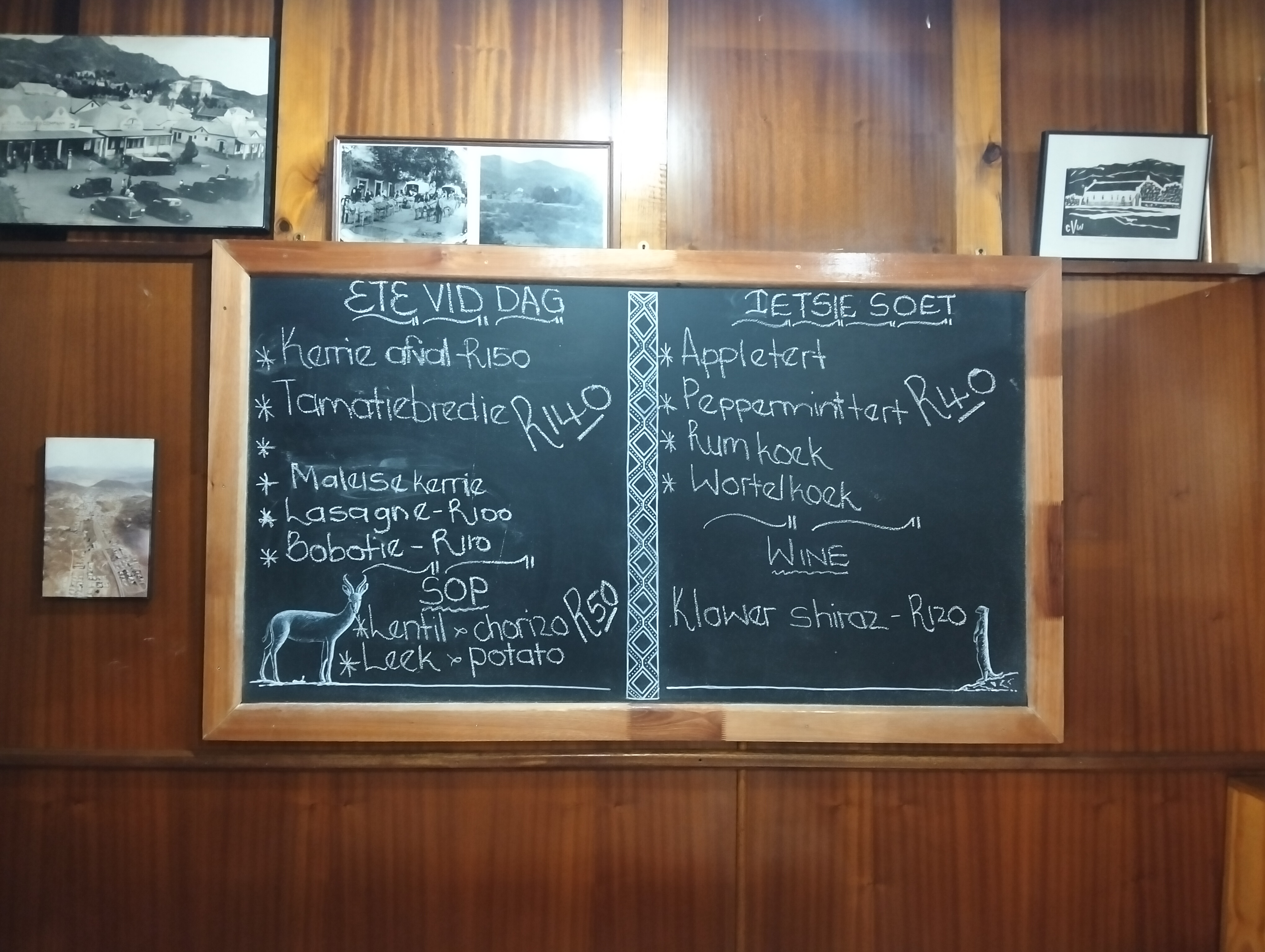
Menues and memories at the Springbok Hotel
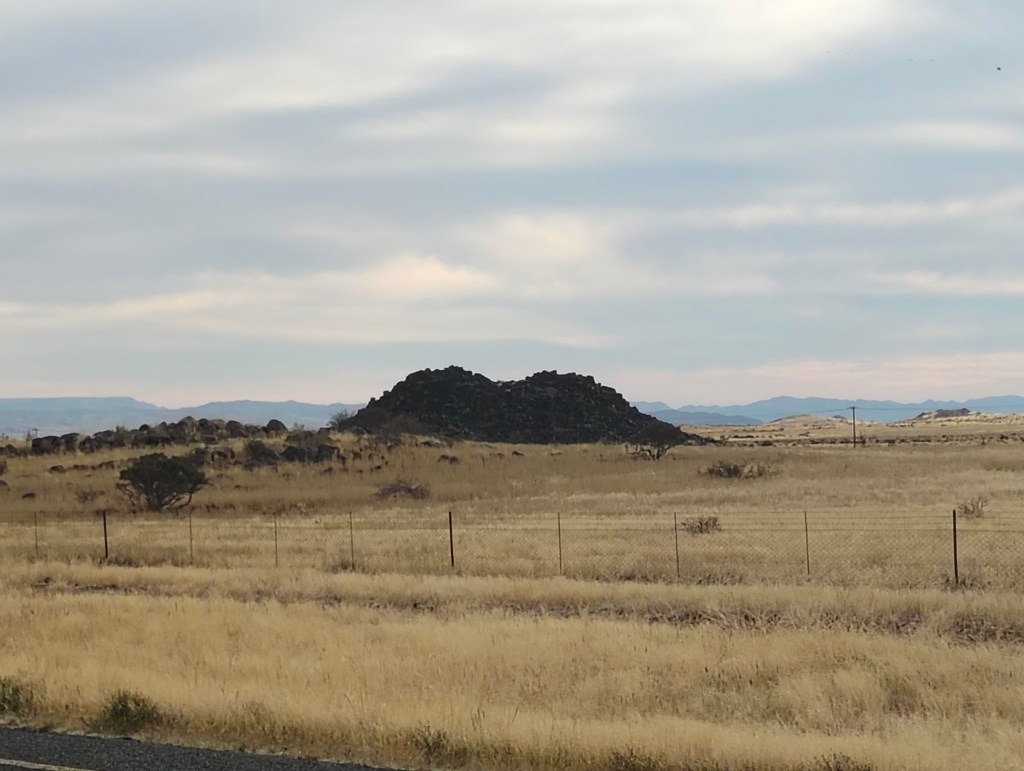
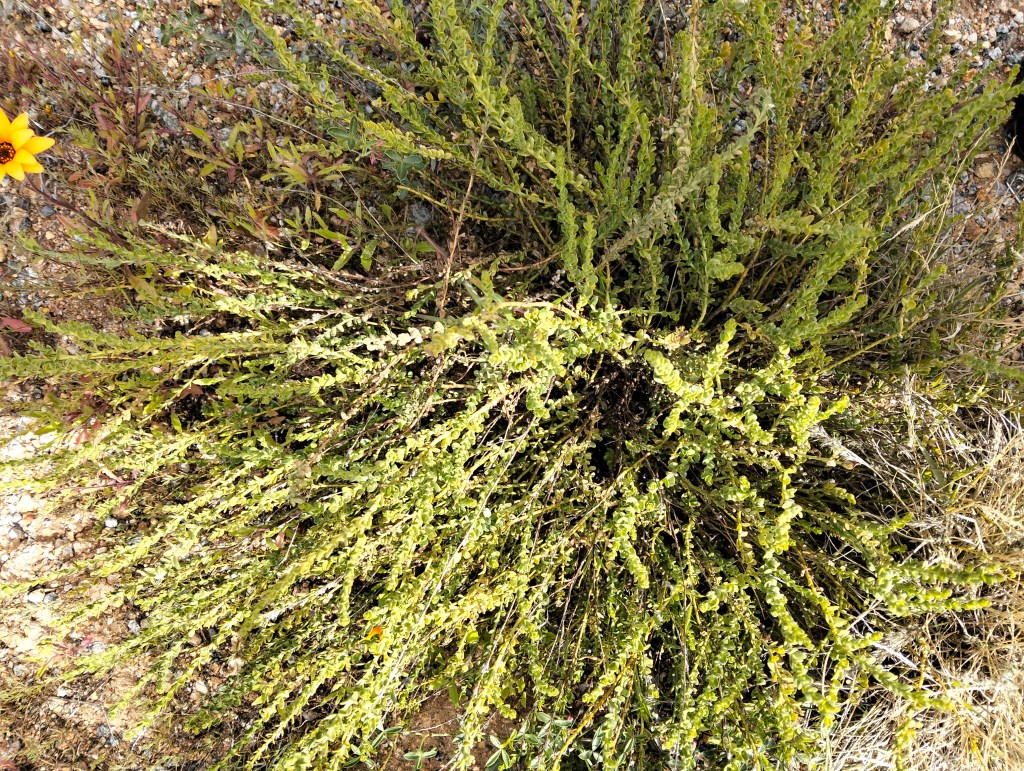
So when we set off via Springbok as our first stopover and initial sightings of the flowers, I had very specific pictures in my head. It was very different to what I had expected, yet I wasn’t at all disappointed.
I had always thought that the whole area was covered in flowers. I knew certain years were better than others and I have a special friend, Martie-Louise and her husband Albie Hunlun, warm and generous people, living in that area who had gifted us their holiday cottage in Strandfontein and who kept me posted on the date we needed to leave – which we did.
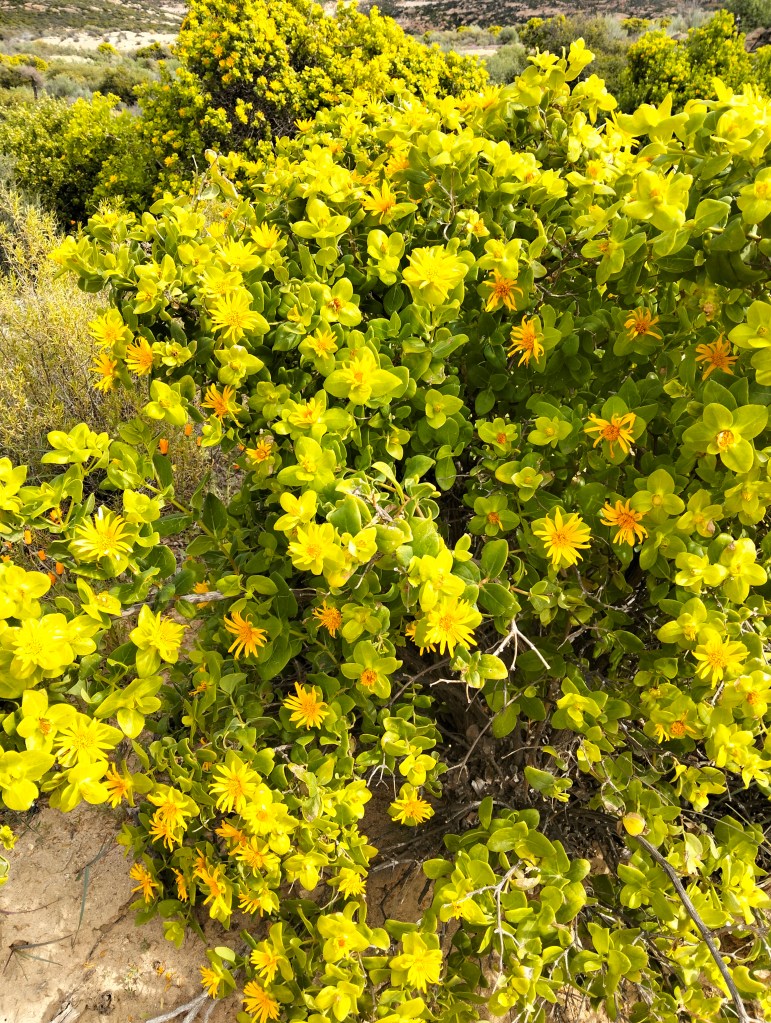
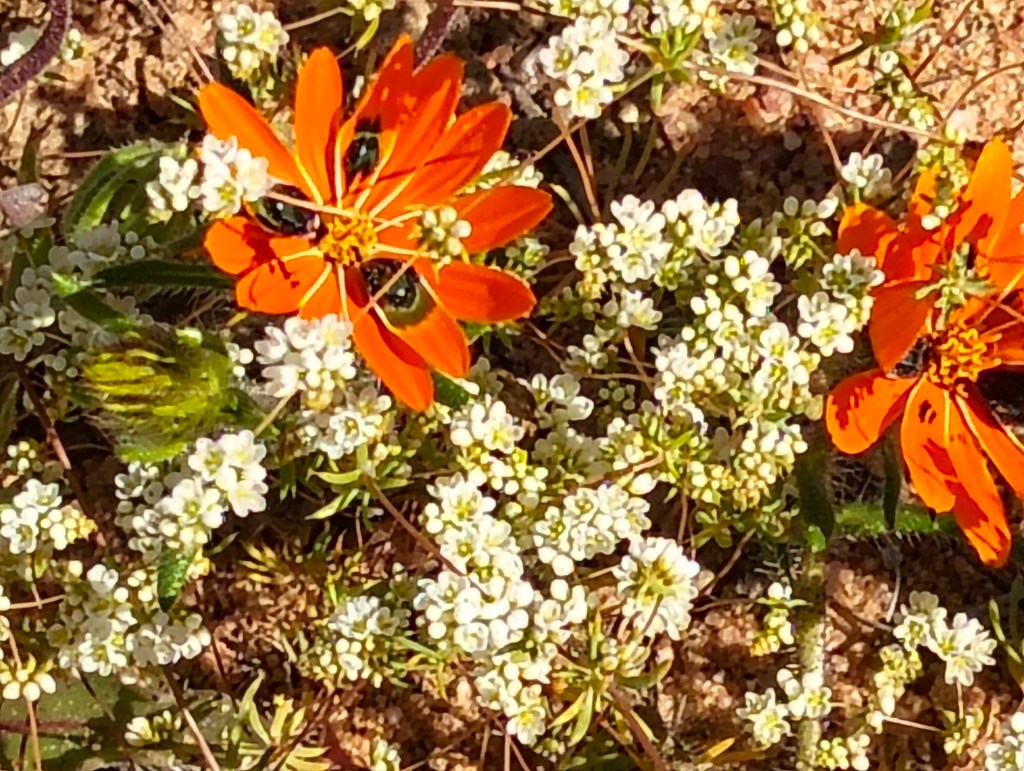
Our first glorious encounter with the Namaqualand splendour was the day we spent on a circular drive in the Springbok environment. It blew my mind and if these were the only sightings to be had, I would have been happy. But I knew there would be more.
The floral splendour of Namaqualand.
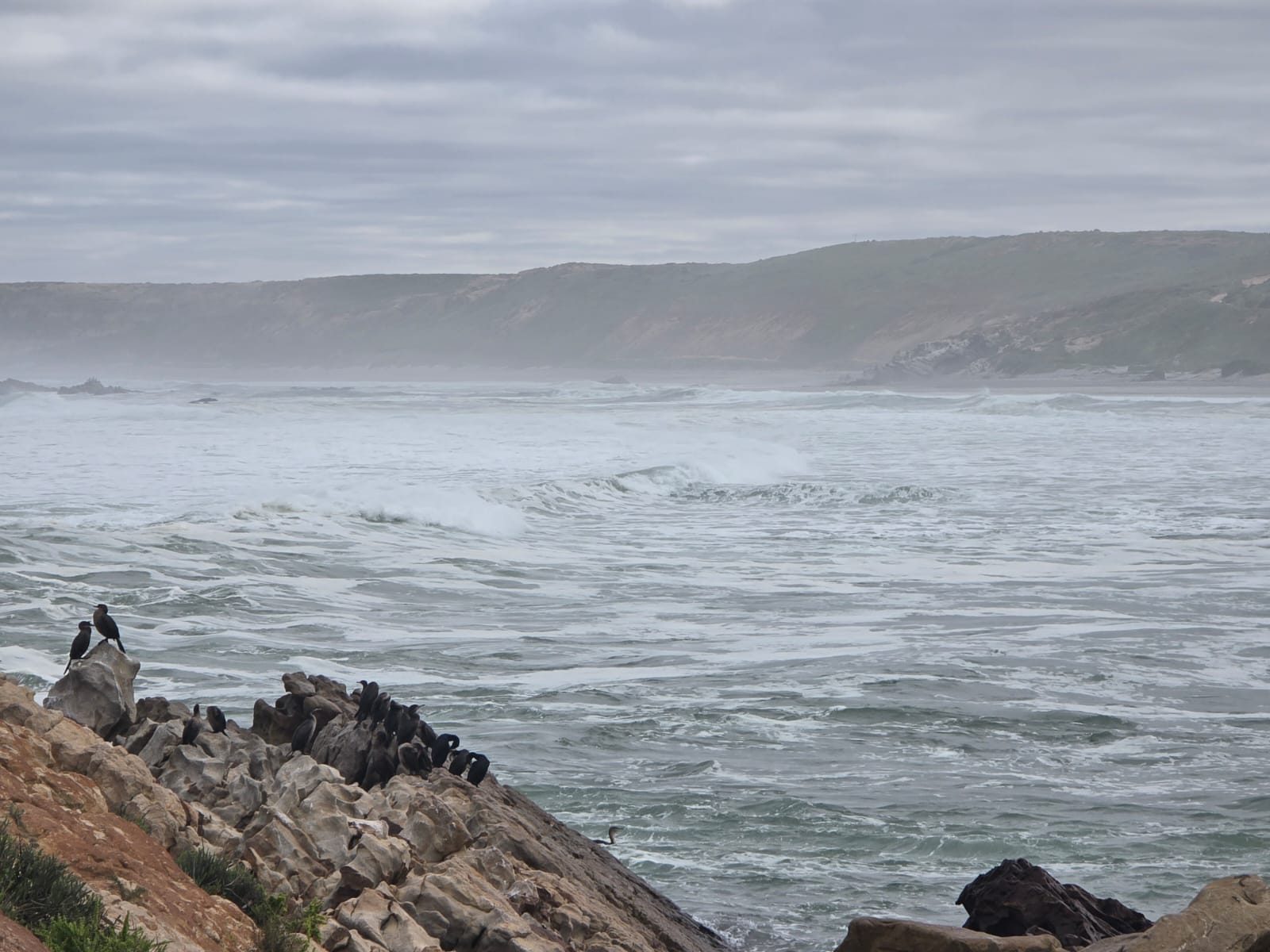
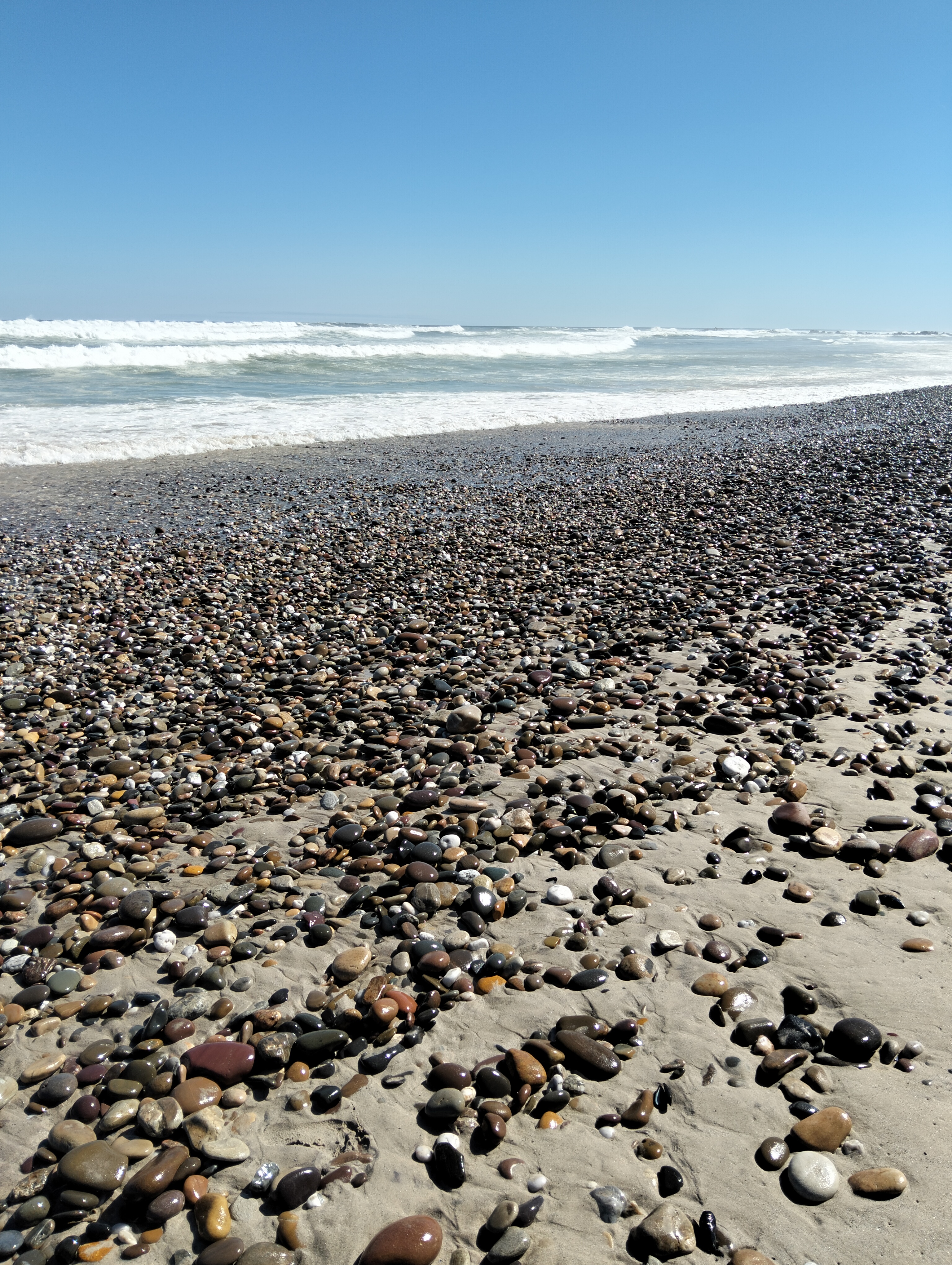
Apart from the flowers, geographically this part of our country is quite spectacular. With the sea always close by, the landscape has a constant backdrop and if nature dominates my life in any way, it is the sea that most enchants me. It’s part of my childhood and while I have lived in Gauteng for most of my life, my most dreamy times are always when I go bodysurfing, something I do whenever I have the chance. With this trip both the weather and the chilly seas were a deterrent, but I had known that would be the case.
Our second day filled with the magnificent sight of flowers was in the Posberg area. While the whole Namaqualand area has sightings of flowers, there are specific spots where an abundance is more visible – in my mind’s eye, I thought the whole Namaqualand would be covered in flowers like I witnessed in these specific areas. It was a revelation but no less spectacular than I imagined.
We were blessed in all kinds of ways. The area in which people travel is quite vast, so we were never overwhelmed by traffic or tourists. I suspect because it isn’t contained to one specific area, the adventure is relatively unspoilt and clearly focused on the flowers. All the amenities are available if you want, but Namaqualand hasn’t been turned into a theme park – yet – which could so easily have happened.
The magnificent west coast.
The people of the area are also unique. There is a spontaneous warmth and friendliness in every encounter and while my partner was flummoxed by the absence of his much loved cappuccinos, for me it underlined the charm of this spectacular part of our country which changes into a wonderland annually for a few weeks – and yet, they have kept it as untouched as possible in a world driven by financial opportunity.
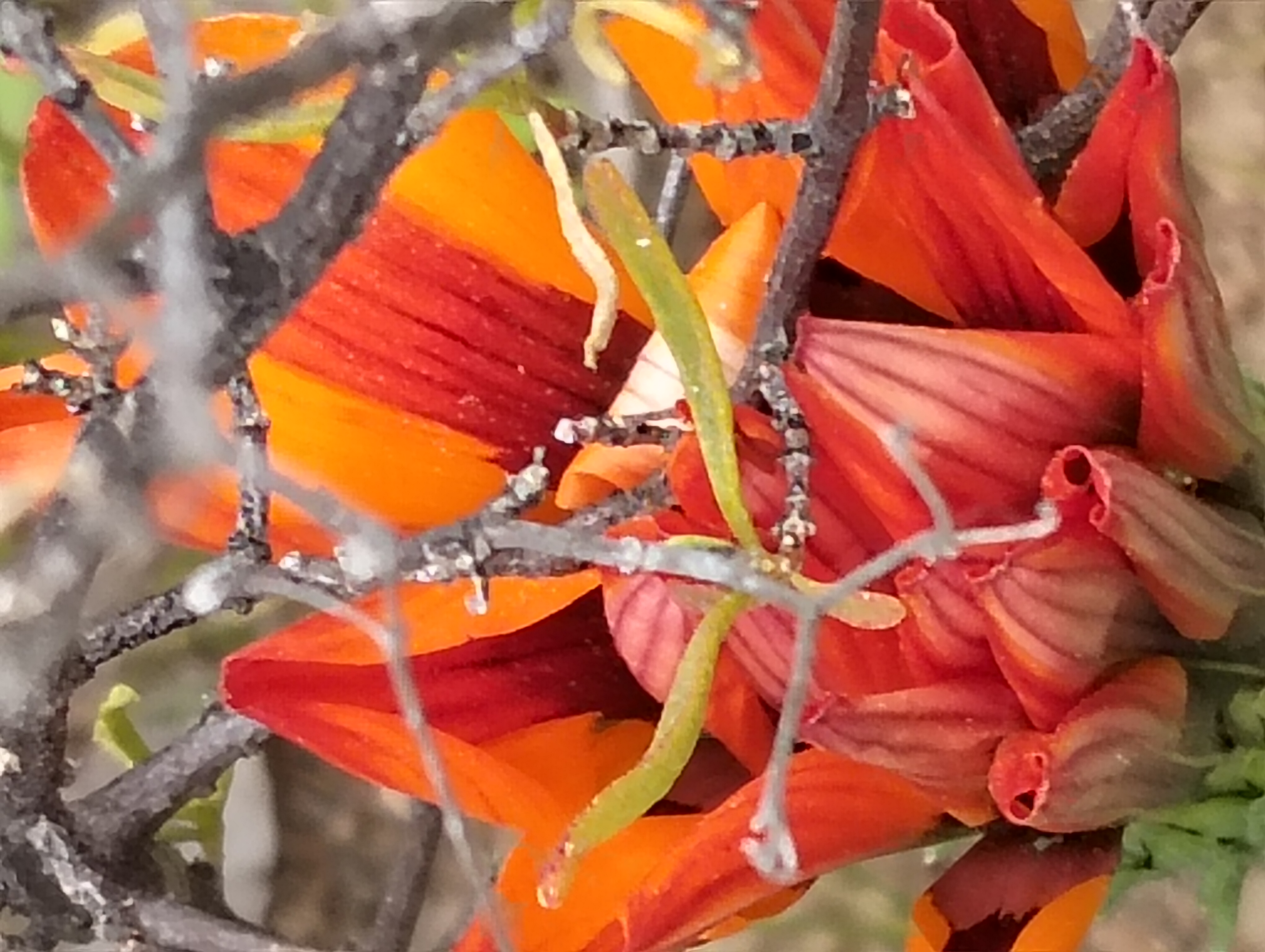
Nature at its best.
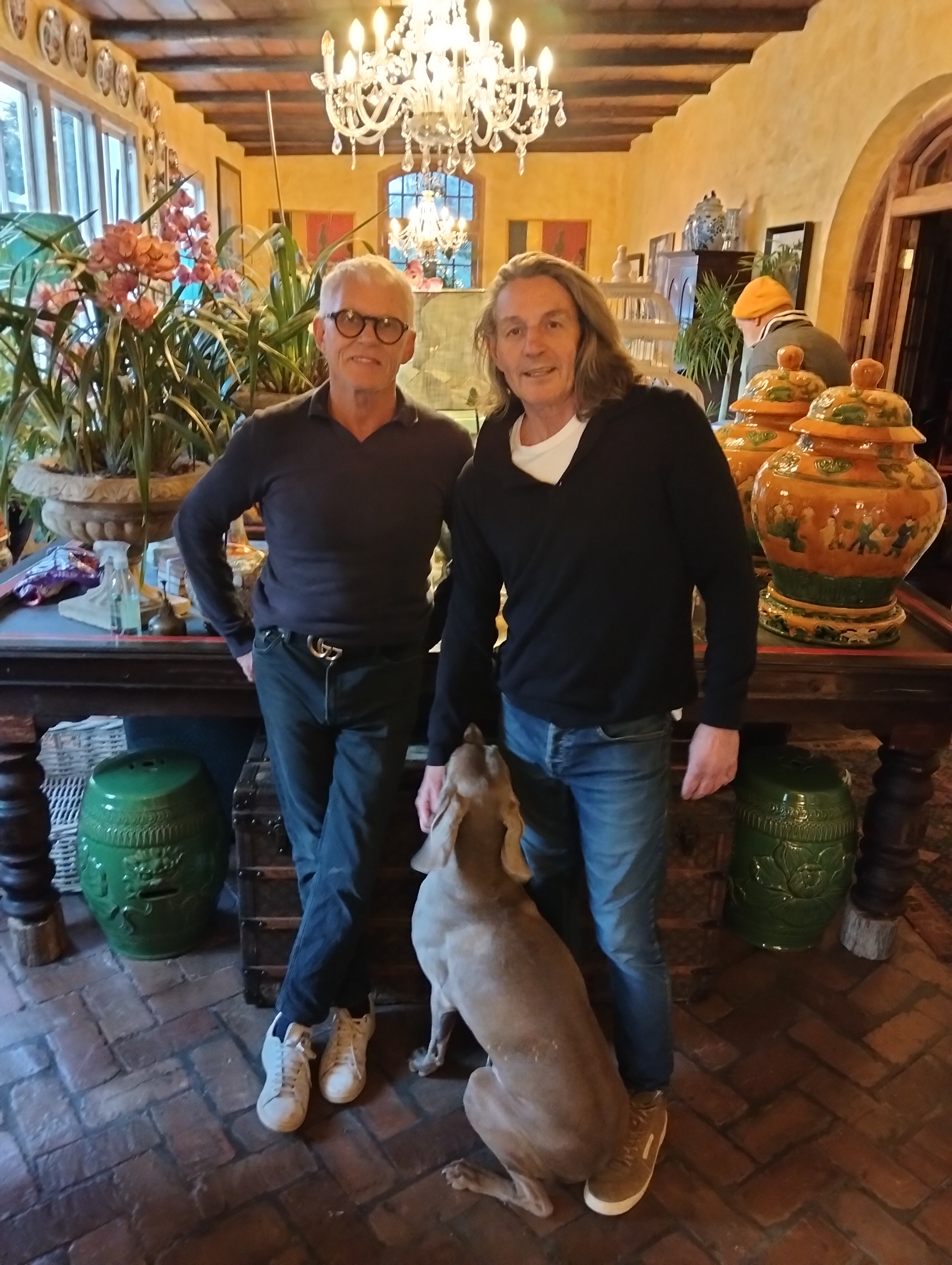
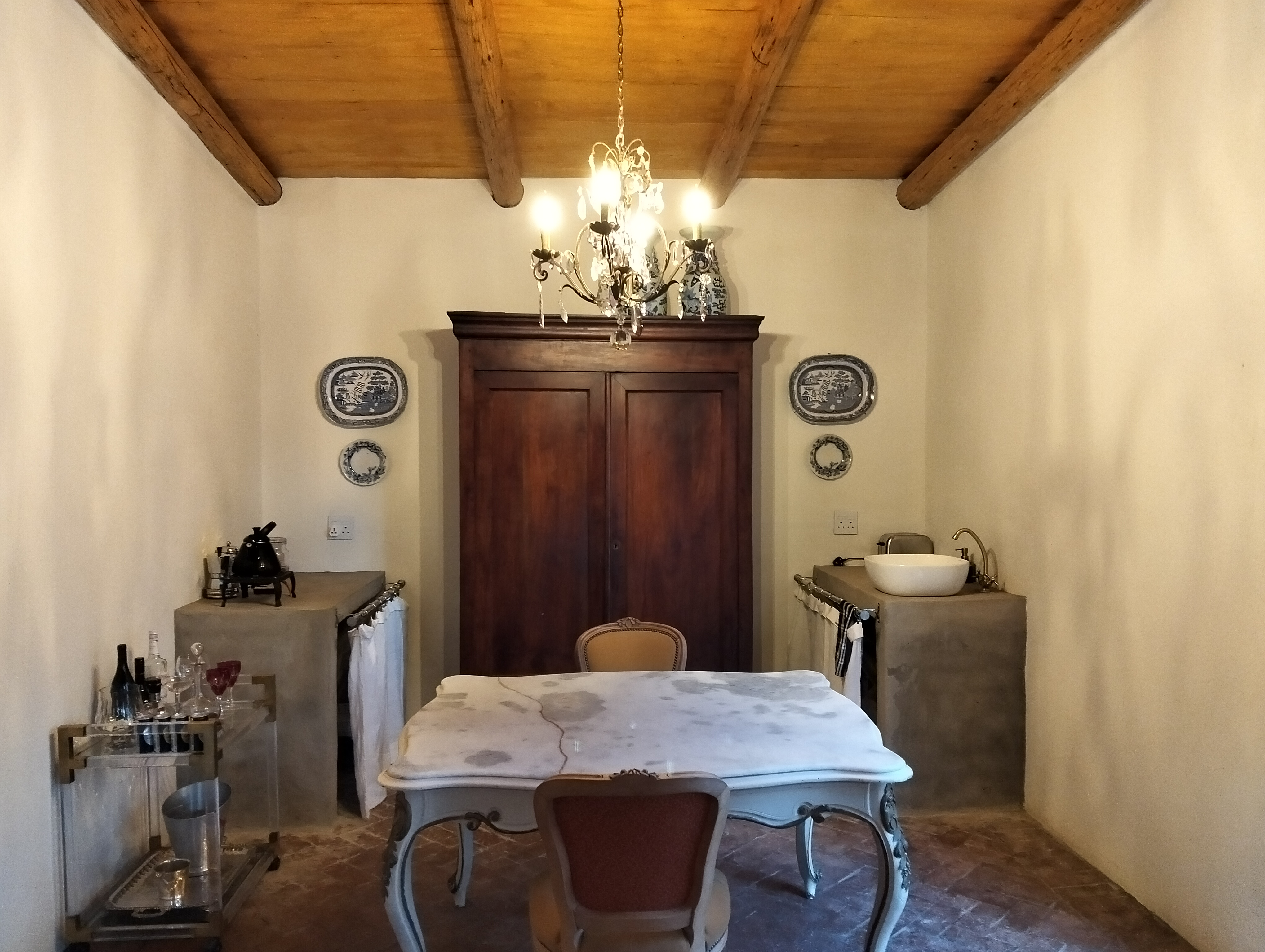
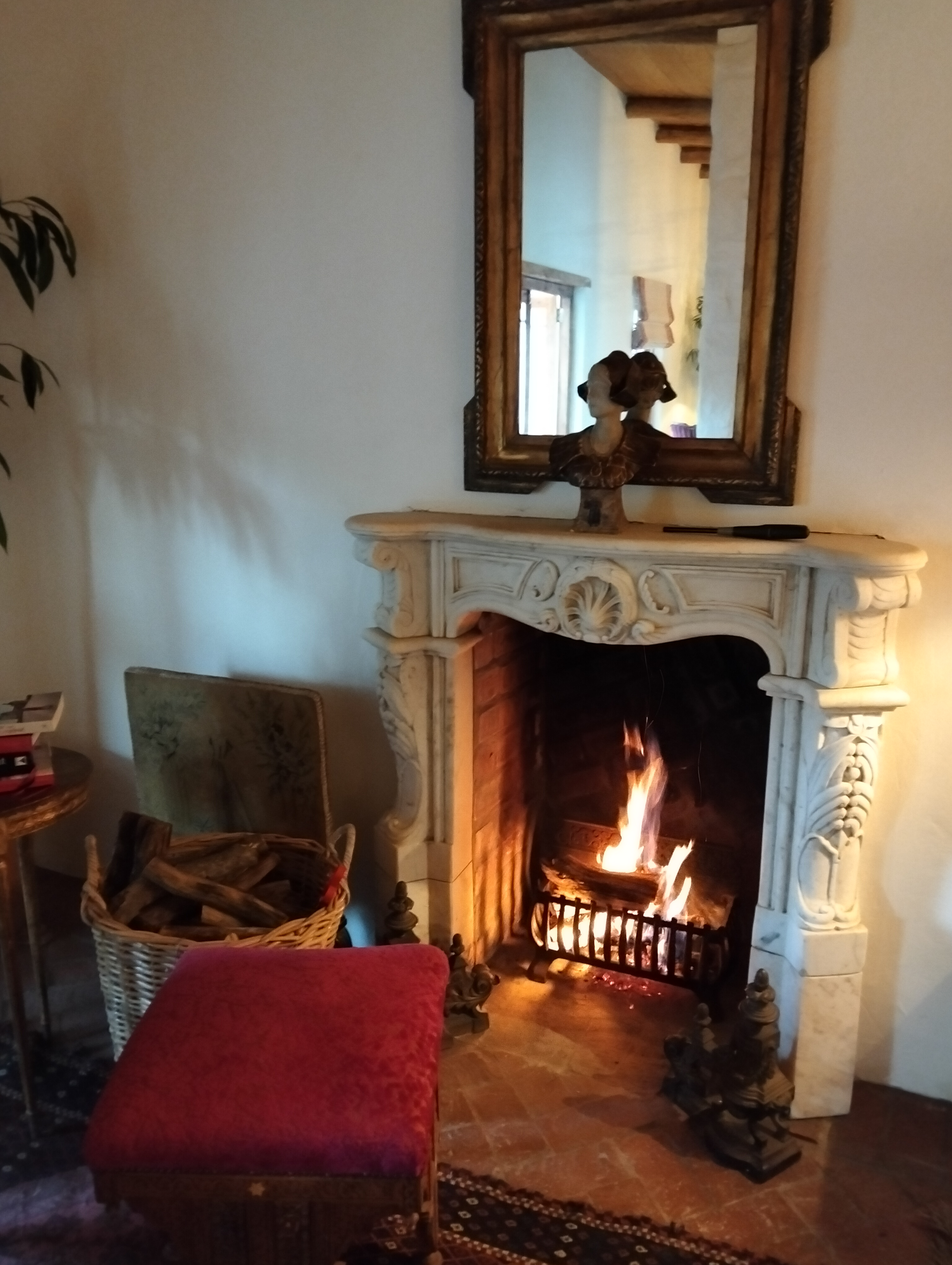
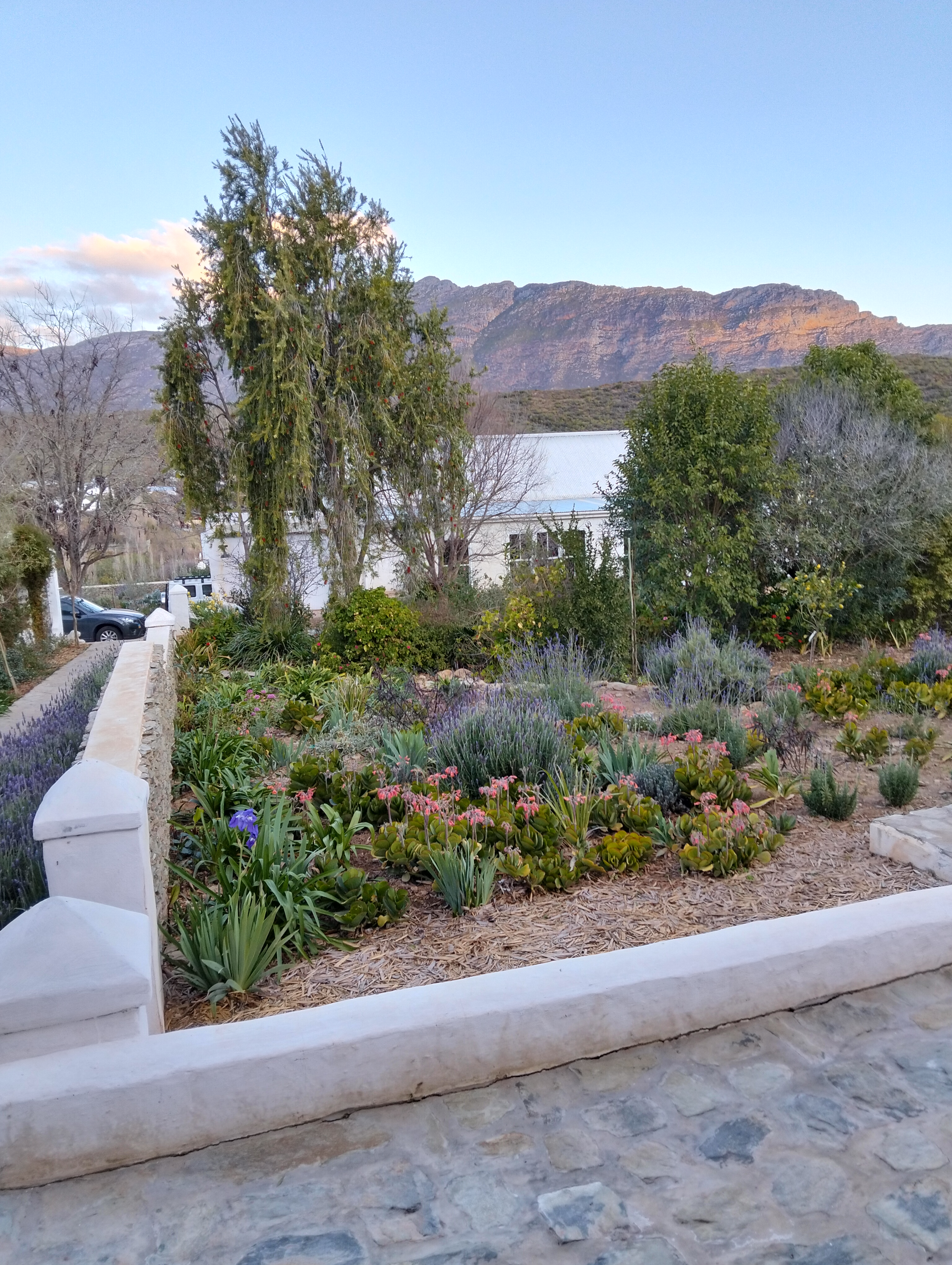
Because of the distance we had to travel, I expanded our road trip, and our final destination before heading home was at Gert Van de Merwe and Jaco Jansen van Rensburg’s Die Langhuis. In 2020, en route to Cape Town, the couple took a detour and found themselves in Barrydale where they discovered, and impulsively bought, what is now their destination. Die Langhuis has changed into something quite breathtaking by these two creatives.
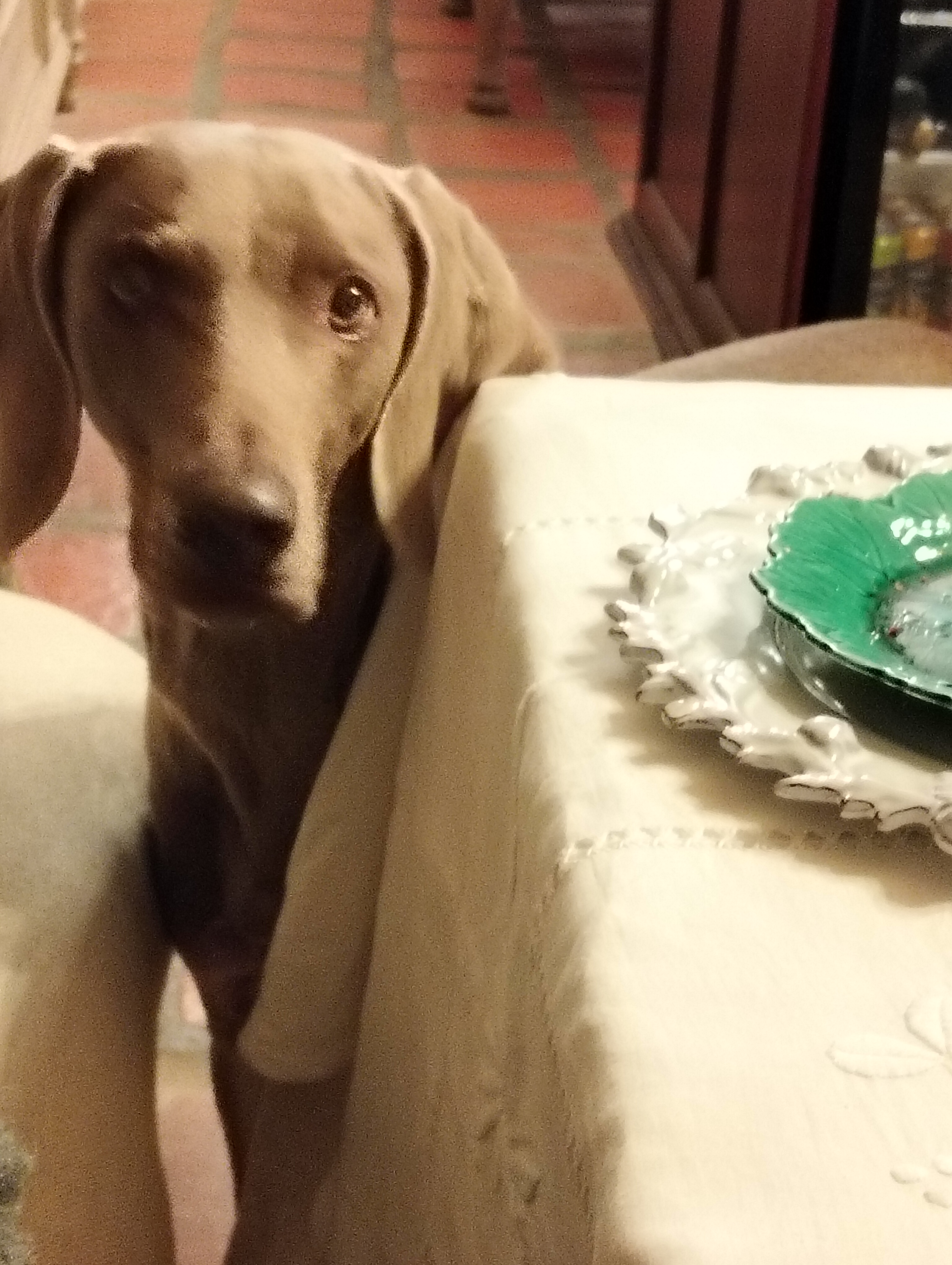
Gert and Jaco with their doe-eyed Weimaraner Alexiaas well as their exquisite enterprise here and below.
I kept in touch with all the happenings around the evolution of their lives moving from the city to the Karoo, Gert’s letting go (almost) of his design business and Jaco managing to create a new hairdressing spot in quite marvelous fashion.
Not unexpectedly, the designer in Gert is unstoppable, yet he has shifted his gaze from couture to something more eclectic combining his love for exquisite objects and fabrics as well as the treasure trove he discovered in India, which they visit regularly.
An escape to dream of and if you’re blessed, experience.Die Langhuis in all its splendour.
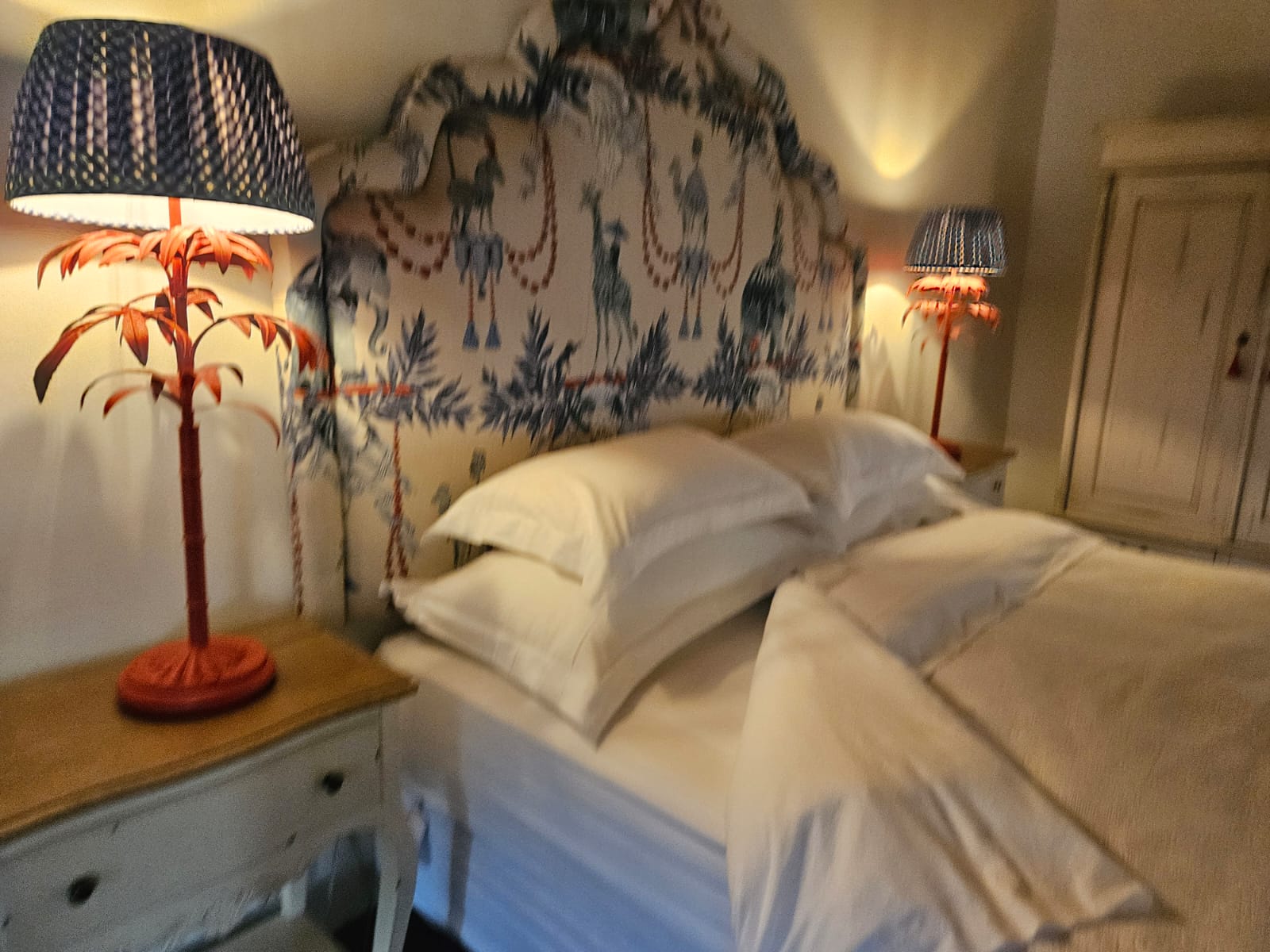
All this is displayed in their new joint venture which culminates in Die Langhuis countrystore, café and magnificent bed-and-breakfast country cottages. It’s difficult to capture the essence of what they have created to share some of their new-found Karoo magic with the rest of the world. It’s the ultimate escape in what feels like the lap of luxury while all the time wallowing in the expansive creativity of these two artists, both in their own right.
The magic of Magpie, one of the exquisite treasure troves in a gem of a small town, Barrydale.
You leave Die Langhuius and Barrydale with a feeling of fulfillment, even if small-town living isn’t what you wish for yourself. It is exciting to witness others who have found the lifestyle they were craving without realising that’s exactly what they wanted. When it then turns into something they share with like-minded travelers and allow you to have just a taste of what they lost their hearts to, it’s something more than money can buy.
I’m almost reluctant to share too much of this special little town, but because it is quite hidden and you have to make a very specific detour, they’re probably safe from too much exposure. Keep it in your back pocket for a day when you feel like a breakaway weekend wrapped in a charm that feels as if it isn’t from these harried times.
It’s your chance to do some local time traveling. And if you’re blessed as I am, you will also be meeting some of the best people I know.
Stellenbosch singer/songwriter Luna Paige will be in Pretoria and Philadelphia for rare performances to celebrate the launch of two new albums; the one in Afrikaans (Dis die Dors), the other in English (Harmony). DIANE DE BEER chats to the singer whose career she has followed from her early days – with admiration:
Storielied Reunion.Picture: Pierre Rommelare
For singer/songwriter Luna Paige the last few years has been a sharp learning curve. Since her early start in the industry (late 1999), she has been one of the most dedicated artists I know – and she usually does it all herself.
Her first look-in was when she was invited to record three of her songs on a compilation album alongside Lesley Rae Dowling and other female artists at the time. “It is what catapulted me into a music career,” she says. But driven as she is, and one has to be when you drive your own career as she does, she would have found a way.
Since those early days she has released five solo albums and one SAMA-nominated collaborative album. And since 2015, she has released numerous songs digitally and she believes, she has come into her own this past decade. That is until Covid struck.
She established her own music production company which developed music-driven productions, hosted and organised, concert series and co-ordinated music workshops five years ago. In her capacity at Iluminar Productions, she also represented other musicians and musical groups.
She found herself collaborating with many artists and produced shows such as Her Blues, Korreltjie Kantel and Smeltkroes. She also played a supporting and promotional role in the popular My Miriam Makeba Story featuring the luminous Sima Mashazi.
Because her business was still young and primarily focussed on servicing art festivals and live entertainment venues and clubs, the pandemic was disastrous as for so many other artists who depend on audiences.
Luna knew it was time to join the workforce and between 2021 and 2024 she worked as a marketer and fundraiser for Paul Roos Gymnasium, a prestige Stellenbosch school. But she’s back in the music business, armed with many new skills and ideas she wants to implement in the music industry – as well as two new albums.
During Covid she had time to reflect, and, coming out of the pandemic, her thinking and that of the world around her, has changed. That is also what her songs reflect; her collaborative intent as well as the fast-paced changes in our society. “The last time I released an album, the world looked a lot different. The digital era is now in full sway. It has affected everything outside of us, but also our own internal way of processing information, and life in general.”
And that is exactly what she sings about.
When you ask Luna about her life, she speaks about the difficulty of packaging herself. “Let’s be honest, I am so many things!” She is a singer-songwriter. She writes in her mother tongue but also in English. She doesn’t compose in a specific genre. “For me, the song, and the story behind it, dictates the genre the song needs to be in. I find my influences from a wide array of genres.”
But then she is also a social worker, an altruist and an organiser. She feels she is a catalyst of sorts. “I know how to bring an interesting group of people together to do great things.” And with those words in mind, I predict exciting performances in the future.
Luna has always had to fight for her place in the industry. Performing isn’t an easy way to make a living. Music is her life, and she has always known that’s where she wants to be. Armed with new skills and insight, she believes that private investment in the arts is essential for its survival. “I believe artists have a huge responsibility to not only expect funds, but to also give back to their own communities. And the causes they believe in.”
While fundraising and marketing something other than herself, she became aware of her own different facets. “I have always seen them as separate things, one not having anything to do with the other. But now I know it’s the combination of these elements that makes me unique.”
She’s excited to explore what she calls “fusion of self”, how it will unfold and the kind of creative endeavours it will lead to.
These two latest album releases also reflect her new-found knowledge, showing the different sides of self.
“My Afrikaans side and my English side. Why? Because I do express myself differently in these two languages. It is interesting to me how I almost have a different voice in each of them,” she explains.
And speaking of voices, Luna also does different voices when she speaks and when she sings. If you have a conversation and have never heard her sing, it sounds like a completely different person.
On her Afrikaans album, Dis die Dors, she pays homage to two iconic poets – Jeanne Goosen and Antjie Krog. Their poems, which she puts to music, touch on the subject of either loneliness or aloneness. “It’s a theme I am quite interested in – especially the difference between the two. The power of the one versus the sadness of the other.” Both poets, she notes, also touch on our thirst – for something meaningful in what can be a challenging world. “I sing about purpose, about nature’s generous supply of lessons, and about the labels we embrace for our own self-preservation.” She also addresses online nastiness and real-life kindness, and borrowed time.
And as always with the soulful singer, the genres vary from gypsy jazz and world music to folk rock, rock ‘n roll, troubadour-style songs and one typical Luna-style piano rock ballad.
On the English album, Harmony, she included some of the songs released digitally during 2021 and 2022, as they didn’t reach enough people. She believes they deserve a good resting place. She describes the album as bolder in sound and voice. “I am sharing ideas that I have never previously introduced in my music. Ideas about a lot of –isms. In my song Whose life is it anyway I am encouraging freedom of expression, of individualism, freedom from whatever the mainstream demands. In Circle of witches she addresses the sensitivity towards feminism (even from women themselves). “It is a modern take on feminism and why I believe it is still relevant.”
Not one to stand on the sidelines, Middle Class Shoes is dedicated to May 29 when we stand in line to vote for our next ruling party. “It is a song about classism – something we don’t acknowledge remotely enough when talking politics in SA,” she says.
Luna Paige. Picture: Nardus Engelbrecht
Real news that feels like fiction, alcohol abuse, the power of owning aloneness as well as her love of the continent all feature. And there’s much more.
What she does with her music is speak her mind. All she asks is that we take the time to listen. And I certainly can’t wait. She has a voice that melts your heart and touches the soul. And she offers wisdom and wit with her thoughtful lyrics.
Much thought and research went into producing these albums and how to package them for this digital age.
What she has decided is to release her music in USB-format.
The 2024-USB will include the two new albums, poster art, lyric sheets and two music videos. The Full Collection-USB, will offer all her releases since 2003, multiple videos and live footage. She will also be selling personalised Luna Paige notebooks – with lyric extracts inside.
Her first performance was in Stellenbosch this past weekend and these two follow in Gauteng and Philadelphia:
Sunday, 14 April. Moonshot Café. Pretoria. 2.30pm. Tickets cost R200 at Quicket. Ticket link: https://qkt.io/tR9Nhd. On stage: Luna Paige and Mauritz Lotz.
Wednesday, 17 April. BV Hall. Philadelphia. 8pm. Pre-drinks and dinner at The Pepper Tree from 5.30 to 7.30pm (Reservations: (+27) 84 707 3177. Show time: 8pm. Tickets cost R200 at Quicket. Ticket link: https://qkt.io/DAlG8G. On stage: Luna Paige, Mauritz Lotz, Schalk Joubert, Kevin Gibson.
And then she’s off for the rest of the year as she recharges her creative instincts and inspiration. She will be visiting places she has always dreamt of like Italy, Greece, Spain, Portugal and possibly Slovenia. She will be walking and writing, researching business ideas and checking in with artists who work in a social impact sphere.
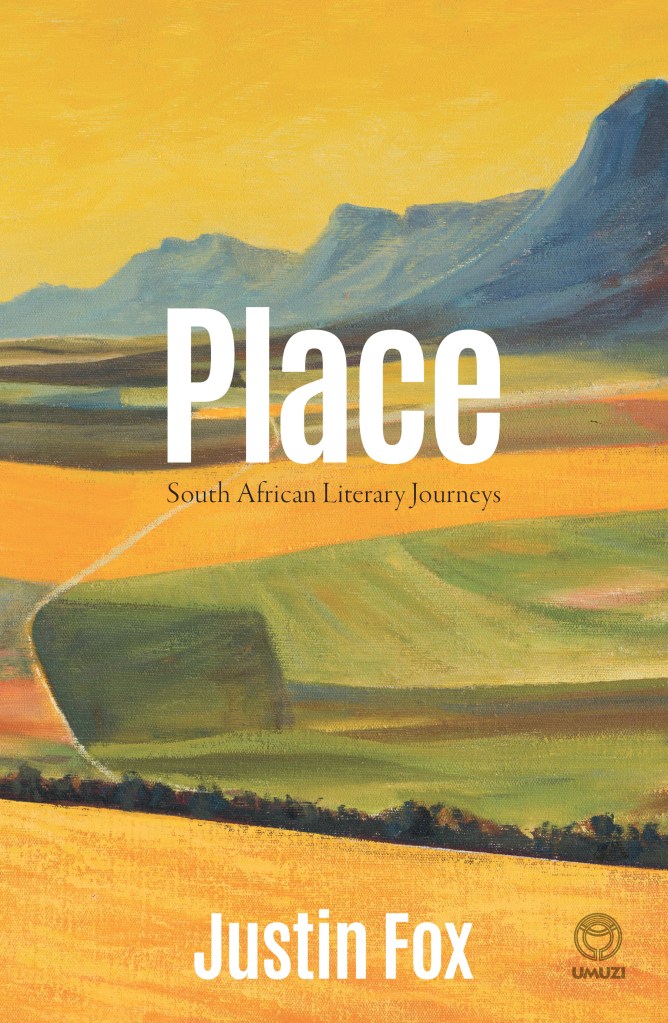
Author Justin Fox, as DIANE DE BEER discovers when speaking to him about his latest book, Place South African Literary Journey (published by UMUZI) at Garsfontein’s Boekeplek & Kuierplek, has a mind as restless as his wanderlust:
The cover is a painting by Erik Laubscher titled Overberg Landscape.
When you are sent a book and asked by a publisher to help with the launch in your city, your first instinct, especially if you don’t know the author, which I didn’t in this instance, is to hope that you won’t hate the writing or the book for that matter.
Up to now, I have been blessed and again, Justin Fox’s Place is one that I thoroughly enjoyed. I loved the writing, found it a wonderfully original concept and the reading very accessible.
What this author did was to select nine authors whose writing he found to be determined by a specific landscape or place, capturing the spirit, hence the name and the idea. Think, for example, of someone like Herman Charles Bosman and your mind automatically reaches for the Marico or Dalene Matthee’s passionate love affair so inextricably linked with the Knysna forest.
Zakes Mda with his Heart of Redness is nestled on the Wild Coast, JM Coetzee has Michael K traveling and hiding in the Moordenaars Karoo and Olive Schreiner’s Story of an African Farm has its footprint in the Eastern Karoo.
The Lowveld is Jock of the Bushveld’s stomping ground, Deneys Reitz’s adventures, Justin narrowed down to the invasion of the Cape with Eugene Marais finding solace with his baboons in Waterberg.
The only one I wasn’t familiar with and the author with whom Justin perhaps identified with most strongly is Stephen Watson, who had a strong affinity with the Cederberg.
Wondering if he had qualms about not having the perfect representation, he admitted it was something he thought about, and he did try. He had to rely on authors who had a special affinity with a particular landscape or region, which was reflected in their writing.
With this mix, he also spread the love throughout the country geographically and in the end, that’s what determined his choice.
When first reading the book and seeing that it was In Memoriam of Uys Krige, I wondered whether he was related to actress Grethe Fox, whom I have encountered in my theatre writing. And of course, she is his sister and joins him (as he writes) on one of his author adventures.
They are indeed a family truly invested in the arts. Justin’s father is the architect Revel Fox and his mother is Uys Krige’s sister, then there’s also a filmmaker … and the list goes on. And then he divulges the family secret. His grandmother Sannie Uys was determined to guide everyone in the family into the arts.
In fact, she felt this so strongly that it was highly frowned upon if someone decided to turn to medicine or law, for example! Especially in terms of for the richness of the arts, wouldn’t this country flourish if there were more of these kinds of grandmothers? Anyone linked to the arts in even a minor way will know how a life is enriched.
The Geelbek Blockhouse also features in the book.
The wealth of artists in one family when taking a peek at their family tree starts to make sense. That and Justin’s particular bent and imaginative mind. There’s not much he hasn’t tried in the artistic sphere of witing. He is listed as a travel writer, novelist, poet and photographer and, as the former editor of Getaway magazine, he could easily include most of his passions in his daily life. And now, having left them, it’s easy to see how he keeps doing what he does – writing mostly books.
For Place, for example, he travelled to all the places of his chosen authors so that he could not only write from his research on the authors but also experience the place for himself. And that’s what makes this such an intriguing read. It’s as though he has aimed his skills sharply for this endeavour – and it serves him and his reader well.
Even someone like Dalene Matthee’s favoured region (which is close to where I spent my youth) came with new insight from this reading. And probably much of this can be linked to the fact that Justin has “itchy feet”, but also that the research is what really inspires him. It is what he enjoys most and what obviously informs and enriches his writing.
Having travelled the length and breadth of Africa during his former life as a journalist also brings much knowledge to bear. And then probably his writing was further nourished and polished by his doctorate in English at Oxford as well as his time as a research fellow at the University of Cape Town. But don’t expect to find a bookish approach to his storytelling or his writing. The way he uses language is one of the joys of the reading experience.
His latest endeavour or, perhaps more accurately, the one he is hoping will receive more attention is the two books already finished and hopefully a handful to come of his fictional World War 2 novels with Jack Pembroke as the hero. Justin describes himself as a Jack of all trades, but that’s underselling his expertise.
He ascribes his writing in so many different genres (google his writing history) as “getting bored quickly”. His favourite author is Patrick O’Brian whom he describes amusingly as “Jane Austen at sea”, as well as crime stories, and then of course he loves reading anything about World War 2, hence the fictional series in which he focusses on adventures from the war, unfamiliar to many. The current one with a South African focus is a battle that has been forgotten by many.
His next focus is African islands which he hopes will have the same impact as Place, which has already sold out.
The Fox Family (Justin left) on a Greek sojourn, one of his earliest travels.
“I’m a nomad,” he says, and he concedes he has the bug worse than most. And while writing per se is not his happy place, the research, edit and travel to promote his latest invention all find favour. And that’s where his drive comes from and his determination to escape into another adventure – whether fiction or non-fiction. I’m crossing fingers that the current book, Place, will be so popular that the publishers consider a colour version richly illustrated with Justin’s photographs. That was the only missing element for me. His writing takes you to the places he describes so imaginatively and there are a handful of black and white pictures. I realise it was an issue of cost, but still …
The artist Bongi Bengu is having a major exhibition at the Pretoria Art Museum which runs from this Saturday (September 9) until November 5. She told DIANE DE BEER about her passion which is constantly evolving and reflecting her life, her dreams and hopes:
Pictures of Bongi Bengu taken at the Pretoria Farmer’s Market by Thomas Honiball.
When you first meet Bongi Bengu it is not a surprise to learn that she is an artist. She looks like an artwork herself.
She’s brightly dressed and the one characteristic most dramatic is her laughter. This is someone who loves life and her enthusiasm is contagious. She’s also not scared of showing herself.
But when you start talking about her art, her mood is reflective. “It’s a calling,” she says about this career which she has been passionate about for the past 26 years.
Her art is all about expressing herself but also healing, she says, something she hopes those who come to her exhibition will also experience. She infuses it into everything she does, her cooking, her clothes, dancing and music choices. “Art is like breathing.”
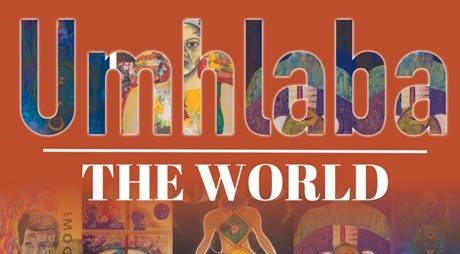
Titled The World / Umhlaba, the exhibition has been inspired by the tarot card called The World. “It means the end of a cycle and the beginning of another,” she explains. But she expands: “It could also mean that you’re in a powerful position to manifest your desires.”
The exhibition was first held at the Alliance Francaise, Pretoria where Pretoria Art Museum curator Mmutle Kgokong first saw it and felt that the space was too small for her work. “It looks cramped,” he said and invited her to show it at the museum.
Bongi feels it was meant to be. “We create our own world,” she says and that’s why this transformation from one exhibition to the next came quite naturally to this South African, who spent her youth in exile in Geneva Switzerland where she completed most of her schooling until the last few years, which she spent at Waterford Kamhlaba in Swaziland.
Bongi’s Golde Orb Mask
Her parents (her father Sibusiso Bengu was both an ambassador and Minister of Education) felt that she needed to experience some of her school years on the African continent. And this is also where she forged her future. While doing a research project for which she earned a distinction and which included interviewing established artists, she discovered Helen Sebidi who was an inspiration and opened her eyes – and her heart – to the art world.
“That’s when I knew,” she says about her artistic beginnings. Becoming the world traveller that she is, she later enrolled and graduated with a Bachelor of Arts degree at Mount Vernon College, Washington DC, and completed a Master’s degree in Fine Arts at The University of Cape Town. She has since participated in numerous international residencies and workshops.
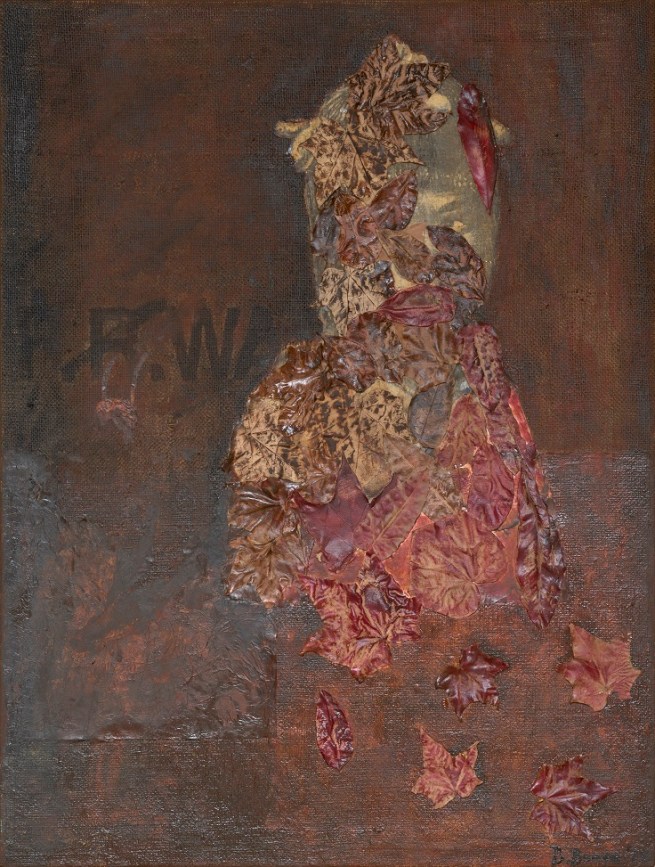
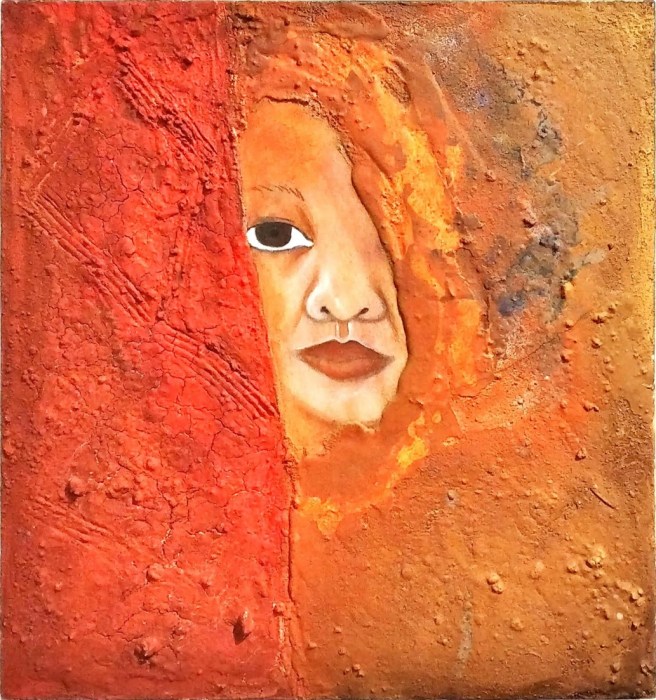
For this current exhibition she wanted to reflect on the different stages of her work and she has tried to select pieces from all the different periods. She started with pastels and charcoals using mostly earthy colours.
Bongi’s Rebirth IV
Then she joined the Bag Factory Artist Studio where she did mostly collages initially and then turned to an organic period where she focussed on leaves and soil.
Only then came colour which now seem such a part of her life. She confesses that she sees herself as an artwork and when you look at her, it’s easy to see why. What a canvas she has been given to play with. It’s not only her work that turns heads.
Once she started planning this exhibition, she started a conversation with two curators, one at Washington DC’s Hirshhorn Museum and Sculpture Garden (Teresa Bush) where she had interned for a while and the other in Sweden (a South African lecturing there, Nkule Mabaso). “It was through dialogues with them about my work that I made selections,” she says. They will also be writing for her catalogue which will be available at the end of the two month exhibition.
Bongi’s Self portrait in the sand
When discussing her work, Bongi explains that she is inspired by her life and the experiences she has had. It all begins in her head, but once she starts working on paper or canvas, it’s usually something quite different that emerges.
Working mostly on your own can be quite a lonely existence, but Bongi enjoys her own company and finds her painting therapeutic. “This is how I work through problems,” she says. “I never feel alone.”
Bongi at work.
In her life as in her work, she describes herself as someone who doesn’t conform to society’s norms. “That’s not easy in my community, a single Black woman with no children!” But it’s her life and she marches to her own beat. Growing up and travelling around the world yet returning to South Africa, she functions easily wherever she finds herself.
As I watch her finding her feet at Silverton’s famous Farmer’s Market, it’s easy to believe her. She’s colourful, has a laugh that stops a crowd and a life that’s creative and of her own making.
Bongi’s Montana Birds (left) and Life of Domesticity (right)
She says she knows she was a man in her former life and that she wanted desperately to paint, but it wasn’t possible. “At that time, the women were the painters making huge murals. I knew I would come back as a woman so that I could fulfil my dream. And now I also know when women think that men have easier lives, it’s not always true!”
It will be opened officially by His Excellency HE Mr Antonis Mandritis, Ambassador of Cyprus and the work can be toasted courtesy of Durbanville Hills. Everyone is welcome.
With his latest book Milk The Beloved Country (Umuzi), author Sihle Khumalo speaks his mind on many issues, and with the focus on local, it gives readers the chance to reflect on what they have and what the future holds for this country and its people. DIANE DE BEER spends some time with the man who has much on his mind and likes to share:
At our first meeting I realized that it would be impossible to try to give a summary of who this man, Sihle Khumalo, is.
I culd capture more of this prolific writer by giving you the titles of the books he has already written: Dark Continent – My Black Arse;Heart of AFRICA;Almost Sleeping My Way to Timbuktu; and Rainbow Nation My Zulu Arse.
And then the one I will focus on most sharply here, his latest, Milk The Beloved Country. He tells that the first book was the result of his travels from Cape Town to Cairo using public transport. This was also to celebrate his 30th birthday.
In 1999, to celebrate his 24th birthday, he bungee jumped at Victoria Falls in Zimbabwe; for his 25th he ran the Comrades Marathon (11hours 40 minutes); for his 27th birthday, in 2002, he started parachuting (on static line) at Pietermaritzburg’s Oribi airport ; in 2003, he did aerobatic flying (as a passenger) at Rand airport.
He currently lives in Johannesburg with his wife and two children. And the two women he dedicates the book to is his mother and his mother-in-law. For me that also speaks volumes and probably more revealing than anything I could add.
Perhaps this is not the kind of book that would have caught my attention if I didn’t have to speak to Sihle publicly – twice – which also meant I read the book twice. That in the end was a good thing, because it was with the second reading that I realised exactly what he was doing. It seems to be all over the place and yet, after a more careful reading, I was starting to get the drift of this very active mind.
Sihle Khumalo will have you thinking. With this smartly tongue-in-cheek book, what had me doing just that from the start, was wondering how he comes up with the concept. And even now I’m still not sure he knows. He has an active mind and personality (if that’s possible) but once you pin him down and start taking his words seriously, he has some very interesting stories to tell and points to make.
Myself (Diane de Beer ) with authors Sihle Khumalo and Deborah Steinmair at the Vrye Weekblad Book Festival at Cullinan earlier in April.
But take note, there is sleight of hand, because it might all seem frivolous, yet it’s anything but.
His previous books are travel-driven, so the research was done while visiting different places, but in this instance, the research had to come in more traditional fashion; libraries for example rather than the excitement of travel.
But he wanted to do it this way and it will be interesting to watch his future adventures to see whether they will be of the physical or mental kind.
The book is neatly divided into three sections, starting with the names of especially smaller towns and villages and where these come from. It’s intriguing and something all of us might have thought of or even discussed with children during tedious journeys, but he makes a study of it. And while there’s much to smile at, he also makes sure to spotlight some sharply observed issues, as this following notice in https://theconversation.com/africa daily email reaffirms:
“Today marks 60 years since Kenya attained internal self-rule from the British colonial powers. Names of places and other urban symbols were used as tools of control over space in many African countries during the colonial period. This strategy was epitomised by the British, who applied it vigorously in the Kenyan capital Nairobi from the late 1800s. Street names celebrating royalty and officialdom dominated the central part of the city, while African names were relegated to peripheral neighbourhoods. Melissa Wanjiru-Mwita explains the ways in which this strategy actively alienated the native African majority while promoting the political, ideological and racial dominance of the colonialist.”
What tickled me though is remembering the fuss from the white population about changes to the names of towns and provinces, for example when we were just staring out on our democracy in the early 90s. I can remember the anxiety expressed while wailing about their heritage ….
Much of the name changing has happened without fuss but, as Sihle reflects, many more changes wouldn’t be a bad idea – including the name of our country which to his mind, points to a destination rather than something which would reflect the people living there. I still have to scratch my head to remember and hold on to some of the name changes, but they do make sense and feel much more part of the continent, the country and all its people. It is the diversity of the country that is our strength and it should be reflected in as much as possible publicly so that it becomes commonplace.
The second section starts with the intriguing quote: You’ve got to find some way of saying it without saying it (Duke Ellington) and this is something that I personally think drives Sihle’s writing.
Titled The Power Brokers he dives right in, exploring our very own secret society, the Broederbond. He starts with the role players and their influence and then moves on to the private sector and intelligence.
As with the names of towns, which most South Africans might say they’re familiar with, the Broederbond because of its secrecy was intriguing to many, but for those of us not invested in the politics of the apartheid state, we thought we knew more than we actually did. And this, coming from an outside point of view as well as after the fact (or so we hope!), reminds us where we come from when we start pointing fingers.
Politics has always been about power and we can only hold thumbs that it comes from a good place – even if just most of the time.
Drawing a line through all that secrecy, he moves to different groupings of people including the freemasons; the unions and then couples the taxis, religion and traditional leaders together concluding with The Masses and sadly, the fact that we the people warrant less than a third of a page, says it all. That and the first sentence: There is nothing significant to report here.
What I also like about this particular section is the comparison of the past with the present. Corruption for example, we all speak about it as if it’s something new. Read on …
And in conclusion, Sihle tells us to Pause and Ponder:
Two weeks after the 2021 insurrection, The Washington Post described our “celebrated rainbow nation” as the “global poster child of economic inequality where deep poverty sits in the shadow of astronomical wealth.” If that doesn’t make you weep, nothing will.
He sums up the apathy by focusing first on the Feeding frenzy on state resources. I know that surprised me most post 94. I didn’t think that the leaders would turn their back on the very people who needed their assistance most. (And I do understand that they had the best examples in the former white regime).
For those of us puzzled by the ruling party’s elective conferences, he takes a closer look at: 2007, 2012 and 2017.
The Constitutional Court and the judiciary also come into play. It’s under attack in so many countries, the US and Israel, to name a few? It’s always been my beacon of hope, and I do still in spite of, believe that our people, our strength will pull us through. Sihle speaks his mind as he does on the following hair raising issue: Is South Africa a failed state? And when exactly was it captured?
And then finally, on a second reading, this lucky packet of a book truly spoke to me. Not just about what he was writing about but also learning more about this man with his wandering mind. I have heard different opinions about his writing. I cannot speak to any other than this latest book.
Some could argue that Sihle Khumalo is a man of too many seasons. But he speaks his mind and where that takes us is what appealed to me. As a fellow South African, I want as many opinions as are out there because in the end, most of us just want to be left to get on with our lives. And, if possible, to have a government that lends a helping hand. Life is tough enough without any extra hindrances.
And while some might be milking the beloved country, we should remember what we have and that the people and the place are real strengths and not something to mess with.
I have been a Lientjie Wessels fan forever – of her food, her art, her writing and more. Having tried for quite some time to go to one of her Cullinan long tables, I was excited when finally I could go with a group of foodie friends for one of her delightfully quirky meals.
Lientjie Wessels. Portrait: Hennie Fisher
That has always been part of her charm for me. She makes the kind of food with ingredients I really love. A long time ago she told me that for her mother, who passed on her love of food to her daughter, it was all about taste. I think she also taught her about unusual flavours and combinations.
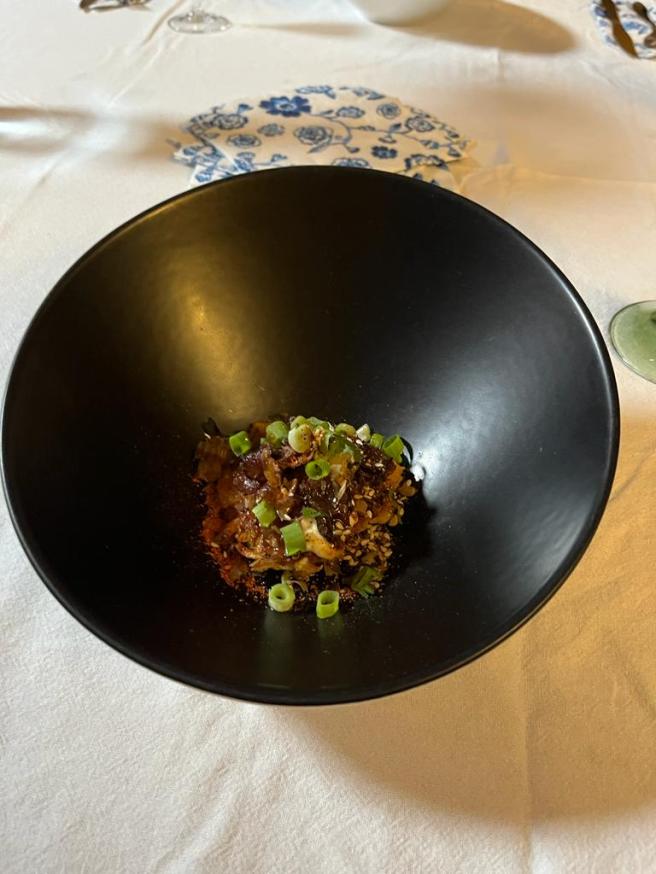
What Hennie loved about the dish was once again her creative playfulness. “It’s the clever way she emulated bonito with the fine powder biltong, almost turning the biltong into a kind of ‘land’ bonito,” he explains. “But also because she so cleverly combines meat and fish (even if both are dried), because it is so often a combination used in Asian cuisine. And how brilliant to make that connection with biltong and bonito!”
Just listing the ingredients should inform anyone about her innovative choices. But she’s not just throwing things together. Her cooking is instinctive yet thoughtful and she knows her customers. In her kitchen, she is always at play. And for diners, this is a fun adventure if you’re up for it.
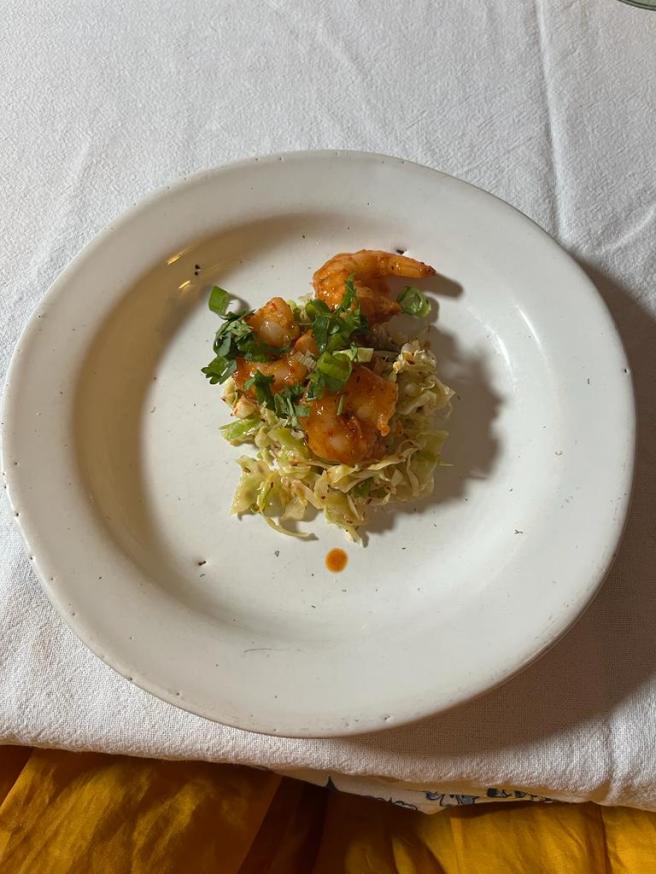
Miso and peri-peri prawns.
The next one stuck to the Asian theme and clever combo with peri-peri prawns and miso with sesame coleslaw. It was just a dream and perfectly cooked. She seamlessly ticks all the boxes.
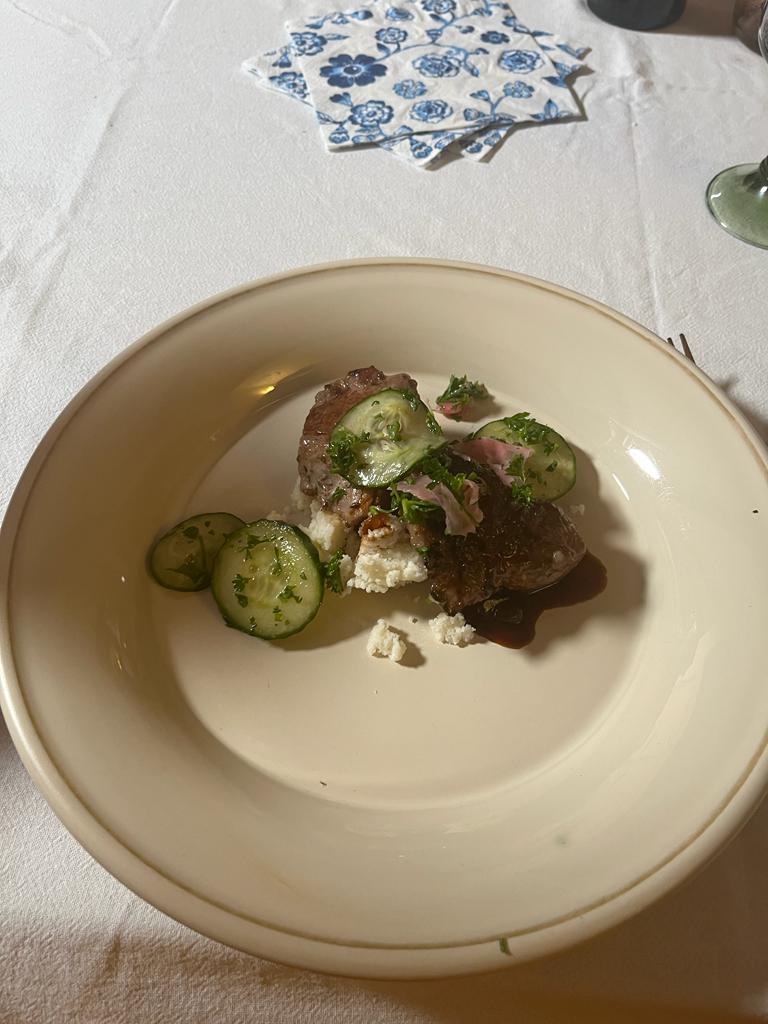
Koji beef rump, buttermilk krummelpap and ginger steakhouse sauce.Individual servings on different plates.
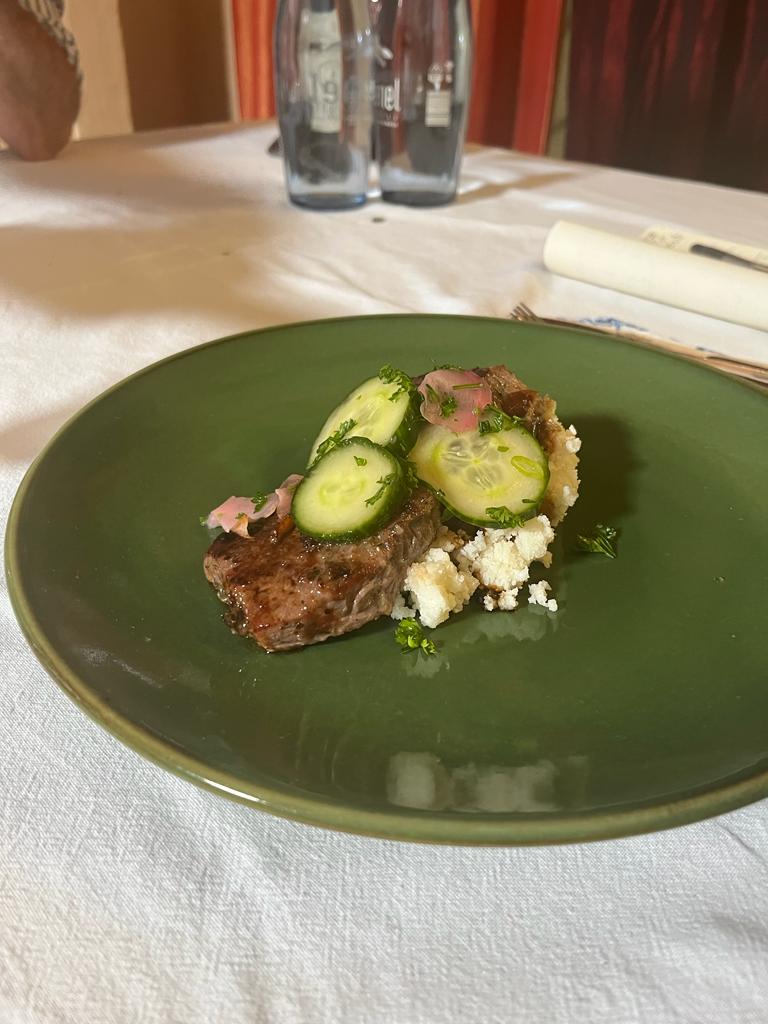
A Lientjie meal is possibly the only time I won’t shy away from krummelpap (maize, polenta), not one of my favourite foods but I knew if anyone could, she would convert me. She won me over with her specific buttermilk version served with Koji beef rump, a ginger steakhouse sauce (how can you not fall in love with that choice!) and pickled cucumber. It’s in the detail and the combinations, everything contributes to that single spoonful taste explosion.
And to perfectly conclude in Japanese style, the dessert, a cotton cheesecake with cinnamon syrup and tennis biscuit crumbs, sealed the deal, which I proclaimed perfection. Even as a cheesecake fanatic and two visits to Japan, I had never encountered a Japanese cheesecake before.
And blessings to the internet, which explained that this version is also known as a soufflé-style cheesecake, usually lighter in texture and less sweet than the more traditional version. But then also to serve it with Tennis biscuit crumbs! How could she not?
It’s not only the food that’s spectacular – the fact that Lientjie no longer has a restaurant in Cullinan hasn’t deterred her one bit. She simply commands the kitchens of friends in venues that contribute to the ambience of the event. And this one certainly did as I’m sure each one will. The walk up to the house was like stepping into a fairy tale.
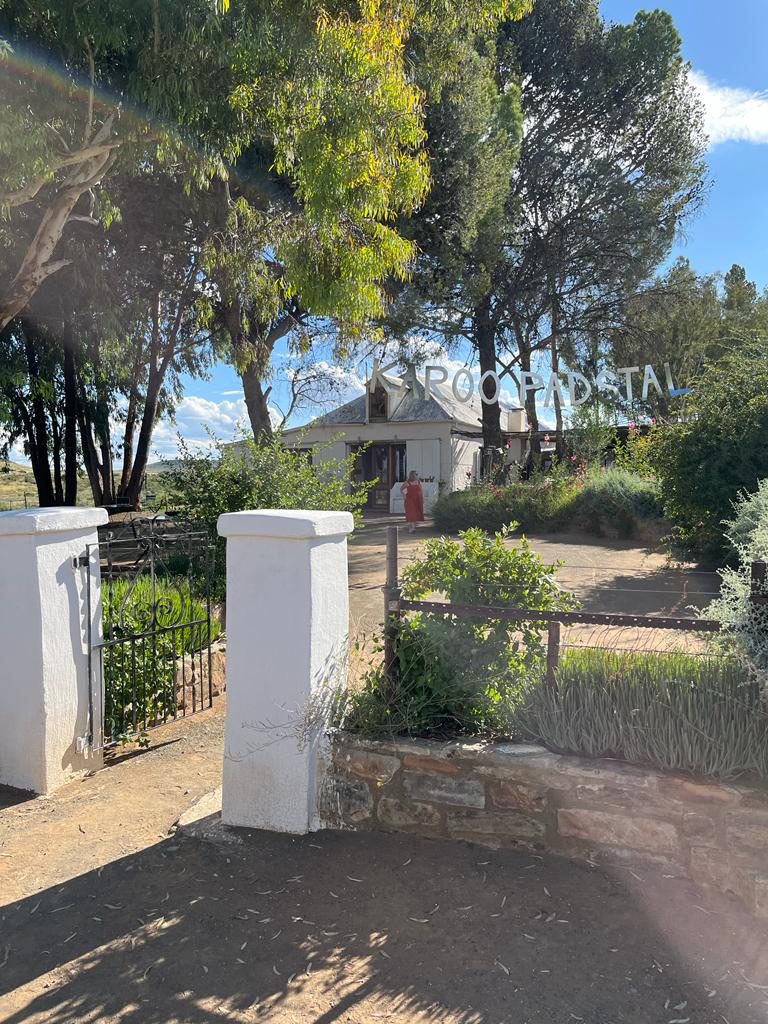
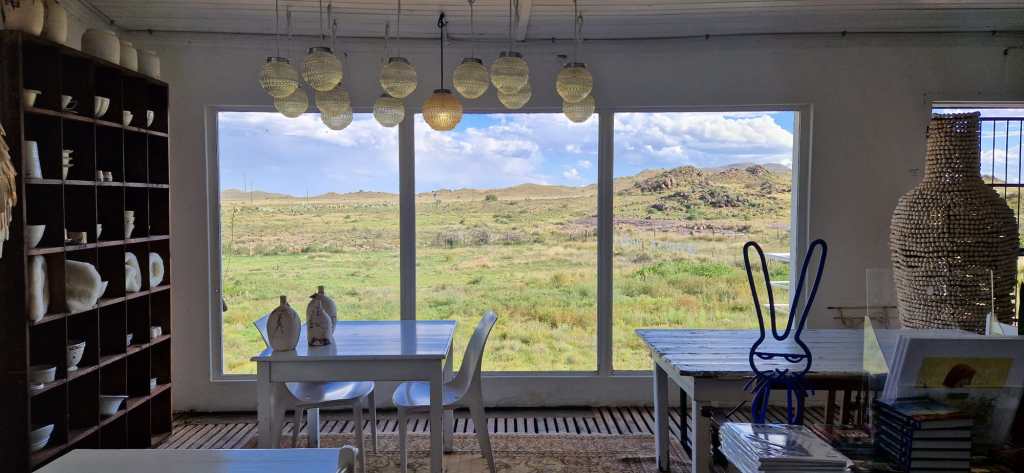
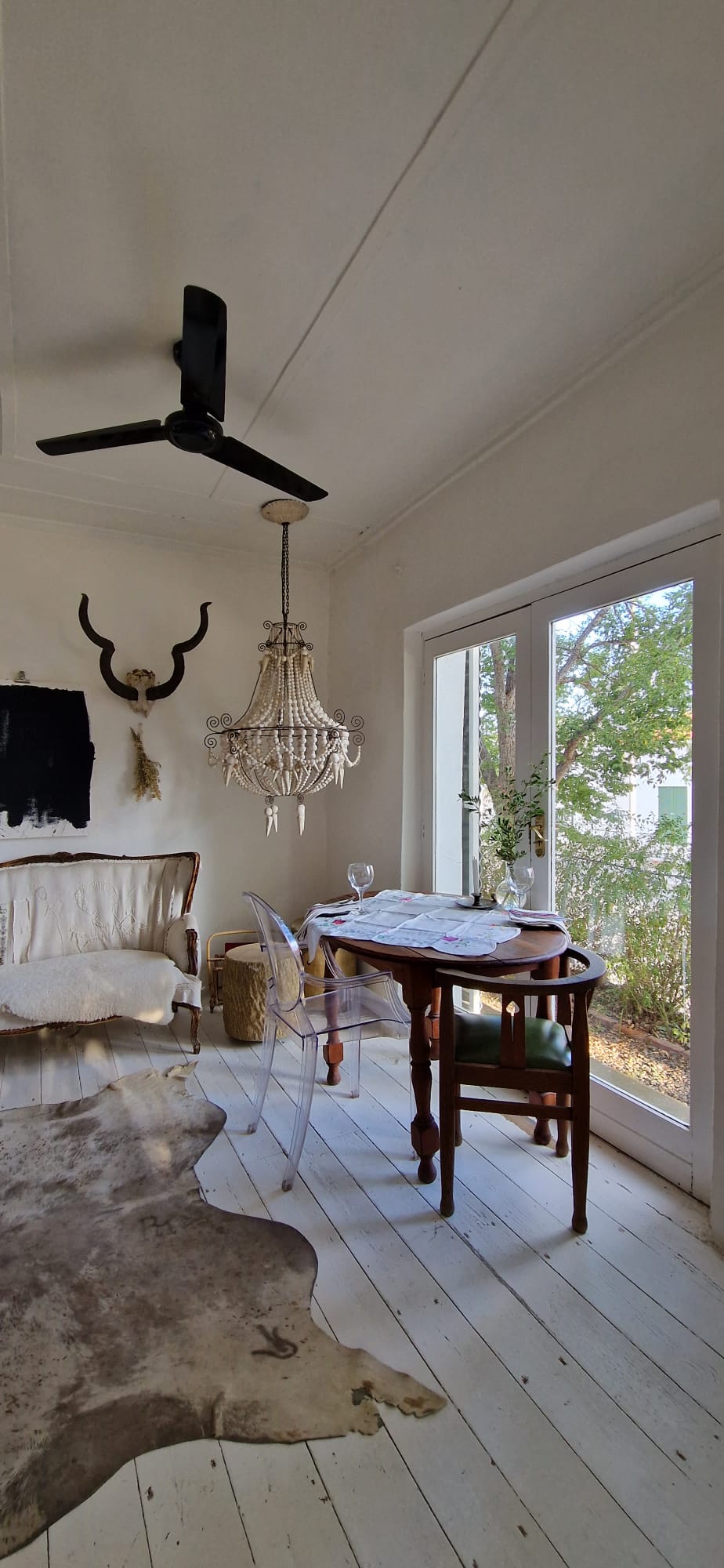
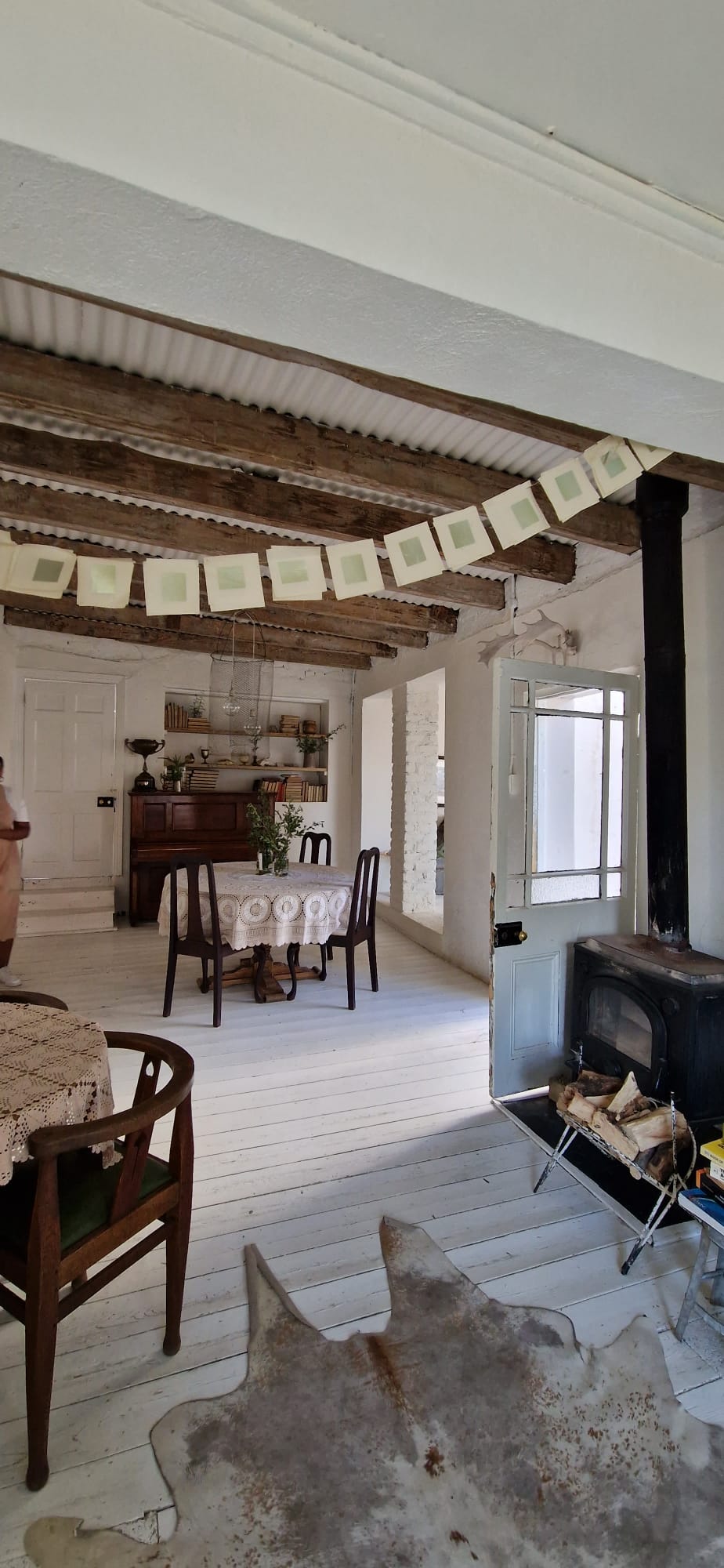
Lientjie has recently bought a house in Richmond (Cape), a town that is fast becoming yet another food destination but with added interests like Die Karoo Padstal, Richmond Rooms and Café, MAP gallery with one of the best local art collections you will find anywhere, a bookshop to keep you busy for days and much more. It’s the perfect halfway stop.
And in future, when she’s in town, she will also be doing lunch in Richmond, like on April 9 when she is presenting a fantastic feast. If you’re passing through or sleeping over, book a table. She’s also doing a dinner in Cullinan at the Vrye Weekblad Boeke Fees, which promises to be spectacular.
Check her out on Facebook and Instagram for information. And whatsapp her on 082 531 6141 for bookings.
Die Karoo Padstal
But while in Richmond, that’s also the location of my other much loved chef, Klaradyn Grobler of Richmond Café and Rooms and Die Karoo Padstal fame, who is also back in business. Yet she is still arguably the hardest booking to pin down.
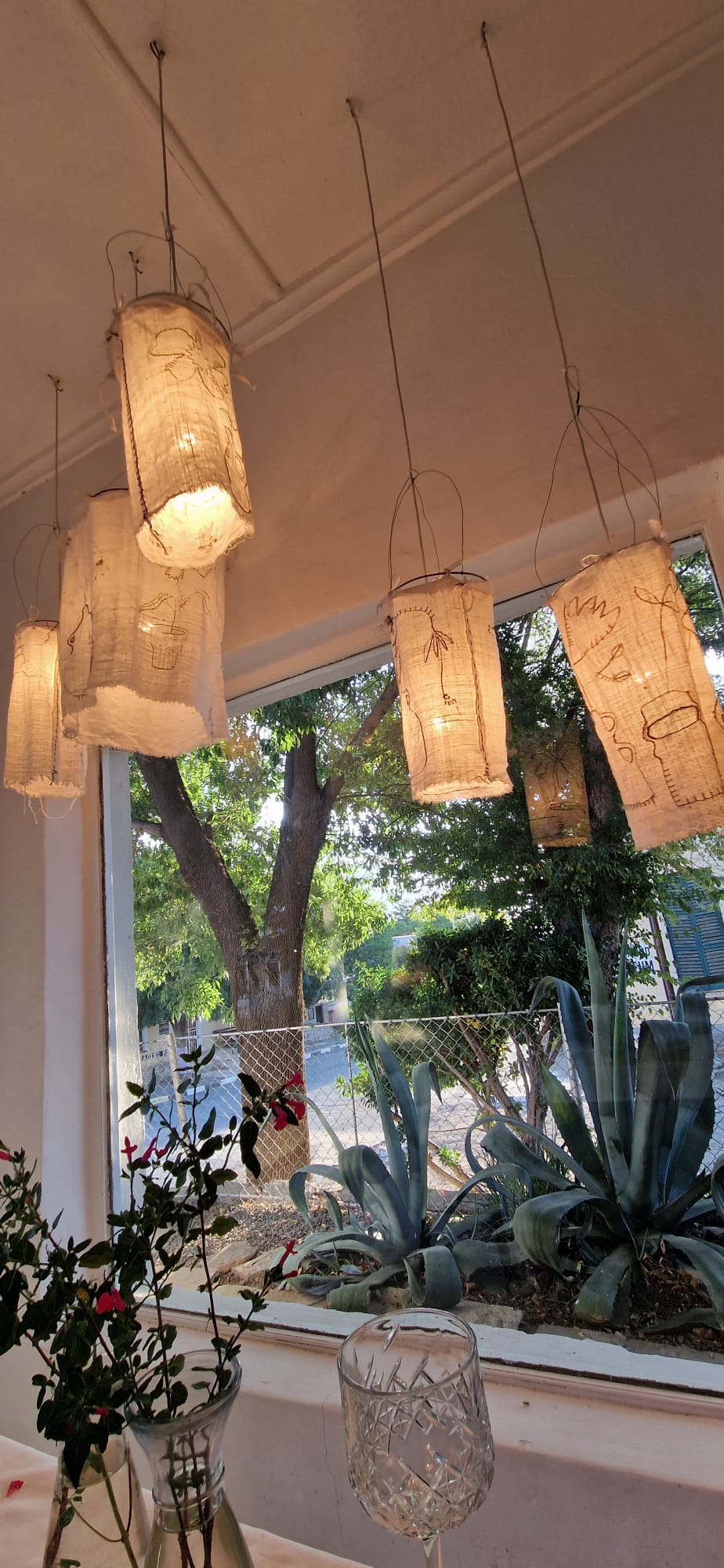
I was thrilled when on our last trip to Cape Town, to show the London family the best of the best, we could manage to secure a booking for dinner while sleeping over at another guesthouse, one with an attached gallery – it is that kind of town, one with many hidden gems.
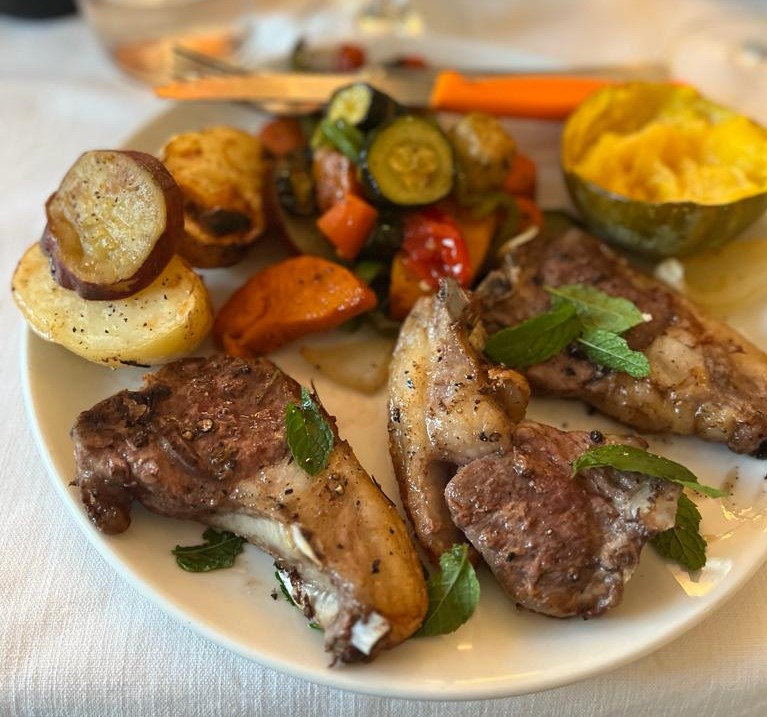
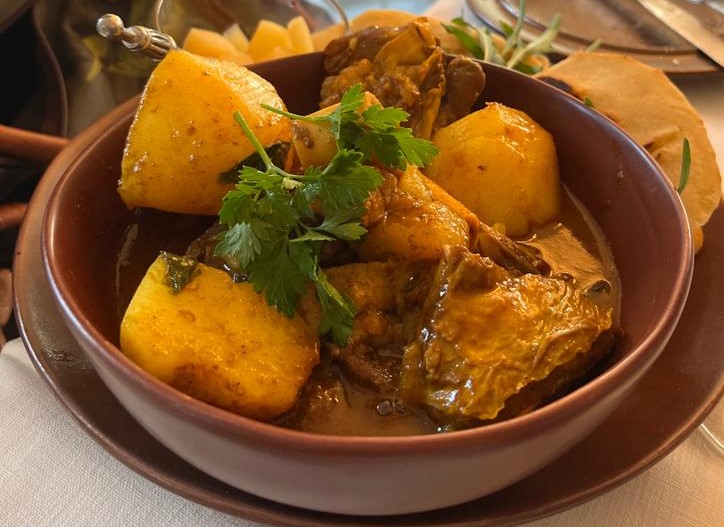
We had the best of all worlds to show off this spectacular landscape with a dinner celebrating Karoo lamb included. On our journey that morning we were sent the menu on our phones with three of us opting for lamb chops with roasted vegetables, while I couldn’t resist the lamb curry and one of the diners who couldn’t eat lamb, had a bacon pizza.
As with Lientjie, the venue is just as important as the food. In fact, I recognised Klaradyn’s style (having seen it in the Free State) when I first had a meal at her Richmond Café and Rooms. It’s unmistakable, buzzing with creativity and probably complemented by her husband Nicol’s architectural skills.
And with both these chefs, their style enhances the full experience. On the night, we had two charming women in the kitchen, and as they had our choice of meals ahead of time, everything ran very smoothly.
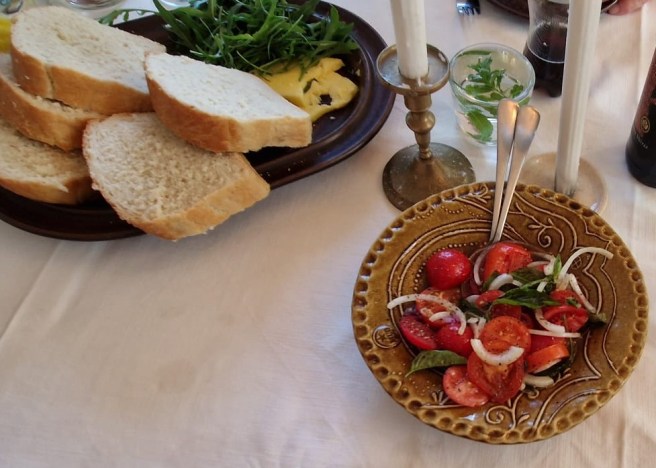
Fresh home-baked bread and home-grown tomatoes.
We sat down at 6 pm because the kitchen closed at 7 (one listens to their commands!) and were presented with what was the perfect starter, home-baked bread (deliciously thick slices) with farm butter and fresh tomatoes from the garden. We had to battle not to indulge to the point of messing with our mains.
And then the main attraction. I absolutely lost my heart to Simon’s lamb curry with flatbread even though the lamb chops (I had a taste) were fantastic. For me the curry had just the right flavours to celebrate the lamb and after a long day’s travel, it was the best comfort food.
Lamb chops and roasted vegetablesSimon’s lamb curry with flatbread
The chops were served with roasted vegetables in just the right mix. It is a skill to present a simple meal to perfection. There’s nowhere to hide so everything has to work. And it does!
On the counter was the night’s dessert, a bumper milktart, which had us licking our lips. At R250 a meal, it’s a steal.
Both these chefs, Lientjie and Klaradyn, popped in to discuss their food and acknowledge that they were dealing with diners who are devotees of their special way with food. We appreciated that.
It’s not difficult to understand these two spectacular women, the way they cook and how in different ways they celebrate their strengths. For me part of the charm is their similar ethos, presenting diners with food to die for and yet, their menus are so different. It’s about how they go about it and what they come up with – and in the end, as they say, the proof is in the pudding!
For bookings and info: Richmond Café and Rooms 079 755 8285.
CAST: Michelle Botha, Dylan du Plessis, David Arnold Johnson, Didintle Khunou, Ilse Klink, Hlengiwe Lushaba Madlala, Carmen Pretorius, Brenda Radloff, Justin Swartz, Grant Towers, Ben Voss and the rest of the ensemble
THE BAND: Dale Ray Scheepers (musical director and arranger/keyboards), Silas Naicker (assistant musical director/ keyboard), Redgardt de Bruin (guitar) , Viwe Mkizwana (Bass), Keith Marishen (drums).
CHOREOGRAPHER: Nicol Sheraton
PRODUCTION DESIGNER: Andrew Timm
COSTUME DESIGNER Bronwen Lovegrove
LIGHTING DESIGNER: Johan Ferreira
SOUND DESIGNER: Adriaan van der Walt
RESIDENT DIRECTOR: Timothy le Roux
VENUE: The Mandela at Joburg Theatre
DATES: Until December 24
David Johnson as Jabulani The Joburg Genie and and Dylan du Plessis as AladdinEvil Action Inc with the Wicked Queen Evilina (Radloff), Captain Hideosa Hook (Johnson) Madame Kakkeloura Khakibos (Klink) and the Abominable Abanazar (Voss),
There’s a reason the panto is billed as Janice Honeyman’s Adventures …
She is the one with the pocketful of fairy dust, bags of laughter, and the knowledge to strike a balance that has the kids captivated and the adults engaged.
That’s quite something in a world where they have everything at their fingertips with iPads and iPhones.
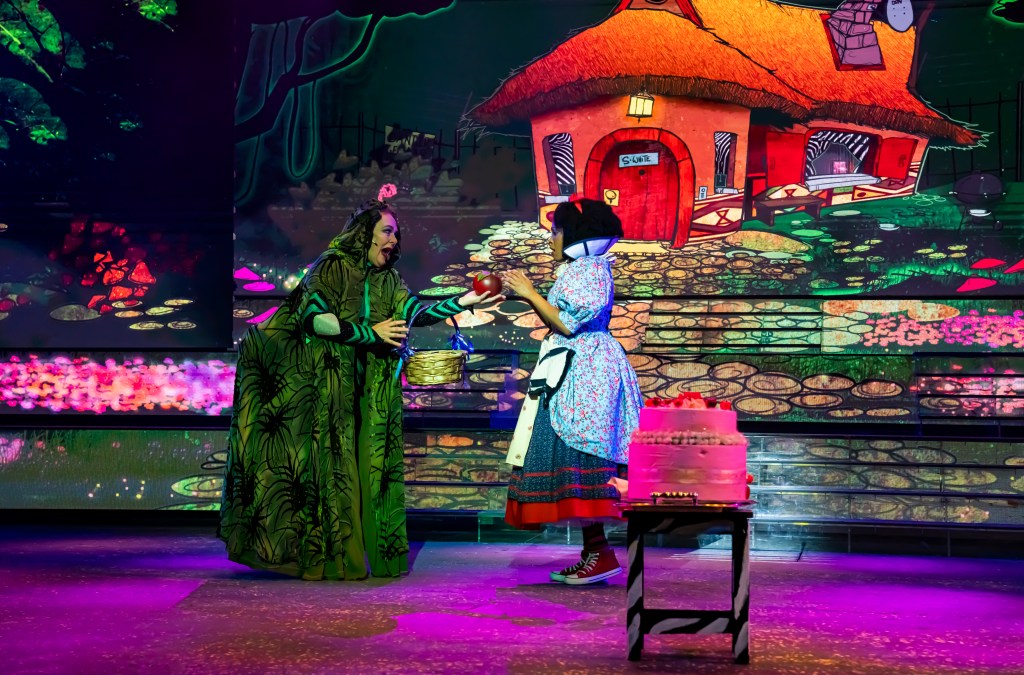
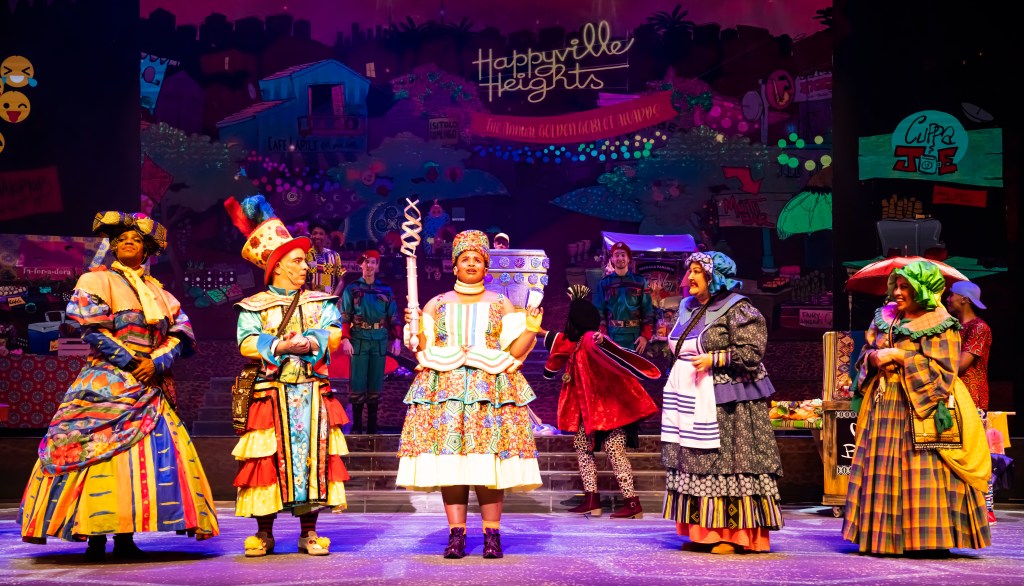
But Honeyman won’t be phased by any of this. She simply goes next level. She has a design master (Timm) who also flies even higher than last year. He takes the audience into a wonderland unimaginable with state-of-the-art LED screens which seemingly have unlimited qualities to transform the stage constantly in front of your eyes.
The explosion of colour and artistry bedazzles you, but with typical Honeyman ingenuity, she doesn’t allow the beating heart of her production to be overwhelmed. When picking her cast, she makes sure that these are performers who command the stage and bring mountains of personality to the two or three characters everyone on stage inhabits.
And even after 20 plus pantos, some of my favourites were unrecognisable and the newbies are rehearsed to operate like seasoned pros.
From Radloff’s wicked queen to Pretorius’s and Khunou’s enchanting Princess Aurora and Snow White, to Du Plessis’s and Justin Swartz’s charmers Aladdin and Jack the Joller, we’re completely hooked from the start.
Tripping the light fantastic in China, Ilse Klink as Emperina Wun-Phat-Bum and Michelle Botha as Empress Wun-Tun-Tum with Grant Towers as Widow Twankey.
And don’t dismiss the Good Fairy (Madlala) with a voice that is as commanding as her presence, which is precisely what you want. There are truly no standouts, they all sparkle.
This is not simply one pantomime, it’s a big bunch of them, all rolled in one. To tie it all together, Honeyman has picked Good vs Evil as her theme and there’s more than enough of that going round at the moment to keep it prescient and present. She has her finger on every pulse.
It’s all in the detail. So while the enormity of the stunning costumes and travelling sets envelops you, it also allows you to take in those winks and nudges with a picture of an oh-so-famous person displayed as Employee of the Month, or a sign pointing to the Doek Nook or simply the complexity of the costumes that tell a story all their own.
It’s bright buttons and sparkly shoes, a bright kopdoek or a fancy fan as we trip our way through the abundance of adventures in this pantoland – all on a quest to preserve goodness and kindness ̶Honeyman’s credo.
Snow White (Didintle Khunou) hoodwinked by the wicked queen Evilina (Barbara Radloff).The devastating panto dames Dolla Double-D (Johnson), Widow Twankey (Grant Towers), the good fairy Flora-Dora (Madlala), Nursey Nora (Botha) and Kitchen Katie Klink).
While pantomimes were very much a feature of my end-of-year planning in the past, I haven’t been for a few years. And having seen 20 plus, a break was necessary. But this one is truly special.
One can always bank on Honeyman’s super powers, but this time she had double the expectations. Not only is the Joburg Theatre celebrating 60 years, this is also her and producer Bernard Jay’s 21st end-of-year celebratory collaboration.
Not many would keep it as fresh and manage to tick all the boxes all of the time. Of course she does!
Fo0r her it is all about finding the angle, which she did, having audiences lean forward into the show – and with the explosion of colour and talent on stage how could they not, but then right at the top of her list is a show with a beating heart.
The spectacular cast in the shimmering finalé.
Finding and exploring new wow factors and selecting a cast that will deliver with energy and enthusiasm are where Honeyman excels. It is her inner child, that constant twinkle in her eye that creates the magic and keeps pulling the audiences in.
We’re blessed in Gauteng that we don’t have to imagine the festive season without the Honeyman pantomime adventure.
You go girl!
And as an incentive, they have a special on Black Friday (this week). Buy tickets for any of the panto shows at a mere R100. That’s a steal!


























 De Beer Necessities