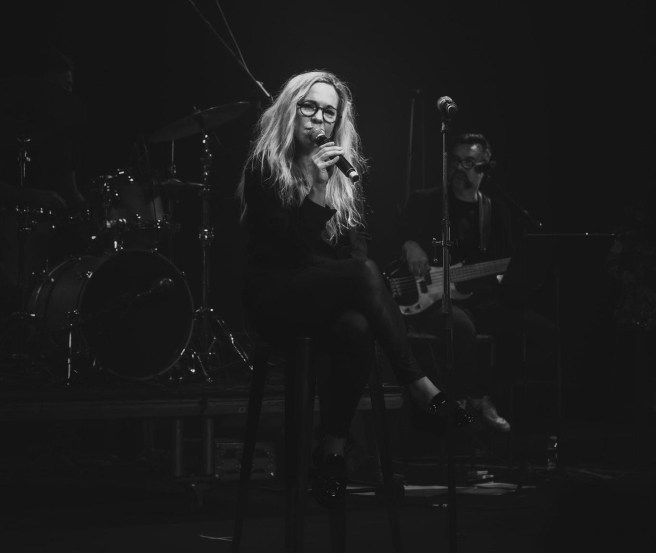
ANTJIE KROG, AN AUTHOR WHO SPEAKS HER MIND

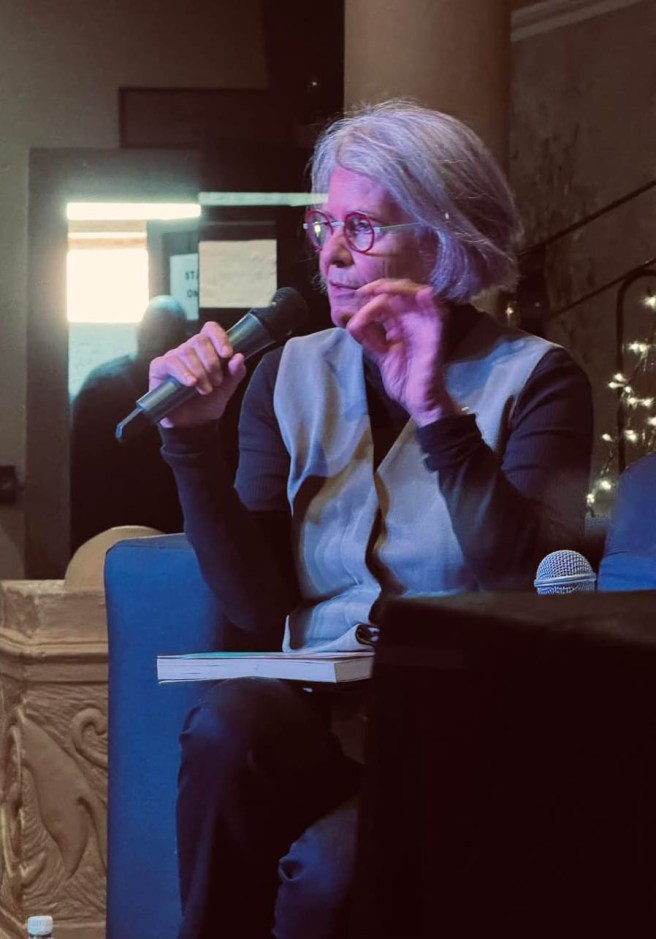
When you have one writer in the family, I would imagine you feel blessed. Two? Perhaps not so much but someone who makes a meal of this is ANTJIE KROG who in her latest memoir writes about the relationship between her and her mother, the author Dot Serfontein. DIANE DE BEER started out reading the English version, followed that with the one in Krog’s home language and then listened to her talk about the book:

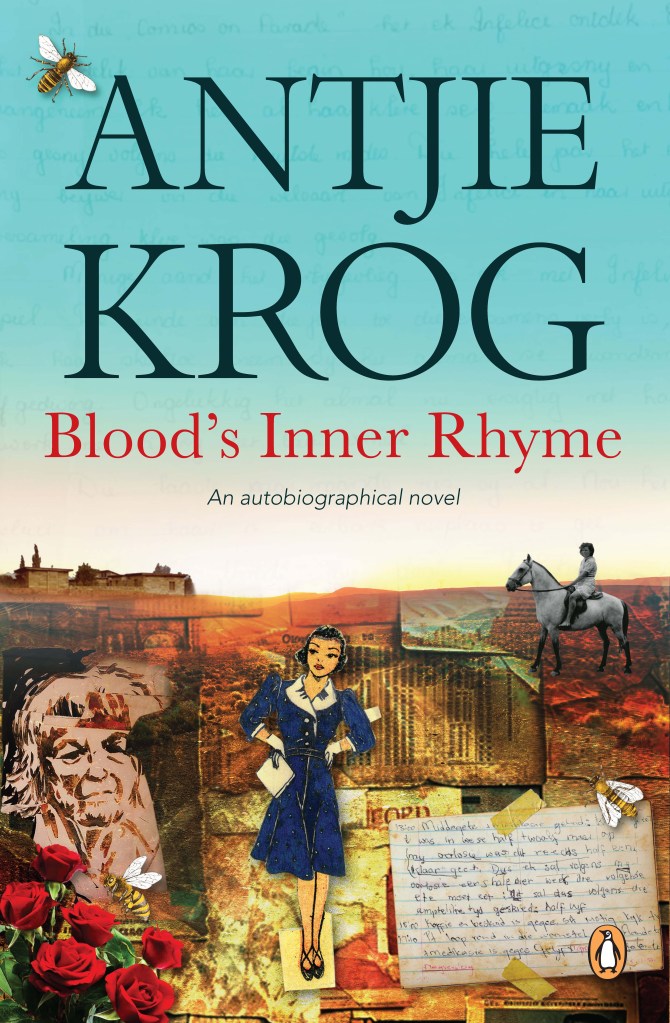
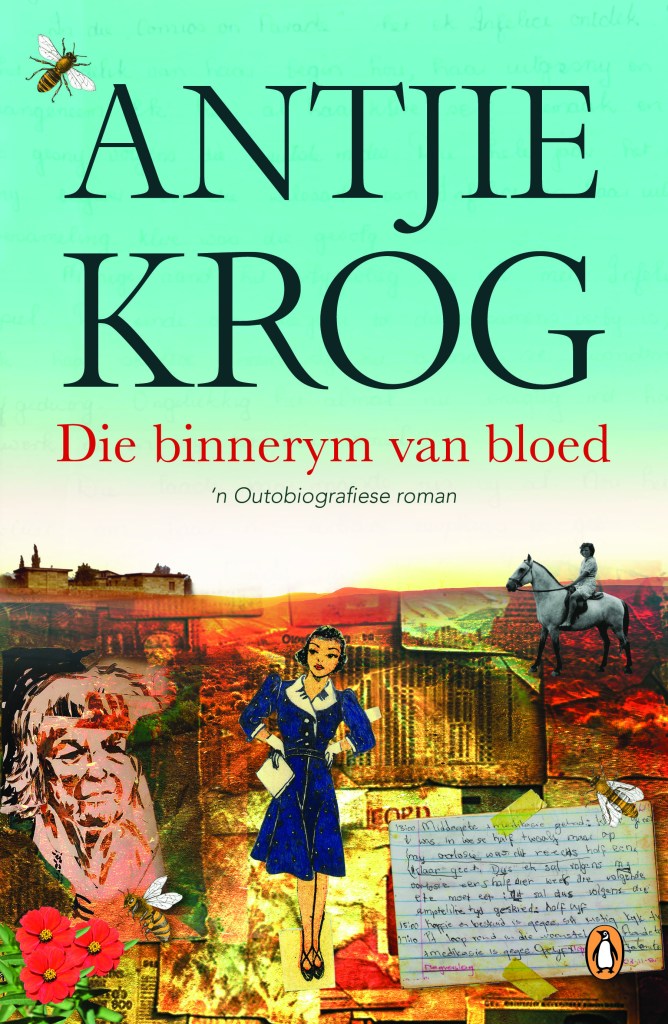
It’s a personal thing, I know, but if I can read a writer in her home language, I do. And again I was proved right with Antjie Krog’s latest offerings, Blood’s Inner Rhyme or the Afrikaans version Binnerym van die Bloed, which she describes as an autobiographical novel.

Because I write in English, I thought it might be easier to read that version, but after hearing her speak, I knew I had to get my hands on the Afrikaans book. It’s the way she Krog uses the Afrikaans language which enriches the reading.

If I didn’t have the option, I would have given the English a similar review, it’s simply that the Afrikaans introduces a different heartbeat.

Even in the best pairings, mothers and daughters have complicated relationships. When you are competing with one another even if that’s not the intention, which I’m sure it wasn’t, it’s going to be tough. Add to that two headstrong women who arguably stand on opposite sides of the political spectrum, expect fireworks – and that’s what you get.

Women all have mothers, that’s obvious, and some have their own daughters. All of us know the intricacies of that relationship – and that is when it isn’t public. Writing for an English newspaper, I wasn’t part of the Afrikaans writers’ circles and even I, not your natural gossip girl, heard rumours. And that’s where I admire Krog for doing this extraordinary book.

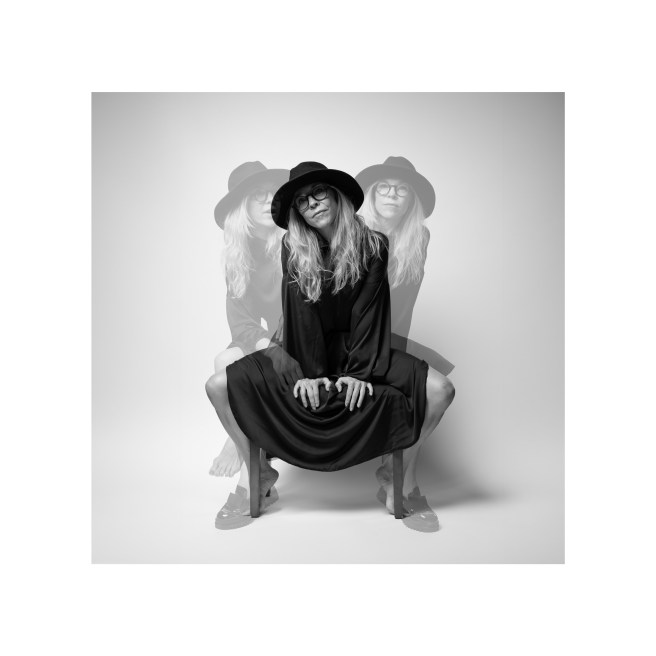
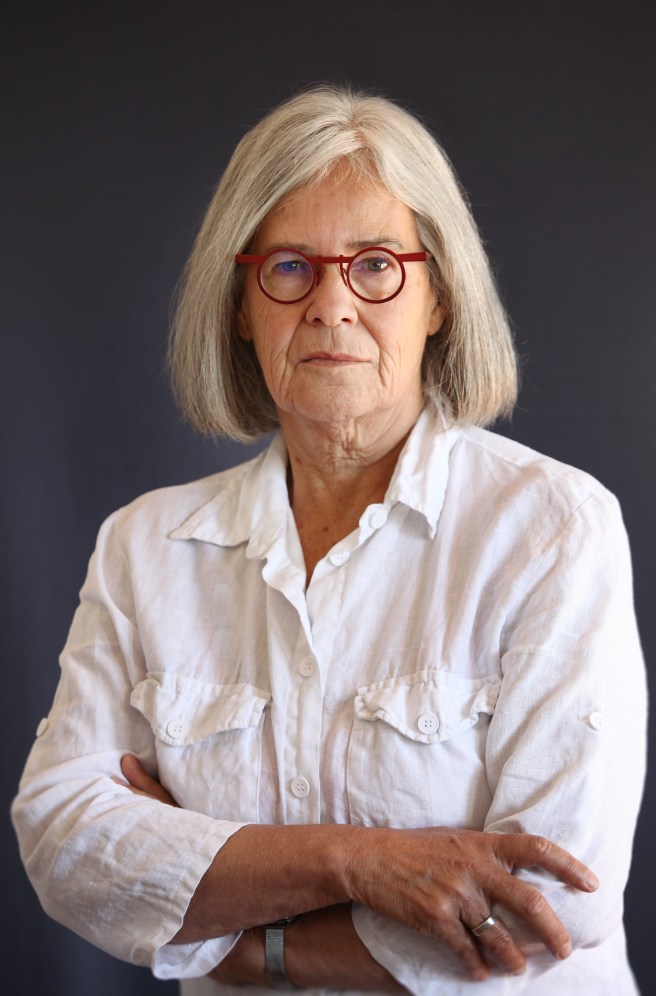
Antjie Krog, author extraordinaire.

Both of these women are celebrated writers who lived their lives in the spotlight. To then delve even more publicly into that life must have been an excruciating decision. And then to travel the country as one does to promote the book – what extraordinary courage. It reminds me that artists sometimes don’t have a choice, it has to come out. And usually it is the reader who benefits.

Thanks goodness Krog decided to write about this often fraught, sometimes fragile but also intense relationship. I can only guess that while sometimes devastating it must also have been therapeutic and the way to mourn and celebrate what she once had. Death has a way of shining a new light on something that was just too overwhelming to observe as it was happening.

For those of us ageing ourselves who have also shared a close relationship with a mother in her last years, it is especially meaningful. My eldest sister booked my parents into a retirement home which was on the way home from my work and I could pop in as often as possible without any inconvenience. I coped with the sometimes-daily trauma of witnessing this ageing process by communicating with a third sister who could only get the news via whatsapp or email. It was a lifesaver.

I could appreciate the daily diary of Krog’s mother’s most basic needs. That is in fact what happens when people age as we are forced to focus on the brutal minutiae of their lives. For example:

Night report:

20.00 Medication. Pt (patient) didn’t want to drink half a sleeping pill. Wanted a whole one

22.45 PT said her toes hurt. Applied Turlington + gave another half sleeping pill

00.30 Pt wanted another half sleeping pill. She was uncomfortable. She wanted to get up, I had to hold her by the sides. Pt wanted to make food. Pt was angry that the freezer had no meat.

These diaries were kept day and night – every day and night. It constantly reminds one of the process that is unfolding. As Krog tells it, focussing on her mother’s “excrement which happens daily is to own that which is being rejected, that which is such a part of her waning existence, her body’s extremities.” Krog who tells things exactly how they are explains: “There’s actually a very profound thing about shit,” she says as she captures the importance of change as life starts running out.

In full flow.

Yet there’s so much more happening around the family. It is an especially fraught time for farmers and for Dot Serfontein the family farm represents who she is. It was her inheritance. For Krog, even though she has similar bonds to the farm, she also knows and is burdened by the privilege it represents – something in this country that was often at the cost of someone else.

It is fascinating to read and witness the lives of different generations, especially in that time when everyone in the country knew things were going to change dramatically. She acknowledges that the relationship between mother and daughter is complex. In this family and between this mother and daughter perhaps even more than most.

While Krog is at pains to write about this sometimes combative relationship, it is also a celebration of Dot Serfontein, who she was and what she achieved with her writing. This is where and how Krog first discovered her words and both she and her readers have benefited.

There are so many stories captured in what can be described as a memoir. Having lived through the ageing process of my parents, that is what drew me to the writing. One learns so much about your own mortality, growing old gracefully and celebrating life whatever your age.

And thus her mother concludes only a couple of chapters into the book: “I keep all your letters,”  she writes to her daughter. “One day you can compile us in a plundered book like Audrey Blignault’s daughter. Initially I wondered whether the sudden revival of my oevre was thanks to you, but when I saw so many Dot Serfonteinisims in your work and some of our private family phantom(b)s, I thought we constitute each other.”

Having lived in each other’s shadow most of their lives, it couldn’t be any other way. That is what this astonishing writer captures so magnificently. Yes it is about a mother and daughter, but there is so much more. It’s insightful, entertaining, both sad and extremely funny, and even historical in many instances. But what captured my heart was Krog’s writing. She has a way with words that is unequaled.

THE BLACK CIRCUS OF THE REPUBLIC OF BANTU IS ORIGINAL, LIFE CHANGING AND A JOY TO BEHOLD

REVIEW BY DIANE DE BEER:

THE BLACK CIRCUS OF THE REPUBLIC OF BANTU

ARTIST: Albert Ibokwe Khoza

DIRECTOR: Princess Zinzi Mhlongo

DATES: June 26, 27, 28, 29

VENUE: Mannie Mannim Theatre at The Market

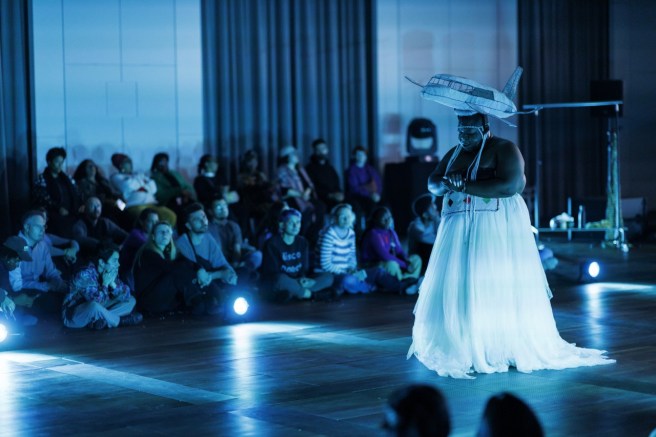
It’s explosive, it’s engaging, it plays with your mind (stretching it this way and that), it’s mesmerising, it sweeps your whole being along and most of all, it’s original and creative in a way that heightens all the senses. And then it shows you everything theatre can be.

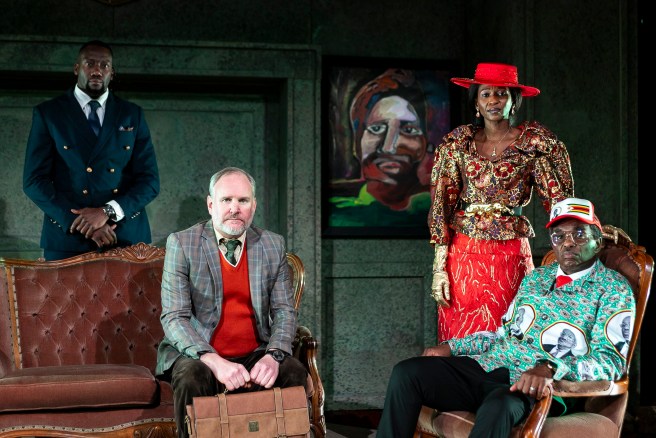
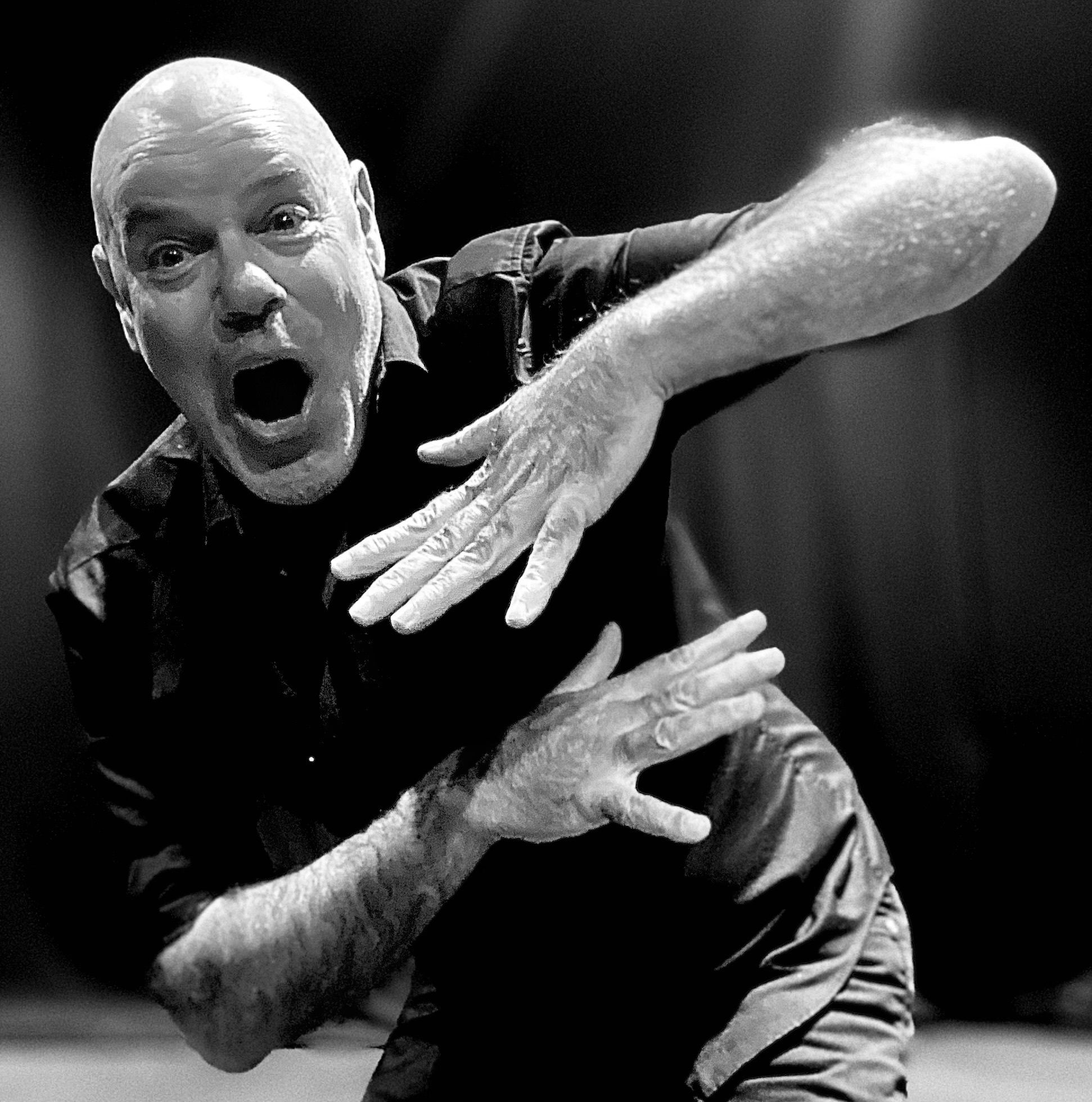
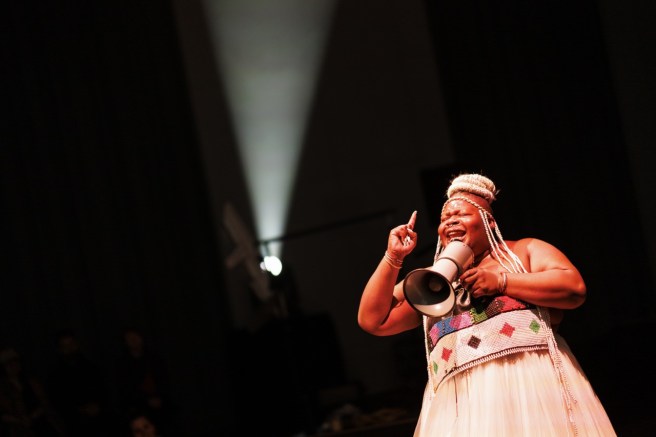
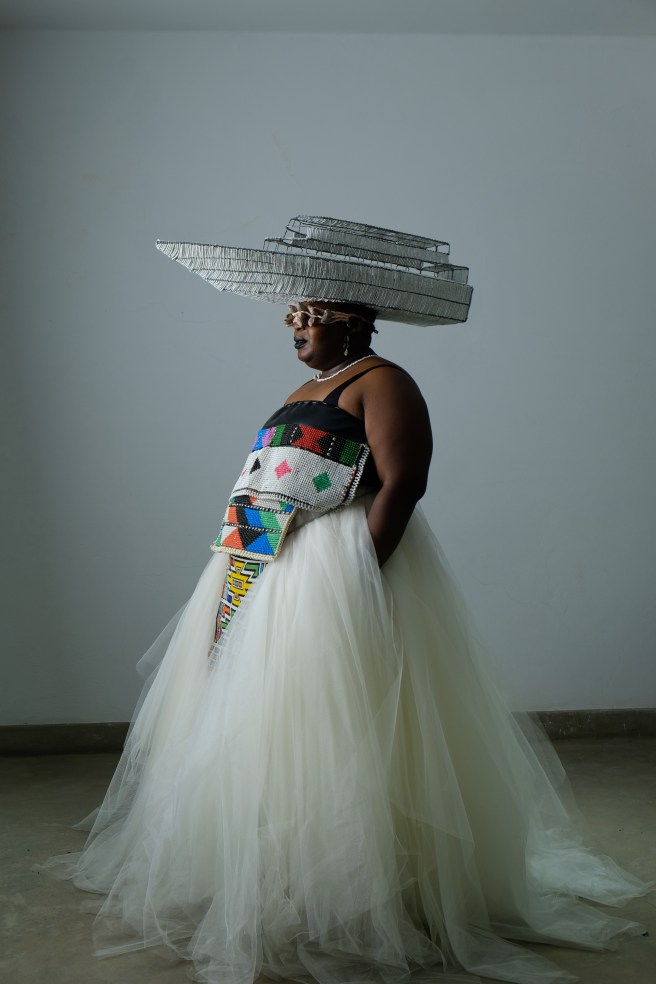
Khoza is a presence not only with the theatricality of their costumes but especially with the way they move, speak, sing, chant and engage their audience from start to finish. There’s no time for your mind to wander or wonder, you’re simply in the moment as you participate in this experience that for most of us would be completely unique.

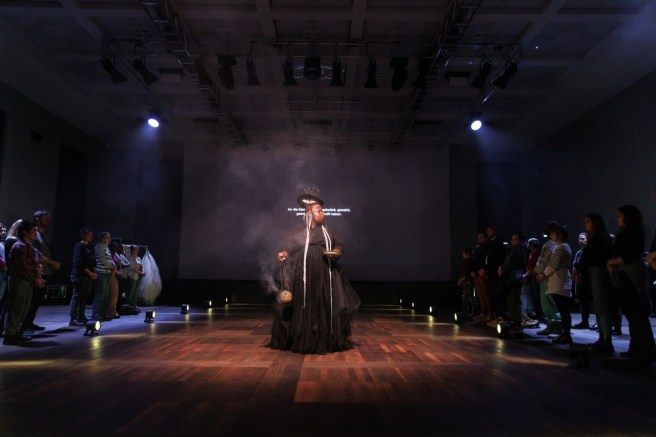
It’s ritual and rhythm, it’s engaging your whole being. This isn’t something you‘re watching, you’re participating on a level that is here and now. It’s theatre-in-the round with the performer, the one who is leading the way on this exploration of the past where human zoos and exhibitions in Western societies, our societies, turned people into curiosities to be paraded and exploited for the delight of white fetish. That is even difficult to write after seeing this play.

Especially for those of us on the oppressors’ side, while we gasp in horror at the stories, we know what our race has done to people because of the colour of their skin, have seen many plays and read many books about those times, yet, sadly it remains just that. It’s not as though your body can viscerally experience what that must have been like. It’s something that white people to this day never experience. They simply don’t have to navigate a world that plays by rules made for them … still.
How many times have you as a white body thought about how anything that you do on a specific day will be determined by the colour of your skin? Think of Trump’s world in today’s context for example. People are being rounded up and deported even with citizenship because of the way they look.

Khoza suggests that it is a history that is not spoken about and which they are determined to address so that those affected can reclaim, reflect and confront themselves as people. Because it is something that continues to this day, for them it is about the need for spiritual healing and reclaiming violated dignities.

The one thing all of us have felt in our lives is humiliation. For many it is an occasional thing that can be quickly discarded as you move on with your life. For others it is an institutionalized part of their life and there’s no escaping. The only requisite to fall prey to this is the colour of your skin. Everything in our lives to this day is determined by this. Think Black Lives Matter.

It is described as an installation-based performance and for me personally, it was as though my whole body had suddenly been awakened. I felt alerted to the way the world works. Was there anything said that I hadn’t heard before or didn’t know? How many times have I not experienced the Saartjie Baartman story, a woman torn from her family, stripped of her identity as a human being, taken from Africa to Europe and displayed for the Western world to view in a human zoo? We know and sympathise about the atrocities of the past. And again we wonder about those happening all around us, because they’re still there.

What The Black Circus does is change the perspective; it inhabits your body and soul in a way that takes you the the heart of the atrocities. For Khozait is a place of collective healing where the shackles are discarded, and a spiritual connection established.

It’s a difficult experience to write about because it is one to experience rather than to analyse. You want to enter the space knowing just the title.

At the beginning I felt as though I was sitting in a glorious painting. A story of some kind was going to unfold and as with most theatre, I was excited. What I got was so much more. It was unexpected, challenging in the way theatre should be, explosive in performance and presentation, and something that has changed my life. And that is what theatre should be.

I will be looking at and facing the world diffently.

A GREAT BEGINNING FOR 2025, THE KKNK FESTIVAL WAS A BRILLIANT SHOWCASE FOR THE ARTS

Diversity was the element that dominated this year’s fantastic KKNK Festival (in Oudtshoorn at the beginning of the month) – from the audiences to the artists, also including the plays and performances. DIANE DE BEER reports:

PICTURES: Hans van der Veen (unless otherwise stated.)

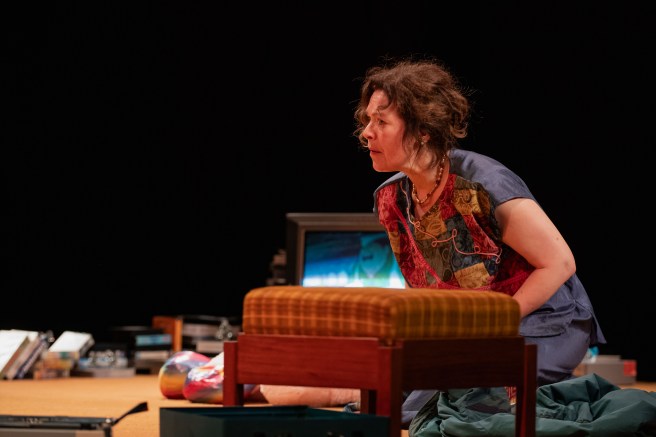
On one day you could see a solo show, a play with both words and movement, a translated modern classic and a new work that will outlast some of us watching.

Yet as is often the case at this festival, theatre was what really captured the imagination – and true to the diversity theme, it played out in many ways.

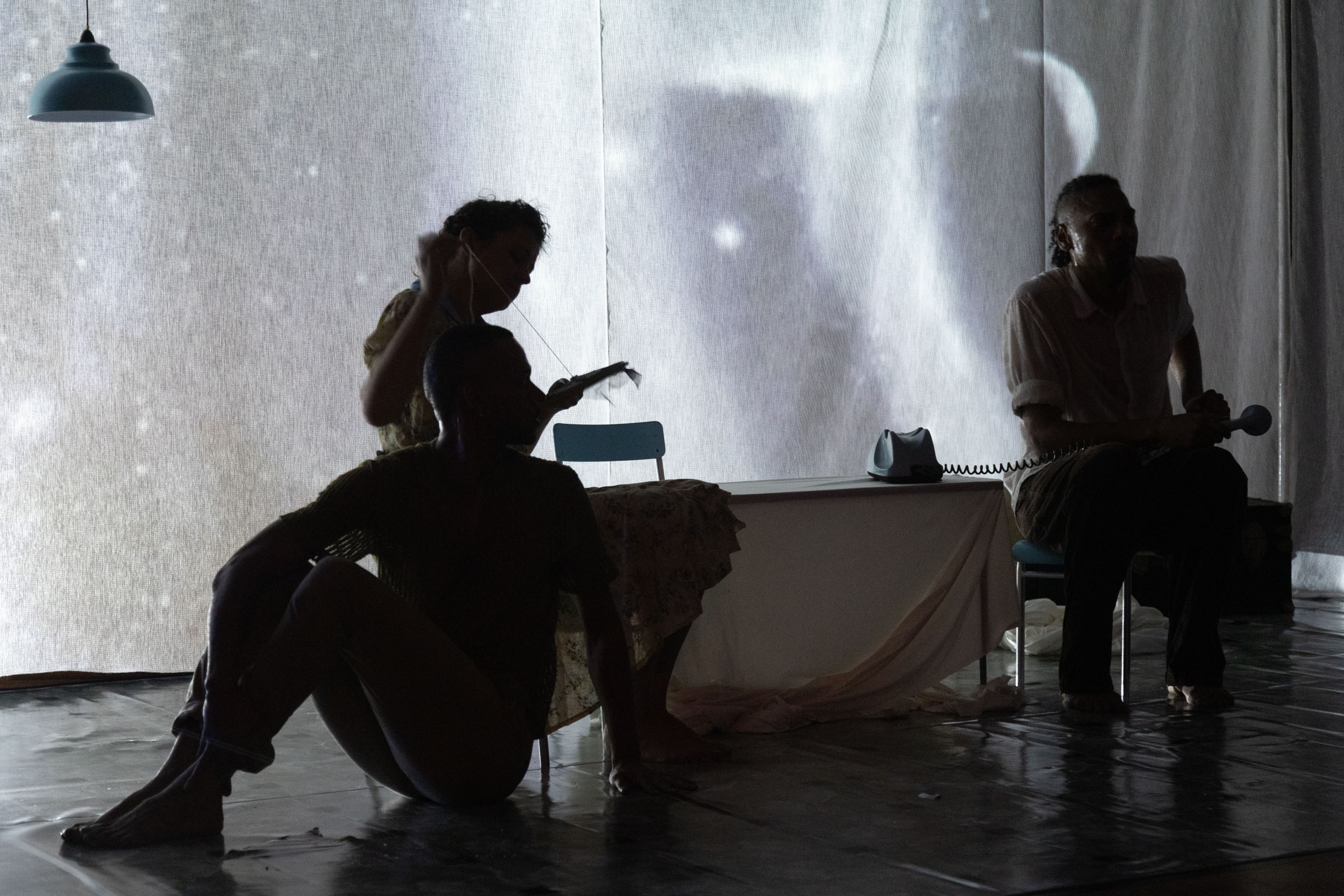
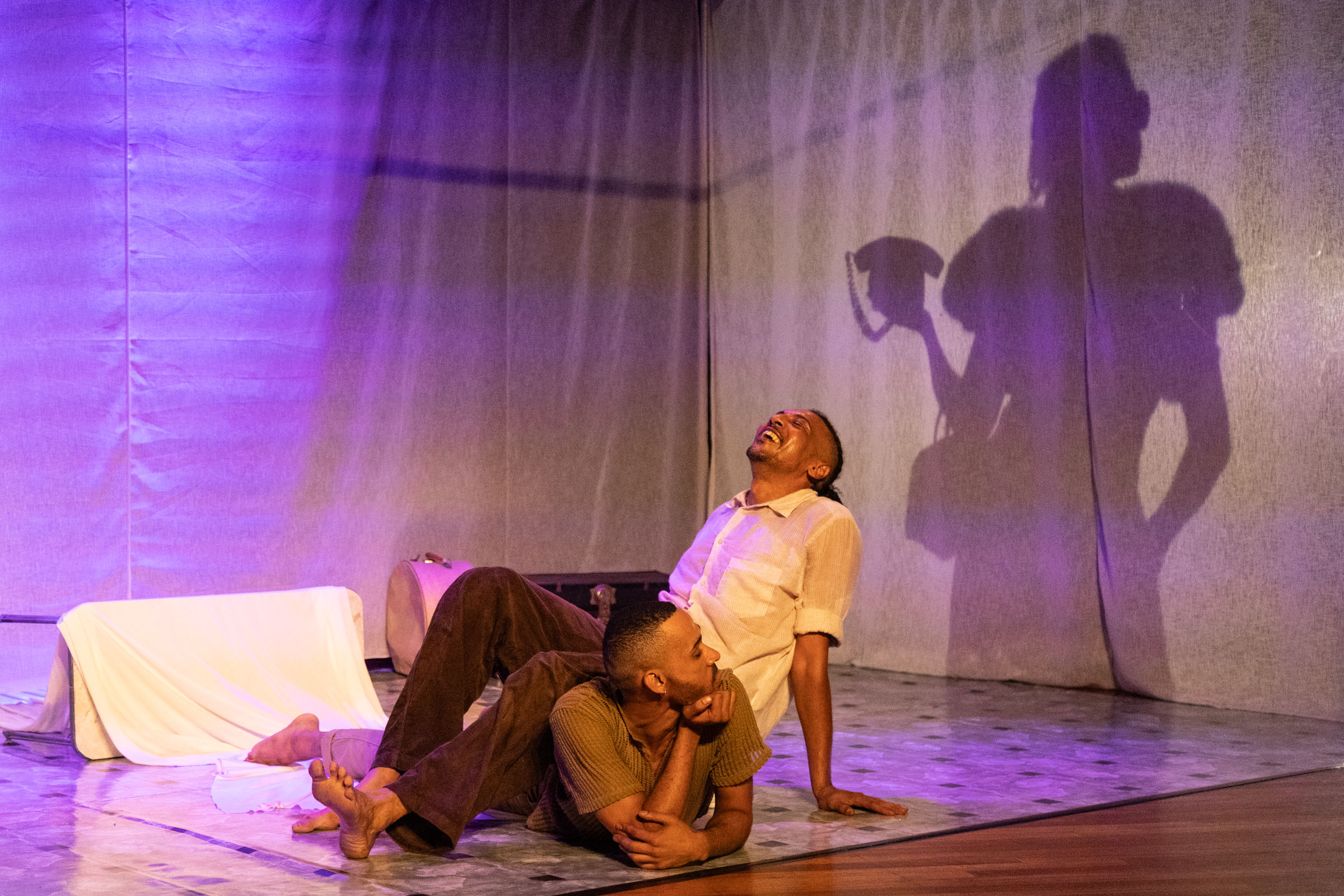
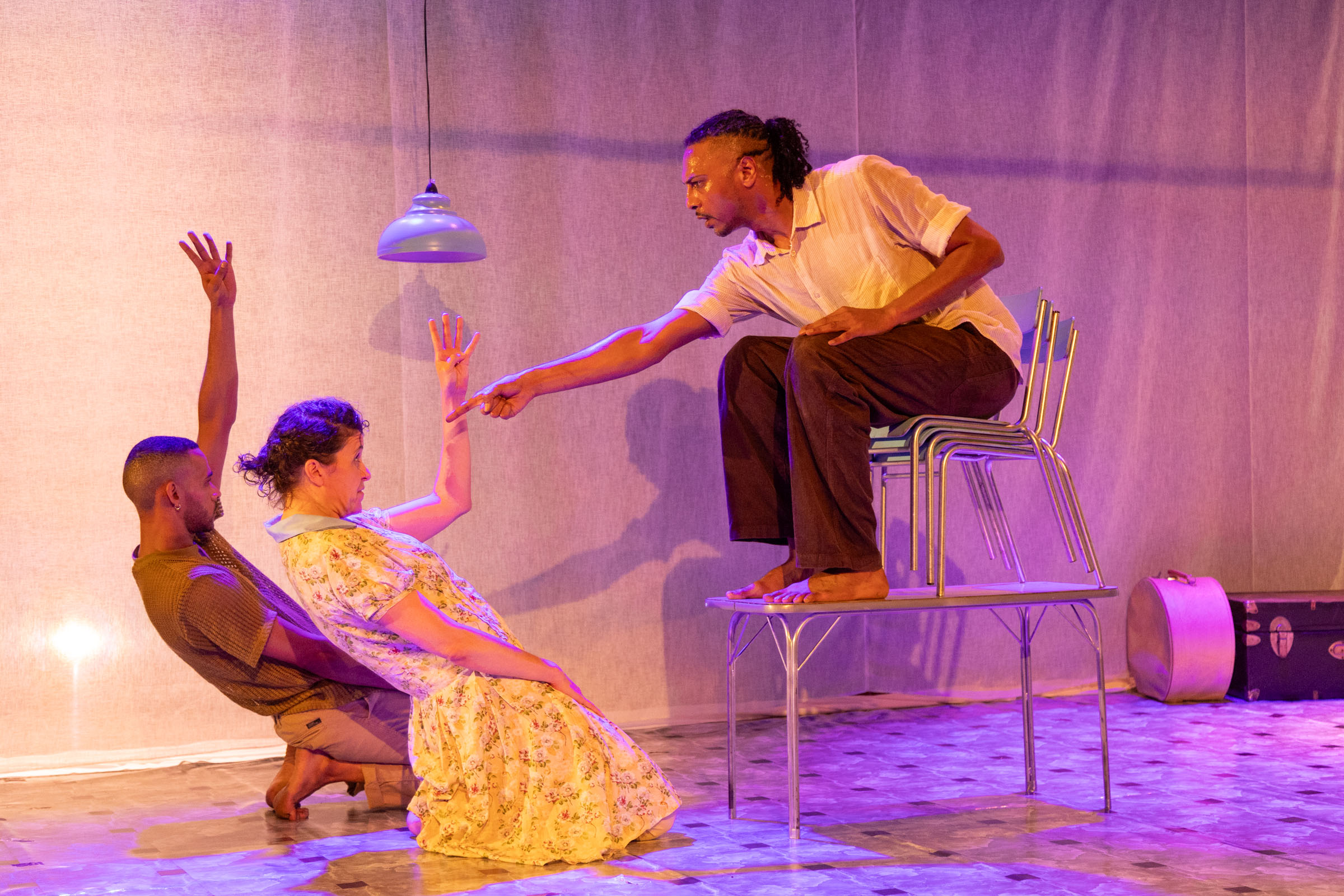
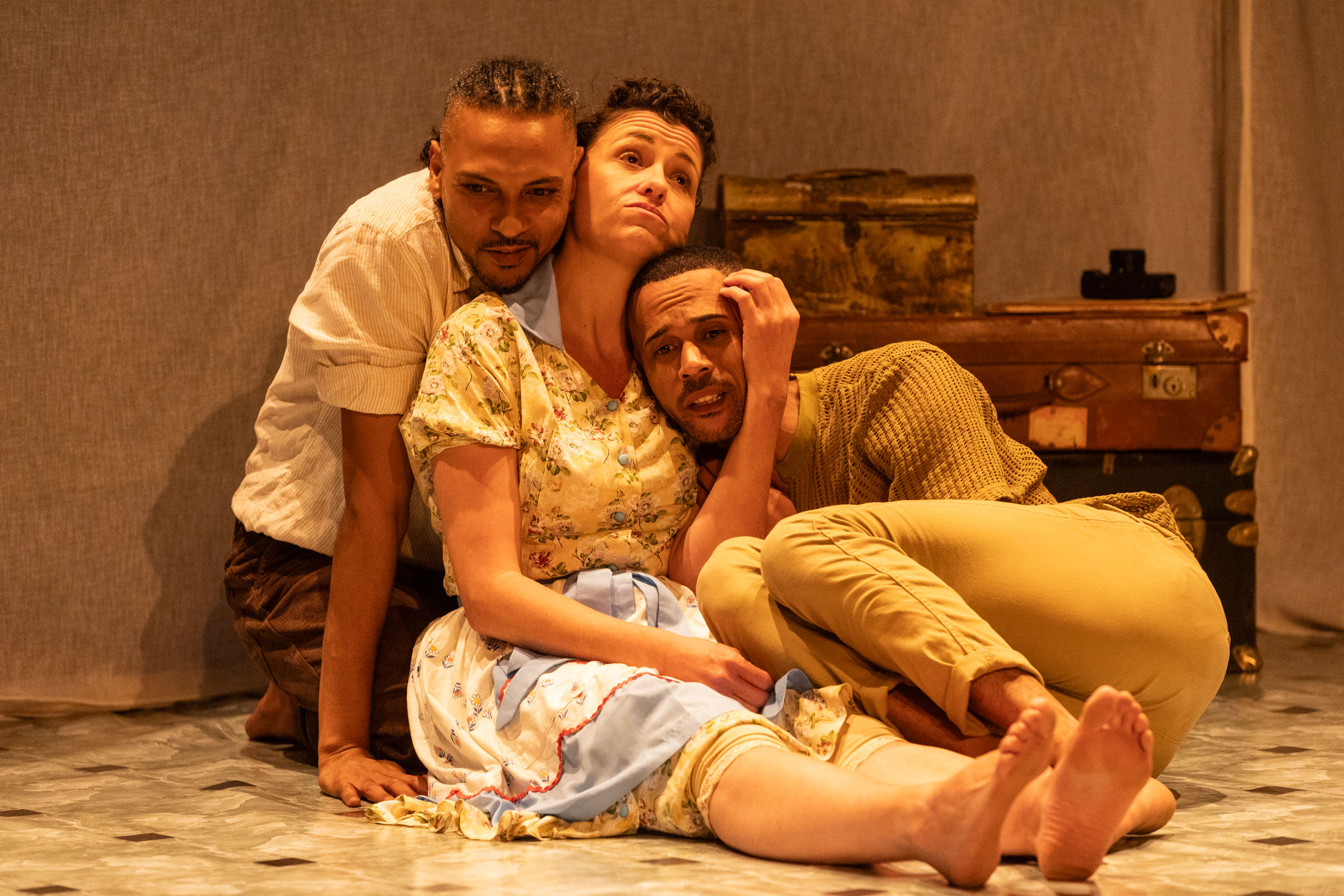
For me it started with a bang with a piece titled Die Een Wat Bly (which can also be seen at the upcoming Cape Town Suidooster) with a cast consisting of the two talented dancers from Figure of 8 Dance Theatre (Grant van Ster and Shaun Oelf) who in this instance combined their extraordinary movement with the insightful words of Wessel Pretorius who seems to deliver an endless stream of brilliance. And the third member of this inspired cast is Daneel van der Walt who is an actor who has emerged these past few years as someone to watch.

Everything seemed to combine beautifully, from the story, how it was written, the excellence of the casting and the way movement underlined and emphasized every emotion so magnificently. I couldn’t resist catching it a second time and it confirmed my initial instincts that all the elements just flowed together seamlessly to present perfect theatre. I could easily watch it again … and again… and again.
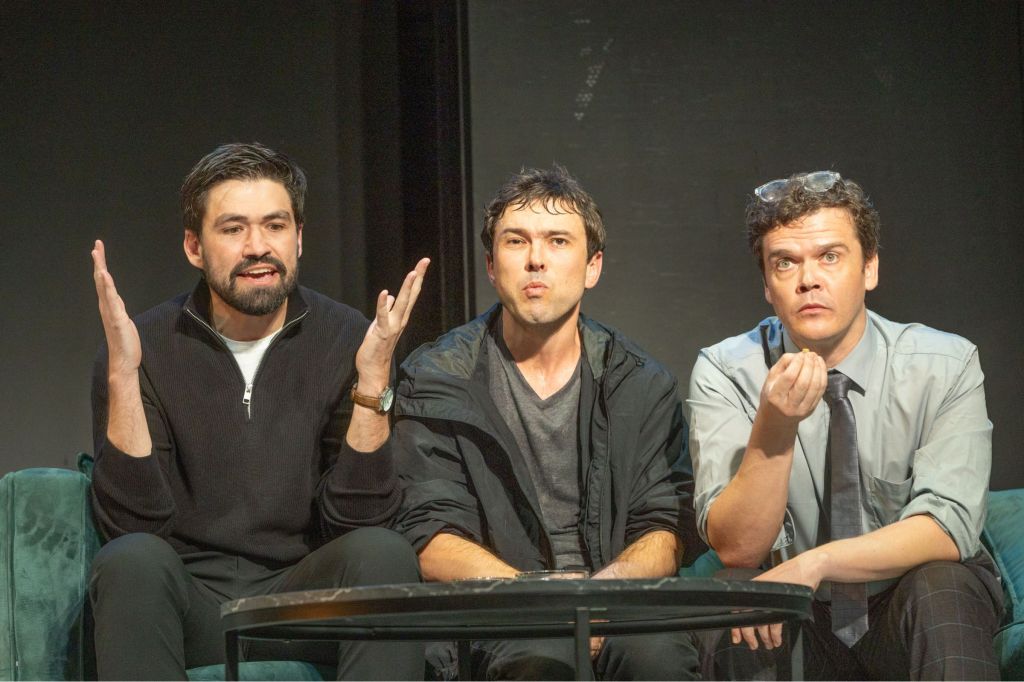
In a different guise, Pretorius performed in Yasmina Reza’s translated text Kuns (which had previously been performed by two of the actors, also directed by Marthinus Basson in the English version titled Art). Pretorius and Wilhelm van der Walt (part of the former cast) were joined by Ludwig Binge in a play that satirises the often achingly precious way people view and talk about art.

Because of the NOW, a time where an anti-wokeness and fake news seem to dominate everything, it worked even better than the first time I saw it and with these three adventurous actors (all three Basson graduates who have established exciting theatre careers), it was perfect for this festival which always celebrates.

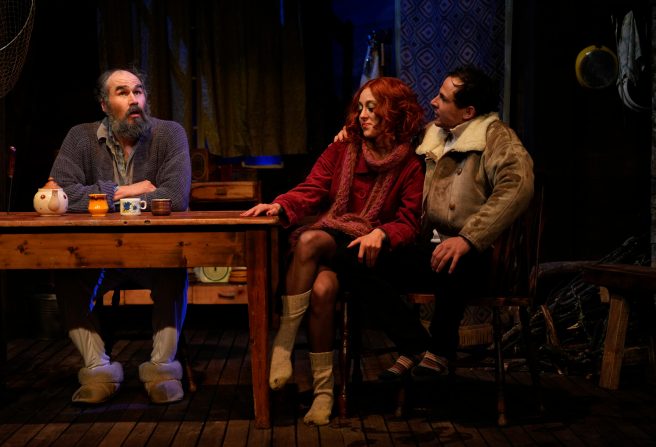
Basson also delighted with a play which has been on the circuit for a while, and I was thrilled to finally experience. Who would not be intrigued by a play titled Kruispad, of die legende van die goue vis.

Picture: Nardus Engelbrecht.

Again the casting blew me away with Eben Genis giving one of his finest performances in the role of the eccentric recluse Oswald whose life is rudely interrupted by two lost and rain-drenched youngsters played by two of the best, Edwin van der Walt and Carla Smith, with a glorious copper-coloured wig which completely changed her character without her having to say a word.

Because it plays with temptation and loyalty, it reminded me of the film Indecent Proposal in which Robert Redford offers to buy Demi Moore for a million dollars for the night.

Masterfully written and performed with great gusto you are never sure what is real or not, whether something is fact or fiction, and in fact when someone is being honest or not. It’s like trying to solve a puzzle that tortures and teases with a few disruptive detours that keep you slightly unbalanced as an audience.

There was so much more in the theatrical realm with solid performances in the Hennie van Greunen translated and directed Annie+Helen with Cintaine Schutte as Annie, the governess/teacher in the Hellen Keller story and Judi Hattingh as the severely damaged teenager who cannot see, hear or talk.

A mighty struggle ensues and from beginning to end, the two actors battle, and sometimes, bruise one another in a fight for something so much more than survival.

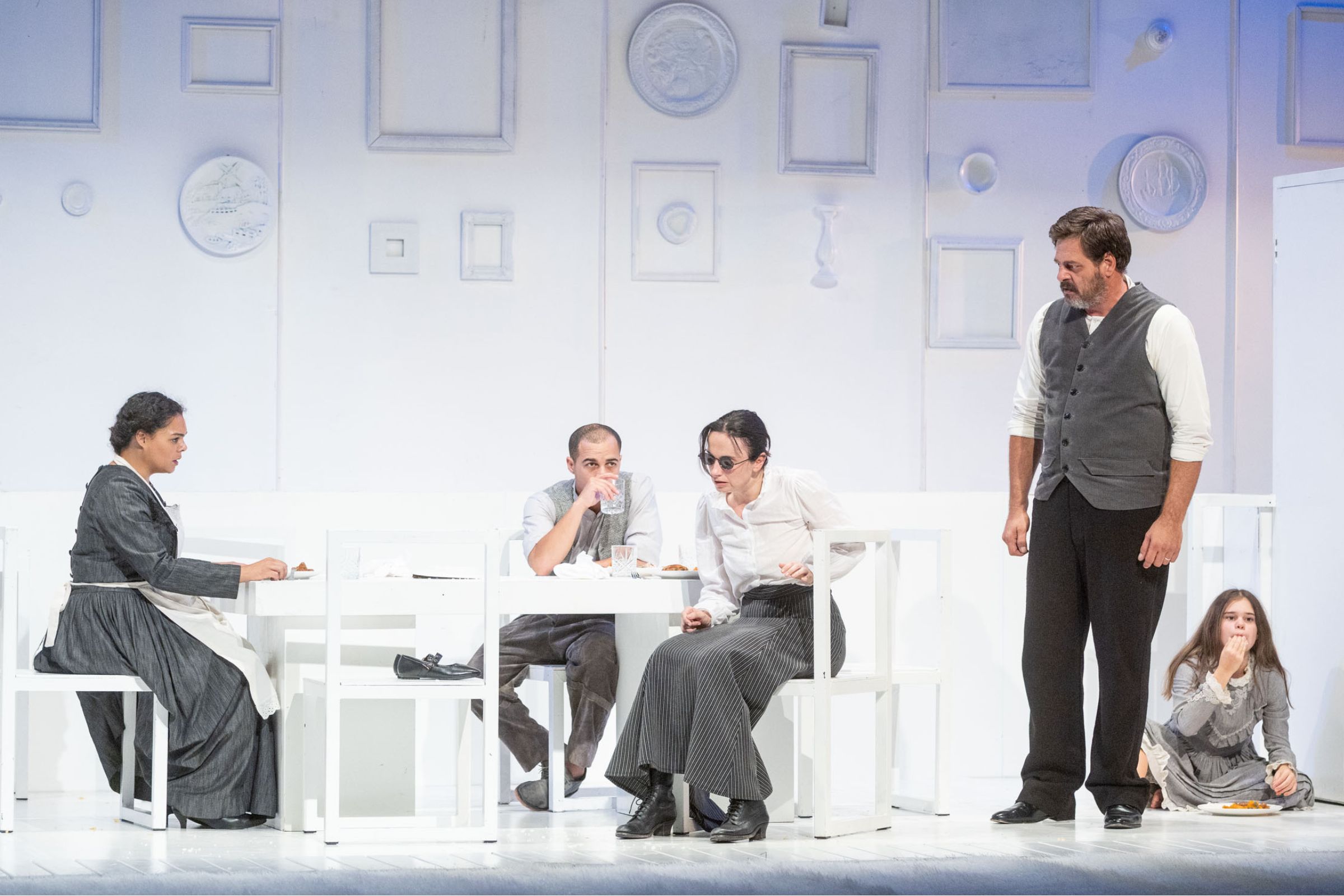
I have always been a huge fan when some of our younger directors (and he might take exception to that description) take on the classics, and I was excited to see Speelgoed van Glas translated, directed and designed by Nico Scheepers.

Casting was a further incentive with Annamart van der Merwe, Carla Smith, Ben Albertyn and Mark Elderkin on board, and was also alerted by all the awards they had already received, all of them thoroughly deserved. Van der Merwe’s bravura performance as the brittle mother is bruising as she embodies a woman who is desperately fighting to hold on to the only power available to her, that of motherhood (and in this instance also victimhood).

Her children, especially her son, have no such illusions and their confrontation reminds one of how a home which should be a protected space for a family can become a warzone which holds only fear and a frantic will of those threatened, to flee and find emotional freedom.

It’s devastating writing, smartly translated and, set in the present with a cast who have had the time to hone their craft and honour the play.

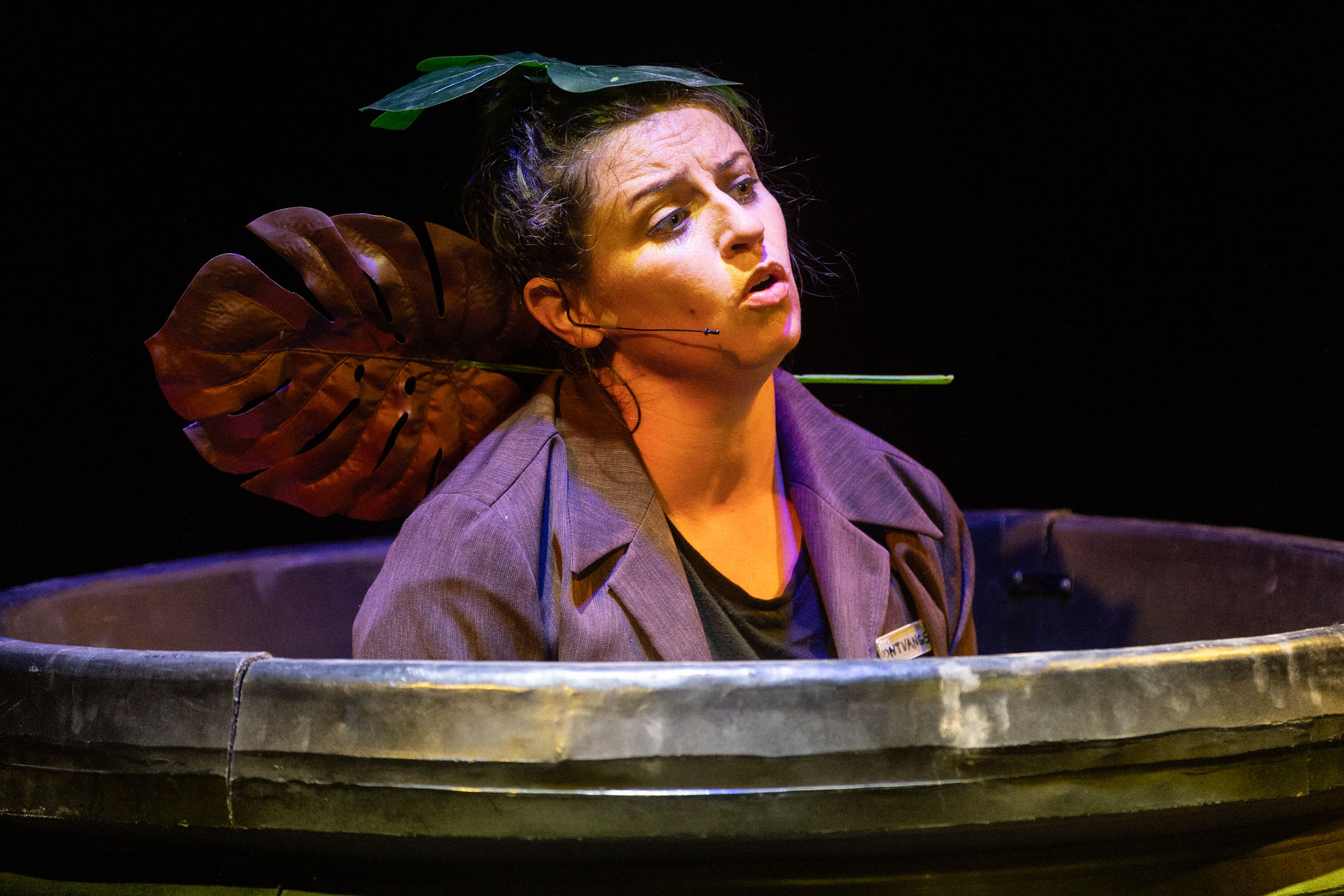
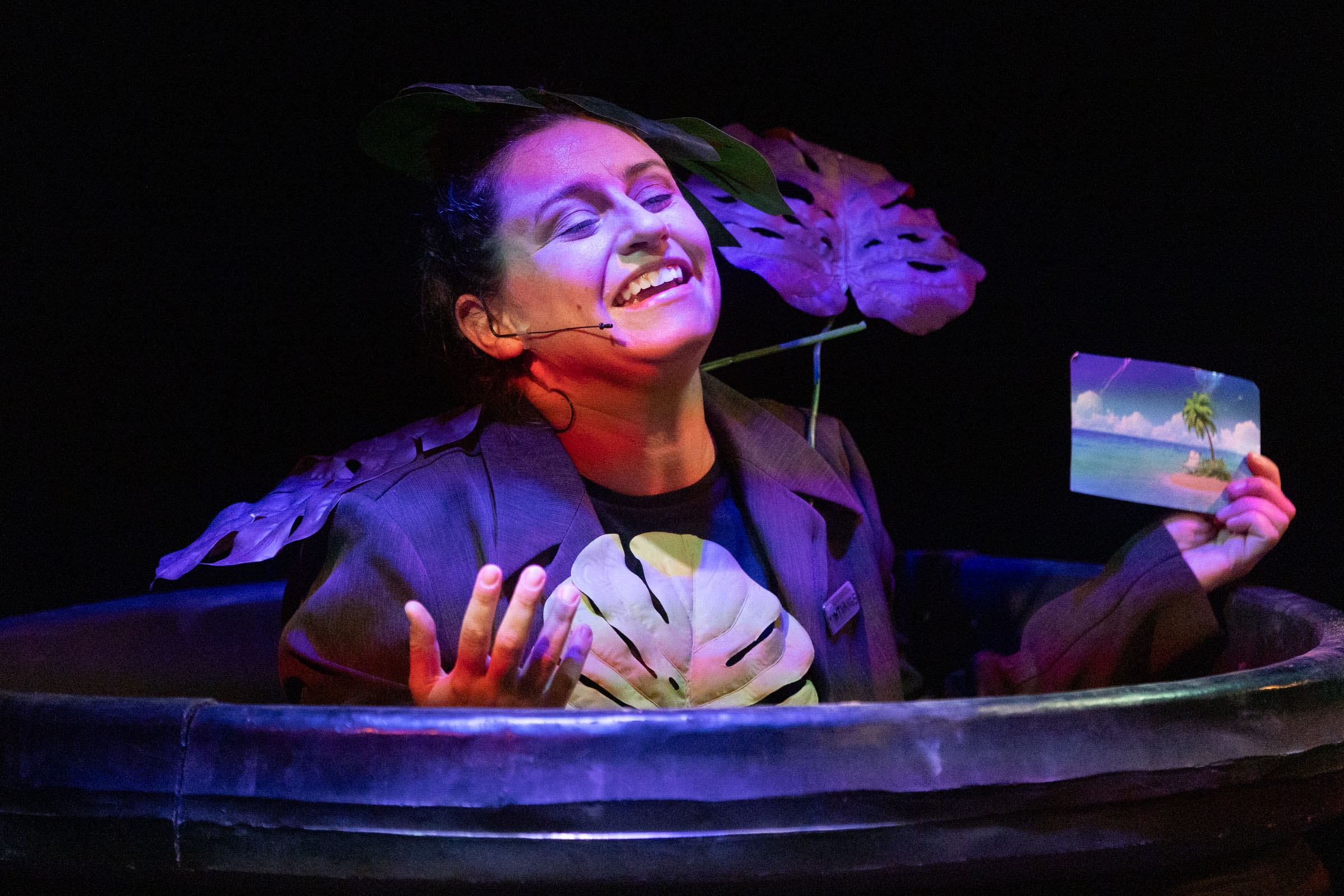
Also Die Potplant: ‘n Tragedie written and played by Karli Heine who changed what had previously been part of something now called Blitsteater into a longer piece had an interesting effect on me. It’s a wonderful idea with a script that’s inventive with underlying pathos – and yet, while it still had the impact and was cleverly stretched into a more comprehensive play, I think I preferred the shorter version.

It might have had something to do with the impact it had the first time round as well as having lost my heart to that version, I was more aware of the padding. Yet Heine is worth watching. She is someone that thinks out of the box as well as having the courage to take chances. You need all of that in this challenging profession.

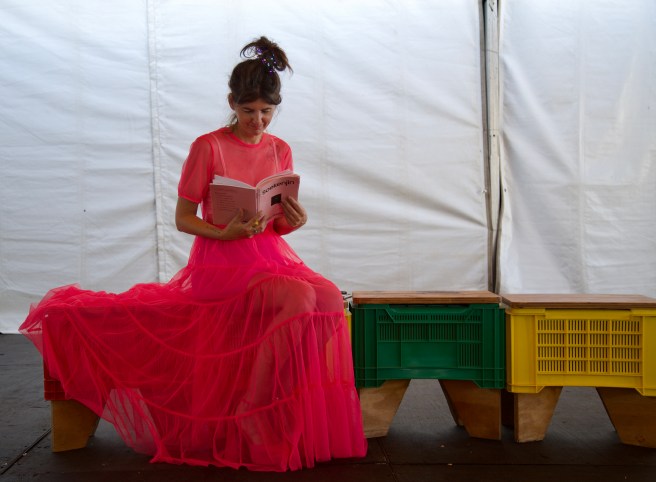
Another joy at a festival is discovering new talent as well as witnessing the creativity of artists and how they find ways to explore their craft in a world with no boundaries yet many obstacles. Bibi Slippers, who can only be described as a compulsive creative did two shows as part of the Blitsteater (a bit like fast food, fast theatre), but there’s nothing fast about what she does with her imagination.

Picture: Stephanie M. Gericke.

I have always been fascinated by this young woman who has carved her own career in a very individual way. She pops up all over the show and her strengths lie in her words. She knows how to use them and has two spectacular poetry books that run like a thread through her performances.

Everything she does has thought behind it, is usually novel and it works. If anyone wants to see how to be an artist in today’s world and be in command of your own life, this is it.

In similar vein Sandi Dlangalala and Ilana Cilliers combined style and swagger to present an interlude of theatrical magic with Smak. The way they told the story in very little time with their whole being and soul was quite extraordinary.

A regular festival contributor, Llandi Beeslaar, who with her partner has been running a series of short performances by various artists, in the above mentioned Blitsteater, decided it was her turn to shine individually. She was ready to test herself as a comic with her first stand-up piece.

She participates in the arts in different ways, but this is a chance to use her own voice – and that she does with a particular style. Most importantly she has something to say and should keep going while honing her craft. There aren’t enough women in this space and the only thing she lacks is confidence.

Picture: Mia Truter.

A solo performance that stood out was that of singer/songwriter Frieda van den Heever.  I first noticed her as producer with a fine sensitivity as well as an imagination which seemed to be strongly independent.Picture

She has obviously decided it is her time and instead of producing others, she staged her own show. She’s got all the goods and probably if you start counting, has more talents than a triple threat. In this her first solo show (that I know of) at a festival, she did the performance as well as the production. She brought in Mauritz Lotz on guitar, but the rest was all done by this astonishing performer.

I’m more of a theatre girl than music, but she blew me away with her presentation, the way she put together her show, her music (on piano as well as singing and songwriting), her lyrics and her singing. I know I can find her album Ontspoor, onlineand that’s what I’ll do.

But to find new music so accessible and a performance that’s fresh, daring and quite darling. I’m a groupie. Once I checked her previous work (which I had seen, with her as producer rather than performer) I understood why I liked the show so much.

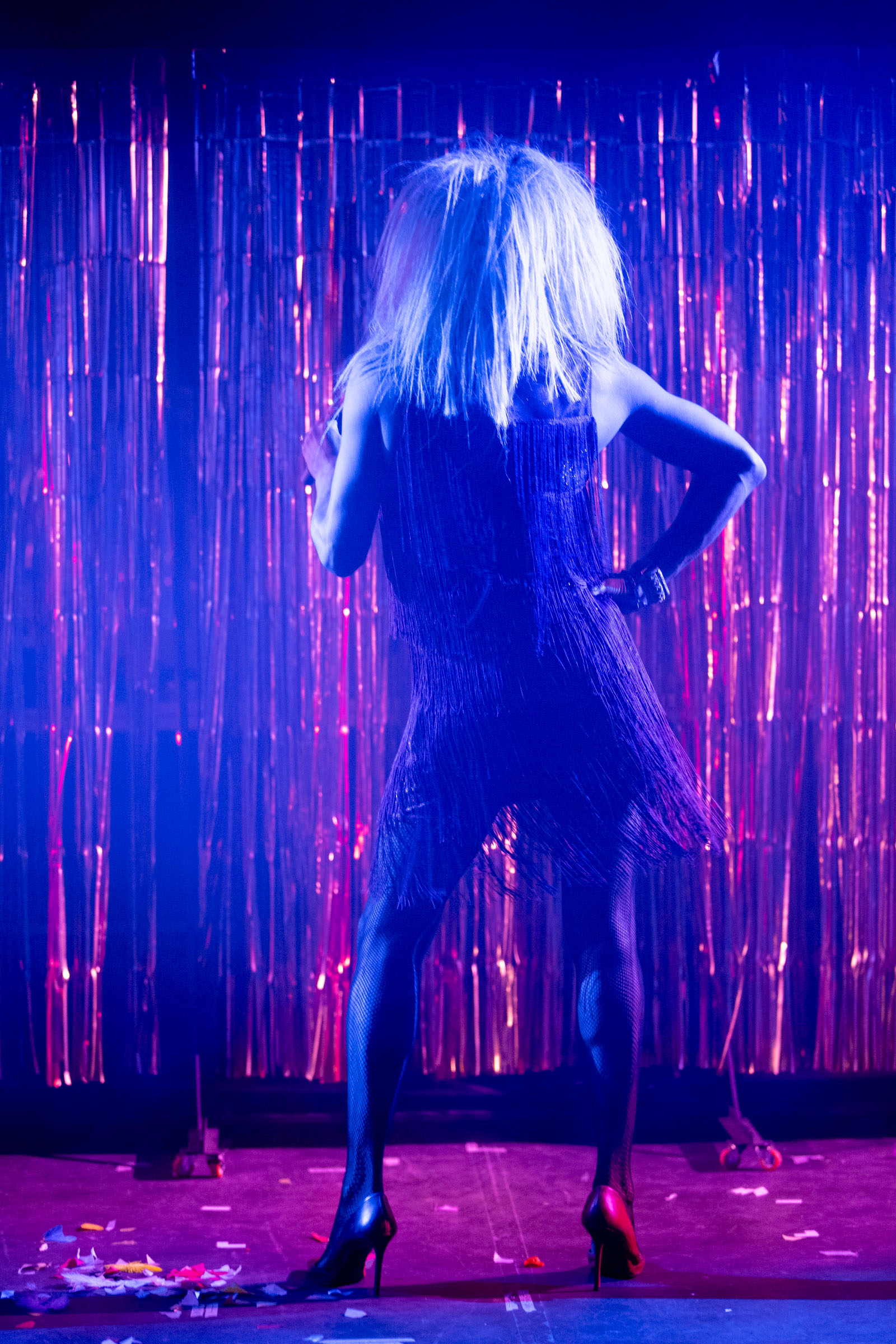
Karoo Kaarte is one of my favourite experiences every year at this festival. They pick their battles, how best to explore them and this year they joined forces with the District Six Museum and GALA queer archive and used the Kewpie: Daughter of District Six picture archive as a platform to develop this years’ experience.

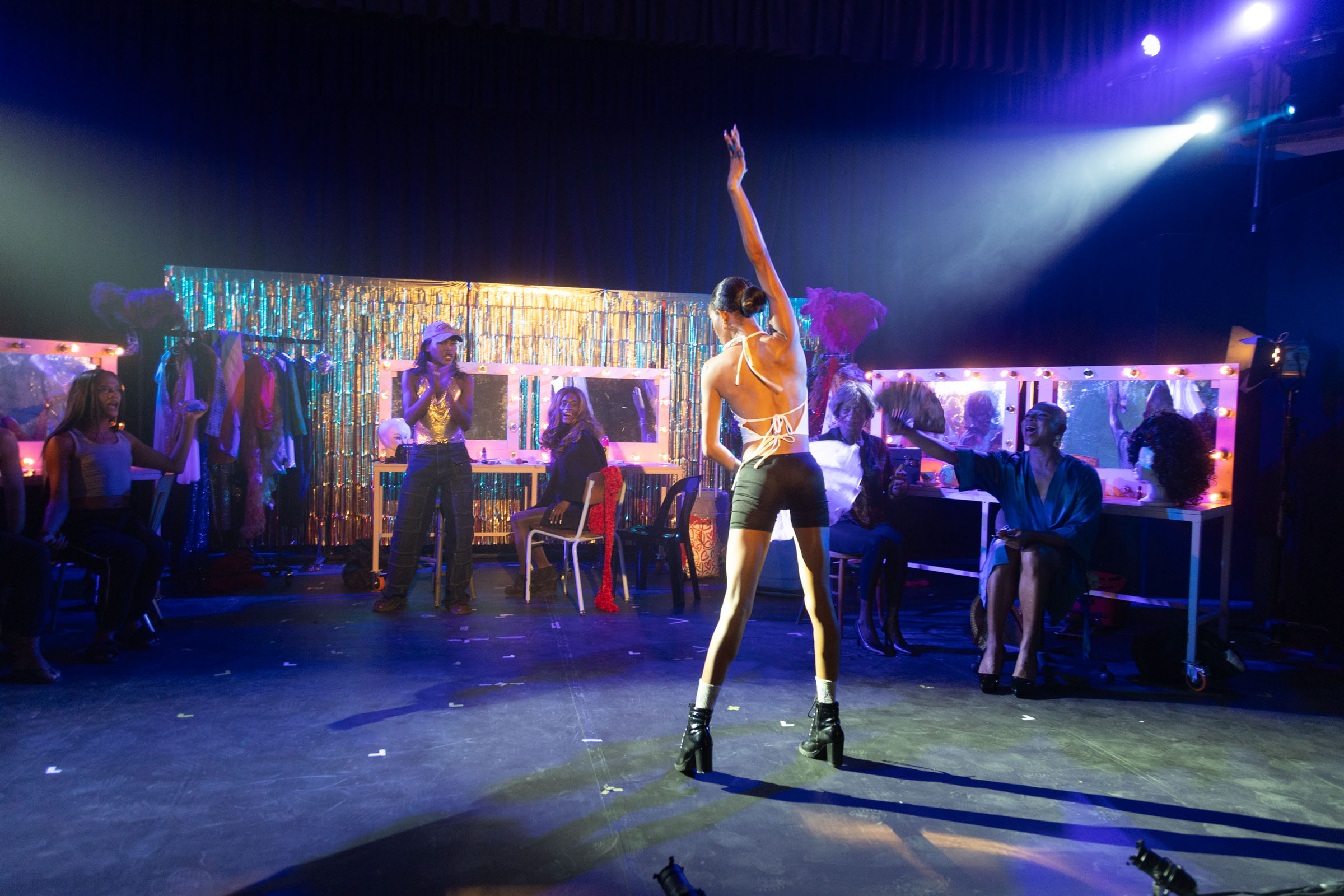
It all culminated in a queer festival with a multi-disciplinary drama titled Kroon en Konfetti which incorporated three elements: Kewpie’s life and legacy as dancer and artist; the rich culture of Oudtshoorn’s beauty competitions called “models”; and 25 personal stories collected from Oudtshoorn’s queer community.

Dressed in all their finery, the “models” all gathered in a dressing room to start their show with the dialogue smart, sassy and with an edge. It was quite magnificent as are all the Karoo Kaarte productions and more than anything it’s the topics they choose to spotlight that’s so important.

Here is deals with a group of people who are already sidelined in a country where prejudice is still rife. With their queer status they are in search and hoping to find safe spaces in their community where they can celebrate their culture, yet behind all the glitz and glamour, the shadow of oppression is hard to ignore.

As always Neil Coppen, Vaughn Sadie and Tiffany Witbooi are the creative team responsible and my only regret – as happens every year – is that I couldn’t participate in all their offerings. It’s one of those projects that’s imaginative and innovative and even more importantly, they’re constantly working with elements that result in real change in a community that has always been neglected.

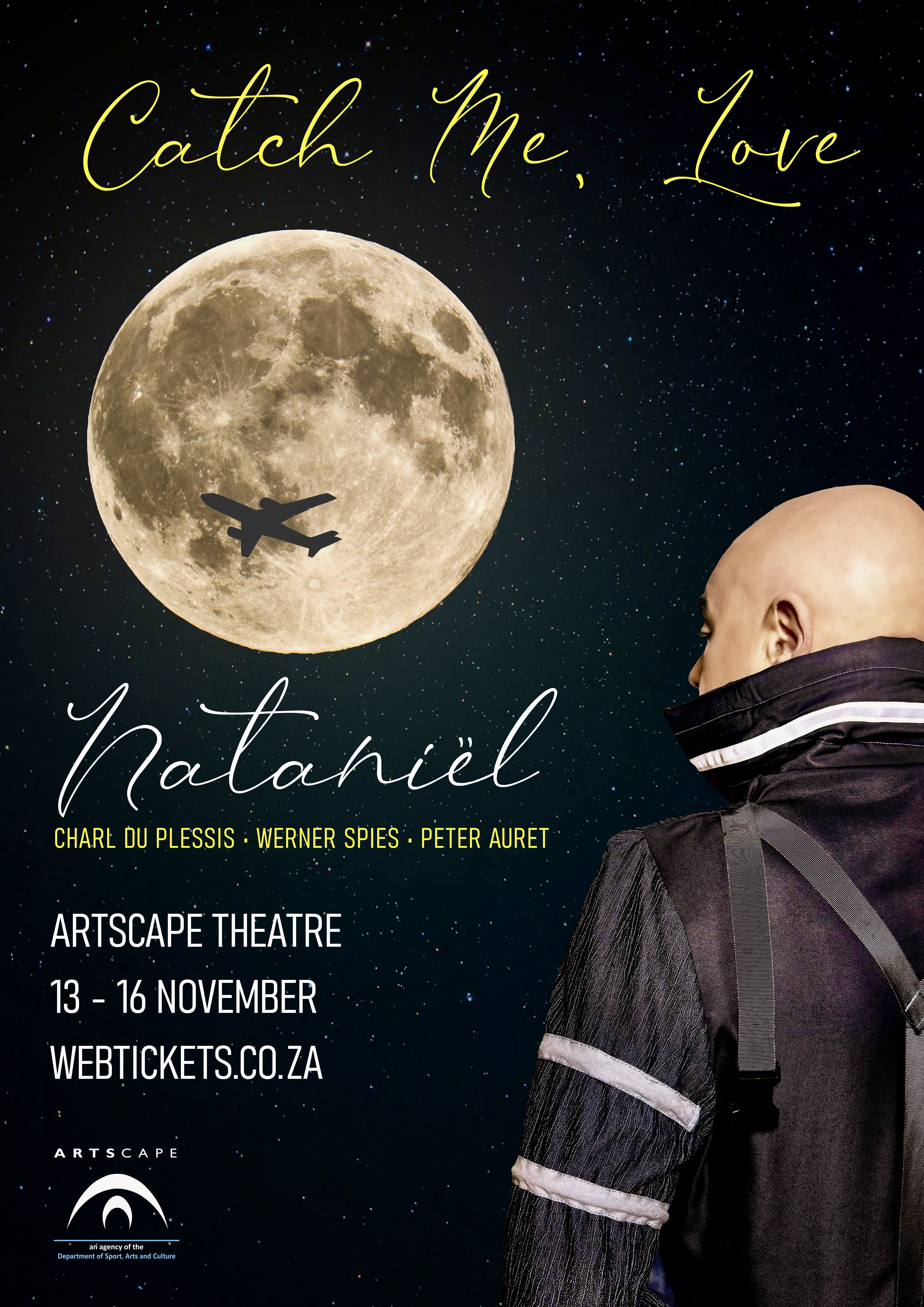
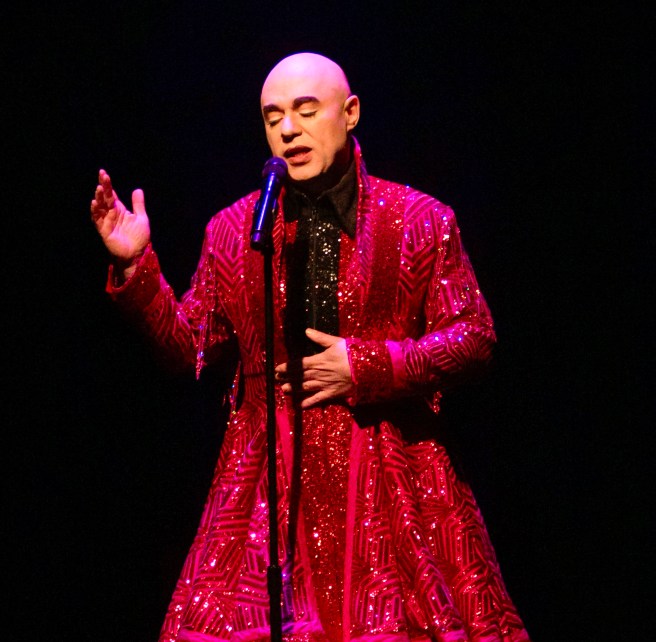
And then cleverly the festival ended with Nataniël and a company of 10 on the openair stage under the Oudtshoorn night skies. The elements aren’t his friends, but it was a glorious way to end the festival with a performance that showcased new voices and performers as well as the glorious artist himself with stories and songs that suited the occasion.

Tracy-Lee Oliver was the artist he chose to spotlight on the night, and she made full use of the occasion with spunk and singing that added spark to this final show. It was great to see someone step into the limelight with such poise. As usual, making sure he gave his audience all the hysterical stories and masterful songs they expected with his superb band and backup singers, he also paid it forward with this sassy introduction of new voices for this audience.

He first spotted her when she was a contestant on a television show he judged, and astute as he always is when it comes to producing for an occasion, this was where he decided to showcase her – for all the world to witness.

Rehearsal picture.

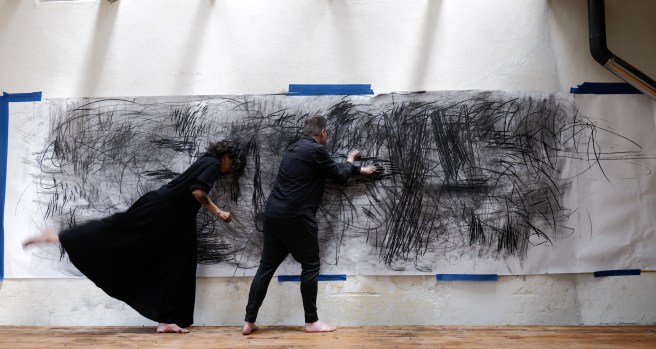
I haven’t even touched on the festival artist Henk Serfontein’s magnificent exhibition Die Stomme Aarde complimented by a performance piece by the artist and his collaborator Hannah Loewenthal as he made a painting to which she contributed while both of them participated in an expressive dance which further enhanced this particular emotional landscape of both the St Jude’s Church as well as the art displayed in this holy space .

It was the perfect example of how art and artists when working with an emotional intelligence can transport you in a way that seldomly happens in what has become quite a cranky world.

Similarly, Mareli Stolp, a pianist with a particular penchant for avant garde music invited animation artist Diek Grobler to illustrate her chosen compositions for a programme Die Gevlerktes. It was a stroke of genius.

The exquisite animation was imaginative in the way it enhanced the music and the listening experience which then also transformed into a visual feast.

I could go on, but this is simply one art lover’s experience …

See if you can catch any of these gems at other festivals and theatres in the year ahead.

THE MOST REWARDING ASPECT OF THE ANNUAL FIЁSTA ARTS AWARDS IS THE ACKNOWLEDGEMENT OF LOCAL ARTISTS IN DIFFERENT GENRES

Diane de Beer reports:

Pictures: Gys Loubser

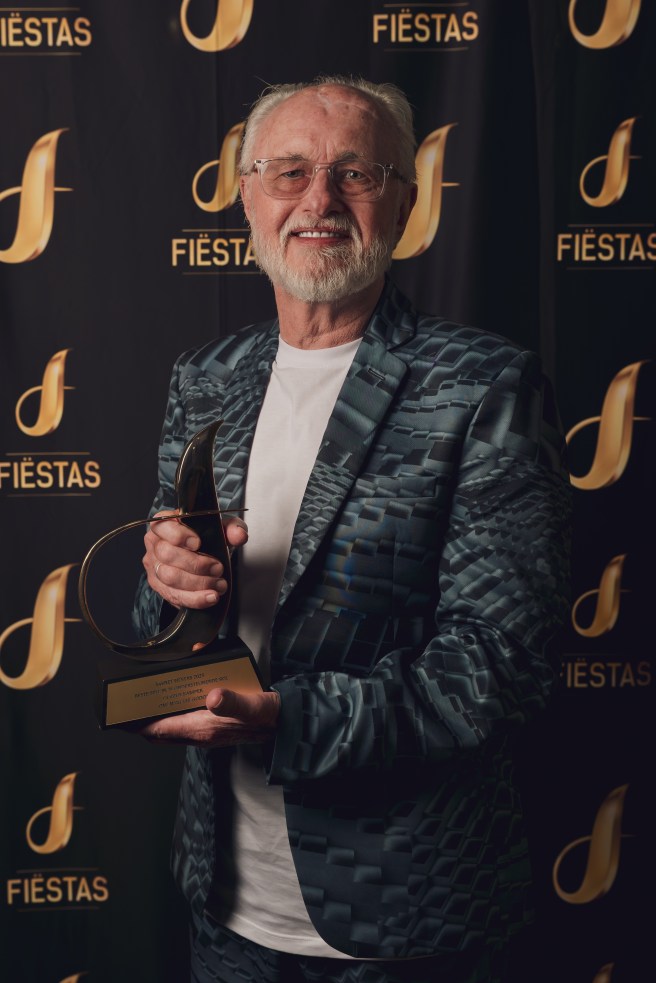
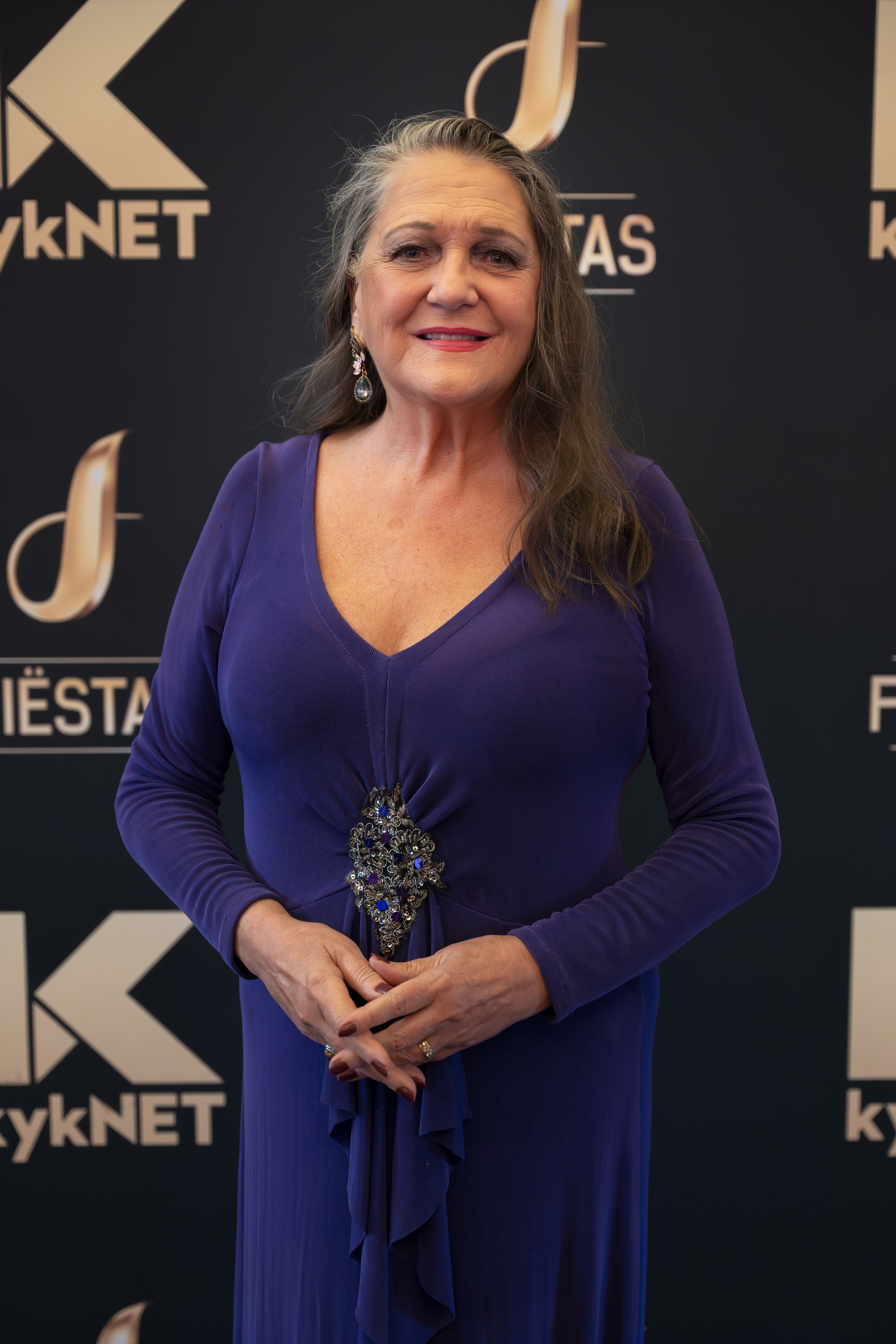
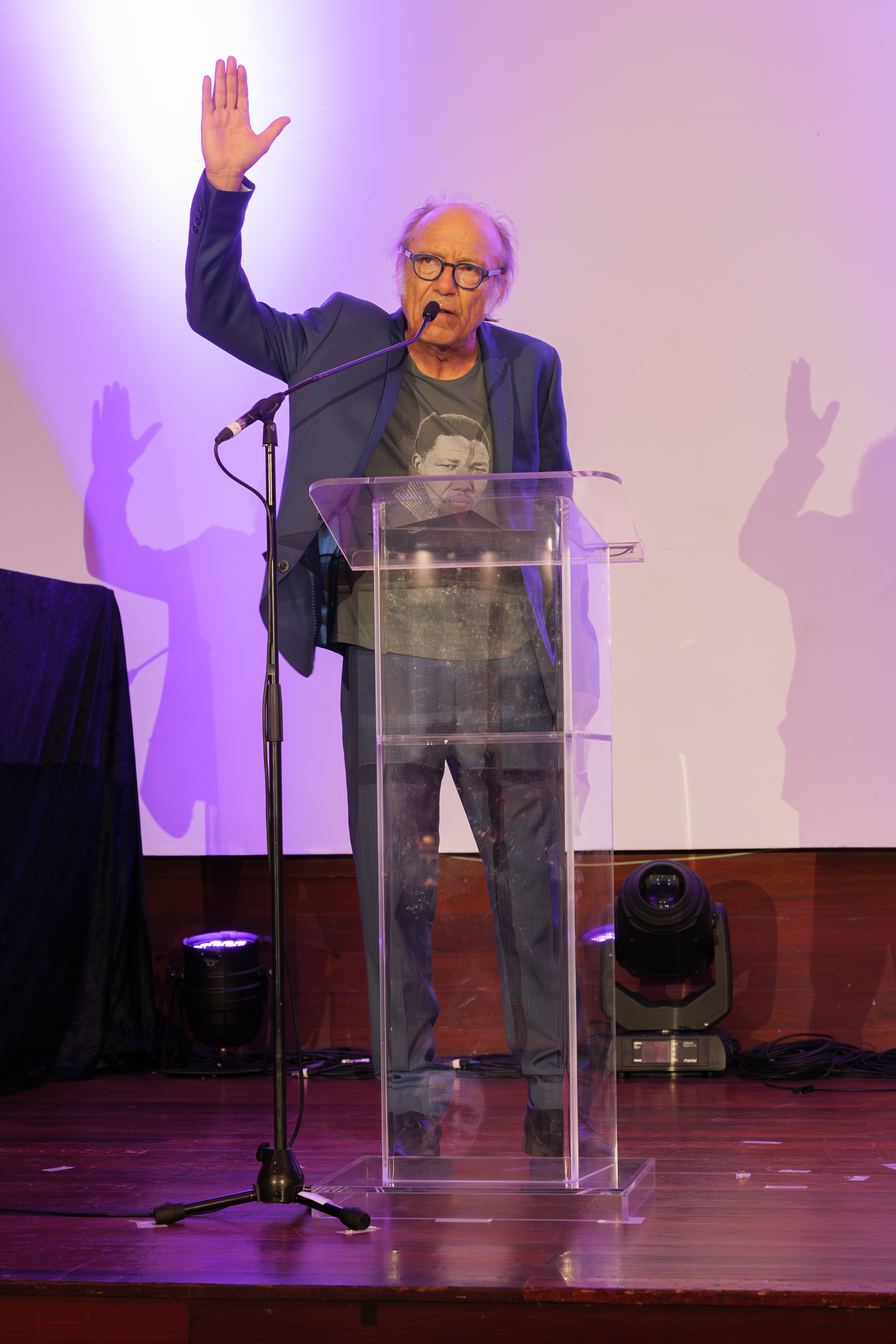
Awards can mean nothing or EVERYTHING. It really depends on each individual  and perhaps the most important ingredient is to witness especially the individual artists when they get over their surprise, gather their thoughts and express their wonderment at receiving such accolades.

Rocco Pool (Best Design), Christian Olwagen, (Best Festival Production), Rolanda Marais, (Best Actress) all for Hedda Gabler.

Astonished yet astonishing actress Rolanda Marais perhaps captured the moment best when she reflected on the 17-year-old schoolgirl she had been and how she would have experienced this achievement.

It’s one of the most vulnerable yet vibrant careers to choose, as your whole life is always dependent on the vision of others. If a director selects you, if the play is one that shows you at your best, if the audiences come, if they like the play and the cast and the list is endless.

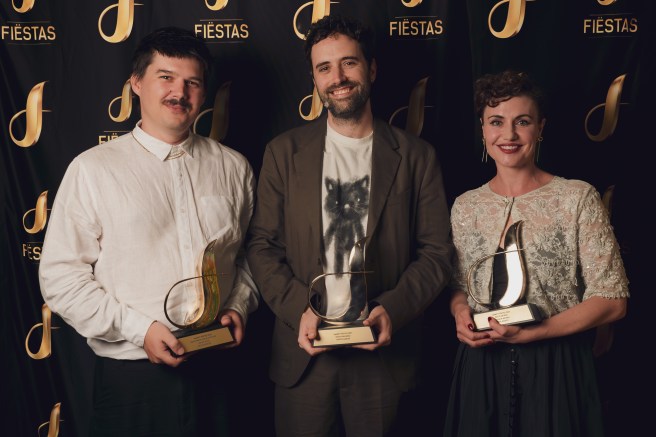
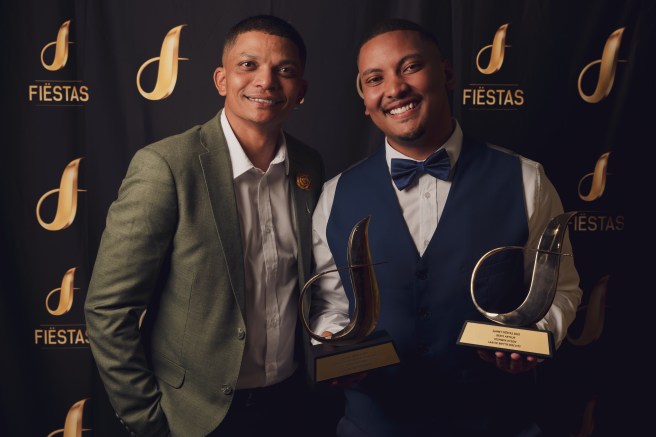
Aardklop Fiësta winners: Joshwin Dyson (Laaitie mettie biscuits for Best Upcoming Artist and Best Actor), Artistic Director Alexa Strachan, Conroy Cupido, (Best Achievement in Classical Music for Die groot Finalé) and Philip Rademeyer (Stinkhout for Best Text ).

And yet, time and again, the actors put themselves on the line and out there to hopefully change the world for some in the audience. They probably do it more than they give themselves credit for and I have often been in awe of what they manage to achieve with too many obstacles for anyone to deal with, let alone create magic.

The Fiëstas panel attended every debut production at seven arts festivals (KKNK, Suidoosterfees, Innibos, Vrystaat Kunstefees, Klein-Karoo Klassique, Momentum Beleggings Aardklop and Toyota Stellenbosch Woordfees) last year. Following an extensive voting process audited by auditors, the winners in 14 categories were determined and announced at the end of last month at a glamorous awards ceremony held at the Kirstenbosch National Botanical Garden in Cape Town.

kykNET also announced that the kykNET Fiëstas will have a new home. After 15 years of management by kykNET, the Tribuo Trust will now coordinate the Fiëstas, with kykNET taking on the role of naming sponsor.

“The decision was made so that the  kykNET Fiëstas can continue and flourish as a vibrant celebration of the arts in Afrikaans. kykNET remains the main sponsor and naming sponsor of the Fiëstas,” said Waldimar Pelser, M-Net Channel Director of Premium Channels.

“In discussions with the festival directors, kykNET emphasised that we will strengthen our support for the arts festivals in a way that we hope will also make the festivals more sustainable. We look forward to reimagining the new kykNET Fiëstas together with Tribuo and are excited about the road ahead.”

Karen Meiring, Executive Chairperson of Tribuo, said: “It is an important objective of Tribuo to invest in the future and the sustainability of the entertainment industry’s ecosystem. The kykNET Fiëstas seamlessly align with this goal as the awards recognise and celebrate excellent work. They also encourage crucial audience engagement and honour the people who carry the performing and creative arts. Tribuo looks forward to continuing this project together with kykNET, who remains the naming sponsor.”

The winners are:

BEST ACHIEVEMENT IN CLASSICAL MUSIC

Die groot finale (Momentum Beleggings Aardklop)

BEST CONTEMPORARY MUSIC PRODUCTION

kykNET-konsert (Innibos)

BEST MUSIC-DRIVEN THEATRE

Ontban (Suidoosterfees)

BEST ADAPTATION OR TRANSLATION OF A TEXT

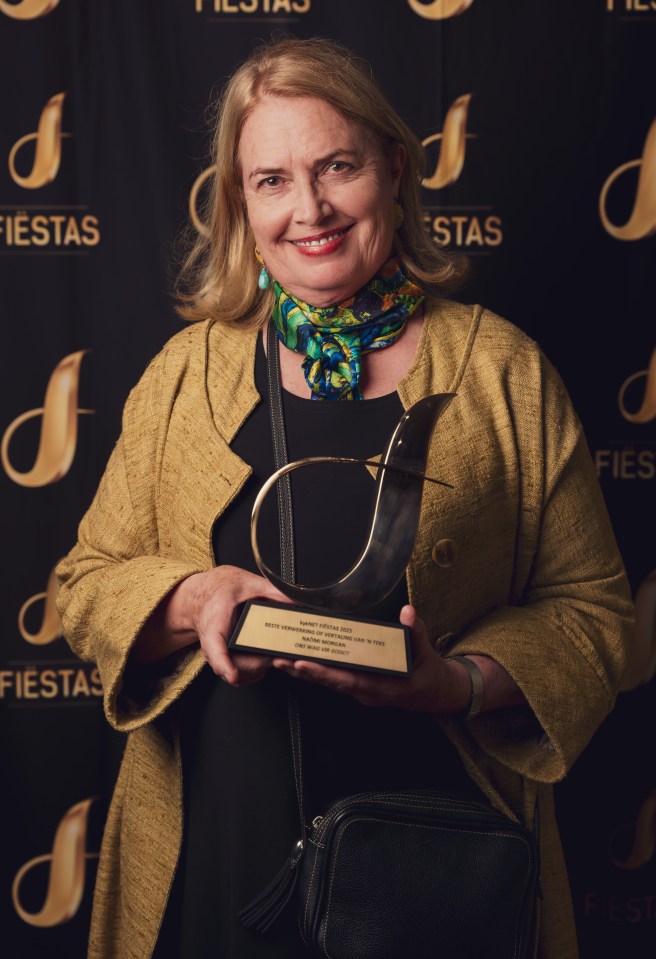
Naòmi Morgan – Ons wag vir Godot (Vrystaat Kunstefees)

BEST NEW TEXT

Philip Rademeyer – Stinkhout (Momentum Beleggings Aardklop)

BEST ACHIEVEMENT IN VISUAL ARTS

Marlene Steyn – Between my i’s: tussen my oë (Toyota Stellenbosch Woordfees)

BEST ACHIEVEMENT IN DESIGN

Rocco Pool – Hedda Gabler (Toyota Stellenbosch Woordfees)

BEST ACTOR IN A SUPPORTING ROLE

Gerben Kamper – Ons wag vir Godot (Vrystaat Kunstefees)

BEST DIRECTION

Dion van Niekerk – Ons wag vir Godot (Vrystaat Kunstefees)

Joshwin Dyson (right) with his playwright/director Christo Davids

BEST UPCOMING ARTIST

Joshwin Dyson – Laaitie mettie biscuits (Momentum Beleggings Aardklop)

BEST ENSEMBLE

Hedda Gabler (Toyota Stellenbosch Woordfees)

BEST ACTOR

Joshwin Dyson – Laaitie mettie biscuits (Momentum Beleggings Aardklop)

BEST ACTRESS

Rolanda Marais – Hedda Gabler (Toyota Stellenbosch Woordfees)

BEST FESTIVAL PRODUCTION

Hedda Gabler (Toyota Stellenbosch Woordfees)

The winner of the Blou Fiësta, awarded for commendable work that does not fall into any of the other categories, is the Suidoosterfees project 21. In celebration of the festival’s 21st anniversary, 21 productions were staged, each lasting 21 minutes with a ticket price of R21.

Amanda Strydom and Frank Opperman were honoured for their contributions to the arts.

A BRILLIANTLY BRAVE KARIN HOUGAARD, A POETIC PERFORMER AT HER BEST – AND SHE WILL BE BACK

Kaalvoet by Karin Hougaard

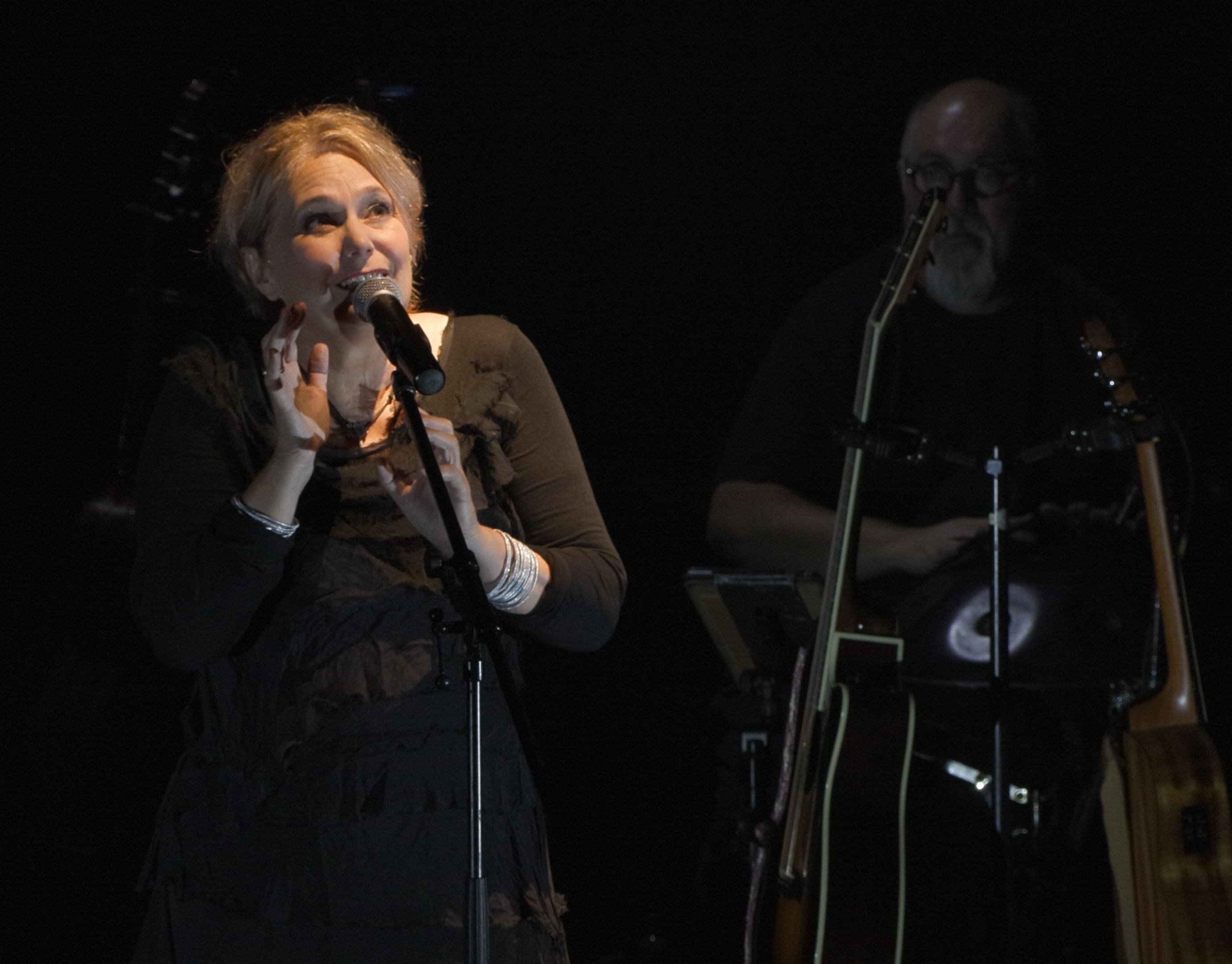
Musicians Leon Ecroignard (contra bass, bass and handpans) and Luke van der Merwe (guitars, mandolin and oud)

February 2 at Pretoria’s Fairtree Atterbury Theatre

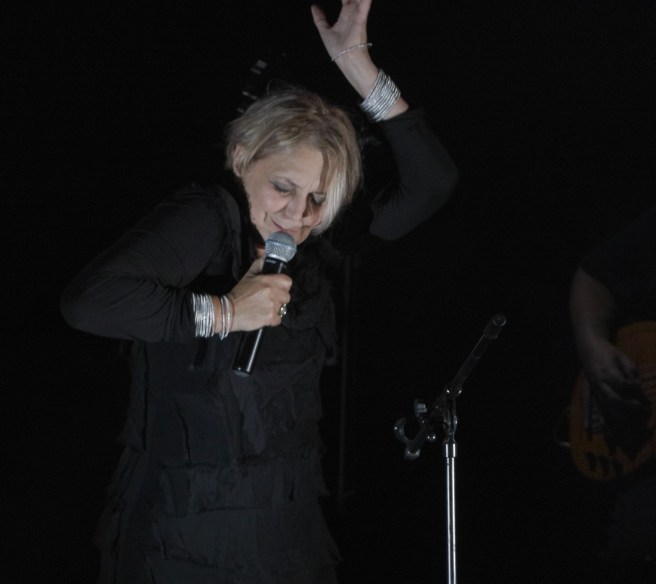
Karin has always been a performer rather than a singer. She throws herself into the performance with her whole body and soul and manages to sweep her audience along from start to finish.

She is a dramatic entertainer, larger than life in both stories and song – in the best sense of the word.

Personally, I feel as though she has grown into her performances with a confidence and wisdom that result in an extraordinary experience. She embraces the content and substance of the show, turning every song as well as the binding text into something personal and quite unique.

Sometimes the intervals between songs are an introduction to the song, sometimes it’s like a quiet meditation or a poem. It’s all-encompassing and deals with love, sadness, longing, alienation (which is probably due to her extended stay in the US), craving, being a woman and sensuality, something that she expresses with every movement.

This is a performer who explores her heart with exuberance and complete honesty. For her it’s all about authenticity.

Her selection of music is spectacular. Her English songs include You Don’t Own Me, the popular Dolly Parton’s Always Love You in a unique adaptation, the haunting  Uninvited by Alanis Morissette, a combo of Baghdad Café’s Calling You and Salmon Berries’ Barefoot (pointing to her choice of title and the way she performs, KAALVOET), a personal favourite, both dealing with her particular status as an outsider.

Those familiar with her self-written music, including  Muse, Sterrereën, Daar’s Ek , Stilbly en Daar’s Ek as well as the well known Heimwee and Summertime combined with Thula, will know it’s equally emotionally rich in song and presence. She and the iconic Dutch artist Herman Van Veen have a strong connection, she will be recording a duet of her song By My with him on his upcoming album, as well as perform as a guest artist on his 80th birthday celebration concert.

She also paid tribute to his songwriting with the Van Veen song Anders Anders and their dual composition Bij Mij.

While the cover adaptations are exquisite and felt to  me almost Janis Joplin (lite) inspired, the Afrikaans/Dutch songs have a more poetic and dramatic approach.

Her binding texts are as much part of the message as the choice of her songs. There’s nothing that’s not carefully choreographed and chosen to complete the full circle including her two marvellous musicians, Leon Ecroignard and Luke .

From beginning to end, you’re engaged and committed. If you do the work, the rewards are extraordinary.

One of the glorious results of being part of the arts for such a long time is being able to follow an artist’s career from the early days to their maturity. It’s such a privilege to see them grow and blossom and then reach a stage where they open their wings as wide as possible and fly.

That’s exactly what’s been happening to Karin these past few years. And it’s truly something to admire and for audiences a true gift. This is what she can do and how she nourishes her soul and ours.

She has returned to the US for a time, but her plans are to return to South Africa permanently in the foreseeable future. She says that she has been singing less and less, scaling down, she calls it. “

Her performances have been in  Holland more often than here locally and she chooses very carefully where to perform. She is intent on doing only selected special shows which will mean something to her as performer and thus be passed on to her audiences.

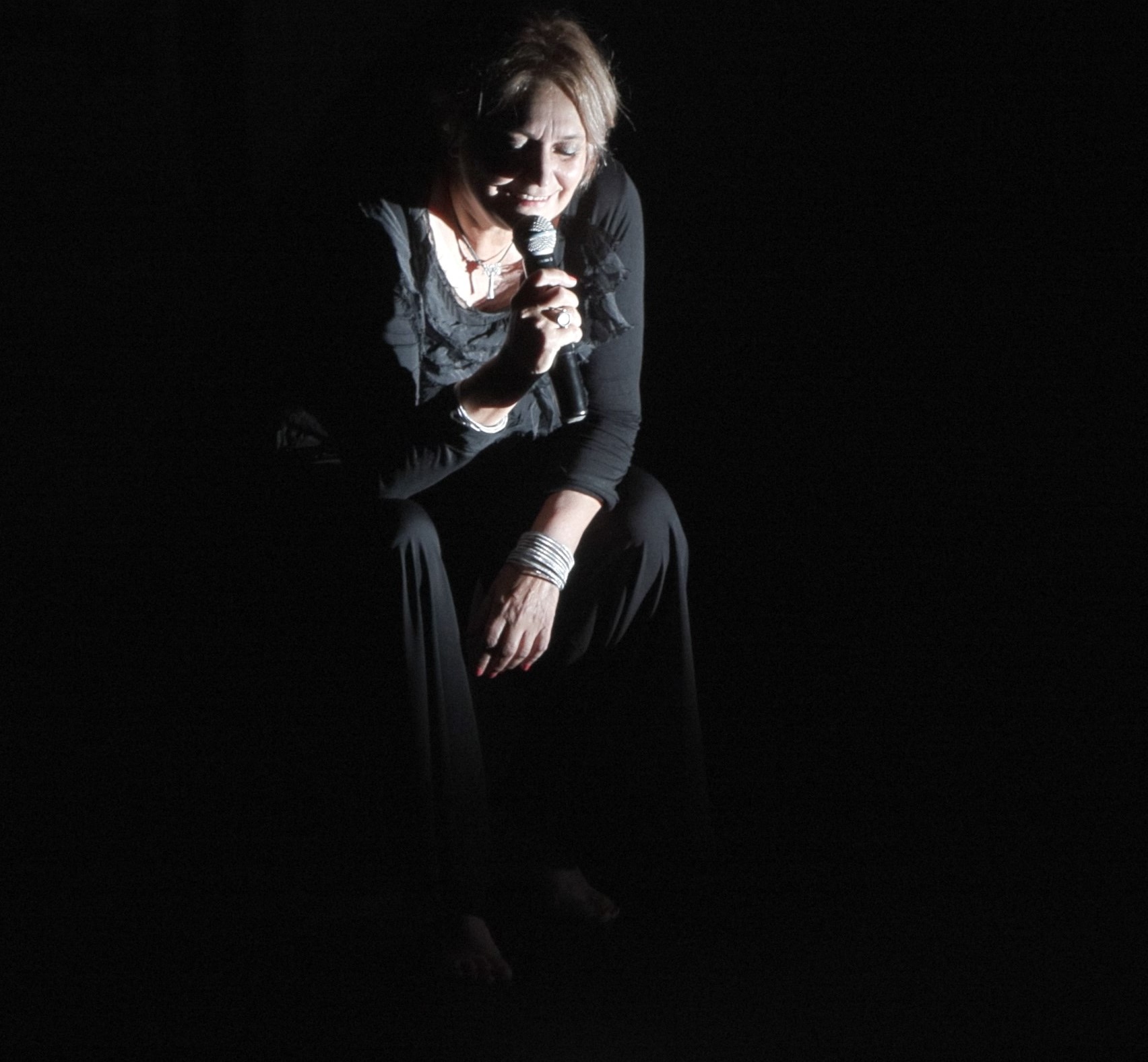
And she prefers to sing in theatres where the lights go low, the world disappears and she believes she can make magic.

Indeed, that’s exactly what happened this past Sunday. It feels as though you are witnessing something holy and in the moment, and that is something miraculous.

Knowing that she is returning to our shores also means that we will hopefully see more of this exceptional performer. Don’t miss the next one. You won’t be sorry.

PAUL SLAB’S NEW LOCAL PLAY, BITTER WINTER, CELEBRATES SCRIPT, DIRECTING AND ACTING

PICTURES: Regardt Visser

BITTER WINTER

PLAYWRIGHT: Paul Slabolepszy

CAST: André Odendaal, Oarabile Ditsele, Chantal Stanfield

DIRECTOR: Lesedi Job

VENUE: Pieter Toerien’s The Studio at Montecasino

DATES: Until March 16

Everything to my mind seemed aligned for this one. I found the casting as well as the director intriguing, a new local play is always something to be excited about and Paul Slab has a way of climbing into a story.

At the same time, it also makes me nervous. I don’t want to raise my expectations by thinking ahead, but one can hardly prevent it.

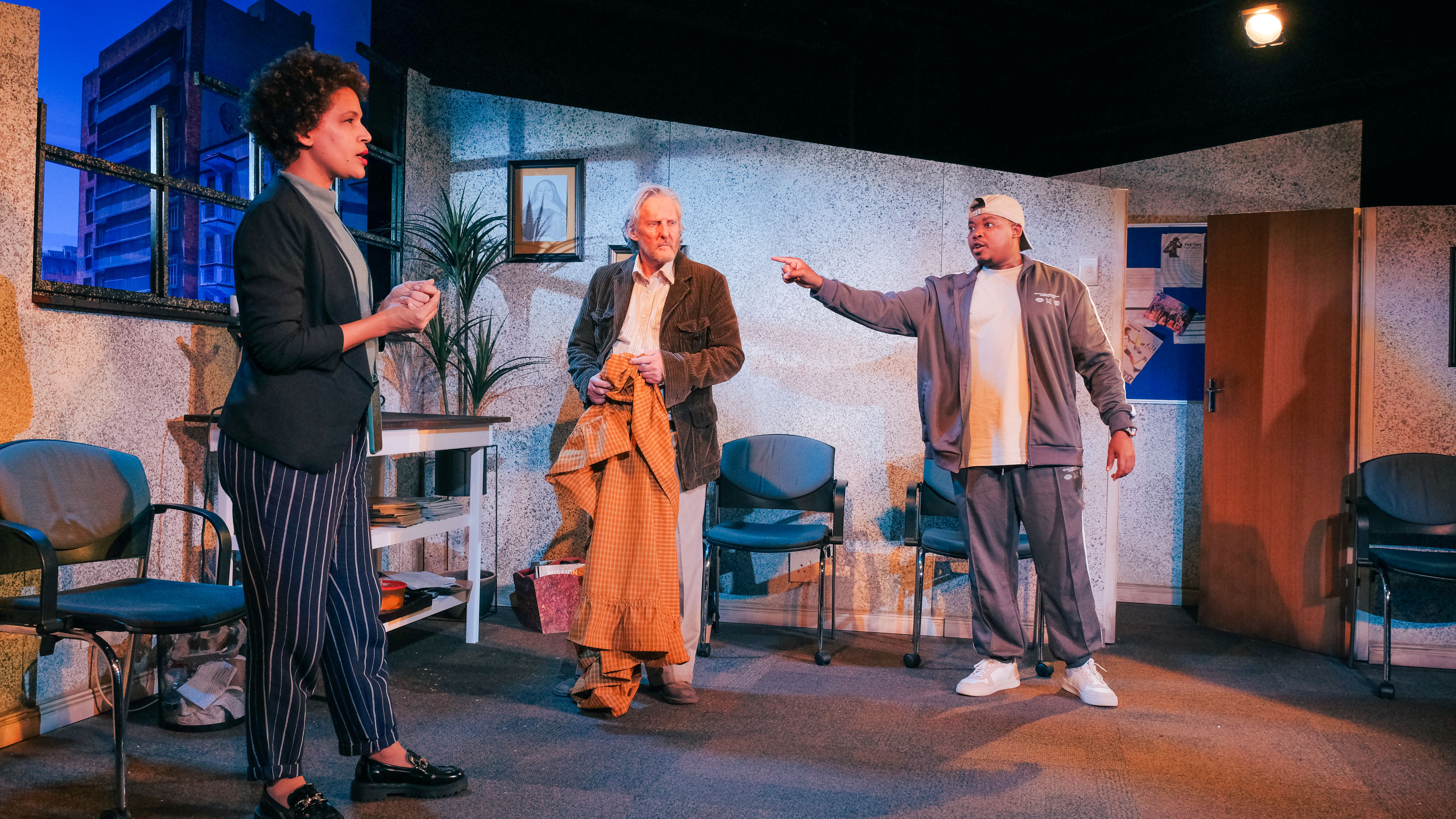
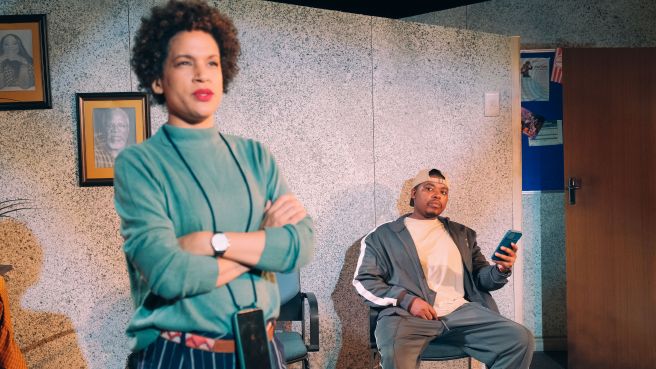
Ensemble cast (Chantal Stanfield, André Odendaal and Oarabile Ditsele) and playwright Paul Slabolepszy

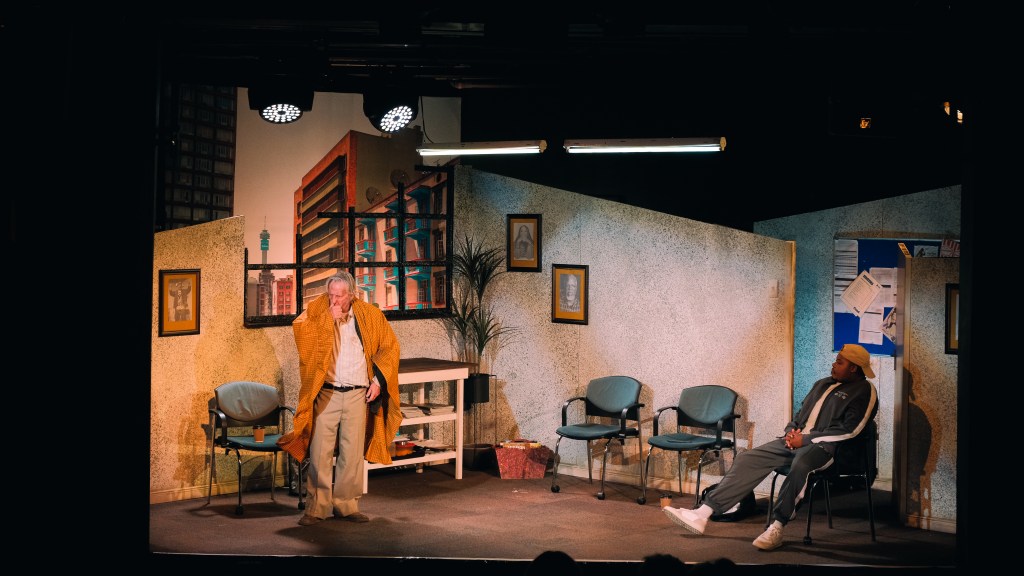
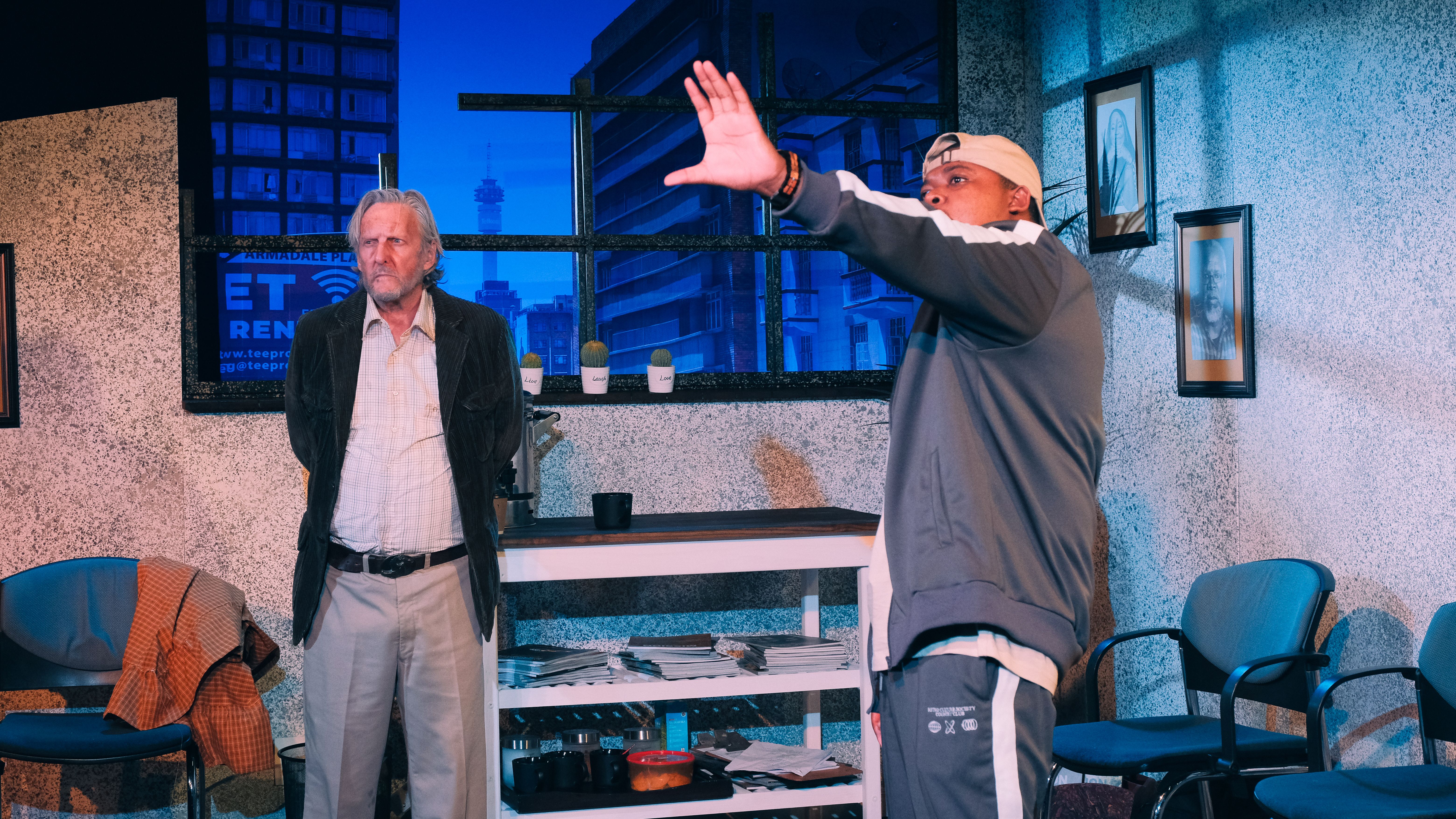
Either way, I was quick to exhale once the actors found their way on stage. One feels it immediately. It’s two actors in a room waiting (rather like a doctor’s waiting room) to be auditioned.

 Anyone who knows anything about theatre knows that this is both an exhilarating and a scary experience. Not many of us have to sell ourselves in such a public way each time when applying for a new job. And like most things in life, there’s not really anything that can be done to alleviate the nerves crashing into one another at high speed in these circumstances.

Not only that. If there’s something Paul knows everything about, it’s this. Both as a writer and an actor, it’s a scenario that he has lived most of his life – and one feels all of that when watching the play.

The two hopeful actors (the one at the end of his career, the other excited about the life ahead) who don’t know one another are sitting in a room checking each other out. Times are tough – not only for actors – and this is not a friendly space. There’s no one around trying to soften the gig they’re waiting for.

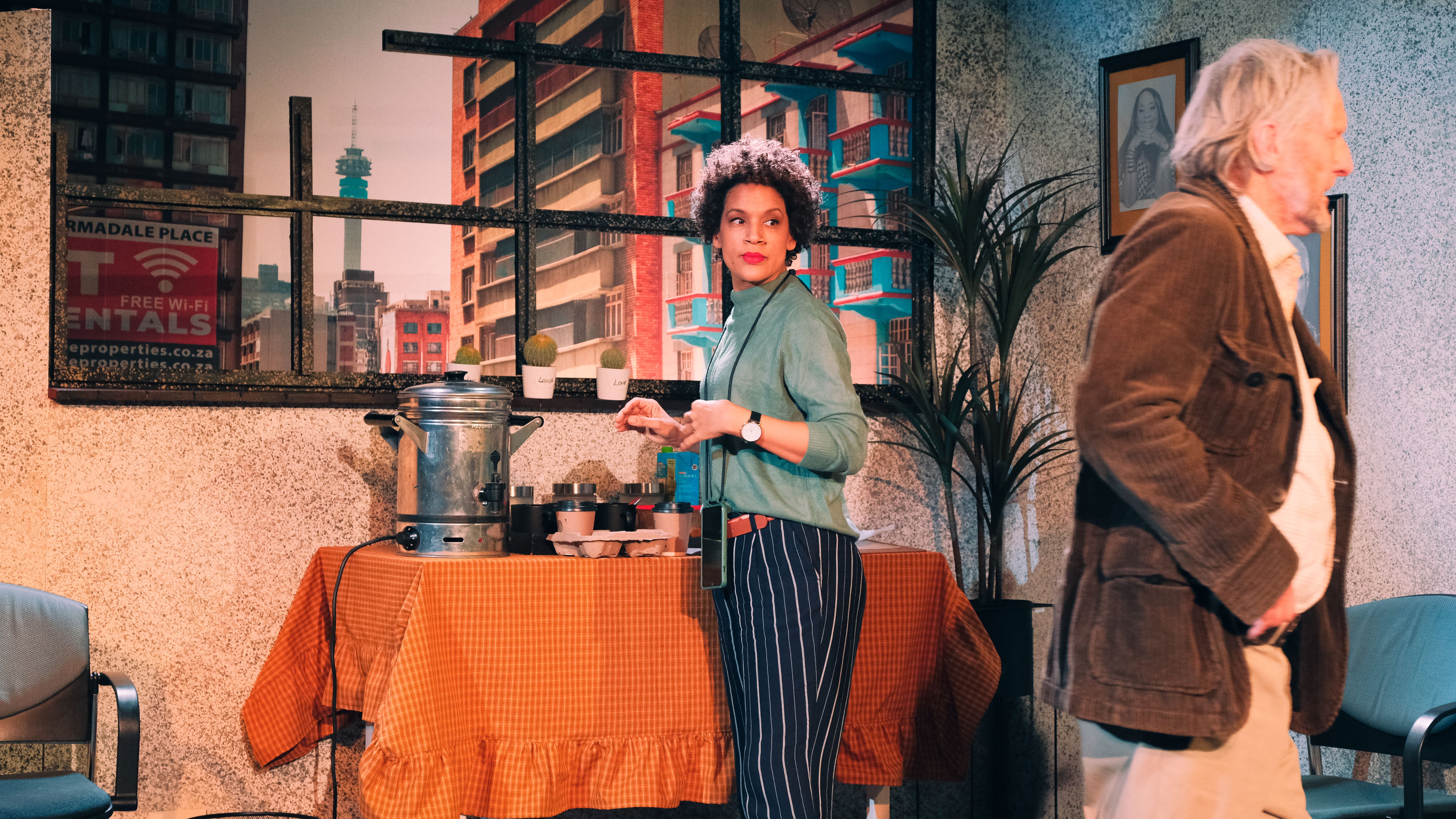
Every once in a while, a rather officious woman enters and, while she’s charming to the one actor, she bristles when the other asks anything. The tension is palpable.

Already a scary space for all involved, it is also heightened in the South African context. And this is what the playwright handles so well. He plays the moment and not the context, which he leaves to the audience to experience.

It’s subtle yet clichéd but with this clever script and a team who works with everything they’re given, it sweeps you along.

The title could work in two of our languages, English and Afrikaans, and that’s another trick up Slab’s sleeve. He has both languages (as well as three more indigenous languages inluding Sesotho, isiZulu and Tsotsi) flowing throughout and, in this instance appropriately and with some delicious irony in hand as he points to the state of the arts in general.

The choice of actors and director, novel and genius, adds to the grit and weightiness of what we’re dealing with. It’s not an easy world to navigate in current times and if your particular career choice constantly also takes you to the edge of life’s challenges, it can be excruciating.

And yet, that is where these people involved choose to play. That is exactly what this play explores. It’s part of who they are and what they have to do.

Bitter Winter is a fantastic vehicle for someone who has been in the game for some time and knows the territory, the people and their insecurities, and the fears involved. But then he also knows how to capture the magnetism of live theatre, how it cherishes the soul, captures our imagination and makes you think.

It works because everyone pulls together. The acting, the directing and the text all play their part.

I can hear Paul say Local is Lekker in his exuberant manner. And he’s right. When it works this wonderfully, it’s a joy to behold.

Bitter Winter is donating a portion of ticket sales to the Theatre Benevolent Fund and every cent counts.

FIRST-TIME AUTHOR JULIETTE MNQETA CONFESSES THAT SHE LOVES WRITING AND TELLING STORIES

Juliette Mnqeta has dreamt about her debut novel and now that it is finally here, she’s hoping that this, a crime novel, will be the first of many more adventures. If The Dead Could Talk (published by Kwela)is impressive and DIANE DE BEER was keen to meet the writer who seems so comfortable in her author skin:

Playing the sleuth: first-time author Juliette Mnqeta (Picture: Sean Eyes)

“A WHITE PIECE OF PAPER IS A SAFE SPACE.”

Anyone who can say those  words must be confident because I haven’t heard many writers confess that.

First-time author Juliette Mnqeta also writes in her preface: ‘‘I believe I can … write.’’

When you start asking her questions, she’s quick to confide that she’s shy and doesn’t have too much self-belief.

Not too far into the story, I was thinking of Deon Meyer, so impressed was I by the storytelling. “Well, I am the youngest of nine children. I guess that’s why I have so much to say,” is her response. “I have always loved telling a story, which I think I got from my mother. She was a very emotive woman and could always retell events with a little bit of  her own  spice.’’

Juliette spent most of her childhood and teenage years in Wynberg and began writing once in her teens. She started with short stories and even tried her hand at writing poetry, but it never occurred to her to study anything that would help her with writing.  “I just love to write.”

She had no particular interest in crime novels and it only started when she realised most of the girls in her class would go for romance, so she opted for crime. “The first crime novel she ever read was in high school, a book by Ruth Rendell and that was for a school project.

Her interest was piqued when watching a few Agatha Christe adaptations on television. “I started reading her novels and haven’t stopped since,” she explains. “What draws me in is the puzzle of solving the crime.

“There’s a sense of justice and lightbulb moment when everything comes together, I enjoy that.”

And that’s exactly what she gives us with this her first venture into this world, resulting in her debut novel.

She’s still a young writer but her processes reflect her love of writing. “With my Facebook stories, I simply open the page and start typing to see where it leads,” she says.

It all falls in the realm of practice, practice, and more practice, long believed to be thé thing to do.

With If the Dead could Talk, she started with the full reveal. “I remember starting with the planning of the ending.”

She had her villain(s) first, their motives outlined and only then did she start working on her protagonists. She knew if she had her culprits, she could disguise that person amongst a few red herrings and suspects. “I then worked backwards, which was fun because I slowly discovered my protagonists’ personalities and fell in love with them.”

At the tender age of 19, she was told by her then employer that to be a writer, she would have to be exceptional, and he didn’t think she quite fit that criterion. But she always knew he said that without having read her work. When her mother died in 2018, she decided to start writing this current novel.

“My mother had always bragged to her friends that I could write, even though she had also never read my work. But when she was suddenly gone, I opened my laptop, and started mapping out my story.

“I already had my villain. I had my crime, and I had the reaction in mind that I wanted the audience to have when they figured out who this villain was.”

While writing had always come easily, this was different, even humbling, she says. She had the ideas, would turn them into words but, when read from a  reader’s point of view, suggestions would come her way as well as a few plot blunders. “I would have to come up with changes that would make it work,” she explains.

But she knew, listening to these early readers and taking suggestions from her editor were key to what got the book published.

I think she listened carefully. Right from the start I was excited by the book. I felt very early on that this was an exceptional voice and that feeling never dimmed from beginning to end.

If the ending was something of a bumpy ride, I’m not sure it wasn’t me as a reader who really enjoys the exhilaration of the build-up and often finds the roll-out something of an anti-climax or perhaps a mini let-down.

But here’s holding thumbs that she keeps writing and plays around with the crime genre for a little bit longer.

 I’m excited to see what her unique voice and perspective will come up with as she gains confidence and a following.

I suspect she’s something special.

“When I conceived of If The Dead Could Talk, the idea was that it would be a one shot only and I would give it my all. I can now see that I can try my hand at the crime genre again.

“When I read a cozy mystery, there is something exciting for me as a reader to try and work along with the detective or protagonist. I put together every clue and see how close I am to solving the crime. I want to offer other readers that feeling.”

Who as a first-time published author would not suffer – even if just a light touch of – imposter’s syndrome? But Juliette is learning to beat those battles.
 “I actually have a book published now! People will get to meet Azania. That’s exciting. It’s exhilarating knowing that I’ve introduced her to the world,” she concludes.  

“I love the fact that I can imagine. When I write, I genuinely feel that it’s fine to be me. It’s fine to be Juliette. On a piece of paper, I just run wild with characters, scenarios, dialogue and everything else I  can think of.

“Let me dream a little and say I can picture myself thinking up a bestseller one day. That’s the empowering element of an imagination. I can imagine just about anything.”

That would be my wish for this talented author. I for one would love to read her often in the future.


TWO OSCAR-WORTHY MOVIES WITH GREAT PERFORMANCES AND PRODUCTION CHOICES

TWO new films, currently on circuit at Ster Kinekor theatres, deserve all the accolades for performance and production whatever the outcome of the award show still revered as the one everyone wishes for. DIANE DE BEER reviews:

Picures: Pablo Larrain

MARIA

Director: Pablo Larrain

Cast: Angelina Jolie, Haluk Bilginer (Onassis), Alba Rohrwacher (the housekeeper), Pierfrancesco Favino (valet)

If you’re an opera fan, this one should be hard to resist.

Arguably, the success of the film rests on Angelina Jolie’s shoulders. And she delivers magnificently.

I’m old enough to remember when Maria Callas and her public love/hate relationship with Ari Onassis dominated the gossip columns. When he married Jackie Kennedy, the snub to his former lover could be felt worldwide – even without the presence of social media.

Many women have been scorned but not as publicly as she. And this is where Jolie pays homage to the remarkable superstar whose health and voice are starting to fail. She hasn’t been on stage for more than four years, but in her head, that’s where lives.

It’s where she comes alive and that is where the film gloriously captures the great Callas presence and voice.

Even though the two women aren’t lookalikes, the subtlety of Jolie’s transformation, the way she holds herself and moves and when she “sings” all vividly embody the spirit of the damaged diva – both physical and mental.

The casting is inspirational and the way the director has imaginatively captured the elegance and dignity of Callas combines to tell a story with great heart and empathy. Told as if from another era, which indeed it was, it is the tragedy and tribulations of Maria’s life that are delicately rendered so that it feels as though a real woman emerges.

And the film cleverly tells the story from Maria’s point of view. She wasn’t someone who relished sharing her secrets, but with Onassis and the women he courted, she didn’t have to. The world was fascinated.

The title doesn’t need more than just a name – Maria. Perhaps youngsters know less of her, but the older generation will know enough to care about this woman who seemed to have it all – but not the love of her life. And that was everything to her.

It’s obvious that she was the right choice for the Greek shipping magnate, but perhaps she too easily outshone him with her talent and artistic temperament. Jackie, a persona in her own right, but more as a symbol of a nation than an artist, to his mind, would allow him to shine brighter.

It was the mismatch of the century with the shy American first lady not a match for the rough-edged Ari, and he, no competition for the memory of the suave Jack Kennedy.

The one who suffered was Maria, who reflects on her life while trying to relive the glory of her younger voice.

It is indeed a Greek tragedy, but, fortunately, because of all the ingredients so smartly complementing  each other, it is beautifully told, with Jolie’s performance and the Callas voice stealing the show.

Oscar nominations: Cinematography; and I would have included the director and Angeline Jolie in the nominations

Pictures: courtesy A24

THE BRUTALIST

Director: Brady Corbet

Cast: Adrien Brody, Felicity Jones, Raffey Cassidy, Alessandro Nivola

It’s probably the length of the film that has kept some from seeing this exquisite film – both in storytelling and the way it unfolds.

It is and feels epic from beginning to end. The Brutalist is a story about an architect who flees to America from a devastating postwar Europe. He hopes to invigorate his life, his career and finally reunite with his wife and niece whom he leaves behind until he has established himself.

The more things change, the more they stay the same. In today’s climate, it is the struggling life of the immigrant that grabs hold most viciously as a visionary artist is forced to grovel his way to simply survive.

Power and its frightening effects are not something that’s just of our times. Even though he is soon spotted by a wealthy industrialist, Harrison lee Van Buuren (a name that carries weight in society), he is completely at the mercy of the powerful and their needs.

Nothing is secure, even when you’re designing for the best. They can tear you apart in seconds, make you bend the knee while praising your abilities and constantly hold you in their grip – even when celebrating your masterpiece.

Brody won his first Oscar as Best Actor in Roman Polanski’s The Pianist and has made a few other memorable films, but this performance will stay with you as he perfectly captures the angst, anxiety and reserved jubilation as he tries to battle his way through in this strangely cruel new world.

He quickly realises he is in a fight for his family’s life. First, he needs to get them there and then he has to make it work at all costs. “They don’t want us here,” he says to his wife, in a delicately balanced performance by Felicity Jones.

The battered architect knows and understands the cost, doesn’t lose his confidence in his own ability and yet, he is kept dangling, always on the edge while surviving on the whims of others. It’s the animal kingdom and only the fiercest fighters survive.

The title might point to a specific architectural style and one that the brave László Toth (with a name that could only come from somewhere else) brilliantly creates, but it is you who will feel battered and brutalised by the end of this majestic film as you witness the treatment of others that the privileged believe they’re entitled to.

It certainly is the scourge of our time and one that director/writer has firmly in his grasp.

Oscar Nominations: Adrien Brody as Best Actor, Felicity Jones as Best Supporting Actress, Guy Pearce as Best Supporting Actor, Best Cinematography, Best Directing, Best Editing, Best Original Score, Best Picture, Best Production Design, Best Original Screenplay

NOTHING IS AS TERRIFYING AND SIMULTANEOUSLY EXHILARATING THAN A BRAND NEW LOCAL PLAY

Rehearsals are underway for Bitter Winter  –  a new play penned by acclaimed South African playwright Paul Slabolepszy, which premieres at Pieter Toerien’s Studio Theatre at Montecasino from February 20th – March 16th. Director Lesedi Job and cast members Andre Odendaal (Jean-Louis Lourens), Oarabile Ditsele (Prosper Mangane) and Chantal Stanfield (Felicia Willemse) are currently in rehearsals, discovering the nuances and back-stories of this character-driven piece that deals with the human condition while sharing a story of resilience and discovery.

Pictures; Gustav Gerdener

From left; The cast Chantal Stanfield, Oarabile Ditsele and Andre Odendaal

With Paul Slab (as he is known) himself an artist, both a playwright and an actor, he has turned to his own life experiences with this exploration of an artist’s life. Bitter Winter celebrates the legends of South African theatre while shining a light on the new generation of rising stars making their mark on the global stage.

What he is hoping to share is the  sometimes rocky road that many artists are driven to travel in pursuit of their dreams.

It all begins in a venue which is like a home to actors, perhaps often an uncomfortable one, with the characters sitting in an audition room.

It’s about the life of an actor, the struggles and triumphs of those artists who remain deeply committed to their craft despite the challenges they face.It tells the story of two actors, one at the end of a career spent mainly on the classical stage, and another starting out on his journey, with  the magic and the madness of this ‘make-believe’ world on full display.

Playwright Paul Slab and director Lesedi Job

According to the producer, Weslee Lauder, the idea of a play with such an important story, especially since local actors have been bearing the brunt of an industry not taken care of by its governing parties, spoke to him

He also liked the concept of youth honouring the elderly, which speaks to a powerful truth.

In life, the young often forget that the paths they walk were paved by generations before them. And here, he believes, it is vital to remember the legacy, wisdom, and sacrifices they’ve left behind—and to show gratitude in every aspect of life.

A seed was planted, according to the playwright, when he heard Lizz Meiring giving a talk a number of years ago about all the vital work that the Theatre Benevolent Fund does, stressing the plight of aging artists in South Africa as they reach the end of their careers.
“I was asked after that talk whether I would write a play about it and I jumped right in. Then Covid hit, but I kept working on it. I wrote the piece with Andre Odendaal in mind, who then brought Weslee Lauder in to produce. And here we are!”

Slab had seen Andre, pictured above during rehearsals, in Dop  and thought he would be ideal for Jean-Louis. The other two artists went through the audition process.

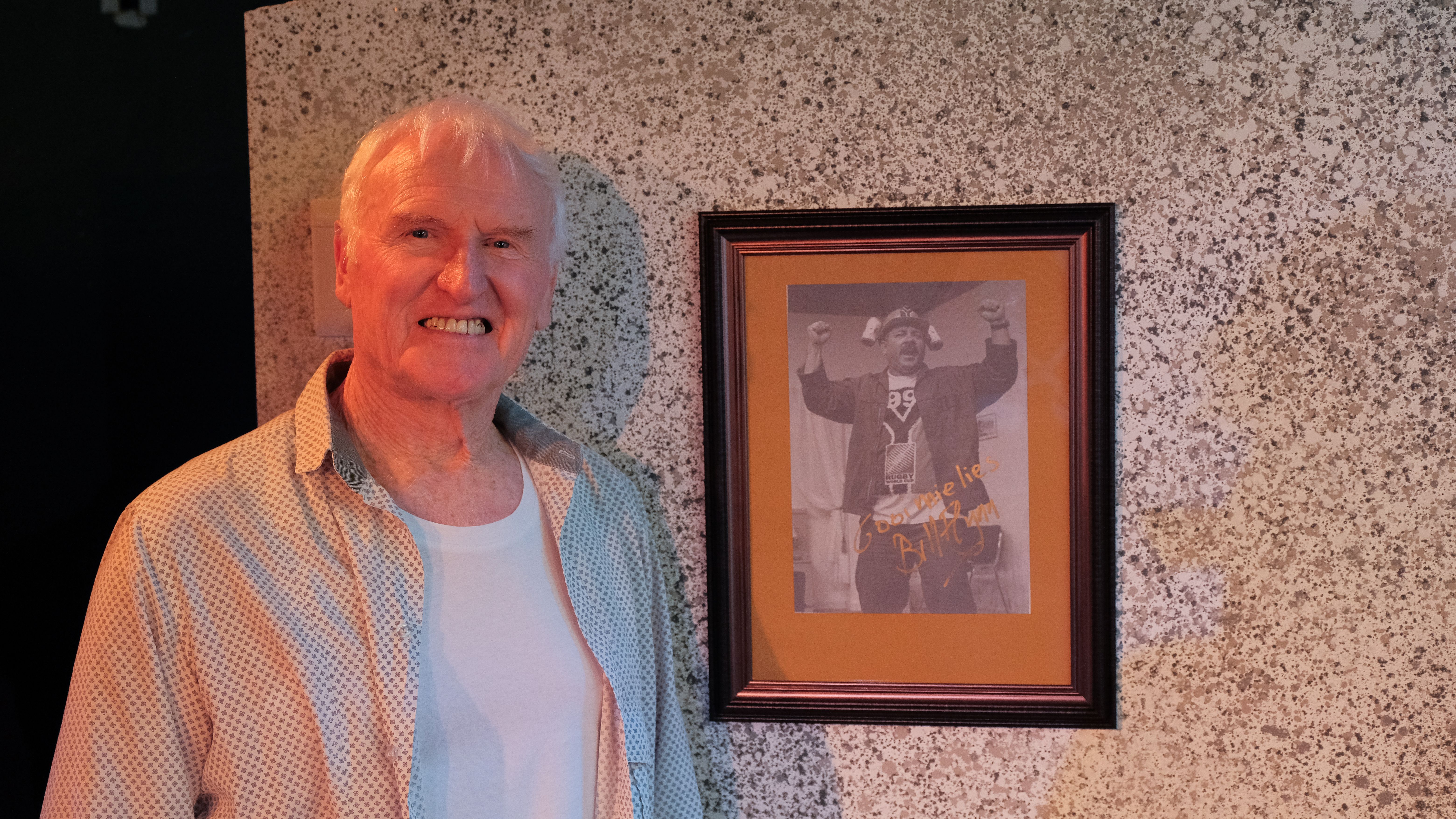
Collaboration comes easily to Paul who always collaborated, especially with his close friend Bill Flynn before his untimely death. “In many instances, it’s the only way to get a show on stage, especially a new play,” he explains
While Paul has always enjoyed writing comedy, he is also known for theatre with strong moral values and believes it is especially important right now, given the current state of the world.

It is important to deal with the issues, but to talk about them in such a way for the audience to be receptive. We need to keep writing authentic stories, he says.

Lesedi Job, above with cast members and Paul, was drawn to the play because of the story. She was reminded of her own complex love affair with theatre as an artist. “But as I started working on the play, I became aware of how this is a story that inspires self-reflection and I love telling stories that leave an audience thinking.’’
Telling local stories especially appeals to her because she is passionate about being part of a next generation of storytellers who contribute to the history of South African theatre. “Bitter Winter is the fifth new South African play I am directing and I think this is not only out of choice but also because it is my purpose.”

She is especially affected by the theme of an older generation versus the younger generation. “I am reminded of my mother and her wisdom and the quiet knowledge that comes with age and experience. The other themes are that of the complexity of our identity that is informed by our history, our languages, our traditions and culture as well as our scars. And that of humanity.’’Maya Angelou says: “During bad circumstances, which is the human inheritance, you must decide not to be reduced. You have your humanity, and you must not allow anything to reduce that.”
Discussing her processes, she explains she spends a lot of time before the rehearsal process preparing, researching, interrogating and unpacking the script to get a handle on the story, the world and the characters.
“Once in the rehearsal room, I download information to the actors and plant seeds for them to think about; allowing an actor to bring themselves and their choices to the creative process.

Chantal Stanfield and Oarabile Ditsele

The process requires planning and thinking on your feet, humility and grace, as the director knows that at times you might not know what to do and to not get stuck on an idea you may have had beforehand.

For Andre Odendaal it’s a love for new South African work. “These opportunities are rare and always special. An authentic voice and a remarkable challenge.’’

 His  preparation for any character always starts by finding relatable qualities first. “Do I understand the character’s emotional world, what are the points of connection either to my own life or a that I have observed? Then one finds a physical and vocal quality. Here it is an older actor’s so that commonality was easy to find, albeit a very different mind space to my own.”

As for the audience, he hopes that they take home not only a better understanding of the plight of an artist and the commitment but also the joy of watching live theatre.

“A realisation that art feeds the soul.’’

For Oarabile Ditsele,  it was a chance to collaborate with people who have shaped the theatrical landscape of South African theatre, people like Andre and, of course, Paul Slab.

None of them had worked on a Slab piece before.

For Chantal Stanfield,  it is her first time working on one of the playwright’s plays professionally. She did some curriculum scene work at drama school, but to actually work with him 20 years after she graduated is such a gift.

She loves originating a new piece. “It’s a fresh and daunting challenge with no ‘original cast recording’ to fall back on. We don’t just decide to do this, it is a mad calling that is so fulfilling that we endure the scorn, the rejection, and dismissive attitudes every day.”

 Bitter Winter will be on stage at Pieter Toerien’s Studio Theatre at Montecasino from February 20th – March 16th. Bitter Winter is donating a portion of ticket sales to the Theatre Benevolent Fund and every cent counts. 

TWO MARVELOUS MOVIES, CONCLAVE AND A COMPLETE UNKNOWN, AHEAD IN AWARDS RACE

FILM REVIEWS BY DIANE DE BEER

With streaming becoming such a comfortable option, I haven’t been to the movies for a while, but pre-Oscar Awards is always a good time to catch up on as many of the nominated films as possible It always turns the event into something more substantial because you actually know more about the possible winners. I chose these two films – Conclave and A Complete Unknown (Ster Kinekor)and my selections were both extraordinary – both with chances of quite a few Oscars each:

CONCLAVE

DIRECTOR: Edward Berger

CAST: Ralph Fiennes, Stanley TuccI, Carlos Diehz, John Lithgow, Isabella Rossellini, Sergio Castellitto

How can one not be pulled into this story with such a fantastic cast? And then the secrecy about everything that surrounds the Vatican inside and out?

Cardinal Lawrence (Fiennes) leads one of the world’s most secretive and ancient events as the dean who is in charge of the selection of the new Pope.

If you’re not Roman Catholic, it is a religion that comes your way mostly through scandal, the misbehaviour of priests around the world, the lack of action by the church itself when its representatives transgress and the films and books that feature these kinds of missteps, Spotlight being the most recent one that springs to mind.

Perhaps because of the look of the members of the priesthood as so magnificently showcased in this film (already enough reason to see the spectacle), yet because of the visuals as well as the secrecy, I kept thinking of the recent television seasons of The Handmaid’s Tale.

In today’s communication-rich world, any secrecy is immediately viewed with suspicion and becomes rife with rumours and stories emerging. And for those on the outside, how to distinguish between rumour and fact with this particular faith and its powerful leaders is often what draws us to whatever it is that drives the church.

With Conclave. to glimpse the inner workings of one of the most powerful institutions in the world is quite extraordinary. Add this particular cast and the weight of the storytelling is heightened and the final product doesn’t disappoint and leaves you gasping.

The eight Oscar nominations including Best Picture, Best Actor for Ralph Fiennes, Best Writing, Best Production Design, Best Music (original score), Best Costume Design, Best Actress in supporting role (Isabella Rossellini), and Best Editing are all deserved.

It certainly lived up to all that. It has a rich story and is beautifully directed but what really kept me enthralled was the cast and their particular storytelling. If I really had to give only one acknowledgement it would be to the actors.

It was their ensemble performance that kept the intrigue going with especially strong performances by Fiennes (who is the true centre of the movie), Tucci, Diehz, Lithgow, and Rossellini.

As the puzzle unfolds, sometimes painfully slowly yet deliberately, you have to keep your wits about you because you will be kept in suspense right until the end. Again because it is the unfolding that holds the key, I was glad not to have read the book before seeing the movie.

The less you know, the more it will add to the thrill of the viewing. It is a novel story which holds all the intrigue one would expect from such a rich presentation which is all an extremely clever balancing act. Once in a while, I wasn’t too sure whether it was delivering on the expectations surrounding the film.

But pull it all together, and it ticks all the boxes. The best is that you have no idea where it is going or what to expect. And finally, it delivers magnificently in a way that is as relevant in today’s circus as it is unexpected.

It’s one that lies there for quite a while and the more you delve, the better it gets.

A COMPLETE UNKNOWN

DIRECTOR: James Mangold

CAST: Timothée Chalamet, Monica Barbaro, Edward Norton,  Elle Fanning

I was truly surprised by how much I loved this movie. Of course I know Dylan’s music, but there are as many songs I didn’t recognise.

And while I thought I knew a lot about him, there’s as much that I didn’t know. One has to keep in mind that this isn’t a documentary, it captures a piece, mostly the early part when he first appears on the scene, of his life.

I was even caught unawares by the fact that he turned up at festivals on a racy motorbike. If the women weren’t so mesmerised by die budding artist they would have known that the music was everything in his life. Did he love them? Of course. But he was a performer and everything in his life revolved around that.

It was understood, if unspoken, that the women could be part of all this – but no demands. He wasn’t unfeeling, just unaware and completely wrapped up in his own creative world. That’s where his mind and all his attention was focussed.

It begins with Chalamet’s performance. He captures the essence and then just goes with it. He is not trying too hard to fake being Dylan. He has something, resembles the wiry, wild-haired singer and has enough of a voice to do the nasal drawl and sing the music well enough.

It centres on his performance and the reason he stole the limelight from the day he first appeared is his star presence – without paying too much attention to that stuff. He’s a lovely actor, has bags full of screen presence and pulls this one off magnificently.

It was as if Mangold with the right script and cast selected the right mood for the film and pulled it off masterfully.

To my mind, Chalamet is the James Dean of his generation. His reach is huge and his future cemented. And because Dylan, as one of the most influential artists of our time, is familiar to most of us, it must have been a challenge to capture his persona. But that he does with astonishing grace and with a strong cast and an especially brilliant performance by the always excellent Edward Norton as Pete Seeger, it’s a story that shines brightly, music that dominates and, for those of us who know some but lack the detail, a blissful few hours to catch up on working-class heroes.