THE TOYOTA STELLENBOSCH WOORDFEES FEATURES MANY DREAM PRODUCTIONS AND PERFORMANCES

Photographers: Jeremeo Le Cordeur; Llewelyn de Wet and Gys Loubser

The Stellenbosch Woordfees can be quite a daunting prospect because there is so much on offer. It is perhaps easier if you have specific artistic passions, as most of them will be on offer here and it is possible to make a selection. DIANE DE BEER spotlights what caught her fancy

There’s not even a chance that you can include all your darlings in a festival wrap or even try to see them all.

I did my best, was constantly on the move and writing, and still I hear of more productions you just had to see.

Personal favourites (don’t discount others because I probably didn’t see them):

My best theatre productions were stories that turned me into an emotional wreck but did so with authenticity (I know this is a woke word, but …).

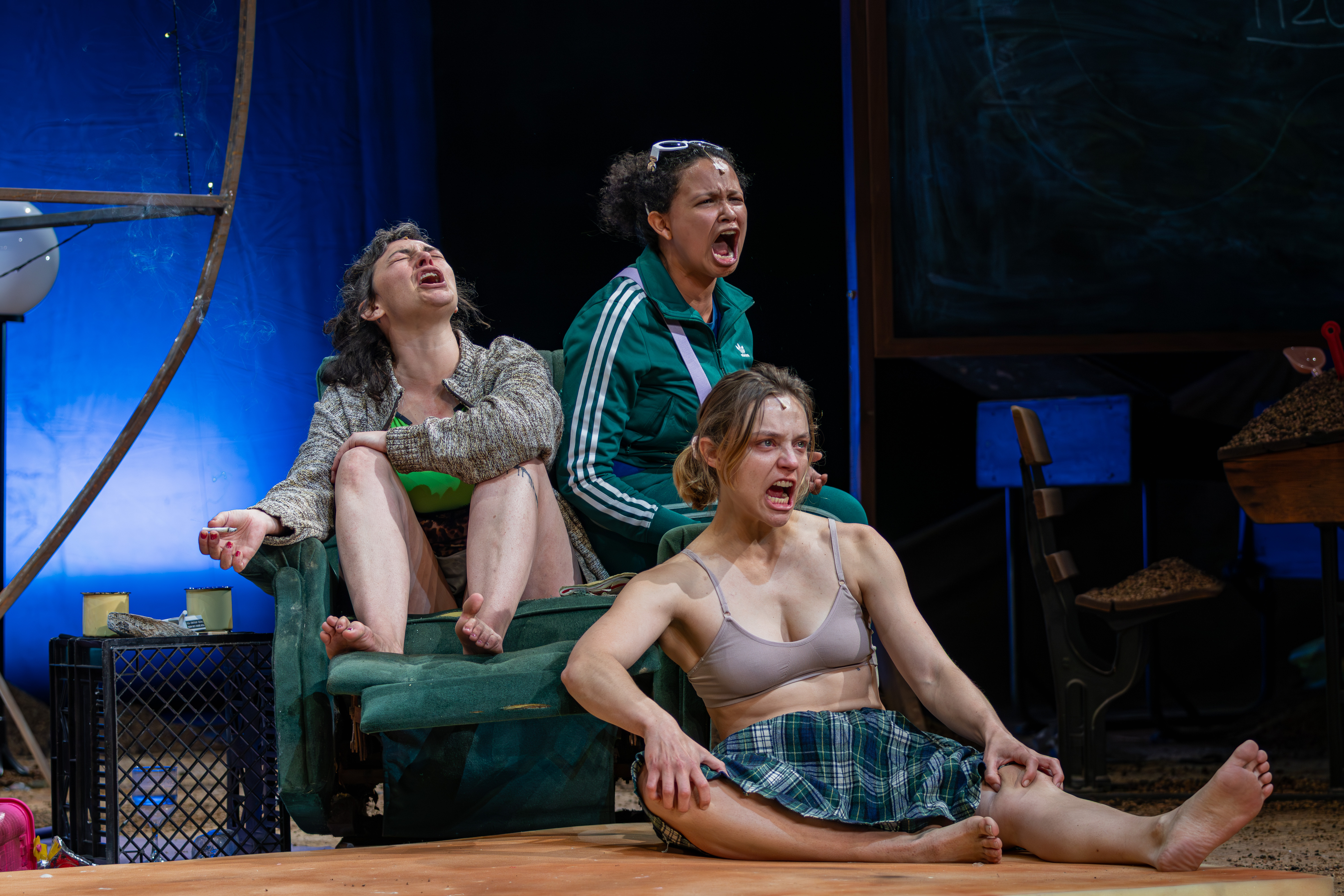
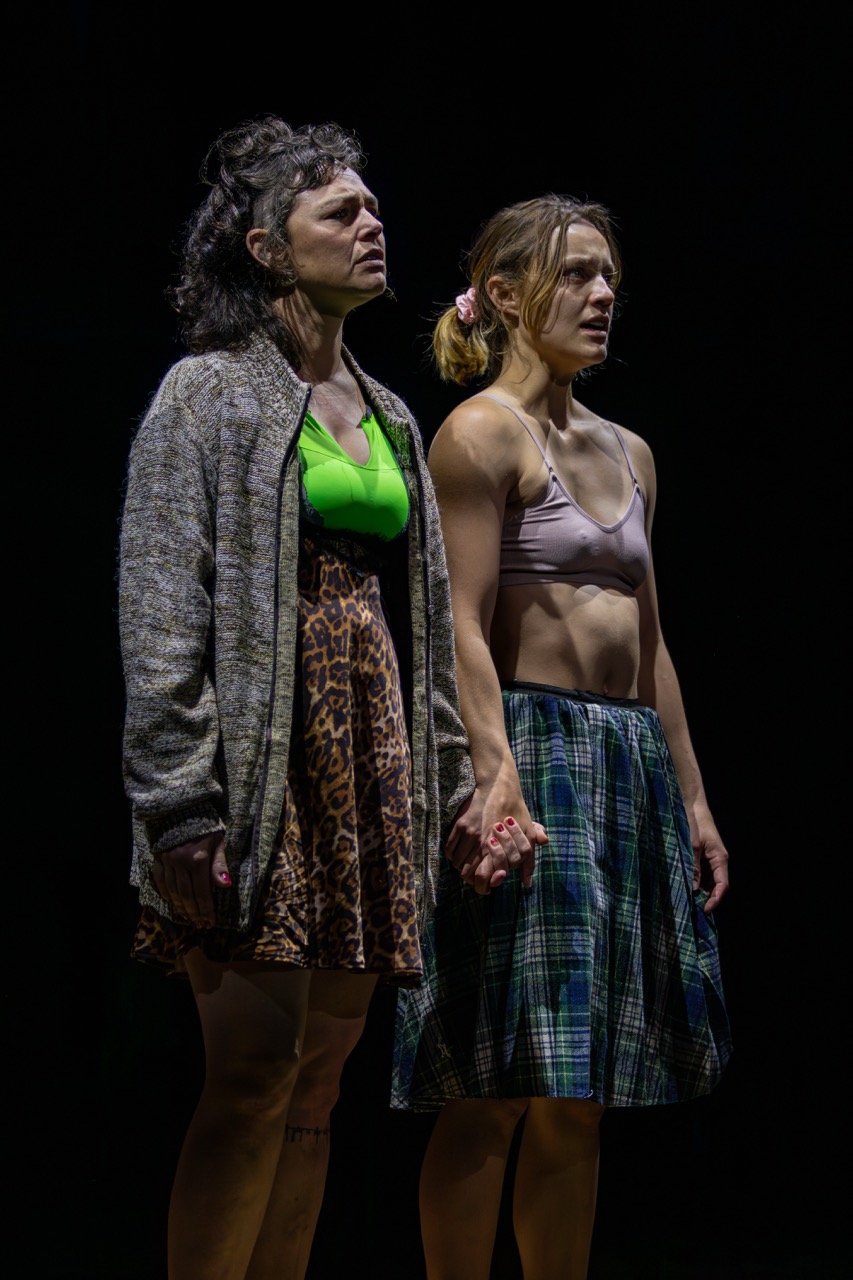
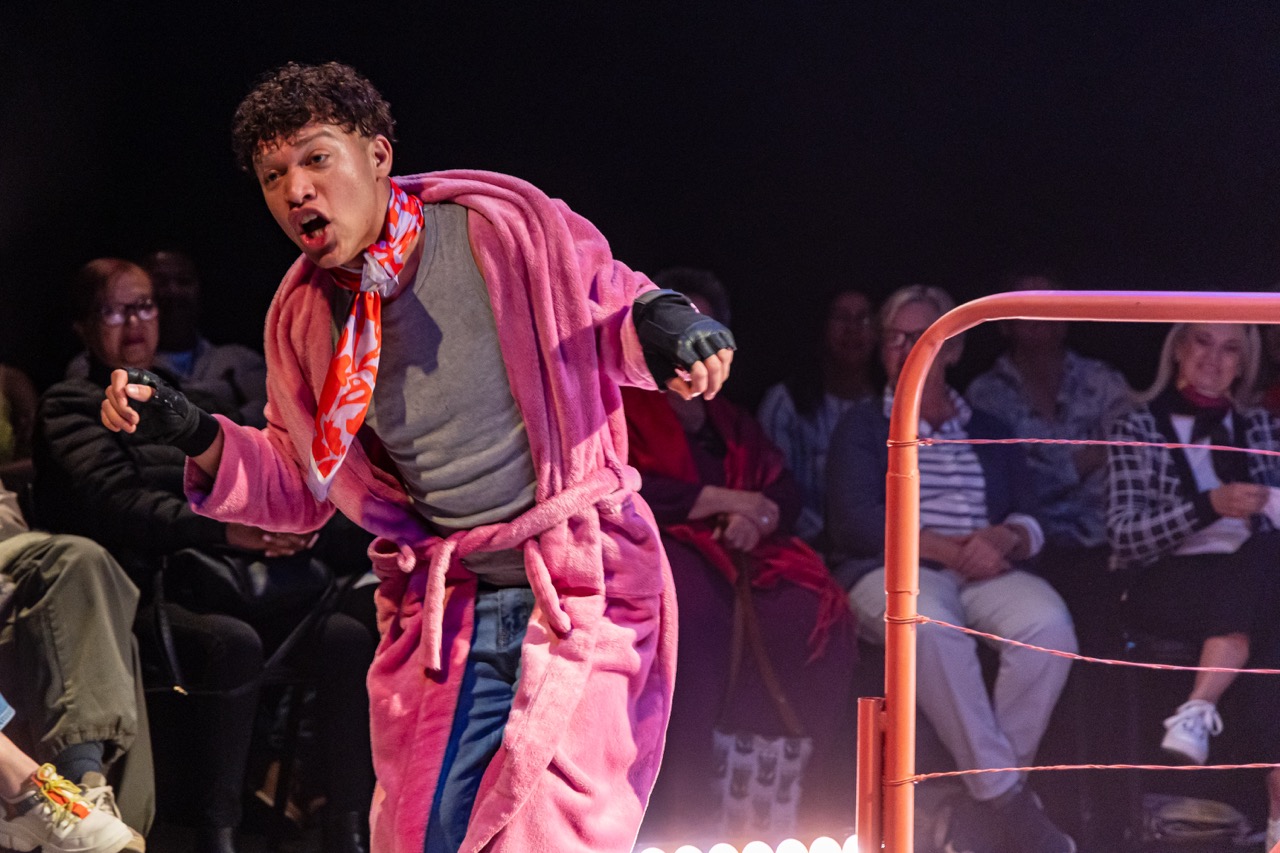
Tinarie van Wyk-Loots and Kristen Raath (left) and Jefferson J Dirks-Korkee (right) in

Dianne du Toit Albertze’s Huis van Sand. Pictured by Jeremeo Le Cordeur

The winning text of the prestigious Reinet Nagtegaal prize, Dianne du Toit Albertze’s Huis van Sand, with her honest portrayal of a dysfunctional family that’s probably not even part of most audiences’ consciousness. She writes about what she knows and where she comes from, the Northern Cape. But she does this in her self-made tongue, which shoots right to the heart and guts of the matter, no pussyfooting around with this one.

It is not a place many of the traditional Woordfees audiences will know. The backdrop is the N7, a route that runs from one end of the country to the other. It is her little spot next to the highway that Sandy knows. She and her daughter share Rodney’s caravan and too much of his life, especially the dark side. They’re trapped and yet the lifestyle is passed on from one generation to the next with the whole family fully engaged. A seemingly never-ending devastating cycle.

What drives Huis van Sand are Albertze’s words, her imagination, and the way she plays wildly with your head and emotions. Throw into the mix director Wolfie Britz’s strong casting and determined direction. With the remarkable Tinarie van Wyk-Loots launching herself body and soul into this one, Sandy’s daughter (Kristen Raath) trying to duck the missiles and resist diving headfirst into the temptations, Jefferson J Dirks-Korkee’s chilly capture of the toxic male scent always hovering menacingly and René Cloete showing she is much more than just an innocent bystander, everything about this production hits you like an onslaught.

Yet this is one you want to struggle and engage with because of the sharp edges and the unblinking gaze at the harsh reality of so many lives. It’s heartwrenching, but that is something this playwright has never turned away from. She stares straight into the skewered glare of too many unseen lives and throws us all in at the deep end. The brilliance is well worth the battle.

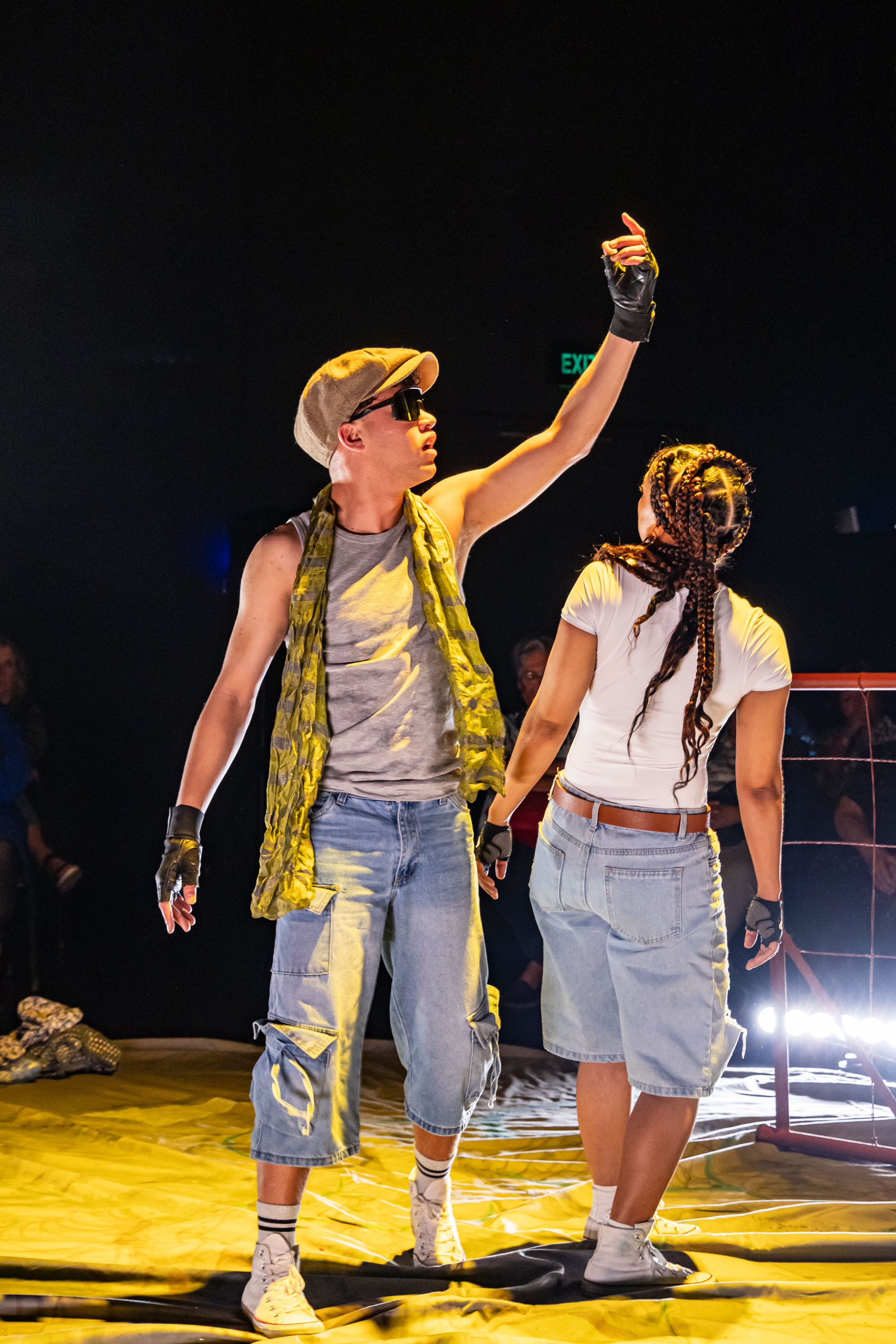
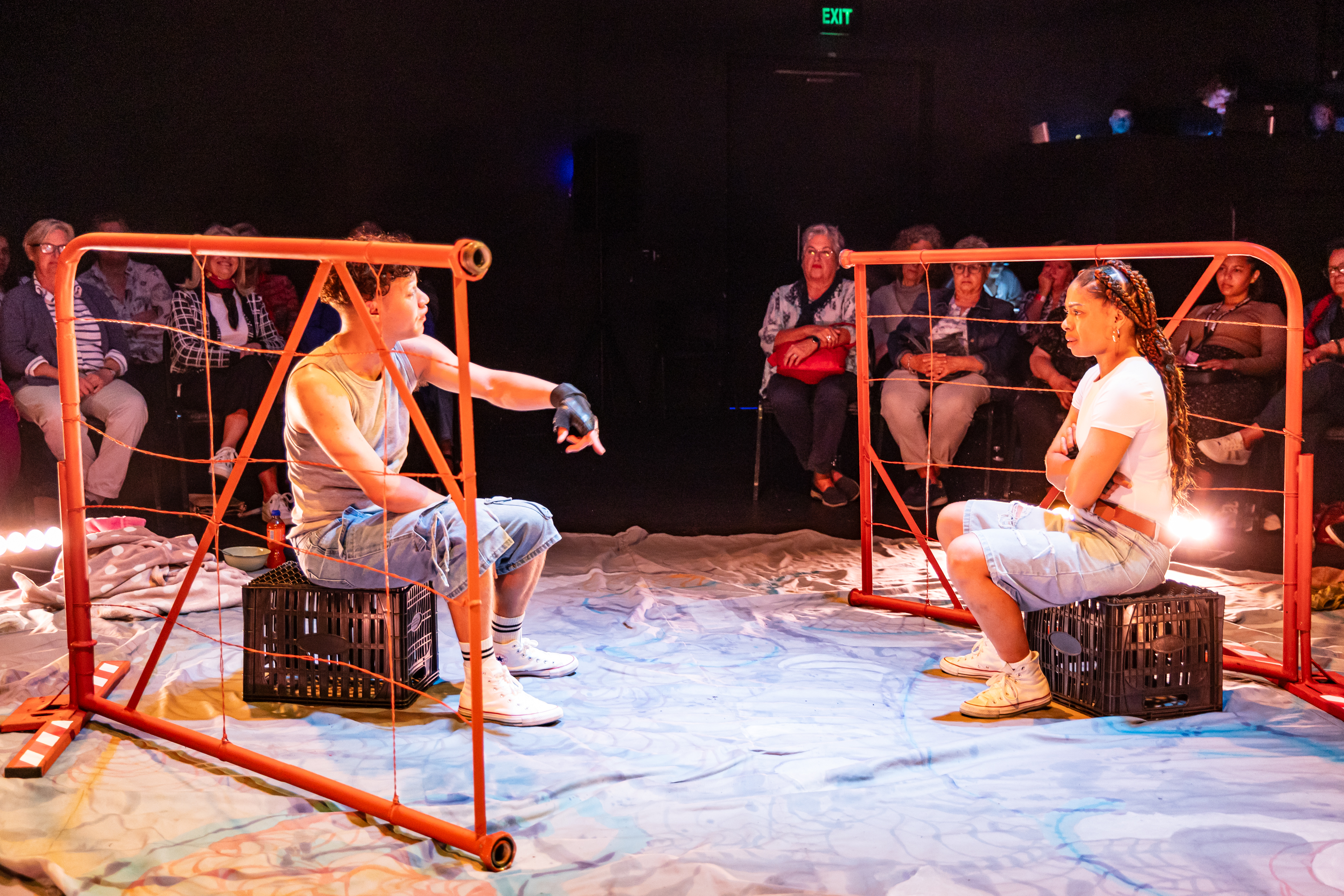
Melissa de Vries as Nadia and Angelo Bergh as her friend Zavie

Walking the same tightrope, is the adaptation by Jolyn Phillips of Ronelda Kampher’s ravaging novel starring two vulnerable yet resilient teen cousins who try their best to navigate a world they don’t understand while instinctively understanding that they are their only protection.

For Nadia (Melissa de Vries) and her chum Zavie (Angelo Bergh) their bond while tenuous and often fragile is what keeps them breathing.

With this one it is again the magnificence of the performances and the staging by Lee-Ann van Rooi that holds the attention as these two baby-adults going about their lives as if it is normal – and for them it is, it’s all they know.

That’s precisely the point. This is their normal, their life and the one Kampher’s words in her searing novel lay bare. Their whole existence is determined by outside factors, never certain or expected. Yet they do know how to grab the small slices of life when given the chance which isn’t often. They should not even be aware of the things happening in their lives, yet that’s the only way they know how to roll.

Kampher’s language is brilliantly captured by Phillips’ adaptation. How she even knew where to start! It’s such a complex and almost crippling story about these children whose future is determined purely by the happenstance of their birth.

Both of them have bucketsful of gifts which will never be realized because there’s simply no support or networks for these drifting families where not one generation manages to get even a foothold on a real life.

If anything good happens in their lives, it is luck and often, at that particular moment, the recipient doesn’t know how to deal with it.

When reading Kampher’s book the first time, you’re in awe of the writing and the storytelling. It’s the way she focused on the stories never told, the way she draws the characters, gives them flesh and emotions, which in this instance are perfectly re-created by the choices of Van Rooi and the adaptation by Phillips.

What a beautiful acting team. I don’t know them, don’t watch television if that’s where they perform, but I do know that they have inhabited these two kids with so much energy and guts, it’s hard to resist.

And that’s the joy of festivals, the opportunities that arise for artists so that when the stars align (a good script, director and actors), nothing can hold them back.

All of these performances should and will hopefully travel. For far too long too many voices have been silenced. We are so much richer as a country, as audiences and as performers when all our stories are shared.

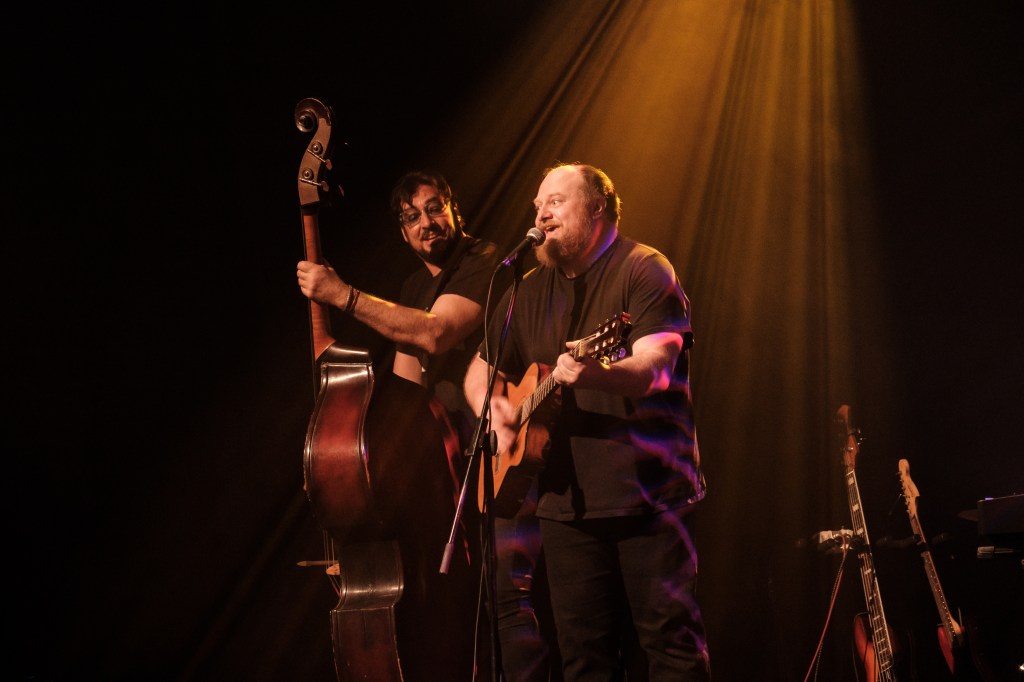
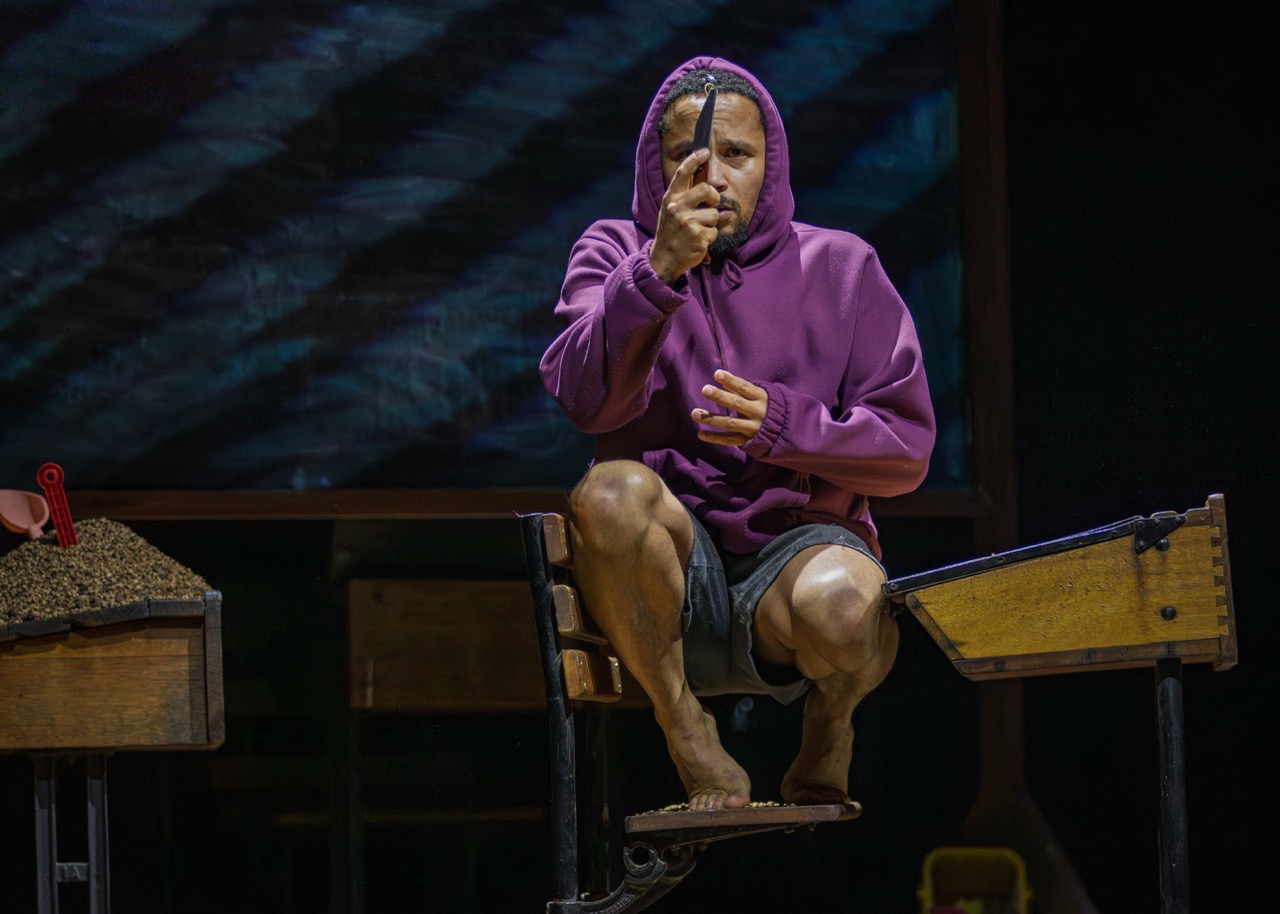
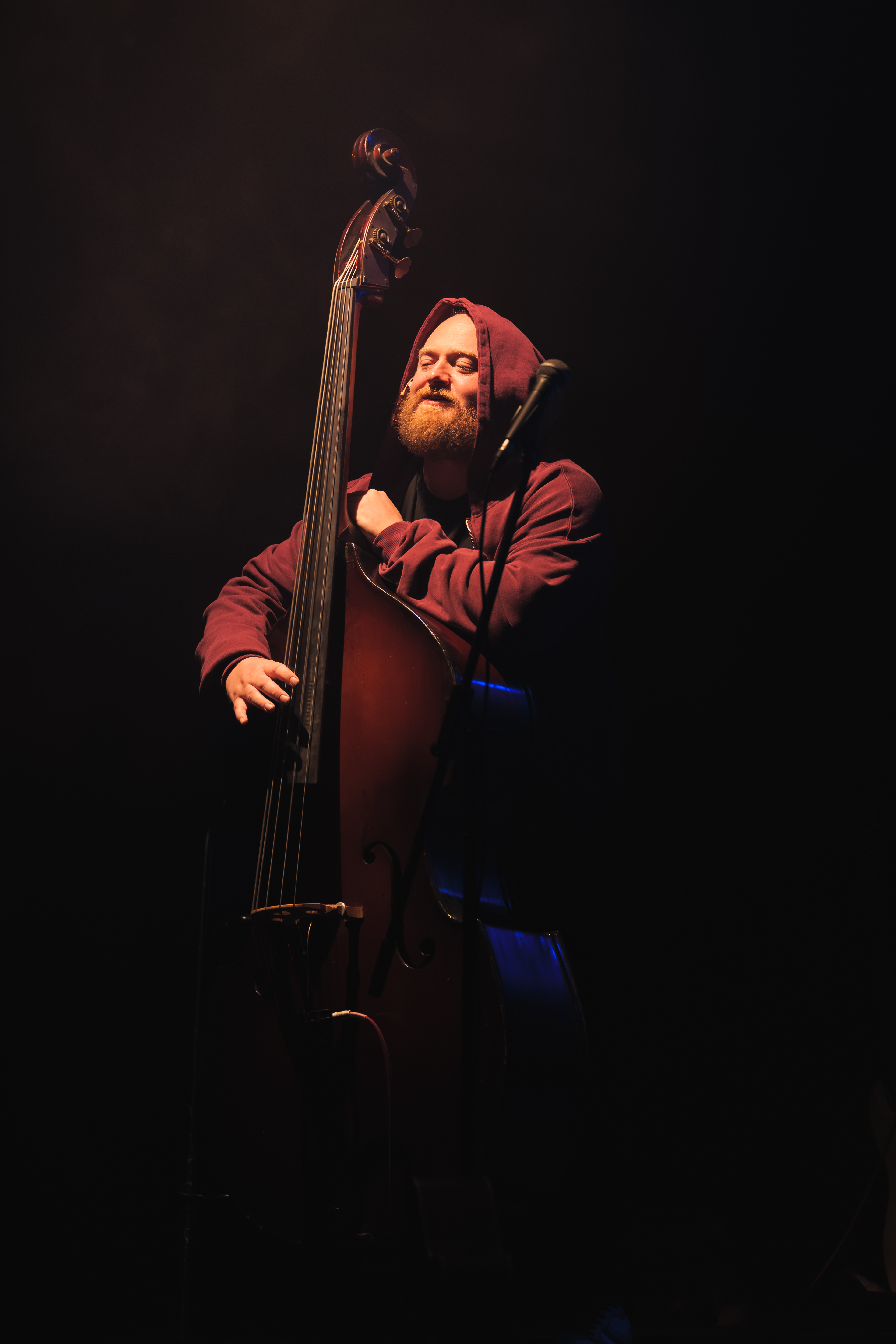
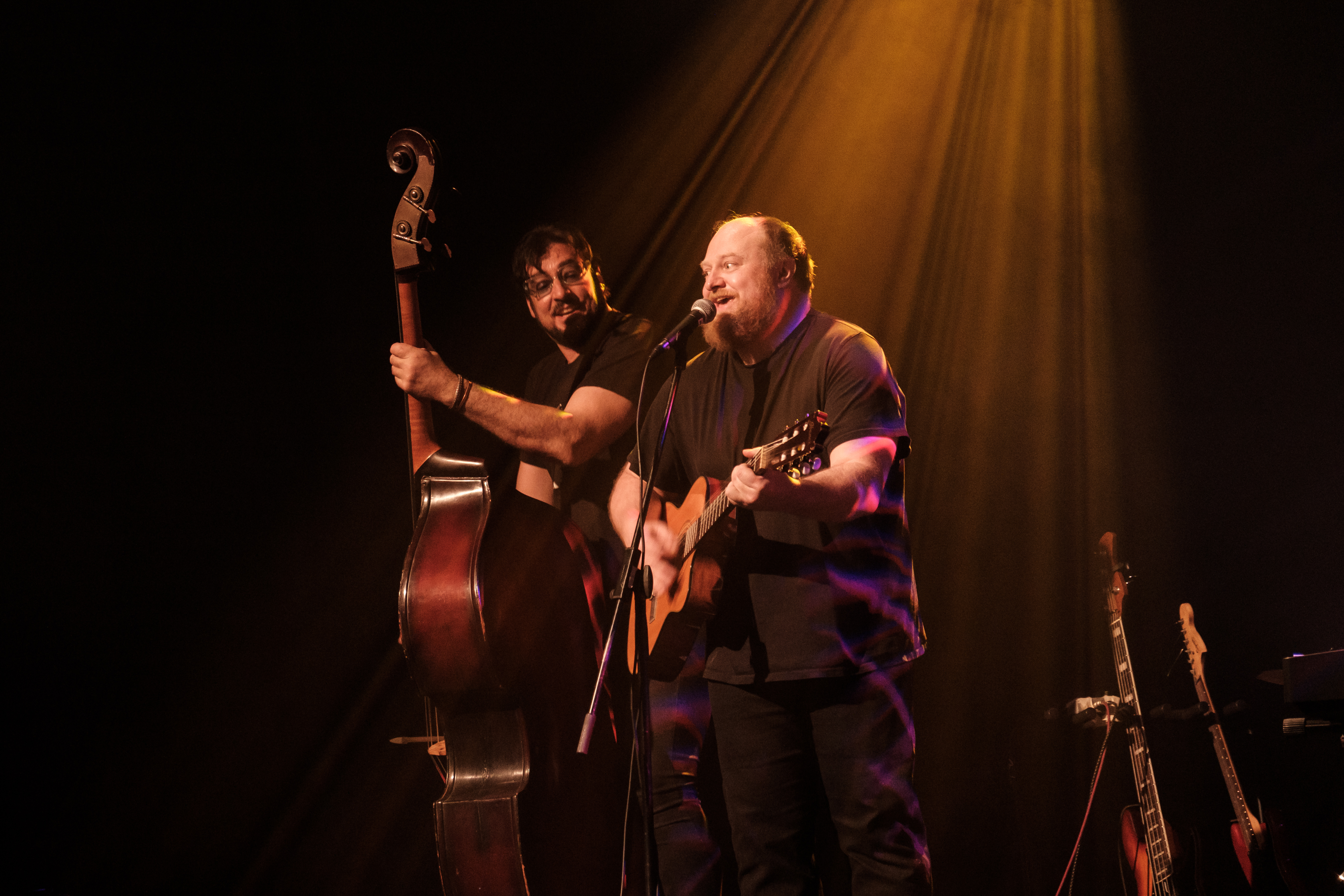
Albert Pretorius (actor) and Schalk Joubert (guitarist) in Ek is nie Danie pictured by Llwellyn de Wet and Gys Loubser.

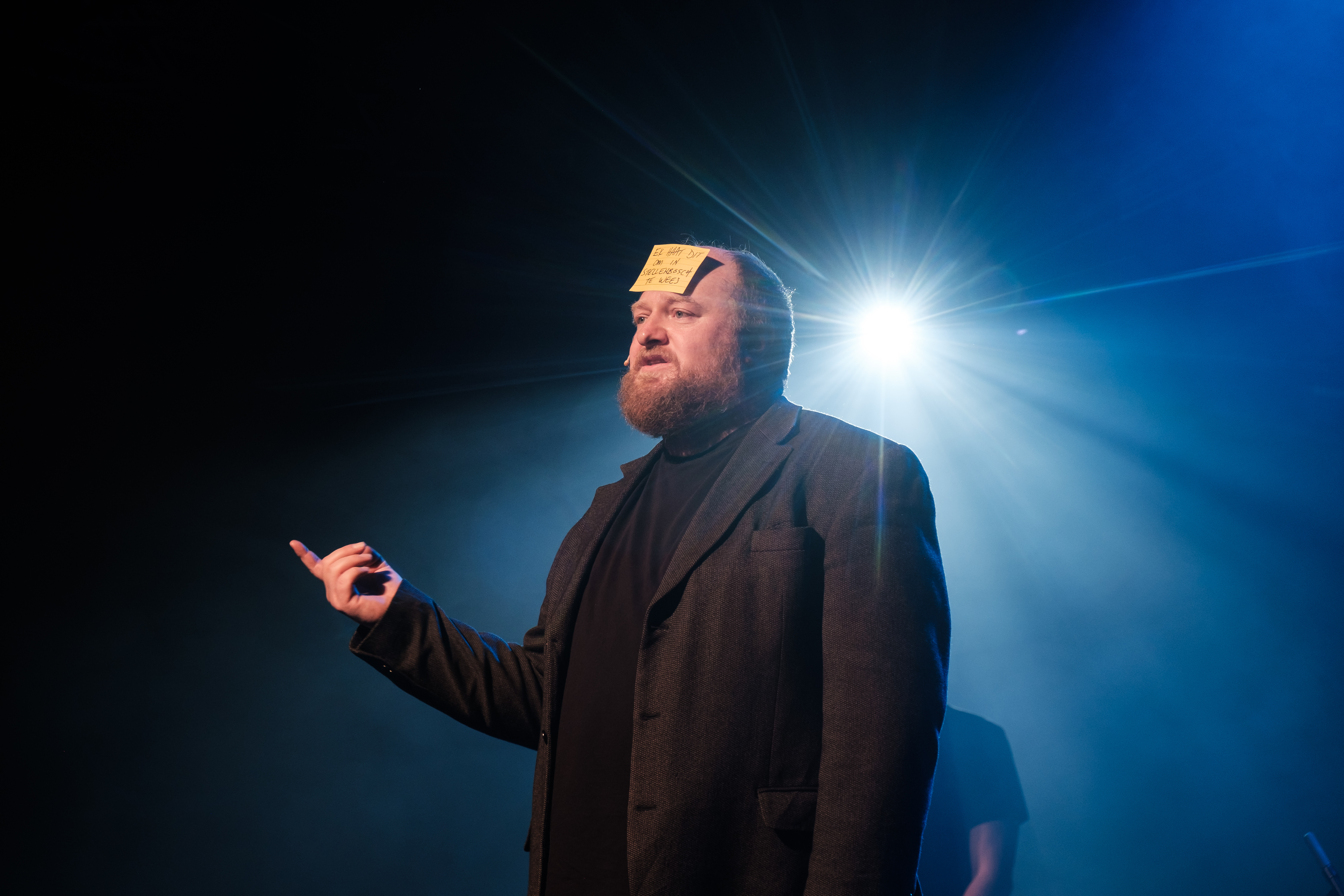
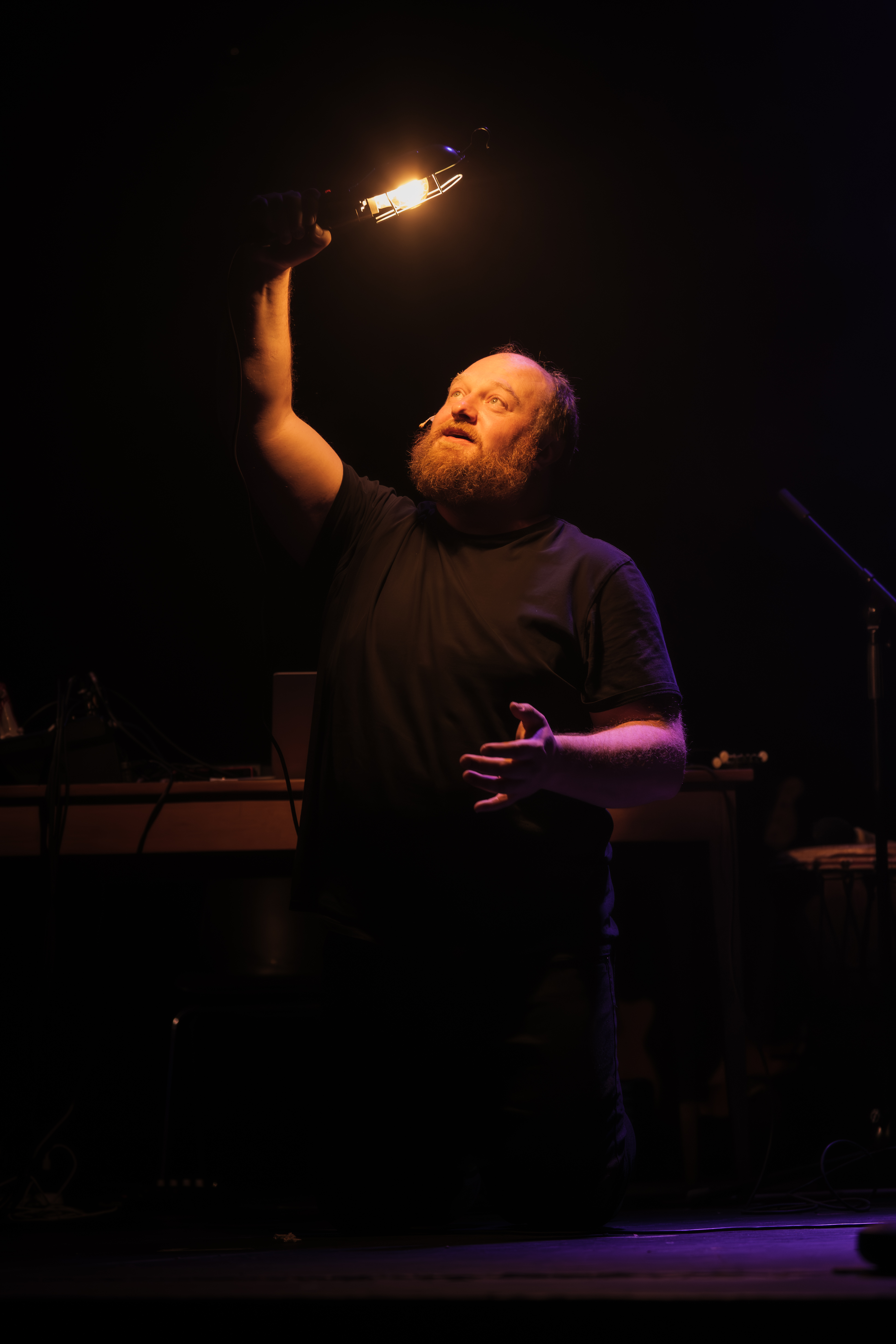
Writing about stars aligning, another perfect example of this was Ek Is Nie Danie with 21 poems from poet Danie Marais’ four collections woven into a magnificent text that deals with a middle-aged white man struggling.

What four middle-aged men did with what they had, was inspirational. They took something which if not handled with the same delicacy as the poetry, could have been disastrous. But because of deft hands and hearts, it feels as though you are dealing with an emotional vortex, but one driven with artistic insight and instinct which holds the audience tightly and sharply in focus from start to finish.

It worked because of the truly exquisite writing and then the choice of the right participants. The concept was Niel van Deventer’s according to the programme, but then handed to one of our smartest directors, Nico Scheepers. He is given a topic which would turn most people away – the angst and anxiety of ageing white men, not a species that many have much sympathy for.

Yet this company with actor Albert Pretorius and musical director/guitarist Schalk Joubert has shown that, given the right elements, a director who knows how to shape something yet value his actor and musician by allowing them the freedom to be and to do, it will work – and in this instance, explosively.

It’s one of those performances that you want to see again as soon as you leave the theatre. I hope it travels the country.

I took these three stunning plays to give some flavour to the Woordfees which is far too dense and diverse to dilute, but that there’s something for everyone, that’s a certainty and you won’t have to look too far or hard.

They have achieved much in only a short time and in the future with everything changing so rapidly, we can only expect to experience even more.

And then just a small PS: I was asked to interview Nataniël on a book Bloei+Blom and being who he is, the first lunch was booked out swiftly and another date the next day was included and again fully booked. But hey, the more the merrier.

As an interviewer, this is the one date I don’t have nerves. I know I am in safe hands and he is the master of chat.

It was the easiest gig in town. Even though he and I had talked about topics of conversation before the time, once on a roll, and only three questions down, I could sit back, relax and enjoy one of our best (and naturally funniest) conversationalists in action.

There was no way to ask anything else. He was in full flight on his own. He did glance my way once or twice, but there was no interrupting the flow. And even better, he was the one they wanted to see and hear.

I felt blessed, centre stage and could watch the wizard in full flights of fantasy.

*There were many others I loved, many of which I had written on at the Woordfees or previously including Boklied, Seun, Bridling, Kuns, Magda en haar Erhard, Ont-, and always The Ugly Noo Noo …

ANTJIE KROG, AN AUTHOR WHO SPEAKS HER MIND

When you have one writer in the family, I would imagine you feel blessed. Two? Perhaps not so much but someone who makes a meal of this is ANTJIE KROG who in her latest memoir writes about the relationship between her and her mother, the author Dot Serfontein. DIANE DE BEER started out reading the English version, followed that with the one in Krog’s home language and then listened to her talk about the book:

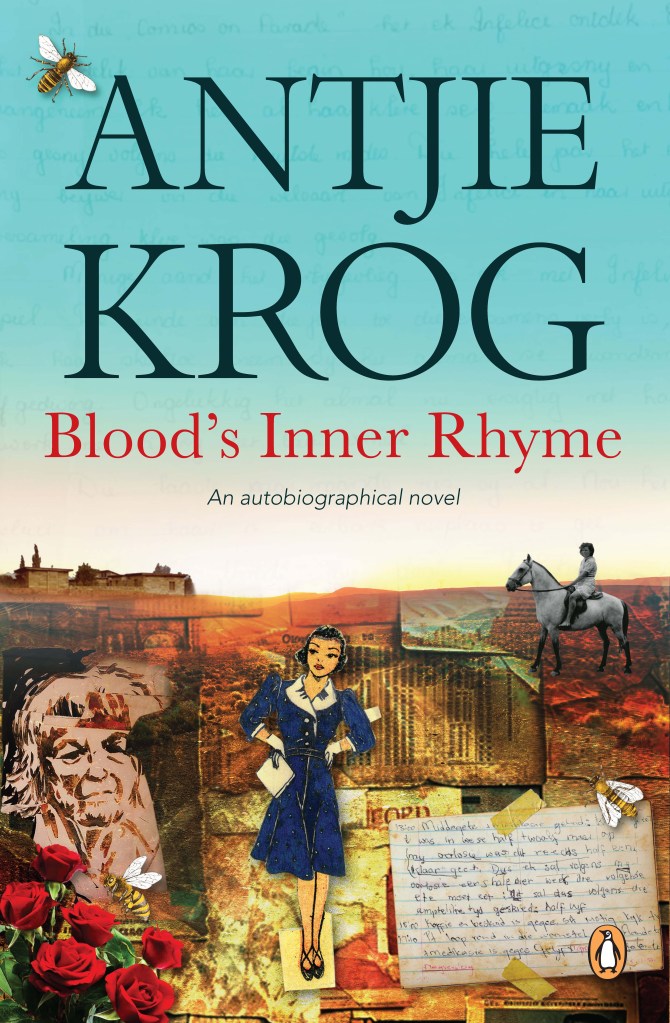
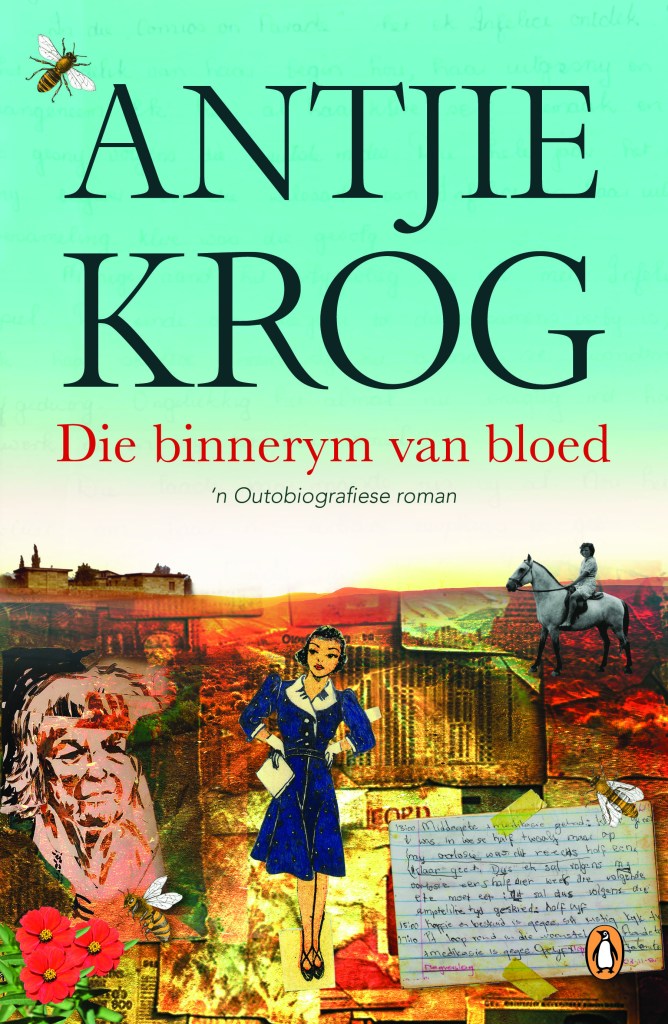
It’s a personal thing, I know, but if I can read a writer in her home language, I do. And again I was proved right with Antjie Krog’s latest offerings, Blood’s Inner Rhyme or the Afrikaans version Binnerym van die Bloed, which she describes as an autobiographical novel.

Because I write in English, I thought it might be easier to read that version, but after hearing her speak, I knew I had to get my hands on the Afrikaans book. It’s the way she Krog uses the Afrikaans language which enriches the reading.

If I didn’t have the option, I would have given the English a similar review, it’s simply that the Afrikaans introduces a different heartbeat.

Even in the best pairings, mothers and daughters have complicated relationships. When you are competing with one another even if that’s not the intention, which I’m sure it wasn’t, it’s going to be tough. Add to that two headstrong women who arguably stand on opposite sides of the political spectrum, expect fireworks – and that’s what you get.

Women all have mothers, that’s obvious, and some have their own daughters. All of us know the intricacies of that relationship – and that is when it isn’t public. Writing for an English newspaper, I wasn’t part of the Afrikaans writers’ circles and even I, not your natural gossip girl, heard rumours. And that’s where I admire Krog for doing this extraordinary book.

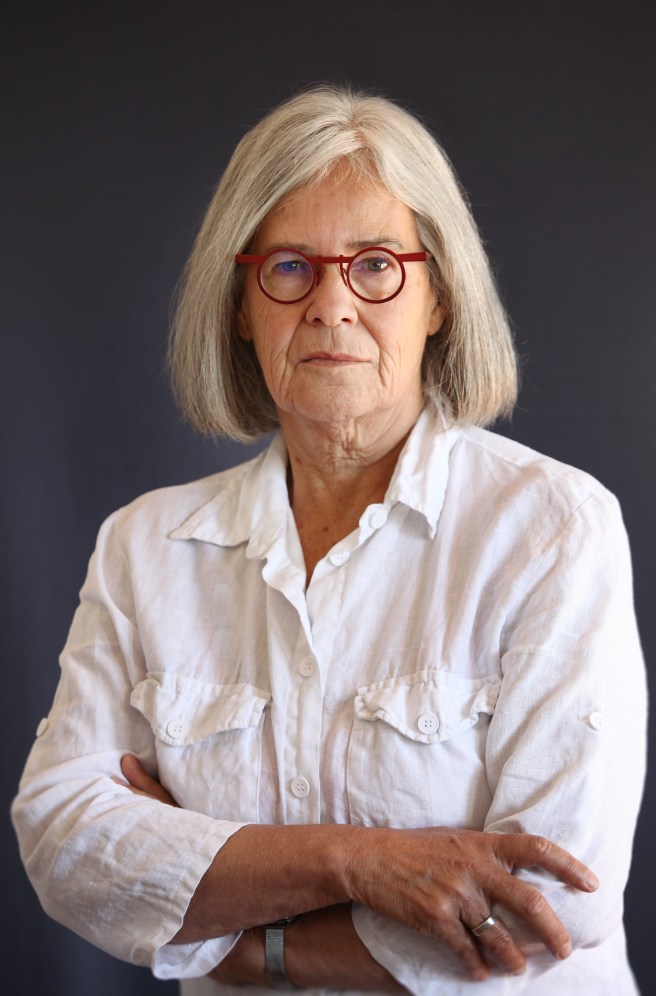
Antjie Krog, author extraordinaire.

Both of these women are celebrated writers who lived their lives in the spotlight. To then delve even more publicly into that life must have been an excruciating decision. And then to travel the country as one does to promote the book – what extraordinary courage. It reminds me that artists sometimes don’t have a choice, it has to come out. And usually it is the reader who benefits.

Thanks goodness Krog decided to write about this often fraught, sometimes fragile but also intense relationship. I can only guess that while sometimes devastating it must also have been therapeutic and the way to mourn and celebrate what she once had. Death has a way of shining a new light on something that was just too overwhelming to observe as it was happening.

For those of us ageing ourselves who have also shared a close relationship with a mother in her last years, it is especially meaningful. My eldest sister booked my parents into a retirement home which was on the way home from my work and I could pop in as often as possible without any inconvenience. I coped with the sometimes-daily trauma of witnessing this ageing process by communicating with a third sister who could only get the news via whatsapp or email. It was a lifesaver.

I could appreciate the daily diary of Krog’s mother’s most basic needs. That is in fact what happens when people age as we are forced to focus on the brutal minutiae of their lives. For example:

Night report:

20.00 Medication. Pt (patient) didn’t want to drink half a sleeping pill. Wanted a whole one

22.45 PT said her toes hurt. Applied Turlington + gave another half sleeping pill

00.30 Pt wanted another half sleeping pill. She was uncomfortable. She wanted to get up, I had to hold her by the sides. Pt wanted to make food. Pt was angry that the freezer had no meat.

These diaries were kept day and night – every day and night. It constantly reminds one of the process that is unfolding. As Krog tells it, focussing on her mother’s “excrement which happens daily is to own that which is being rejected, that which is such a part of her waning existence, her body’s extremities.” Krog who tells things exactly how they are explains: “There’s actually a very profound thing about shit,” she says as she captures the importance of change as life starts running out.

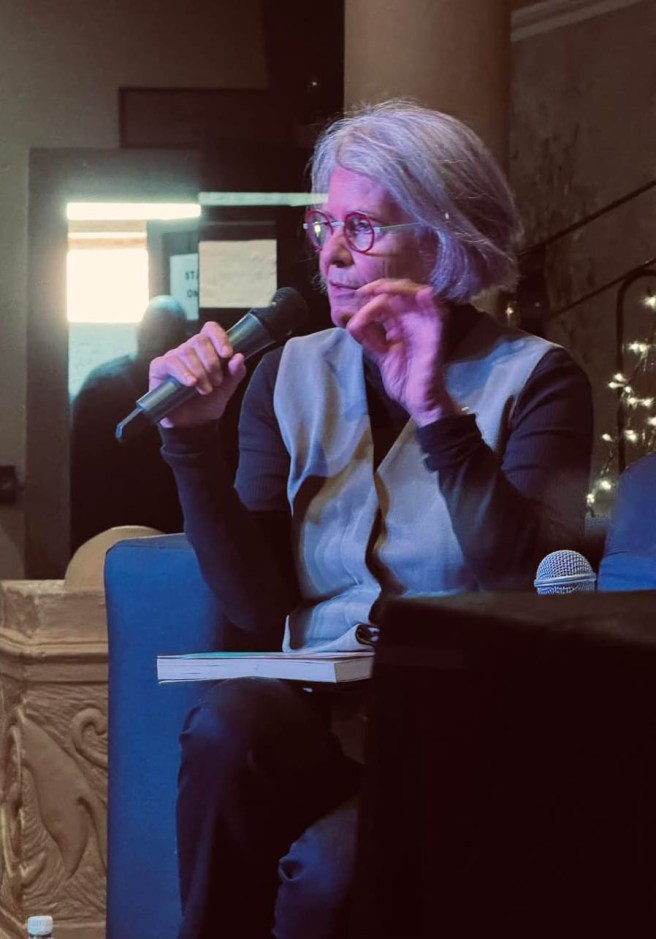
In full flow.

Yet there’s so much more happening around the family. It is an especially fraught time for farmers and for Dot Serfontein the family farm represents who she is. It was her inheritance. For Krog, even though she has similar bonds to the farm, she also knows and is burdened by the privilege it represents – something in this country that was often at the cost of someone else.

It is fascinating to read and witness the lives of different generations, especially in that time when everyone in the country knew things were going to change dramatically. She acknowledges that the relationship between mother and daughter is complex. In this family and between this mother and daughter perhaps even more than most.

While Krog is at pains to write about this sometimes combative relationship, it is also a celebration of Dot Serfontein, who she was and what she achieved with her writing. This is where and how Krog first discovered her words and both she and her readers have benefited.

There are so many stories captured in what can be described as a memoir. Having lived through the ageing process of my parents, that is what drew me to the writing. One learns so much about your own mortality, growing old gracefully and celebrating life whatever your age.

And thus her mother concludes only a couple of chapters into the book: “I keep all your letters,”  she writes to her daughter. “One day you can compile us in a plundered book like Audrey Blignault’s daughter. Initially I wondered whether the sudden revival of my oevre was thanks to you, but when I saw so many Dot Serfonteinisims in your work and some of our private family phantom(b)s, I thought we constitute each other.”

Having lived in each other’s shadow most of their lives, it couldn’t be any other way. That is what this astonishing writer captures so magnificently. Yes it is about a mother and daughter, but there is so much more. It’s insightful, entertaining, both sad and extremely funny, and even historical in many instances. But what captured my heart was Krog’s writing. She has a way with words that is unequaled.

FIRST-TIME AUTHOR JULIETTE MNQETA CONFESSES THAT SHE LOVES WRITING AND TELLING STORIES

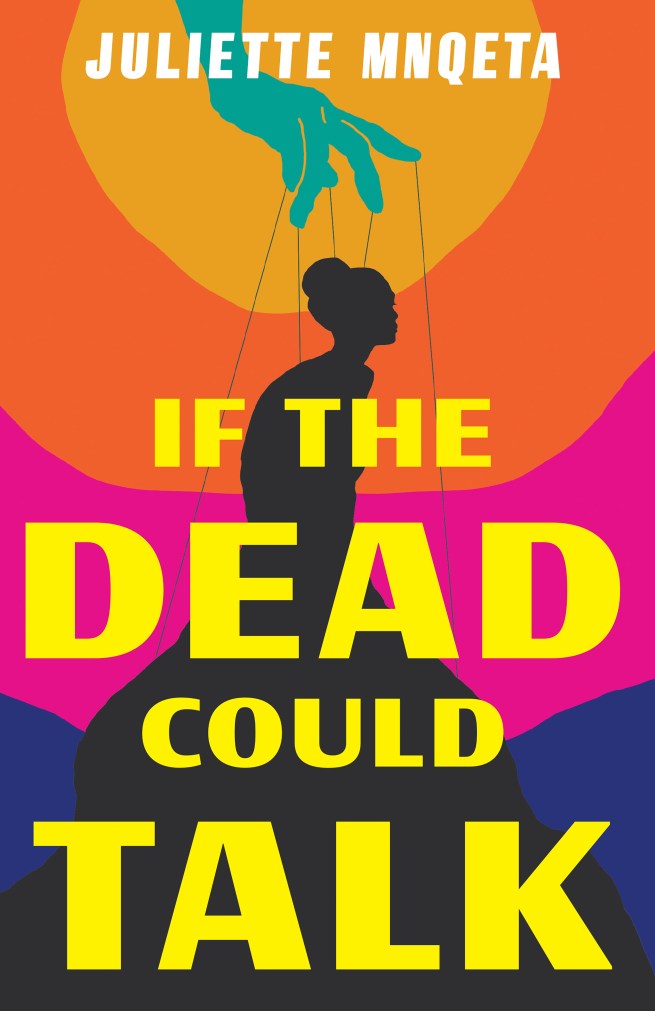
Juliette Mnqeta has dreamt about her debut novel and now that it is finally here, she’s hoping that this, a crime novel, will be the first of many more adventures. If The Dead Could Talk (published by Kwela)is impressive and DIANE DE BEER was keen to meet the writer who seems so comfortable in her author skin:

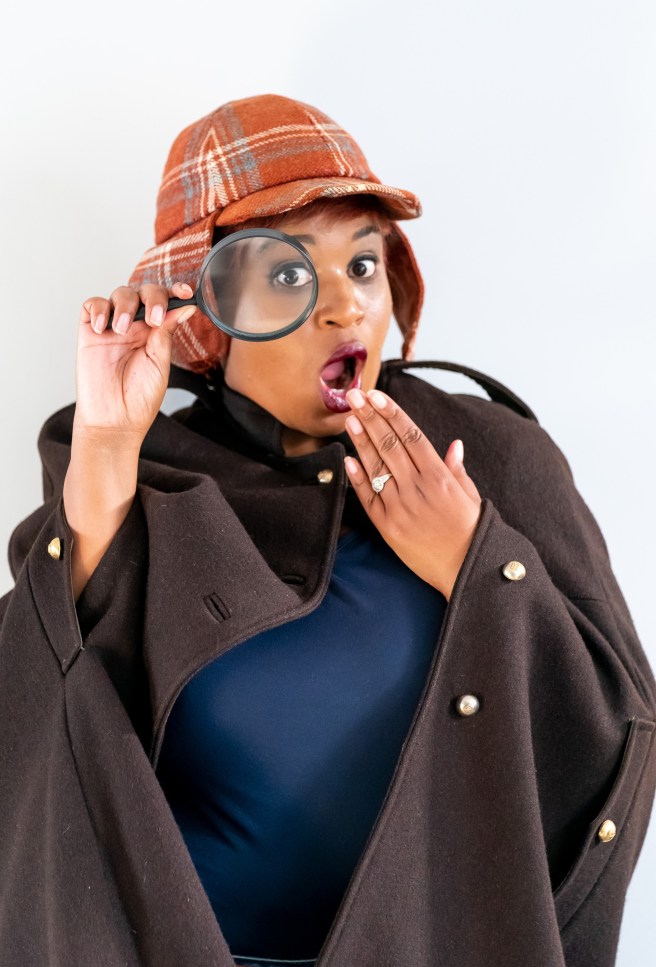
Playing the sleuth: first-time author Juliette Mnqeta (Picture: Sean Eyes)

“A WHITE PIECE OF PAPER IS A SAFE SPACE.”

Anyone who can say those  words must be confident because I haven’t heard many writers confess that.

First-time author Juliette Mnqeta also writes in her preface: ‘‘I believe I can … write.’’

When you start asking her questions, she’s quick to confide that she’s shy and doesn’t have too much self-belief.

Not too far into the story, I was thinking of Deon Meyer, so impressed was I by the storytelling. “Well, I am the youngest of nine children. I guess that’s why I have so much to say,” is her response. “I have always loved telling a story, which I think I got from my mother. She was a very emotive woman and could always retell events with a little bit of  her own  spice.’’

Juliette spent most of her childhood and teenage years in Wynberg and began writing once in her teens. She started with short stories and even tried her hand at writing poetry, but it never occurred to her to study anything that would help her with writing.  “I just love to write.”

She had no particular interest in crime novels and it only started when she realised most of the girls in her class would go for romance, so she opted for crime. “The first crime novel she ever read was in high school, a book by Ruth Rendell and that was for a school project.

Her interest was piqued when watching a few Agatha Christe adaptations on television. “I started reading her novels and haven’t stopped since,” she explains. “What draws me in is the puzzle of solving the crime.

“There’s a sense of justice and lightbulb moment when everything comes together, I enjoy that.”

And that’s exactly what she gives us with this her first venture into this world, resulting in her debut novel.

She’s still a young writer but her processes reflect her love of writing. “With my Facebook stories, I simply open the page and start typing to see where it leads,” she says.

It all falls in the realm of practice, practice, and more practice, long believed to be thé thing to do.

With If the Dead could Talk, she started with the full reveal. “I remember starting with the planning of the ending.”

She had her villain(s) first, their motives outlined and only then did she start working on her protagonists. She knew if she had her culprits, she could disguise that person amongst a few red herrings and suspects. “I then worked backwards, which was fun because I slowly discovered my protagonists’ personalities and fell in love with them.”

At the tender age of 19, she was told by her then employer that to be a writer, she would have to be exceptional, and he didn’t think she quite fit that criterion. But she always knew he said that without having read her work. When her mother died in 2018, she decided to start writing this current novel.

“My mother had always bragged to her friends that I could write, even though she had also never read my work. But when she was suddenly gone, I opened my laptop, and started mapping out my story.

“I already had my villain. I had my crime, and I had the reaction in mind that I wanted the audience to have when they figured out who this villain was.”

While writing had always come easily, this was different, even humbling, she says. She had the ideas, would turn them into words but, when read from a  reader’s point of view, suggestions would come her way as well as a few plot blunders. “I would have to come up with changes that would make it work,” she explains.

But she knew, listening to these early readers and taking suggestions from her editor were key to what got the book published.

I think she listened carefully. Right from the start I was excited by the book. I felt very early on that this was an exceptional voice and that feeling never dimmed from beginning to end.

If the ending was something of a bumpy ride, I’m not sure it wasn’t me as a reader who really enjoys the exhilaration of the build-up and often finds the roll-out something of an anti-climax or perhaps a mini let-down.

But here’s holding thumbs that she keeps writing and plays around with the crime genre for a little bit longer.

 I’m excited to see what her unique voice and perspective will come up with as she gains confidence and a following.

I suspect she’s something special.

“When I conceived of If The Dead Could Talk, the idea was that it would be a one shot only and I would give it my all. I can now see that I can try my hand at the crime genre again.

“When I read a cozy mystery, there is something exciting for me as a reader to try and work along with the detective or protagonist. I put together every clue and see how close I am to solving the crime. I want to offer other readers that feeling.”

Who as a first-time published author would not suffer – even if just a light touch of – imposter’s syndrome? But Juliette is learning to beat those battles.
 “I actually have a book published now! People will get to meet Azania. That’s exciting. It’s exhilarating knowing that I’ve introduced her to the world,” she concludes.  

“I love the fact that I can imagine. When I write, I genuinely feel that it’s fine to be me. It’s fine to be Juliette. On a piece of paper, I just run wild with characters, scenarios, dialogue and everything else I  can think of.

“Let me dream a little and say I can picture myself thinking up a bestseller one day. That’s the empowering element of an imagination. I can imagine just about anything.”

That would be my wish for this talented author. I for one would love to read her often in the future.