A walkabout of the newly installed exhibition 2020 Through the Eye of a Needle: Remembering the Covid-19 Pandemic in 2025 curated by Julia Charlton, senior curator at WAM (Wits Art Museum), reminded everyone who was present how quickly we move on from events that change the world dramatically. DIANE DE BEER gives her impression of the way women rule the charity world:
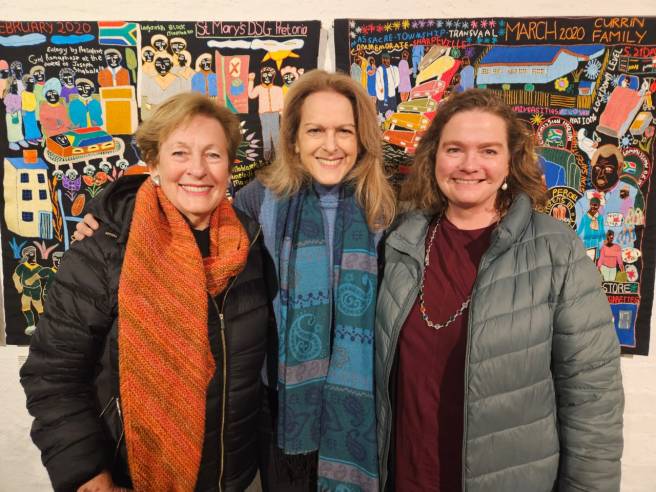
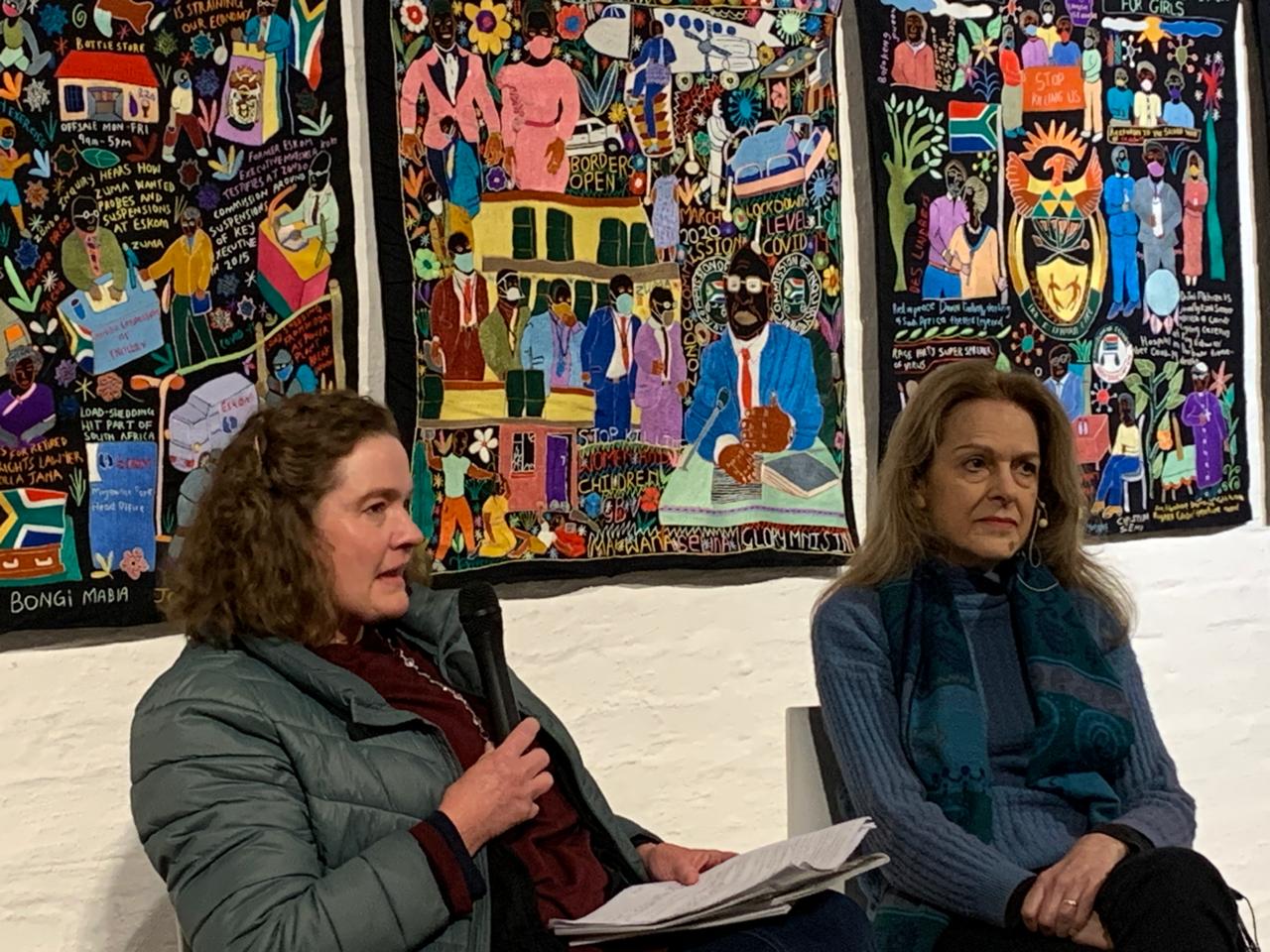
As Professor Brenda Schmahmann — South African art historian and current South African Research Chair in South African Art and Visual Culture (SARChI) at the University of Johannesburg’s Faculty of Art, Design and Architecture (FADA) — was in conversation with Julia, I was again reminded of women and the way they participate in the world where people are negatively impacted simply because of their circumstances, not because of anything they did wrong.
Living in Africa has many advantages, and for me, one of them is the constant reminder of how the real world functions. Privilege is usually something that is bestowed on you at birth and in a sense with the roll of the universal dice, it could just as well have been the other way.
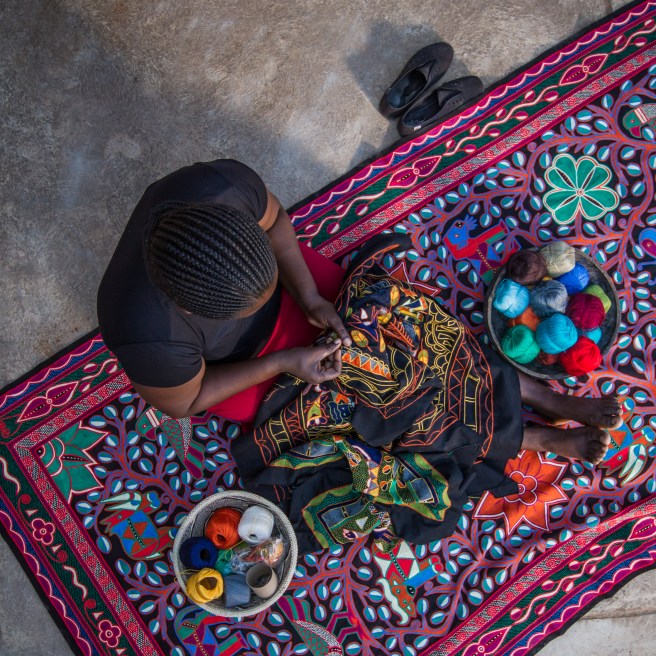
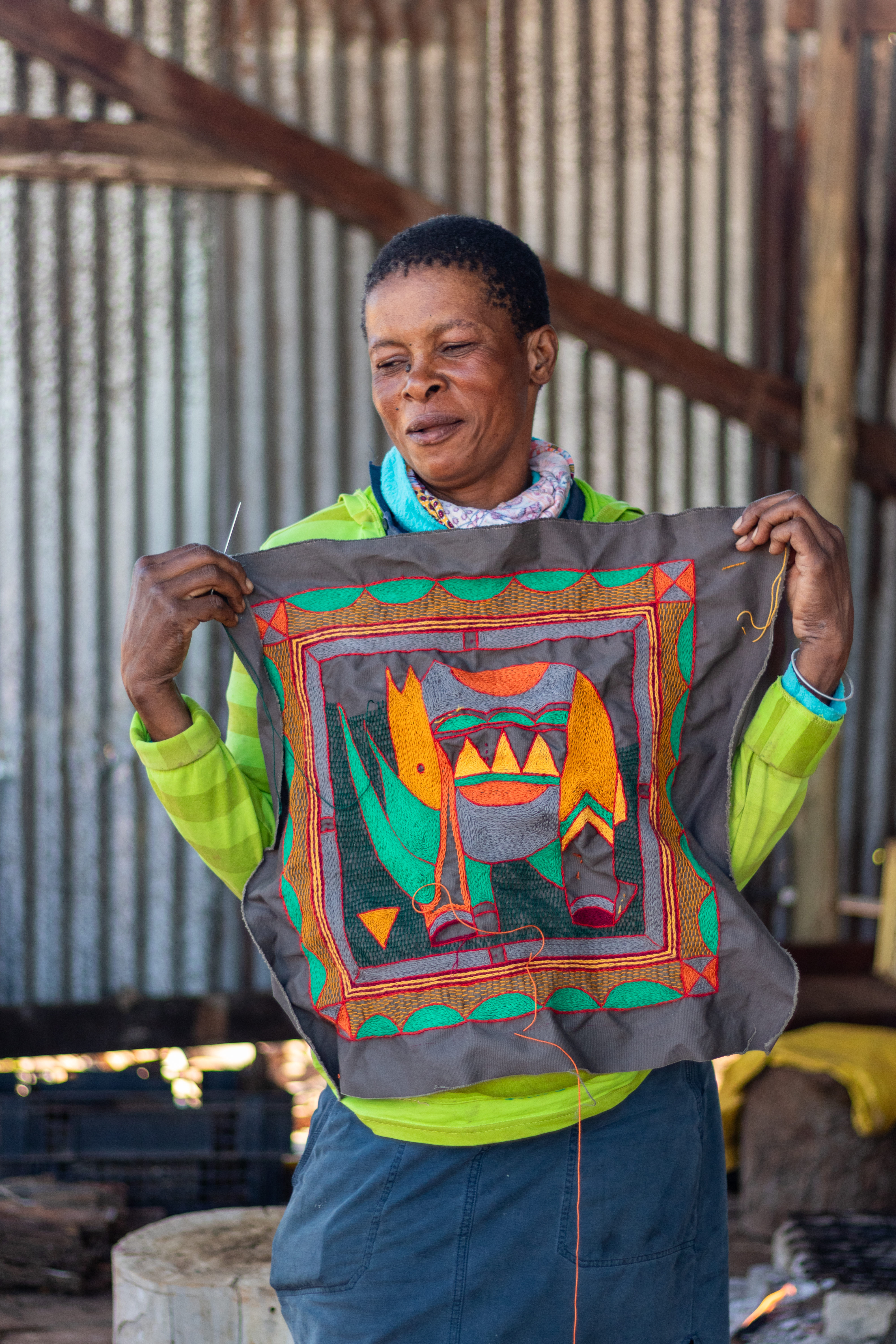
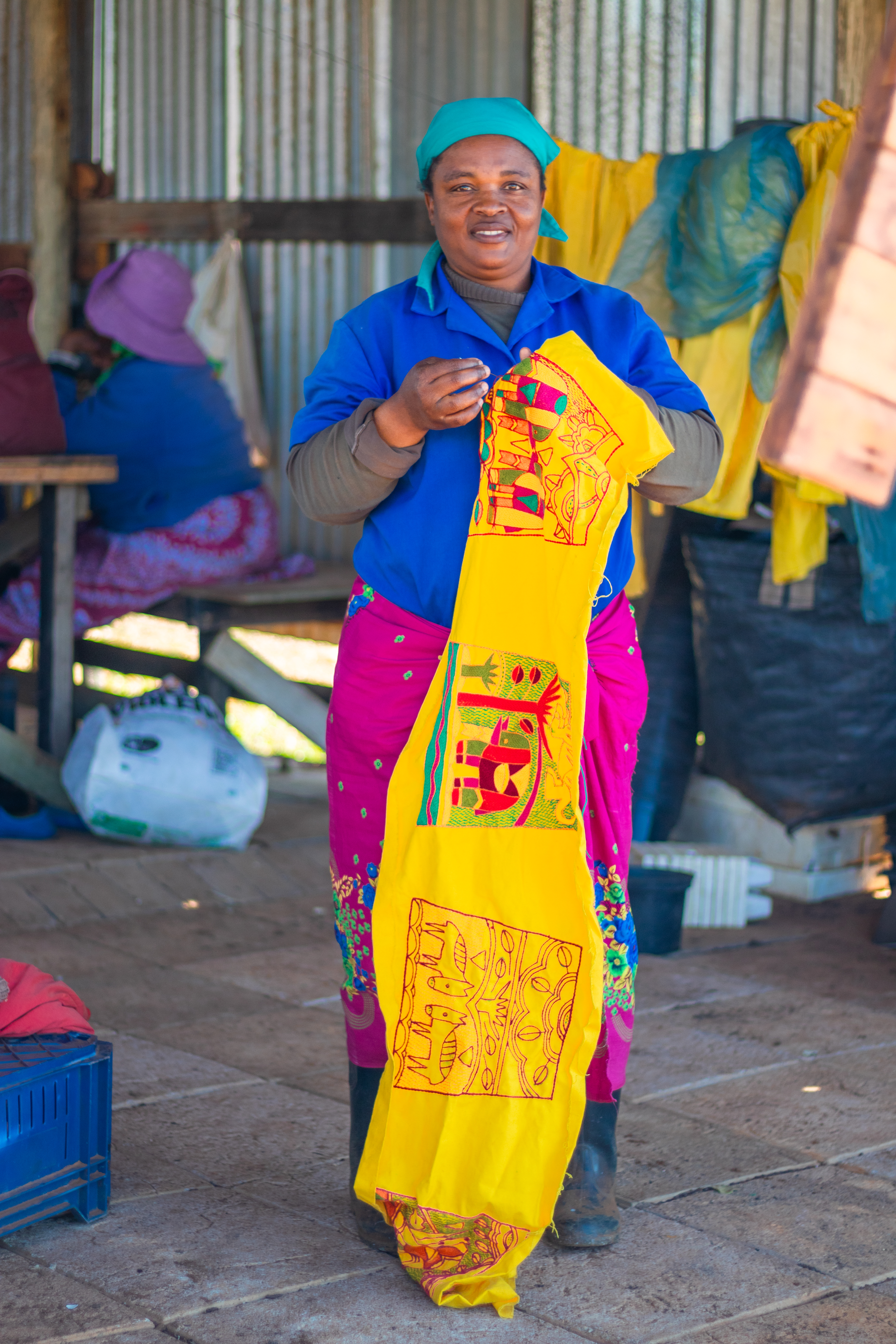
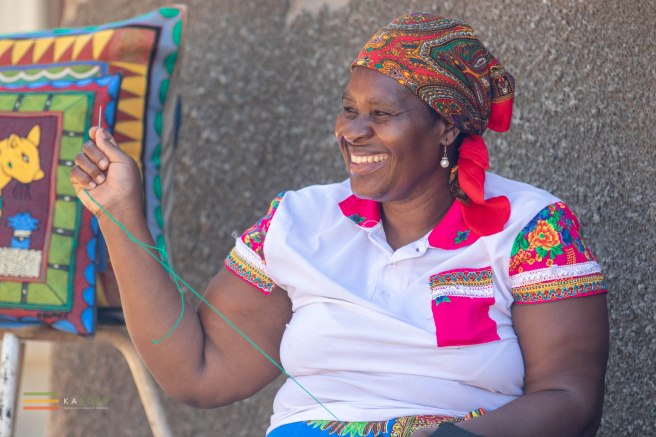
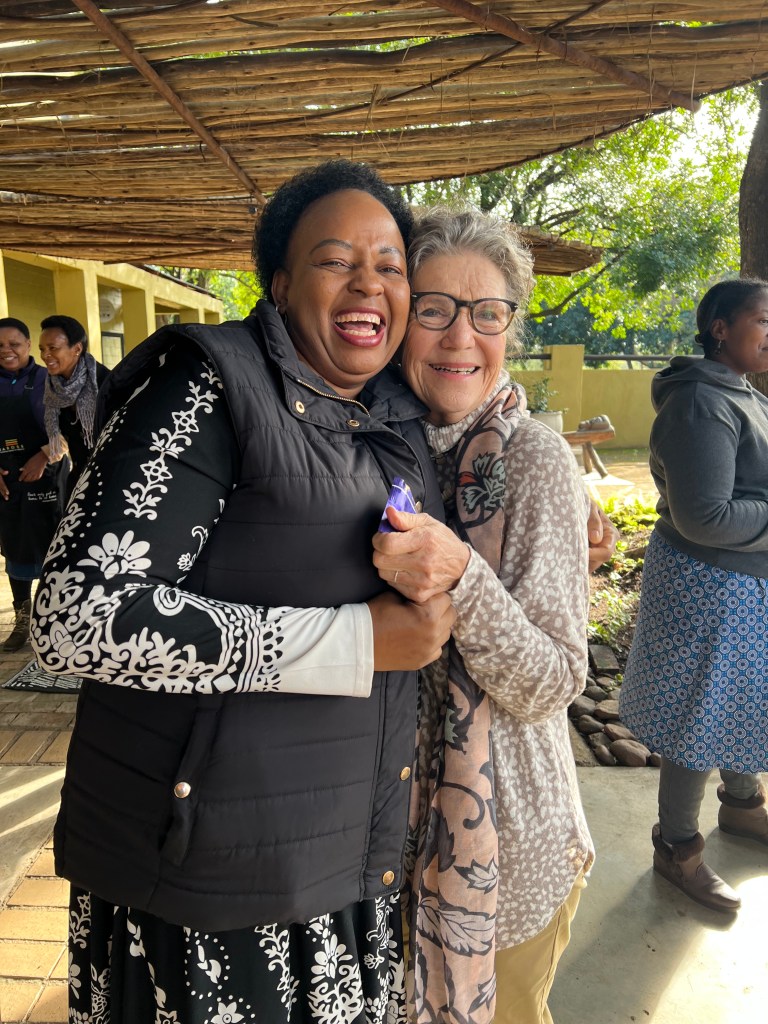
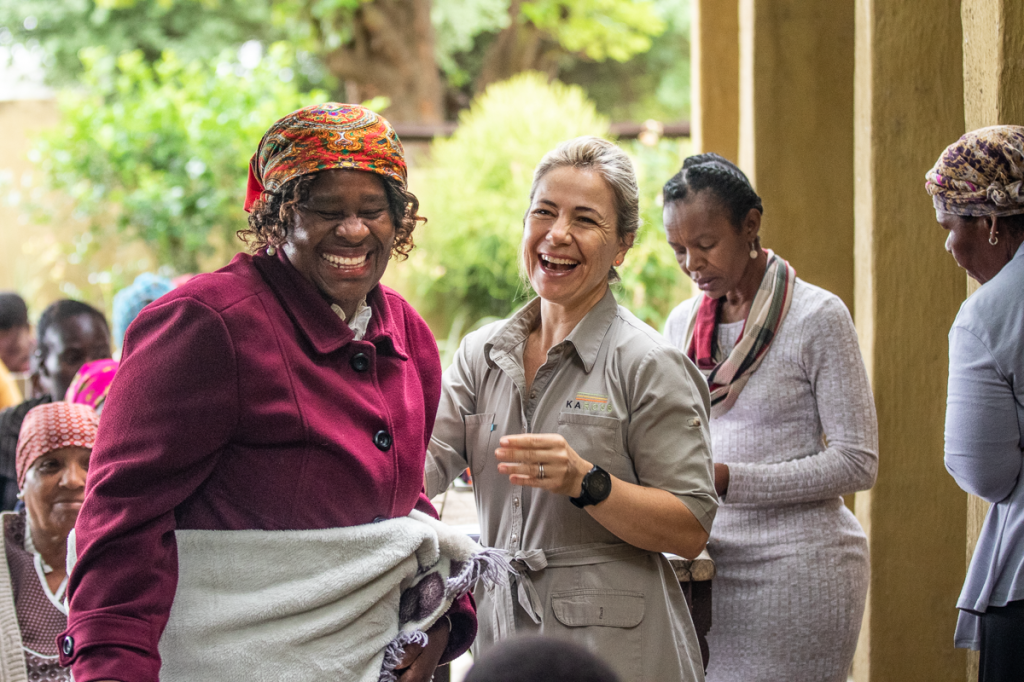
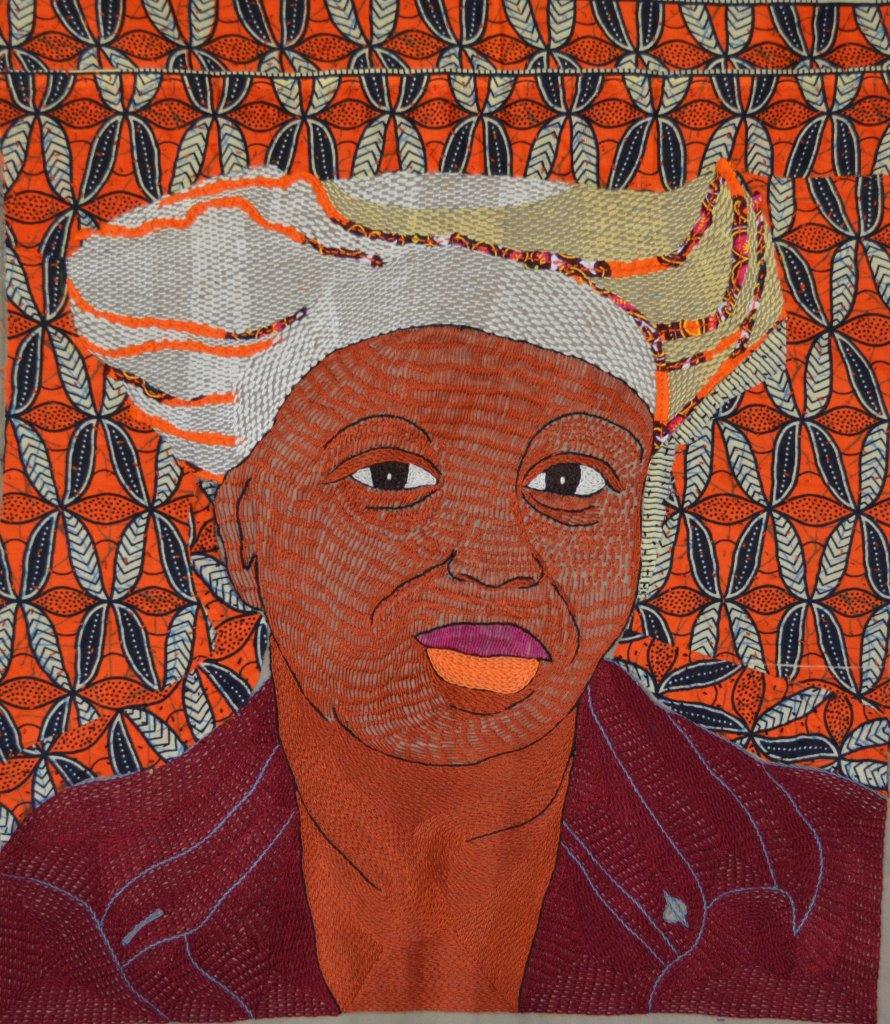
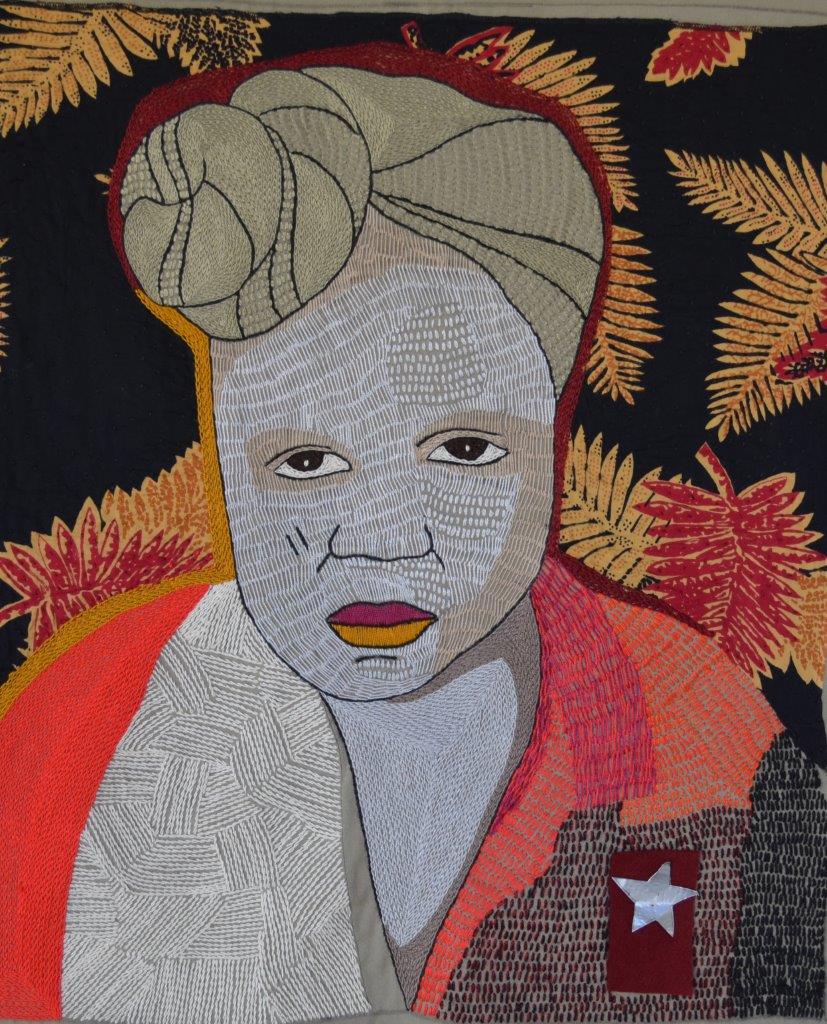
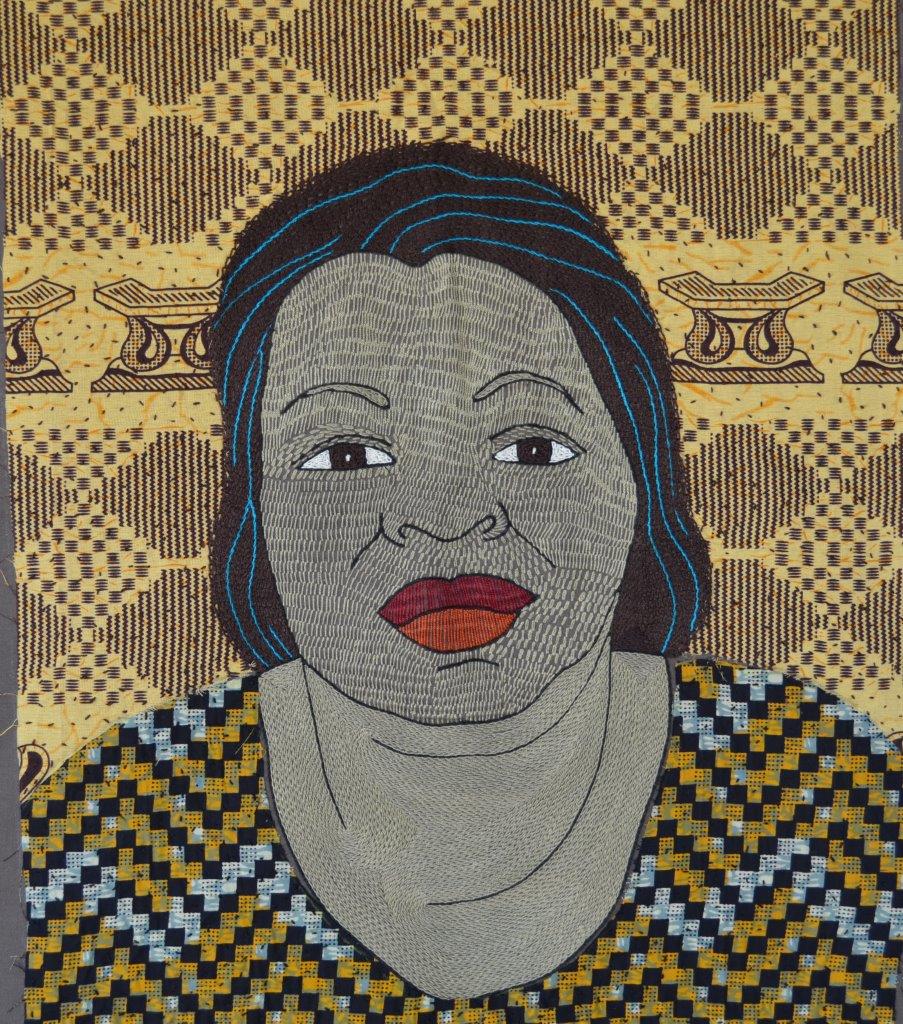
But listening to these women as they share reflections and insights into the embroideries on exhibition, created by members of the Mapula Embroidery Project, a community art collective of women embroiderers based in the Winterveld and Hammanskraal, I again witnessed the part three women played and in the process changing the lives of many families in the Winterveld.
It’s as though the time since Covid passed in a flash, but this year marks five years since the World Health Organisation declared Covid-19 a global pandemic.
We all know how the disease has devastated the whole world. There was the astronomical loss of life, terrible emotional strain, extreme social disruption and economic devastation. We were also reminded of the impact of so many things in personal lives: first year students who in the end never had the opportunity to experience campus life and live lectures; exacerbating the horror of the high number of deaths, no one could attend funerals which had to happen in isolation; and following that time, we’ve simply had to get on with recapturing some of the life we had lost.
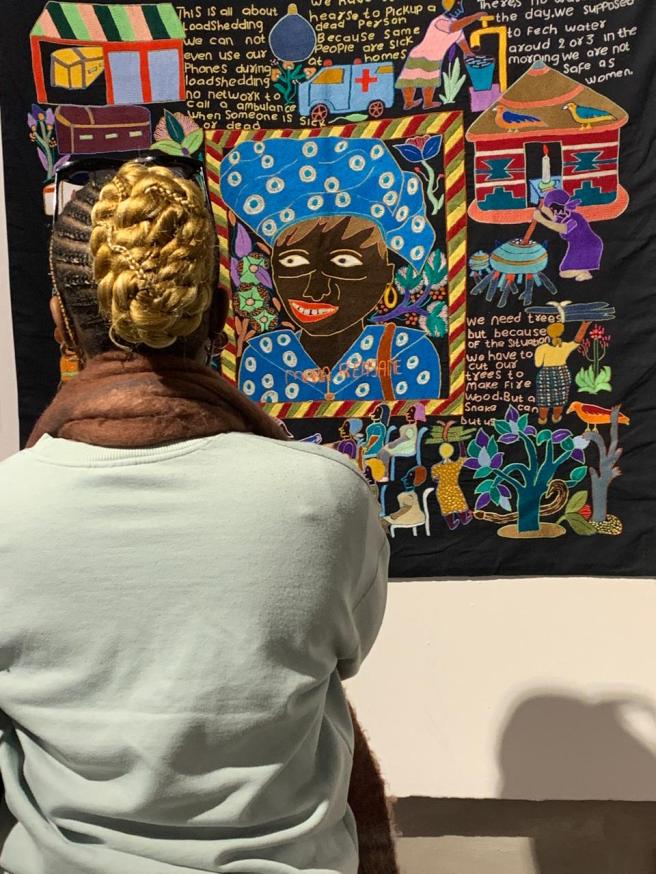
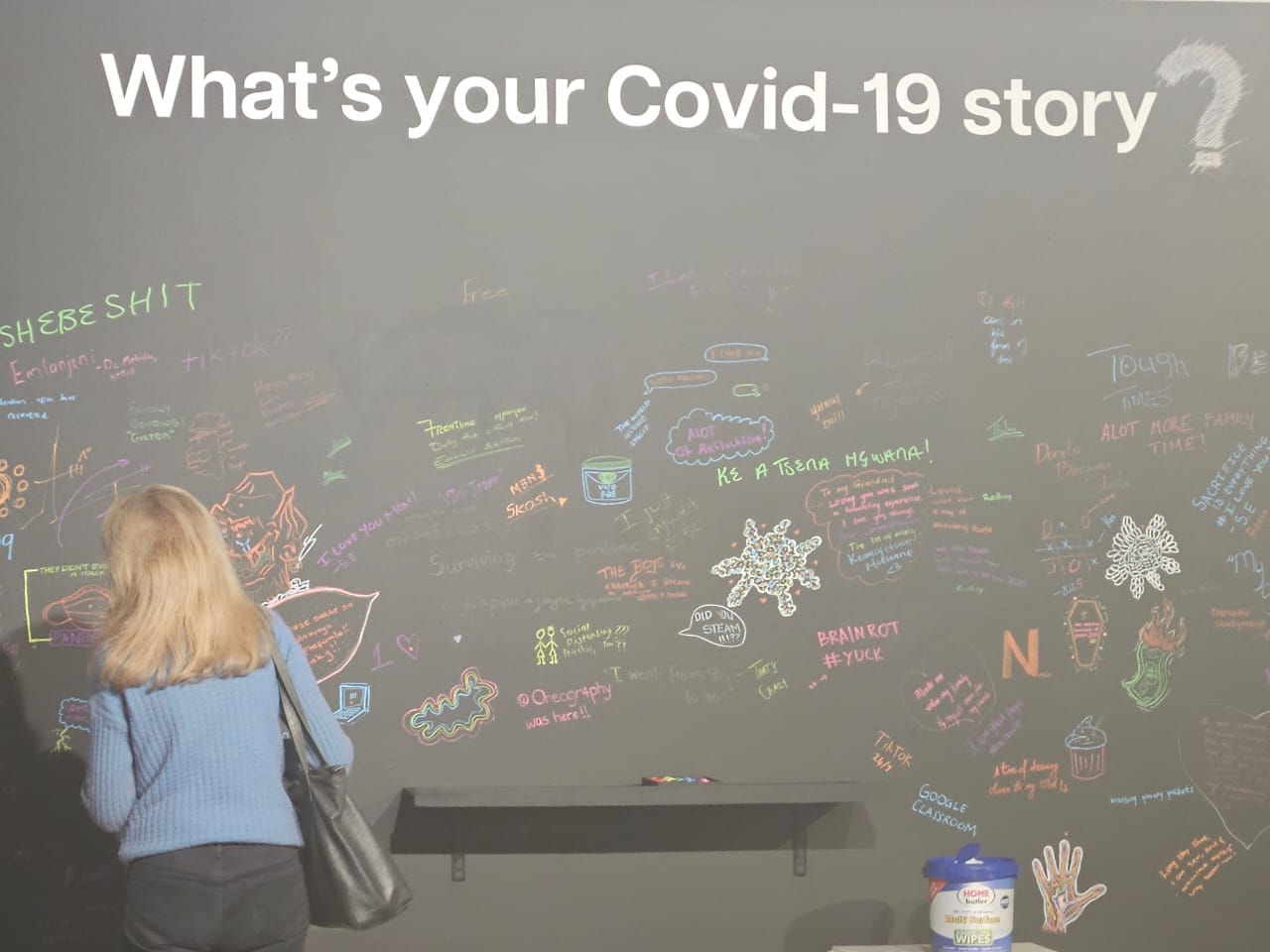
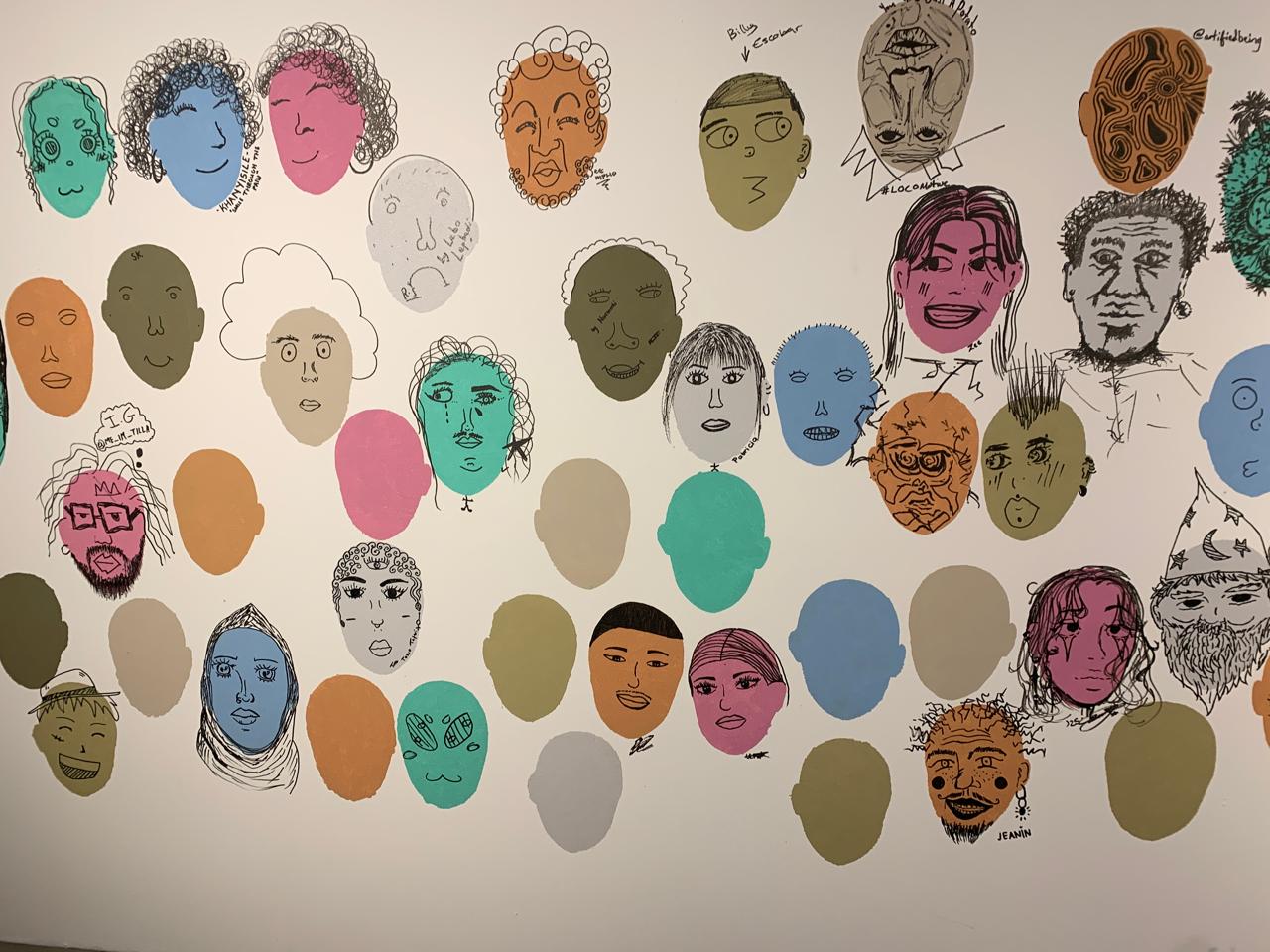
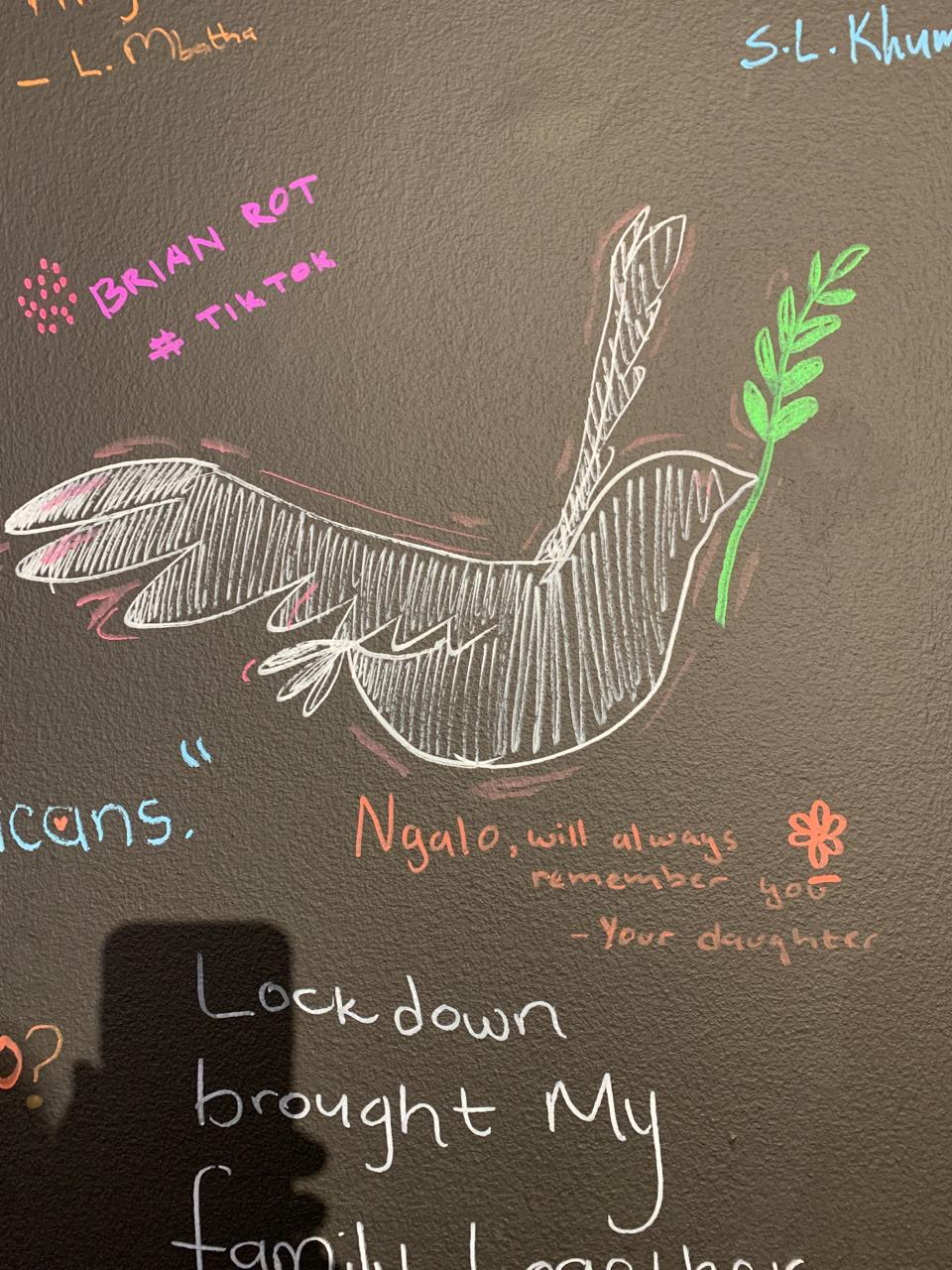
This exhibition on the five year anniversary offers an opportunity to reflect on that time by considering an interactive exhibition of embroidered textiles dealing with Covid-19 and its impact on a community. Without the Mapula project, it would have been an even worse catastrophe for this community and other groups also part of the Mapula family.
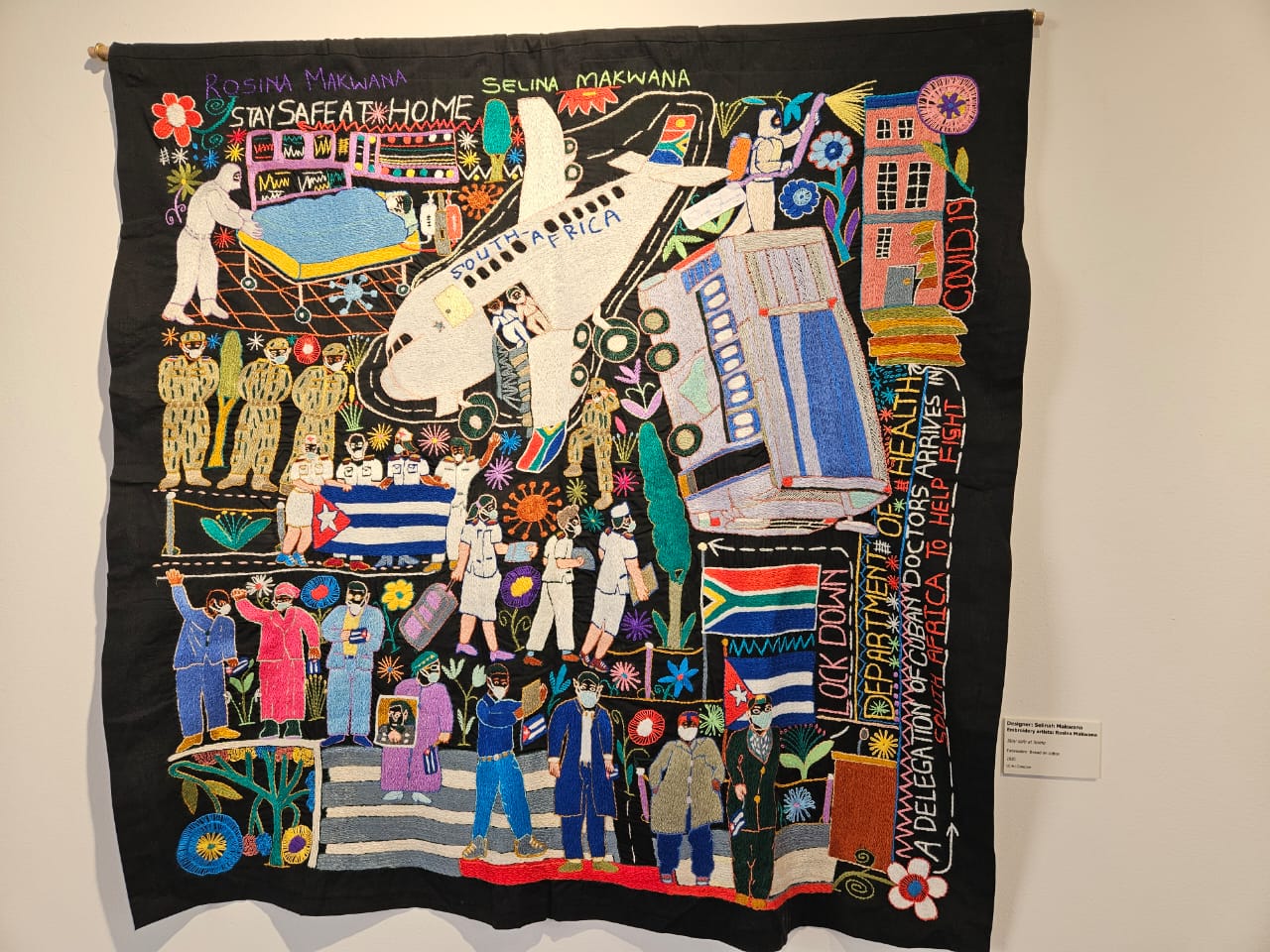
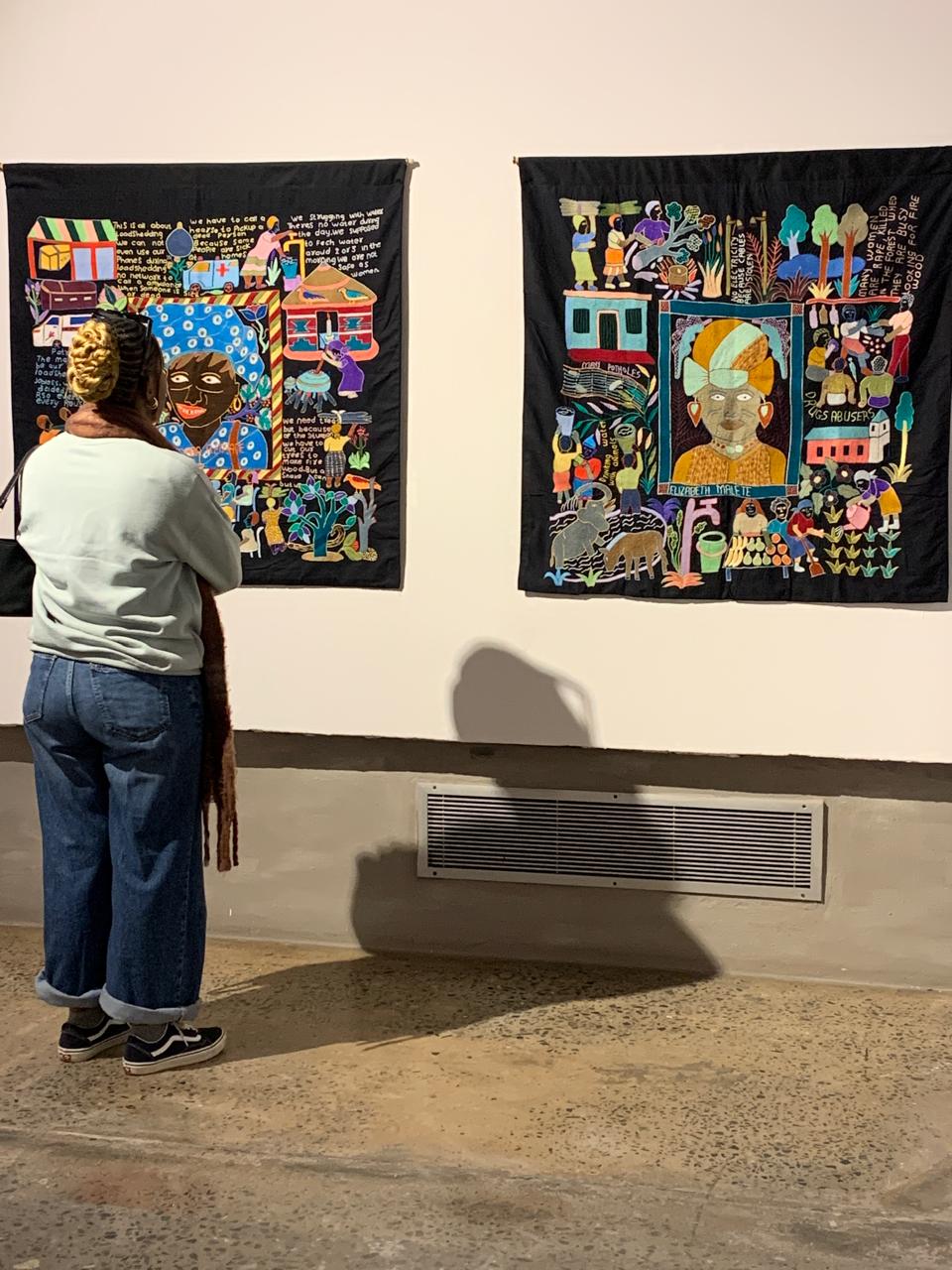
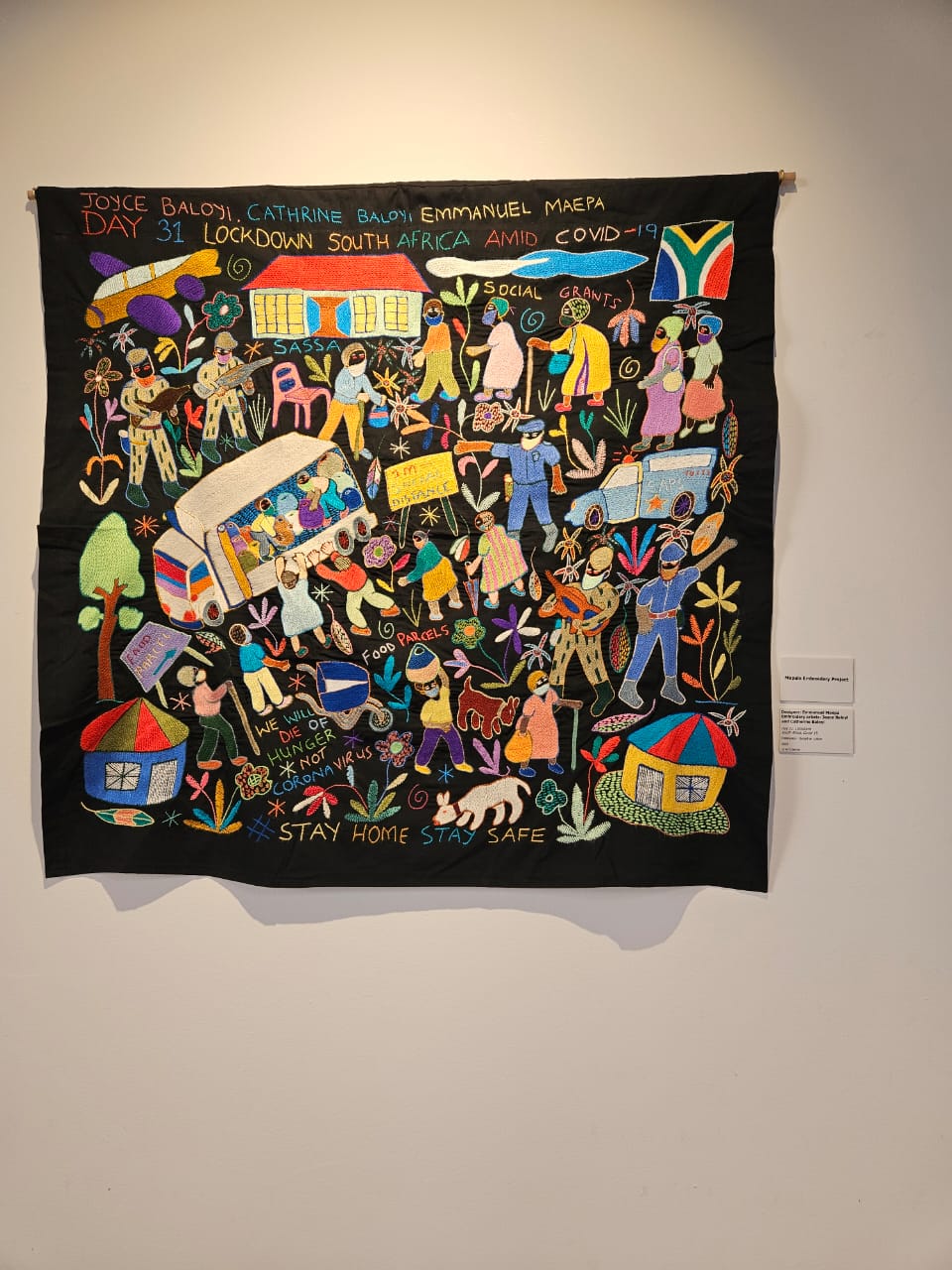
When engaging with the exhibition it is clear that the women use these hangings to depict their own lives. One of the first things you notice in the Covid panels for example, are the people featured all wearing masks, a vivid reminder of a time we had to isolate from others.
The hangings also serve as an historical document of a specific time. Whether it is the floods in Mozambique, the pandemic or even the tsunami in different parts of the world, these events are first captured by different artists in the group and then the individual women get sewing to create these artworks, hence the title Through the eye of the needle.
Other themes that pop up are food parcels during the pandemic, which were made up out of samp, rice and sugar, the absolute basics. Many of the cloths are also inspirational, not depicting what their lives are, but what they would like them to be.
What would we be as human beings without dreaming? “There’s always a focus on positive things,” noted Brenda
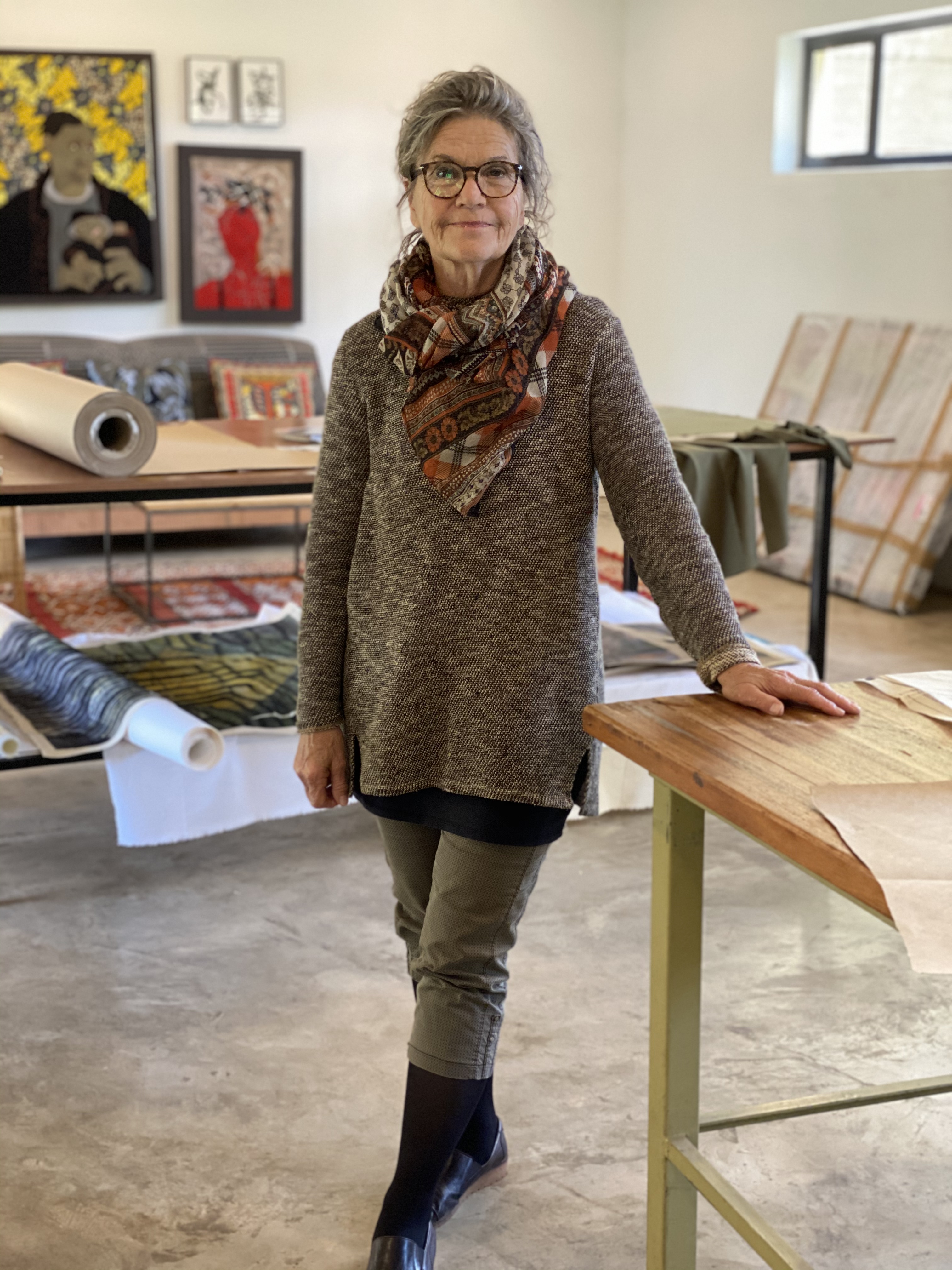
Janetje, who is involved with the embroiderers on almost a daily basis, explaining the logistics of keeping this group going. Because distances are sometimes huge due to the past, it takes planning and organizing to purchase the raw materials, get them delivered and establish pathways amongst the women to make it all work and come together.
In today’s hectic lives with family demands another obstacle, many women would have thrown their hands up in the air.
But these three are amazing examples of how women often work tirelessly to improve the lives of people who, but for the grace, might have been any of us.
Go and remind yourself in the coming months. Entrance is free and no booking is required.
It’s an enriching experience which the whole family can witness and enjoy. And along the way, a few lessons are imparted with quite a few fun interactive features, which will get everyone participating.
Museum hours: Tuesday – Saturday 10am to 4pm with the exhibition on until 13 September 2025.Physical address
University Corner, Corner Bertha (extension of Jan Smuts Avenue) and Jorissen Streets, Braamfontein, Johannesburg.
011 717 1365 (Week-days) and 011 717 3158 (Weekends)
E-mail: info.wam@wits.ac.za
 De Beer Necessities