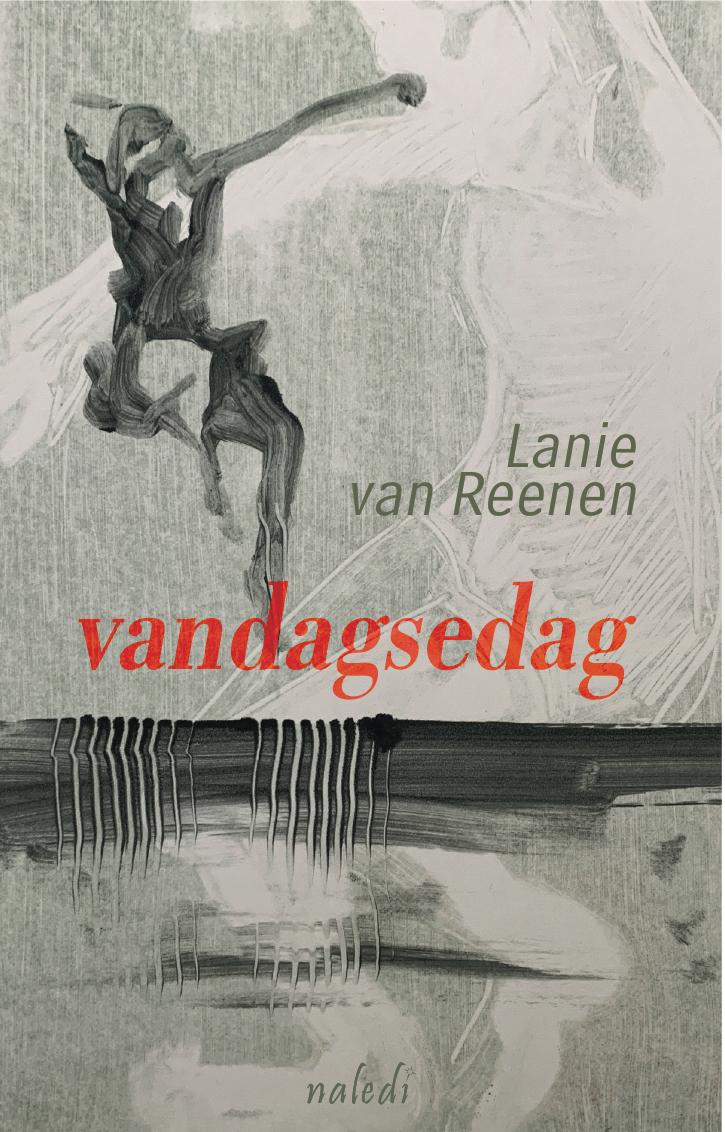
When I was first handed Lanie van Reenen’s latest novel with the unusual title Vandagsedag (translated as Today’s Day), something sounded familiar but I wasn’t sure.
I was asked to have a chat with her with an audience in attendance, so I was keen to explore her third book. She’s adamant that she doesn’t do fiction; she tried, and (she believes) failed miserably.
But her unusual life, not strictly planned, was what first started her writing. She kept notes on her life to make sense of what was happening, which started with the disintegration of her marriage – unexpectedly.
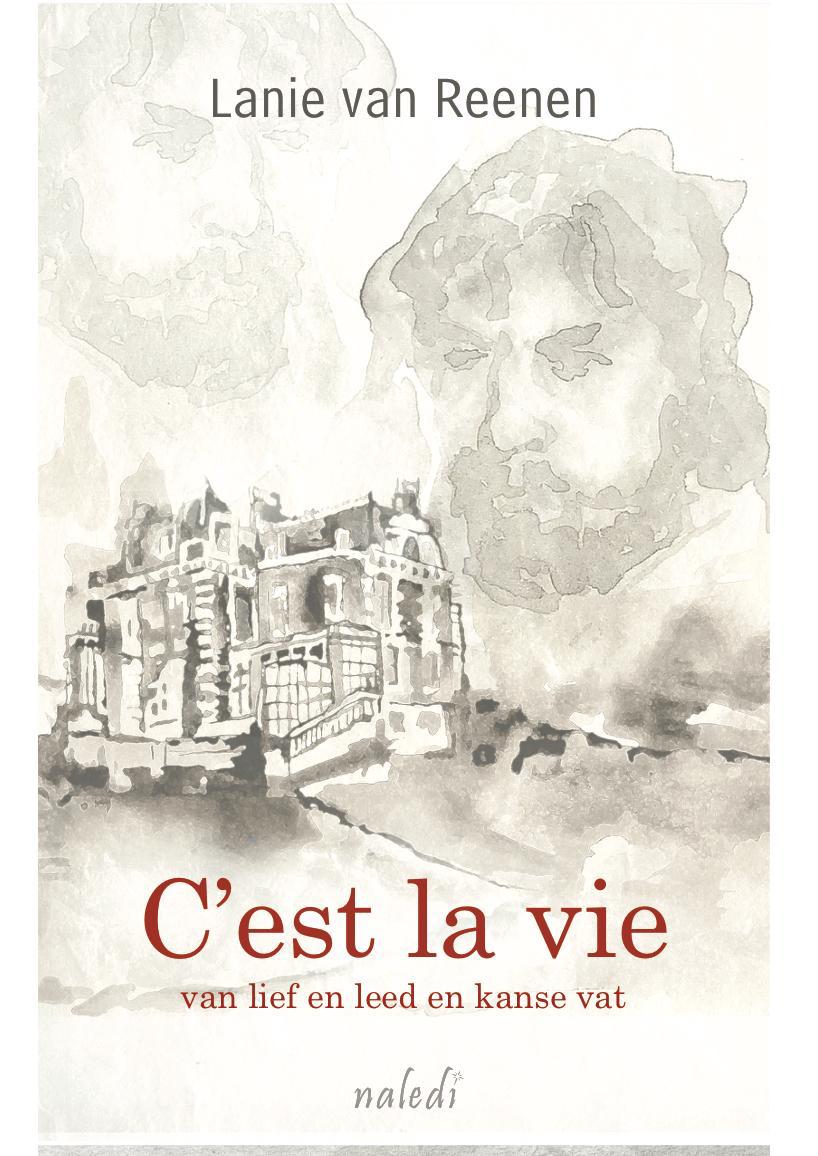
To help her get through this painful experience, she wrote her first book, C’est La Vie, which told the story of her French sojourn, dominated by a castle turned into a guest house, which turned into a disastrous enterprise because of the worldwide financial crash, amongst other things.
This was when she discovered the strength of putting her thoughts on paper, which then turned into a book. “I don’t write what I write with the intention of publishing,” she notes. She insists she isn’t a writer. When she simply writes to deal with her tumultuous feelings, she finds it healing. If she should sit down and do it intentionally for a book, her writing feels self-conscious.
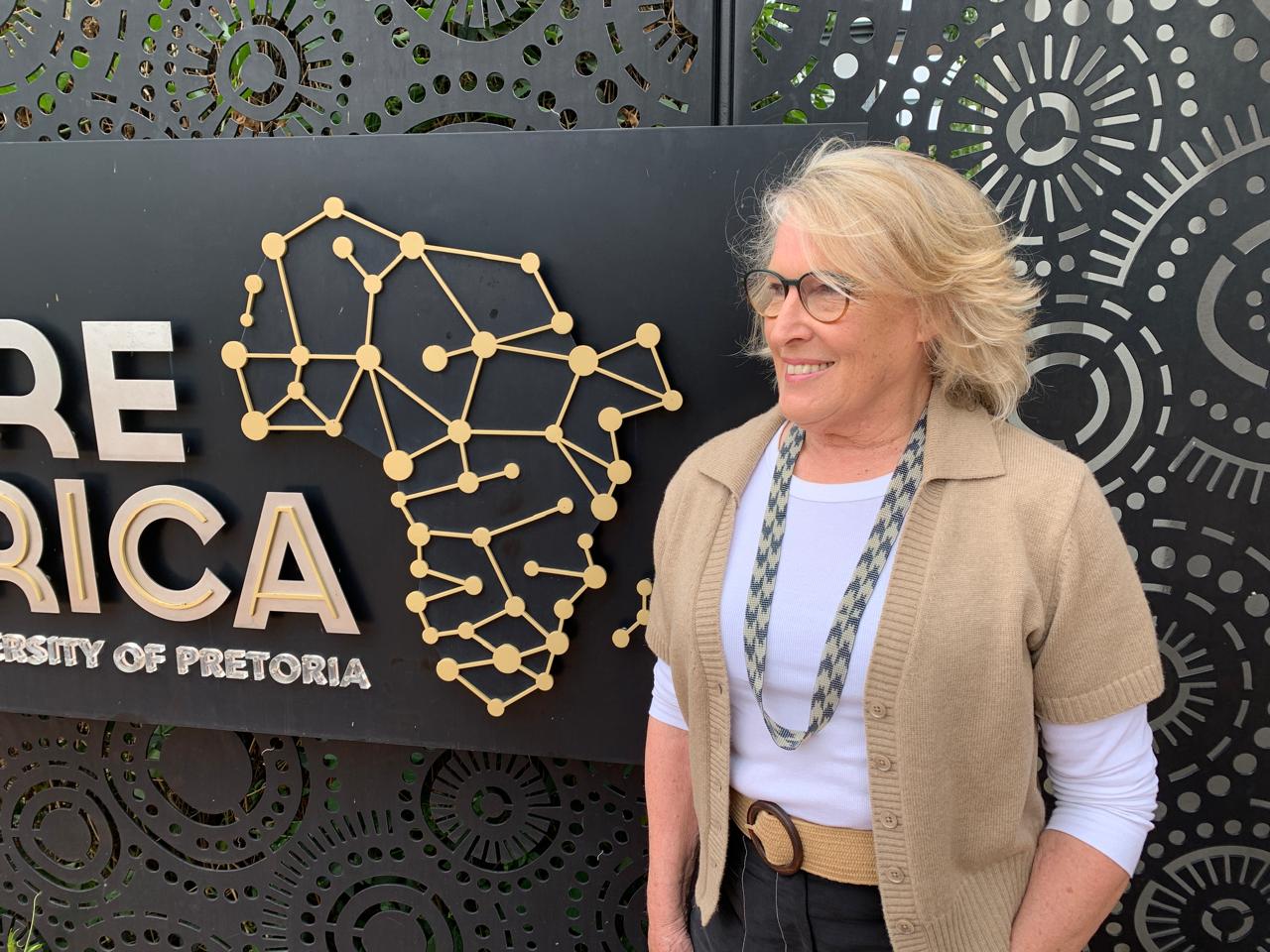
Lanie van Reenen, the reluctant yet invigorating writer.
Whatever she is doing, it obviously works. I absolutely loved the writing and the way she engages readers with her life. It is the way she achieves writing about herself yet embracing the world. That and her determination to move forward and on when disaster strikes. She writes well and because of her adventurous drive, she is constantly finding herself in some kind of pickle or another, which she then battles to solve in a way that works for her and harms no others.
In this latest offering, she pinpoints a few themes. Probably the most dominant, is the focus on her mother’s last years. Who of us have not had to deal with that, or will in the future – especially women?
“My mom was blessed because she had five daughters all living quite close to her at the time.” In her case, she was living in Stanford, her mom in Hermanus, so she could pop in quite frequently.
But the daughters were also lucky to have a mother who took advantage of life and the fact that she was still living. On her 90th birthday she jumped from a plane. I’m not sure many of us would do that at any age.
It also explains much of Lanie’s spirit. How could one not embrace life with a mother like that! “She was really special,” says Lanie. But at this stage, her mom knew this was her last season.
And that is how this latest book made its first appearance – or at least the title. “She asked one day when she thought she was ready to let go, ‘How difficult can it be? What else do you have but today’s day? (vandagsedag)’”
Chatting about her writing process, especially one that doesn’t lead specifically to writing a book, Lanie does make An effort to document her life. Whenever something special happens (a wale turns up right next to her while she’s having one of her regular swims in the open sea), she writes it down as soon as she can.
In her younger days she was given a special notebook by a special friend, the late Merwede van der Merwe, a television producer in the early days of local television. This became part of Lanie’s life and one that she has always stuck to.
“I also regularly attend writing schools,” she says, “in the hope that I will actually learn to write. It’s about those of us who feel we cannot write.” Here the participants are given special writing exercises, like creating something about their earliest memories for example.
Busy with her third book, and yet another life crisis she had to deal with, she decided she would include these earliest memories throughout the book to give readers an inkling of who she was as a youngster and then grew up to be.
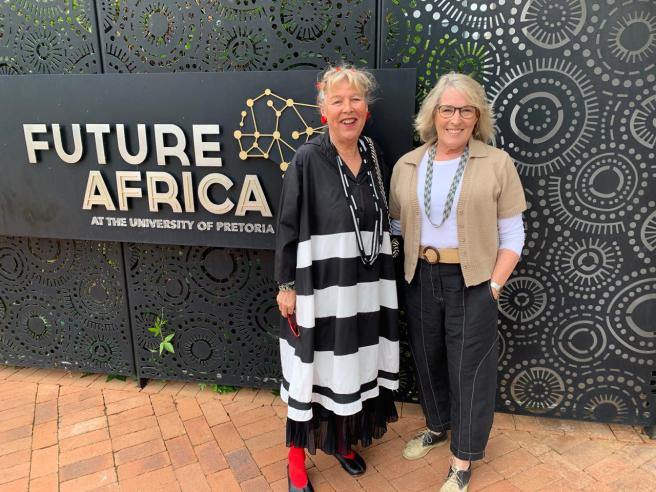
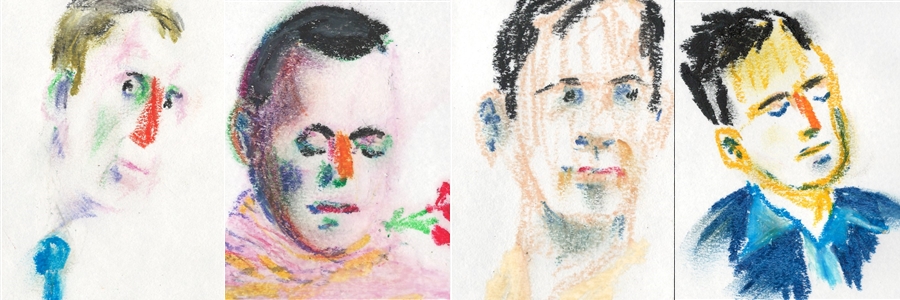
Lanie (right) and Diane pictured by Janetje van der Merwe.
And because these pieces were written to be read aloud the following day in front of a group of would-be writers, she threw herself into every piece. “Luckily, because of that they were usually well written,” she explains.
“I realized there aren’t that many stories about my adult life I have yet to tell.” And as this was to be her last book, she thought that she might as well go back to the beginning, which she did.
She is still amazed at how she managed to publish three books, which she attributes to her years and years of detailing her own life. “Even if I’m on the road, I will stop and write it down,” she says. And we all know how you think you will remember that last thought before you drift off at night …
The next morning it’s gone and you can’t believe that you let those brilliant words go. Each time Lanie decided she would attempt another book, she turned to her notes. “If you want to heed the discipline of writing a book, you have to make a daily appointment with yourself and you have to turn up,” she admonishes.
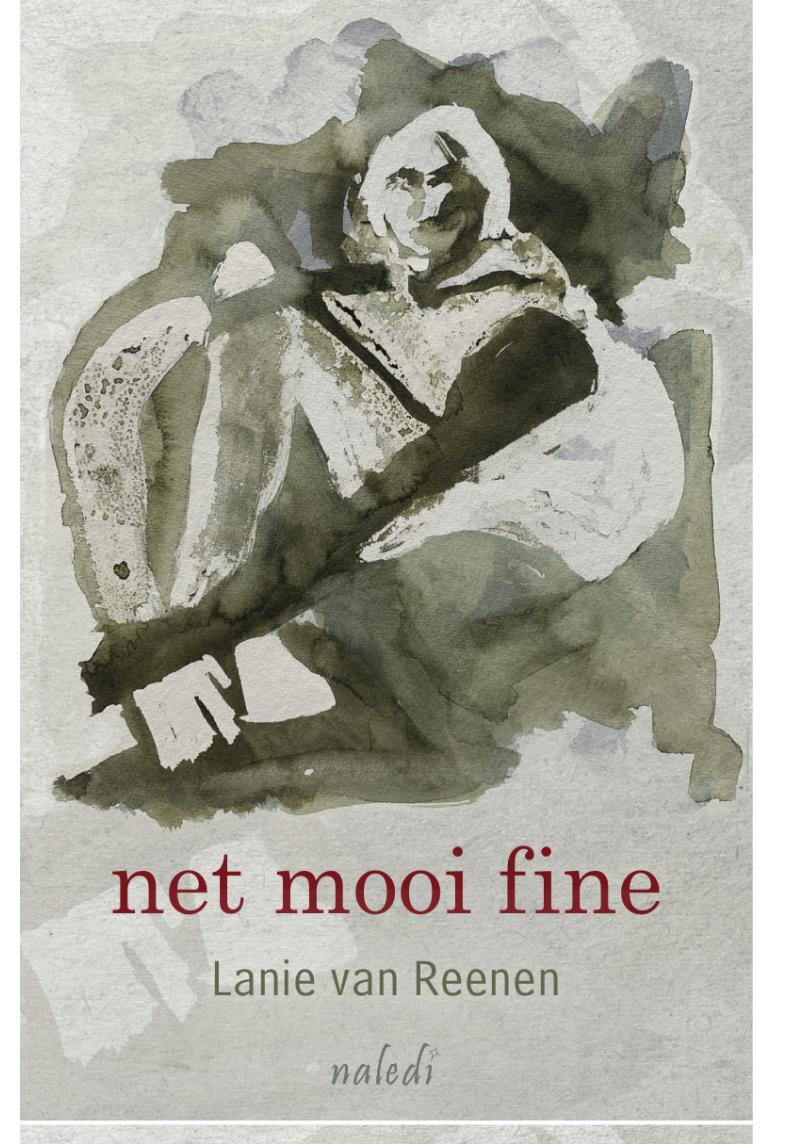
Following the reading of her first book many years ago and this last book for our conversation, I also read the middle book which completed the circle. I am convinced Lanie isn’t yet finished with her writing. It has become a part of her life, something she turns to when she wants to make sense of her life.
In the meantime, for those of you who haven’t yet discovered her particular oeuvre, explore and enjoy. Hers is an unusual life and one worth reading about.

 De Beer Necessities
Aaah Diane – dankie ! Dis nou ‘n stertswaai lekkerkry vir my ! Voel geeerd
Lanie XX