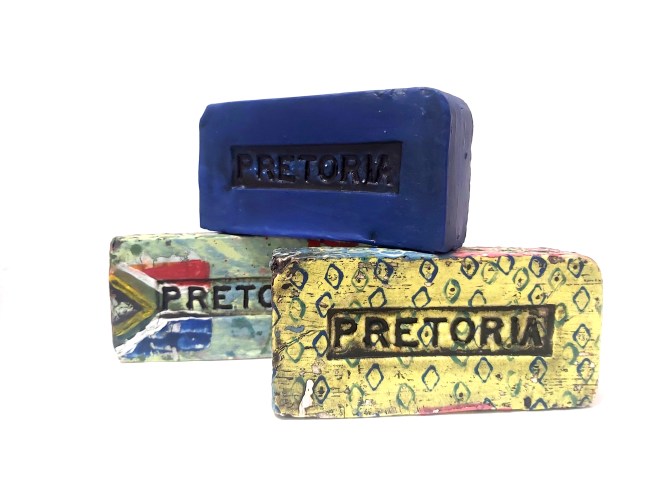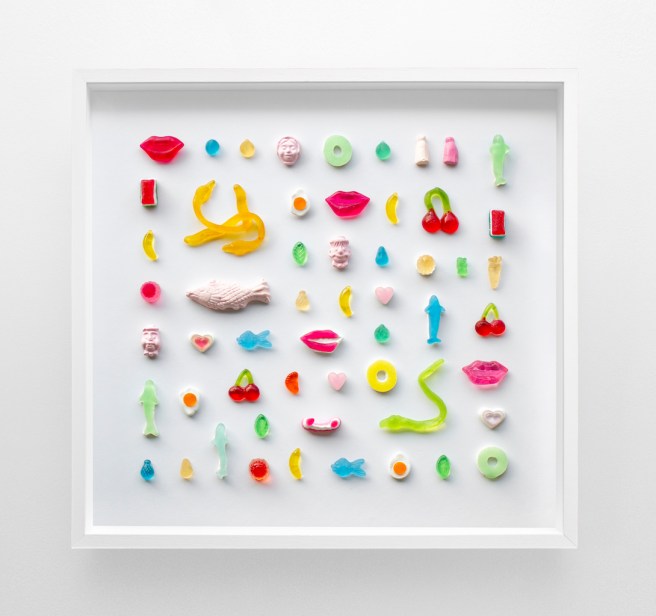
MILK TART HAS BEEN ADOPTED, ADAPTED AND SUBSUMED BY DIFFERENT CULTURES AND BACKGROUNDS INTO SOUTH AFRICAN HERITAGE

PICTURES: Theana Breugem (thefoodphotographer.co.za/).

DIANE DE BEER

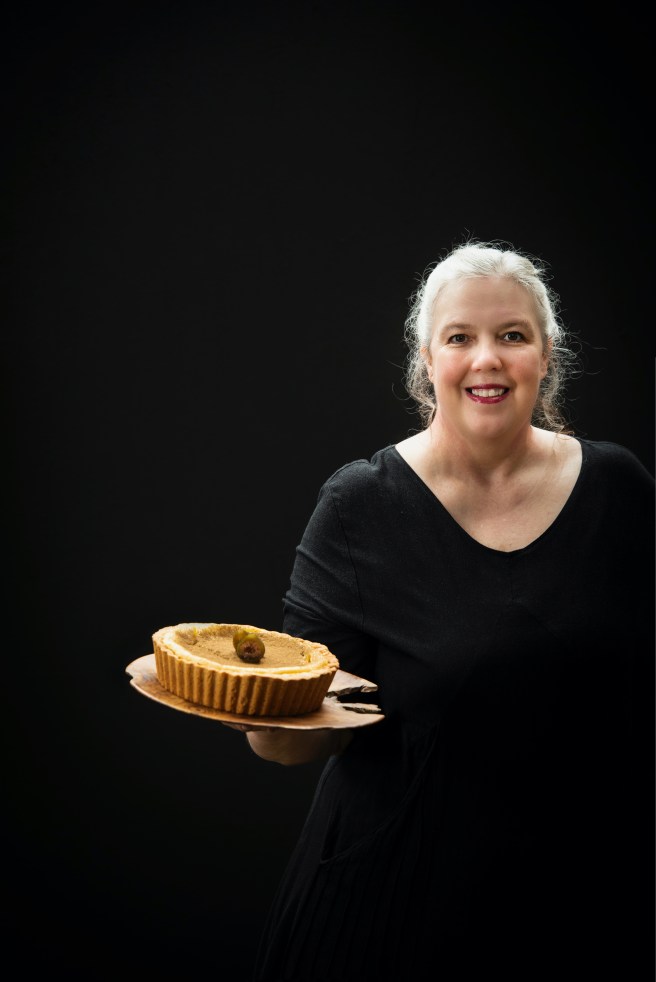
The milk tart queen Rachel Botes.

From the time I first heard that power chef Rachel Botes was going to do her masters in the origins and originality of the South African milk tart, I knew that she would be stretching the limits of this local sweet thing to places where none of us could imagine.

Now with her masterโ€™s degree (Cum  Laude) in hand, she has done exactly that. I also knew that her approach and research would be complicated and worth getting your teeth into. Her aim was to also use the milk tart as an artefact of food culture to enable a better understanding of food as a vehicle for identity, food as memory as well as a form of communication.

Just allow your mind to linger a little on that and the of scope of what she was hoping to achieve boggles the mind.

Botes stated her intent right from the start as she approached her research from a historical point of view, with the Department of Historical and Heritage Studies (Faculty of Humanities, University of Pretoria) her place of departure.

She notes that the milk tart is often perceived as something thatโ€™s derived from Afrikanersโ€™ tradition and culture. This, however, isnโ€™t entirely  founded. โ€œ…milk tart has been adopted, adapted and subsumed by women of different cultures and backgrounds into South African heritage,โ€ which is good news for our South African cuisine  heritage … and something most of us have suspected anyway. With our history and diversity, nothing simply happens simply.

She further notes (and thatโ€™s more good news) that it has been given the nod widely and indigenized to such an extent that it is now considered a national treasure regardless of background. We even have  a National Milk Tart Day, for heavenโ€™s sake!

At the heart of investigating the much loved milk tart lie questions of identity, belonging and heritage โ€“ all arising at the intersection of food culture and history.

She quickly discovered that recipe books would be her best source of information โ€“ that and food writing. These were generally done by women and thus became the diaries, the memory bank and a gendered food archive that reflects as  a particular identity marker within the South African context.

Melktert at its best

As we know, women are not well considered or documented in the past (look at writers like Hilary Mantel,            who are taking new points of view just to introduce everyone into their writing) but what has emerged has exciting consequences. โ€œWhole classes of documents which were previously held in low esteem, including household inventories as an index of kinship, obligations and tiesโ€ come into play, for example, argues historian Raphael Samuel.

She also deals with the problematic racial classifications of our past, the national identity of food, with examples of every nation borrowing freely  โ€“  as renowned South African author Louis Leipoldt states, โ€œoften with unblushing audacityโ€ โ€“  which leads to  the term โ€œindigenizationโ€, meaning something becomes distinctive to a particular people or place.

Many argued that womenโ€™s handwritten books and published guides or recipe books, as well as those of servants, will not be found in history books. Their history, especially in the domestic domain, was not regarded as important enough to be formally. But that is what turns this into something so much more than simply the origins of the milk tart.

Penelope Hetherington, for example, explains that womenโ€™s history was ignored in the documentation of national history at least until 1960! Thatโ€™s yesterday!

Keeping all this in mind, even though enslaved people shaped South African cuisine in many unexpected ways, it was never formally recorded and thus has to be found in the pages of the recipe books of the time.

As Botes reviews the research she has done on the milk tart, she encapsulates some of what food means (with a smile) in the following quotation in Hastings Beckโ€™s book Meet the Cape Food: โ€œDuring the war a general who is, in the grand phrase of Izaak Walton, now with God, visited a school in the Cape, somewhat suspect of subversive activities. On his return he declared, โ€˜There is absolutely nothing wrong with that school. Why! They entertained me with milk tart!โ€™

This, explained the author, was the significance of milk tart, which he describes as more than a pastry. โ€˜It is a gesture, like the breaking of bread or the offering of salt in other times and places. When judges go to circuit or Important Persons open bazaars, they must be served milk tart. To fail to do so would be a social solecism if not an actual affront.โ€™

Rachel Botes, a woman who knows her food, knows best how to make it and knows how to write about it.

Another quotation that appeals was that of Charlene, Princess of Monaco, who announces in You Magazine, โ€œI want to take milk tart and mealiepap to the rest of the world.โ€

Botes also reports that milk tart was often served during the Mbeki presidency, but she reminds us that he certainly was not the only South African head of state to do so. The Rand Daily Mail of 6 January 1975 announced that โ€œmelktert and eclairs for tea…โ€ were served at formal talks between Prime Minister John Vorster and Britainโ€™s Foreign Secretary James Callaghan.

Milk tart was also a conciliatory symbol when former President Nelson Mandela went to the Afrikaner enclave of Orania in August 1995 to visit Mrs Betsie Verwoerd.

She notes that as indicated by philosopher Martin Versveld, it is evident that the cuisines of the world came together at the tip of Africa. In most cases, she suggests, it was not a willing or voluntary convergence and therefor the process to reach the fusion of these cuisines must have been troublesome.

It is apparent to her from many of the recipes discussed in her dissertation that custard tarts were introduced and adopted in the early colonial era by the people doing the cooking, either on their own or under instruction. It is also clear from the recipes she investigated (and these are all included) that a basic milk tart recipe evolved over time, but that each baker had her own secret milk tart success, be it in method, the pastry, the preparation of the filling or its flavouring.

She highlights that the role and influence of all the women from diverse cultures is undeniable in this process and most often not acknowledged. Most importantly, she adds, considering the milk tart as an artefact, it becomes clear that the archive was not only silent about women in history, but also about their day-to-day activities โ€“ whether it was baking a milk tart or recording a recipe for the family collection.

The original Rachel Botes.

Itโ€™s a tough one to capture everything of interest in a column like this, but being a fly on the wall during these studies, I always knew that Rachel Botes could publish the definitive milk tart book once her studies were completed.

Hereโ€™s holding thumbs that it will see the light of day!

And some examples from the earliest, then earliest local and then a local favourite:

โ€œTyropatinamโ€ (Milk and egg sweet)

Origin:    Roman, 1st-3rd century CE

Estimate the amount of milk necessary for this dish and sweeten it with honey to taste; to a pint of fluid take 5 eggs; for half a pint. Dissolve 3 eggs in milk and beat well to incorporate thoroughly, strain through a colander into an earthen dish and cook on a slow fire [in hot water bath oven]. When congealed sprinkle with pepper and serve.

Apicius, 2009, De Re Coquinaria, translated and edited by J.D. Vehling and published digitally as Project Guttenbergโ€™s Cooking and Dining in Imperial Rome, E-book 29728, Recipe 301, no page no. http://www.gutenberg.org/files/29728/, access: March 2020.

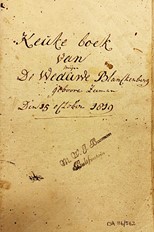
The earliest local milk tart recipe found for this study was in a handwritten manuscript identified as Keuke boek van mijn De Weduwe Blanckenberg gebore Zeeman Den 15 October 1819 (Kitchen book of mine, the widow Blanckenberg born Zeeman The 15[th] October 1819)

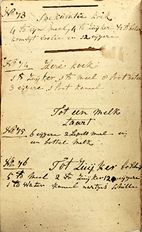
Recipe 49 is for a Room taart (Cream tart)[2] that is made with eggs and sweet cream or good milk. A little flour is added to stiffen the mixture. It is left to cool before the mixture is poured into a tart base and baked until cooked. It is finally sprinkled with sugar. This recipe is similar to that of a milk tart, except for the fact that no butter is added to the filling and it is not flavoured in any other way. Recipe 75, for Melk taart (Milk tart), is briefer and makes no reference to the method, crust or flavourings. It simply reads โ€œ6 eyeren, 2 lepels meel en een bottelmelkโ€ (6 eggs, 2 spoons of flour and a bottle milk).

And then perhaps to bake …and one of the Botes favourites

The Zola Milk Tart

Crust:

Origin:    South Africa, 2017

60 g butter, at room temperature

ยผ cup (50g) castor sugar

1 egg

1 cup (140g) cake flour

1 tsp (5ml) baking powder

A pinch of salt

  1. Pre-heat the oven to 180ยฐ Celsius. Grease a 23 cm tart tin.
  2. Cream the butter and castor sugar together.
  3. Add the egg and stir to combine.
  4. Add the flour, baking powder and salt and mix into a stiff dough.
  5. Press the dough onto the base and sides of the tart tin.
  6. Prick the base of the pastry all over with a fork.
  7. Blind bake for 30 minutes or until golden and crispy.

Filling:

2 ยผ cups (565ml) milk

1 cinnamon stick

1 egg

ยฝ cup (100g) sugar

1 tbsp plus 1 tsp (20ml) cake flour

1 tbsp plus 1 tsp (20ml) corn flour

1 tsp (5ml) vanilla essence

20 g butter

1 tsp (5ml) ground cinnamon

  1. In a saucepan set over moderate heat, add the milk and cinnamon stick and bring to a boil. Remove the cinnamon stick.
  2. Whisk together the egg, sugar, flour, corn flour, and vanilla essence
  3. While whisking continuously, slowly add the hot milk to the flour mixture.
  4. Return the mixture to the saucepan and set over moderate heat. Whisk until the mixture has thickened.
  5. Add the butter and stir through.
  6. Pour the filling into the prepared pastry crust.
  7. Sprinkle with the cinnamon.
  8. Allow to cool completely before refrigerating.

M. Loewenstein, โ€˜The Zola Milk Tartโ€™, Woman and Home Magazine, 24 February 2017, pp. 3-4. https://www.womanandhomemagazine.co.za/recipes/zola-milk-tart, access: October 2020.


FLAIR AND PLAYFULNESS CREATE CUISINE PERFECTION TO CELEBRATE JAPANESE CULTURE

PICTURES: HENNIE FISHER

When the Japanese Ambassador invites you to lunch and thereโ€™s no specific directive, you pay attention. DIANE DE BEER gives you some table talk:

Perfectly placed Japanese sweetness.

As my dealing with the Japanese have been mainly about their beautiful country, where I lost a piece of my heart, and their magnificent cuisine, which I still know very little about but am learning step by step, I was excited.

Instinct told me I should take along my chef friend Hennie Fisher, who shares my obsession with all things food and Japanese โ€“ and he takes fantastic pictures.

I was right, and delighted when Ambassador Norio Maruyama received us and we discovered we were the only guests on the day. That meant personal attention and  ฬถ  we suspected  ฬถ  a spectacular meal.

We had no idea. I hadnโ€™t met the ambassador before so I didnโ€™t know that he had a specific interest in food, and is also a marvellous storyteller. He told us that he had only arrived a year before Covid and when the pandemic hit these shores, he had to come up with innovative plans.

Dining companions Hennie Fisher, Ambassador Norio Maruyama and Diane de Beer.

He is in the fortunate position of having a fantastic chef, and his wife as his assistant, in his employ. When he was leaving for South Africa, a friend of his suggested he check out a young chef who was in the process of opening his own restaurant in Tokyo. Maruyama persuaded Jun Suzuki and his wife Mutsumi to accompany him to South Africa, and after a few hours in the ambassadorโ€™s company, I know his powers of persuasion are impressive.

What he decided was instead of trying to host large functions in these hectic times, he would invite small parties to dine at his home in Waterkloof. He happens to have magnificent views and of course, the secret ingredient, a chef and his partner who are willing and able to play. How clever of him to allow these young ones to experiment with their countryโ€™s cuisine with such spectacular results.

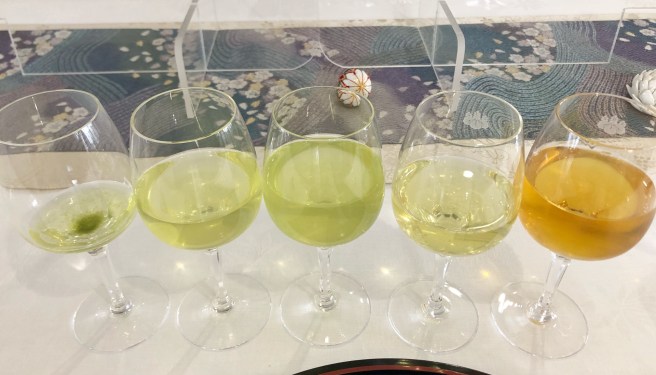
Cold brewed green tea.

Maruyama explains that because of their relatively new emperor (since 2019), the current theme of the country is beautiful harmony. And as ambassadors do, he has decided with these meals to incorporate it in a way that honours both Japan and South Africa โ€“ hence the harmony between the different cuisines.

What that means is that while there is a strong Japanese influence and theme running through the menu, it is combined with food flavours and dishes weโ€™re familiar with. This was a tasting menu with the added flourish of a green tea pairing. A silky smooth Sake, and a couple of South African wines, also with a particular story, were included.

Even my wine connoisseur had not hear of the Stark-Condรฉ winery and the first wine offered, Round Mountain (a sauvignon blanc) is actually the translation of Ambassador Maruyamaโ€™s surname. โ€œThe ownerโ€™s grandmother was Japanese and the wine was named in honour of her surname!โ€. This was followed by their rich cabarnet sauvignon, which was as impressive, but the focus of the day was the green teas, which were all cold brewed, a method which originated in Japan.

Just like the superior sake we were served as an aperitif, we have all had our own versions of green tea, but nothing to compare with what the Japanese themselves serve you. Each one is carefully selected to go with each particular tasting. It added to the overall taste as well as intrigue of the masterful menu.

I canโ€™t think of many things I enjoy more than being served the food of a particular country by someone who is a specialist and then to have an expert explain everything youโ€™re savouring from beginning to end. Thatโ€™s soul food for me and the best way to get to know a particular countryโ€™s cuisine!

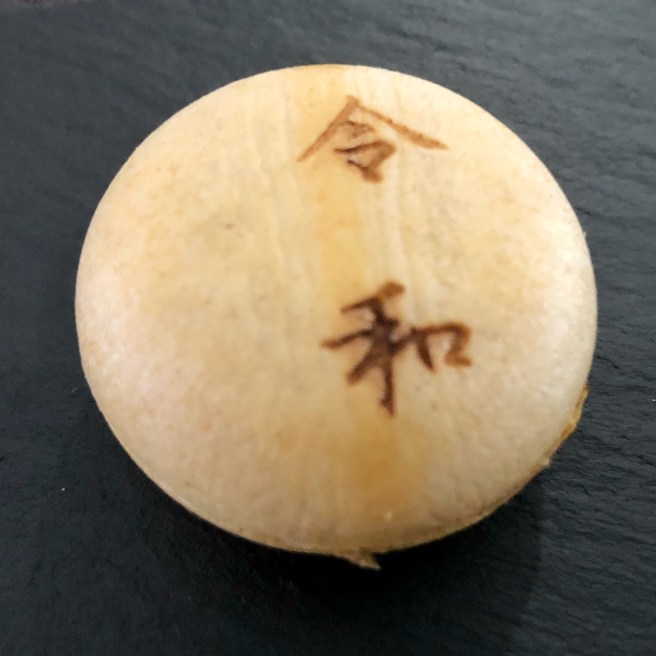
They started us off with something they named One Bite Happiness of which there were two sample tastes. The first was the Reiwa Monaka, a rice wafer that appears cheekily more like a French macaron filled with duck rillettes and topped with a Japanese spice called kuroschichimi. Paired with a one-bite Kobucha, a green tea beverage using dried seaweed and coagulated with a seaweed-based ingredient. In different fashion, both captured the essence of Japan in the fine detail and the delicate taste.

This was followed by something more familiar, or so we thought, but the Salmon mi-cuit, Yuzu (Japanese citrus best described as tart and fragrant) flavoured, is an extremely slow- and low-cooked salmon. It was melt-in-the-mouth.

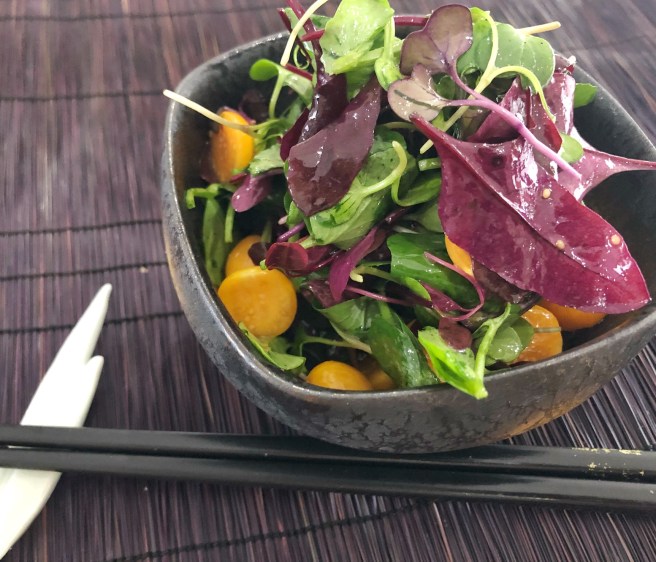
This was followed by a green salad with Hoozuki  ฬถ  Cape gooseberrie, which the ambassador explained, are regarded as a fruit in South Africa, and a vegetable back home in Japan. The compromise in the salad was perfect and pretty.

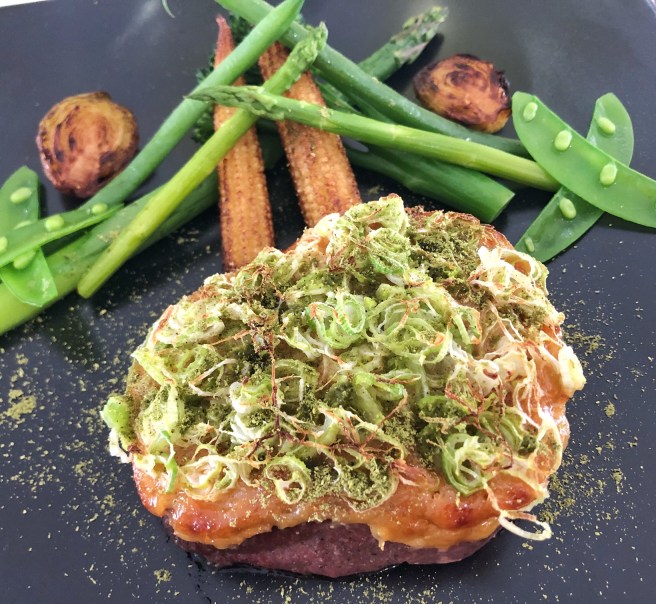
The meat of choice was a beef fillet with Kyoto miso (soy bean paste) with the meat thoroughly cooked first, then roasted topped with miso and roasted again together with leeks. Stone-milled sansho (a citrusy Japanese pepper) is sprinkled carefully as a final touch. It had a spectacularly robust Japanese flavour because of the flavouring.

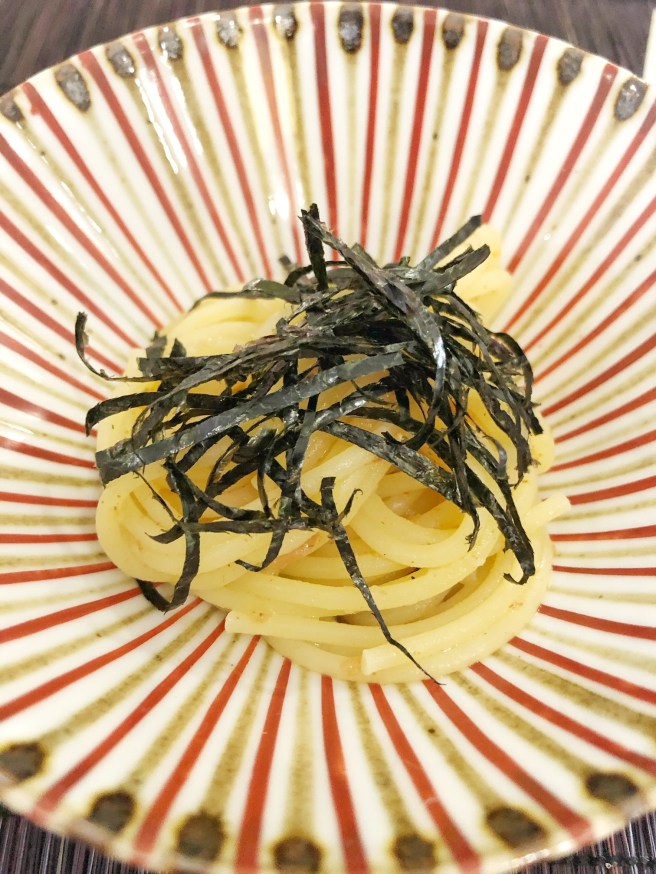
To complete the main tasting, there was a Japanese-style pasta combined with fermented tuna and seasoned with Ume (Japanese plum), dried fish flakes and finished off with nori, all sparingly and subtly done and served in a spectacular dish. Itโ€™s all about the flavours, which make this Italian staple their own.

A Yamogi chiffon cake with Anko.

The sweet piece de resistance is a Yamogi (Japanese herb) chiffon cake accompanied by Anko (sweet bean paste). Light and airy as they are traditionally, yet in colour and taste, quite unique. The sensational tasting concluded as it started with two small bites in perfect harmony with a walnut mochi (tapioca) and a matcha coated cashew nut, so perfectly served as if offered to a fairy queen.

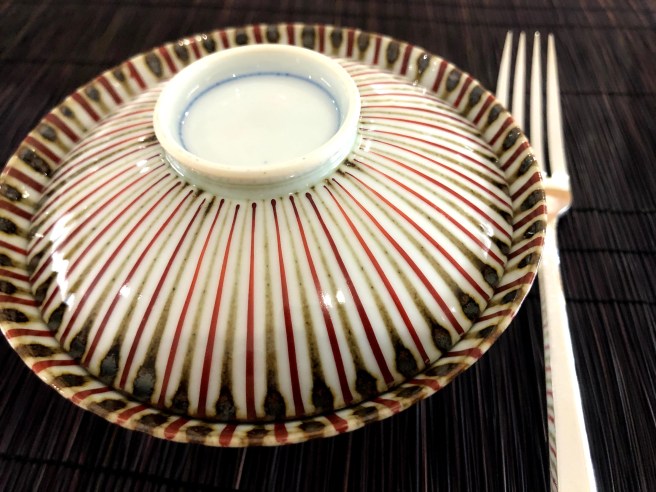
It was simply extraordinary and just the most exquisite meal to have in a mid-week breakaway lunch. And apart from the food, the plating and the presentation was  breathtaking.

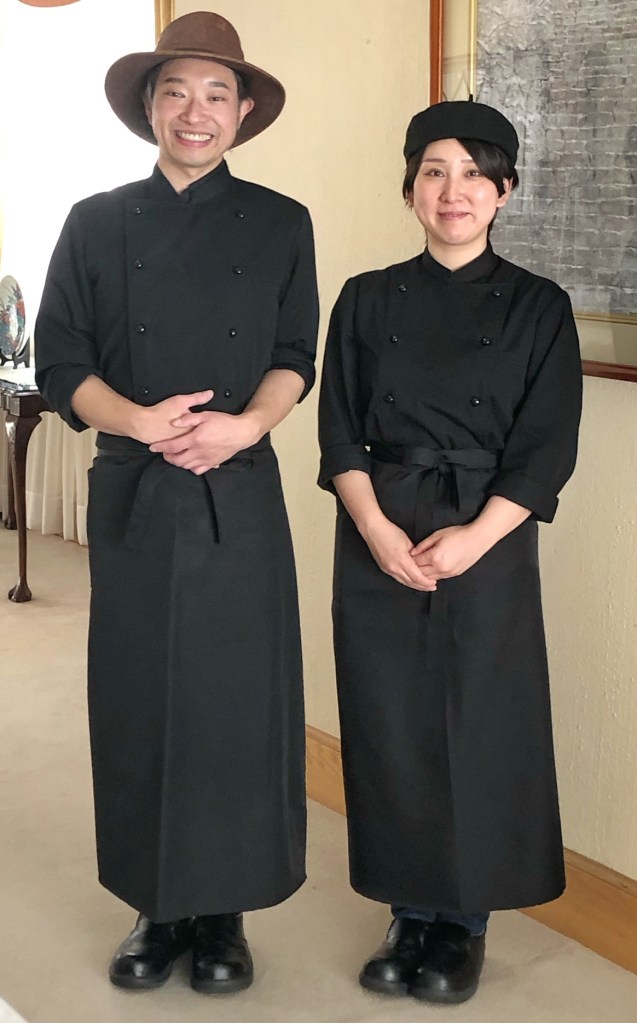
Meeting the kitchen artists, dressed in kitchen couture perfectly suited for what I imagine a Japanese kitchen would need, was wonderful. We didnโ€™t expect them to be quite so young, but in reflection, I thought the meal showcased exactly that.

The stylish couple Chef Jun Suzuki and his wife Mutsumi

The thing about young creatives in any artistic endeavour is that they show respect for what has come before and they honour it, but they also play around to reinvent in a manner that shows their personality and reflects the times โ€“ and thatโ€™s what keeps us interested.

ARTISTIC FIREWORKS AS THREE COMMUNITY EMBROIDERY GROUPS SHOWCASE THEIR WORK AT THE ASSOCIATION OF ARTS IN TSHWANE

Itโ€™s a triple treat with three important community embroidery groups coming together for a phenomenal exhibition at Tshwaneโ€™s Association of Arts with the bonus of some traditional work, which had an influence on all the others. DIANE DE BEER embroiders on the show that will be running until May 29 :

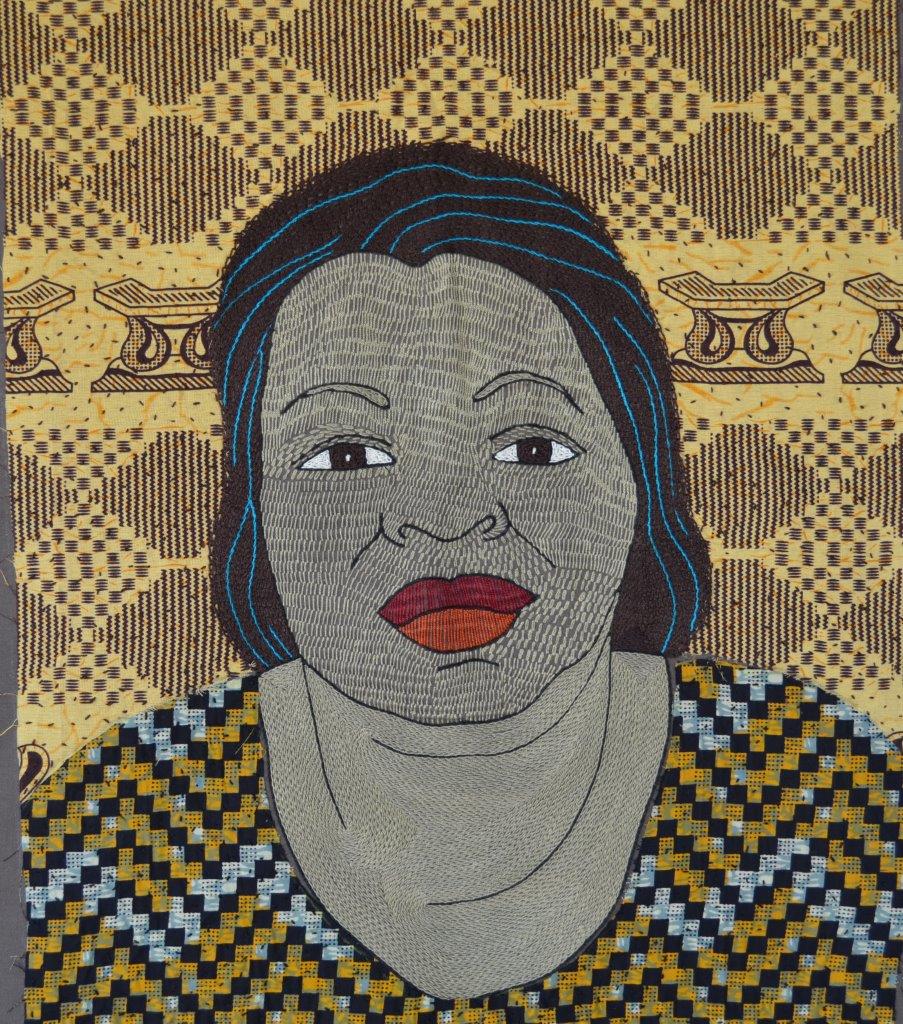
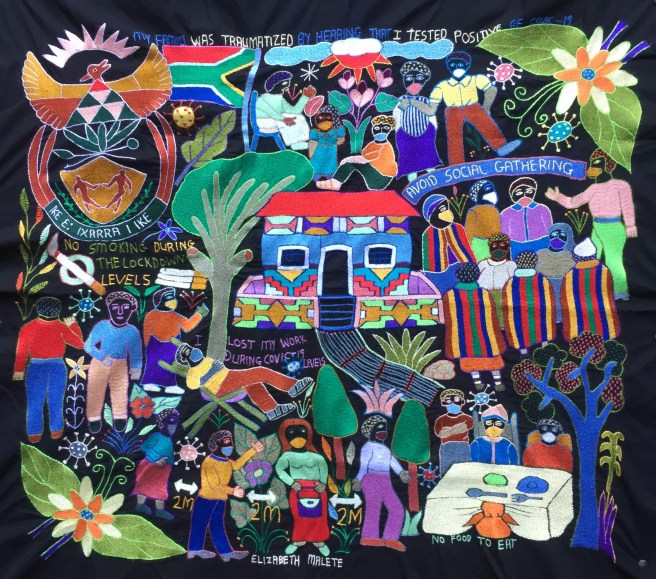
MAPULA EMBROIDERIES: A Covid-19 panel by Dorah Hlongwane, Maria Phalatsi & Rossina Makhubela.

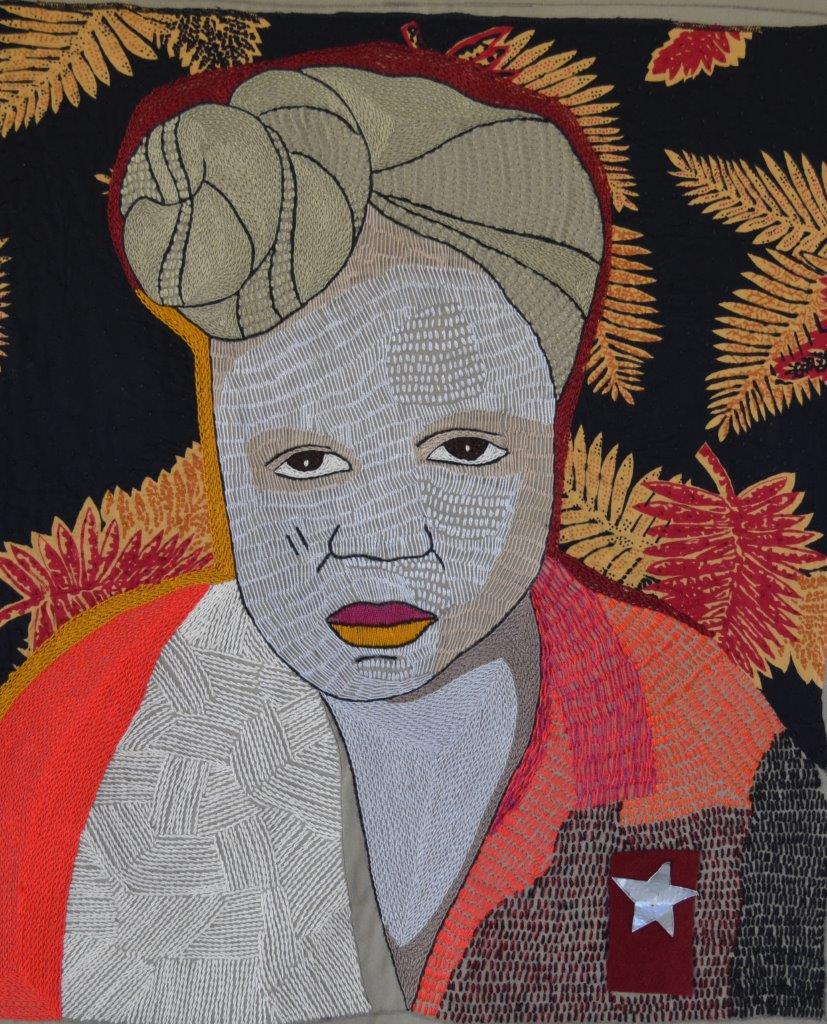
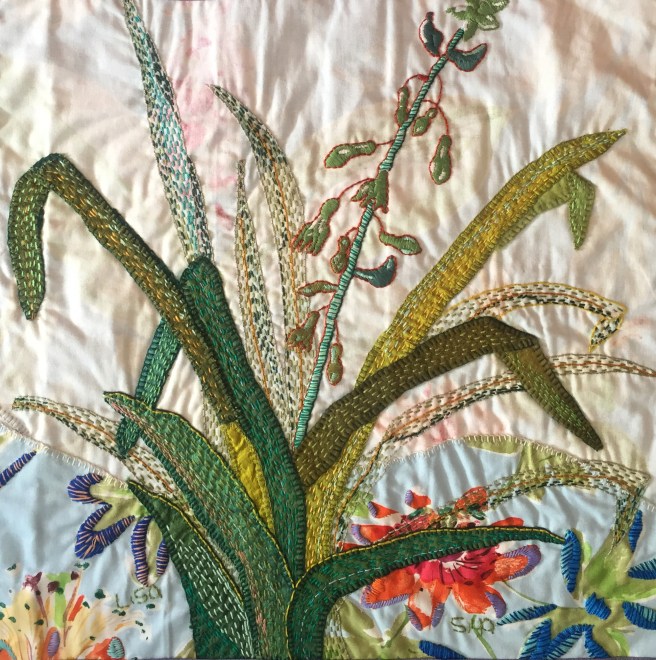
With Needle and Thread is the perfect name for this exciting and extraordinary exhibition where three community groups creating hand embroidered textiles from the Eastern Cape, Gauteng and Limpopo as well as some solo women making traditional cloths from Northern Limpopo, are all brought together to showcase their work.

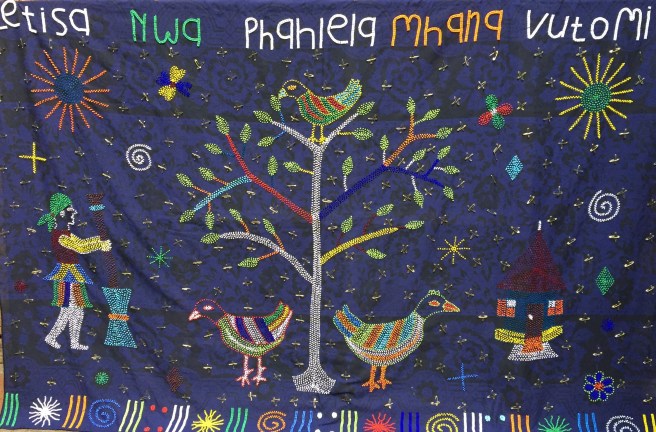
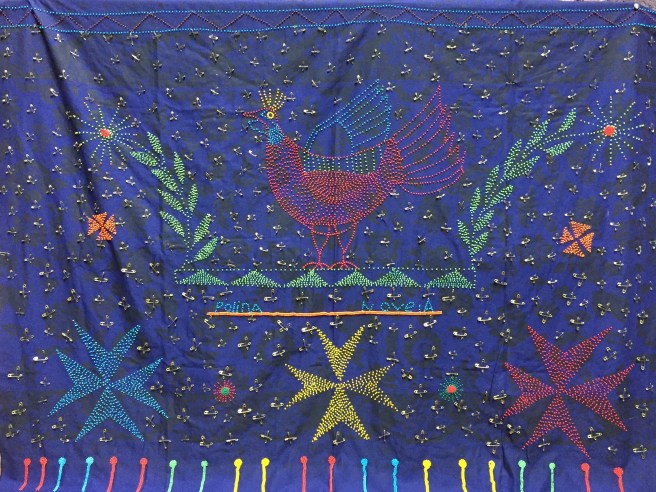
Included are the Keiskamma Art Project, (Hamburg, Eastern Cape), Kaross (Letsitele, Limpopo), Mapula Emrboideries (Winterveld, Gauteng) and as an added bonus some traditional Minceka by the Tsonga-Shangaan women in the far Northern Limpopo.

All three projects are established embroidery groups with works hanging in museums locally and abroad and they feature in many national and international publications on textile art. All three are highly regarded and can be seen as the most important community art projects in their field in this country.

The Kaross embroidery project produces beautiful and evocative quality African embroidery,  which are hand-crafted by women and men from VaTsonga and Northern Sotho cultural backgrounds since its inception in 1989. Their impetus has always been sustainable development and employment and they strive to create a commercially viable product that will help sustain all their embroiderers and employees. 

Before the devastating effects of Covid-19 on International tourism, they provided an income to more than 1 400 embroiderers, mostly women.

Their skilled stitching and their affinity for unusual and artistic colour combinations combined with well-designed Kaross images, makes their work distinctive.

They create mainly tableware, homeware and wall art, and currently export worldwide.

www.kaross.co.za

www.karossfoundation.org

The Keiskamma Art Project is part of the greater Keiskamma Trust, a South African not-for-profit organization dedicated to the holistic care of the communities that live in the area. alongside the Keiskamma River in the Eastern Cape. The trust was founded in 2000 by artist and doctor, Carol Hofmeyr and today the Keiskamma Art Project, the flagship of the greater Trust, works to maintain its founderโ€™s vision, providing vital livelihoods through dignified work, while communicating, through art, the reality of rural lives affected by both poverty and history. 

Their aim is to provide employment and to support the development of creative skills for predominantly women and young members of the community who are then empowered with entry into the economy.
The Art Project engages collaboratively with artists from around the world and supplies training in design and craft skills and nurtures skills in production, financial administration, and computing, useful for the running of the Art studio and its shop. 

They are especially well known and loved for large scale monumental artworks, from the Keiskamma Tapestry on permanent exhibition at the Houses of Parliament in Cape Town to the Keiskamma Altarpiece which has toured North America and England for two years, displayed in the most prestigious cathedrals, such as Washington and Southwark and their Keiskamma Guernica, a magnificent work can be seen in the UP Javett Art Centre.

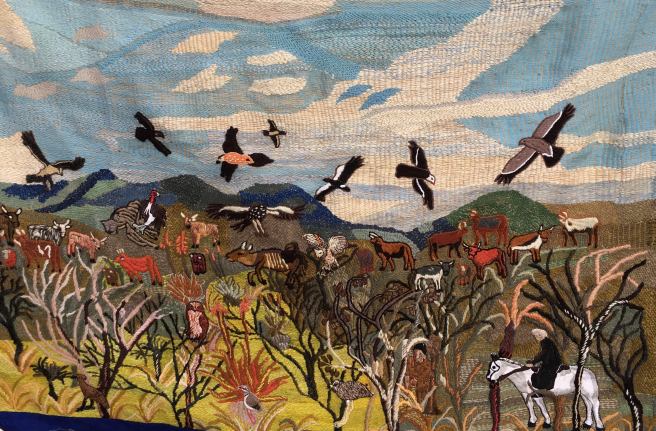
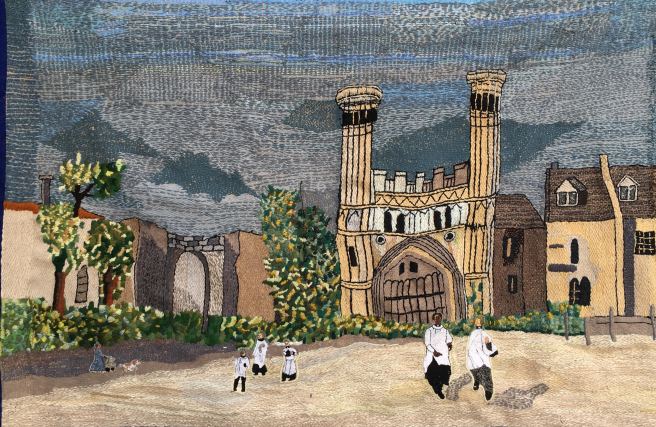
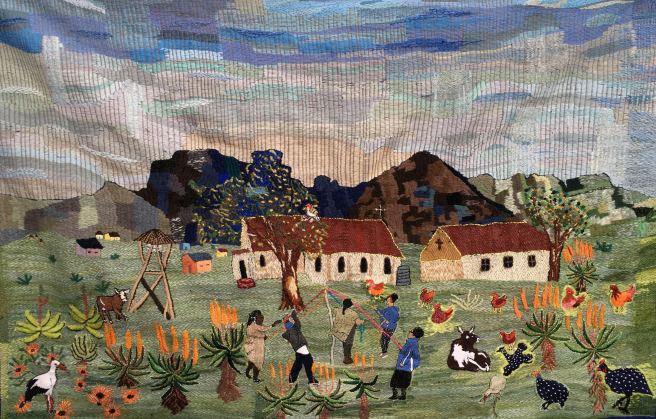
But the anticipation for this current exhibition are the three large tapestries depicting key events in the life of Reverend Stephen Mzamane, the main character in A Sin of Omission (2019), the novel by Marguerite Poland, which has just been named as one of the books on the Sunday Times longlist for fiction 2021.

The novel is based on a true story and opens with Stephen (Malusi) Mzamane, a young Anglican priest, journeying to his motherโ€™s rural home to inform her of his elder brotherโ€™s death. First educated at the Native College in Grahamstown, Stephen was sent to England in 1869 for training at the Missionary College in Canterbury. But on his return home, relegated to a dilapidated mission near Fort Beaufort, he had to confront not only the prejudices of a colonial society but the discrimination within the Church itself.

Seventeen artists from the Keiskamma Art Project were involved in the making of these works, in tribute to Poland, a long-time collaborator and close friend of the project. The themes of her literary works are felt intimately within the communities of the rural Eastern Cape where their Art Project is based.

The artists visited Nondyola, the missionary station to which Stephen was sent on his return from Canterbury, and the site of the Anglican Institution in Grahamstown, in order to understand more fully who Stephen was and what he experienced. Moved by his story, the artists chose scenes from his life to depict as tapestries.

Once youโ€™ve seen the embroideries, you will want to read the book.

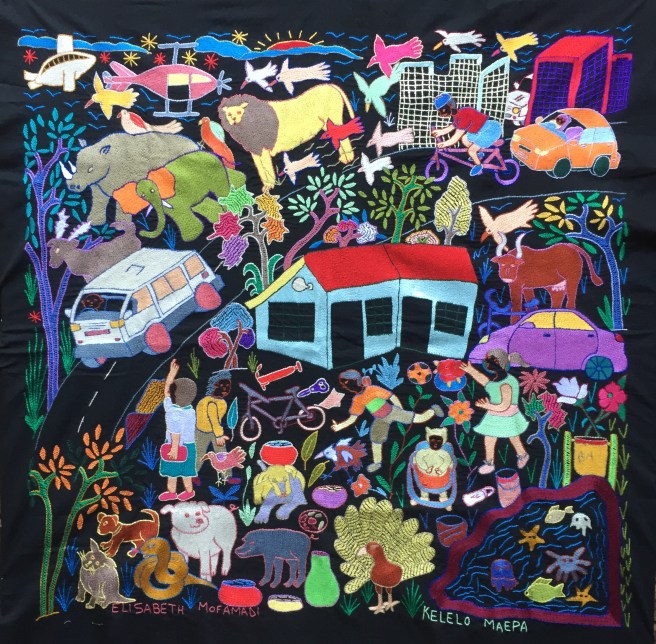
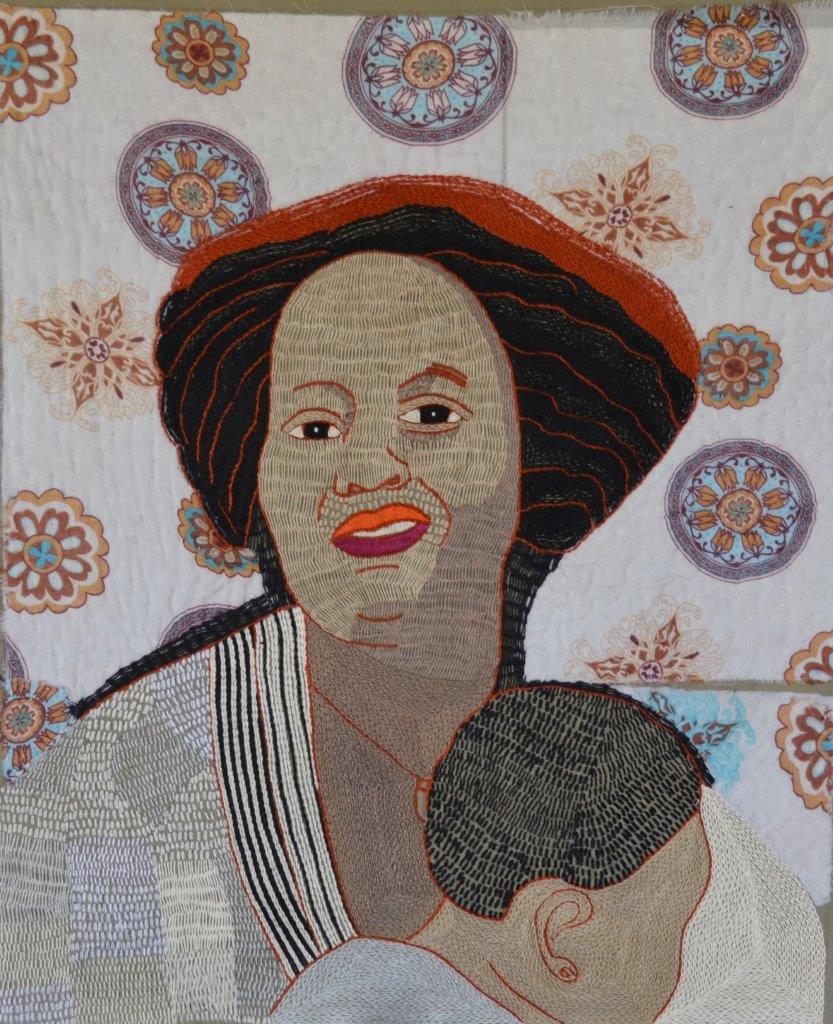
Mapula Embroideries celebrate their 30th anniversary this year. They assist over 150 women in developing artistic skills as they create unique embroidered works for sale. This income helps to feed and educate their children and improve their overall lives.

The Winterveld, where the women live and create, 70 kilometres northwest of Tshwane has a complex and troubled history because of political, social, economic and gender forces that have left the area under-developed and many residents unemployed, poor, and vulnerable. Their struggles and triumphs have been reflected in many of their embroideries over the years.

MAPULA EMBROIDERIES: Elizabeth Malete.

The project was initiated by the Pretoria Club of Soroptimist International in 1991. They have developed an intricate system involving design, production, and development of artistic skills. The project is now administered through the independent Mapula Embroidery Trust, a locally registered non-profit organization.
The Sisters of Mercywho live and run an education and skills training centrein the Winterveld, provide the embroiderers with the use of a workspace free of charge and have been involved with the project from the beginning.

They are internationally known for their depiction of historical events and social history through their embroideries. Their part of the exhibition will consist mainly of wall hangings with these themes. They include deeply personal images of the very real implications that Covid-19 has had on their lives and their society. 

MAPULA EMBROIDERIES: Elizabeth Mafamadi and Kelelo Maepa.

www.mapulaembroideries.co.za

Shangaan Minceka:

The traditional Tsonga /Shangaan Minceka are also being shown at this exhibition as they can be regarded as influencing some of the embroiderers of Kaross and Mapula Embroideries.  They are, for some of the embroiderers, their traditional inspiration.

A ncheka (singular)  (minceka, plural) –  is part of the traditional attire which is worn as a wrap that ties across the womanโ€™s shoulders. It can be either a cloth, printed in bright colours, or a dark blue cloth with a printed black pattern, richly embroidered by incorporating beads, small mirrors, bells and safety pins. Hundreds of small brass safety pins are used to pin on the garment which then forms the patterns. The brass safety pins are referred to as the quick stich.

To see these authentic and increasingly rare cloths in real life is special.

As in so many instances across the country, Covid-19 has had a severe economic impact on each project. Theyโ€™re hoping that the sales from this exhibition will help towards their sustainability but for viewers, itโ€™s a fantastic opportunity to see the scope of the countryโ€™s community embroiderers โ€“ and thatโ€™s quite something.

The exhibition which opens this weekend runs until May 29 at the Association of Arts, 173 Mackie Street, New Muckleneuk.

Tel: 012 346 3100

Gallery Hours Tuesdays to Fridays: 9am to 5pm; Saturdays: 9am to 1pm

RESTAURATEUR GIOVANNI MAZZONE WILL BE REMEMBERED AS A GIANT OF A MAN WITH A GENTLE SOUL

DIANE DE BEER

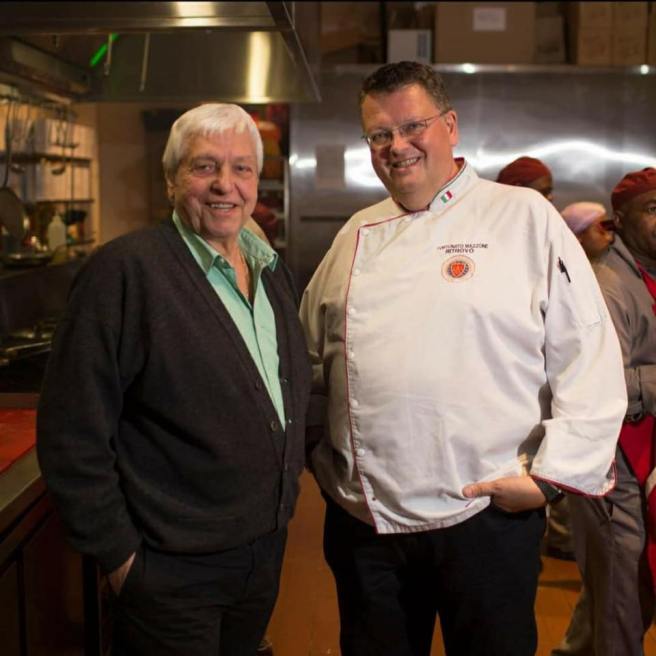
Father and son Giovanni and Forti Mazzone

When Giovanni Mazzone passed away last week, it was with great sorrow that I received the sad news. But it also reminded me of the warmth and gentle smile of someone who very easily crept into your heart.

Paging through stories I had written through the years about the Mazzone father (Giovanni) and son (Forti) team, emphasizes the fact that any of their restaurants but especially Ritrovo (because my focus had been especially at that time), is as much about family and friends as it is about food.

Once you got to know these two very special men, you understood what their restaurants through the years meant to them. As Forti so poignantly wrote on social media the day of his dadโ€™s death, Giovanni died like he lived โ€“ surrounded by his family.

That word is writ large in their world and it was always clear for everyone to see. One of my best invites was always to join the post-lunch meal in the deli-side of Ritrovo with the whole family and some staff gathered around the table.

It was a Giovanni institution which he explained was his solution when he realised he had to do something practical about cementing family life when his children were young.

This is what I wrote in the past: Visit the restaurant on any day in the early afternoon and the Mazzone clan and colleagues are gathered around a table enjoying their late lunch. Large bowls of pasta or some of their moreish pizzas are scattered on the table and in-between the patter, the diners are tucking in before they start preparing for the evening rush.

What started as a single restaurant (Giovanniโ€™s brainchild) in Sunnyside a few decades ago has been turned into a small empire by an inspired son.

But that is only one of his legacies. Think of Giovanni the restaurateur and if you are led by your stomach you will remember that he is the bread specialist and to this day, it is his recipe that plays such a huge role in any of their restaurants or coffee bars.

That and of course the magnificent ice cream that was served by all the many BICCCS stores from here to Cape Town and in Franschhoek. And Forti is always very proud to point to his heritage. We were lucky enough to be close to his dadโ€™s birth town in Naples while Forti and his family were doing their annual Italian trek.

He picked us up in Naples and took us to the quaint mountain village of Giovanniโ€™s roots, Pietrastornina  and it was with great pride he introduced us to his dadโ€™s family and showed off the region and the secret of his Italian flair.

It was a day filled with family, friends and the Mazzone warmth and bonhomie. And that started with Giovanni who in contrast with his flamboyant son, was quiet and always gentle with a twinkle in his eye. You could slip into a chair, he would bring a coffee and chat about his life and his world. But always he would make sure that you were content and had everything you needed. His was a quiet yet impactful presence.

Three generations with Forti, Giovanni and granddaughter Isabella Mazzone.

Right up to the end, Forti made sure he was kept busy where he knows what to do and how to be. Brooklyn Bridgeโ€™s BICCCS was specially created for his fabulous father and more often than not, that was where you would find his son during the day. These two were inseparable and like father like son, Forti was given the foundation to create what is there today. And rumours are swirling about new ventures!

Pretoria is a city that is known for its family restaurants and by that I mean there are quite a few of our most popular restaurants, which have established themselves because of the family running the establishment.

They love what they are doing, are usually on the premises and the standard has been established and maintained because of dedication and determination.

This is what it meant to those of us visiting the their premises. Nowhere was that more evident than in the Mazzone restaurants through the years.:

โ€œItโ€™s catching, this enthusiastic approach to life which is the ethos that runs through the restaurant. The staff has been empowered to take ownership and it shows from the moment you enter.

That is the secret Mazzone ingredient. Itโ€™s tough to invent or teach. You either have it or you donโ€™t and you find it here in abundance. Itโ€™s what makes the Ritrovo (and now Fortiโ€™s Grill) ritual such a compulsive one.

Itโ€™s not just about serving good food in a gracious venue. Itโ€™s about the ambience and the attention that makes dining out at this Italian home-from-home such an embracing experience.โ€

And still Forti says it best: โ€œI, who had the privilege of working with him for 35 years, only knows that he entered life a simple man. He left life calmly and with a simple beauty. But in between. He became an icon. But always part of the people. He served kings. Presidents. Ministers. Captains of industry. But always spoke to a humble sculler with the same respect and warm twinkle in his eyes. Pomposity never impressed him. He had a beautiful way with everyone and they gave it back in ladles. He was a soft touch for those in need. He could never say no. And his grandchildren adored him. And he adored them more.โ€

For those of us who knew him, the silver fox will be missed but his memory wonโ€™t fade. About that โ€“ with his gentle soul โ€“ he made sure.

WITH HIS LATEST EXHIBITION WORD/WOES, WILLEM BOSHOFF GETS THE WORLD READING

Itโ€™s glorious to know that one of our most exciting and enchanting artists Willem Boshoff is currently exhibiting in the Javett Art Centre at the University of Pretoria. DIANE DE BEER tells more:

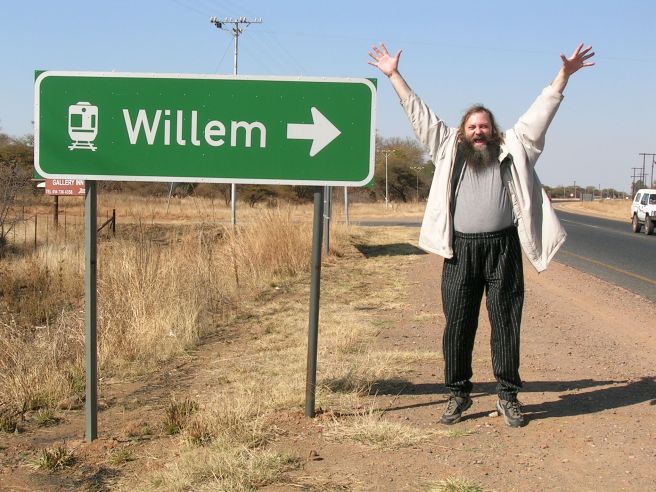
No better introduction of Willem Boshoff possible!

When genius artist/wordsmith Willem Boshoff appointed Hรฉlรจne Smuts as his curator a few years back, his instincts were as savvy as his art.

Bless the Javett Centre that in these tough times they had one of the few art exhibition openings worthy of a creator of Willem Boshoffโ€™s calibre.

And with the wealth of experience of the curator and artist combined, they have stretched this one to early January 2022, so that South Africans will have more than enough time to experience both the earlier and latest work of one of our most exciting artists. Also keep an eye out for all the events, workshops, launching of an extensive catalogue, druid walks by Boshoff, all of which will be announced and will be huge fun to engage in.

Willem Boshoff’s BLUE close-up of making process

The exhibition (as the press release states so succinctly) Word Woes is a retrospective of works spanning the duration of  Boshoffโ€™s artistic practice. The exhibition title, taken from a signature work by Boshoff, is understood in English and in Afrikaans. In either language the two words look identical, but their meanings differ sharply. Read in English, the title WORD WOES bemoans difficult issues around words and language. Read in Afrikaans, the same words liberate, prompting us to let go and be wild.

Detail of Word Woes etching (2014)

And so it goes with Boshoffโ€™s art. It is as awe-inspiring as it is accessible, and huge fun as the artist works with words in a way that is genius while those who look, first have fun with the vocabulary and then get lost in the artwork and the way the artist produces something so spectacular. His work is always detailed and can take the viewer exploring indefinitely.

He has already moved on, he says. Busy with approximately 30 works currently, he had a breakthrough that morning (of the opening) and was itching to get back to test his solution โ€“ something that will probably brilliantly bewitch viewers in the future.

Boshoffโ€™s concern according to the curator and entrenched in his work is often with the context in which we receive language and the power it yields to exclude or to privilege. He uses unconventional tactics, she points out, to challenge the use of language as an instrument of cultural identity or exclusion. He describes all his works, whether sculptural or graphic, as conceptual books. Thatโ€™s why it needs time to view as you not only look at the work but also read the different โ€œbooksโ€.

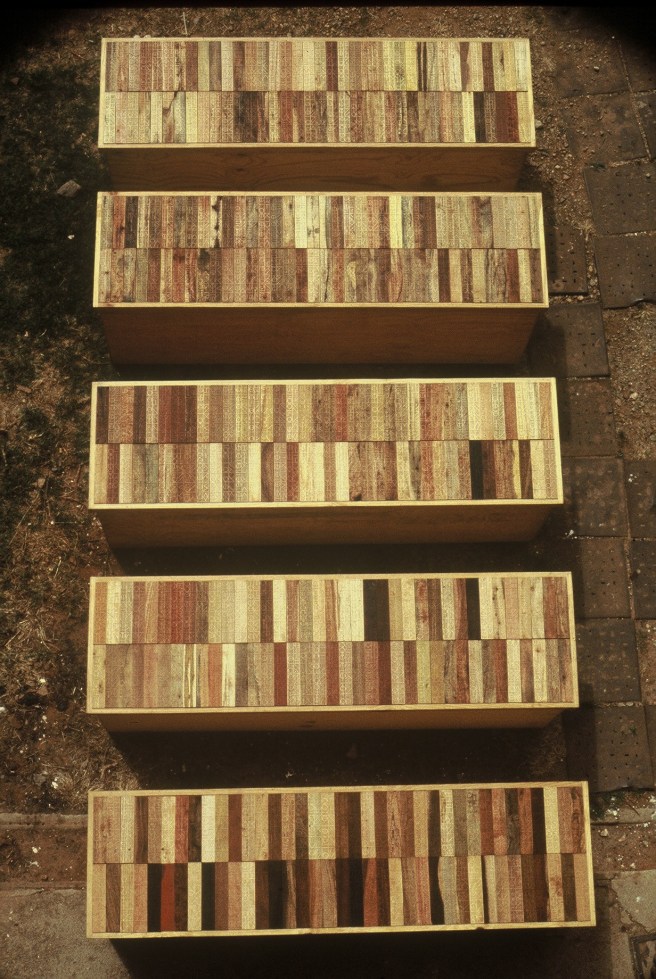
City Book

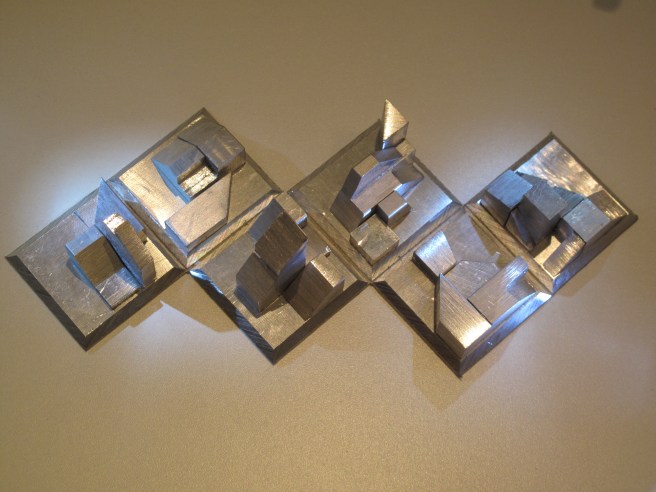
As art writer/critic Dr Johan Myburg, the opening speaker noted: โ€œAlthough meaning (what does it mean?) is an important aspect of Willem Boshoffโ€™s art โ€“ in order to get the meaning, to get the hang of the words, requires a performative input from the viewer (the viewer has to change his or her position: either to under+stand or to vรชr-staan or to get up close to (I am thinking of Abamfusa Lawula)) โ€“ the presence of the artwork โ€“ from the earliest aluminium Cube to the recent Blue, made from wood, cut paper and glue โ€“ has the ability to communicate immediately. In the words of the poet TS Eliot: โ€˜genuine poetry can communicate before it is understoodโ€™.

It is the way he states his case โ€“ not with the obvious but in a way that is often playful yet deadly serious in message.

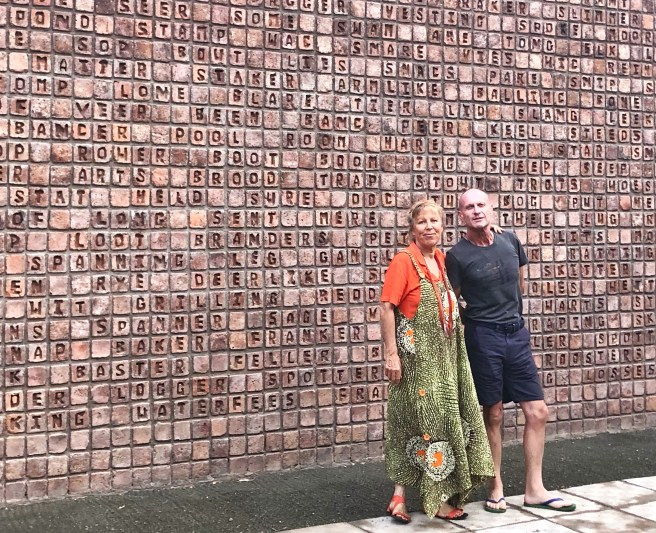
Myburg also explains that WORD WOES/WORD WOES (and a preamble to this current exhibition as are many other works), the mural made in Richmond in 2018, has been dedicated to a fellow artist, the writer Karel Schoeman โ€“ known for his novels (translated) such as Promised Land, Another Country and This Life.  He died the year before in 2017.

In front of the word wizardry of artist Willem Boshoff at MAP

The similarities between these giants are remarkable, says Myburg in his speech. โ€œBoth Boshoff and Schoeman are writing with stones and slabs of granite, both are writing with thorns and sand.  Both are employing words searching for meaning, for double meanings, for hidden meanings, for meaning lost in translation. Both are employing woeful words to lament the lack of meaning. Above all, both require to know: What is the meaning of it all.โ€

And that, he says, is what Hรฉlรจne Smuts as creator, translator of meaning, states so clearly with this remarkable retrospective exhibition.

โ€œThe ability to marvel โ€“ and not to know for sure.

The ability to doubt woes โ€“ without any one firm belief.

The ability to question, om te bly torring, to unravel, om te ontrafel.

Die vermoรซ om te speel, om te goรซl, om woes met woorde om te gaan. (The ability to play, to cast a spell, to work fiercely with words.)


And then concludes: There is only one Willem Boshoff.โ€

 And it takes one poet to recognise and explain another.

Smuts elaborates that the wanderings of Word Woes started in 2019 when a smaller version of the current exhibition was curated for the Yorkshire Sculpture Park (YSP) in the UK by Smuts and Louise Lohr (YSP) to introduce the spectacular artist after he had a work included in the YSPโ€™s permanent collection.

As with this current exhibition, the Claire and Edoardo Villa Trust facilitated the Yorkshire exhibition after Boshoff had received the trustโ€™s award in 2018. And with this current one,also co-sponsored with the Matthias and Gervanne Leridon Collection.

Smuts explains that she has expanded the curatorial focus โ€œto a locking and unlocking of knowledge and meaning through the artistโ€™s life-long exploration of languageโ€.                          .

A supporting educational and public programme will offer guided tours, school/student workshops, printed educational resources and weekend events with invited guests.โ€‹ Watch this space. It will be worth watching out for walkabouts with the artist talking about his work. He is as much an artist when he talks.

Willem Boshoff Druid Walk Main Reef road (2010)

Venue: The Javett Art Centre at the University of Pretoria, 23 Lynnwood Road, Hatfield, Pretoria. https://javettup.art/contact for more detail. Open daily from 10 am to 5pm and they have a number of free entrance days throughout the yearย  listed.

Guided tours on the hour from 1pm to 4pm.

To book for tours email: bookings@javettup.art

KKNK INVITES ARTISTS TO COME OUT TO PLAY WITH DIRECTOR MARTHINUS BASSON IN THE LEAD

Like everyone else art festivals are trapped in a kind of no-manโ€™s land. Itโ€™s a time to think on your feet and make use of all the skills lying dormant. DIANE DE BEER reports on the Klein Karoo Art Festivalโ€™s most recent brainwave โ€“ a directorโ€™s course with the brilliant Marthinus Basson at the helm:

The superb Koningin Lear starring the magnificent Antoinette Kellerman in the title role.

In this time of Covid it is up to artists and related organisations to be creative because no one else is going to do that for them.

And it is interesting to see in these dire circumstances how the innovations keep flowing. If anyone knows how to turn nothing into something, it is the artistic community.

A directorโ€™s course for aspirant as well as experienced directors is the latest project from the KKNK (Klein Karoo National Arts Festival).

Marthinus Basson in rehearsals of Koningin Lear

The first (of hopefully many) KKNK/NATi Studio project is a directing course to be presented by acclaimed veteran director Marthinus Basson (Tom Lanoyeโ€™s Koningin Lear, Mama Medea and Bloed en Rose and premieres of most of Reza de Wetโ€™s work amongst others), someone who should excite both potential and established directors.

Two things come to mind immediately. Basson, who is passionate about teaching and one of the best in the business, has a wealth of knowledge to impart and what better time, when many of our stages are still closed for viable performances, to hone your skills, whether novice or practitioner.

Their aim (in conjunction with NATi ยญ โ€“ the Nasionale Afrikaanse Teater-inisiatief) is to add value to the arts as they unlock the potential of promising directors. โ€œThe main purpose is to create work for artists,โ€ says Basson.

I was upset a few years back when the University of Stellenboschโ€™s drama department seemed to show a lack of insight when not doing everything in their power to hold on to this particular lecturer, but this is simply the best news. I can think of many who would benefit and add to their riches with this directorโ€™s insight and abundant creativity. It starts with his choice of text, the way he thinks about every production and his knowledge which has no equal.

Tinarie van Wyk Loots in Asem directed by Marthinus Basson.

The 9-month long course will guide participants through a number of texts from different genres and time periods. Basson will zoom in on interpretation, directing and design, concept development, performance challenges for actors and how directors can manage these.

โ€œThis directorโ€™s course is a wonderful opportunity for theatre makers to hone core skills and critical thought,โ€ says Hugo Theart, artistic director of the KKNK. โ€œAnd what a privilege to learn from one of this countryโ€™s most experienced directors. Not only is he one of our best directors, he is also regarded as one of the best mentors and teachers. It is a rare opportunity and an honour for the KKNK in combination with NATi to facilitate this season.โ€

Basson himself is nervously excited about the project. โ€œIt gives hope in a tough time for the performing arts and offers a welcome opportunity for theatre makers to gather regularly, inspire one another, study a few exceptional texts in depth, dream and think about them while also questioning โ€“ and hopefully add passion and fire to the neglected theatre community.โ€

Tinarie van Wyk Loots in Basson’s Koningkryk van die Diere

Something he is anticipating is gaining the insight of 12 new artists and to get to know 12 fellow artists during the lengthy course. โ€œThe first session will probably be taken up by a kind of meet-and-greet,โ€ he says and then they will get stuck into reading the first text. โ€œEveryone has to participate actively. Ideally a directing course should be a live event,โ€ he says and he is determined that it will not be about him giving lectures. โ€œOnce everyone has read the text, ideas should determine what follows. People never feel the same about things,โ€ and I suspect, thatโ€™s what gets this director going.

Cornelia Faasen, CEO of NATi, says Covid-19 has given them the time to reflect about the fault lines in some productions. โ€œWe have had the grace of time to see how to approach these challenges. It is good that the KKNK is tackling projects rather than productions because these are often too expensive to fail.โ€

She adds that sheโ€™s excited about the future of KKNK/NATi Studio projects โ€“ as she should be.

At the recent theatre/dance-driven Take-a-STAND dialogues, the desire and need for mentorship was a high priority for young and established artists. And we have a wealth of artists who can contribute with Basson leading the pack.

The course consists of two formal group sessions of between three and four hours twice a month and will be presented online on Sunday afternoons. Live sessions will only start if the impact of Covid-19 allows it

Basson’s children’s production Huppelkind
Picture: Retha Ferguson

The chosen texts will be read and discussed with Basson handing out tasks in preparation for the following session. Already he speaks enthusiastically about some of the selected works. He is, for example, looking at Bartho Smitโ€™s Moeder Hanna in contrast to Friedrich Durrenmattโ€™s Die Besoek van die ou Dame. And starting out with an Afrikaans translation of Shakespeare’s Midsummer Night’s Dream followed by Die Park by Botho Strauss which plays like the converse. Even explaining his choices already points to the value this course will have for any prospective participant.

With thorough feedback, they will sharpen their critical thinking and heighten their creative impulses. Basson will also be assisted by experienced set designers, writers, directors and actors. He has worked with the best which makes his selection an easy one.

The sessions will start at the end of the month on March 28 and those participating must attend every session.

Financial assistance is available and all candidates must be older than 18 and understand Afrikaans.

Two groups are participating. Twelve candidates will be selected as the core group and they should be involved in the theatre industry in some way. But to stretch the reach of the project, further candidates will be invited to listen in as observers. This is aimed at especially young

talent not necessarily involved in the industry professionally yet and could include drama students.

For more information and to apply for the season, go to kknk.co.za/kknk-nati-studio, or phone the KKNK-offices on 044 203 8600.

Get jumping, the closing date is this Friday (March 19) at noon.

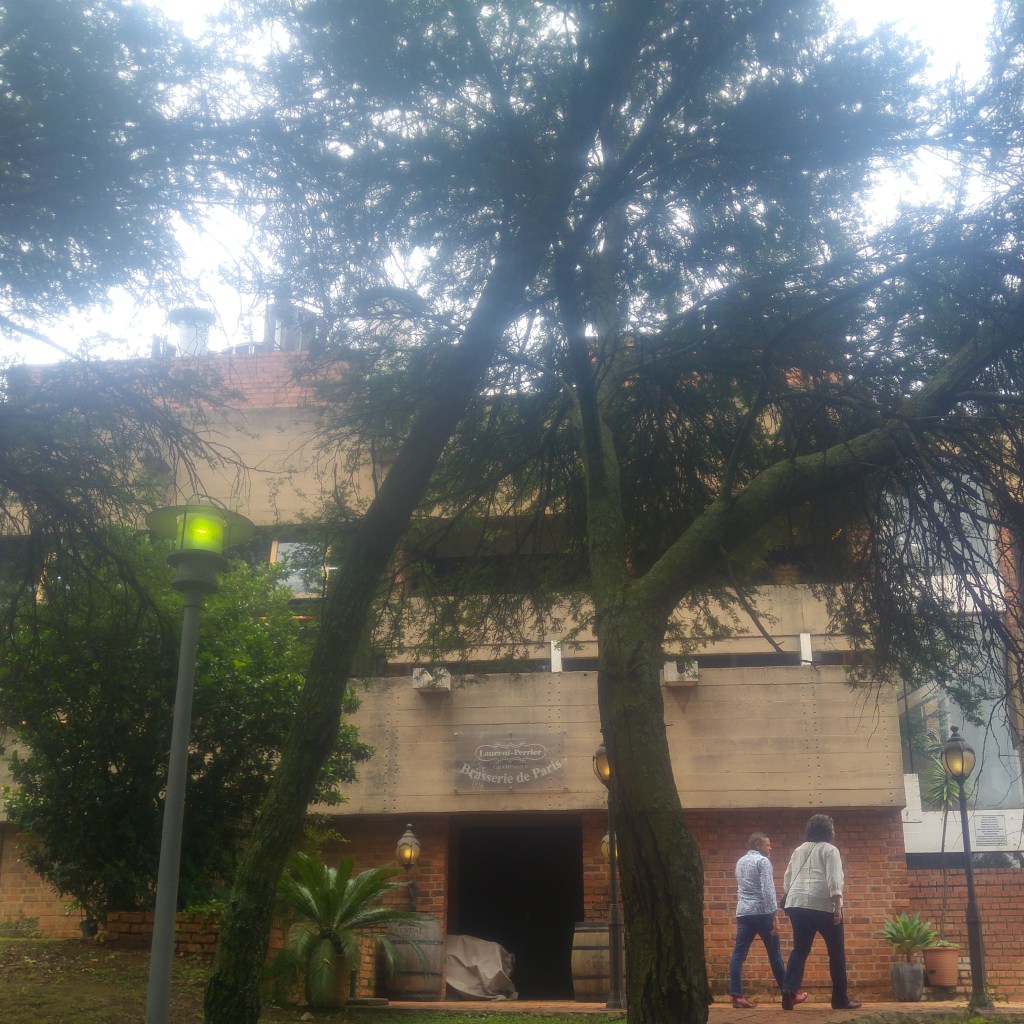
BRASSERIE DE PARIS LED BY SARIE JOOSTE JORDAAN TAKE THEIR LEAVE – OR NOT YET

PICTURES: Hennie Fisher

When you are invited to the final meal at a favourite restaurant, thereโ€™s naturally some excitement about the event – but also a sadness because of all the memories. DIANE DE BEER predicts this might not be their swan song:

Especially in these Covid19 times, itโ€™s been a tough environment for the restaurant industry. There is, however, one beacon of hope and that is the dinersโ€™ awareness about how much they miss restaurants when theyโ€™re not there.

Being human as we all are, we tend to take our luxuries for granted until someone takes them away. The place Iโ€™m talking about is Tshwane’s Brasserie de Paris, where proprietor Sarie Jooste Jordaan magically created a very special restaurant. Itโ€™s something she and architect husband Johan Jooste almost fell into when they were invited by patron-chef Christian du Bois to  become partners in his business.

When he decided to leave, Jooste-Jordaan knew she had the perfect setup. Her husbandโ€™s father Karel Jooste had designed and built one of Pretoriaโ€™s iconic homes in Waterkloof and while some might argue itโ€™s not the perfect home, it turned out to be the perfect dining venue.

And then they had something to live up to. Expectations were set but Jooste Jordaan had a few aces up her sleeve. Her niece Elze Roome was a trained chef, which made this the perfect solution โ€“ a match made in heaven.

That was 26 years ago and in the meantime and a lifetime in the world of a chef, Roome (with her brother as partner and many adventures in-between) has opened a Tashas in Times Square and you just have to experience the buzz to know that they have struck gold โ€“ or more likely, they know what theyโ€™re doing.

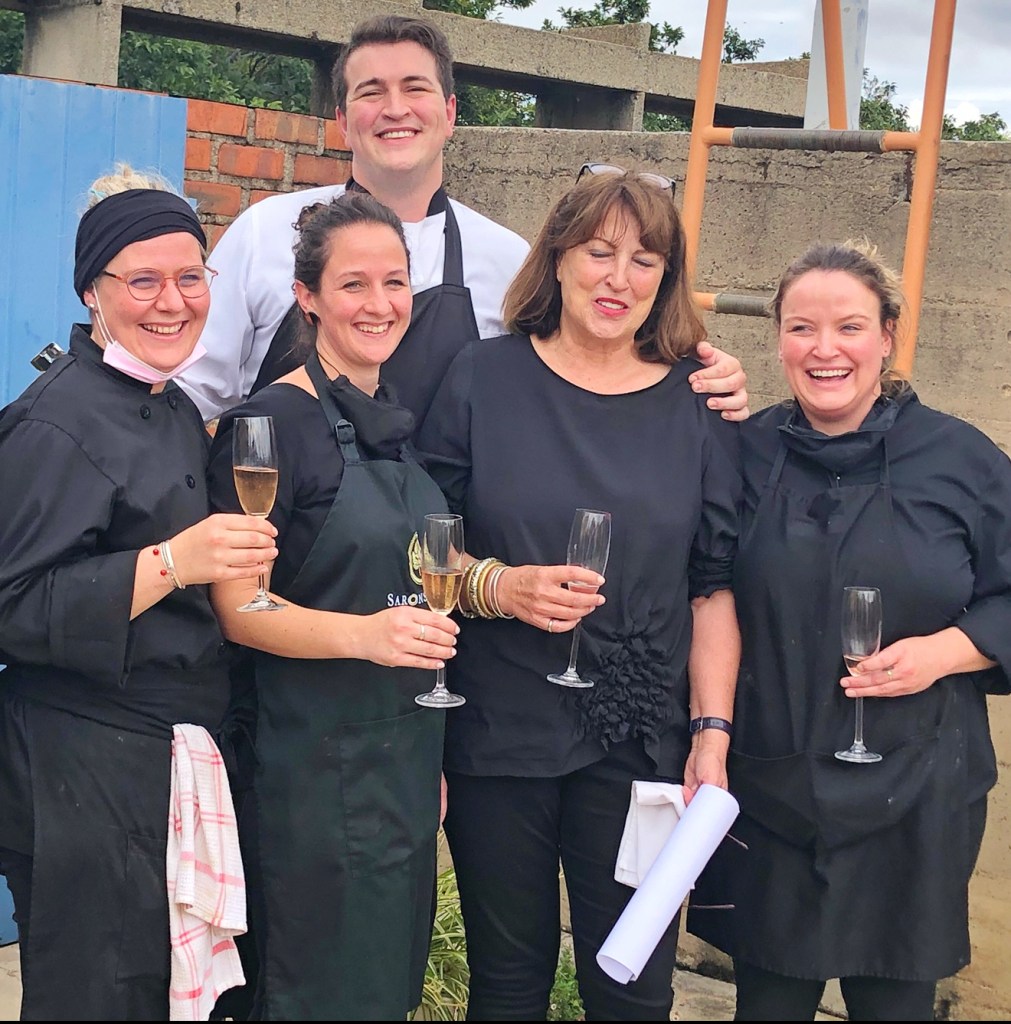
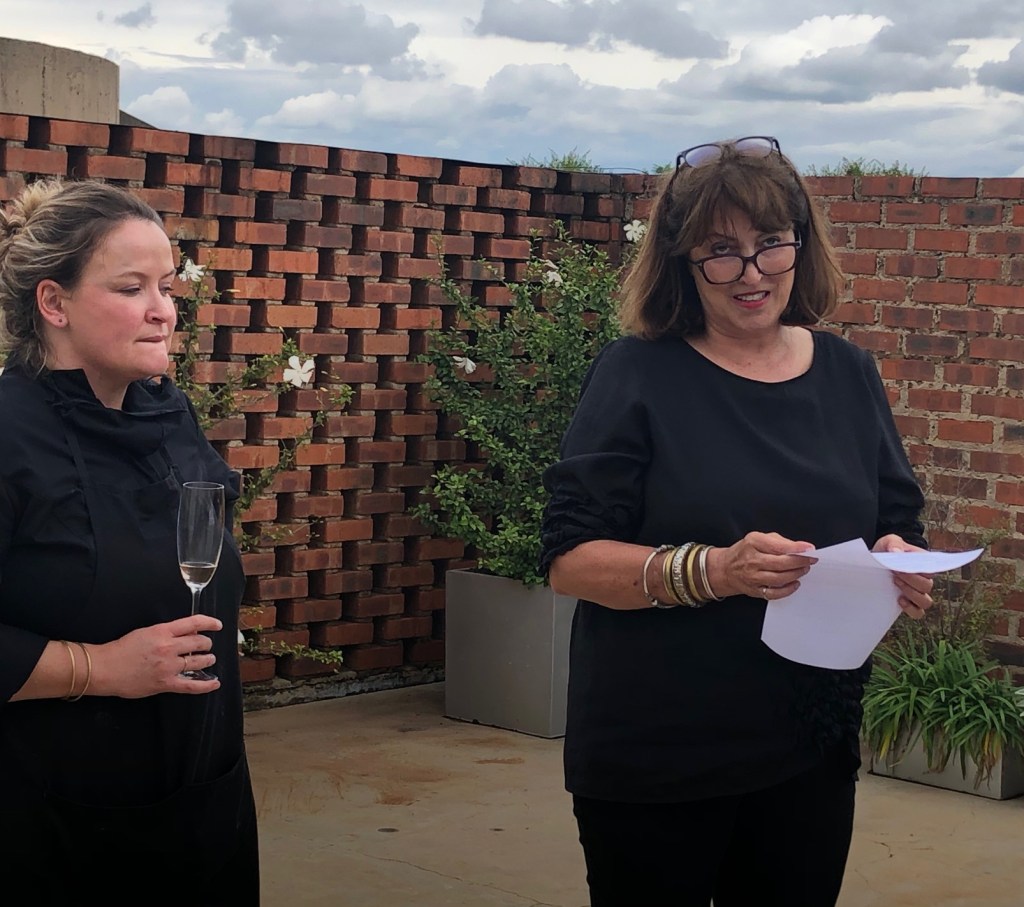
The team from Brasserie through the years and the reason for their success : from left Marlise Whelan, Anรฉ Wait, Sarie Jooste Jordaan, Elze Roome and Loodt van Niekerk (behind)

โ€œIt all happened quite organically,โ€ notes Roome, who has kept in touch with all the chefs who followed her at Brasserie about the celebratory final meal. Anรฉ Wait (now from Buffelsfontein Beesboerdery in Greenlyn), Marlise Whelan (lecturer at Capitol Hotel School) and Loodt van Niekerk who pleaded to be head chef on the day because he hadnโ€™t been one previously.

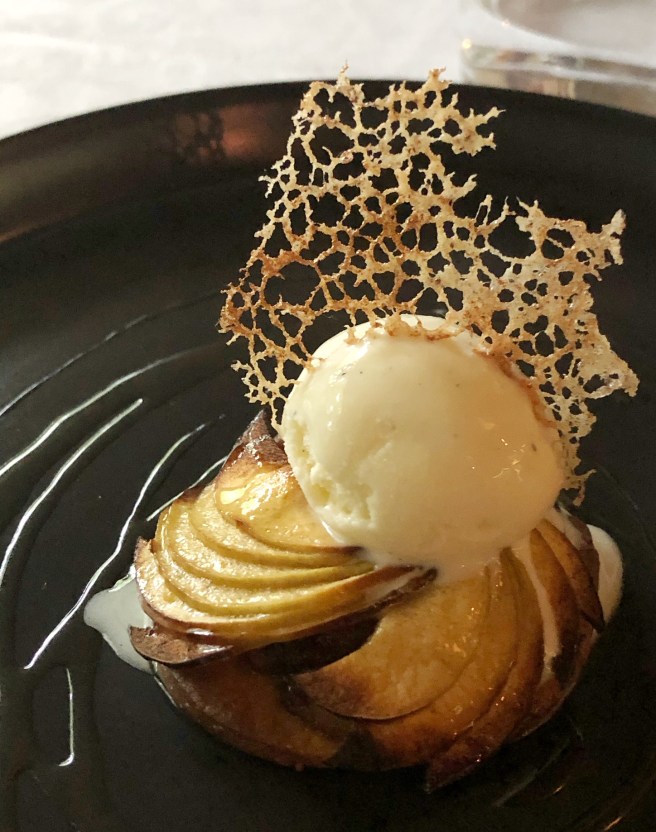
All of these  chefs have a classic slant and drawing up the menu was a full-on team effort. For example, Roome explains that Whelan had created the original apple tart but Wait had refined it. It was a no brainer that it would be the dessert on the day.

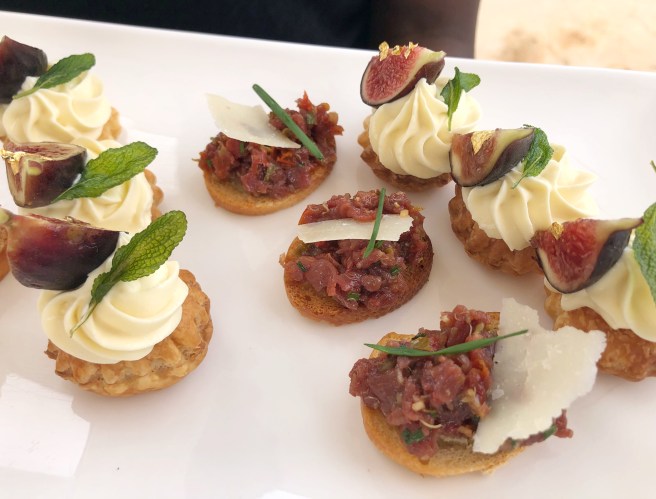
Reading through the menu, memories flooded back, as they had put together almost a prototype of everything Brasserie represented. Starting with an amuse bouche of blue cheese cream and figs as well as Springbok carpaccio, these were started with a celebratory welcoming sparkling wine on their amazing roof, which probably everyone there had probably experienced in some madcap dinner. Ours was an Easter affair and one of the best evenings I can remember with the stars all aligning for a spectacular event all those years back.

But thatโ€™s what Brasserie has always been. I canโ€™t remember them ever not getting it right. As chef Hennie Fisher always says about them: โ€œOne of my personal most favourite elegant dining choices โ€“ a sophisticated mix of old world charm and modern flair. And never broke the bank!โ€

Following Covid protocols as they would, the restaurant again proved its many assets because of the way we were all protected and yet not without managing to create the fondly remembered Brasserie ambience.

I was blessed to be in the company of a chef and two wine connoisseurs, so I knew this was going to be special. Leaving the wine in their capable hands, the men u prompted them to kick off with a white wine (Lismore Viognier) followed by a red (Thelema Merlot 2017).

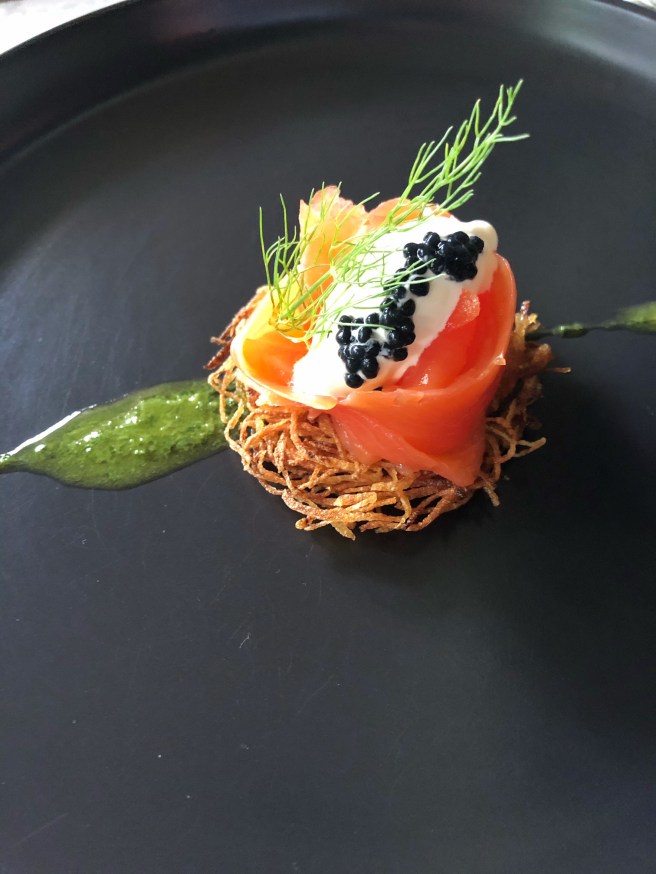
Once seated we were first presented with a smoked salmon rรถsti, a smart choice because of the combo and the distinct flavours. Just the right entrรฉe to get you hungry and with what was to follow, we needed that.

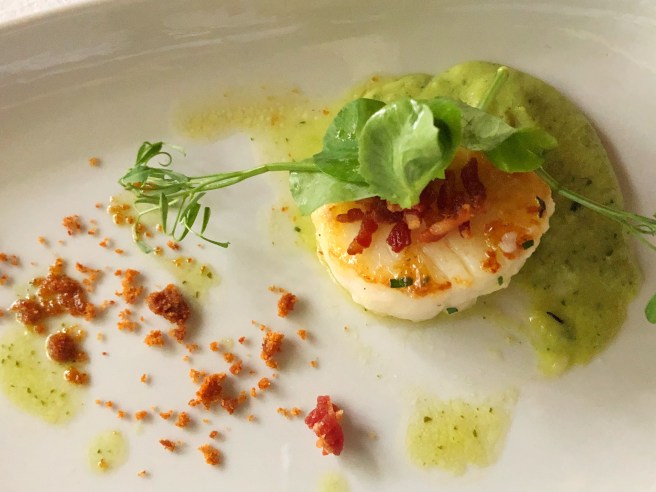
A plump scallop, sharp green pea purรฉe and bacon crisp richly finished the seafood side of the menu. Following these teasers, Brasserie got stuck into the serious stuff: meat. I knew when the Japanese Embassy a few years back invited me to lunch here, it was a huge nod of approval. They were especially guided by the quality of meat and I suspect, the no-nonsense approach to things and the stylish setting also appealed to their specific sensibilities.

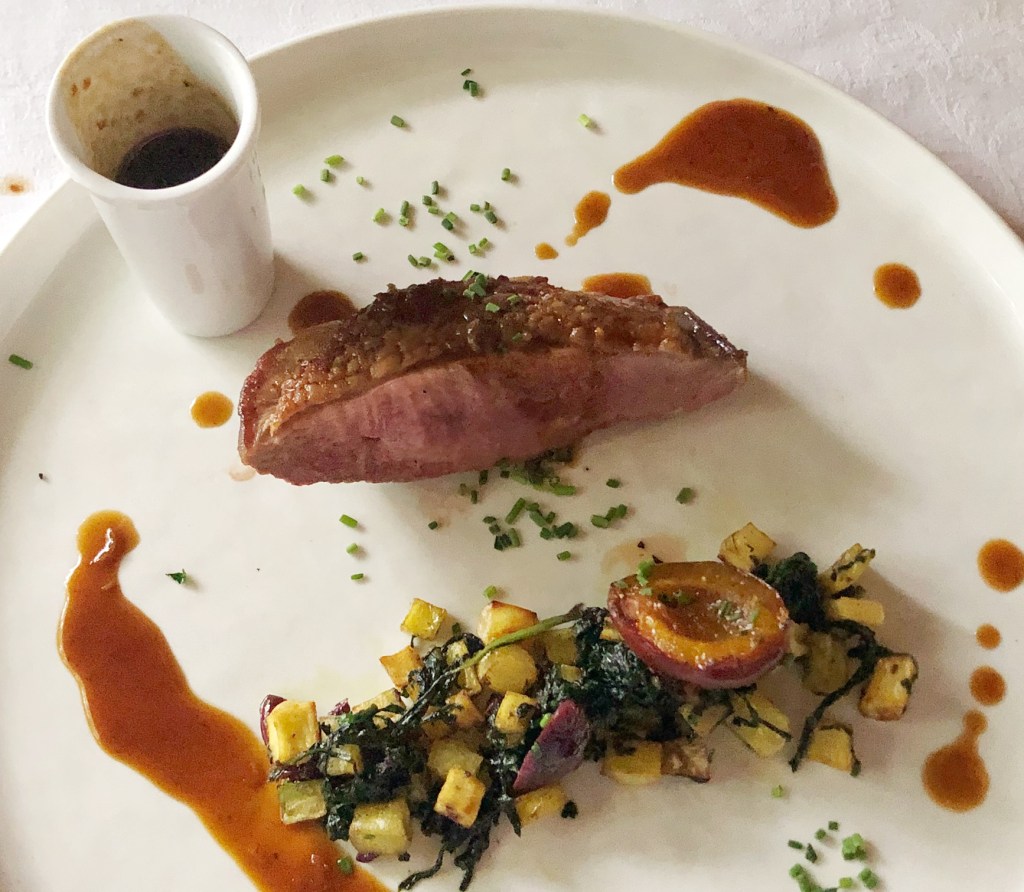
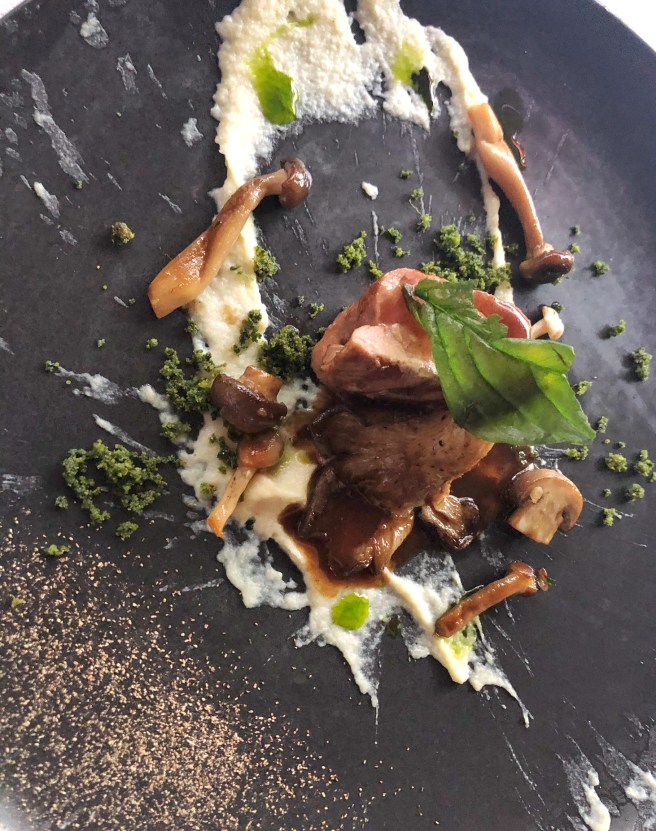
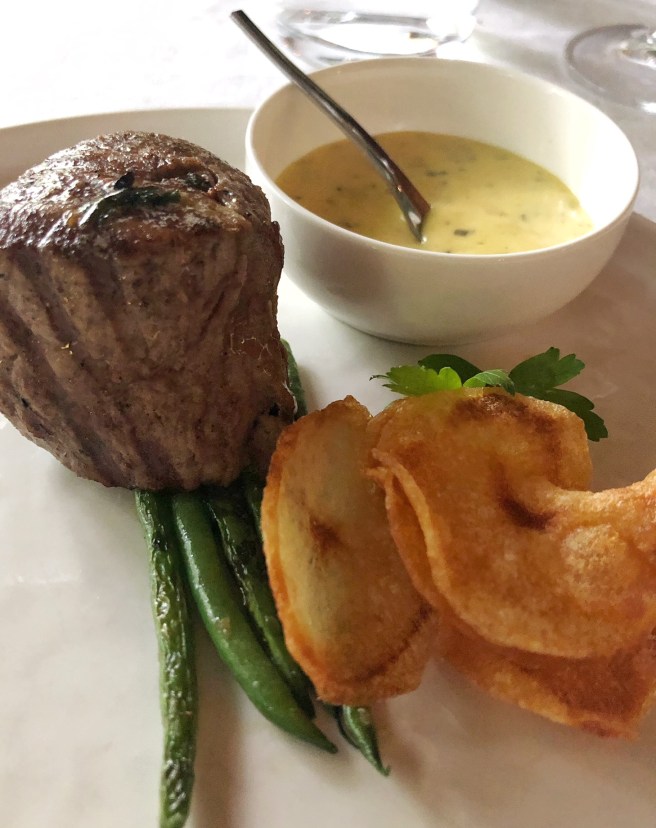
The trio of meat dishes was led by duck breast and sauce bigarade (orange sauce), a classic combination, followed by lamb loin, basil oil and wild mushroom and completed with a beef fillet, potato crisps and Bearnaise. These were all melt-in-the-mouth

And if it sounds like a mouthful, thatโ€™s exactly what it was and still remains my best way of sampling food: a tasting menu. This one was obviously substantial but for those of us riffing on nostalgia, this gang of superb chefs all had a role in establishing this kitchen and to come together in this way, could not make a stronger statement.

Apple Tart

Finishing with the prettiest of apple tarts and mignardise with coffee, it was the perfect dining experience and especially savoured because of the people, the place and of course the times.

My hat off to the gracious Sarie Jooste Jordaan who had no plans to run a restaurant, but given the splendid setting and the right ingredients to make it work her way, in the end it was truly a grand affair.

I remember, part of the original idea was to stick to Du Boisโ€™s menu guidelines and while settling in and finding their feet, they did exactly that. But having established the basic rules they could then start playing around, making it their own.

Patron Sarie Jooste Jordaan (right) and her niece Chef Elze Roome

And that they did with classic flair and flourish. These are peculiar times and I know this is a business that isnโ€™t easy but I just have a feeling that this is not the last we hear from the indomitable Sarie. So Iโ€™m tipping my hat to all the chefs for a fantastic experience in the Jooste house โ€“ once again. But Iโ€™m holding my breath before saying final goodbyes…

And holding thumbs for the next chapter!

CHEF MAHDI SANATKARAN INTRODUCES HIS IRANIAN CULTURE AND CUISINE

Itโ€™s become a mission for chef Mahdi Sanatkaran to introduce people to the Iranian culture and cuisine through his glorious meals. DIANE DE BEER experiences one of these gourmet gatherings and chats to the chef:

Pictures: Hennie Fisher and Mahdi’s daughter Maryam.

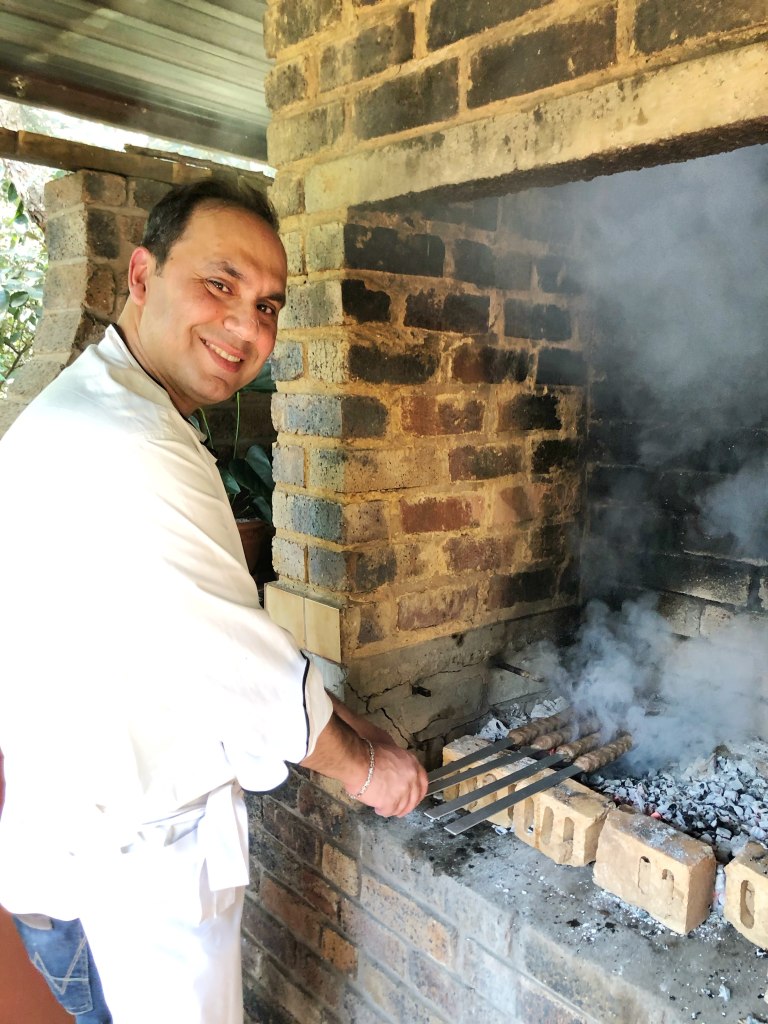
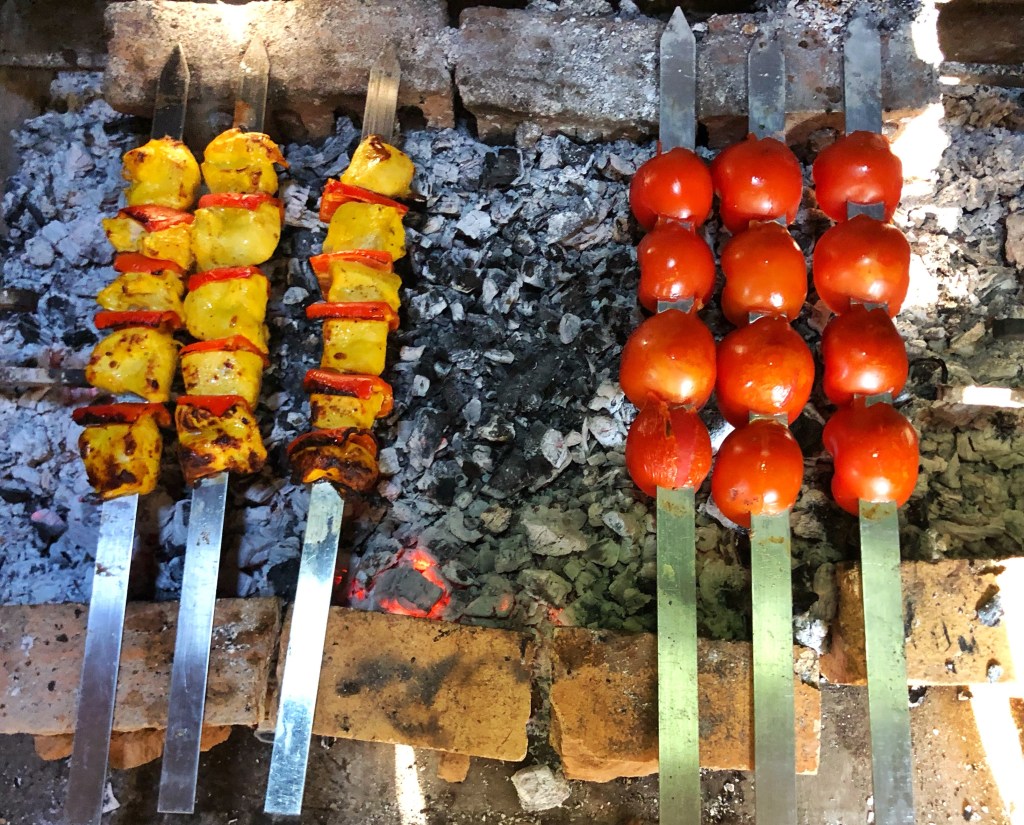
Iranian chef Mahdi Sanatkaran busy cooking his kebabs

When Iranian born Mahdi Sanatkaran started working with the Iranian Embassy in Bahrain, he didnโ€™t know that 2 and a half decades later he would be cooking Iranian cuisine for South Africans intent on promoting his culture and his cuisine.

The route was a meandering one as he moved with the embassy to Nigeria, where he was appointed as head chef. โ€œI didnโ€™t have any formal training but they gave me some classes at the Foreign Affairs guest house to get me up to speed,โ€ he says.

At one of the embassy events a man asked to meet the chef because the food was so good, and as the general manager of the Hilton in Abuja, he invited Mahdi to join his kitchen to learn more about cooking. โ€œHe enjoyed my cooking and wanted to enhance my skills,โ€ explains the amateur chef.

Never someone to miss an opportunity, he worked from 7am to 7pm at the embassy and then he would be off for a stint in the Hilton kitchens. It was his first formal chefโ€™s training which he kept up for quite a few years.

After nine years as an embassy chef with a daughter who was born in Lagos now reaching school-going age, Mahdi and his wife Hamideh Najafi decided to move to Pretoria for suitable schooling. He had met a man who invited him to join him in a restaurant partnership but when they arrived here, he discovered the potential partner didnโ€™t want to invest anymore.

He had a family to support and quickly Mahdi was working in construction, and off to Mauritius on a landscaping job. He was finally appointed as a cameraman, translator and interviewer at the local branch of the Iranian Television Bureau in Pretoria where he worked from 2008 until 2014. He travelled all over Africa interviewing many leaders and heads of state and when they closed the office, he turned to something familiar, food.

Also familiar with the Subway franchise, he was off to the US for training before opening in Menlyn, but he soon realised it was difficult to survive with such exorbitant rentals. Instead he hoped to find a more unique offering by changing to Iranian fast food in the form of kebabs, so popular in his home country.

He changed the name from Subway to Shiraz the Kebab House (a historical city in Iran), but still the venue was problematic. Neither I nor my foodie friends were aware that this Iranian cuisine was on offer in our city and just before Covid-19, which would have closed them anyway, he decided again to try new avenues.

Iranian saffron marinated kebabs

And this is how I finally had the chance to taste Persian food and discover more about its many hidden treasures. Of course with the country not fรชted in the rest of the world, little is known about its food and this is what Mahdi finds especially challenging. He wants to change that with every meal he makes.

Together with an import business selling Iranian foodstuffs (tahini, dates, nuts with especially pistachio a favourite, saffron – Iran is the biggest producer, he says – rose water and other rose products and more), he also offers Iranian meals to groups. The idea is to present it at someoneโ€™s home. They will invite the (paying) guests, say approximately 20 people at approximately R450 per person, allow Mahdi, his wife and daughter to take over their kitchen for the day, while those attending will be served a very generous Iranian menu.

Itโ€™s ideal during this time because you will be in charge of the guest list and it can be hosted – preferably in our summer weather – outside, which will allow for social distancing.

Iranian food, explains Mahdi, covers a huge spectrum. โ€œEvery city and region has its own cuisine and culture that comes with it.โ€

As a starter he served barley soup, a favourite in his country. Itโ€™s very traditional and often served with a flat bread but on the day, he didnโ€™t include that because the rest of the menu would prove too overwhelming โ€“ and it still was.

This was followed by a meze-type table which Mahdi describes as similar to Mediterranean and Middle Eastern cuisines with differences in spices and marinating sauces. Saffron is the star of almost all their dishes with sumac a runner-up, and youโ€™re not easily going to go without aubergine popping up in one or two dishes.

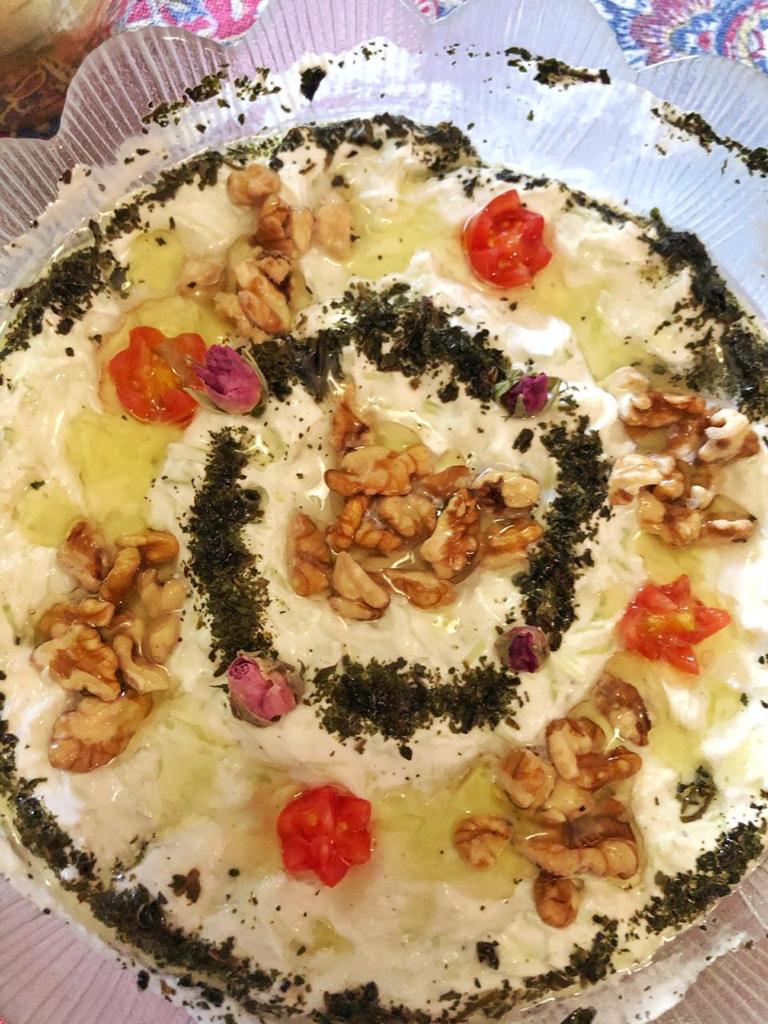
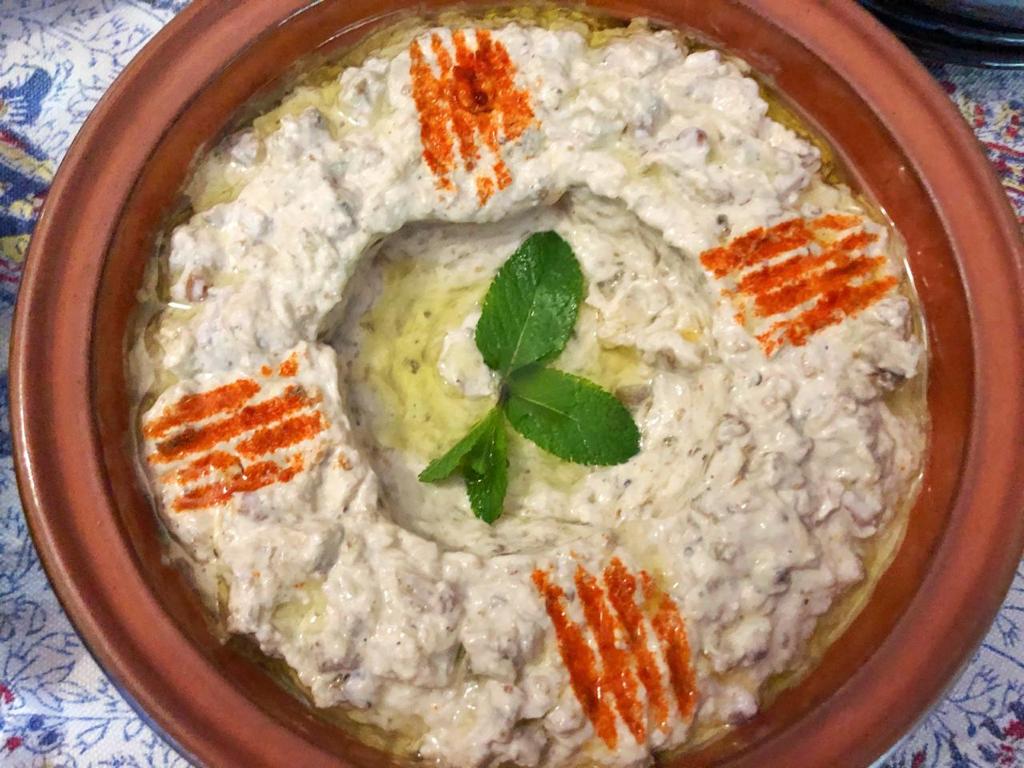
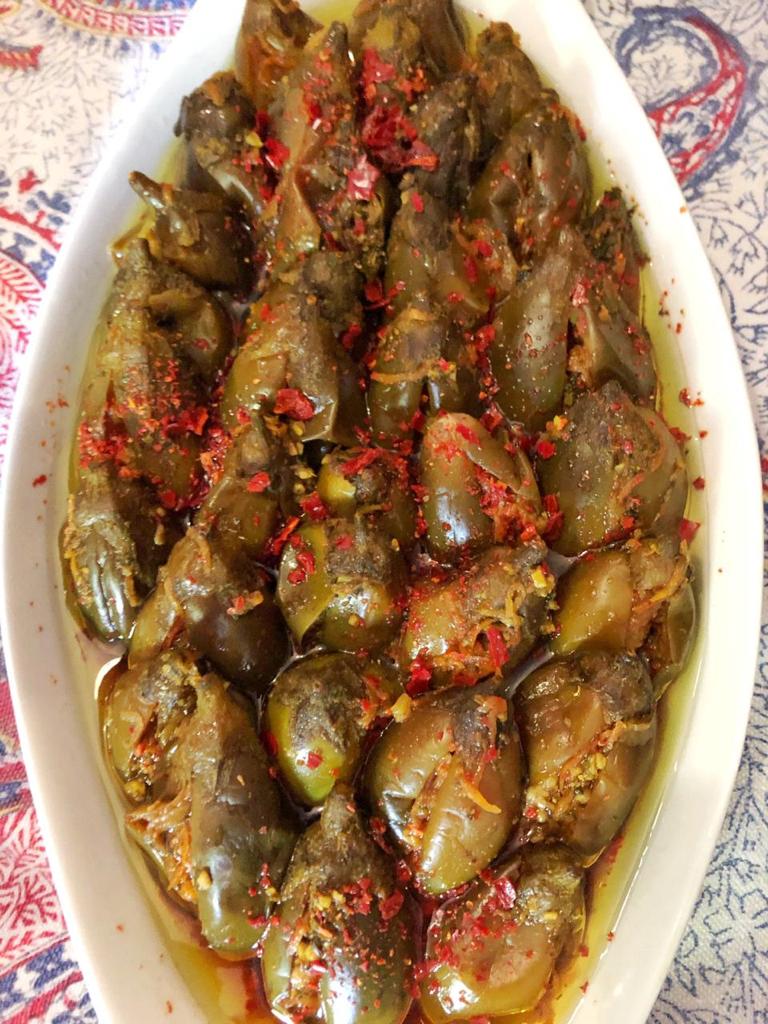
It could be grilled eggplant served in paste form with yogurt and walnuts (called burani and similar to what we would know as baba ganoush) or even a pickled and stuffed version. Accompanying that is something quite close to what we would recognise as tzaziki, perhaps a bit thicker than weโ€™re used to it, with herbs. A typical salad is a shirazi with chopped cucumber, tomato, red onion and mint. Part of the deal which he couldnโ€™t find on the day is what he describes as an unripe grape juice very common in Iran. He knows he can source it here too but also found an alternative solution.

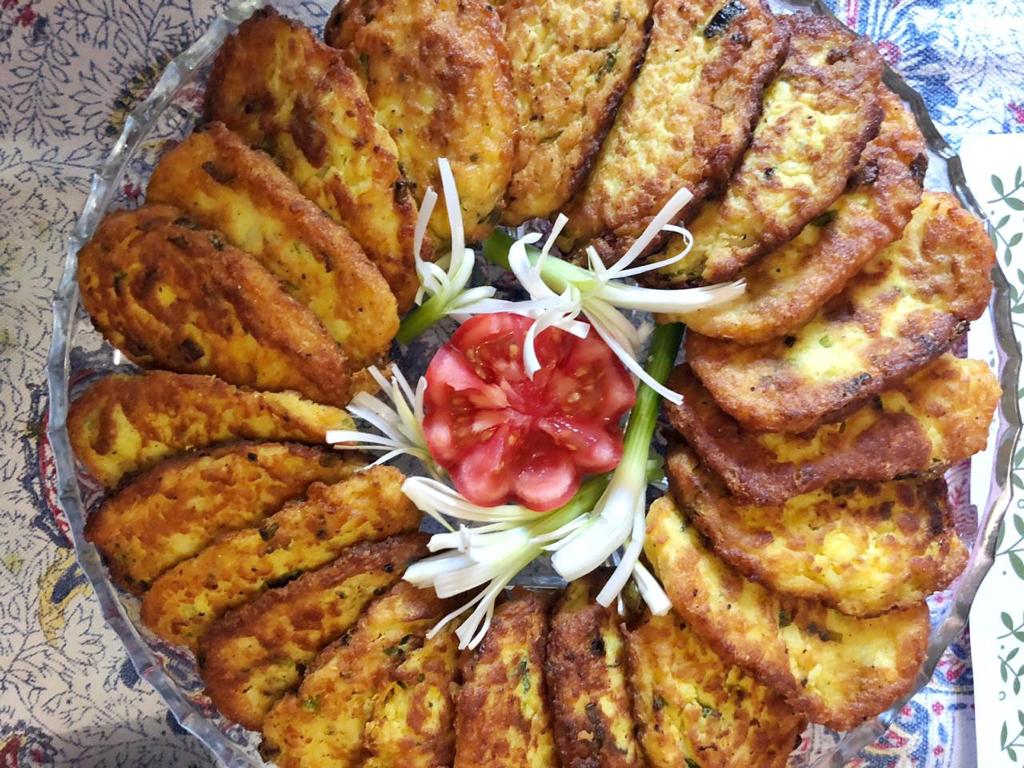
Stuffed and marinated olives with pomegranate paste and walnuts, all Iranian staples, a spinach and bulgur wheat salad and a potato croquettes add to the taste explosion. One has to be careful because thereโ€™s mains to come but all of this is so moreish and hard to resist. Itโ€™s familiar yet with an unexpected fresh take.

Iranian chicken kebabs on the fire

Many of us could easily have stopped eating at this point, completely replenished, but the mains and dessert were yet to come. Kebab, an Iranian specialty, was on the menu with two favourites, a saffron-marinated chicken kebab (jooje kebab) and a grounded lamb cholo kebab, which means it is served with a loose Basmati-type rice. When you get the family talking about Iranian rice, they are in full agreement that this is the best rice in the world. โ€œThe scent of it alone lingers,โ€ says daughter Maryam, who is in her final year to qualify as an industrial engineer.

Another Iranian treasure is something called tahdig (translated as potato crust). Mahdi describes this simply as a knockout! When they cook rice, potatoes are put in the bottom of the pan to prevent the rice from burning and this crispy crust is brought to the table for the guests to pick at. โ€œIf we donโ€™t serve it, guests will ask,โ€ he says, comparing it to that special ingredient not to be missed!

Also something unusual and part of the meal is a rice cake (tahchin), which is exactly what it sounds like but it has a crust and is made in a square. Sometimes it has a chicken filling or I suspect a chef can play around.

An Iranian rice pudding

The meal concluded with a rice pudding, which is another version of something weโ€™re quite familiar with but by that time, I didnโ€™t even have the tiniest space.

One doesnโ€™t think about the cuisines you donโ€™t know and hardly hear about because of those available out there. But one of the many benefits post-1994 has been the introduction of so many flavours to the South African food scene.

Contact Mahdi (who comes as a package deal with his wife and daughter) if youโ€™re interested in hosting an Iranian feast. You can discuss the menu and everything about the event according to your needs and wants. He doesnโ€™t supply the drinks, and guests bring their own. But nothing can prepare you for something presented with such warmth and deliciousness.

For more detail or to discuss bookings, contact Mahdi on email: sanatkaran2001@yahoo.com or on Instagram: @persian_food_stop.

In A World That Feels Closed, Teksmark Breaks Down Barriers – As The Arts Should

PICTURES: Nardus Engelbrecht

It was the fifth year of the Teksmark (text market) at the end of last month, something originating from Hugo Theart (artistic director: Kunste Onbeperk) and supported by Cornelia Faasen (CEO of the Nasionale Afrikaanse Teater-inisiatief NATi) and Lara Foot (CEO and artistic director  of the Baxter Theatre Centre) โ€“ and not even Covid-19 was going to scupper their plans.  Going from strength to strength, this yearโ€™s crop of entries exceeded 120, a clear indication that people had time but also the talent to start writing. DIANE DE BEER reports:

Die Sondige Sewe by Niรซl Rademan
For many this was their first outing to the theatre post Covid-19 and Cape Townโ€™s Baxter (the home of the Teksmark) made sure everyone complied with the rules.
Fortunately, huge crowds are not a necessary part of the deal as the three days pack in mainly the playwright and artists involved, a few producers and possible independent funders, as well as representatives of the different festivals.
We should all be pulling together but language has always been a stumbling block in the sense of who speaks and understands what and with not many (white folk) who can speak more than two of the 11 official languages.
Two of the comedies from the Suidoosterfees Nati Rising Star Project: Die Workshop by Fabian Rainers (left) and Al Dra ‘n Aap ‘n Goue Ring by Margo Kotzรฉ

But if anyone is going to find a solution, this is the perfect platform and already this year there has been a much stronger push for collaborations. Sometimes a playwright would use three languages to tell a story. In another instance, a gang of playwrights got together to write a play almost in Robert Altman fashion where different sketches are pulled together to make a whole.

Itโ€™s just easier to mix and match on every level when this kind of collaboration becomes the norm and for audiences the variety is huge. As much as everyone has their favourite artists, thereโ€™s nothing as exciting as a much larger pool to choose from and to witness.
This is a time to move forward and not back. Once the barriers came down, there was an explosion on our stages of new talent. The diversity is to our benefit locally and we could lead the way internationally. This is the way to enrich and enlighten minds by experiencing one anotherโ€™s stories and the way stories are told.
Covid-19 has been a nightmare for everyone, but if anything has been a certainty in these uncertain times, it is that artists will find inspiration and show us many different ways to move forward.
When one of our top and most prolific playwrights Mike van Graan, for example, collaborates with the likes of Wessel Pretorius and Malika Ndlovu sparks are going to fly. There were six playwrights in all, none of whom had met before when they arrived at the Teksmark.
They had been commissioned by Lara Foot to attempt this way of telling a storie(s) with Van Graan as the one who had to pull everything together with some kind of through-line. They had weekly digital meetings but this was the first time they saw an extract from the work.
The Valley of the Shadow by Qondiswa James, Tankiso Mamabolo, Tiisetso Mashifane, Malika Ndlovu, Wessel Pretorius and Mike van Graan.
The thing I found interesting having read the play, The Valley of the Shadow, without knowing who the writer(s) was – was that I didnโ€™t detect that it was a team effort. Because of the different characters (and that was a clever way to do this kind of collaboration) each story had a specific voice which meant that the writing could organically change from scene to scene.
Playwright Kanye Viljoenโ€™s text was in Afrikaans, English and Xhosa, as she dipped into a Karoo tale familiar to many โ€“ a mermaid somewhere in the Meiringspoort environs. Itโ€™s a magical South African story with roots in the past (meaning different things to different people in the group) but set in our present and how we can tell stories.
Kanya Viljoen’s multi-lingual Grot
She wanted to uses different languages as would happen in a South African context. Even when you donโ€™t understand everything, it doesnโ€™t land strangely on the ear because it rings true. I have watched many bi-lingual plays at The Market in the past where English was used to tell the story and isiXhosa or isiZulu perhaps to capture more of the culture through the language.
Do you miss out when you donโ€™t understand something? Of course, but perhaps finally in this technological advanced  time, thereโ€™s a solution other than just sticking to a universal language โ€“ in the South African context, English.
People playing in their own language and those listening is something to experience โ€“ still not common in this country. Hopefully, as this kind of writing happens more frequently, someone will find an imaginative fix.
Another language case in point was iNau and ander drama by Jolyn Philips, who brings the lives of three women, Bientang, Narina and Lydia, to share a very particular story of which this particular unfolding makes a strong statement of this time โ€“ and more than anything it is about time.
To capture these silenced voices for those who have never been without voice, she sat down after the performance (in which she also participated) and described the toughness of allowing the drama to unfold. It needs to be part of the performance because it explains so much for those who need to hear. Itโ€™s a powerful performance and can be described as life-changing without any dramatics.

There was much to praise in all the other selected Teksmark plays including themes of dysfunctional families playing out by using mercy killings (assisted dying) at the heart of the story in Mike van Graanโ€™s What We Wish For; Covid Moons, Clare Stopfordโ€™s response to being trapped in a high-security block of flats in Cape Town during the first Level 5  lockdown (the play opens on Friday 20 November and that night is sold out but tickets are available for all other performances from 17-21 November. Book online now at https://artstown.co.za/) and what she achieves is innovative and refreshing; Niรซl Rademanโ€™s contemporary cabaret Die Sondige Sewe managed to revive a tired and now neglected genre with smart writing and snappy performances with a simplistic execution which benefits the script.

What We Wish For by Mike van Graan

The other magnificent move was the inclusion of a series of plays which formed part of the Suidoosterfees Nati Rising Star Project. As the name implies, these are young playwrights who attended a writing school in the Eastern Cape led by Abduragman Adams through the Jakes Gerwel Foundation.

They dovetailed smartly with the Teksmark and addressed issues such as bullying and sexual predators on the one hand, while on the other there were two delightful comedies; the issue-driven farcical Al Dra โ€˜n Aap โ€˜n Goue Ring and Die Workshop, with playwright  Fabian Rainers finding a tongue- in-cheek way to tackle universal issues.

As in previous years, the playwrights keep moving the goalposts for the following yearโ€™s  crop โ€“ and this time it feels as if a closed world allowed everyone to break down all existing barriers!

Viva the arts!


Changing Lanes, Hilary Prendini Toffoli Turns to Italy and Food for Debut Novel


With Covid19 hastening the demise of print media (in this country but also across the world) as we know it, journalist Hilary Prendini Toffoli knew she had to reinvent herself โ€“ and she has, in most intriguing fashion. DIANE DE BEER chats to the veteran journalist about her first novel Loves & Miracles of Pistola (Penguin):

โ€œI worked on Pistola on and off for several years when I was a journalist, but it was only when the media industry was really crumbling that I decided to reinvent myself and complete the novel,โ€ explains Hilary Prendini Toffoli (Penguin).

Yet it is something that started even before her journalism career. She had her first short story published in what was then The Cape Argus when she was about 20, a BA student at UCT. Later she joined The Argus and became the companyโ€™s first female sub-editor.

Then she moved to Joburg and ran the Star Woman with Sue Grant Marshall (another journalist turned author) doing the Womanโ€™s Page.

Where I became hooked on her writing was during her time as  a journalist for Style (remember them?) from 1983 to 2006 covering everything โ€œfrom social and political satire and profiles (21 eligible bachelors in one story), to features about high profile local murders and rapes, as well as writing edgy short stories.โ€

Then she went freelance doing features and columns for a wide variety of publications including Noseweek, Insig, Financial Mail, City Press, Business Day, House&Leisure etc.

For her the move from journalism wasnโ€™t difficult. โ€œOver the years Iโ€™d written a few terrible unpublished novels, both here and overseas in my twenties, living in Spain, France, England and Japan, trying to find myself, that old clichรฉ enacted out by a lot of us those days.โ€

What also came into play were all these interesting characters sheโ€™s interviewed over the years which gave her a helluva lot of material. โ€œI think much of it went into the subconscious, to come spilling out when I write. So the process of writing fiction is not for me a case of โ€˜Open a vein and bleedโ€™ as someone once described it. My MO is more on the lines of what Stephen King says. โ€˜Put interesting characters in interesting situations and see what happens.โ€™โ€

She does however make it sound easier than it is. Not all journalists have books in them even though it is also about writing, it is something completely different. Yet those familiar with her work will not be surprised. Hilaryโ€™s interviews were special. She had an acerbic eye but was never unkind โ€“ funny yes, and capturing the zeitgeist of her time, absolutely. And she never took life โ€“ or herself โ€“ too seriously.

She is right when she notes in our correspondence that Love & Miracles of Pistola came at the right time. โ€œIn these tricky Covid times the bookโ€™s nostalgic flavour has given a lift to readers. Plus they love the food angle because theyโ€™re all cooking more than ever before. And they love Pistola because he had his own battles and survived,โ€ she reports.

Hilary in her kitchen

The characters of Pistola and his grandfather Nonno Mario first popped into her mind during the long stretches of an Eastern Cape road trip. โ€œIโ€™d wanted to write about the life of my husband Emilio who grew up in a post-war Northern Italian village in the fertile Po Valley with pigs as big as small Fiats, and where people have survived in spite of the battles that have raged for centuries over these maize and rice fields. This was a way to do it.โ€

But for local readers especially, itโ€™s more than just looking back. Itโ€™s also the diversity of our  people โ€“ always a South African strength โ€“ that captures the readerโ€™s imagination. Weโ€™re all lovers of Italian food (and that isnโ€™t an exaggeration), and this is a story which gives us insight into some  of the roots of all that glorious Italian food … today still.

Hilary explains: โ€œAt first the story revolved around food and its importance in this place where the daily greeting is โ€œSo have you had a good meal?โ€ Then I remembered the piece Iโ€™d written for Style magazine on the young Italians brought to South Africa in the fifties as train stewards by the Nationalist Government. Iโ€™d got great anecdotes from several who were still here running restaurants.

Hilary and her husband Emilio
Picture: Alex Moss

โ€œSo I put Pistola into this story and it really worked. I could show that repressive political era through the eyes of these naive young foreigners, most of them in their teens, with Pistola going to places like Sophiatown and the Malay Quarter. For an Italian village boy, South Africaโ€™s increasingly racist laws were a challenge, but also a journey of self-discovery – Pistolaโ€™s miracles.โ€

And she says it herself: โ€œWhat makes the story particularly interesting for South Africans is the fact that many of those Italians then stayed on and opened restaurants all over the country, introducing Italian cuisine to people whose only knowledge of Italian food was Heinz spaghetti on toast. Places like La Perla in Sea Point gave South Africans not only great pastas and pizzas but also a taste of Italyโ€™s extraordinary range of culinary masterpieces.โ€

We can all agree when she says that it was the beginning of a love affair with Italy.

What is also evident is that her husband, Emilio, being a great cook, played no small role. At one stage he had a deli in Oranjezicht, and he made most of the takeaway foods. Lasagne, ravioli, cannelloni, gnocchi, parmigiana di melanzane, minestrone, osso buco, chicken cacciatore, pesto Genovese, and tubs of sauce โ€“ arrabbiata, amatriciana, napolitana. โ€œClients loved to come and talk to him about their Italian holidays. It was then I began to realise how South Africans love Italy. Not only the food. Also the art, the music and the picturesque towns and villages with their fountains, piazzas and romantic Roman ruins.โ€

Personally, she has no Italian blood. โ€œMy first encounter with Italians and their culture was on the Lloyd Triestino ships that used to sail between Venice and Cape Town in the sixties. Far cheaper than airflight In those days. Those two-week trips were heaven. Great food and music, and good-looking officers!

โ€œIโ€™m a WASP, born and brought up in Cape Town. My mother Constance Young was a prolific journalist for the old Outspan magazine. She also wrote short stories that won prizes on the radio. So for me writing has been a lifelong obsession. Especially fiction.โ€

Author Hilary Prendini Toffoli

The book has also been a family affair in other ways. โ€œI was lucky to have my daughter Caterina, a graphic designer with Yuppiechef, do the vibrant cover. 

โ€œMeanwhile I so enjoyed writing Pistola Iโ€™ve just finished the second in my Italian trilogy. Not a sequel to Pistola but the story of another young Italian migrant, Furio, an opera-singing romantic with a broken heart and a volcanic core, who finds himself working on the farm of a great white hunter in Kenya at the time of the Mau Mau. Challenging stuff he has to find ways to deal with.โ€

And thatโ€™s done in Hilaryโ€™s typical Sjournalist style! While still in the throes of doing publicity for her first, she has already completed the second โ€“ and I would not put it past her to be already working on the third.

So start where it matters, and get onto this first one. Itโ€™s a great read, informative, and captures a country and its people in a particular time.