THE ENORMITY OF STAGING A NEW WORK LIKE THE BACCHAE – AN AFRICAN CHORAL BALLET

By DIANE DE BEER

PICTURES: LAUGE SORENSEN

This is a year of anniversaries, with theatres and institutions celebrating milestones. One of these is Joburg Ballet whose 25thAnniversary Season promises a monumental year of dance with a range of exciting productions that will showcase the company’s rich history, artistic vision and institutional growth, according to their CEO, Elroy Fillis-Bell at the launch of their milestone Silver Jubilee year. 

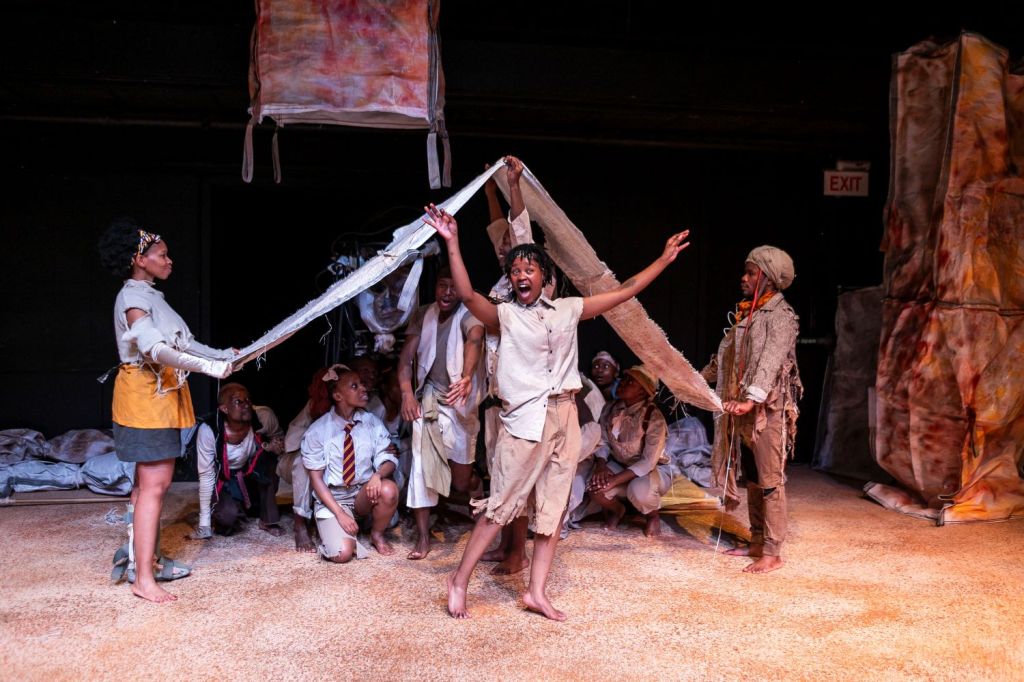
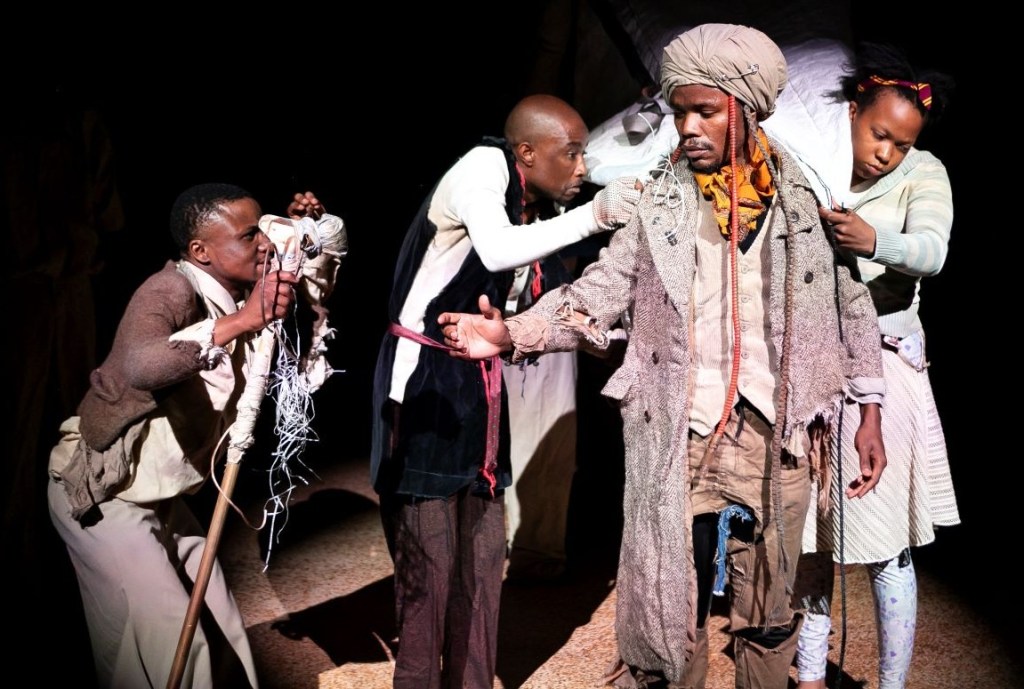
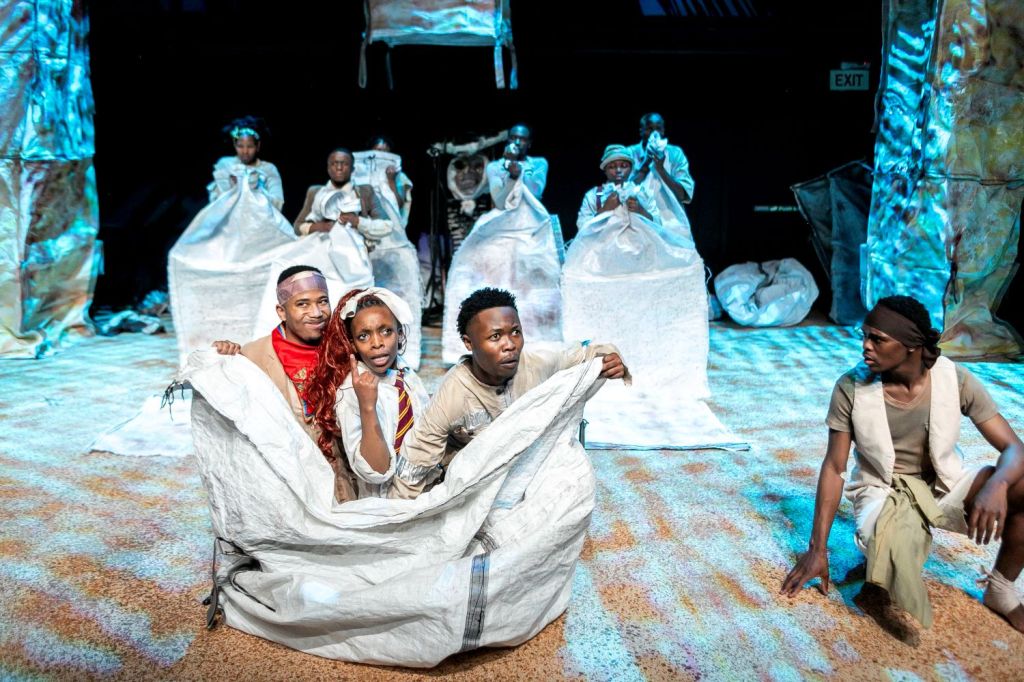
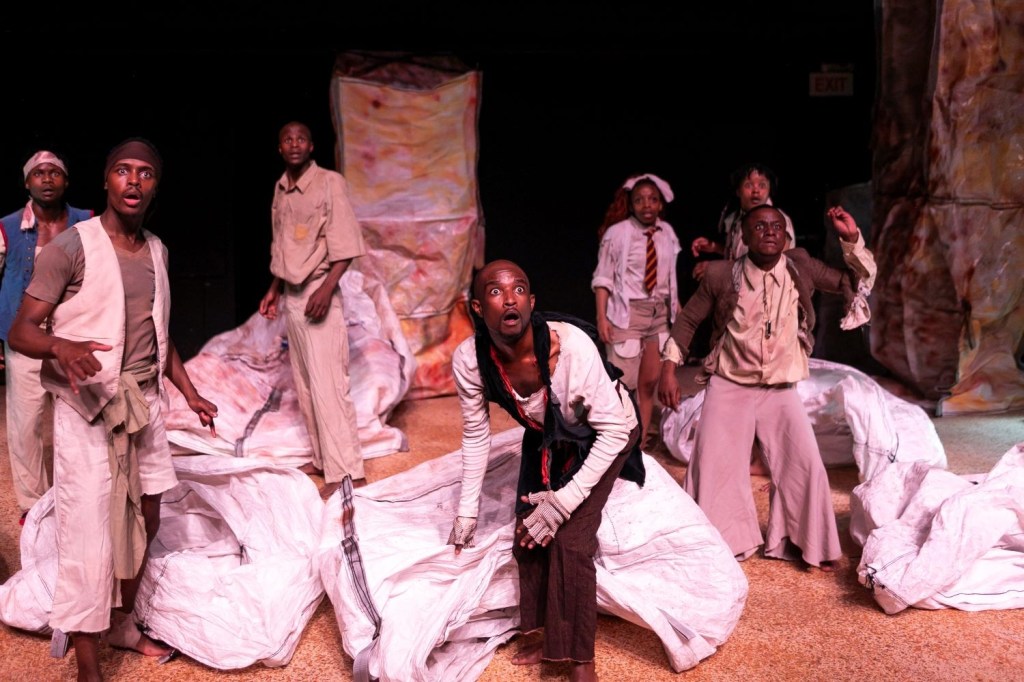
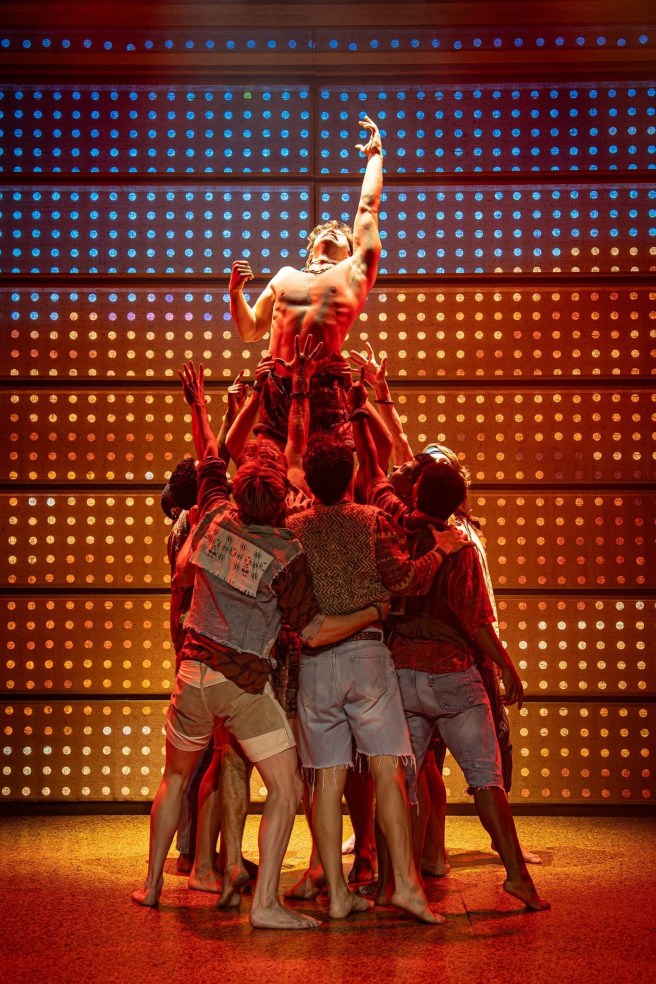
With this in mind and in partnership with Arts & Culture at the University of Johannesburg, a division of the Faculty of Art, Design & Architecture (FADA), is currently staging “a world-first Choral Ballet that reimagines Euripides’ iconic tragedy through a uniquely South African lens – The Bacchae: An African Choral Ballet.

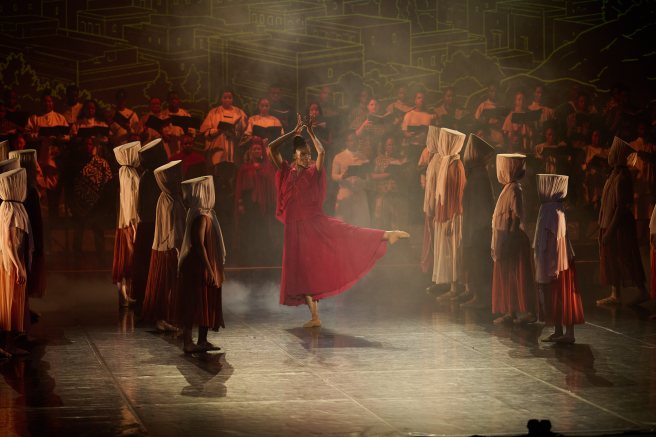
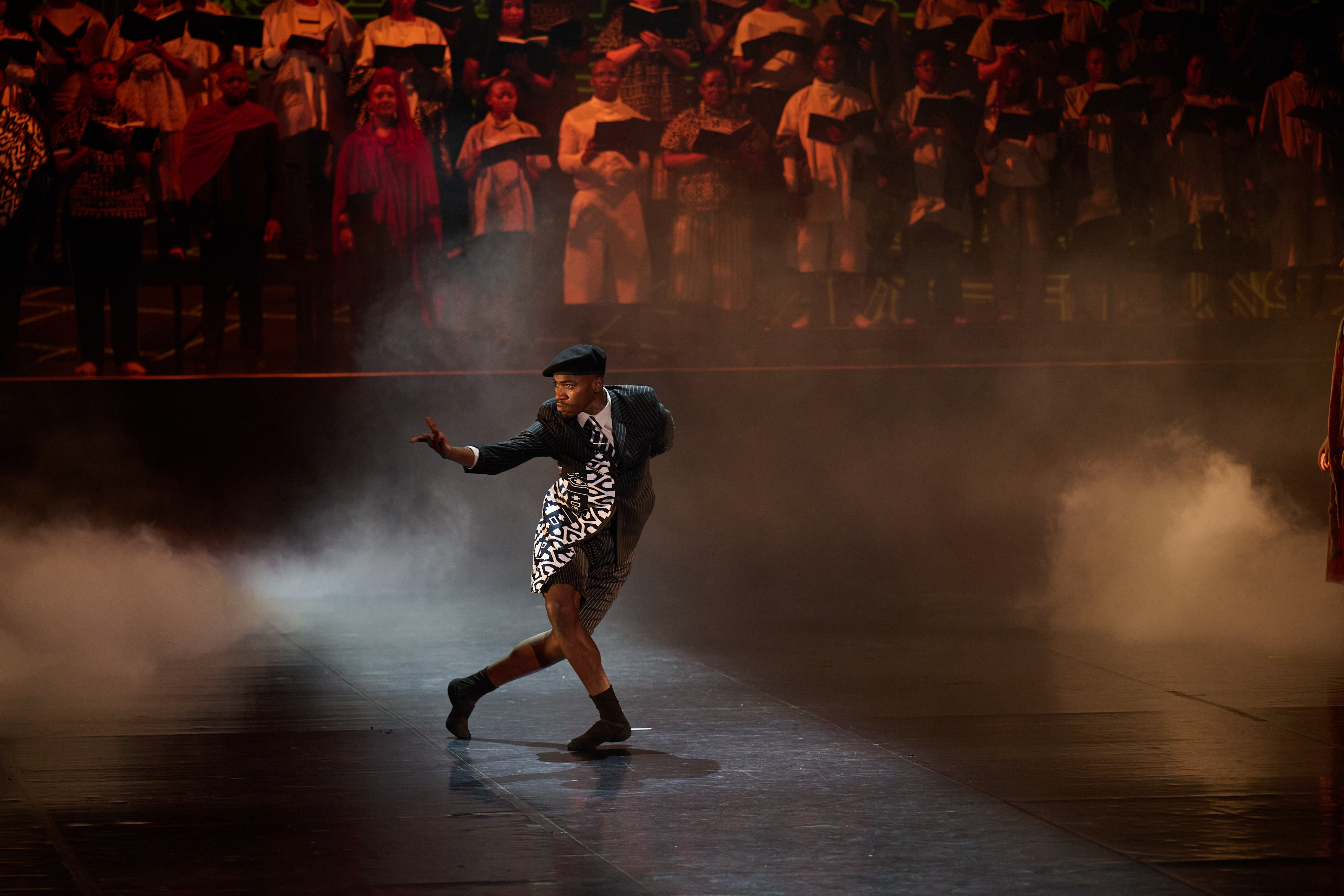
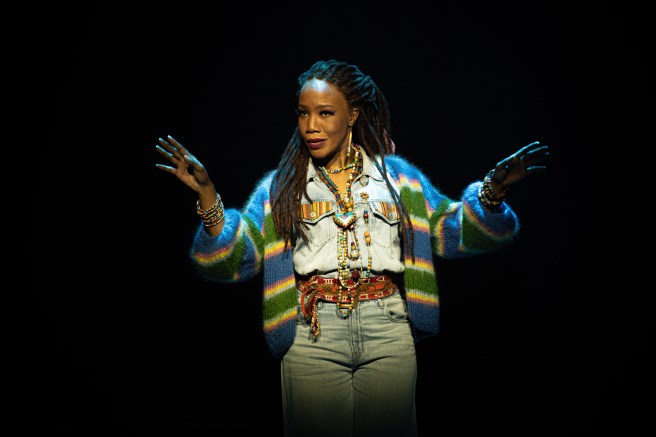
Kitty Phetla centrestage with the Joburg Ballet and the UJ Choir in the background.

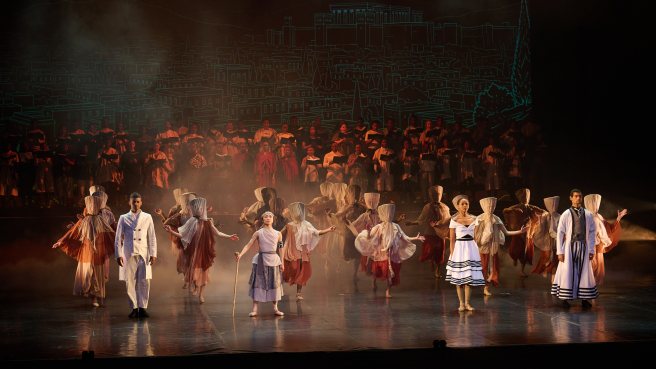
And for this spectacular event, they have put together an extraordinary creative team which will excite art lovers across the country. There’s director Jay Pather with his second work on stage this month (see previous review of Constellations at Sandton’s Theatre on the Square), award-winning choreographer Mthuthuzeli November, and most impressively, composer Neo Muyanga, who conceptualised, wrote and composed this first African choral birthday celebration. On stage the Joburg Ballet came together with the UJ Choir and guest artist Kitty Phetla with a production team of note in the wings.

Muyanga started dreaming about the project a number of years ago when he first read a translation of Euripides’s text. “Later,” he writes in the programme, “I was able to locate versions of the story authored by the legendary Wole Soyinka as well as poet Anne Carson, and at each reading I found the story resonated deeply with expressions of worry I hear shared over the media as well as in my own personal interactions regarding what feels like an impending societal crisis, both locally and globally.”

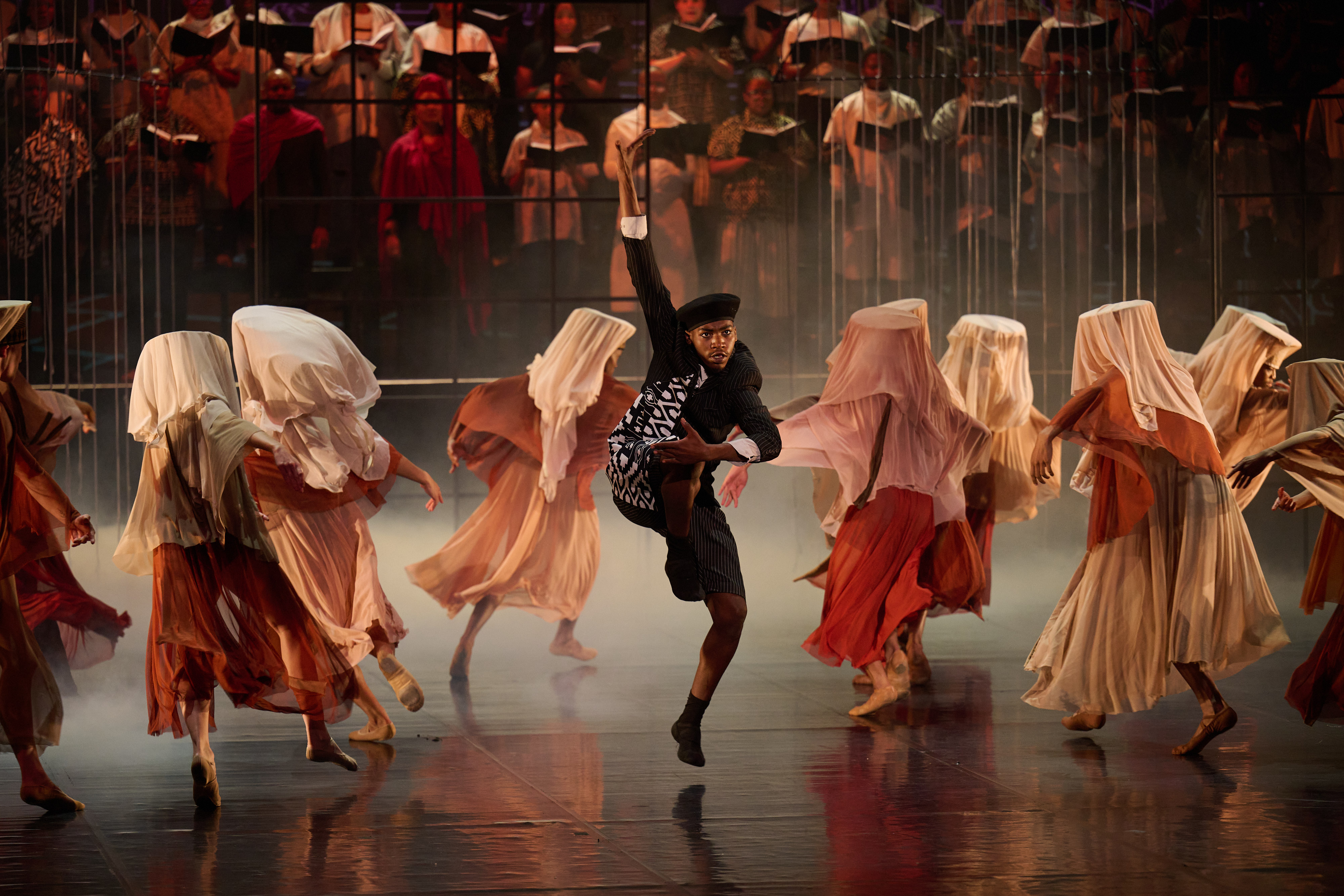
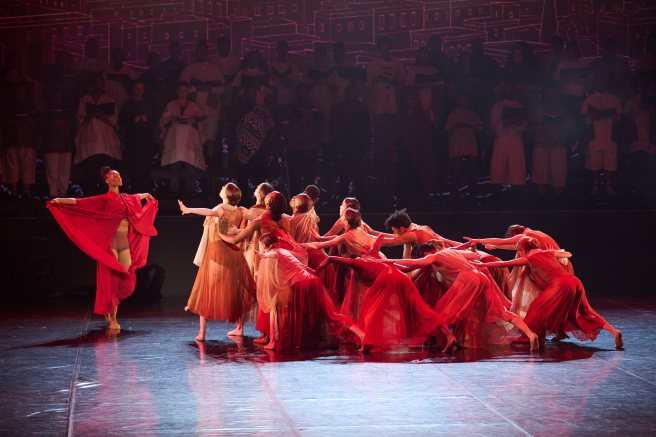
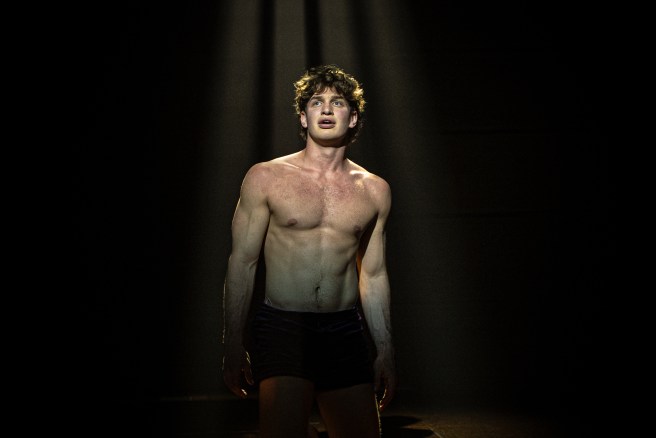
The illustrious dancer Thando Mgobihozi, Joburg Ballet dancers and the UJ Choir in the background.

He describes The Bacchae as “a harrowing tale of what the ancient Greeks called Sparagmos – a festival of violence and mayhem involving the tearing of one another from limb to limb of spilling blood in order to work through periods of upheaval.” He explains that the ancient Greeks devised the genre of tragedy as a way of helping a troubled society navigate towards a catharsis – reaching a point of resetting the city and returning to the ‘right behaviour’.

He started the project by firstly writing a libretto that elaborates on the themes of magic, power, violence and seduction which feature powerfully in the original work to illustrate how these topics could be found in our own contemporary context: the spectre of a political force running roughshod over a systematically disempowered populace, but which is ultimately halted by a saviour figure derisively called ‘a foreigner’ by detractors.

He composed a musical score that hopefully speaks to the pre-eminence of ritual and trance, making deliberate use of brass, percussion and choral, which he argues are meant to reflect our own practices of ritualised worship in the African Christian tradition.

November, the choreographer, realised that for him, it was meant to be a sort of epic ballet. “It’s huge in scope but deeply human,” he emphasises.

“As an artist, I come from many different backgrounds, from traditional African dance, kwaito, pantsula, ballet, contemporary dance and have gone to a performing arts school. A lot of that then informed what felt important at what point.

“I believe this work is about community, and time and time again South Africans have been a strong community that comes together, to fight, to celebrate.”

Bringing it all together, director Pather views The Bacchae as an unbearably tragic story and sums it up as follows: “The slighted and banished God of wine, ecstasy and fertility, Dionysus” (in this instance cast as a woman, the statuesque Kitty Phetla) “returns to Thebes and exacts revenge on the autocratic ruler Pentheus. Swept up in the magical energy of Dionysus (also known as Bacchus), the citizens (who become Bacchae, hence the title) experience ecstasy and freedom as never before. But like all excess, this also has its toll and leads to clashes and violence.”

He notes that the work is variously seen as an ancient tale that demonstrates that disrespect for the Gods will have consequences. And it is also read as a metaphor for, and a warning that, oppressive patriarchal regimes cannot last forever, that they maintain that volcano beneath them at their peril and will explode.

We can all certainly agree that we are living in a world that is dominated by these kinds of excesses, with rulers who are more worried about themselves and their immediate family and friends than about their fellow countrymen.

It’s a glorious proposition to explore and one worthy of the spectacular production in the Joburg Theatre. It’s a chance to see our artists when they come together for a grand collaborative effort on a grand scale.

Personally, however, I felt it lacked that African spirit of originality which I was expecting. Theatre is my area of expertise, but I have always loved especially local music and dance. For me the production was magnificently staged and yet, being the first African choral and ballet of its kind, I was charmed by the performance but left wanting for something more explosively original and African, something that would blow my mind.

Even so, I would urge everyone to go. The fact that something like this was attempted on such a gigantic scale is magnificent. That it didn’t succeed for everyone is what happens in the arts when something new is attempted.

If you’re not constantly shifting boundaries, what’s the point? If anything, this production speaks volumes about the healthy state of the arts.

LOVE TAKES SOMETHING MORE THAN THE STARS

REVIEW BY DIANE DE BEER

PICTURES: Daniel Rutland Manners

CONSTELLATIONS by Nick Payne

DIRECTOR: Jay Pather

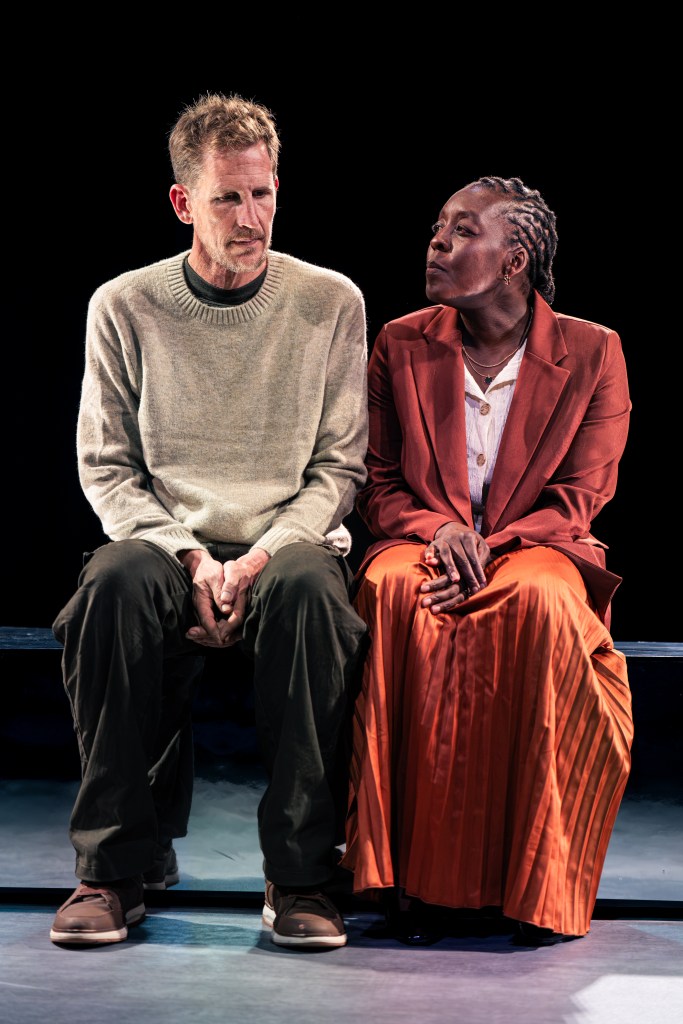
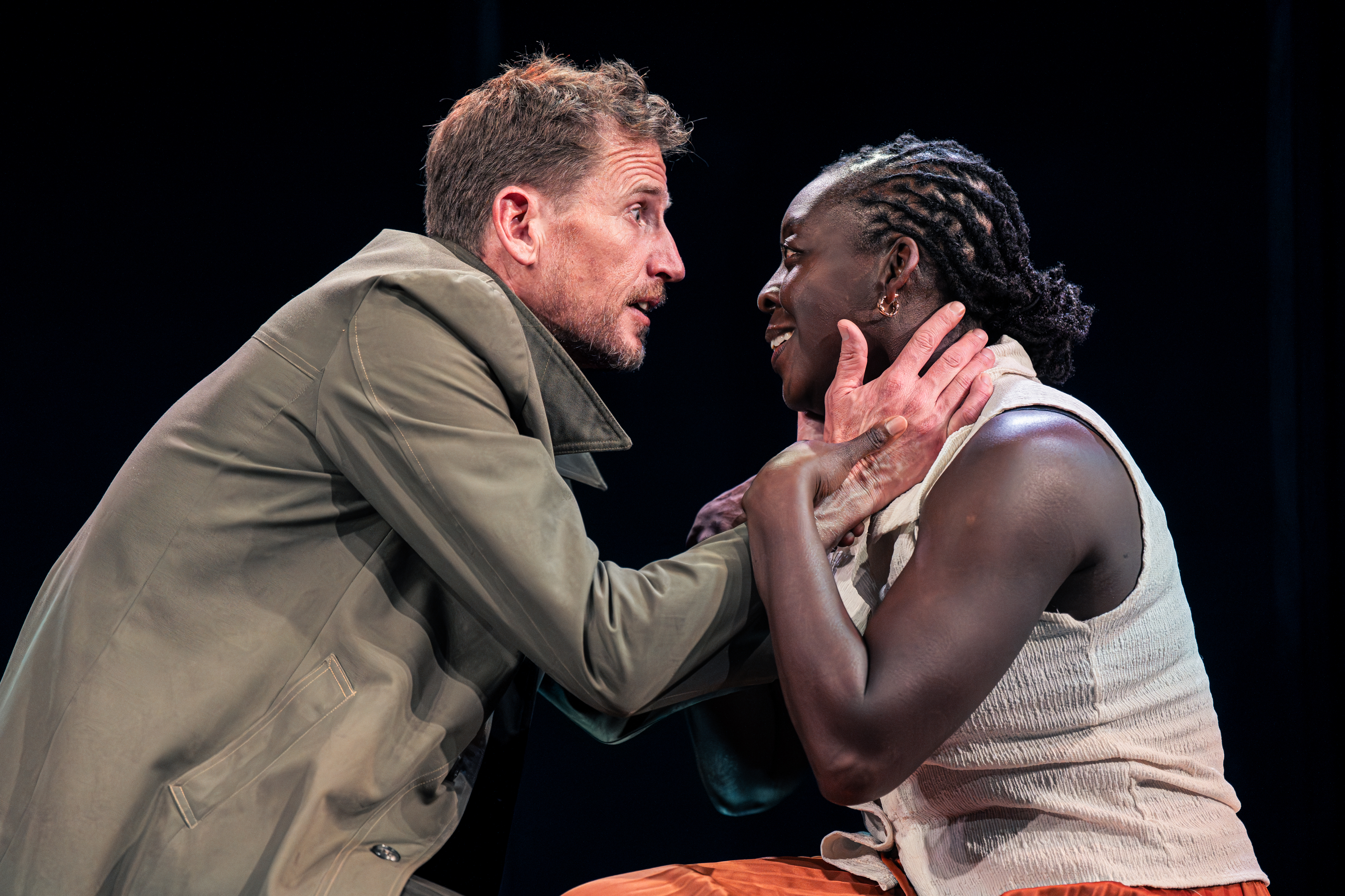
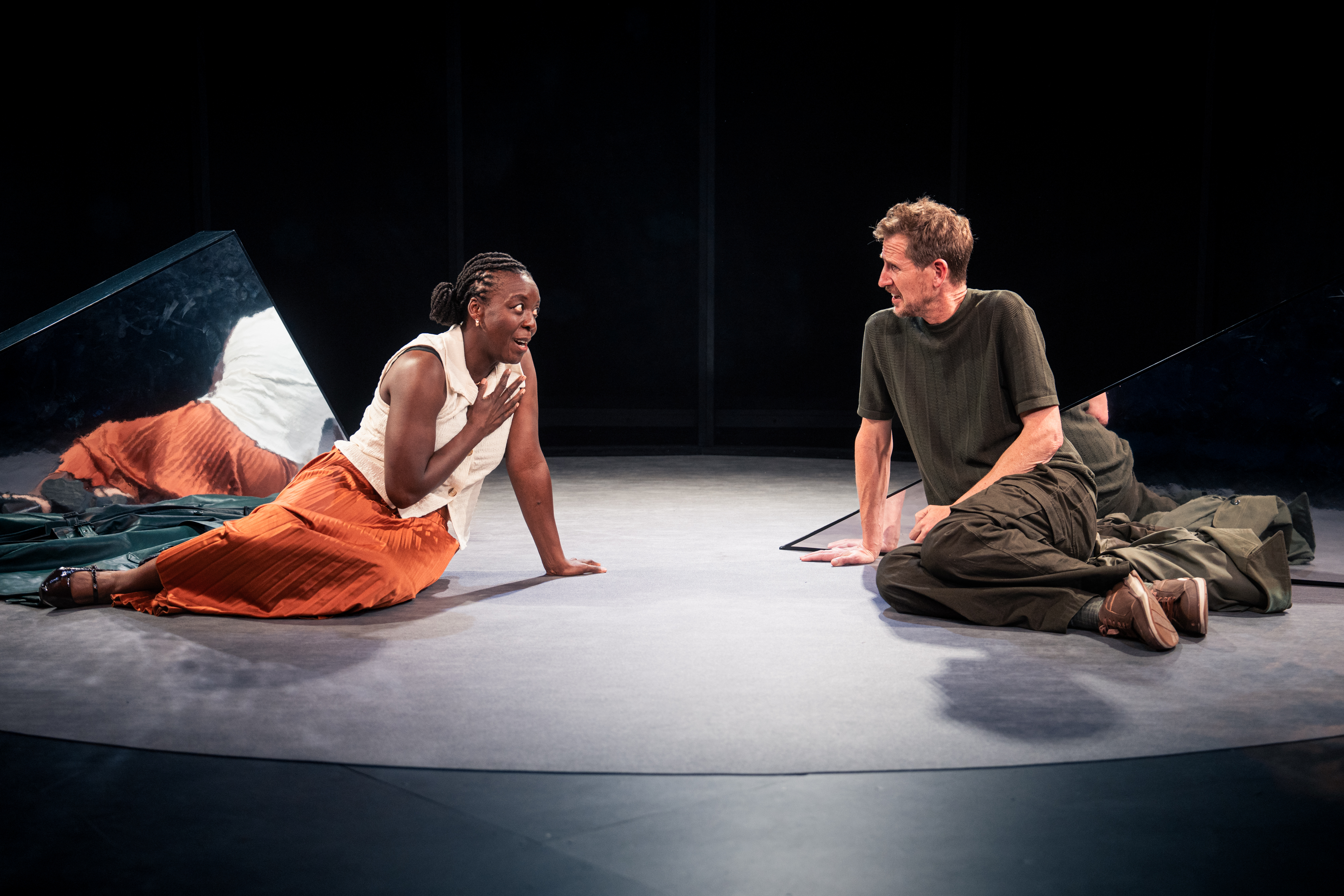
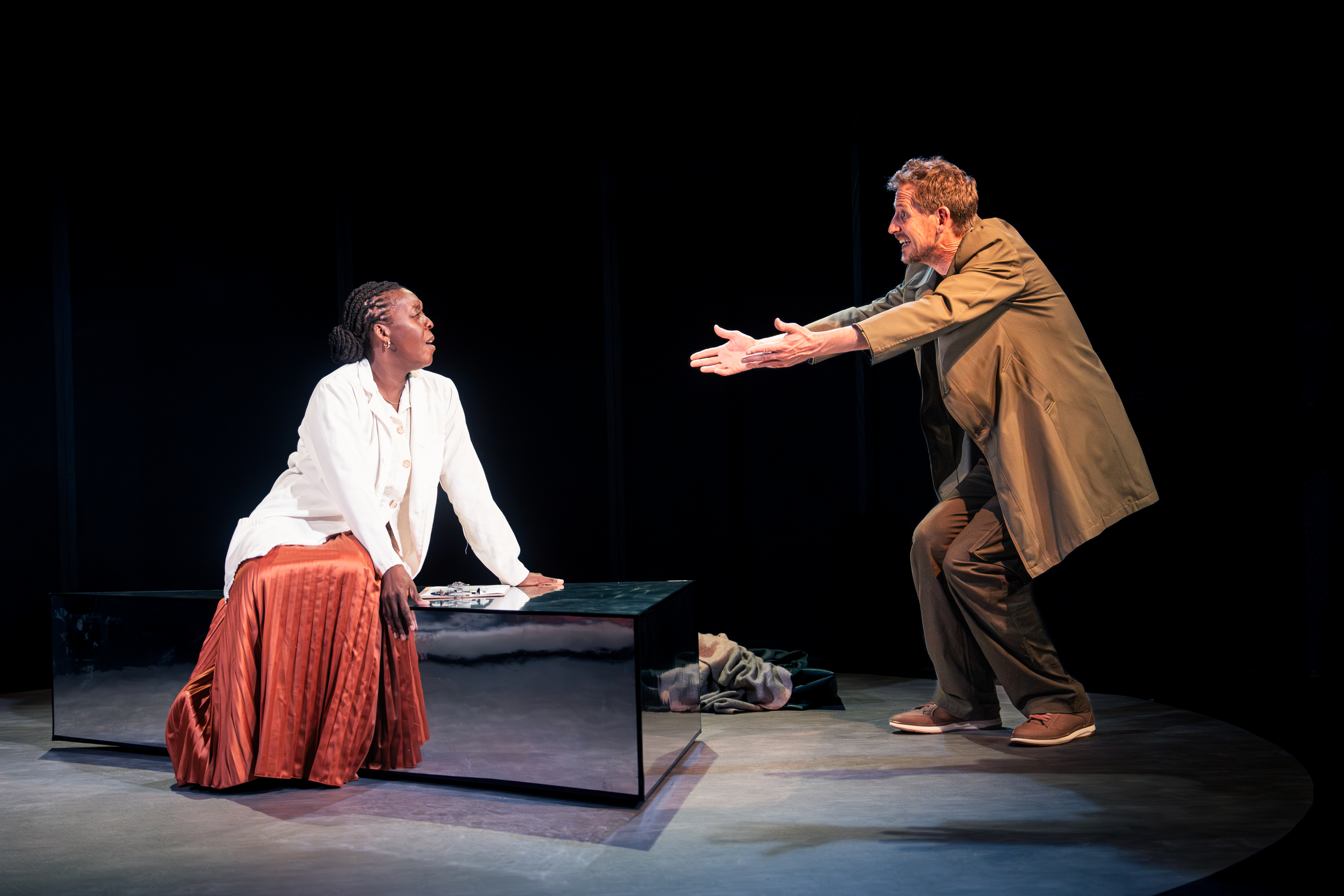
CAST: Mark Elderkin and Mwenya Kabwe (pictured above)

VENUE: Sandton’s Theatre on the Square

DATES: Tonight, until Friday at 7.30pm and Saturday at 5 and 8pm

CONSTELLATIONS is an intriguing play about a couple and their relationship, told in a way that keeps the audience running around in circles.

How does one approach a story of love between two people in an original way without it becoming too forced or even trite? We have all witnessed many different relationships on stage and screen, and in literature, but the playwright’s sleight of hand is what adds the fizzle and pop to this one.

It’s all about time and different universes where the same scene unfolds over and over again with changes in tone, perspective and behaviour that flow flawlessly and without visible fuss.

It’s about small things that have a huge impact or slip by unnoticed when two people are involved. In Constellations, the playwright plays with ideas to tell a story that is as old as the hills yet finds angles and alleyways to add a different slant.

The key to unlocking the essence of the piece can be found in the interactions between the tiniest particles that turn every action into a seismic event between two people trying to forge a meaningful and possibly lasting relationship. It spotlights the fragility and the different ways people view their world and communicate their actions and feelings – or simply a single thought which can change the meaning of what they are trying to share?

It’s almost as if the writer is gambling with love. Is it even possible? How can they have such a tough time expressing their feelings to one another?

The concept is approached playfully, giving the actors a chance to play around with words and meanings, as would happen when rehearsing a play. Those of us watching will all be familiar with the wicked ways love can play with your heart, mind and sometimes hearing!
Yet even when you have a brilliant script, it is the actors who must breathe life into the words. And here, that is it, the actors and their words. That is what makes it all so enticing. The casting is both perfect and not obvious, but Kabwe (one of my favourite actors) and Elderkin (a new discovery) are the perfect fit with smart direction by Pather, who keeps it simple and to the point. It’s all in the script and how that is managed – and in this instance, magnificently.

It is the way the two actors switch demeanour in an instant, with every sentence making a difference and changing the temperature in the room smartly and swiftly time and again.

It is thought-provoking and charming, and keeps you on your toes. What more could you possibly wish for.

Well, for some, it’s also a compact 75 minutes long, the perfect breather in a long day.

THE DELIGHTFUL DILEMMA OF DEALING WITH LIFE

Review by Diane de Beer

Pictures: Ngoma Mphahlele

AFROPOCALYPSE

DIRECTOR: Daniel Buckland

CAST: Market Theatre Laboratory 2nd Year Students

DATES: Until May 23

VENUE: Mannie Manim Theatre at the Joburg Market

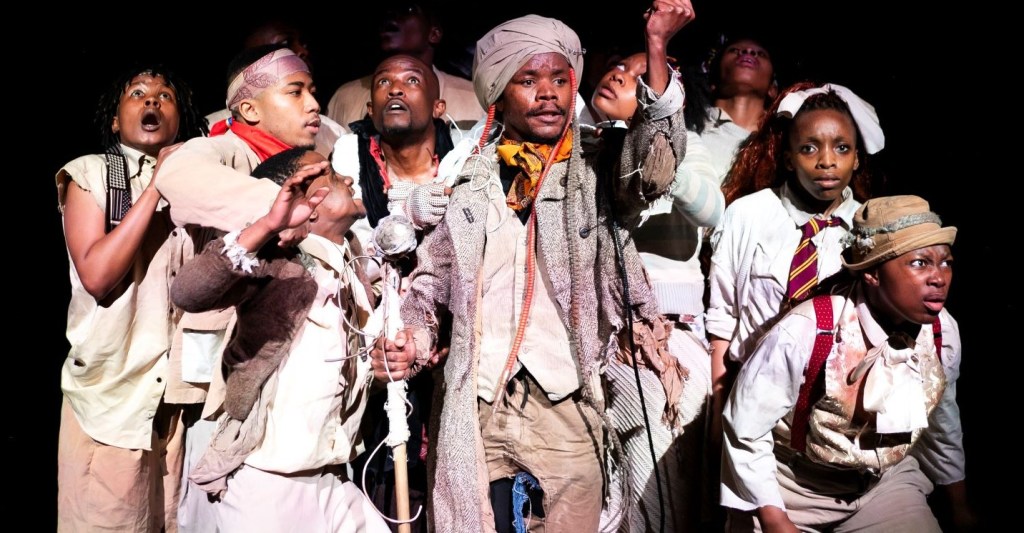
It bubbles and bristles with energy, enthusiasm and excitement in this return season of a play which started as a student production in 2024 and returned in 2025 to the National Arts Festival, where it won a Golden Ovation Award, as well as a Naledi for Best Ensemble.

This current season is the forerunner of a showcase at a Swedish Festival, where it is one of four international productions selected from 600 applicants. And rightly so.

I was surprised when leaving the show that it had only been 60 minutes long. It felt much longer, in the best possible sense, and grabs your attention from start to finish. It was packed with adventure and a cast of 14 who never let up as they leapt into this glorious yet often gruesome adventure of the human condition in a world out of kilter.

How would theatre react to a world unhinged, as is presently at play? Through storytelling, of course, and taking this one to a European audience is the perfect choice.

Think of this country’s past and, in the present turmoil, one can only smile. We are sailing along quite nicely, apart from the constant syphoning off of state money, in this instance from the art coffers, which could benefit so many rather than just a few unworthy recipients.

Nevertheless, taking four constant bogeymen in a world that feels overwhelmingly disastrous and desperate: greed, mortality, religion and unconditional love – this outrageous yet wildly entertaining ragtag group use physical theatre and magic realism to uncover and explore what is happening around them and especially out there.

The fact that this comes from a country that not too long ago was viewed as one of the worst in the world, in itself brings hope.

With Buckland’s theatre-making ideal for this tawdry yet dynamic storytelling, it’s a joy to watch with the cast performing magnificently. It’s a compelling piece, told in an original fashion with a story that reaches young and old.

This is what the Market Theatre Laboratory does best. Described as “an incubator for the development of skilled theatre-makers while also producing bold, cutting-edge work”, that is exactly what is represented here.

That is why the way this specific piece has been transformed from its first performances to where it stands now is spectacular and a wonderful testament to what can be achieved in theatre with the right people and plans in place.

None of these 14 players has ever performed internationally and with this one, they are a testament to how theatre can evolve from small beginnings into something special.

Local audiences who see the piece will also be contributing towards the tour, and the cast are given every chance to land on the international stage in the best shape possible. What could be a better advertisement for local theatre, especially in a country like Sweden, which has contributed hugely to The Market and its pursuit of world-class theatre?

But don’t think you will be doing something charitable when going to experience this remarkable play, audiences are the ones that are rewarded.

In essence, the power lies in the originality of the text, the exuberant application and the perfection of the cast.

THE OPERA SINGER HAS PERFECT PITCH

REVIEW BY DIANE DE BEER

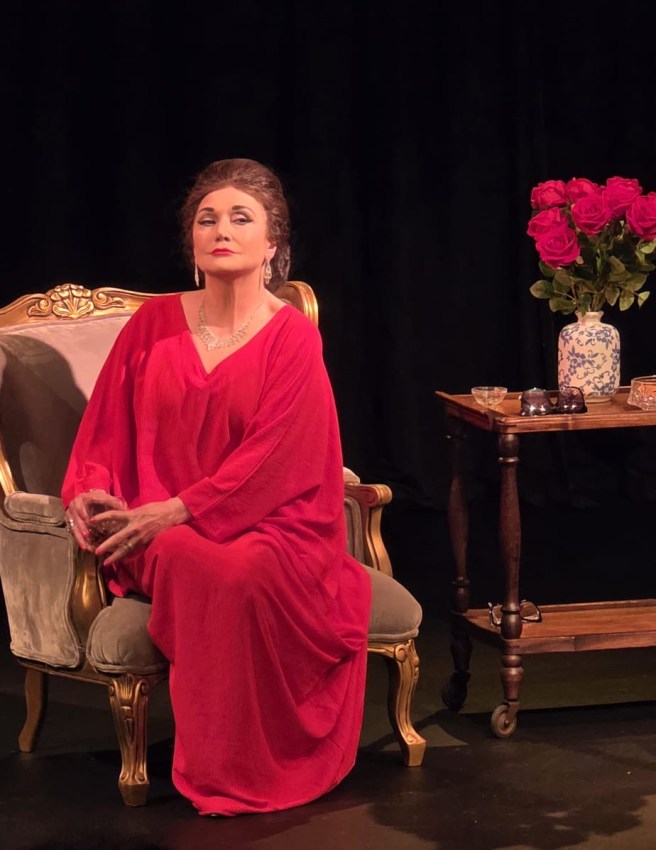
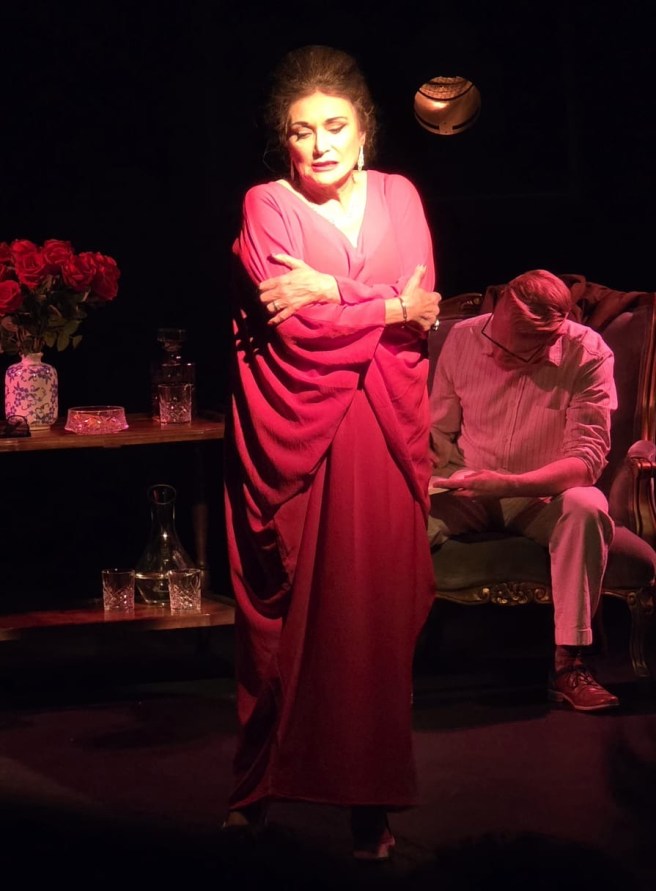
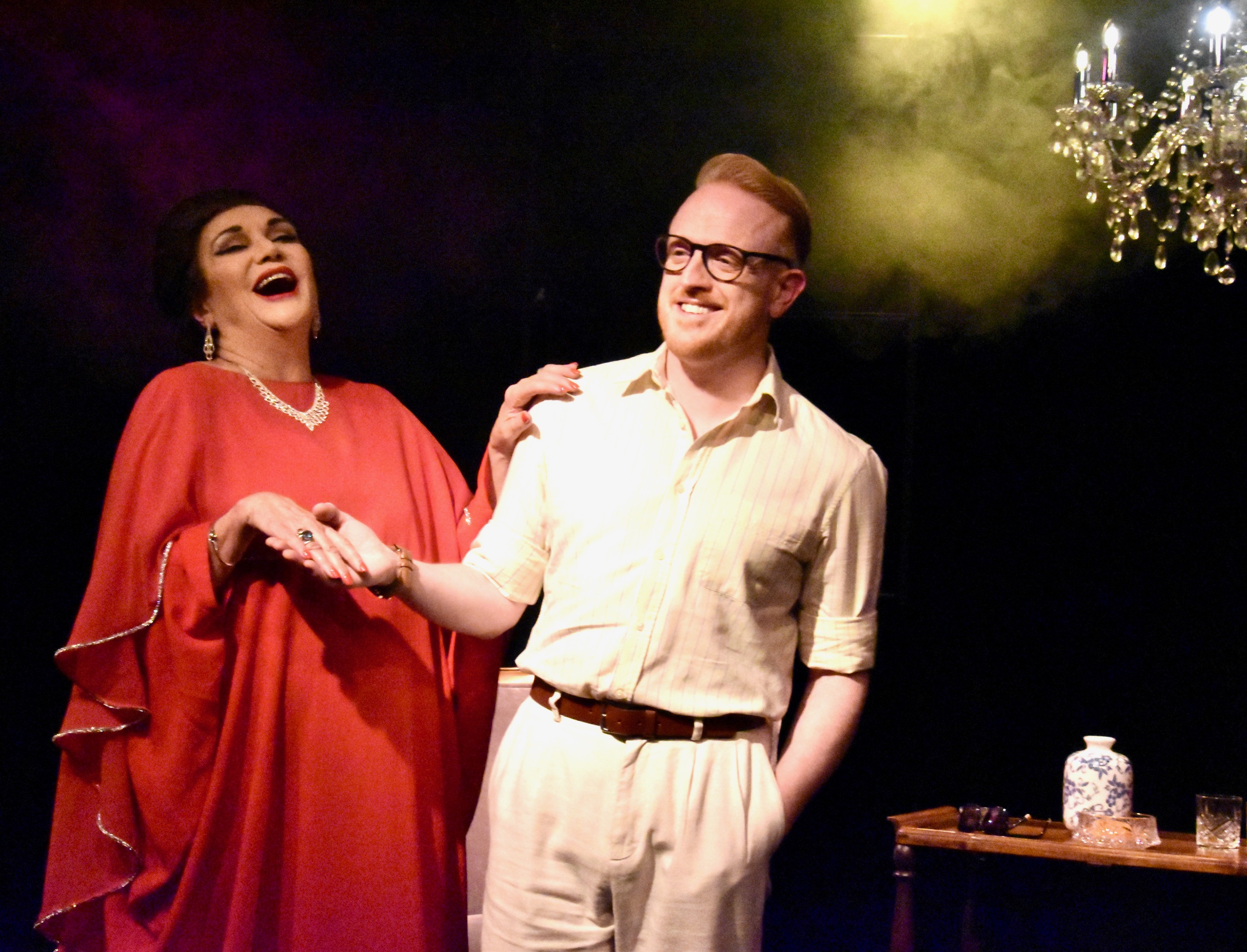
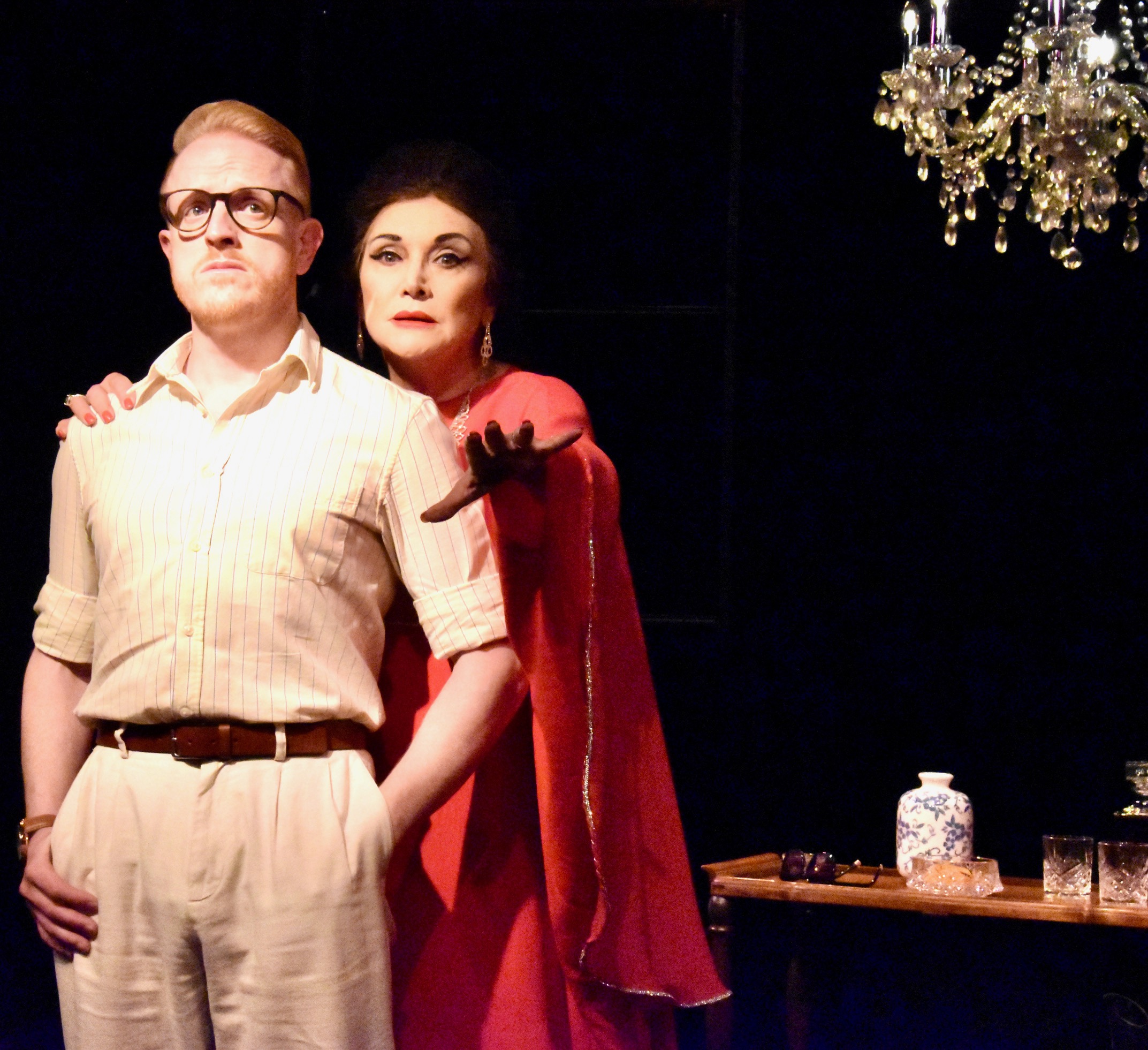
THE OPERA SINGER

PRODUCED BY TONY FLACK, TROUPE THEATRE COMPANY AND THE THEATRE ON THE SQUARE

STARRING FIONA RAMSAY AND OWAIN RHYS DAVIES

WRITTEN AND DIRECTED BY JANNA RAMOS-VIOLANTE

VENUE: THEATRE ON THE SQUARE, SANDTON

DATES: 17 to 19 March (7.30 to 9pm), 20 and 21 March 5 to 6.30 pm and 7.30 to 9pm) with similar schedules from 24 to 28 March

A NOTE FROM JANNA RAMOS-VIOLANTE

I wanted to write THE OPERA SINGER because I am deeply interested in the stories we tell about greatness and in what those stories leave out.
We celebrate artists at their peak. We applaud them, photograph them, quote them. We call them icons, divas, legends. But we rarely stay long enough to ask what it cost them to become that, or what remains once the applause has faded. We are very good at consuming brilliance. We are far less comfortable sitting with the human being behind it.
THE OPERA SINGER is a woman who gave everything to her art. Not symbolically. Literally. Her body, her relationships, her youth, her possibility of an ordinary life. She was rewarded with adoration, but adoration is loud and fleeting. Love is quieter. It stays. That distinction became central to the writing of this piece.
Opposite her stands Theo, a journalist. Not a villain. Not a hero. Simply a man who believes, or hopes, that truth can be captured in words. Journalism in this play is not an attack, but a question. Who owns a life once it has been written about?
What happens when private pain becomes public narrative? When does documentation become theft, even when intentions are good?
I am interested in the uneasy space where art, journalism, and celebrity meet. Where the hunger to understand collides with the need to protect. Where truth is slippery, memory unreliable, and identity something that keeps shifting depending on who is looking.
This is not a play about opera. It is a play about devotion. About the choices we make in the name of calling, and the parts of ourselves we quietly abandon along the way. It is about fear, and discipline, and the seduction of being seen. It is also about ageing, and what it feels like to exist in a world that no longer knows what to do with you once your prime has passed.
I hope this piece invites you not just to watch, but to listen. And perhaps to leave thinking a little differently about the lives we admire, the art we consume, and the cost we rarely see.

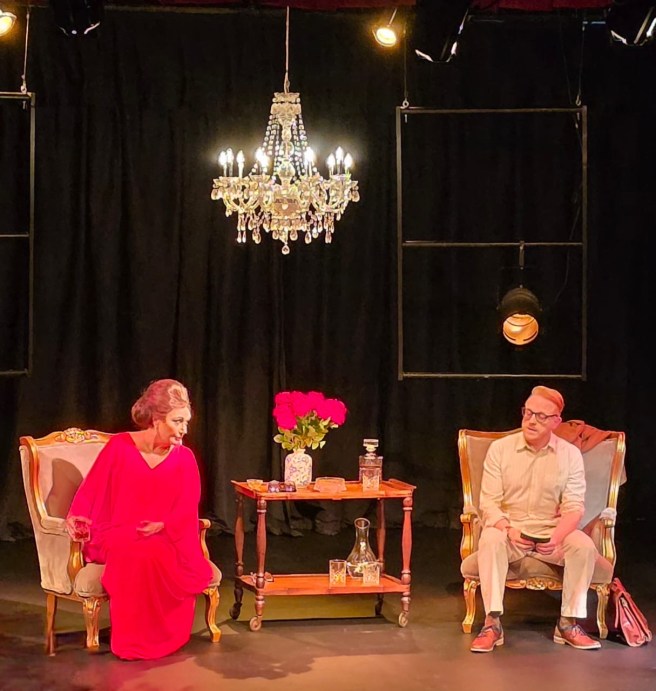
What joy to have the supreme Fiona Ramsay back on stage in a production written by her regular collaborator Janna Ramos-Violante. And welcome back to her as well on a local stage, living as she has in Europe these past few years. We’ve missed her sharp and incisive voice.

She’s written a thought-provoking play that encourages Ramsay to show her remarkable artistic prowess. There’s so much to admire here, the writing, the staging and the acting – all in ascendancy throughout.

But even more than that, it is a play that’s mesmerizing from start to finish as it draws the curtains on that hidden side of being an artist. Who isn’t intrigued by these backstage secrets, the hidden lives of performers who have to step on stage and share the most intimate details in a story written by someone else?

Through the years Ramsay has given her audience extraordinary characters she has inhabited with her whole body, soul and voice. And this time she brings the flamboyant ageing opera star to glorious life. She looks and plays the part to perfection.

It’s a delightful production that allows the actors (Ramsay and Rhys Davies as Harrington, who brilliantly captures the fan/foil to the irascible fading artist) to play out different scenarios as the artist and the journalist face-off, reflecting the nature of their relationship.

She also shines what she describes as a questioning light on the role of the journalist, who hopes to invite the audience to experience truly great acting or criticize the way a performer might be telling a particular story.

And yet,with the arts always fighting for their very existence, for everyone involved, specifically those with passion, it’s a delicate balance. If you’re not truthful (good or bad) about a particular production, who will trust your guidance in the future?

But who can claim the right to make that judgement? And yet, each one plays a particular role, and hopefully in the end, it’s all driven by a passion for the arts.

As a performer, director and playwright, Ramos-Violante has always had a very strong voice. She interrogates her world with a sharp eye and gives different points of view for her audience to digest. She is intimately familiar with that world and knows all the pitfalls, most of which have no solution but come with the territory, which doesn’t necessarily make it right or wrong. As in many professions, it just is.

She has always had an interesting take on things, writes brilliantly and, in this instance knows her subject. She throws it out there and gives the experienced Ramsay free rein which she claims magnificently.

If you’re interested in theatre and the arts, this is soul food. And especially in these times when everyone is battling for your time and presence, it’s marvelous to witness good old-style theatre with content which has never been more relevant.

SINGING THE BLUES

REVIEWED BY DIANE DE BEER

BLUES IN THE NIGHT

Presented by Joburg’s Market Theatre in partnership with Hattiloo Theatre from Memphis Tennessee

CAST: Chastity Alliston, Zan Tarria Edwards, Jamille Hunter and Grant Kee

DATES: Until February 22 at Joburg’s Market Theatre

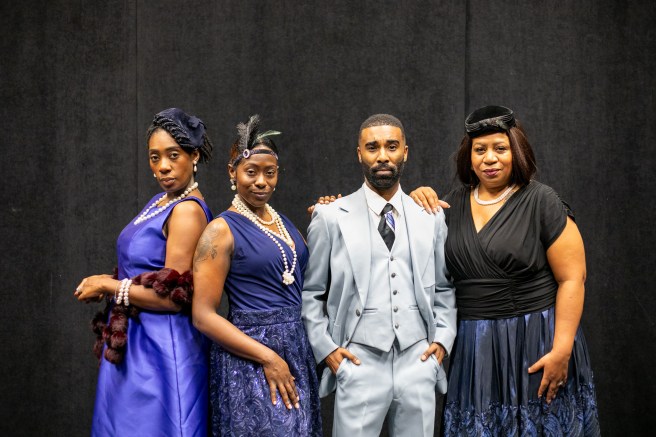
This Tony-nominated musical states that it celebrates blues, jazz and gospel classics, and their connection is with love, resilience and especially the emotional lives of Black women.

It is described as a scorcher in which the soul of the blues wails out full and strong through hot and torchy numbers. It also weaves the sweet, sexy, and sorrowful stories of three women entangled with a lying, cheating man.

For the record, songs by legends such as Bessie Smith, Duke Ellington, Johnny Mercer, Harold Arlen, Alberta Hunter, Jimmy Cox, Ida Cox, and more feature but probably what surprised me more than anything was how little I knew of any of the music performed.

It’s as if we (or perhaps that’s simply the shows I saw) focused on only a few familiar numbers like the title song as so much of the music was unfamiliar to me. But, instead of this being a negative, I found that exciting.

The performers are perfect for this musical challenge. The powerhouse Edwards, with a voice that seems to go on forever, is masterfully complemented by the sweet-toned Hunter and the smoky Alliston, while the solo male singer Kee, carrying the burden for the rest of his absent gender, uses his voice and jaunty presence to do the talking.

Not only was I witnessing an unfamiliar cast, it was also the music that overwhelmed me from start to finish. The first half felt a bit like a journey through the world of blues music, while the second half upped the rhythm as well as the vocals, which gave the audience a nudge to swing with the party.

This is music that was created to illustrate the pain of oppressive times, and like here, music was usually the platform where artists could express themselves. This show was picked specifically for Black History Month, which marks its 100th year in 2026.

The centenary calls for “an honest reflection on memory, healing, culture, as well as the condition and position of Black bodies in a still increasingly divided world.”

This milestone further coincides with The Market Theatre’s 50th anniversary, a powerful connection that presents a rich opportunity for representation and amplification of unheard voices.  It is directed and choreographed by Emma Crystal, with musical direction by Dr. Ashley K. Davis.

And while on relevant dates, this is also the 70th anniversary of the historic August 9,1956 Women’s March, focusing the spotlight even more sharply on that especially neglected group, Black women.

Founder and CEO of Hattiloo Theatre, Ekundayo Bandele, and Artistic Director of The Market Theatre Foundation, Greg Homann, recognised and embraced the common histories between the two theatres in staging socially engaged works that prick at their respective nations’ collective conscience.

“From South Africa to the US, generations of oppressed people have sung their way up against discrimination, racism, subjugation and dispossession as an unstoppable wave. This year as we proudly present Blues in the Night for its African premiere, we also celebrate music’s ability to remind us of our shared humanity despite our fractured times,” shares Homann.

They aim to keep this exchange going – both to the advantage of performers and audiences.

*Playing alongside also at the Market is our own musical theatre classic Marabi, which will be reviewed later this week.

SIMPLY LEAN IN


Review by Diane de Beer

Gerard Bester (left) and Alan Parker

Photographs: John Hogg

SOMETIMES I HAVE TO LEAN IN
Choreographer & Performer: Alan Parker
Director & Performer: Gerard Bester
Dramaturg: Gavin Krastin
Text (“Wallflower”): Gwydion Beynon
VENUE: POPArt Theatre
DATES: Today at 3pm

It’s difficult to let people know in time to catch one of the shows at Joburg’s POPArt, because they have short runs, but that’s also the purpose of their theatre.
It’s for an easy yet discerning theatre crowd who like seeing something unusual and probably not available at a more traditional theatre.
It’s one of the delights of theatre that it offers such diversity. And this particular venue is a great example.
This present production has been around for a while starting as a commissioned work for Dance Umbrella in 2018 before playing at the Live Art Festival in Cape Town and most recently in 2024 for the National Arts Festival in Makanda.
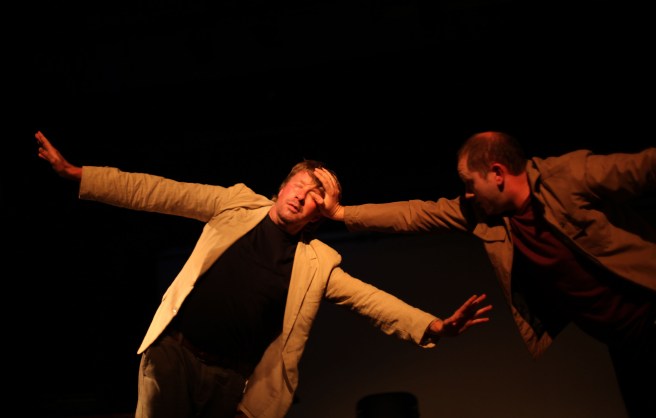
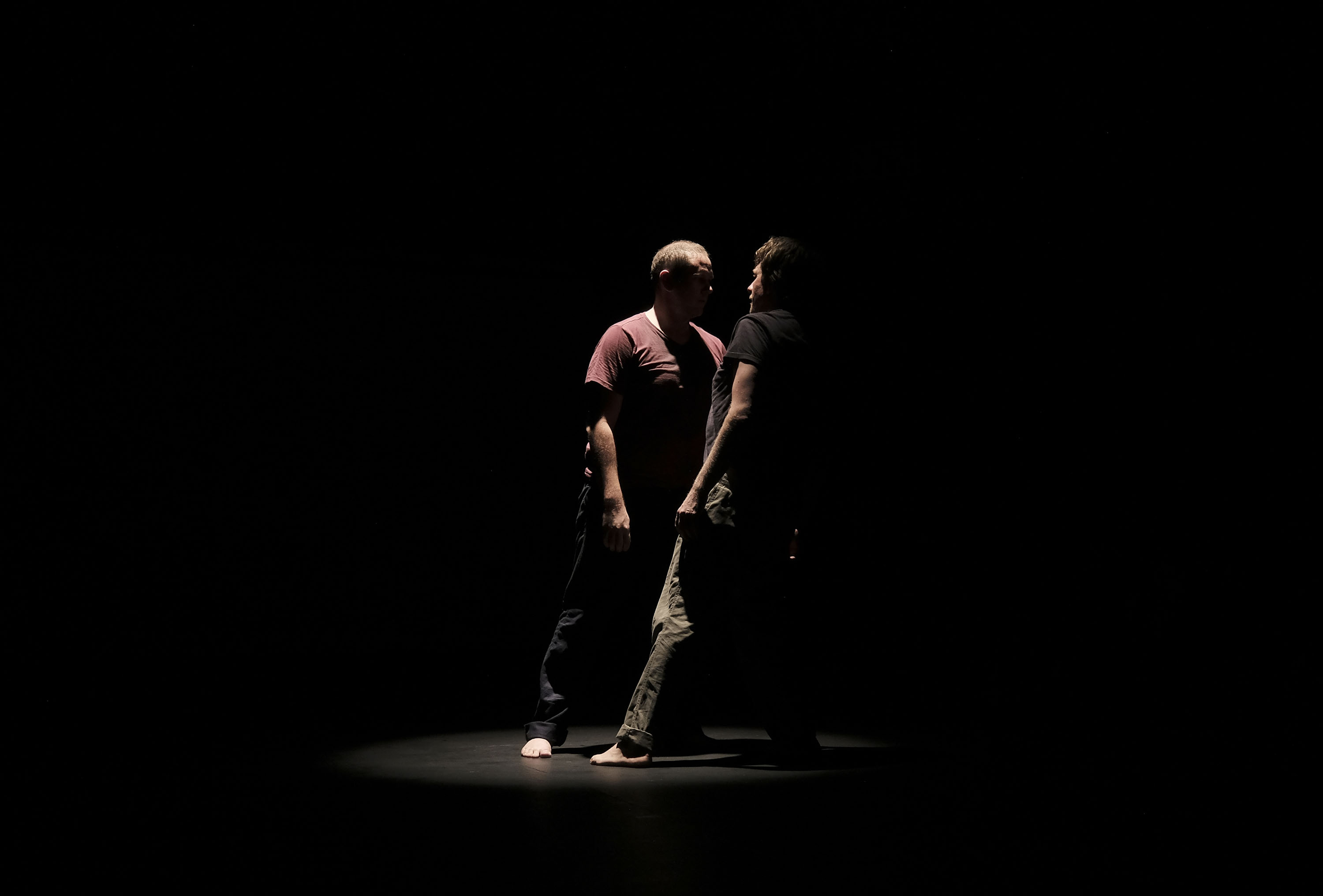
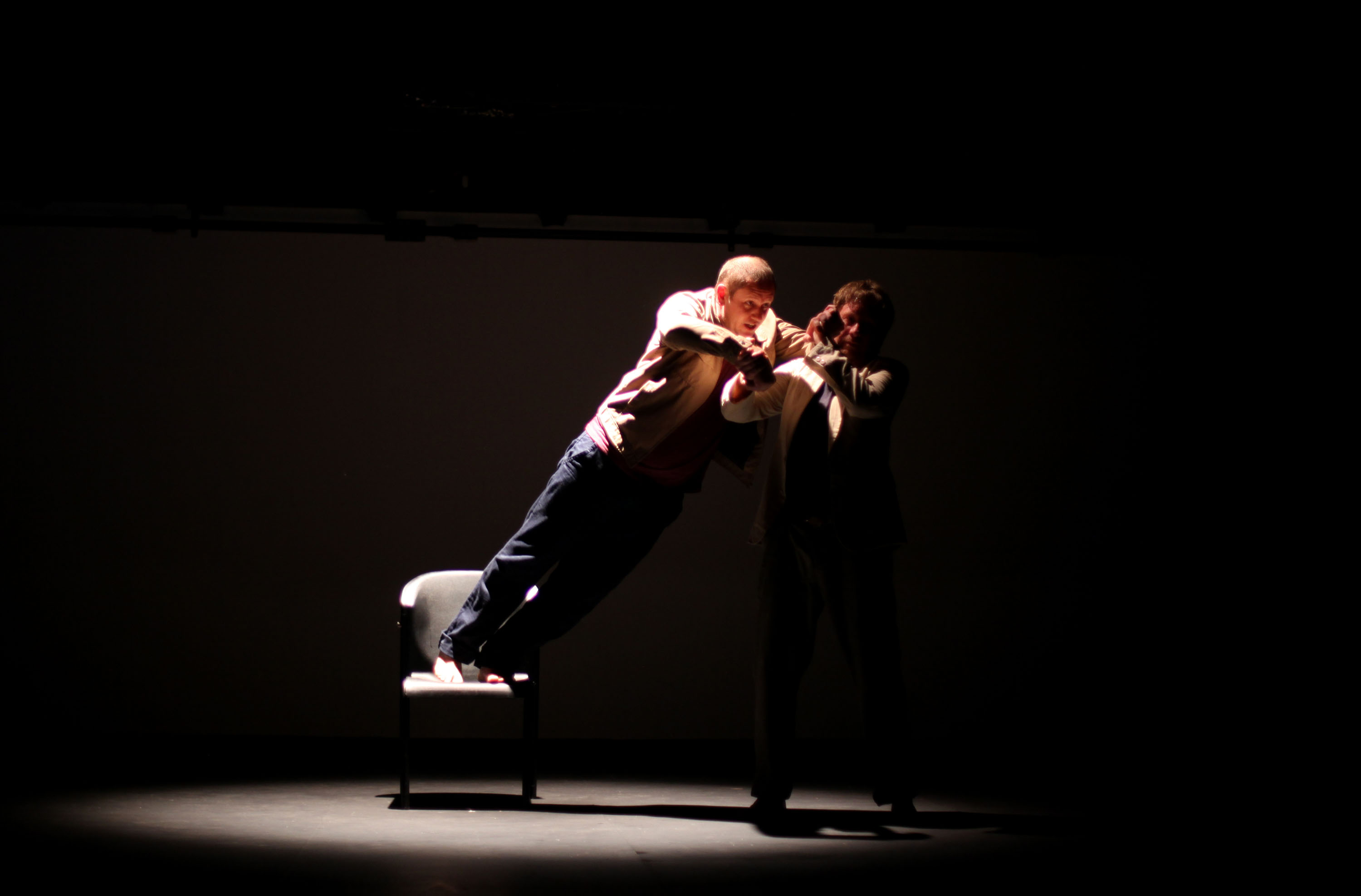
Gerard Bester and Alan Parker created this delightful physical theatre piece playing with ideas that possibly featured in their own lives as ageing performers which begins as soon as you pass through that first theatrical endeavour.
Rather than focusing on age, it’s looking at two performers who have been in the industry for some time and are leaning in to find not only themselves and each other but also a way to be creative – not only on stage but also, hopefully in the world.
There’s a sweetness and a melancholy to their approach which might seemingly come across as quite lowkey, yet delivers a strong emotional punch.
It’s the unusual way they both move, sometimes leaning against a wall or in-between each other or simply trying their best to lean over while being held tightly by the ankles.
It’s about bringing those emotions into the light so that you cannot resist embracing the storytelling as well as the performers.
Perhaps co-director of POPArt, Hayleigh Evans says it best: once she saw it a few years back, she knew she had to present it at POPArt. It’s exactly right for this neighbourhood venue that’s easy to access, casual yet professional in its approach and yet another fabulous way to experience theatre at its most pleasurable.
With Bester and Parker’s experience, their easy approach and their individually original style, it’s yet another way to access life and all the challenges thrown our way.
Simply lean in!

To check out upcoming shows and events:

https://popartcentre.co.za

or

CONTACT:
General: +27 83 245 1040
email: popartjhb@gmail.com

ADDRESS:

POPArt is now located at 59 Dorset Road, Parkwood / Greenside East

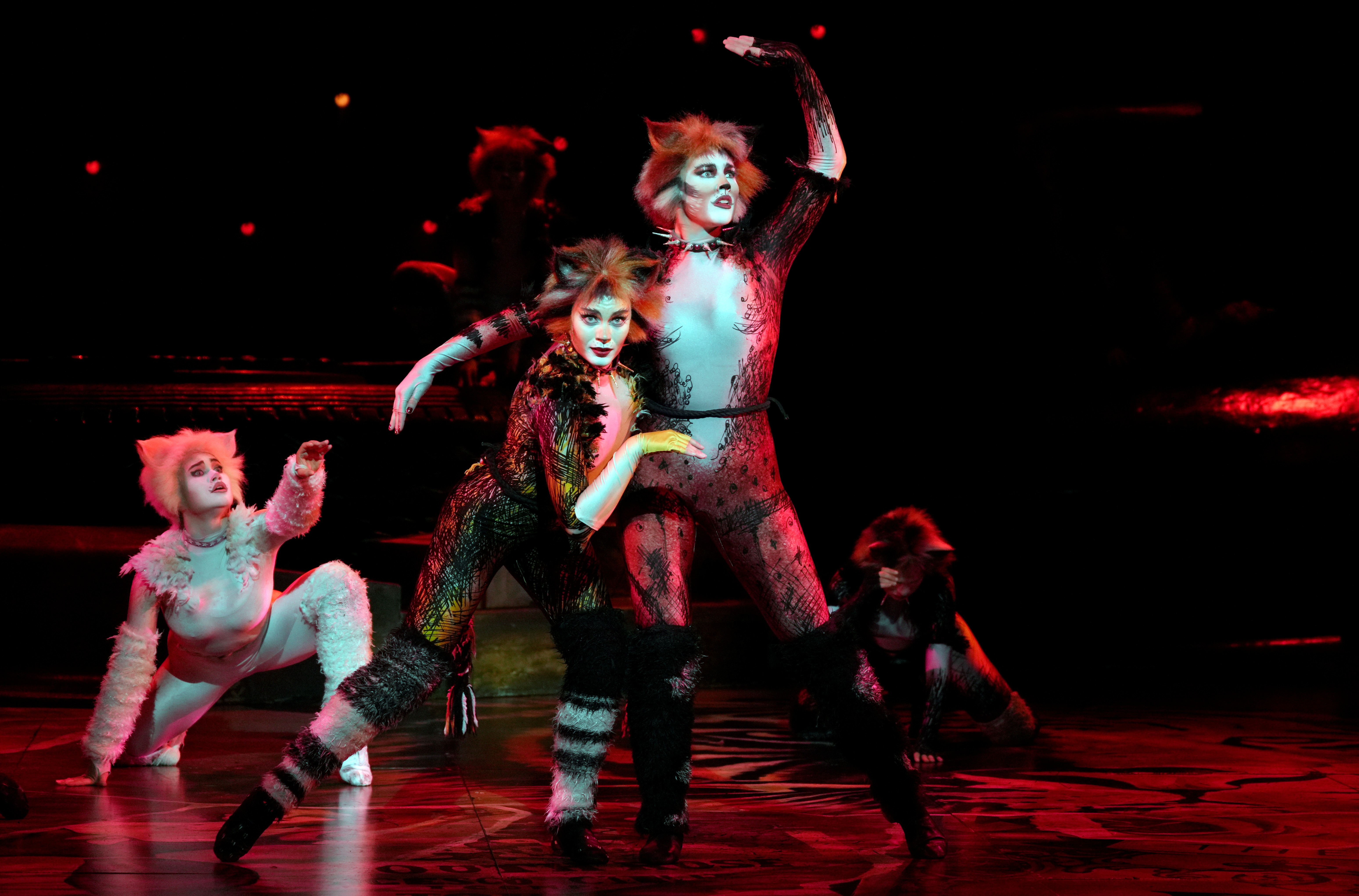
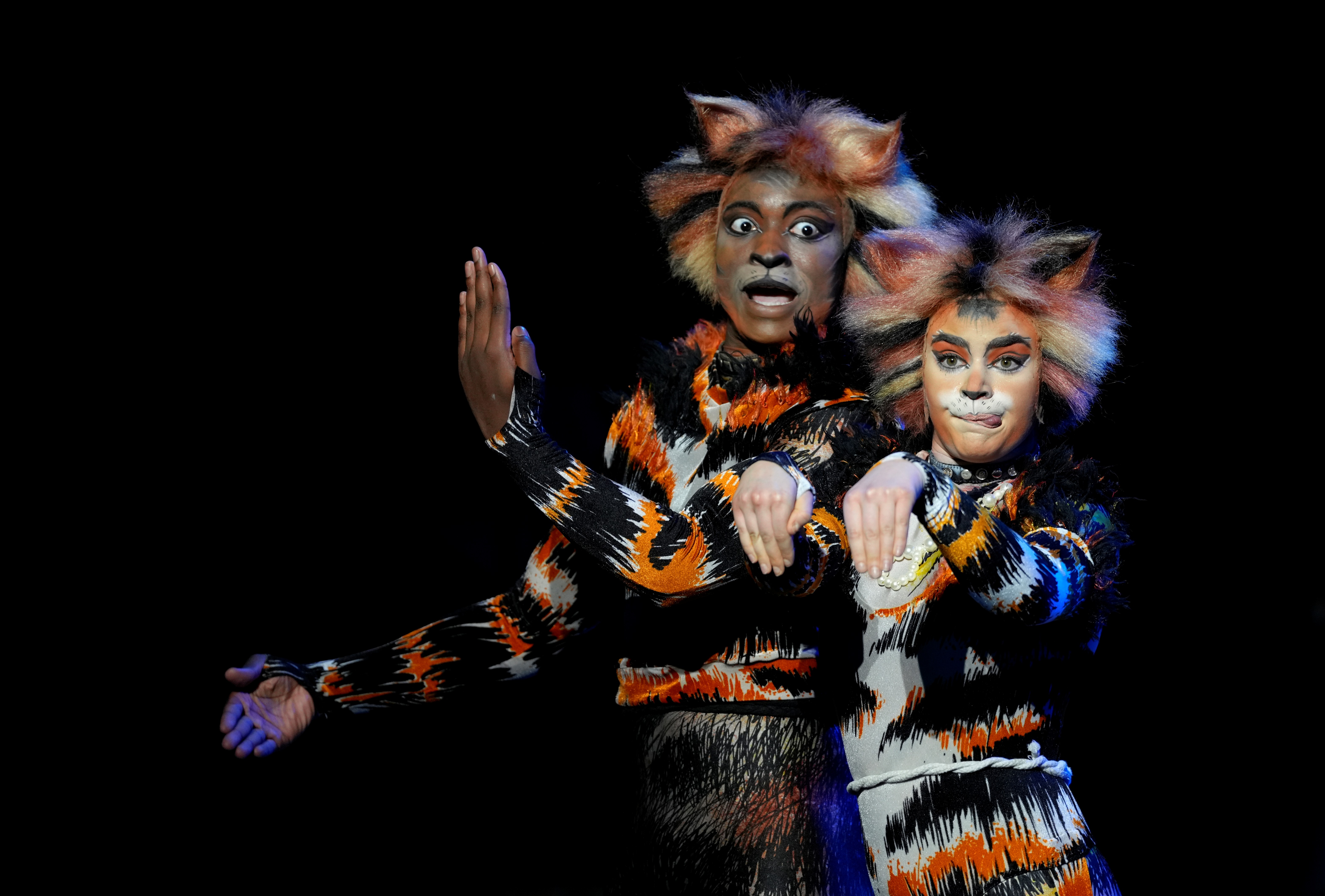
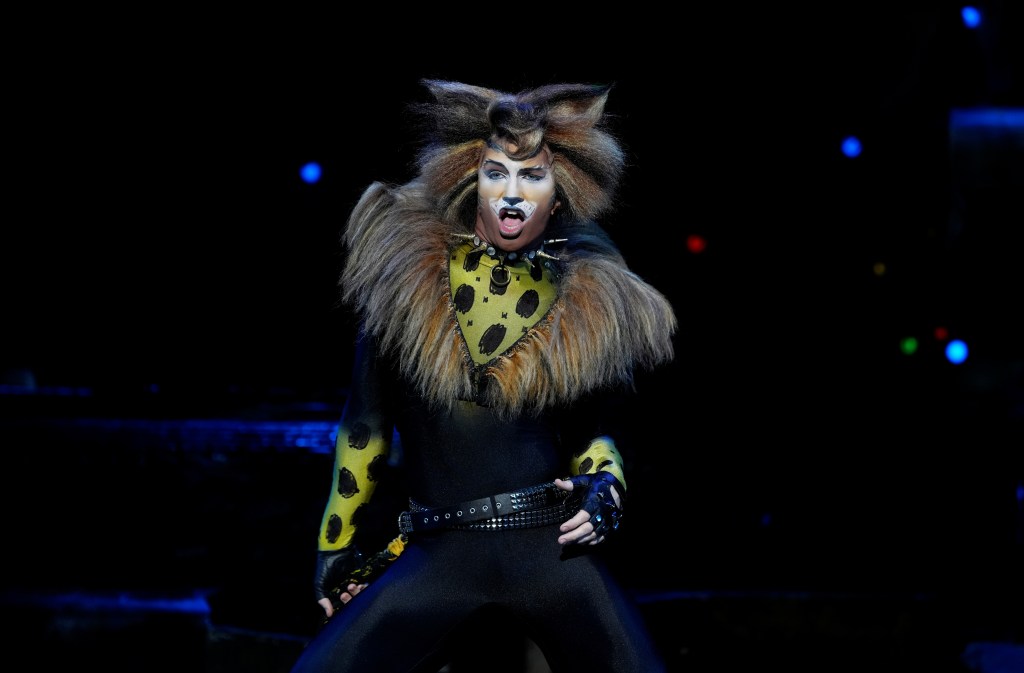
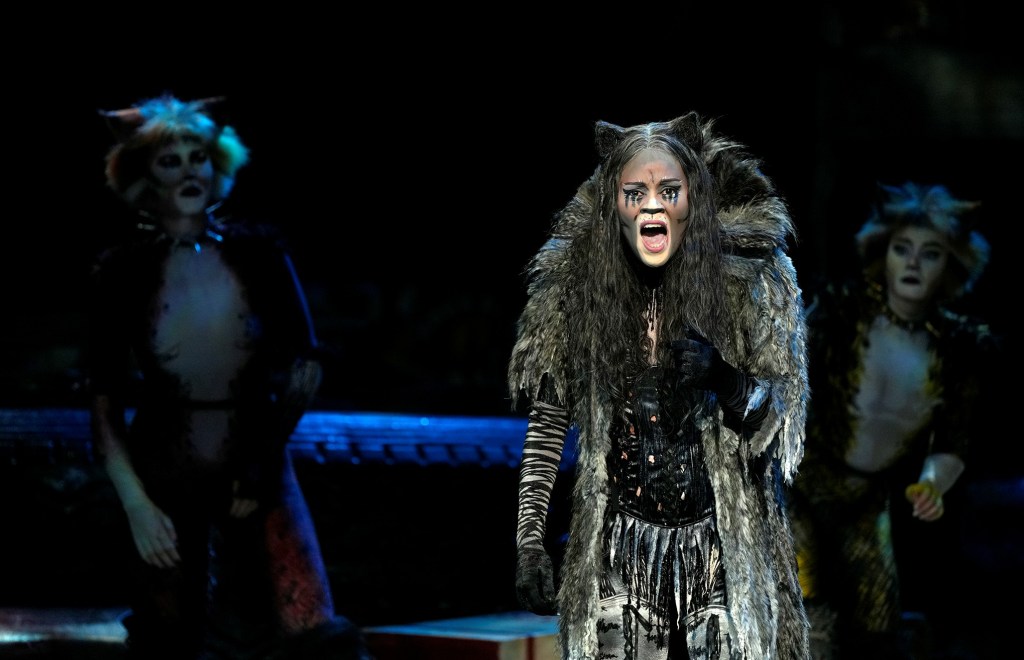
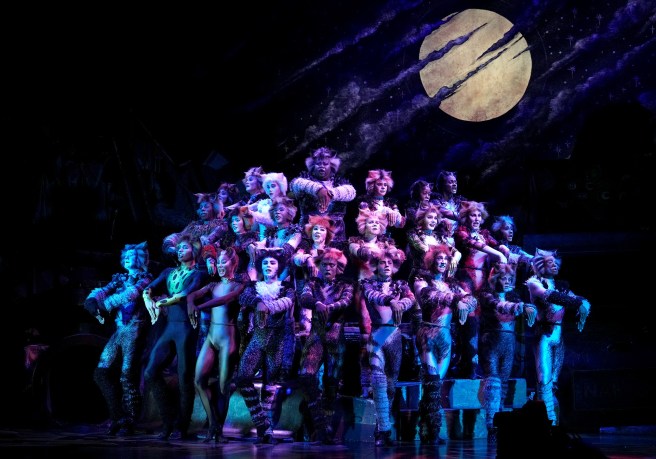
INDIVIDUALLY AND AS AN ENSEMBLE THE CATS PERFORMERS PURRED PERFECTLY

By Diane de Beer

CATS

Music by Andrew Lloyd Webber

Based on Old Possum’s Book of Practical Cats by TS Eliot

Associate Director and Choreographer: CHRISSIE CARTWRIGHT

Musical Supervisor: PETER MCCARTHY

Assistant Choreographer and Director: MATT KRZAN

Musical Director: LOUIS ZURNAMER

Resident Director: DUANE ALEXANDER

Sound Designer: DAVID GREASELY

Lighting Designer: HOWARD EATON

Cast: A MARVELLOUS ENSEMBLE OF 20 PLUS PERFORMERS with a FANTASTIC BAND OF MUSICIANS led by LOUIS ZURNAMER

It’s pretty much a flawless production, this latest version of CATS, which has been staged 25 years after the first production was showcased locally.

How far we’ve come and how much we’ve seen and yet, this remains one of the best musicals staged locally with much of the praise due to a fantastic cast and production team including the musicians.

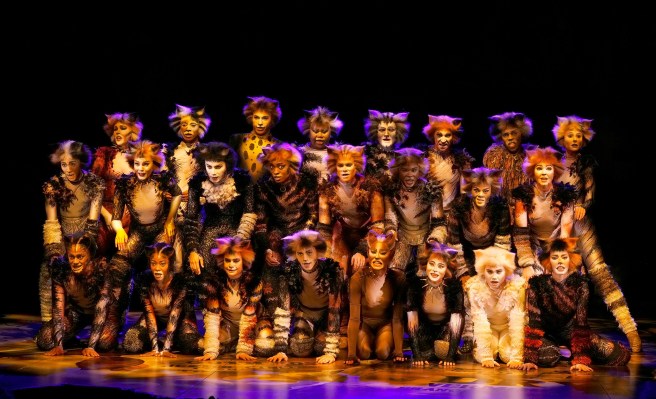
In a production of this size, it takes the very best to pull it off and that’s exactly what we have here. When looking through the cast list I was surprised that I didn’t recognize too many familiar names and yet the full ensemble was phenomenal with not a weak link to be seen.

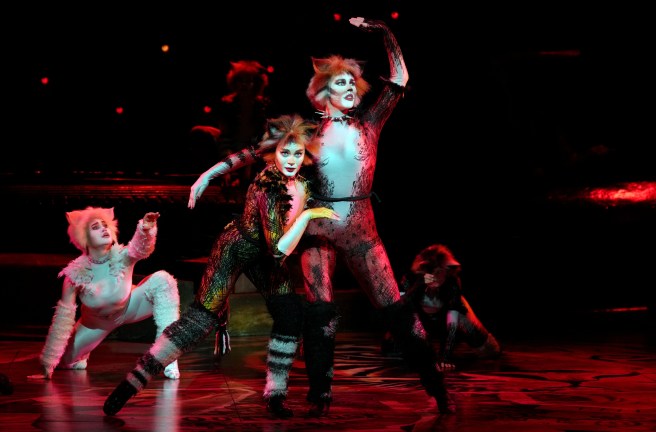
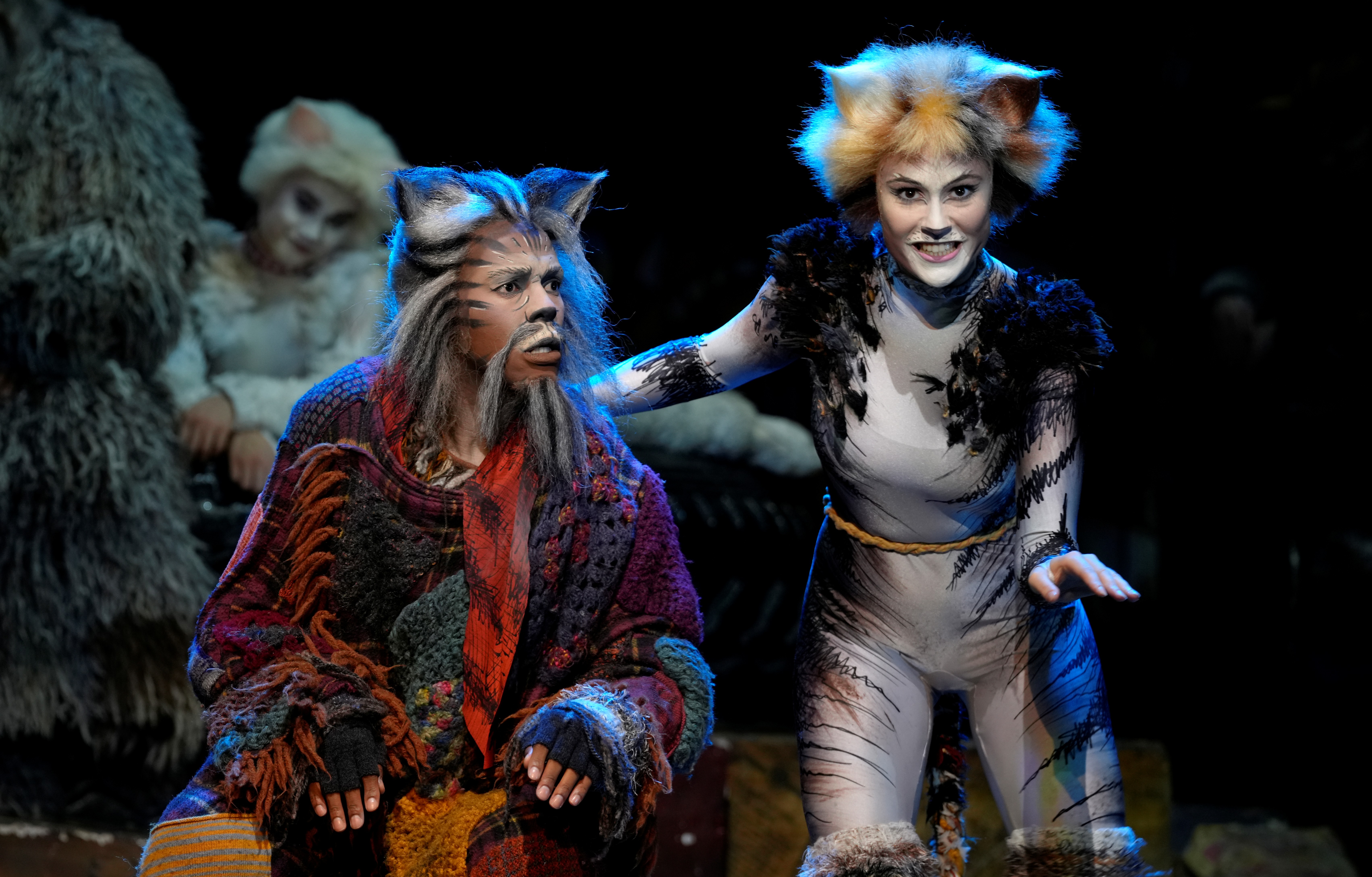
I’m not going to single out any names because they simply all shone from start to finish and this is not an easy show to pull off. Not a paw or a whisker out of place. And the magnificent, choreographed movement and music sung to perfection made you part of this feline gang revitalizing and reimagining their lives.

Further enhancing the production is the dazzling lighting, which in turn enhances solo performances, spotlights sudden appearance or embraces the production full on.

But the clutter of classy cats are the centre of the attention and this clever musical based on TS Eliot’s poems adds innovative flair to this most unusual musical performed by cats.

That is what makes it so intriguing and mesmerizing and as this production pulls you in, it’s easy to see how hard these performers have worked to get this one right. It’s not an easy ask but they have met the challenge full on and we, the audience, are the winners.

I can hardly remember the production all that time ago but I do know that this is perfectly staged, with a cast that leaves you breathless. As someone remarked, they have been rehearsed to an inch of their lives.

It does, however, take that kind of performance to make this work. If we don’t get swept away by the performances and the music, it simply won’t work.

It is a young cast but one that has mastered the skill of presenting a show that never flags for a second. From the first furry paw and big back-stretching arch, we’re right there in the junkyard where this scrappy yet classy coterie entertains us with their memories and magical mysteries.

Pieter Toerien has long been the puppet master of local musical standards with shows that equal the best in the world. This one does his own high expectations proud.

Don’t miss seeing this breathtaking cast give a dazzling display of how to manage one of the toughest theatrical endeavours with ease. And as much as you admire the ensemble that makes it happen, it is also that the production team have encouraged each individual performance to be a standout.

It’s a musical put together of many magical moments with each individual performer creating their own gold standard. It starts with brilliant casting, young performers who achieve magnificence and breathe life into every move their feline characters make and a production team who reached for the stars.

With these performers grabbing the opportunity to show their best, it also looks towards the future of local musical theatre.

Here’s to the next 25 years!

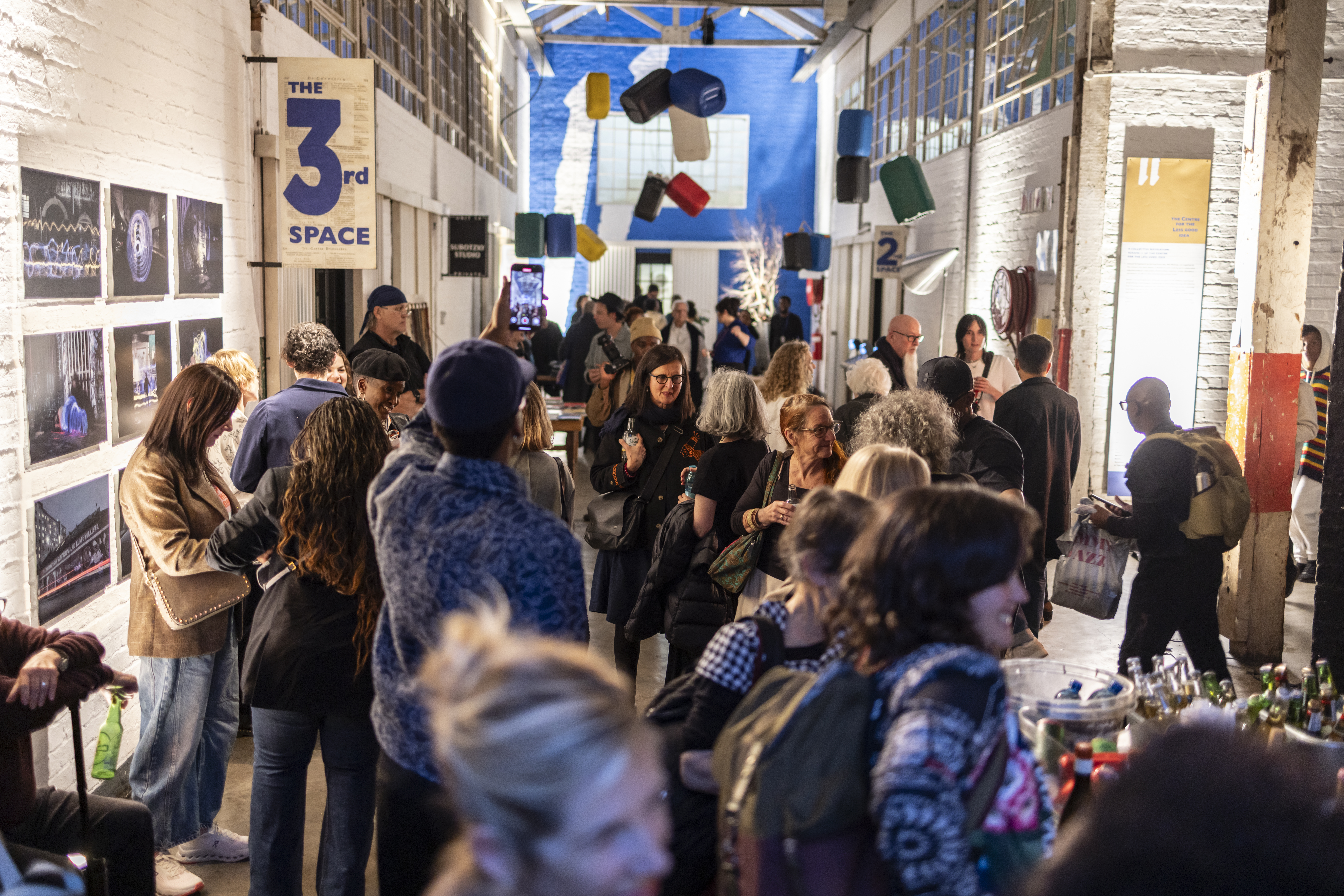
THE CENTRE FOR THE LESS GOOD IDEA STRETCHES THE ARTISTIC BOUNDARIES WITH GAY ABANDON

Photographer: Zivanai Matangi

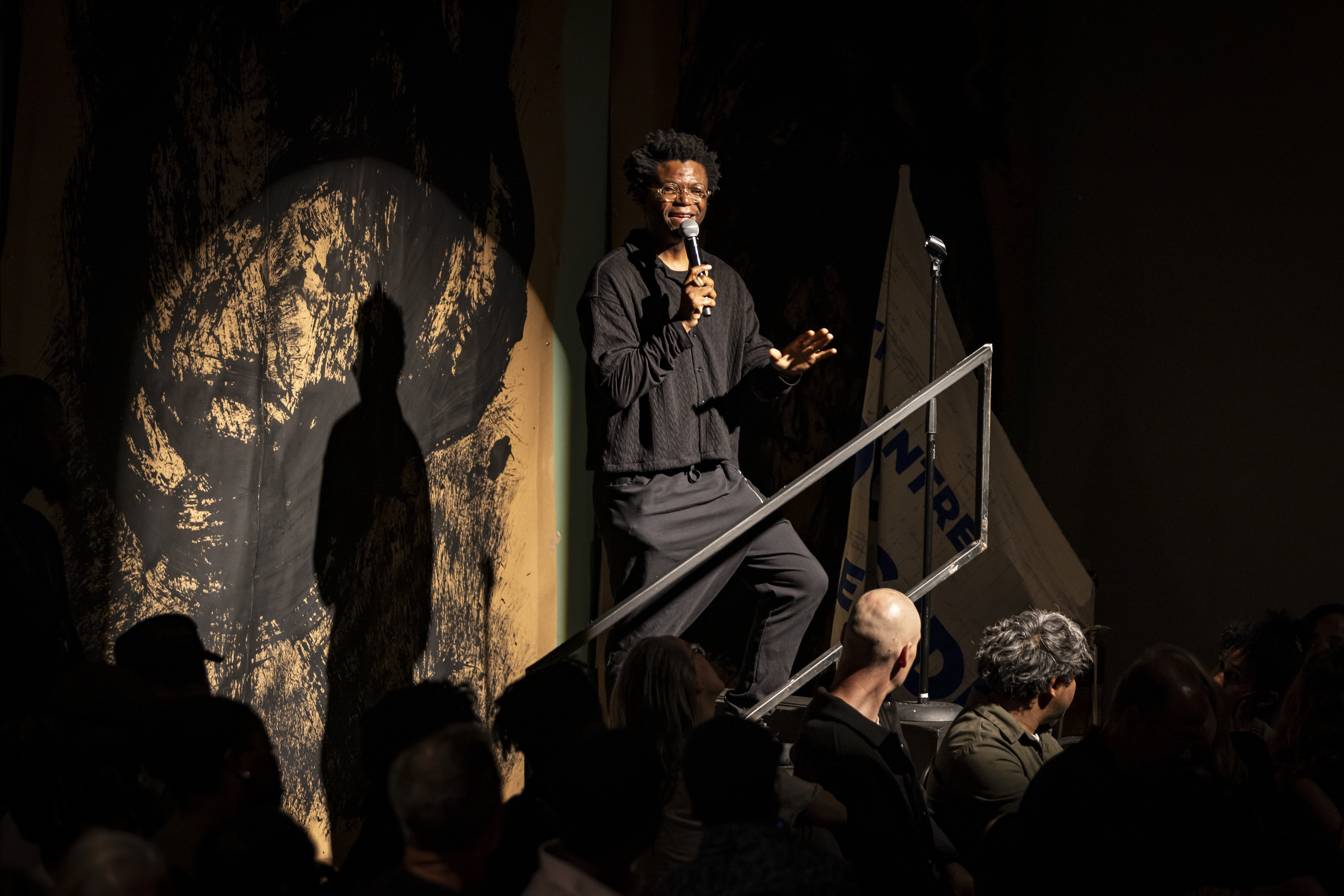
“It’s about how we become an ensemble, whether we are performers, audience members, or neighbours. It’s how the city performs itself through us, and also how we choose to perform the city. Johannesburg is a place that requires a collective navigation, a mutual reliance, a particular call and responses.” Neo Muyanga, Impressario of the Centre for the Less Good Idea in Maboneng.

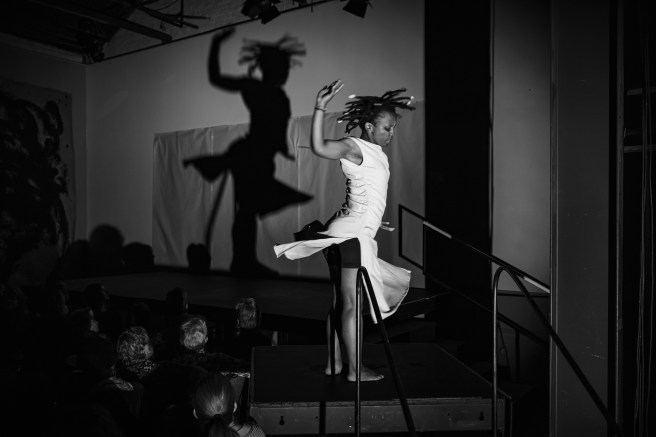
Dancer Thulisile Binda

By DIANE DE BEER

The best would have been to attend all the evenings of the 11th season to experience the full impact of what co-founder and director of The Centre, Bronwyn Lace describes as a multi-limbed, complex organism which she believes is what the Less Good Idea has evolved into. “…our arms reaching into various directions but connected to the same robust body. It makes sense for us to share a season at the end of this year, because we have an abundance of new strategies, forms, and artworks to test, show, and celebrate.”

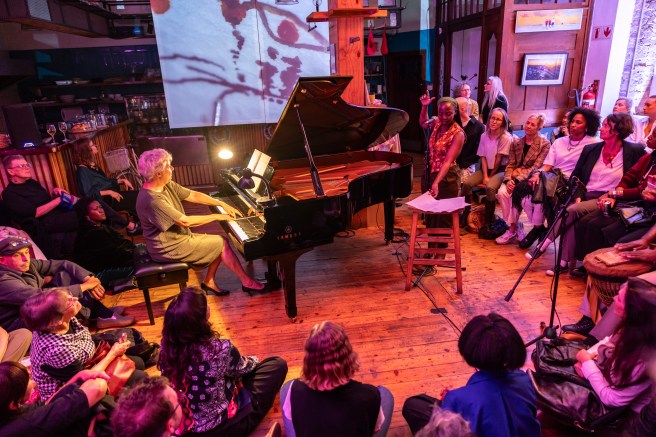
Pianist Jill Richards with vocalist Pertunia Msani.

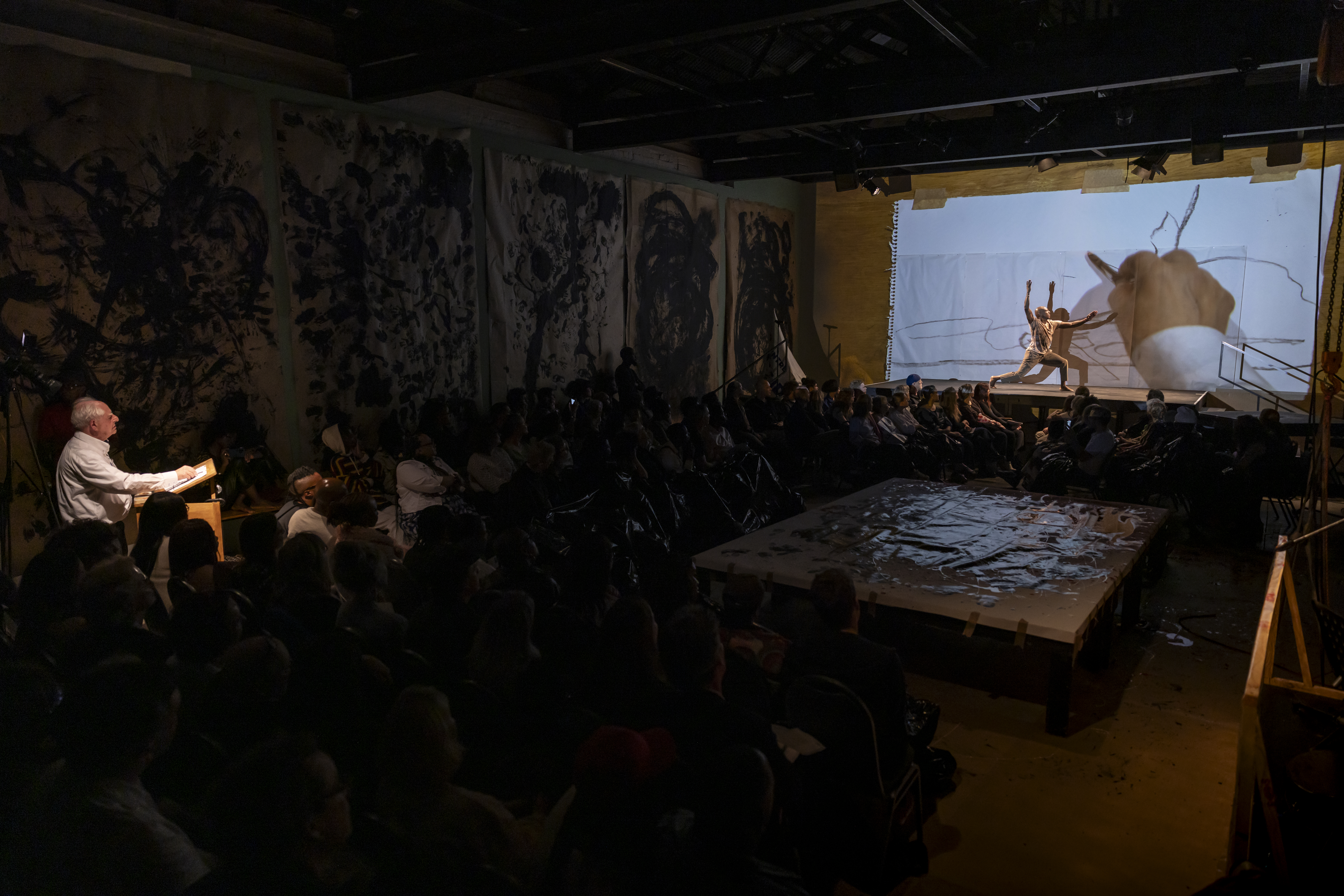
And it certainly was all of that, exploding with a sense of creative abandon in two hours of exuberant performance which ranged from the glorious musically driven showcase by classically trained improviser Jill Richards who performed magnificently with the Benin drummer, percussionist, composer and arranger Angelo Moiustapha accompanied by the melodic voice of Pertunia Msaniiwith Marcus Neustetter’s digital storytelling adding yet another dimension to the experience. The musicianship was breathtaking.

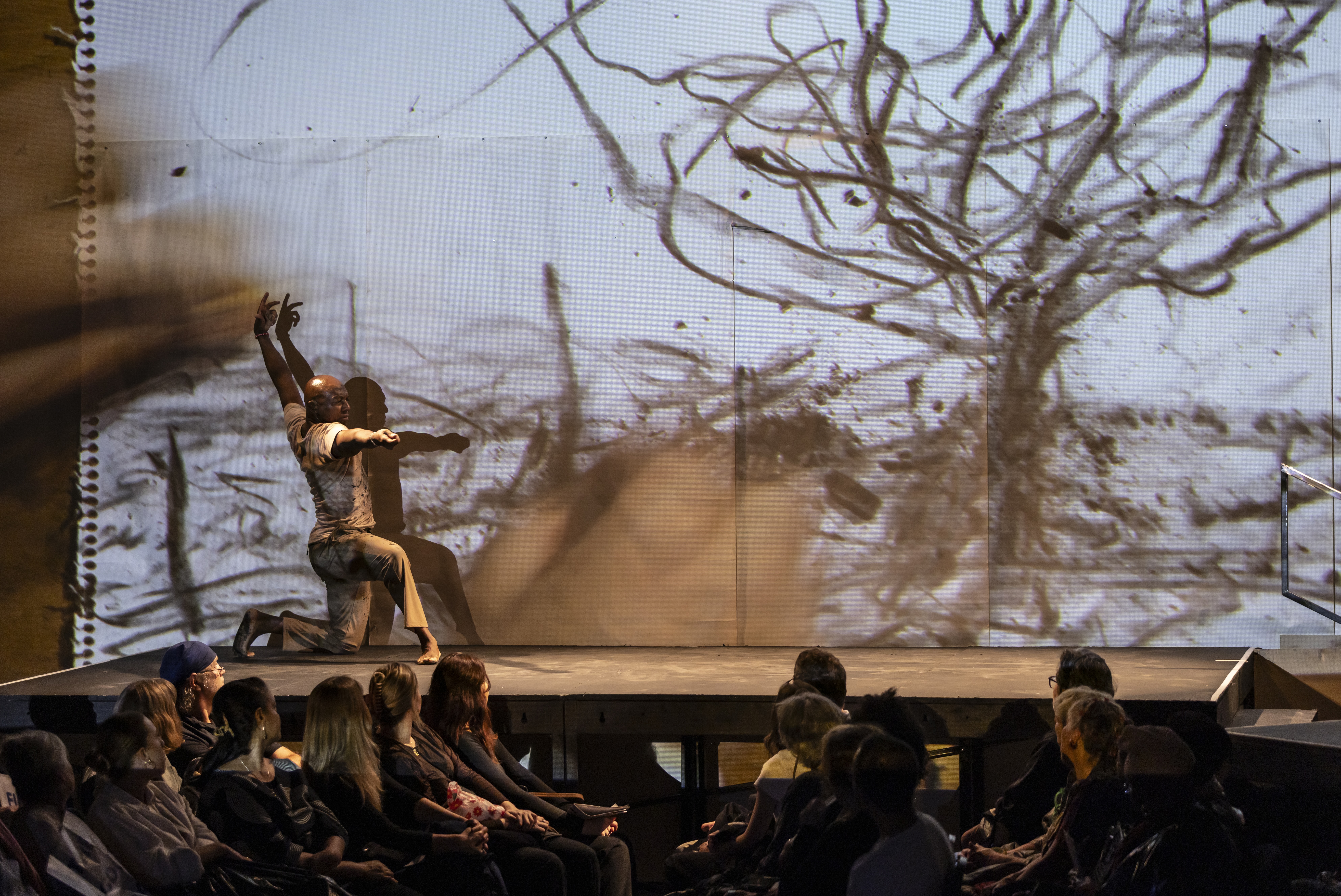
It set the tone for what was to come as the audience moved to William Kentridge’s studio to experience a collection of mindblowing artists, starting with the spiritually immersive Vincent Mantsoe, one of our finest choreographers/dancers in one of his rare local appearances. Translike in his movement and tearing at the soul of those witnessing his deep level of engagement, the evening merged from one artist to another as Kentridge stepped from one stage to the next as he expressed his creativity with body and soul.

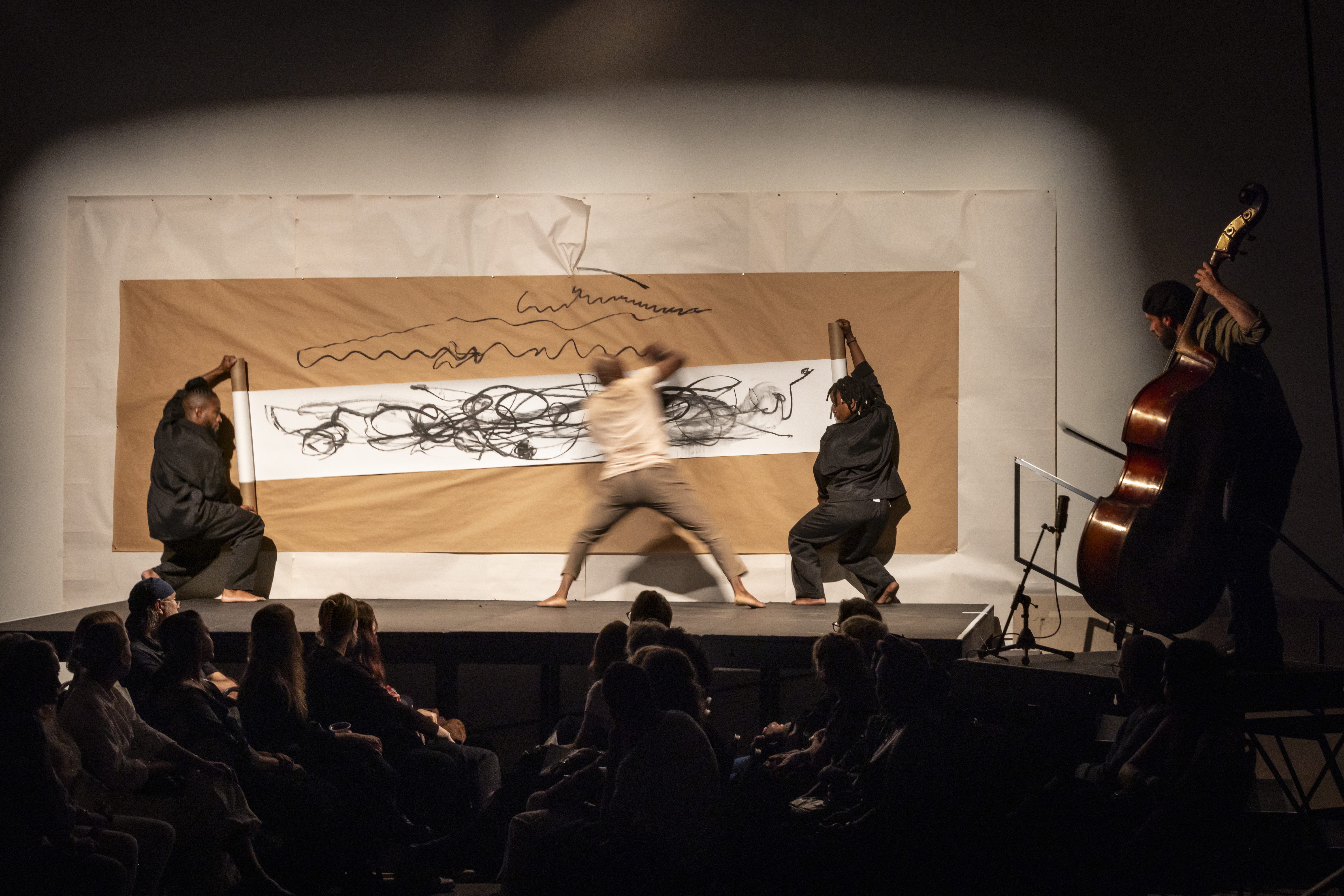
It was all about the merging of art and movement, Moving the Mark, as the event was titled, exploring the relationship between visual art and dance. What they wanted to achieve was to explore the relationship between these unusual pairings and what would emerge.

Vincent Mantsoe in action with percussionist Micca Manganye

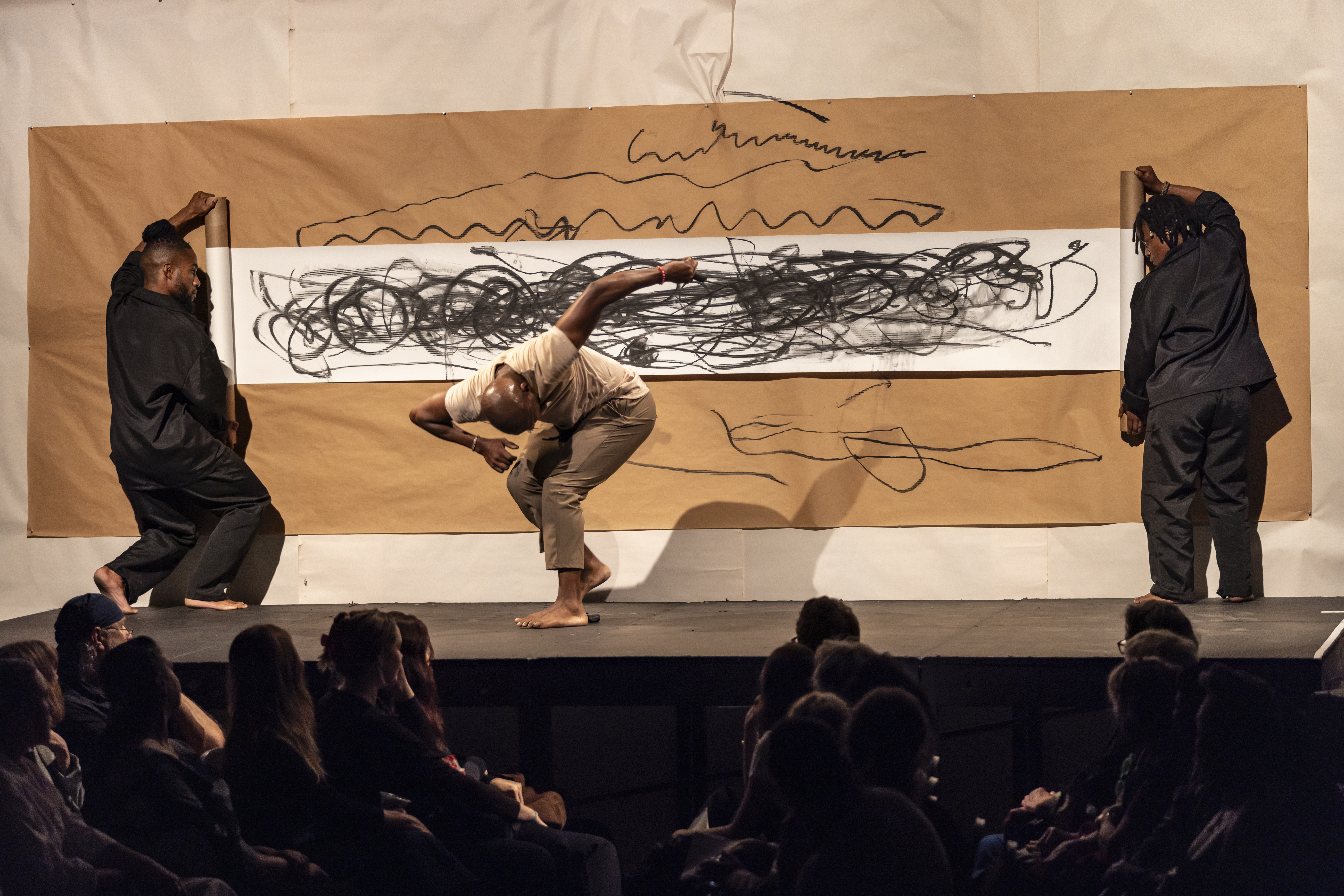
How would the pure art of collaboration determine new creative decisions for an audience to experience and absorb? What happens when a dancer like Mantsoe mimics the ink stains of an artist like Kentridge, or from a different vantage, when the painter choreographs their brushstrokes?

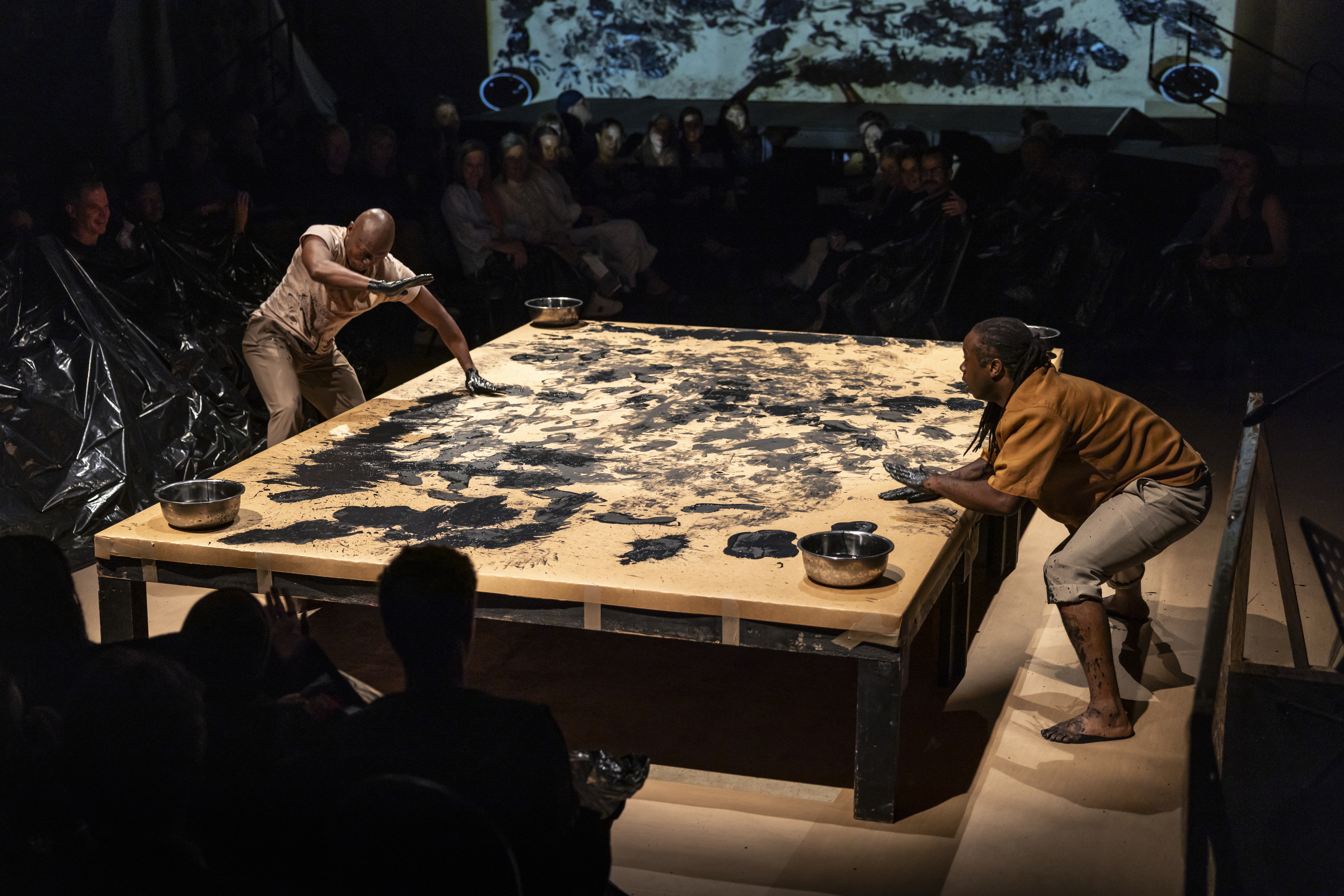
Artist Penny Siopis took to the air in almost trapeze-like fashion, painting her canvas on the floor from up high while choreographer/dramaturg Shannel Winlock-Pailman worked her magic below in mesmerizing fashion, the two artists in total union while expressing their heightened emotions.

All the while, the musical accompaniment captured the experience of the moment, enveloping the audience in the round, some wrapped in black bags to protect them from the explosive expression of art as artists flung paint creatively with fearsome flair.

The Centre for the Less Good Idea is all about the collective voice expressed in collaborative pairings, artists who work in different mediums but have creativity and exploration that binds them, pushing the boundaries, trying different ways of making new work to excite themselves as artists while also challenging and stimulating audiences constantly searching for art and creativity exploring the evolving world we live in.

Curator Neo Muyanga (left) and Kentridge (right, in the left corner) choreographing with brushstrokes while Mantsoe is on stage following the moves.

It’s exciting when artists go beyond the expected, and are given free rein to explore their storytelling genres. How can they beat that drum differently? Given the chance to fail is often the best way to reach excellence but the restrictions are many. And more than anything, it is the encouragement to stretch far beyond the boundaries, to take that leap and to experience the beginning of experiments which are allowed to grow and flourish.

This first sold-out performance of the 11th season proved that the audience is willing and determined to experience artists moving the mark. The rest of the season sounded as extraordinary and my wish would have been to witness the full week of extraordinary creativity encouraged to dare to go beyond the expected.

How blessed are Gauteng audiences (who showed their appreciation) to experience these glorious experiments inspired and empowered by William Kentridge who could have staged them anywhere in the world. Kentridge gives us the opportunity to grow together and to expand our idea of what anything and everything is. Step into the void and see what happens comes to mind.

WITH A ROBUST PRODUCTION TEAM AND VIBRANT CAST “JOSEPH” IS A RADIANT REVIVAL

BY DIANE DE BEER

JOSEPH AND THE AMAZING TERCHNICOLOR DREAMCOAT BY TIM RICE AND LLOYD WEBBER

DIRECTOR: Anton Luitingh and Duane Alexander

CHOREOGRAPHER: Duane Alexander and Jared Schaedler

MUSICAL SUPERVISOR: Charl-Johan Lingenfelder

MUSICAL DIRECTOR: Amy Campbell

SET, COSTUMES AND PROP DESIGN: Niall Griffin

LIGHTING DESIGN: Oliver Hauser

SOUND DESIGN: David Classen

PRODUCERS: Pieter Toerien and Lamta

CAST: Lelo Ramasimong (narrator), Dylan Janse van Rensburg (Joseph), Chris Jaftha (Jacob/Potiphar/Pharaoh)

DATES: Until the end of September

This iconic musical had its first performances 50 years ago and if we take the current revivals, it’s still going strong. And with reason.

It’s always worth watching what Luitingh, Alexander, Lingenfelder, Griffin and Hauser are doing. They know how to breathe new life into what might have become a tired musical without losing its soul.

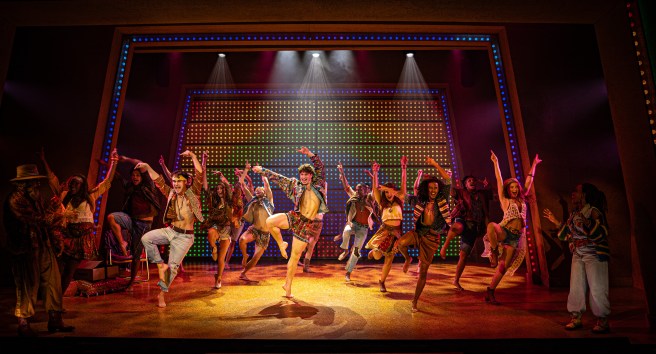
It’s a young and exciting cast who are being given wonderful opportunities to shine but they have also been gifted the tools to make it work.

From start to finish, the clarity of what they wanted to present and achieve was clear and that’s a joy to behold.

From the clever and uncluttered design which works in these smaller theatres to the choreography which flows and adds to the energy, everything is thought through and then executed to perfection. There’s just no leeway for things to go wrong.

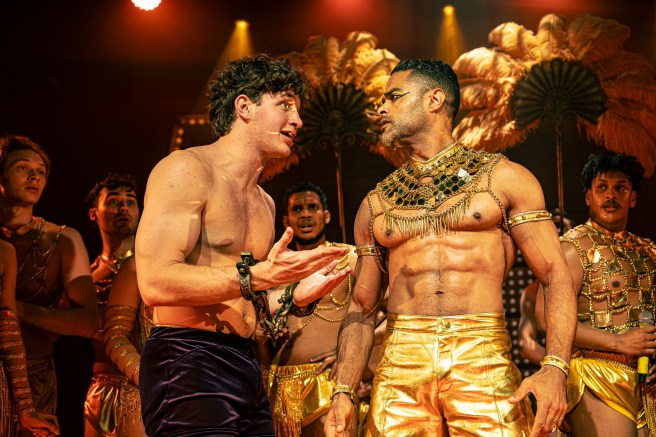
Even when it comes to the look, it’s the way they have selected the costumes. Many were bought rather than freshly designed and, in this instance, a good choice not opting for the traditional dungerees the brothers more typically used to wear.

The only one that had me flummoxed was the narrator. Ramasimong’s blue jeans and shirt with the oddest jersey/jacket was an eyesore rather than using some imagination. Perhaps just a simple flowing robe would have had more impact. She plays a major role, is probably the one who has the most stage time and yet, she sticks out for the wrong reasons visually.

Fortunately she’s a marvelous performer and soars in her role as narrator. She has an unusual voice and a lovely stage presence. She knows this is where she belongs.

And so do the rest of the cast. One has to start with Janse van Rensburg’s Joseph, after all he is in the title role. It’s quite a responsibility on young shoulders in such an intimate large theatre. There’s nowhere to hide and if you don’t bring the goods as well as the charm, you’re in trouble. Janse Van Rensburg has already proved himself in challenging shows like Spring Awakening and he does it again here. He has a strong voice and a vulnerability that works in this part.

And someone who played his part in stealing some of the limelight is Jaftha, who had fun with his trio of roles as Jacob, Potiphar and in particular Pharaoh, the rocker who has a large moment in the musical which has rocketed other local actors (think Alvin Collison) to fame.

It’s a tricky role, but Jaftha has charisma and sass and was more than willing and able to step into any large shoes.

But as much as there are solo moments, it is a musical that involves the full cast because of the nature of the story – a bunch of brothers, for example – and then you have to balance that with the other roles.

If you’ve lived with a musical as long as I have with this one, it’s not easy to catch my attention. But I was stunned. I have seen a few musicals by this production team and I know they usually deliver. From the casting to the costume (bar one!) to the ensemble performances, the singing, the cast in full, it had a joyous feel about it in what can only be described as difficult times.

As well as the music, which was spirited into the new millenium as only Lingenfelder can do. “It was my third production of Joseph and I really didn’t want to do it,” he says. But when he was given the chance to pull the emphasis back to the story and to make sure everything worked for this time, he stepped on board. And it shows, with a score that’s as familiar as it is musically edgy. It’s something he achieves with astonishing regularity.

With the right people, that’s what entertainment can do in times of trouble. It offers respite and has you singing along with a bunch of brothers who hatch a plan to get rid of their father’s favourite son. An unlikely story but many decades ago a clever collaborating team started a much-envied partnership with this one as their first worldwide success.

And if you get it right, it still works. As it does in this latest version.

MAGIC ON STAGE IN THE MOON LOOKS DELICIOUS FROM HERE

REVIEW BY DIANE DE BEER

Pictures: Hoek Swaratlhe

THE MOON LOOKS DELICIOUS FROM HERE

WRITTEN AND PERFORMED: Aldo Brincat

DIRECTOR: Sjaka September

VENUE: Market Theatre

DATES: July 27

DURATION: 70 minutes

In the programme notes online it says that this play is a masterclass in writing and performance – and that is exactly what it is. And the aspects that I found most intriguing as being a born South African, I have been dealing and watched others sharing their trauma in this country for many decades.

Some similarities especially in text will occur, but I am passionate about people creating theatre – especially solo theatre.

Having to travel from Pretoria for most of my theatre, I consider very carefully which plays I want to see whether good or bad, just work that will appeal to me. And this is where theatre sometimes becomes problematic. If you are going to see a play that is 70 minutes long, it becomes a money issue. It has to. Time and travel become a worry.

So I have started coming up with fresh solutions to make my choices easier. With this one, I had already booked for a new musical opening and I thought I could slip this short prodcution into the mix without any difficulty. I see many more plays on one day when attending a festival. And that is what I did and will do more of in the future when the problem rears its head.

Brincat, who is a first generation South African, is described in many different ways and with many accomplished skills from acting, juggling and magic artistry to fine art, chef, writing and producing one-man shows, it seems.

But this is my first encounter as far as I can tell with this versatile artist. As he’s based in Cape Town and visits the National Arts Festival, while I am based in Pretoria and cover the Afrikaans festivals around the country, his work is unfamiliar to me.

The Moon Looks Delicious from Here is a man’s struggle with identity and finding his own place in what should be his world but isn’t always that straightforward is what he shares and struggles with.

It is familiar territory stretching from the ‘60s tot ’94, but it’s always interesting to discoverhow other people deal with issues that come up for many of us in different ways. It is also fascinating to see how others approach their work, especially when at play, as solo shows  can be limiting, depending on the content and how familiar you are with the subject.

He had me from beginning to end; engaging with his audience wasn’t an issue for him even with a most unusual mix on a Sunday afternoon. Half of the 100-plus theatre audience (and I’m guessing numbers) were elderly white couples and the other half were young (between 20 and 35) Black men and women. And throughout there was laughter from different quarters. It was a journey of remembrance for oldies and probably one of illumination for youngsters.

It would have been fascinating to have an audience talk after the show in this instance. This is Brincat sticking his toe in the water and it feels good. Hopefully he will be back so that we can get to know more of his work and his content.